Croatia: Where Lifestyle Beats the Summer Price
Croatia’s coastal charm is meeting structural change: rising regional prices, expanding year‑round tourism and tax reform mean lifestyle choices now drive the smartest property buys.
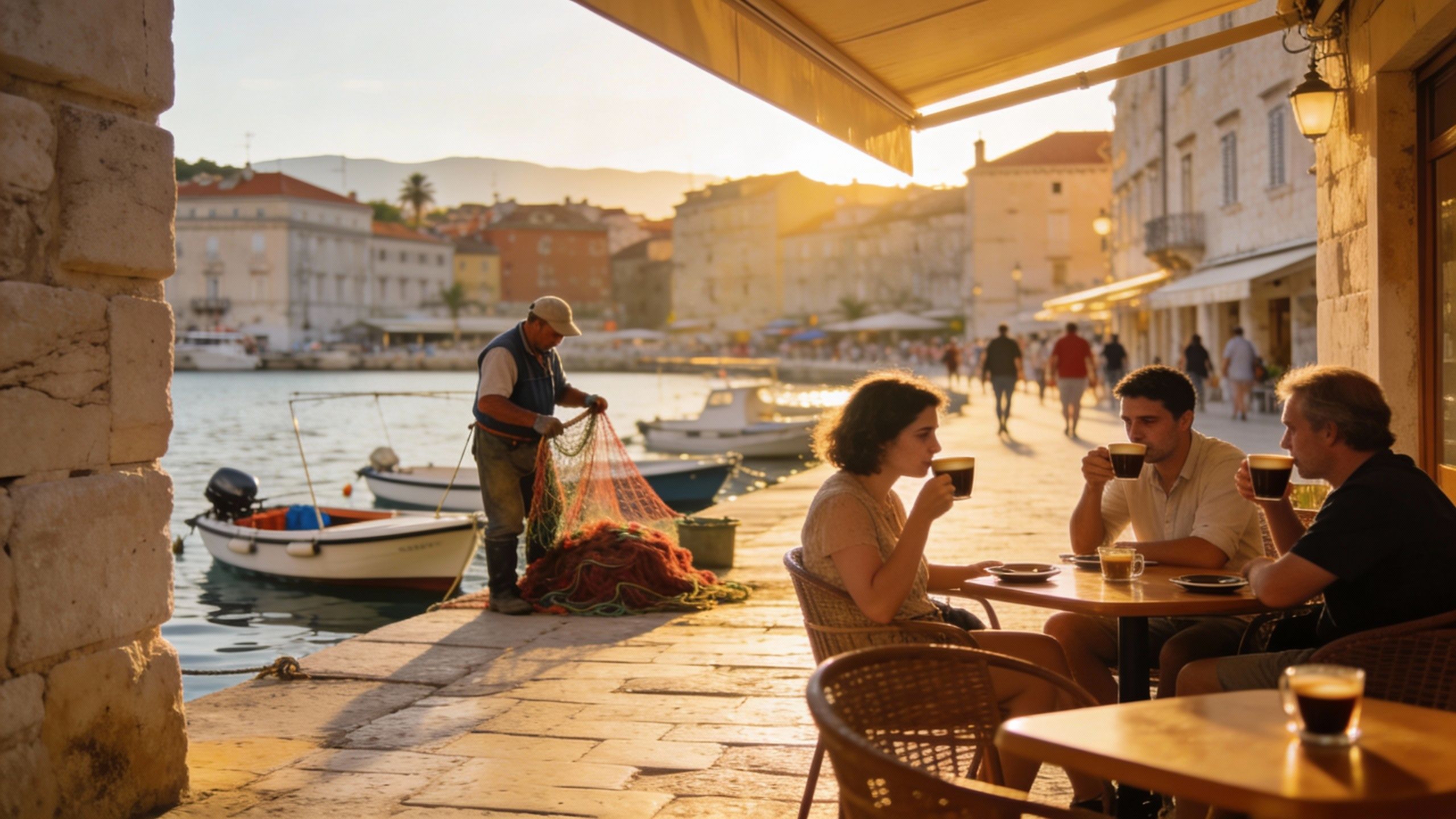
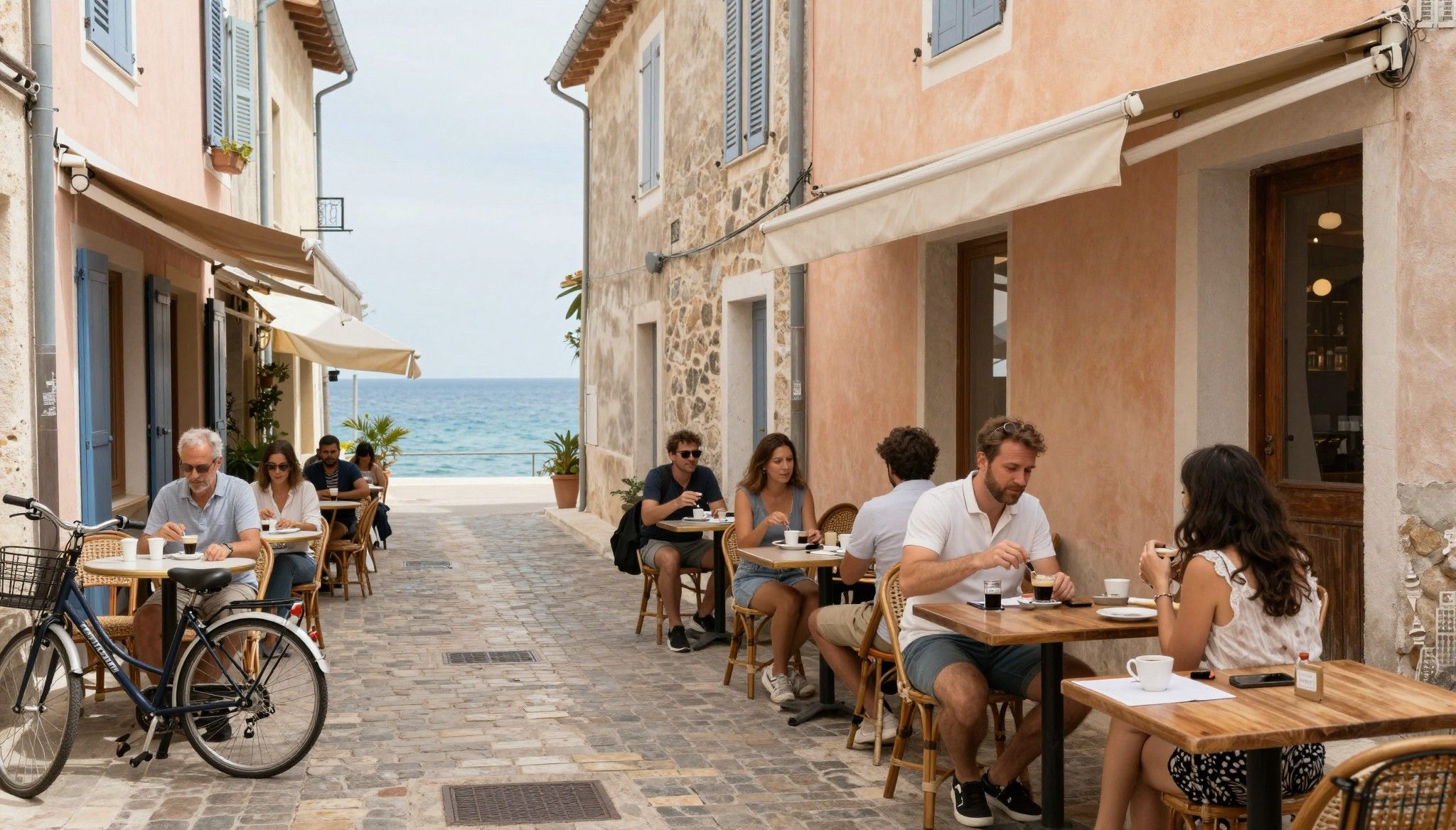
Imagine waking up to a marmalade sunrise over a narrow Dalmatian street, strolling to Café Uliks on Split’s Marmontova for an espresso, then spending the afternoon island‑hopping to a pebble beach where locals grill fish. That everyday scene is why people fall in love with Croatia: a rhythm that balances small‑town familiarity and coastal spectacle. Behind the romance, the market is changing — tourism is less seasonal, prices have risen regionally, and policy shifts are nudging owners toward long‑term rentals. Understanding those shifts lets you buy a life here, not just a summer address.
Living the Croatia life: everyday scenes that shape where you buy
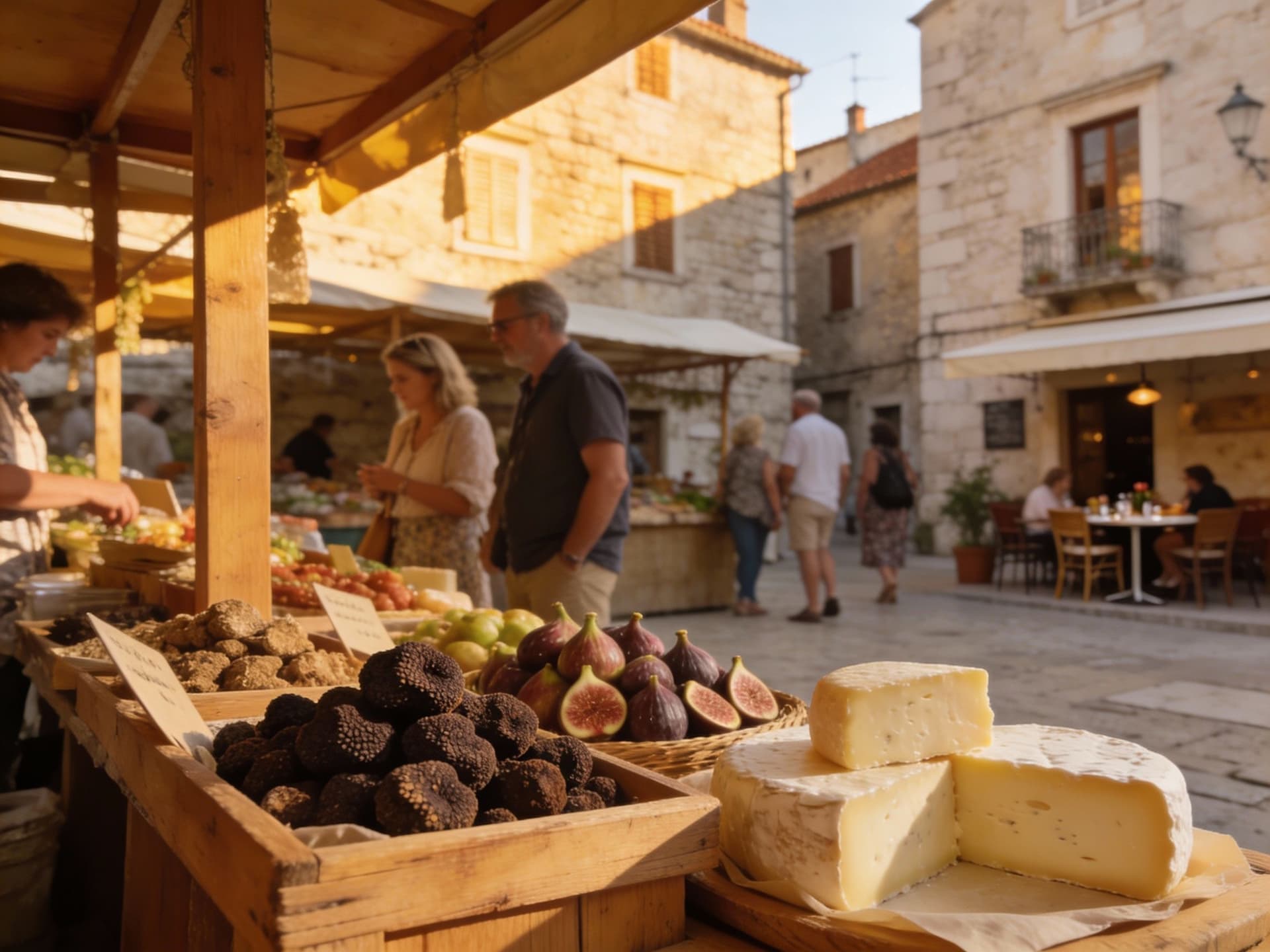
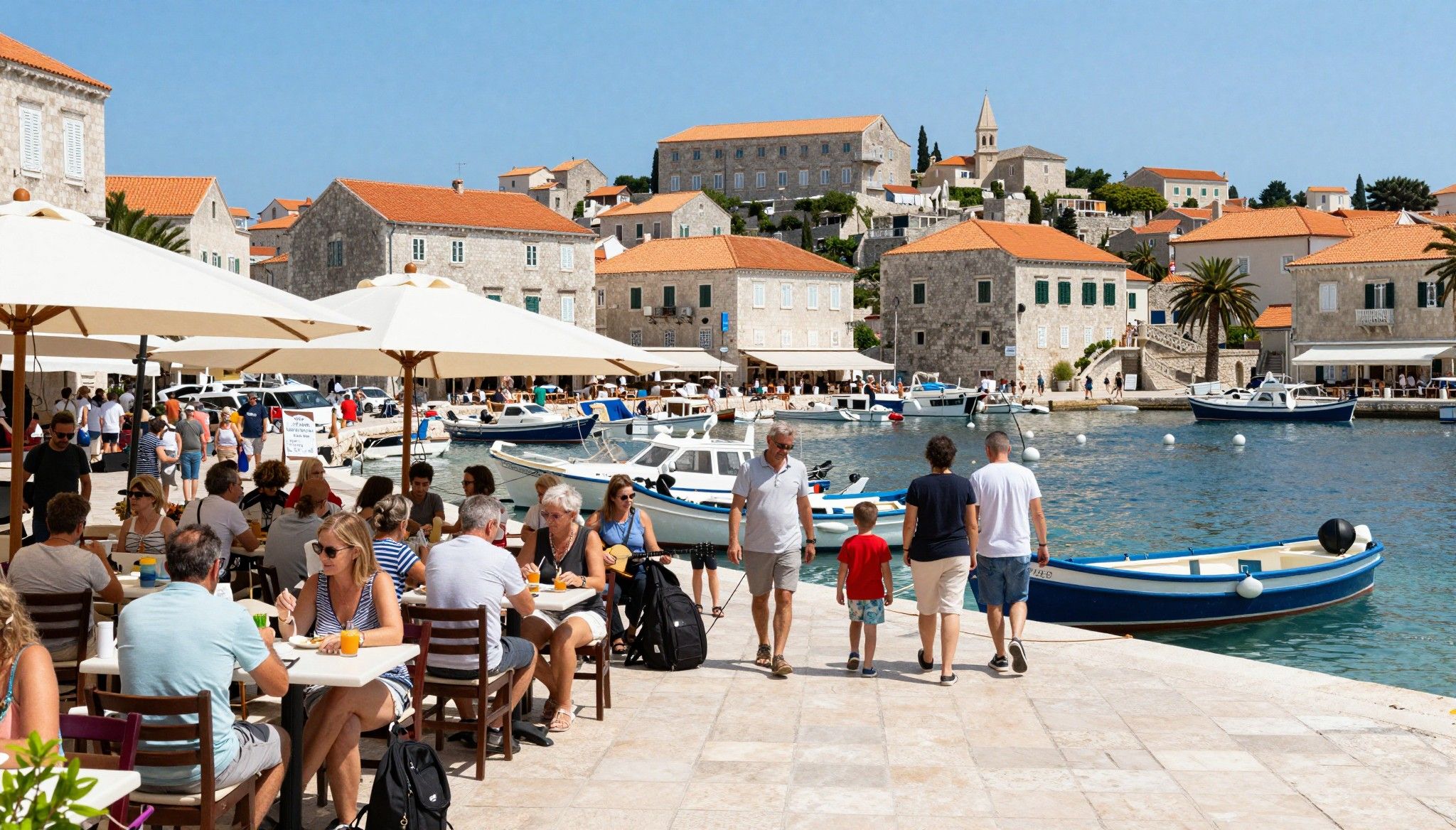
Croatia’s appeal is tactile: cobbled alleys in Dubrovnik’s Ploče, late‑night konobas in Hvar Town, farmers’ markets in Zagreb Zrinjevac, and family picnics under Aleppo pines along the Istrian coast. Those daily rituals influence property choice — a waterfront apartment in Split puts cafes and boats on your doorstep, while a stone house inland gives you garden space and quieter winters. For many internationals the decision isn’t only price per square metre, it’s whether your daily life will feel effortless or forced.
Neighborhood spotlight — Split & Veli Varoš
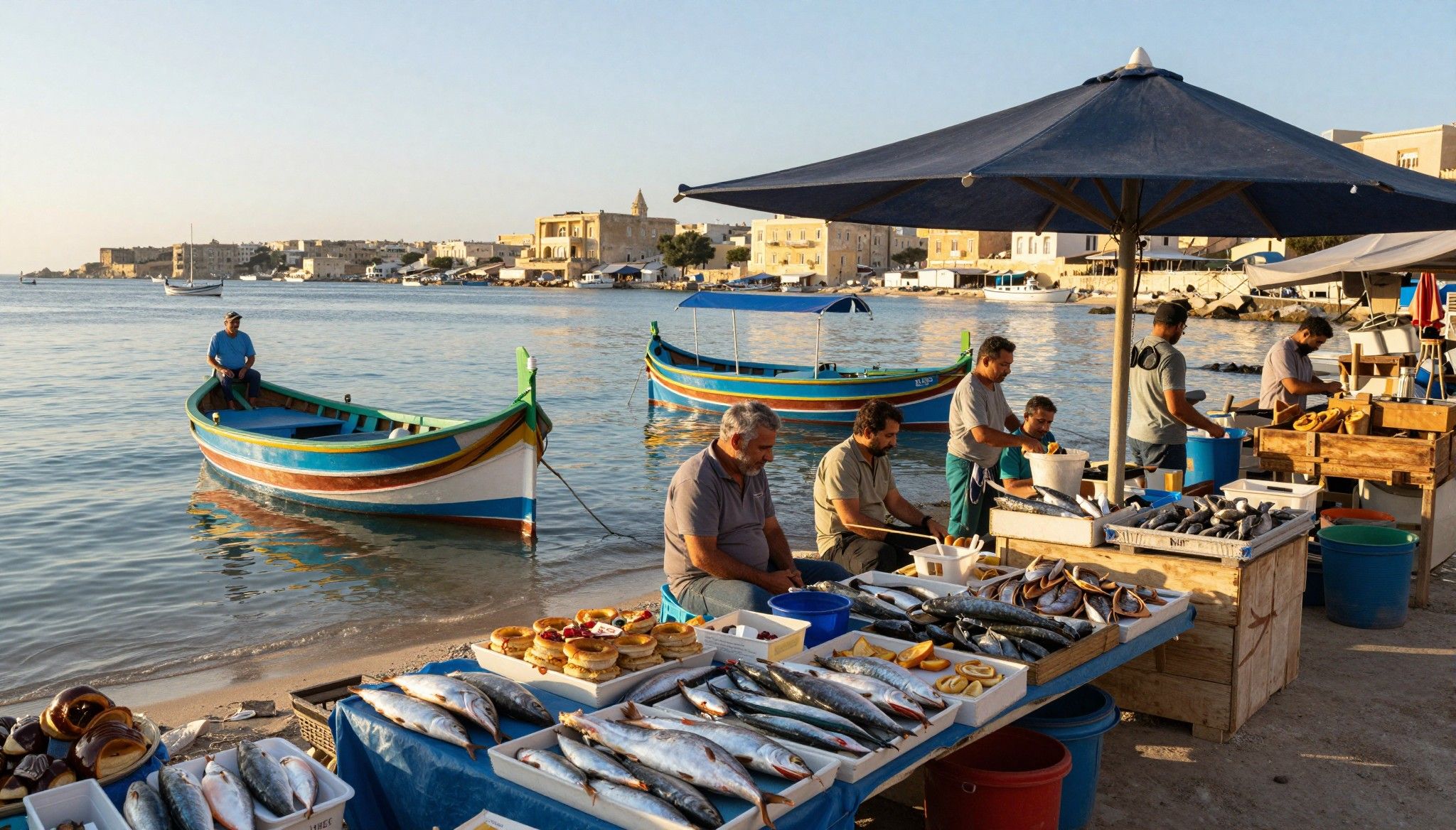
Walk Veli Varoš at dawn and you meet fishermen mending nets and bakers loading fresh kroasani. It’s compact: narrow lanes, low stone houses with terraces, and a community used to year‑round life rather than pure tourism. For buyers this micro‑scale means limited supply and a premium on renovated properties; expect smaller footprints, higher per‑square‑metre asking prices, and a need for an agent who knows off‑market sales.
Food, markets and the social map
Croatia’s food life — fish grilled with olive oil, truffles in Istria, and morning markets piled with figs and cheese — drives where people want to live. Increased pre‑ and post‑season tourism and a push to year‑round experiences mean restaurants and markets are expanding beyond summer months, which in turn supports longer‑term rental demand and neighbourhood vibrancy. Official tourism data shows rising arrivals and longer stays, a pattern that reduces the gulf between summer rentals and year‑round communities and changes where investment returns look most reliable.
- Dalmatian coastal cafés where locals gather (Split’s Marmontova, Šibenik’s Obala, Hvar’s waterfront) Istrian weekend truffle routes and family konobas near Motovun Zagreb’s Dolac Market and neighbourhood bakeries that define everyday life Hidden pebble beaches on Brač and Vis with small clusters of restored stone houses Local yacht marinas (e.g., ACI marinas) that create micro‑economies and year‑round services
Making the move: how lifestyle choices map to property decisions
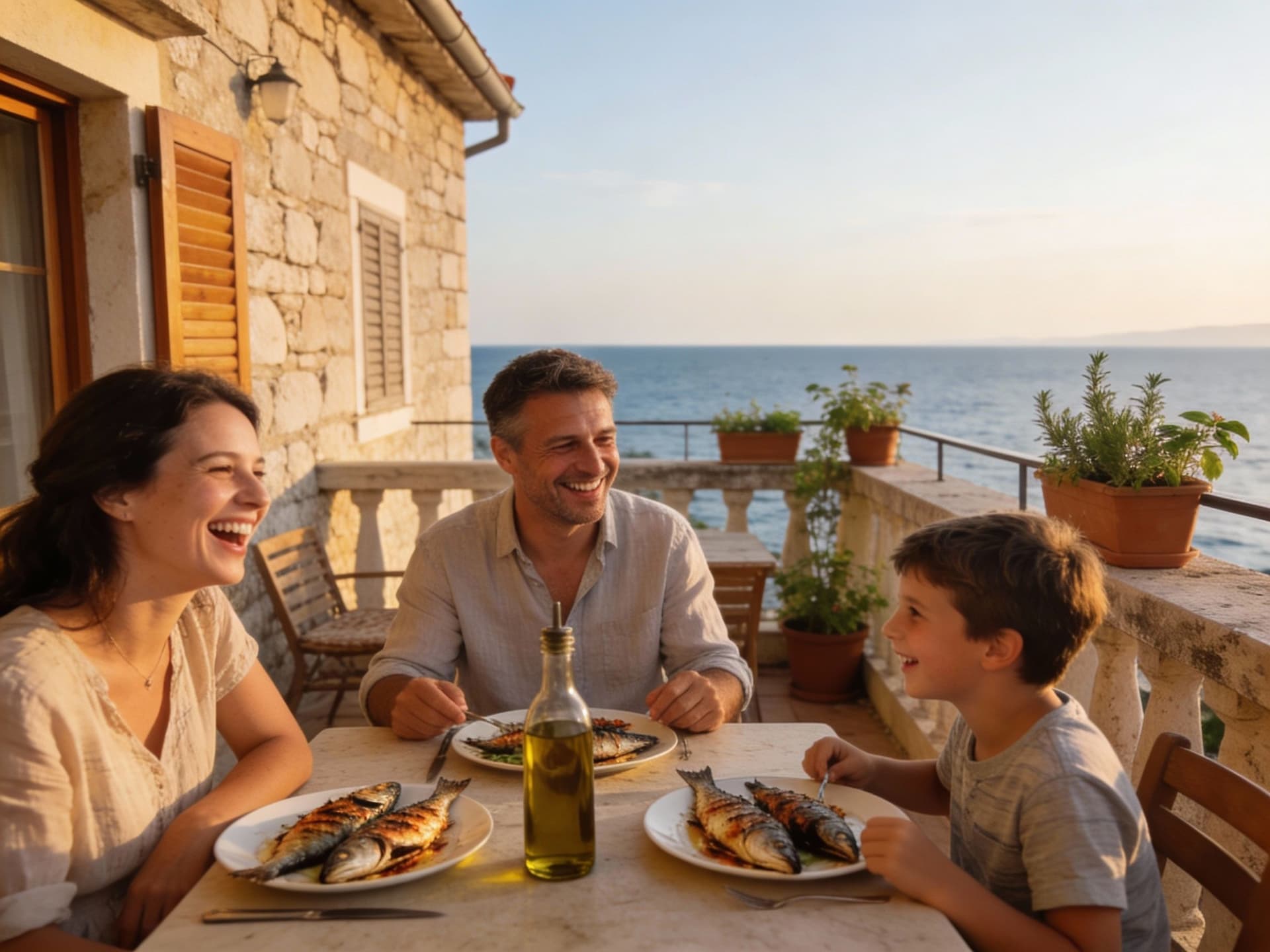
Dreams collide with data when you start looking at listings. Coastal Dalmatia and Istria show the highest asking prices per square metre; inland Slavonia is markedly cheaper. Recent portal data and regional indices reveal notable spreads — the lifestyle you want often comes with a predictable premium. If you prioritise walkable cafés and dock‑side life, budget for higher per‑m² and factor in renovation costs for historic stone buildings.
Property styles: stone houses, new builds and sea‑view apartments
Stone restorations offer charm and thermal mass (cool summers, chilly winters) but often need structural and insulation upgrades. New builds provide modern insulation, warranties and easier maintenance but are often located on the edges of historic centres. House price indices show steady rises in recent quarters; that matters for buyers weighing renovation timelines against expected capital appreciation.
Working with local experts who know the life, not just the listing
A local agent who can point to neighbourhood cafés, the nearest market day, and year‑round transport is worth their weight in saved mistakes. Expect agents to translate lifestyle questions into practical criteria — how much sunlight a terrace gets in winter, ferry frequencies outside July, or whether a street will be busy with autumn festivals. Choose advisors who combine neighbourhood knowledge with legal partners experienced in Croatian title searches.
- Visit neighbourhoods in different seasons to test rhythms (spring, mid‑summer, late autumn) Ask agents for utility bills and maintenance records for older stone properties Prioritise walk score and ferry schedule over marketing photos if you want daily convenience Insist on an independent structural survey before swapping deposits Plan for renovation timelines — many restorations take 6–12 months longer than sellers estimate
Insider knowledge: what expats wish they’d known earlier
Expats often tell a common story: they fell for a street and later discovered seasonal rental pressures, or a pending property tax reform that changes hold costs. Croatia introduced measures to encourage long‑term rentals and tax vacant units, shifting incentives away from short‑term holiday letting. That affects both cashflow projections and neighbourhood character — areas once dominated by summer lets are evolving toward more consistent, year‑round communities.
Cultural cues that change how you live
Language and manners matter in everyday life: learning basic Croatian phrases opens doors in markets and konobas, and being aware of local norms — quieter Sundays, village patron saint days — helps you integrate. Many expats find community through seasonal volunteering, local sports clubs, or language cafés; the people you meet in those places often point you to the best under‑the‑radar properties.
Longer‑term lifestyle considerations
Think three to five years ahead: will you want more local ties, a larger kitchen for seasonal entertaining, or easier access to healthcare and schools? Coastal towns are increasingly investing in off‑season attractions which supports year‑round residency, while inland locations offer lower acquisition costs but require a different social investment to build community. Position your purchase around the life you’ll want in five years, not just the holiday you imagine now.
Conclusion — Croatia as a lived choice and what to do next
Croatia offers a blended life: Mediterranean tempo, strong regional identities, and a market that increasingly rewards year‑round living. Start by spending at least three extended visits in neighborhoods you love, work with an agent who can show off‑market options and local rhythms, and factor in policy changes when modelling returns. If the idea of morning markets, late‑night konobas and short ferry hops feels like the life you want, the market data suggests it’s a reasonable time to explore — prepared, season‑aware, and with local expertise.
Dutch investment strategist with a Portugal-Spain portfolio. Expert in cross-border financing, rights, and streamlined due diligence for international buyers.