Croatia: Love the Life, Check Reciprocity & Season
Croatia’s coastal charm masks rapid price growth and new rules. Fall in love first, verify reciprocity and off‑season life, then buy with local due diligence.
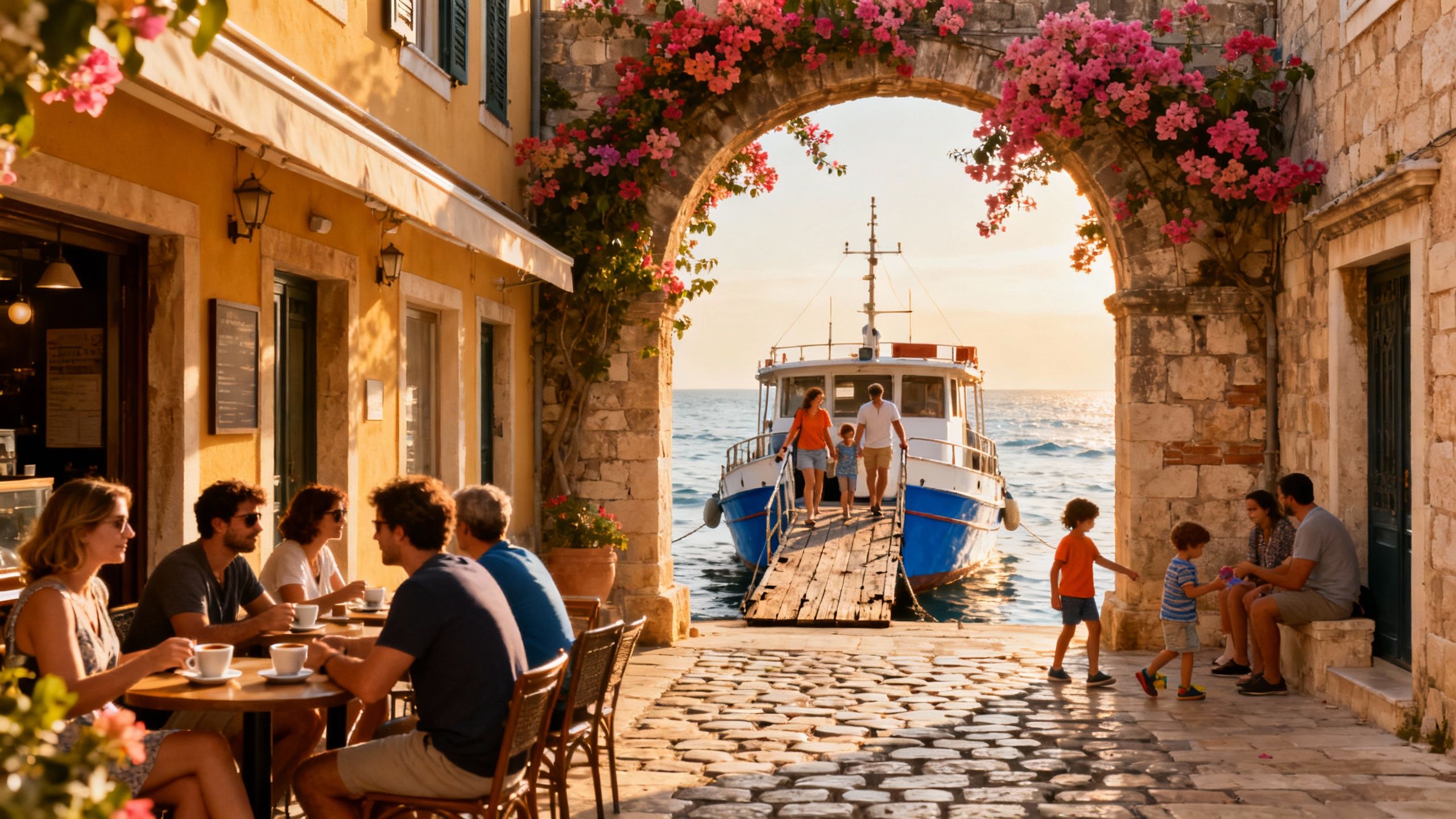
Imagine stepping out at 08:30 for espresso on Zagreb’s Ilica, then catching an evening ferry to a pebble beach near Hvar. The sound is a mix of church bells, seagulls and the low hum of conversation in cafés where menus change with the catch. Croatia feels smaller and more intimate than its map suggests: medieval lanes, seaside promenades, farmers’ markets stacked with cherries and cheeses — and behind that charm, a fast-moving property market that often surprises buyers who only arrive looking for postcards.
Living the Croatia lifestyle
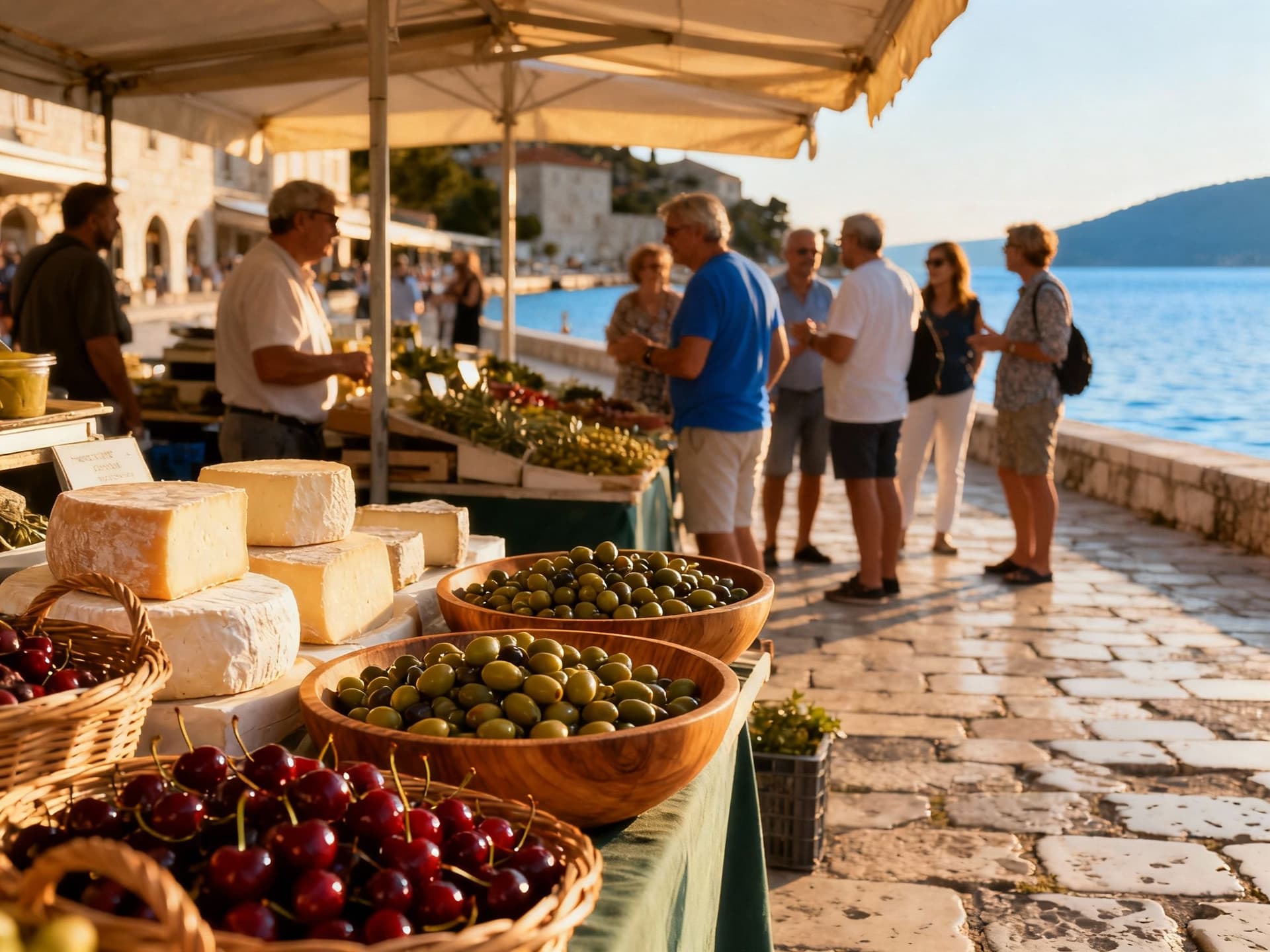
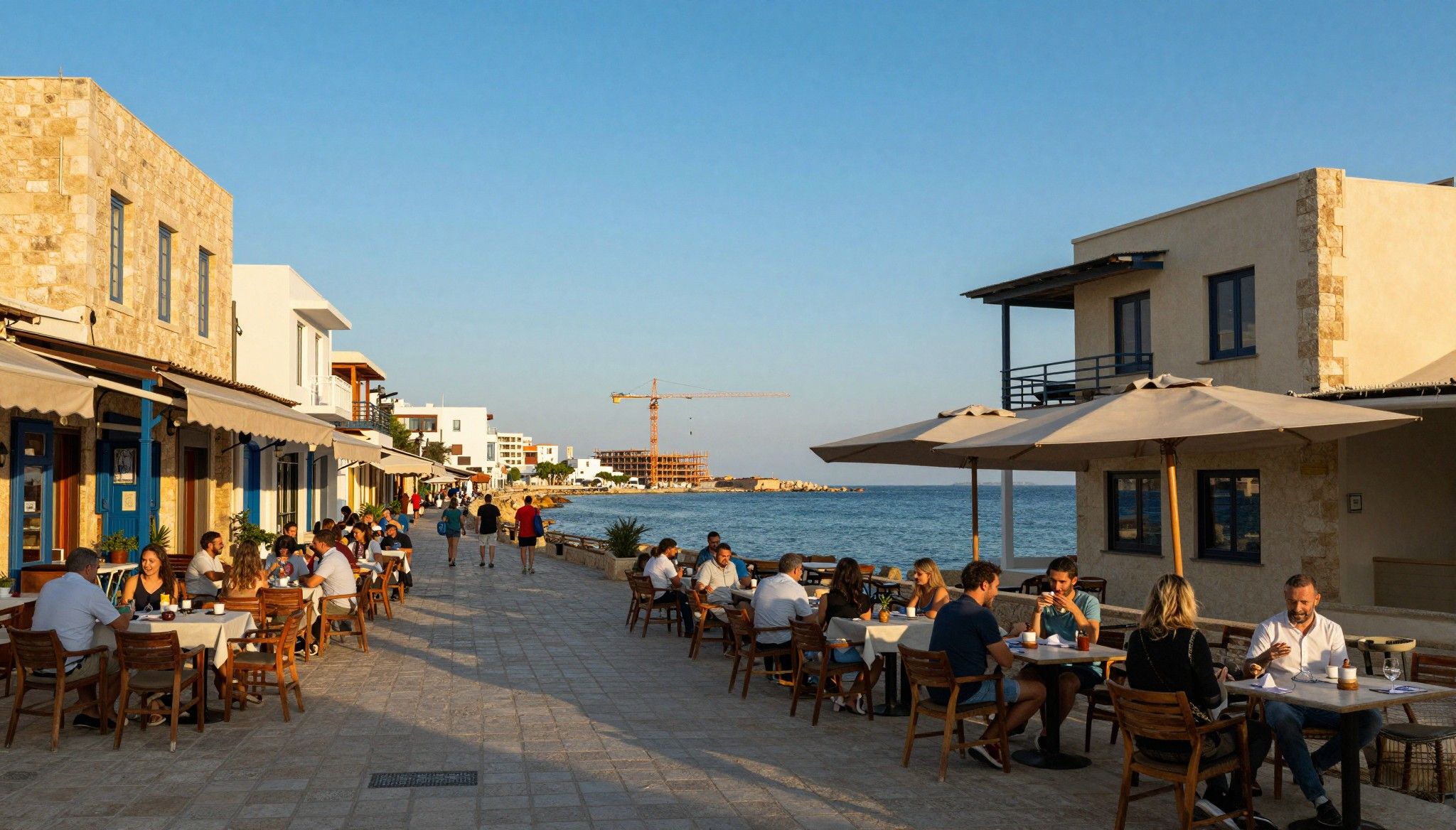
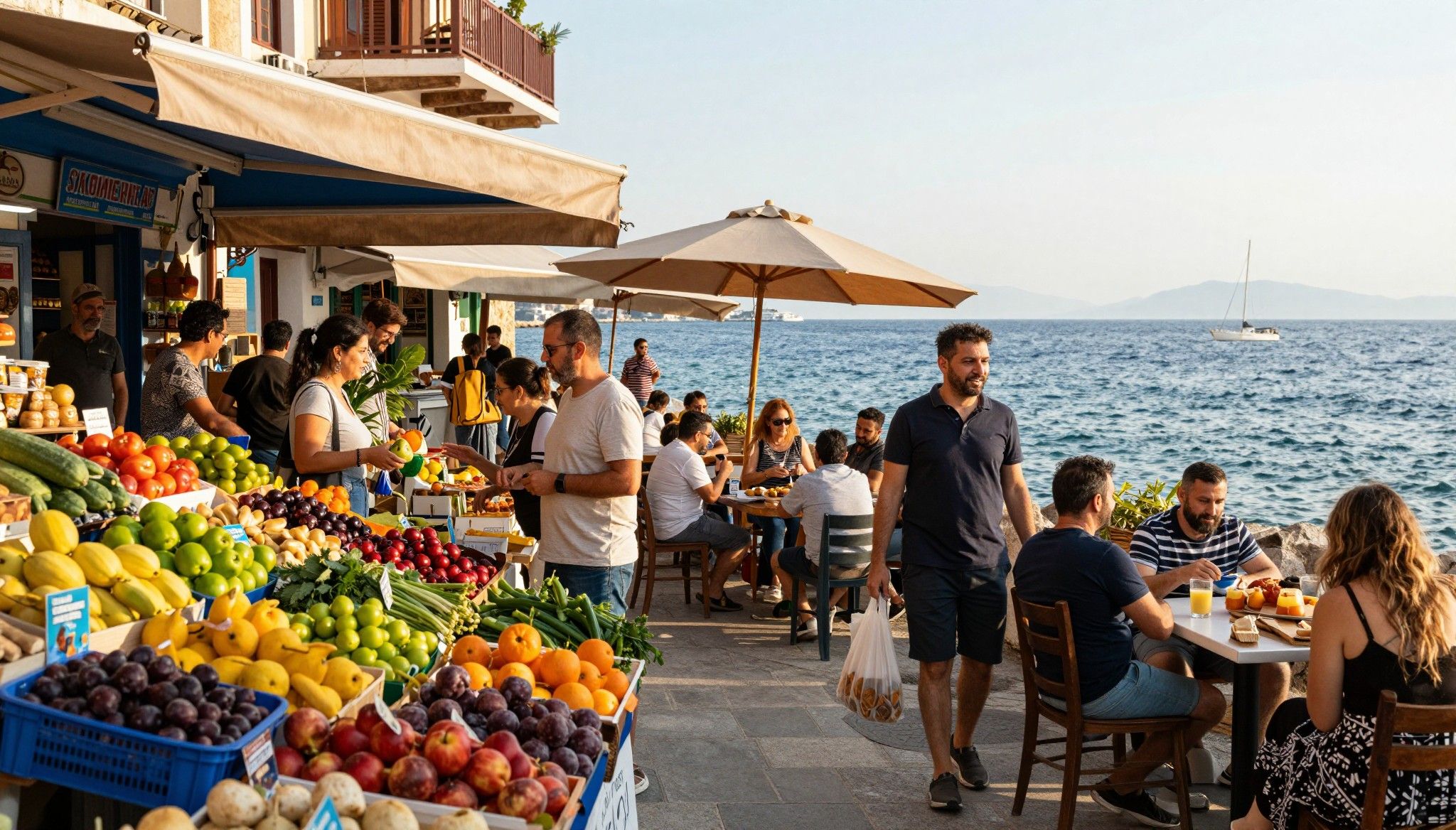
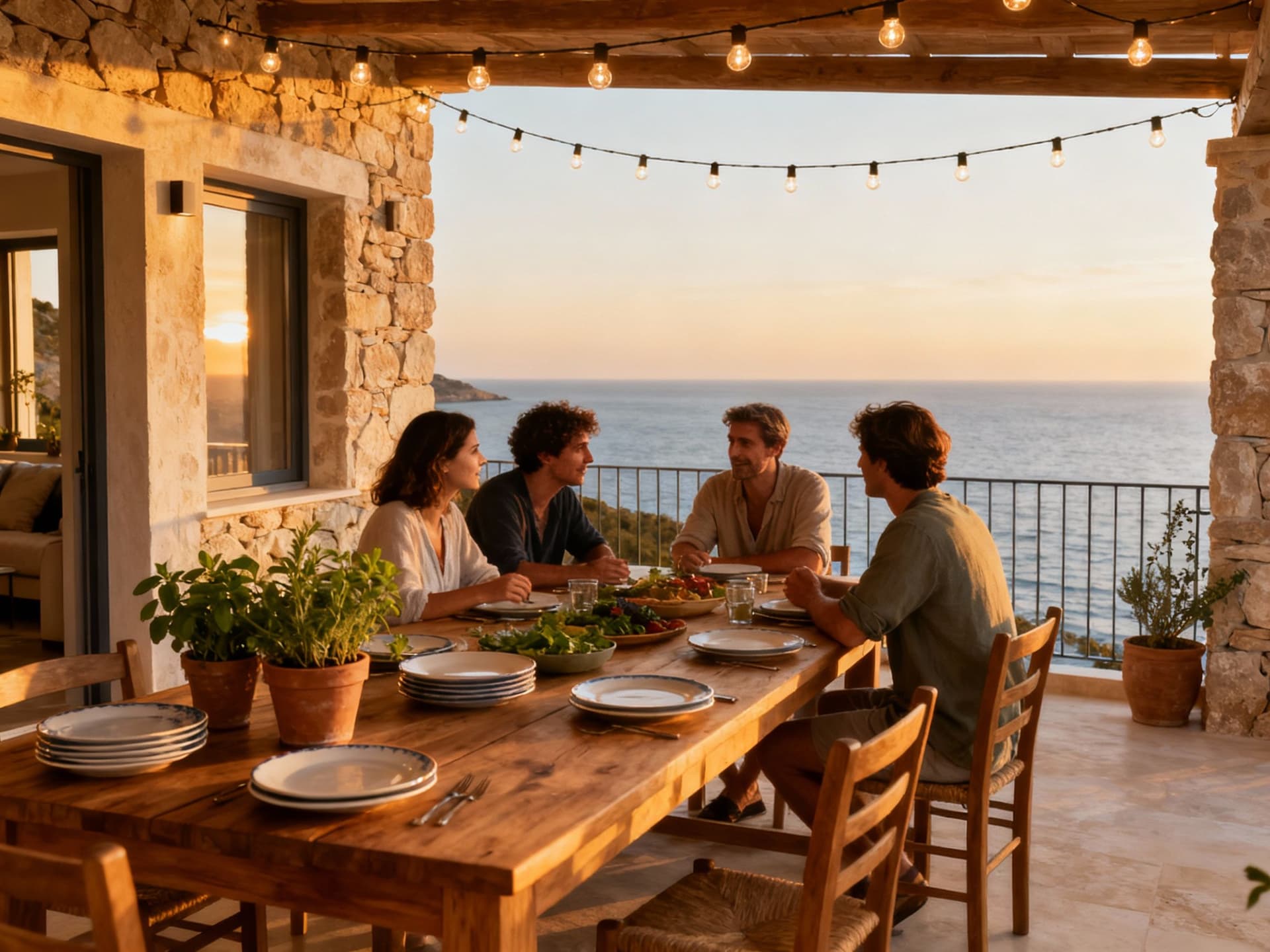
Daily life in Croatia blends slow rhythms with practical modernity. Mornings favour markets — Dolac in Zagreb, Pločnik in Split — where neighbours trade recipes as easily as tomatoes. Afternoons are for siesta-like pauses on shaded terraces; evenings for long meals, rakija shots with locals and coastal promenades that stay lively well into the night. For buyers, this mix matters: what you buy should support how you'll live — a compact flat near market streets if you crave social mornings, or a stone house with shaded courtyard if you want private, outdoor dinners year-round.
Neighbourhood spotlights: Zagreb, Split, Istria & islands
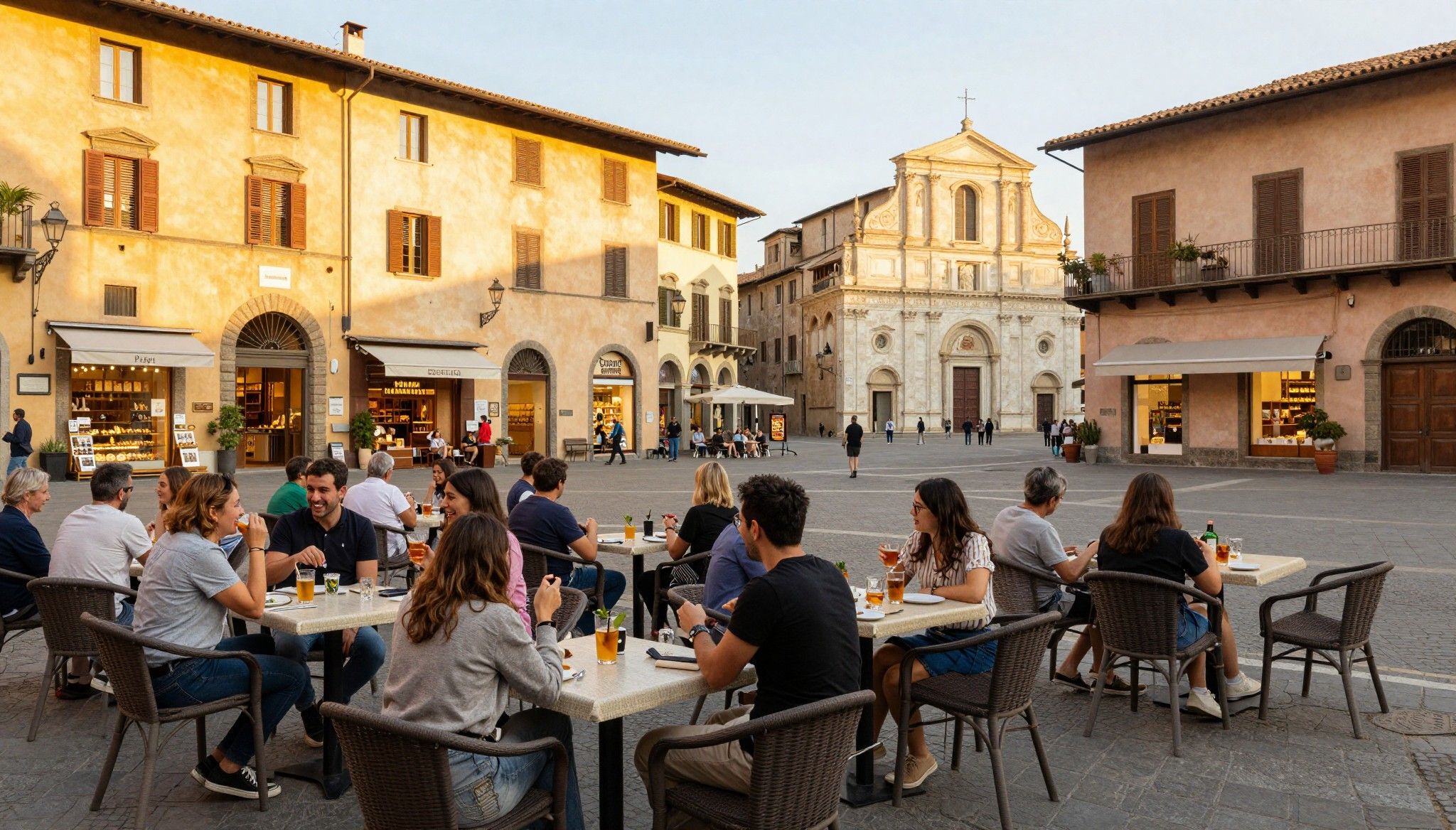
Zagreb’s Donji Grad suits people who want cafés, galleries and an every-day urban rhythm; picture walking to Dolac market for fresh fruit and an evening at a jazz bar on Tkalčićeva. Split’s Riva and Veli Varoš are for sea-lovers who still want a neighbourhood feel — fishermen’s nets, local konobas and short walks to coastal islands. Istria (Rovinj, Poreč) mixes Italianate piazzas with truffle-scented hinterland weekends. On islands such as Hvar or Brač, mornings start on narrow lanes and afternoons are often defined by the quality — and rarity — of private outdoor space.
Food, markets and small rituals
Food culture is a living map of Croatia’s regions: Istrian olive oil and truffles, Dalmatian grilled fish and peka, continental stews and bakeries in Zagreb. Weekends often revolve around markets and family meals; festivals — from truffle fairs in Motovun to the Špancirfest in Varaždin — punctuate the calendar. For buyers this affects priorities: proximity to markets, storage for seasonal produce, and kitchens designed for convivial cooking increase daily satisfaction and resale appeal.
Making the move: practical considerations that shape lifestyle choices
The dream and the contract meet where local rules, taxes and market momentum intersect. Recent policy shifts aim to discourage short-term-only ownership and free up long-term rentals, which changes how frequently coastal holiday homes are marketed and used. Prices rose fast through 2023–2024 and into 2025, particularly along the Adriatic, so timing, local advice and clarity on intended use (primary home vs rental) will shape both lifestyle and returns.
Who can buy and the reciprocity factor
EU, EEA and Swiss citizens buy under the same rules as Croatians. Non-EU buyers must meet the reciprocity principle and usually obtain Ministry of Justice consent; the process can be straightforward if reciprocity exists or slower if documentation is complex. Practical outcome: check your country’s reciprocity status early — it affects timing, whether you might need a local company (d.o.o.) and what paperwork agents must prepare.
Property styles and what they give you
Stone houses with inner courtyards offer shade, privacy and outdoor dining in summer but often need modern heating upgrades for winter comfort. New-build apartments deliver warranties, insulation and lift access — attractive if you plan year-round living or rental management. Small seafront apartments are liquidity-friendly but may struggle with long-term rental rules or seasonal restrictions, so align property type with daily life plans to avoid a mismatch between fantasy and practical use.
- Steps to align lifestyle goals with legal and market reality
1. Define how you’ll use the property (primary, seasonal, rental) and map that to local tax exemptions and municipal rules. 2. Confirm reciprocity status early and prepare Ministry consent paperwork if you’re non-EU. 3. Visit in different seasons — see summer and off-season life before committing. 4. Choose an agent who knows regional permit complexities, inland vs coastal differences and local utilities. 5. Budget for renovation and climate adaptation (shading, insulation, water systems) rather than assuming move-in ready.
Insider knowledge: what expats wish they’d known
Expats often arrive enchanted and then confront seasonal emptiness, permit delays or surprising utility bills. Market data shows Croatia among the fastest-growing EU housing markets in 2024, especially outside major cities — that’s demand meeting limited supply, not always a signal that prices will correct quickly. For lifestyle-minded buyers, the trick is to buy where life fits you, not where price momentum is loudest.
Cultural and community integration
Croatians value neighbourhood ties and reciprocity in social life: learn a few phrases, attend a local feast day, and you’ll be welcomed more quickly than by relying only on expat networks. Practical point: local relationships smooth municipal permit enquiries, renovation contractors and trusted property managers — they translate lifestyle into a serviceable daily life.
Long-term lifestyle signals to watch
Watch municipal planning, incoming infrastructure and how communities manage tourism beyond summer. Tourism growth is pushing municipalities to adopt property taxes and incentives for long-term rentals — these policies will shape whether your neighbourhood becomes year-round or a seasonal postcard. If you want a neighbourhood that breathes life outside July and August, target university towns, transport hubs or inland villages with active cultural calendars.
Lifestyle-practical checklist before you buy:
- Confirm reciprocity and Ministry consent requirements.
- Visit the area in off-season — check shops, transport and heating reliability.
- Ask an agent for recent transaction prices (not just asking prices) and for municipal tax rules affecting second homes.
- Budget for climate adaptation (shading, insulation) and local contractor lead times.
How local agents turn lifestyle into a match
A good local agent does three things differently: curates neighbourhoods by lived experience rather than only price per square metre; pre-checks legal and utility obstacles; and models year-round cashflows if you plan to rent. Treat them as cultural translators — they can save months of frustration and convert your lifestyle vision into a practical property brief.
- When to move fast — and when to wait
1. Move faster if a well-priced restored town house appears in a tight market; supply is thin and quality stock disappears quickly. 2. Wait if policy or municipal tax rules for second homes are unclear; new taxes affecting short-term lets changed market dynamics in 2024–2025. 3. Buy intentionally in cities or islands with year-round services if you need a reliable, lived-in community beyond summer.
Conclusion: Croatia as a lived choice, not a postcard
Croatia offers a blend of small-city rhythms, island seclusion and Adriatic summers that make it easy to fall in love. To make that love last, pair the lifestyle map with informed local advice: verify reciprocity, test the neighbourhood in off-season, and choose property type that fits how you want to spend mornings and evenings. If you do this, you’ll end up with more than a view — you’ll have a place that supports daily life.
Norwegian market analyst who relocated to Mallorca in 2020. Focuses on data-driven market insights and smooth relocation for international buyers.