Croatia: Lifestyle‑Led Market Insights & Practical Steps
Croatia blends coastal Mediterranean life with vibrant city culture; travel data and price trends show year‑round demand — match lifestyle choice with local market insight.
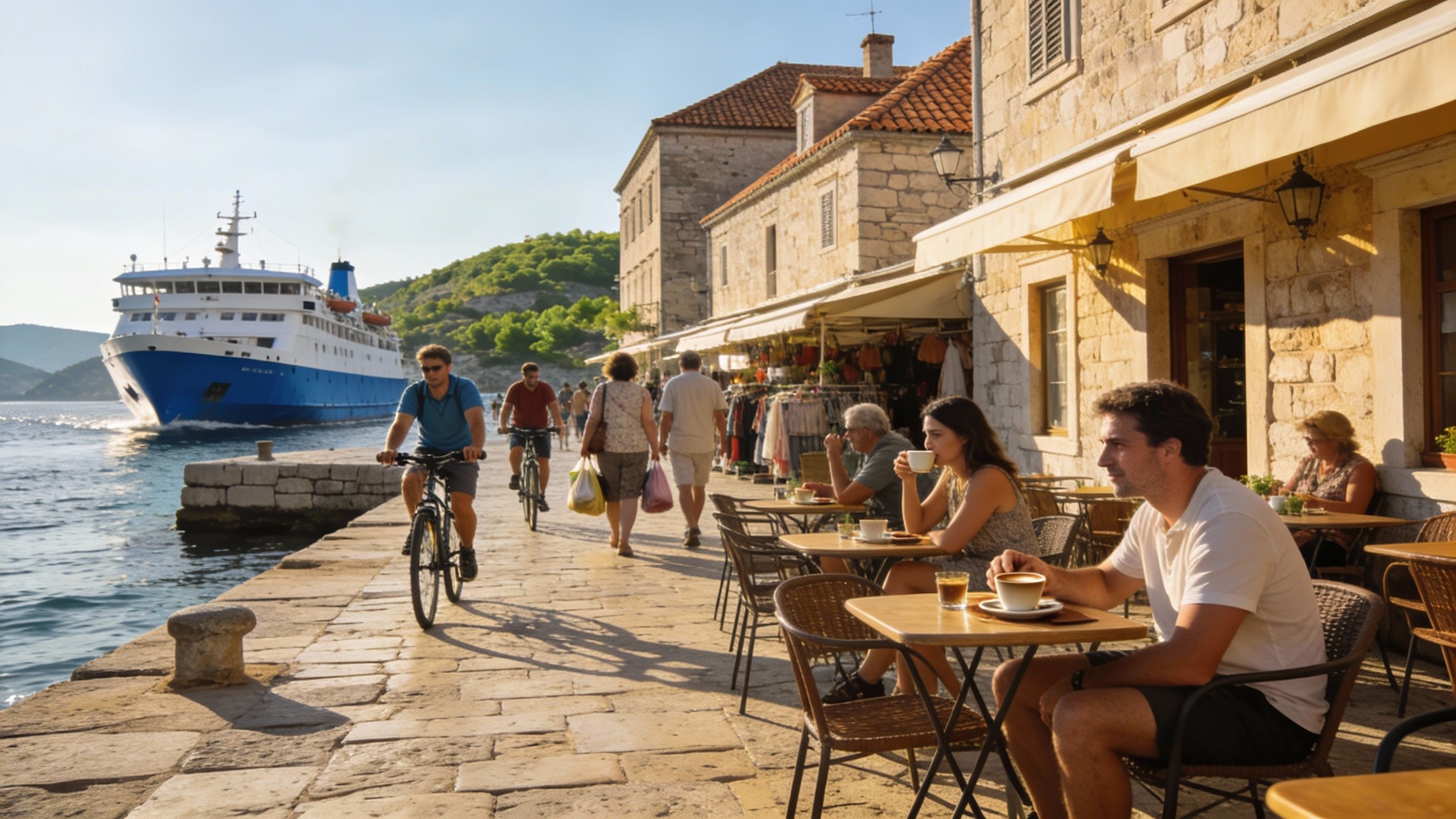
Imagine starting your day with espresso at a stone café on Zrinski Square in Zagreb, then boarding a ferry an hour later to swim off the pebble beach in Bol. Croatia moves at two rhythms — an easy Mediterranean coast and a brisk, cultured inland — and both shape where you’ll want to live and why.
Living the Croatian Lifestyle: Two Rhythms, One Country
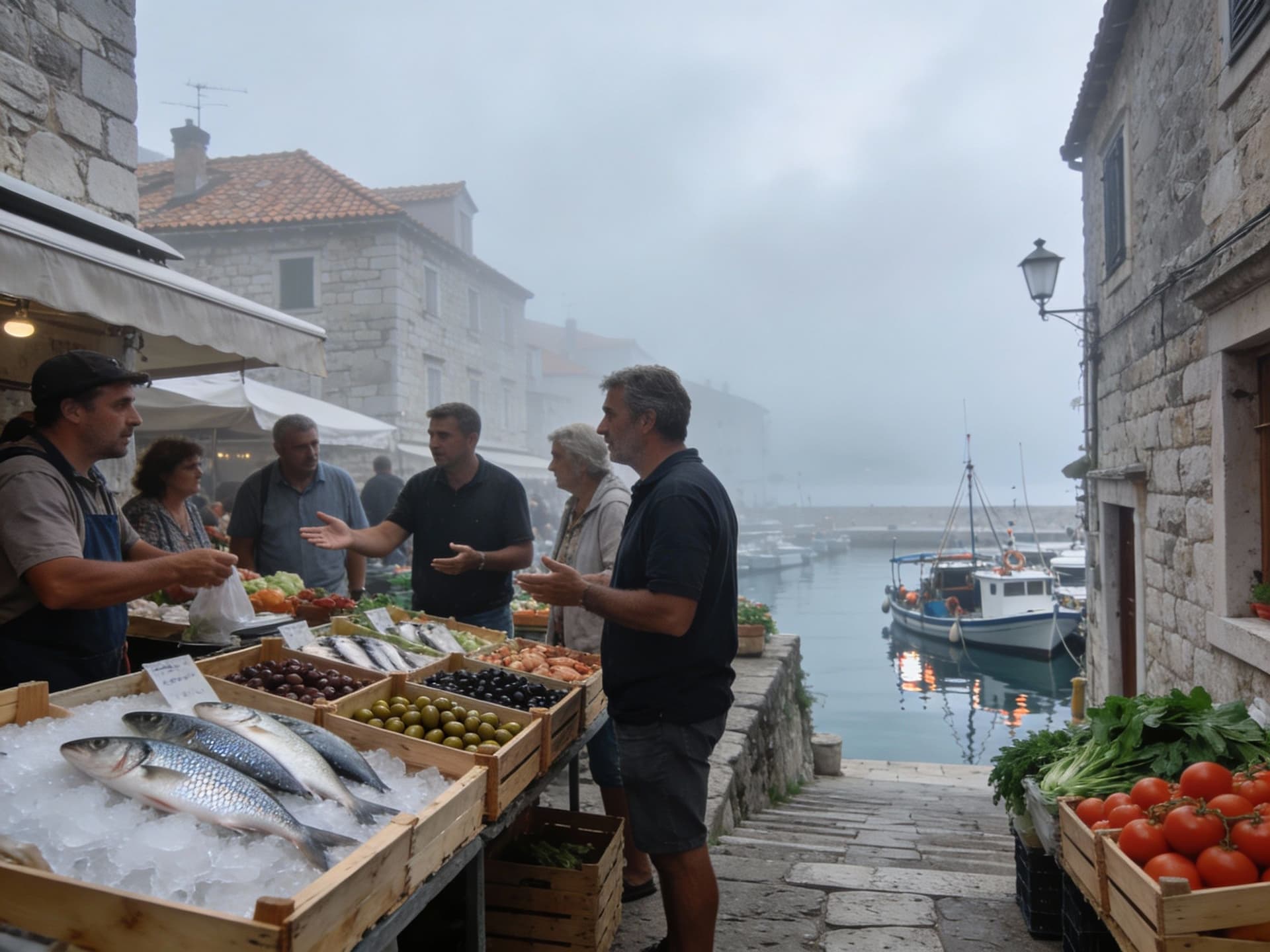
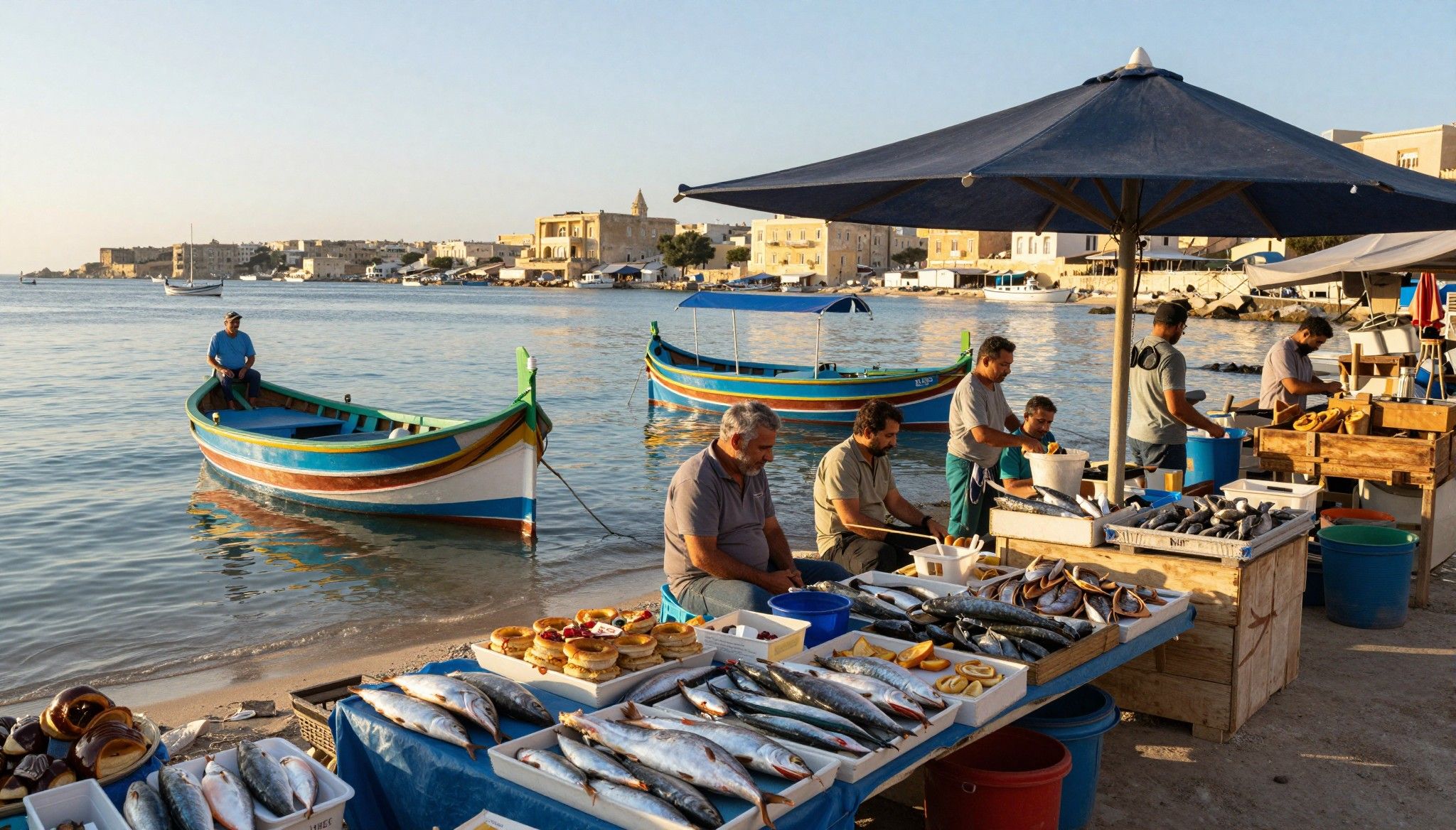
Coastal days smell of sea salt and grilled fish; inland mornings start over markets and layered pastries. Tourism is becoming year-round — Croatia recorded over 21 million visitors and stronger pre‑ and post‑season demand in 2024 — which is slowly smoothing seasonality for services and amenities along the Adriatic. That matters for buyers: neighbourhood life now extends beyond July and August, altering rental potential and community feel.
Coast: Old towns, islands and a nautical pulse
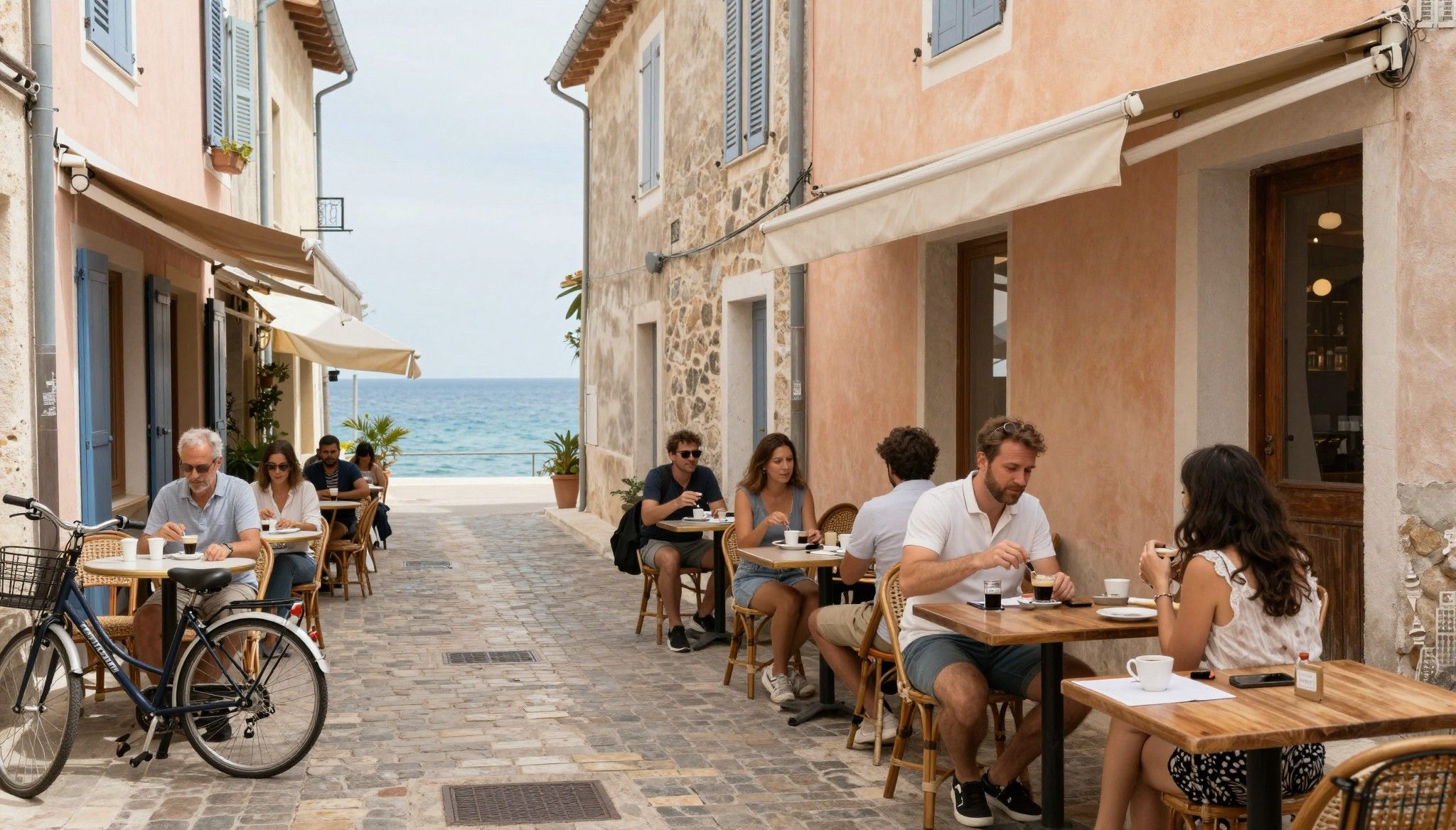
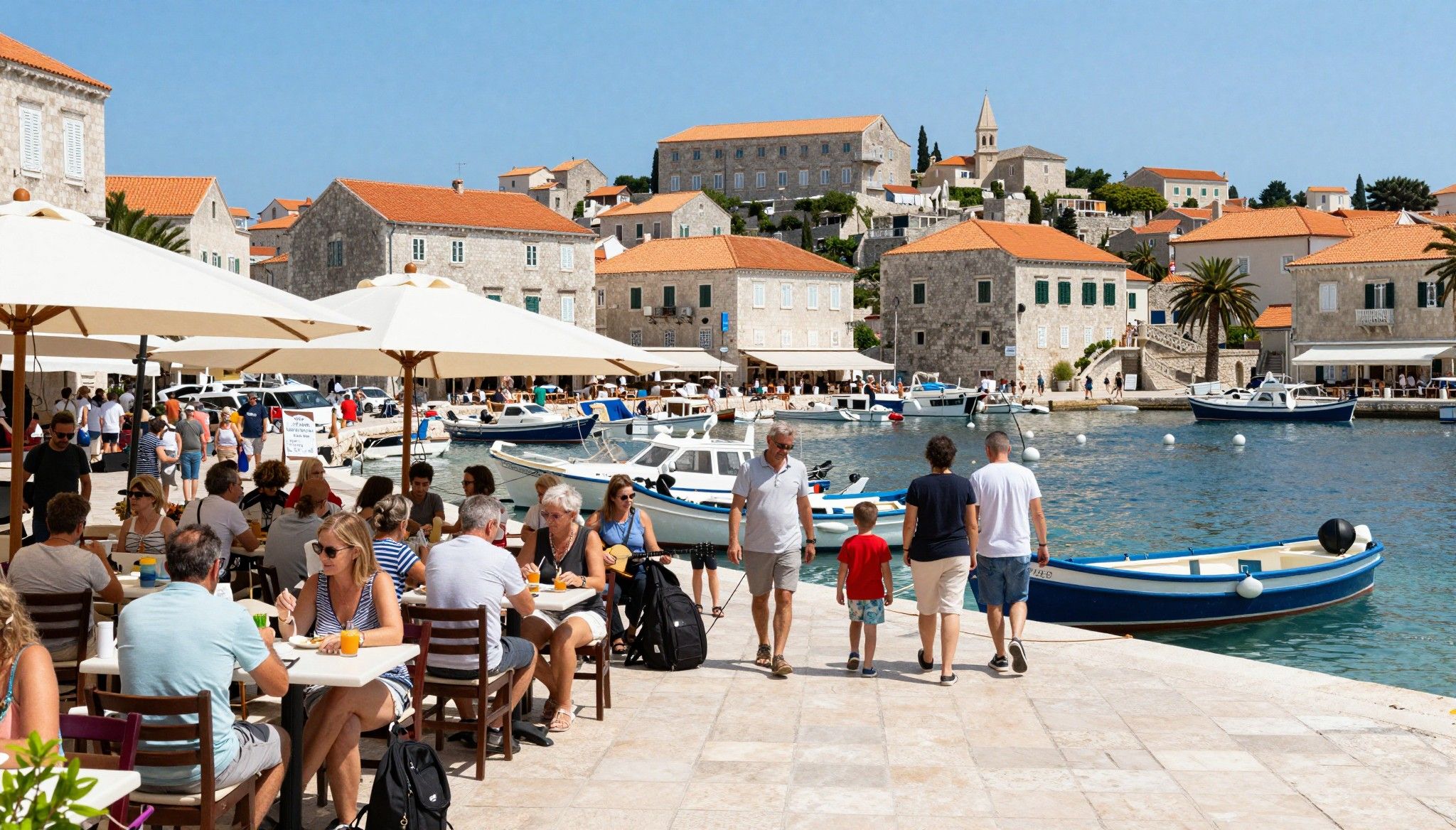
Picture narrow alleys in Dubrovnik and Split, yachts in ACI marinas, and small island harbours where children still dive from stone quays. Neighbourhoods like Split’s Veli Varos or Hvar town’s waterfront have cafes that fill from dawn. These places are social hubs — expect lively terraces, daily fish markets, and a summer crowd that will influence service availability and short‑term rental demand.
Inland & cities: Markets, culture and slow mornings
Zagreb pulses with museums, music and neighbourhood bakeries. Squares like Ban Jelačić, streets such as Tkalčićeva, and suburbs like Jarun provide a stable, year‑round rhythm that suits families and remote workers. The city’s increase in overnight stays signals rising international interest beyond the coast, which lifts demand for well‑located apartments.
- Lifestyle highlights to scout in person:
- Morning espresso in Zagreb’s Tkalčićeva; afternoon swim at Zlatni Rat (Brač); evening oysters and Pelješki wines in Ston; weekend farmers’ market at Dolac; island ferries to Korčula and hidden coves near Vis.
Making the Move: Practical Considerations that Preserve the Lifestyle
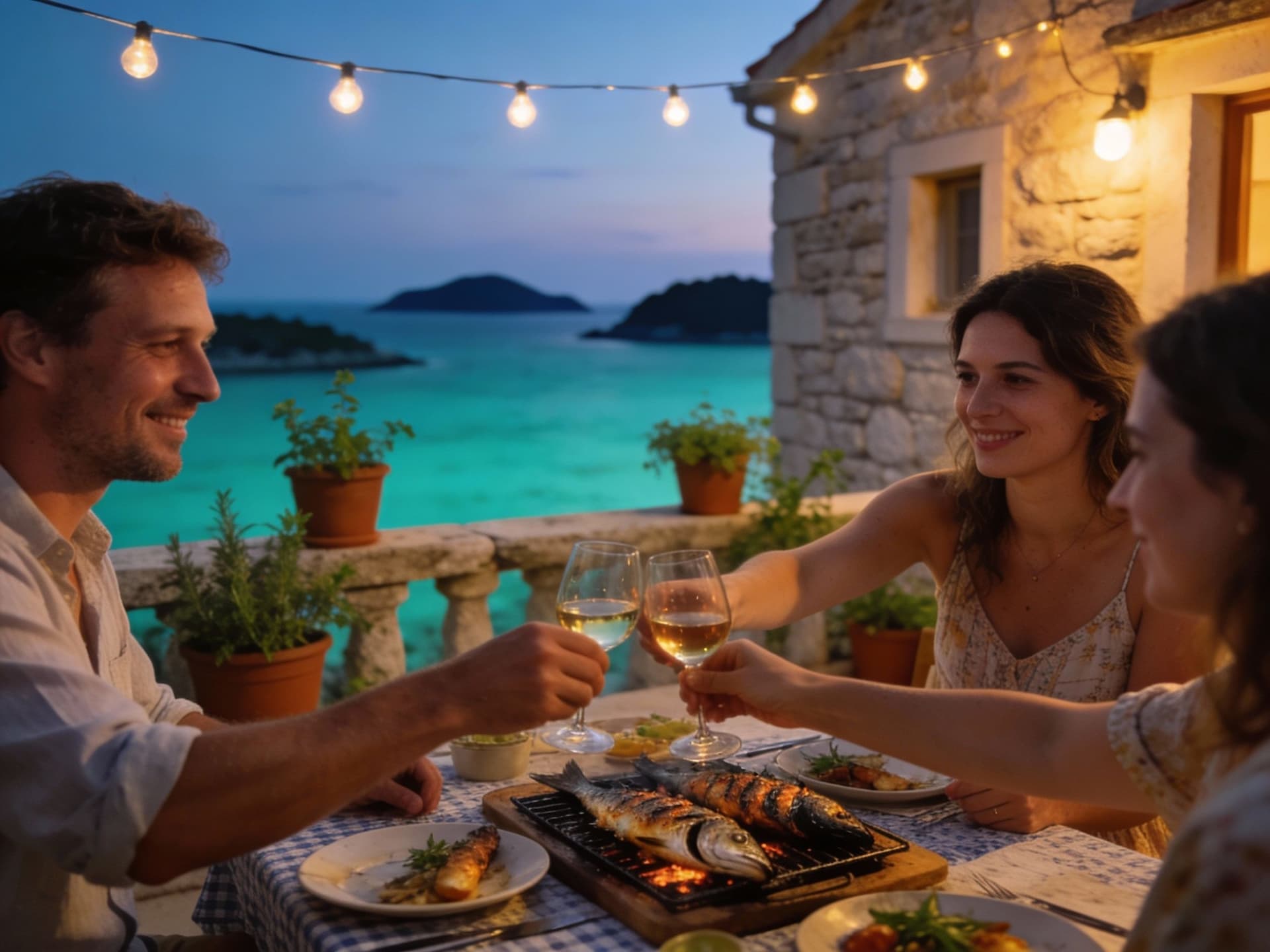
Dreams meet contracts and regulations. Recent policy changes — including a property tax reform aimed at reducing short‑term rental pressure — are reshaping incentives for owners. Understanding these shifts helps you choose a property that supports daily life (long‑term rental neighbourhoods, residency convenience, space for visits) rather than a speculative short‑term play.
Property types and how they map to daily life
Stone houses on the coast give you terraces and historic character but often need renovation; new builds near Split or Rijeka offer modern insulation and year‑round comfort. Asking prices rose notably between 2022–2024, so weigh immediate lifestyle fit (terrace, shade, insulation) against maintenance and renovation timelines.
Work with local experts who match lifestyle to location
Choose agencies and lawyers who live the life you want — a coastal agent who knows ferry timetables, a Zagreb‑based lawyer conversant with city permits, or a local architect familiar with stone restoration. They translate neighbourhood rhythm into practical checklists: insulation for winter, access to year‑round groceries, and the reality of utility upgrades for islands.
- Six steps to match lifestyle with purchase decisions:
- Visit across seasons — judge morning markets in spring and quiet streets in winter; check ferry reliability and time cost for island life; prioritise insulation and heating if you plan year‑round living; verify broadband speeds for remote work; assess short‑term vs long‑term rental rules near tourist hubs; confirm local property tax exposure post‑reform.
Insider Knowledge: What Expats Wish They'd Known
Expats often arrive enchanted, then stare at utility bills, renovation timelines, or the seasonality of neighbours. House prices in Croatia have been on a steady climb in recent years; local insight and a pragmatic view of upkeep separate a romantic purchase from a sustainable one. Quantitative trends matter — they tell you where demand is concentrated and where neighbourhood life is stabilising.
Language, community and daily integration
Croatian is the glue of local life; learning even a few phrases opens doors at markets and with neighbours. Expat pockets exist — Hvar, Dubrovnik’s Lapad, Split’s Meje, and Zagreb’s Gornji Grad — but the best integration comes from everyday rituals: regular barista stops, volunteering at local festivals, or joining a sailing club.
Long‑term living: how life evolves
The first year shifts focus from discovery to routine: favourite grocer, the neighbour who trims the olive trees, which ferry is reliably late. Choose property that supports those routines — a kitchen sized for markets, sheltered terraces for winter, proximity to a hospital or school if staying long‑term. These choices often matter more than a one‑off harbour view.
- Red flags local agents will point out:
- Unresolved title or unregistered additions; roads that become impassable in winter; unreliable water supply or septic systems on small islands; unrealistic rental income estimates in off‑season months; properties without energy certificates in colder regions.
Conclusion — live first, then invest: start with lifestyle, verify with data
If you can picture mornings, markets and the exact corner café you’ll frequent, you’ve begun correctly. Back that feeling with targeted due diligence: check recent price trends, seasonal population shifts, and local tax policy. Work with agents and advisers who understand the life you want, not just square metres. That’s how a purchase in Croatia becomes a change of life rather than a weekend story.
Danish relocation specialist who has lived in Barcelona since 2016. Helps families move abroad with onboarding, schooling, and local services.