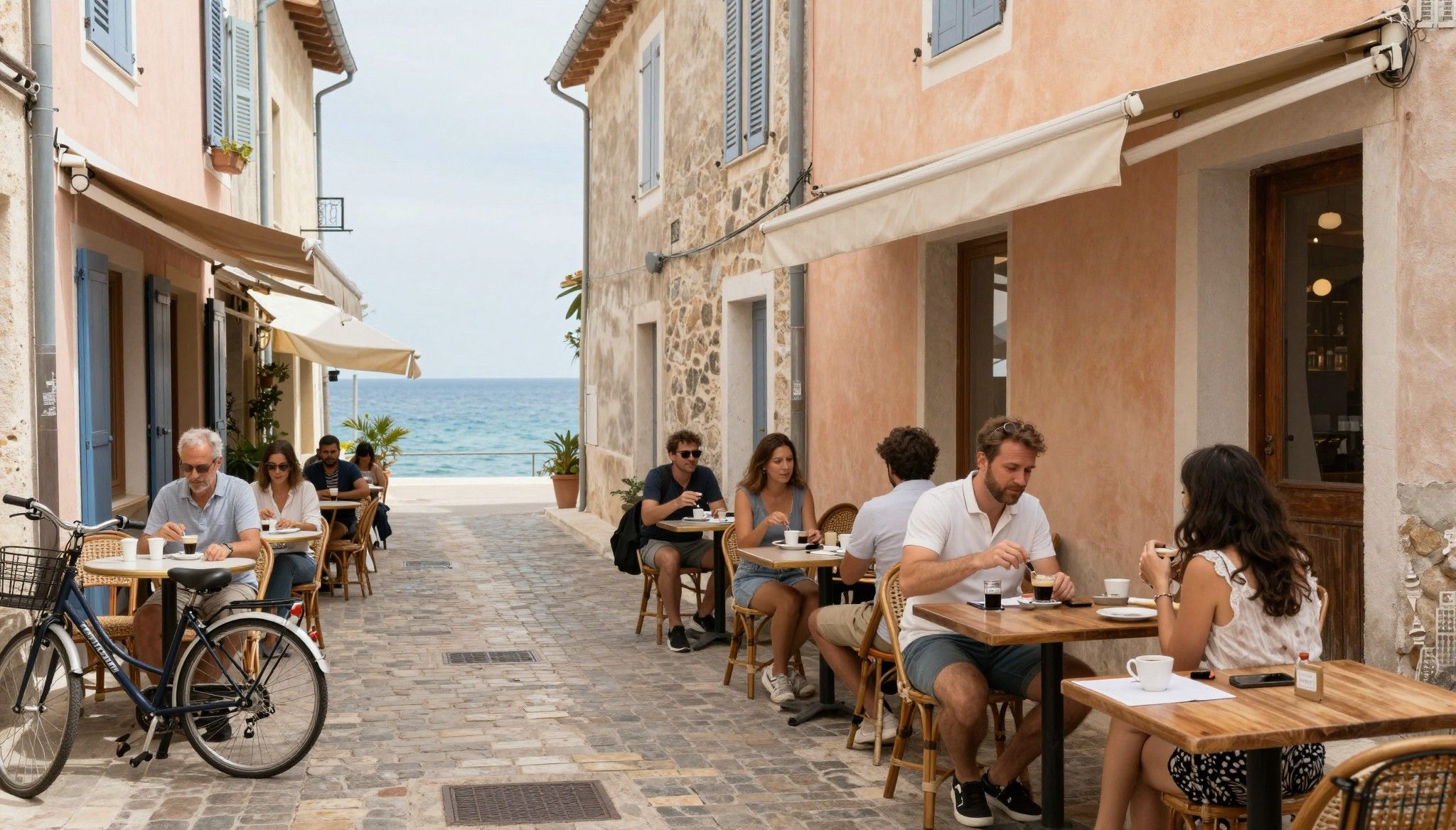
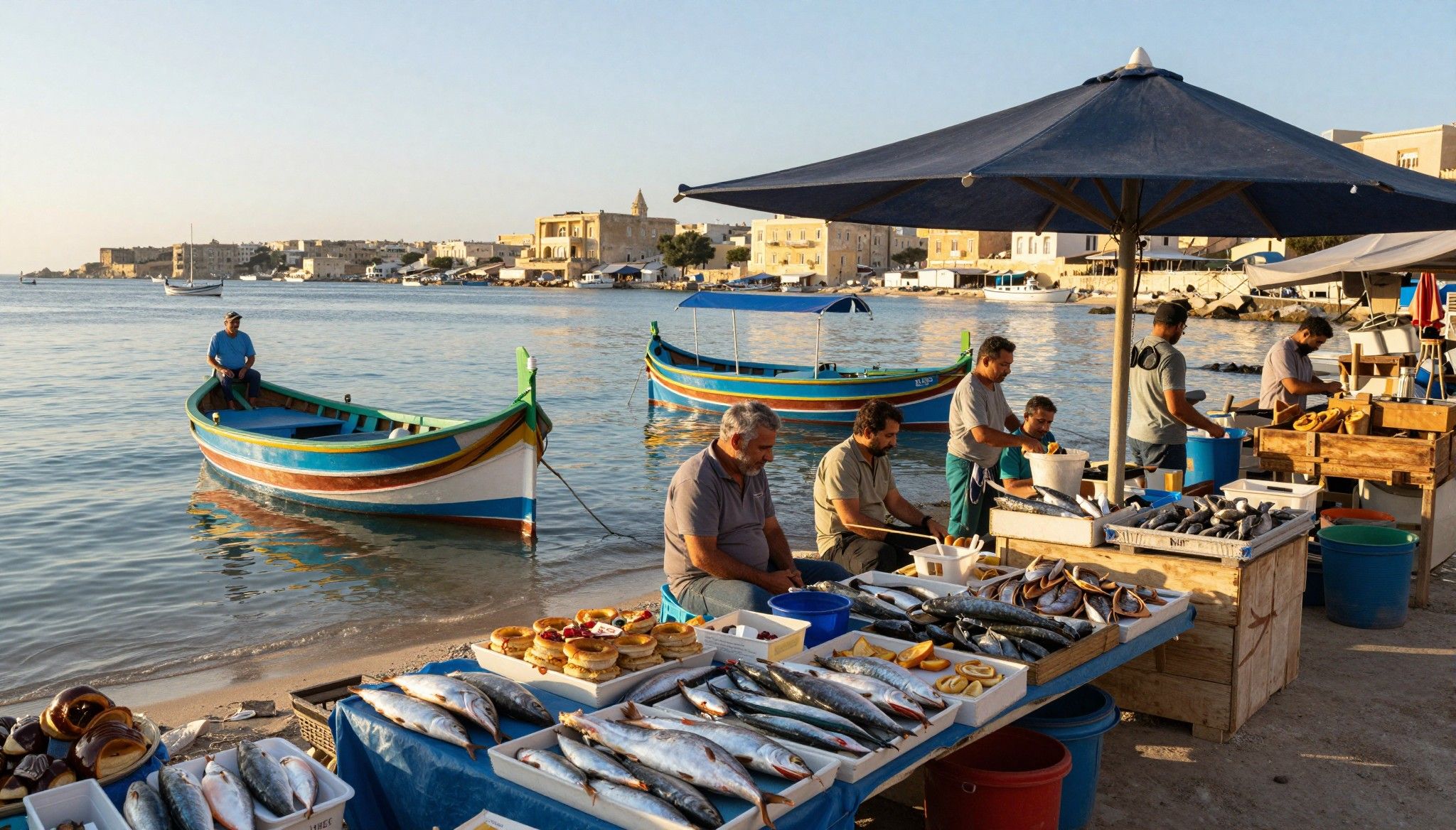
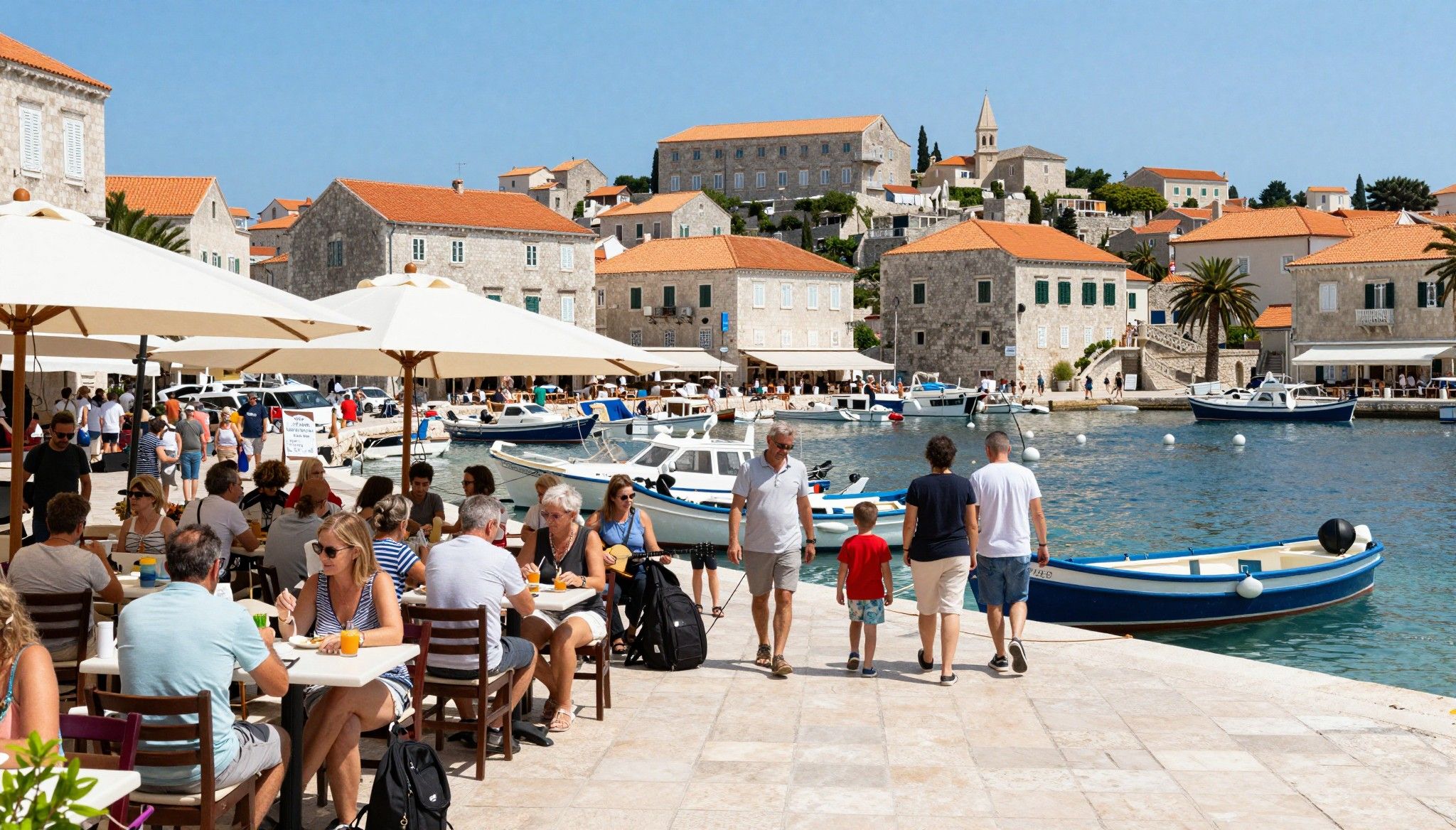
Croatia: Fall for the Life, Read the Market
Croatia’s irresistible coastal life meets fast‑moving market forces: visit off‑season, check permits, and pair lifestyle dreams with conservative rental and tax assumptions backed by DZS and market data.
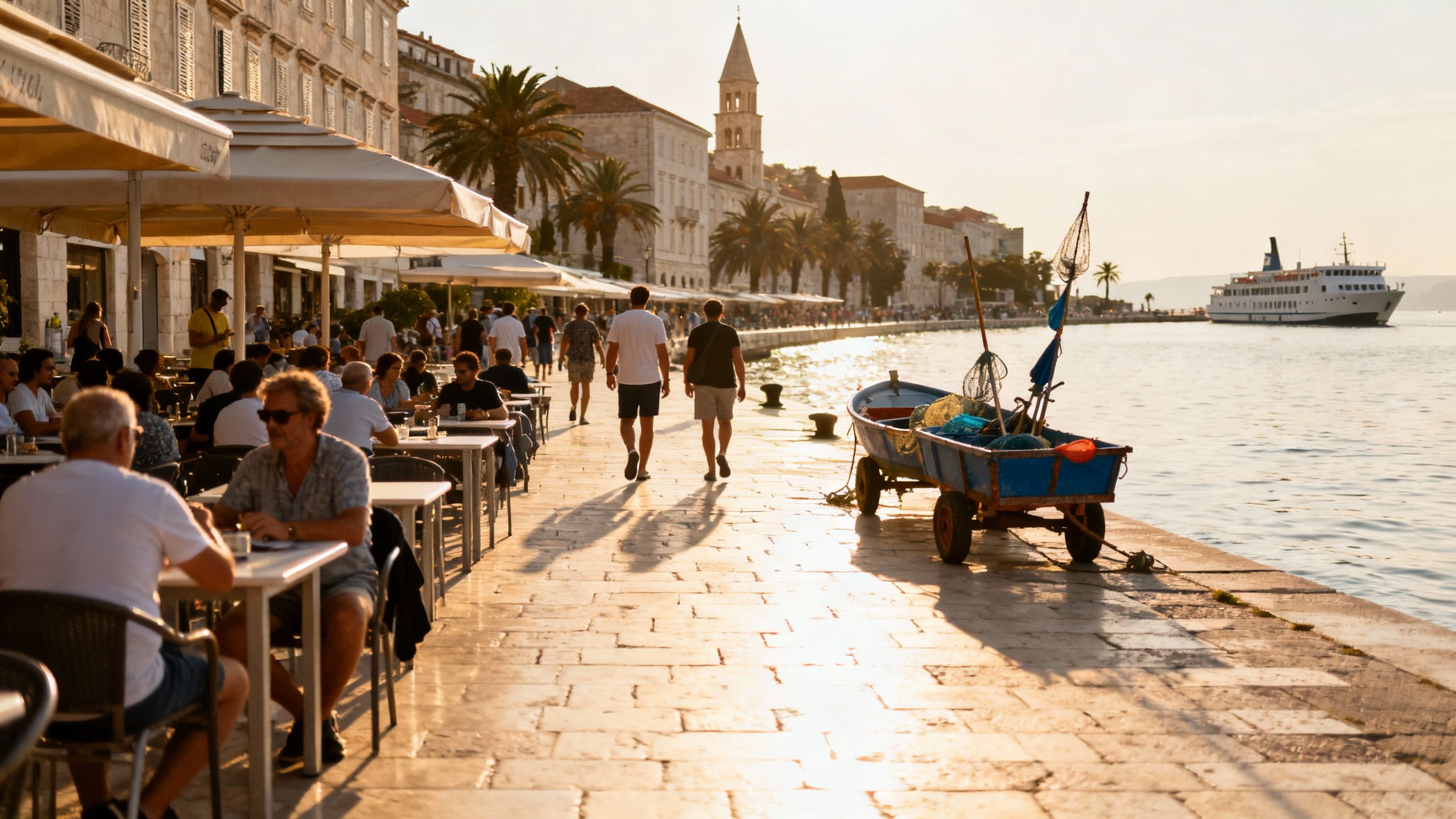
Imagine waking at dawn to the smell of fresh bread from a konoba, then strolling past cafés on Ilica in Zagreb or along Riva in Split as fishermen unload the morning catch. Croatia is a place where a weekday can feel like a slow Sunday: island ferries, neighbourhood markets, late‑night konobas and a calendar full of festivals that stretch the tourist season into spring and autumn. That relaxed daily rhythm is exactly why international buyers arrive dreaming of a life by the Adriatic — and why the market beneath those dreams now requires sharper, data‑driven reading.
Living the Croatia Lifestyle
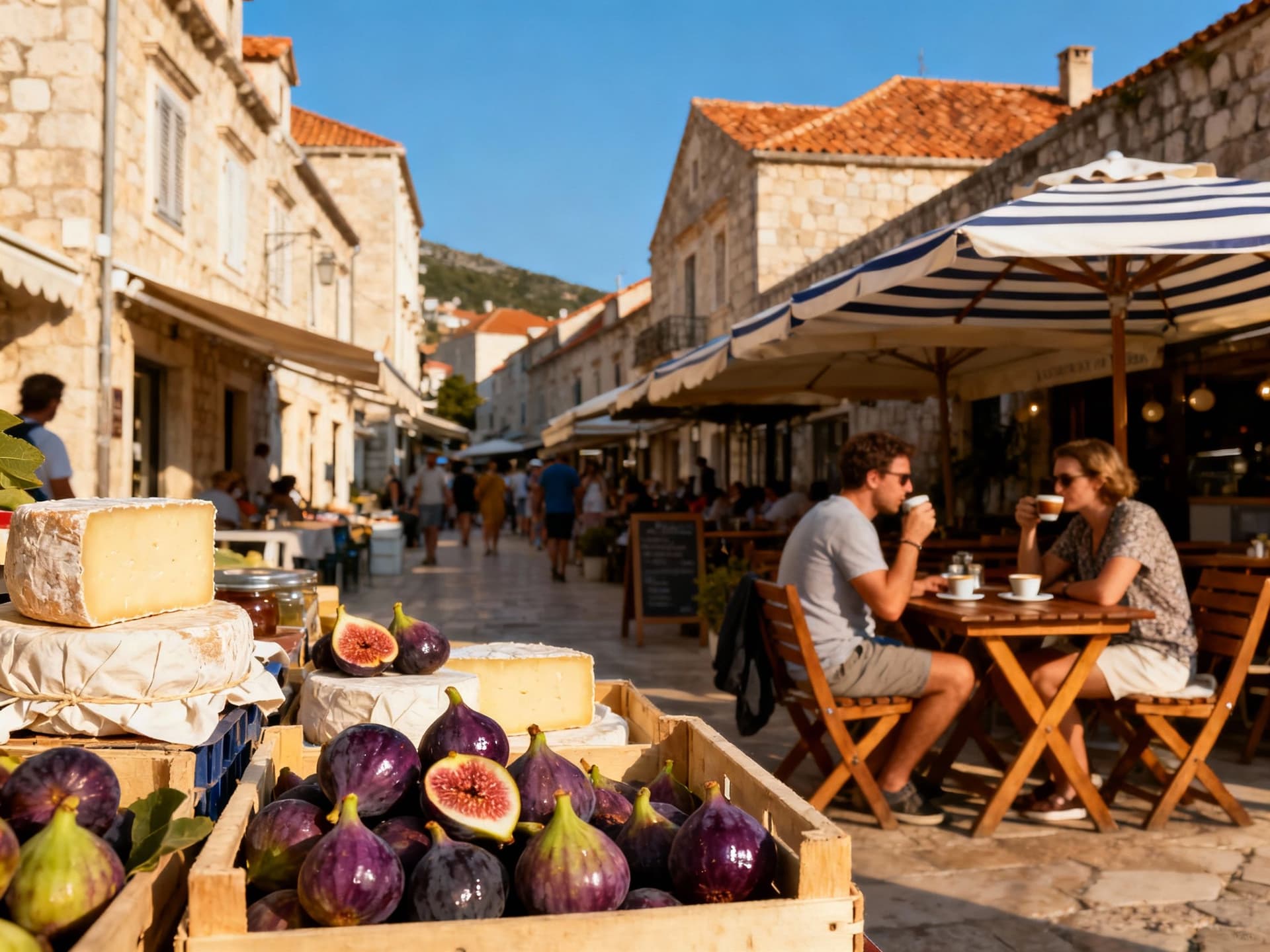
Life in Croatia is shaped by coast and continent. Coastal towns — Dubrovnik, Split, Rovinj, Hvar — pulse with seasonal tourism, late cafes and maritime culture. Inland cities like Zagreb and Osijek offer year‑round cultural calendars, farmers’ markets and a steadier residential rhythm. The tourism numbers tell the story: Croatia logged strong arrivals and a growing shoulder season in 2024, shifting where and when demand concentrates. That rhythm affects noise, services and rental demand — all things a buyer should feel before signing contracts.
Coastal pulses: Split, Dubrovnik & Istria
On the coast you live with the sea: morning swims, late terraces, and the cadence of charter boats. Istria's hill towns (Rovinj, Pula outskirts) deliver truffle markets and slower tourism; Split blends ancient streets of Diocletian’s Palace with a lively local café culture on Marmontova; Dubrovnik is compact, famous and expensive — and quieter outside July and August. Coastal asking prices have climbed sharply in recent years, so lifestyle choices (island life vs. a walled city apartment) will shape affordability and resale dynamics.
City life & year‑round rhythms: Zagreb and continental Croatia
Zagreb offers a different Croatia: morning markets on Dolac, contemporary galleries, coworking spaces and a strong expatriate social scene. Inland regions are seeing modest tourism growth and provide better value per square metre. For families or full‑time residents seeking year‑round services, Zagreb neighbourhoods such as Pantovčak, Maksimir and Trešnjevka give a mix of green space, schools and urban amenities without the extreme seasonality of the coast.
- Lifestyle highlights to look for before you buy
- Morning market breakfasts: Dolac Market (Zagreb), Pazar (Split), Pula market stalls
- Coastal promenades: Split’s Riva, Dubrovnik’s Stradun, Rovinj waterfront
- Island weekends: Hvar’s lavender lanes, Brač’s Zlatni Rat, Vis’s hidden coves
Making the Move: Practical Considerations
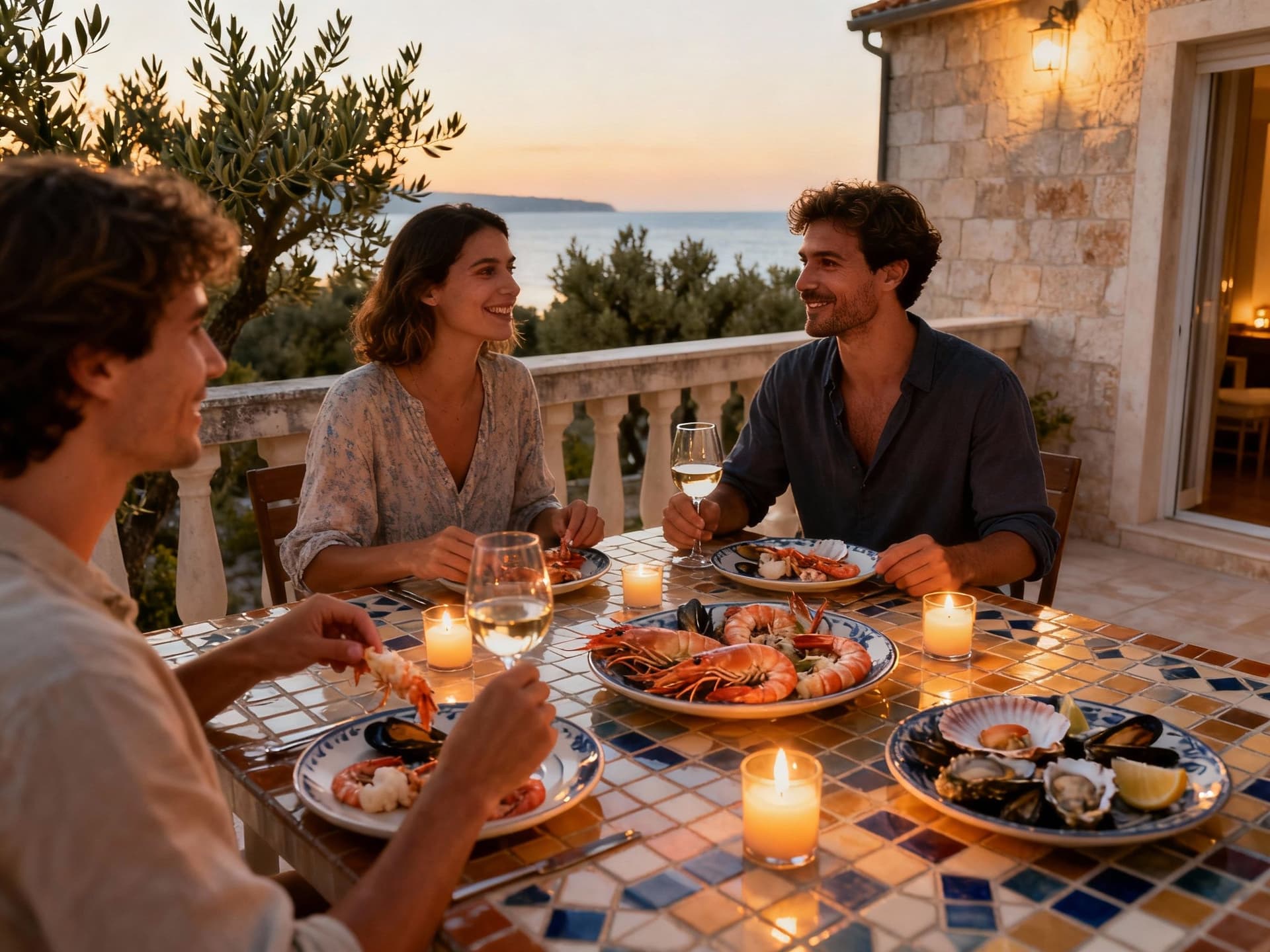
The emotional pull of Mediterranean mornings must meet the practicalities of market reality. Prices have risen — driven by tourism, limited coastal supply and stronger macro signals — and fiscal policy is changing to address housing availability. New tax measures aimed at shifting burdens toward property owners and limiting short‑term lets alter the arithmetic for investors who plan holiday rentals. Understanding those local rules is as important as loving a terrace view.
Property styles and how they fit daily life
Stone townhouses, modern seafront apartments and new‑build complexes all exist side‑by‑side. A restored stone home in a Dalmatian village gives privacy, thick walls and minimal utility costs in winter — but expect renovation timelines and permits. New apartments in Zagreb or Split offer predictable layouts and warranties, but often less local character. Match the building type to the life you want: full‑time resident, seasonal owner, or an income‑producing rental.
Working with local experts who understand lifestyle signals
A local agency does more than show listings: they read micro‑seasonality (when a street is lively), advise on short‑term let regulations, and source neighbourhood intel — what time the market sleeps, which cafes are year‑round hubs, and which lanes flood in sudden storms. For buyers blending lifestyle and returns, this local knowledge translates to better offers and fewer surprises.
- Steps to reconcile lifestyle and investment decisions
- Visit the exact neighbourhood at three different times: a weekday morning, a summer weekend and a winter month to see service continuity.
- Ask the listing agent about historical rental nights, off‑season occupancy and typical guest profiles (families, yachts, festival visitors).
- Factor property‑specific costs: renovation timelines for stone houses, higher maintenance for seafront facades, and declared utility capacities.
Insider Knowledge: What Expats Wish They’d Known
Here’s the real talk from people who moved here: the Adriatic sells a lifestyle, not just property. You’ll trade immediate convenience for seasonality on islands, and pay premiums in UNESCO or heritage zones. Many expats say the largest surprise was how slowly bureaucracy moves — local patience is not a weakness, it’s a cultural norm. Market conditions are dynamic: tourism growth supports rental potential, but policy shifts (taxes, short‑let rules) can pivot returns quickly.
Cultural integration, language and everyday life
Croatian is the everyday language; English is widely spoken in tourist hubs and younger urban circles. Locals appreciate efforts to learn basic phrases and attend community events. Expect strong neighbour ties in small towns — people know one another and communal rituals like Sunday lunches, church festivals and market bartering shape social life. For long‑term happiness, integrate slowly: join local markets, language classes and volunteer or sports groups.
Longer term lifestyle considerations
Think beyond daydreams: stamp duty, local property tax updates and the distinction between primary residence and tourist‑rental affect running costs. Properties that perform well as holiday lets may require active management; those suited to full‑time living need insulation, heating and winter services. Balancing short‑term income with long‑term liveability is the central trade‑off many buyers face in Croatia today.
- Red flags to watch for on coastal listings
- Unrealistic occupancy projections that ignore shoulder seasons and weather variability
- Properties in heritage zones with unclear permit rules for renovation
- Hidden accessibility issues: steep lanes, long ferry connections or infrequent winter services
- Vague utility records for older stone houses that mask renovation costs
Conclusion: Croatia’s combination of year‑round tourism growth, limited coastal supply and evolving fiscal policy makes it both attractive and nuanced. Fall in love with the street life — the morning markets, seaside aperitivi and island weekends — but bring a checklist: visit in low season, confirm renovation permits, run conservative rental forecasts and work with a local agency that understands seasonal rhythms. If you pair the lifestyle with data, Croatia can be a rewarding place to live and invest.
British investor turned advisor after buying in Costa del Sol since 2012. Specializes in cross-border compliance and data-driven investment strategies for UK buyers.