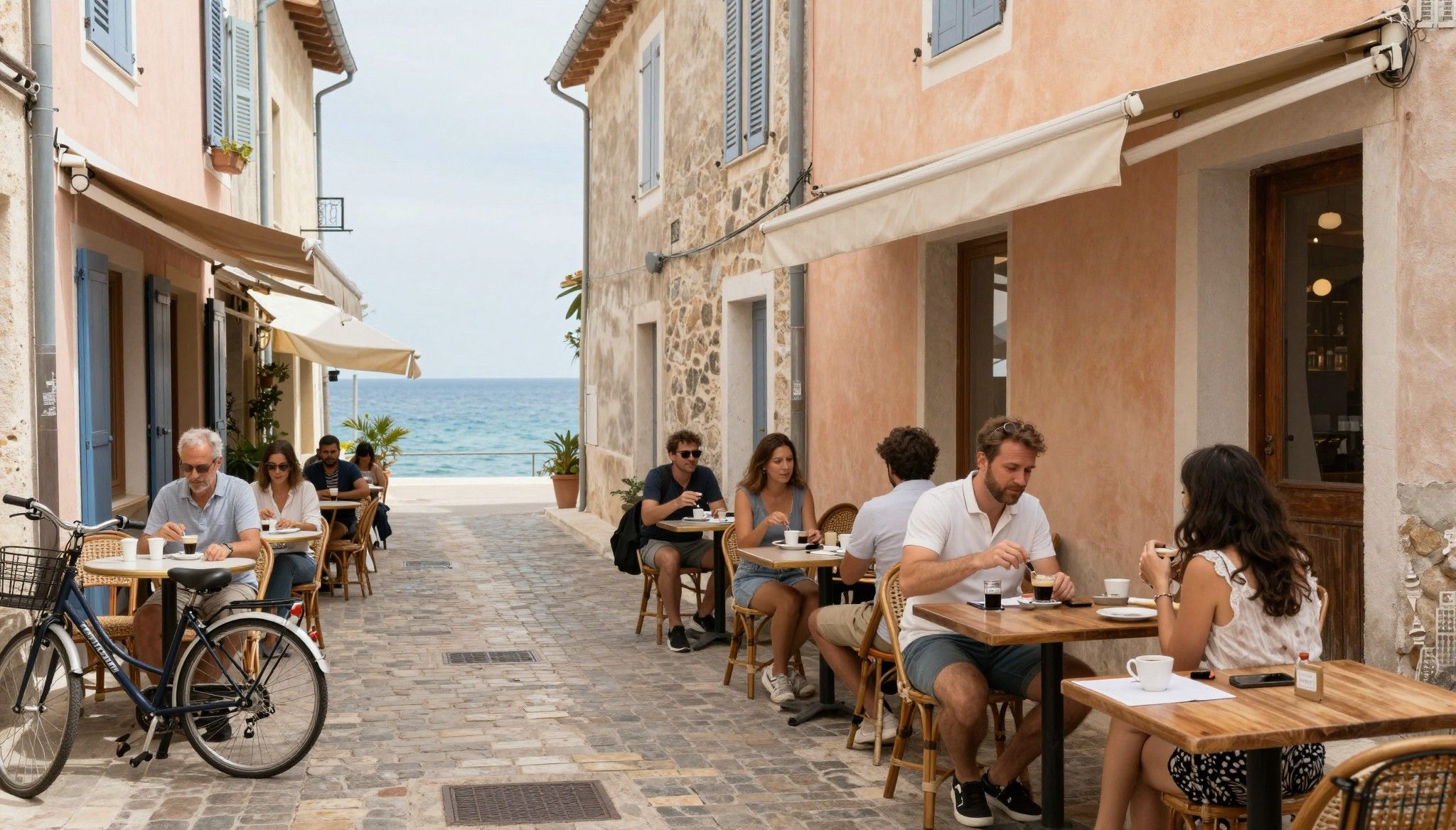
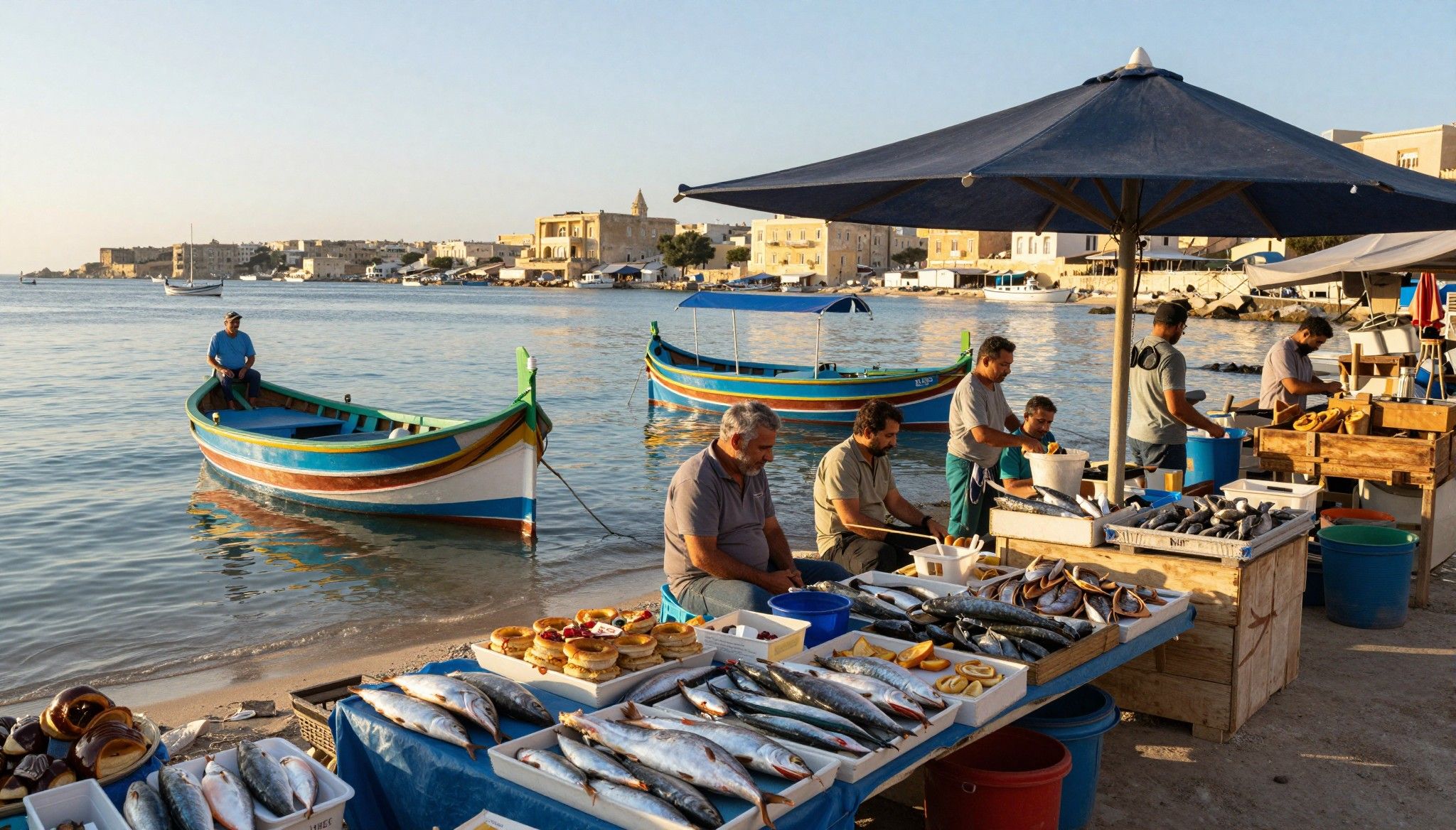
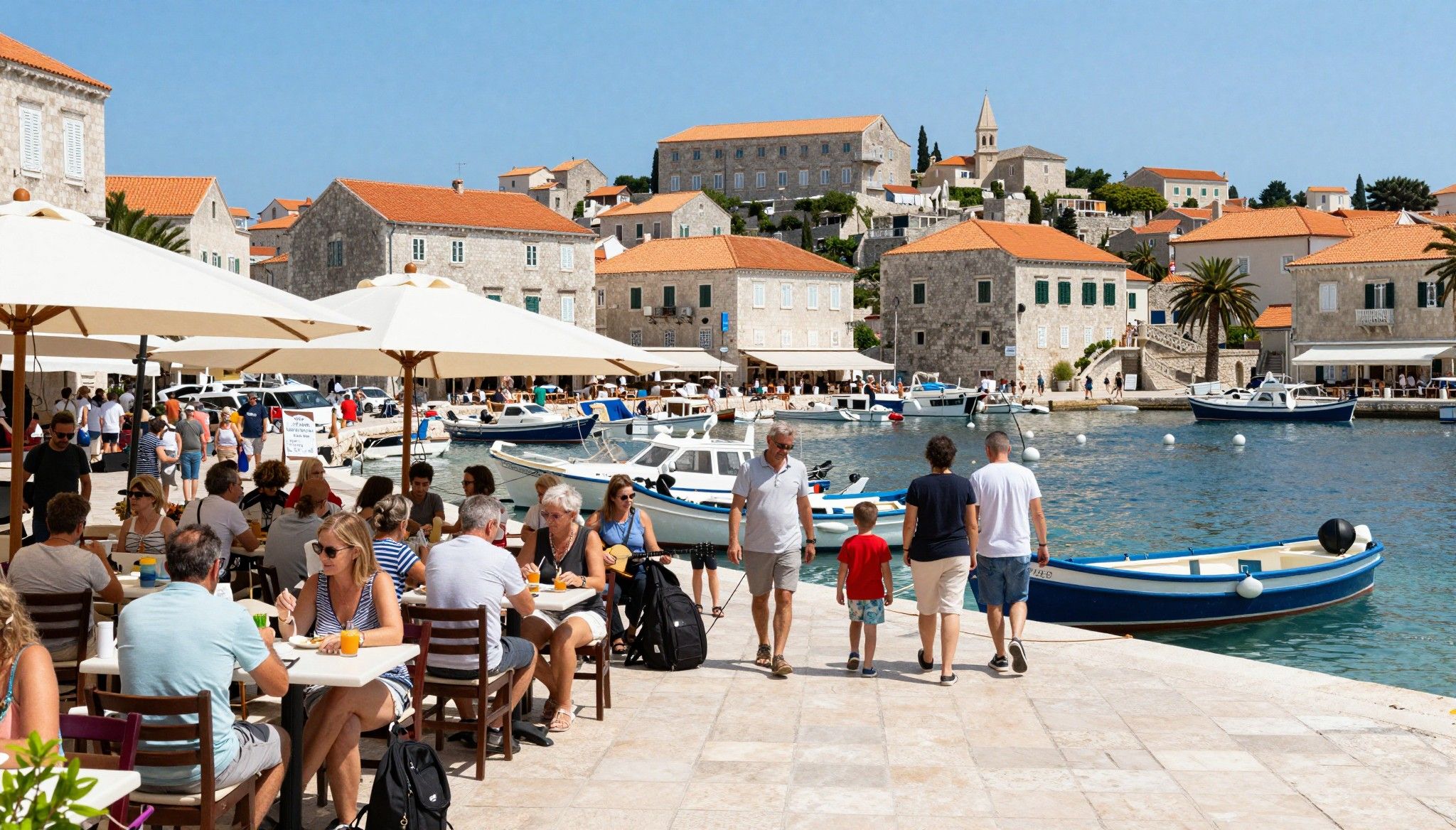
Croatia Reality Check: Sea Views, Seasonality, Hidden Costs
Fall for Croatia’s coastal life — but balance the romance with data: tourism growth, new property tax shifts and buying rules change value and seasonality.
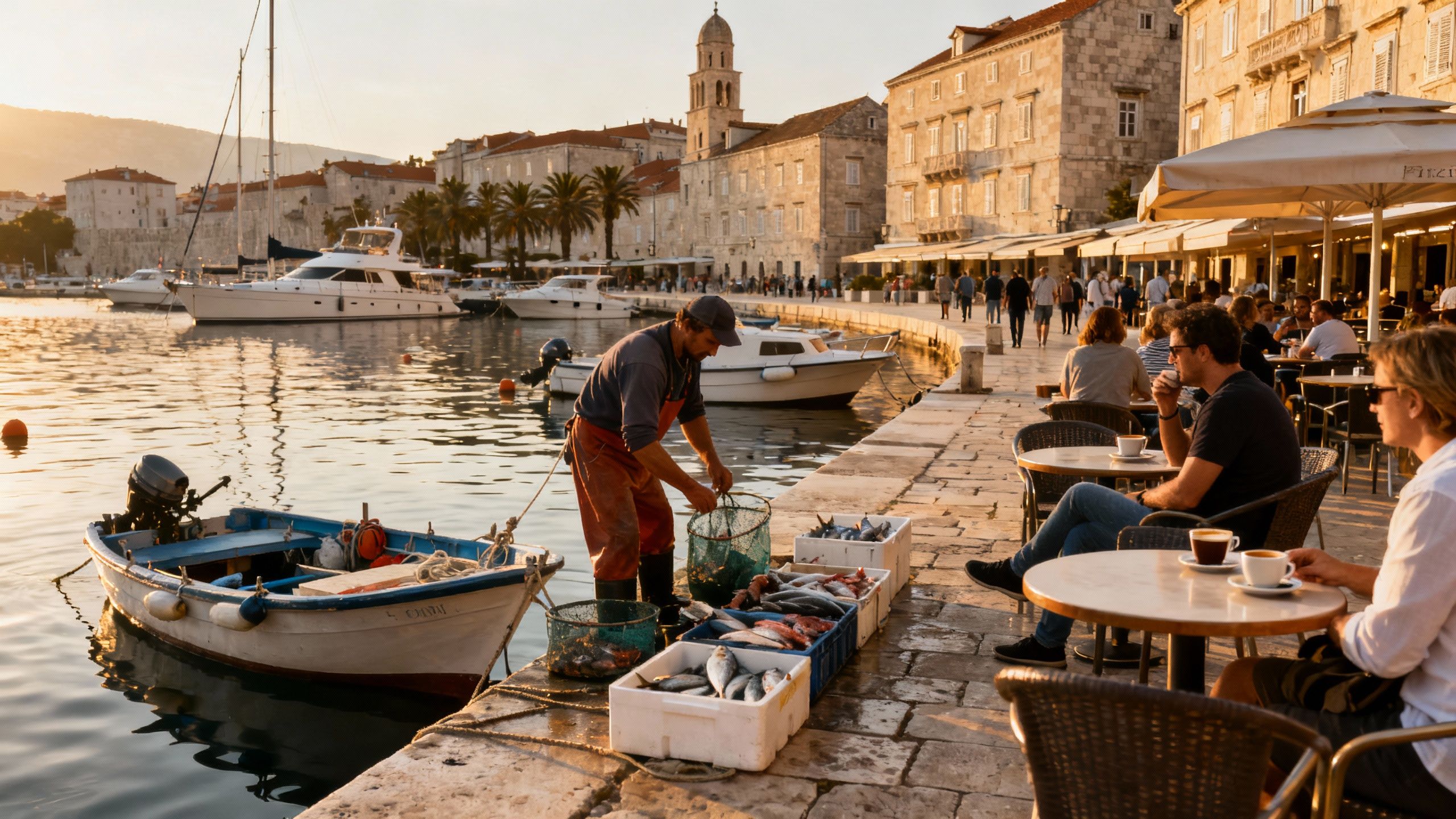
Imagine sipping espresso at a marble-topped table on Split’s Riva at 09:00, then slipping into a quiet stone lane by noon where neighbours know your name. Croatia’s coastline rewards slow mornings, loud markets and evenings that stretch long over seafood and local Plavac Mali. But the postcard — pebble beaches, summer festivals and island-hopping — hides an evolving market shaped by tourism peaks, new tax rules and changing buyer profiles. Understanding these forces lets you fall for the lifestyle without being surprised by the legal and financial reality.
Living coastal Croatia: daily rhythms and real textures
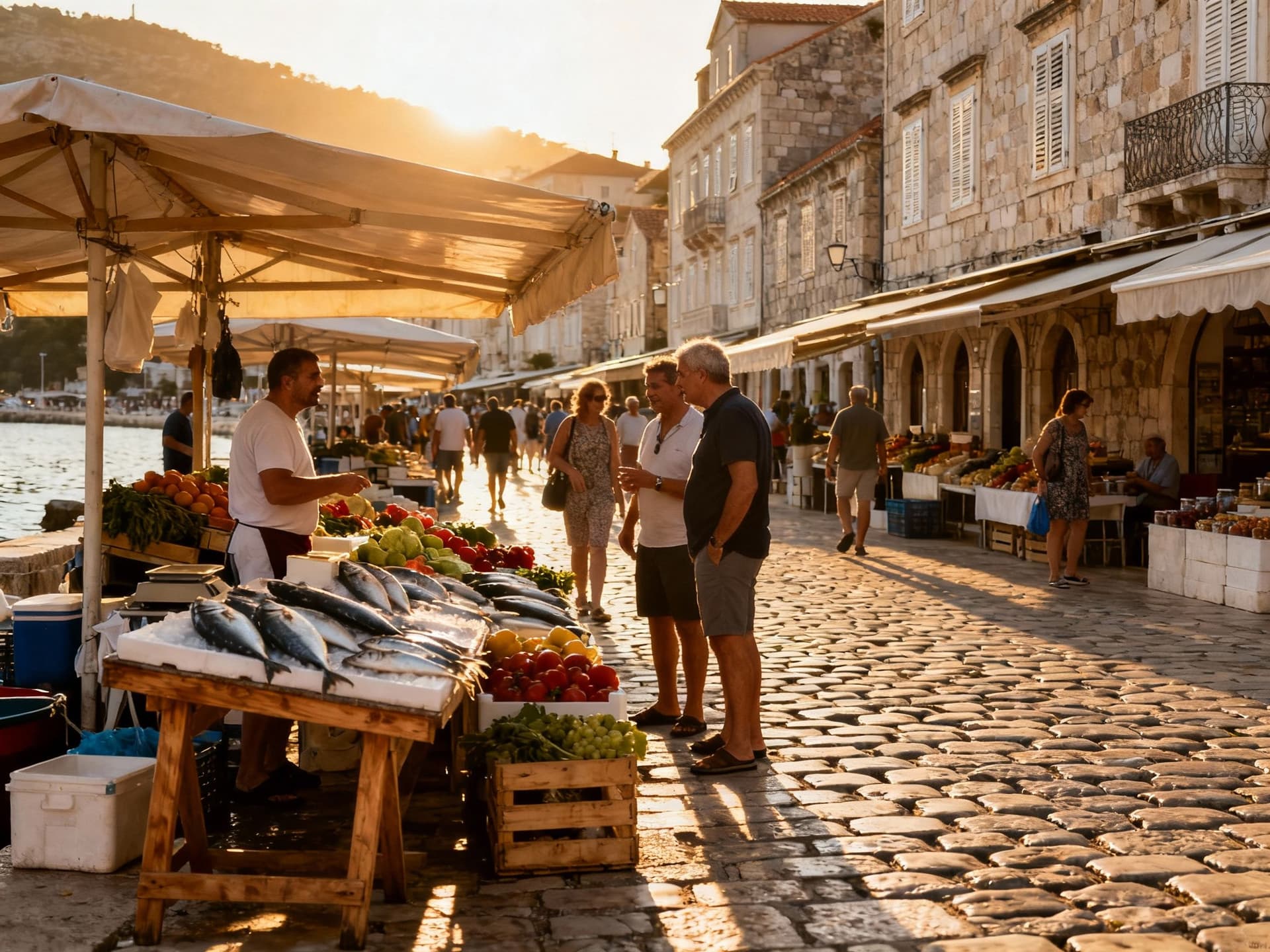
Life here is paced by the sea and seasons. In coastal towns like Dubrovnik, Rovinj and Hvar the day begins with bakeries filling the air with fresh bread, moves through sun-drenched beaches and ends with locals lingering over wine in konobas. Inland cities such as Zagreb offer a different tempo: culture, year-round services and a winter rhythm that coastal buyers sometimes underestimate. If you want warm-water afternoons and late-night promenades, coastal Dalmatia delivers; if you need hospitals, theatres and reliable daily services in all seasons, Zagreb or Rijeka will feel more sensible.
Neighborhood spotlight: Split — old port, new pulse
Walk from Diocletian’s Palace through Varos and you’ll find cafés where fishermen trade the morning catch and designers refurbish stone flats into light-filled apartments. The Sustipan promontory and Bacvice beach bookend different days: morning swims at Bacvice, aperitifs with sunset views at Sustipan. Developers are building discreet new blocks near the ferry lines; these blend modern conveniences with short walking distances to market stalls and bars, which is exactly why first-time coastal buyers are drawn here.
Food, markets and the social map
A day in Croatia often pivots around markets: Dolac in Zagreb, Pazar in Split and the fisher stalls in Zadar. Seasonal food — black risotto, grilled sardines, truffles in Istria — structures weekends and friendships. These markets aren’t just culinary; they’re where you learn neighbourhood names, reliable tradespeople and the rhythm of local life. For buyers, proximity to a market often beats proximity to a designer pool: it is where community and convenience meet.
- Dolac Market (Zagreb); Bacvice Beach (Split); Old Port (Dubrovnik); Rovinj waterfront cafés; Hvar Town waterfront; Local konoba on Korčula
Making the move: how lifestyle choices should shape property decisions
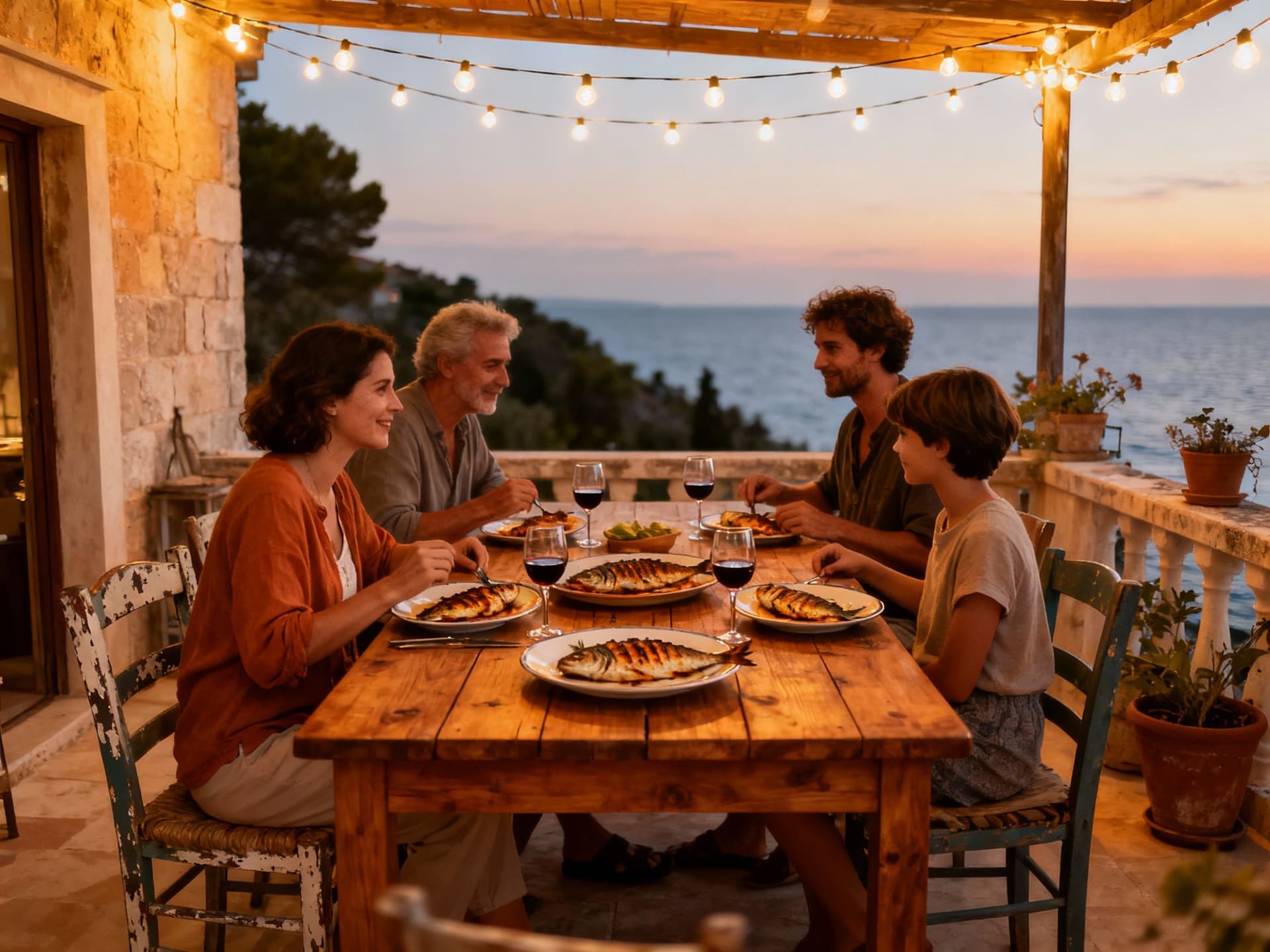
Dreams of a sea-view terrace meet practical trade-offs: price by the sea, maintenance for stone houses, and the seasonal swing in occupancy. Average asking prices vary widely — prime Dubrovnik and some island towns command significantly higher €/m² than inland cities. The euro-era (adopted in 2023) reduced currency friction for many Europeans, yet price dispersion between hotspots and quieter regions remains the most important lever for shaping your budget and lifestyle match.
Property types and the life they enable
Stone town apartments give you narrow streets, history and instant neighbourhood texture; new-build coastal apartments offer parking, insulation and lower maintenance at the cost of character. A renovated Dalmatian stone house means maintenance and seasonal up-keep — think damp-proofing, roof works and mosquito management — but also private terraces and shade. Choose the property that supports your daily life: commute needs, entertaining friends, or the low-maintenance lock-up-and-leave model for frequent travellers.
Work with experts who know both lifestyle and law
Local lawyers and agencies do more than find views — they secure Ministry approvals for non‑EU buyers, check land registry entries and flag protected zones where purchases are restricted. For EU citizens the process is straightforward, but third‑country nationals must plan for ministry consent and reciprocity checks. An agent who understands market seasonality, rental demand and local permitting saves time and prevents the common, emotional mistake of overpaying for a lifestyle you can’t sustainably maintain.
- Decide lifestyle priorities (season vs year-round living); shortlist neighbourhoods with those amenities; commission legal and registry checks; agree contingency for permit/tax changes; plan property management for low-use months.
Insider knowledge: red flags, seasonal truths and things expats wish they’d known
One frequent blind spot: the impact of short‑term rentals on local housing availability and forthcoming tax policy. Croatia announced measures to shift tax burdens toward property to discourage empty holiday stock and encourage long-term rentals; this affects coastal towns where many homes remain seasonal. At the same time tourism has grown outside peak months, nudging markets toward extended seasons — a structural change that affects occupancy, prices and local services. Savvy buyers factor in both new taxation and the push for longer lets when modelling cashflow and lifestyle convenience.
Cultural cues that reshape neighbourhood choice
Language is approachable: many locals in tourist and urban areas speak English, but learning basic Croatian opens doors and goodwill at market stalls and municipal offices. Weekends are family-focused: expect packed bakeries on Saturday mornings and quieter Mondays. Noise rules, neighbour expectations about renovations and local festival calendars all influence your living comfort; a lively summer quay may be delightful for a holidaymaker but noisy for someone seeking quiet year-round life.
Long-term view: how life changes after you move
After the initial romance, practicalities set the tone: winter heating, healthcare access, paperwork for residency and property management. Many expats report deeper integration after joining local associations, seasonal volunteer groups or weekend markets; social life becomes less about tourism and more about friendships and routines. If you plan to live here long-term, prioritise consistent services (medical, postal, banking) and neighbourhoods that offer them without a tourist premium.
- Check local waste and water systems; ask neighbours about winter heating bills; confirm internet speeds if remote work matters; verify access to year-round shops and healthcare; budget for property maintenance in stone houses.
Croatia’s appeal is equal parts sensory and sensible: sunlit quays, neighbourly markets and manageable travel across Europe. Pair that dream with local legal advice, realistic price benchmarking and a property manager who understands the seasonality of occupancy. If you start with a clear picture of daily life — where you’ll buy your bread, who you’ll see on the promenade, how often you’ll use the property — the market choices fall into place. Ready to explore neighbourhoods that match how you want to live? Ask an agent to show you morning routes, market stalls and the local school run before signing anything.
British investor turned advisor after buying in Costa del Sol since 2012. Specializes in cross-border compliance and data-driven investment strategies for UK buyers.