Croatia: Match the Season to the Life You Want
Croatia’s coastal romance meets policy and market shifts: use seasonality, recent tourism growth and tax signals to match lifestyle priorities with resilient property choices.
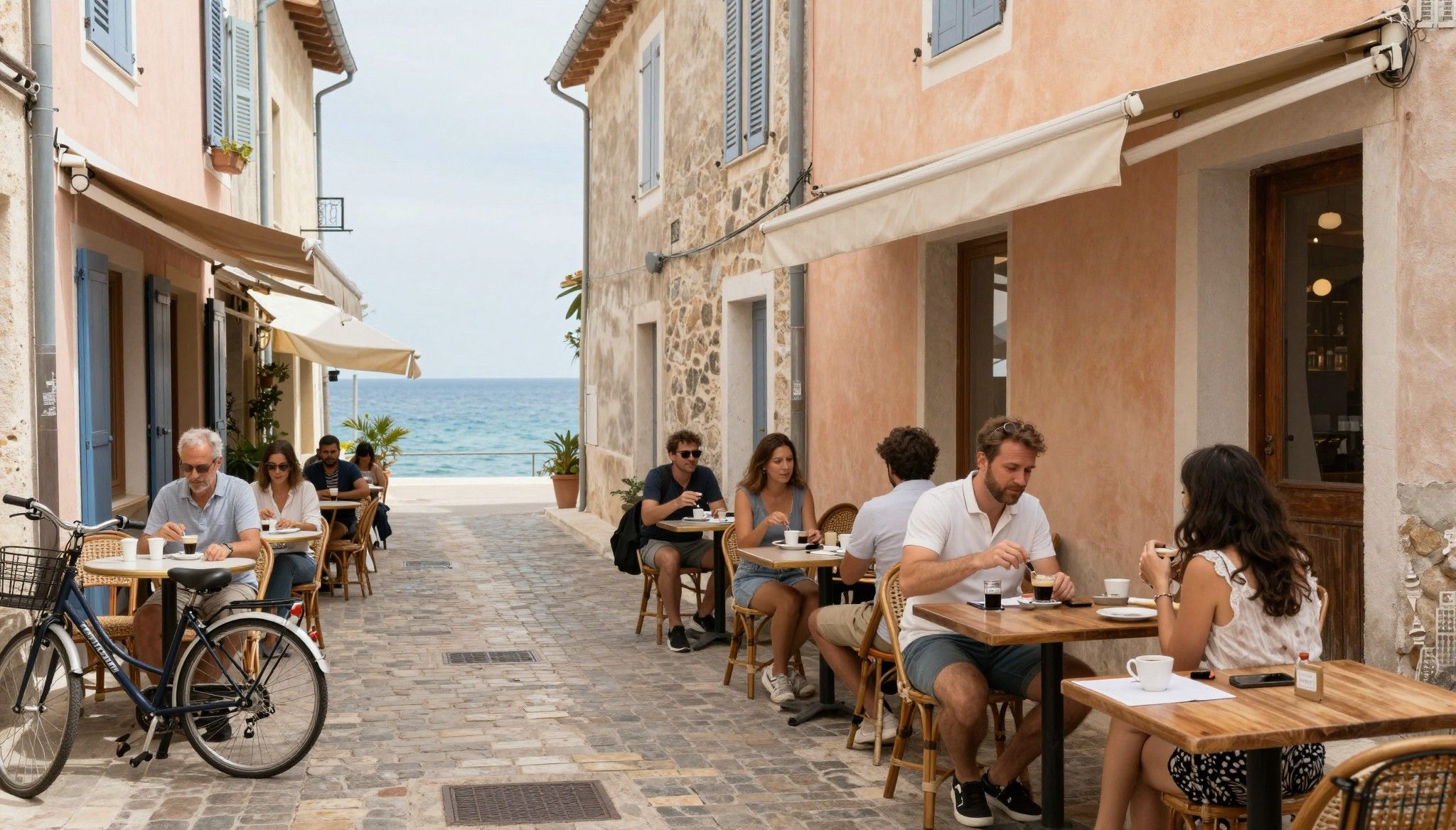
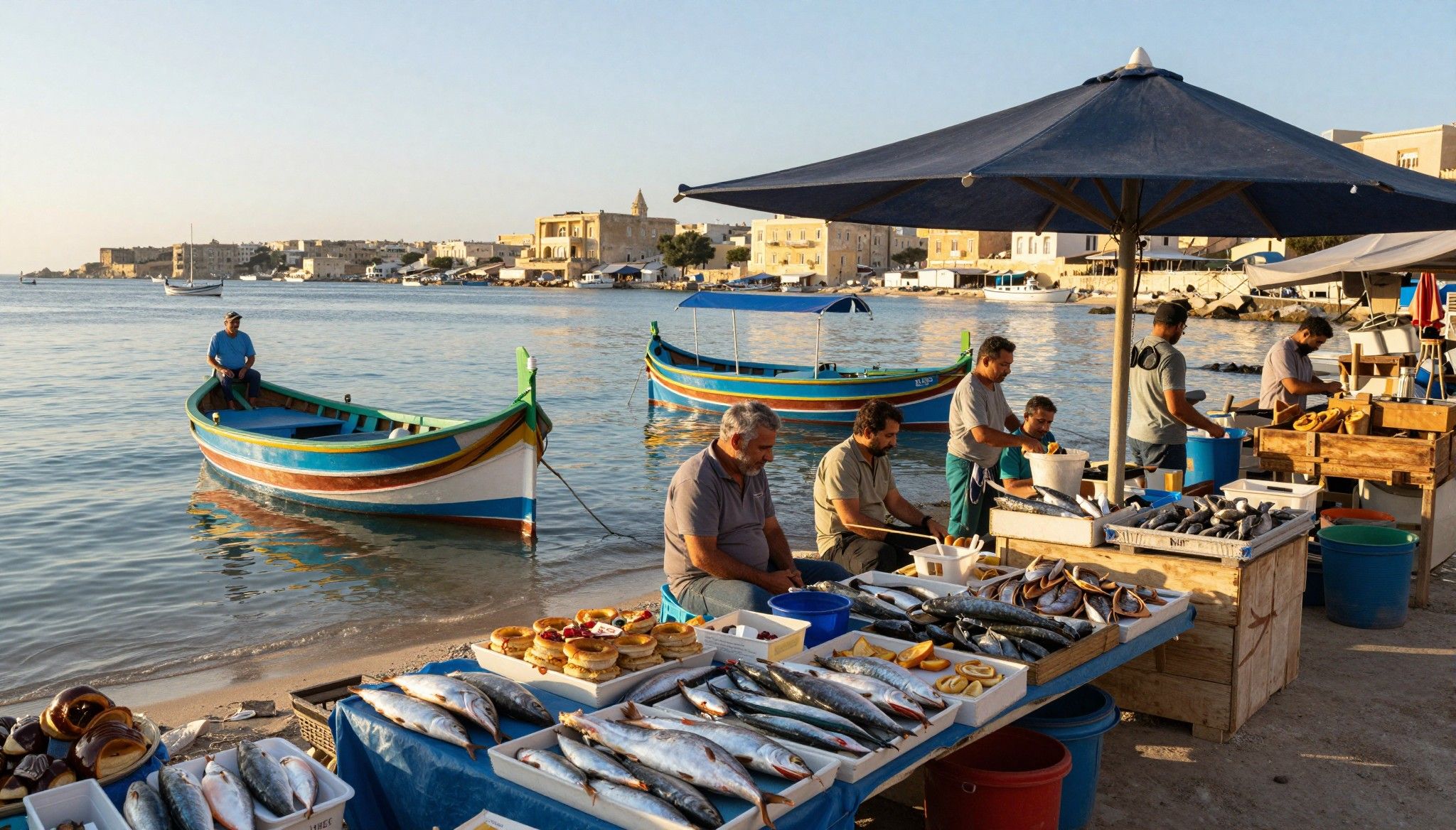
Imagine pulling a small table onto a sun-warmed stone square in Rovinj, ordering espresso while fishermen mend nets two streets over — that slow, tactile rhythm is Croatia in micro. It’s Adriatic mornings and lavender-scented afternoons, market chatter in Zagreb and island time on Hvar. But beneath this postcard life are market rhythms and policy moves that shape which neighborhoods stay affordable, which become short‑term rental hotspots, and where a year-round life is realistic.
Living the Croatia lifestyle
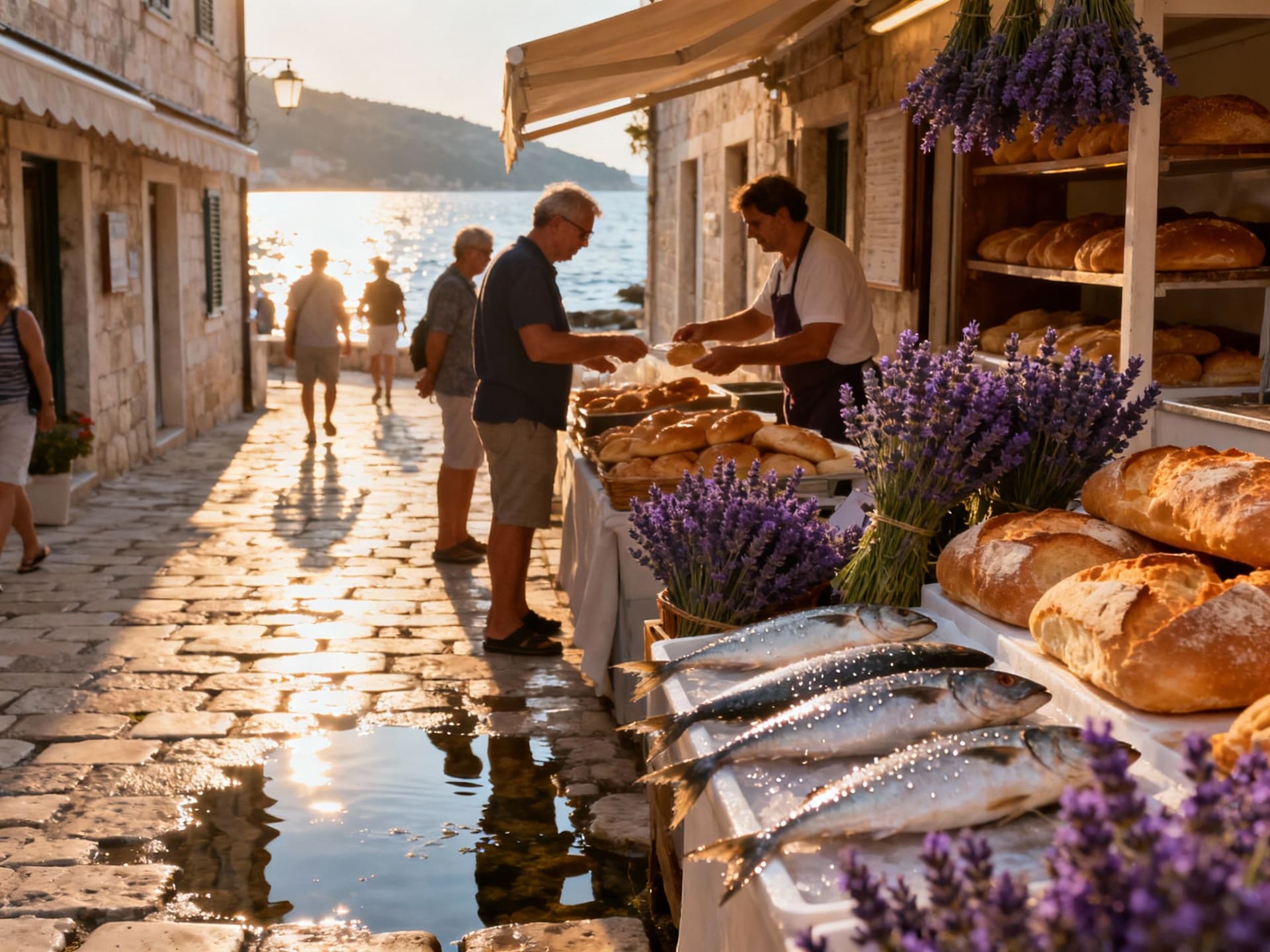
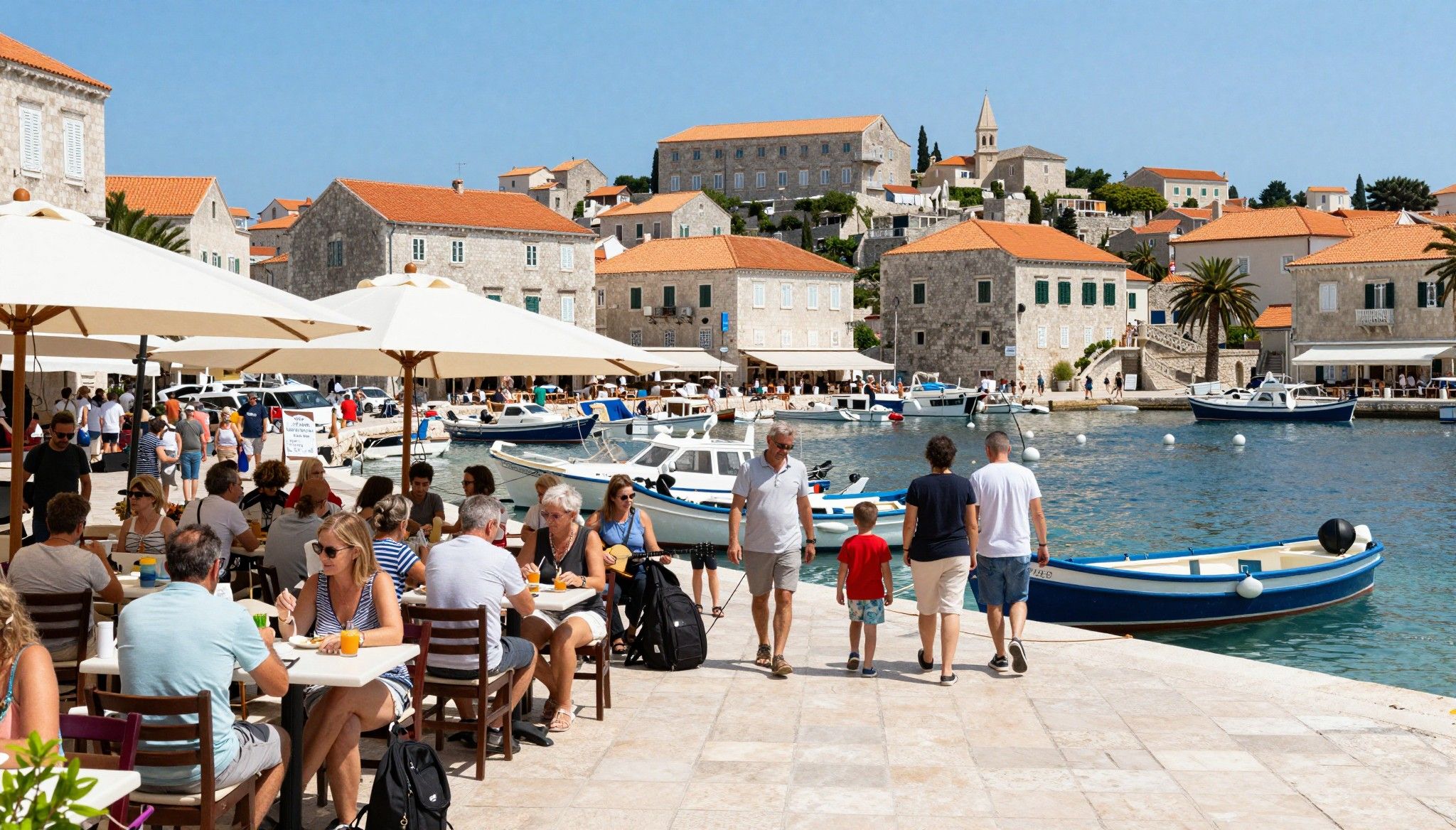
Croatia feels like two countries at once: the Adriatic coast where small-scale tourism, seafood tavernas and stone-fronted promenades set the tempo, and the inland/urban belt — Zagreb, Varaždin, Osijek — where cafes, concerts and year-round services dominate. For a buyer imagining daily life, this split matters: coastal villages pulse hard in summer and soften outside it, while continental cities offer steadier rhythms, services and rental demand across twelve months.
Coastlines: Old towns, marinas and quiet coves
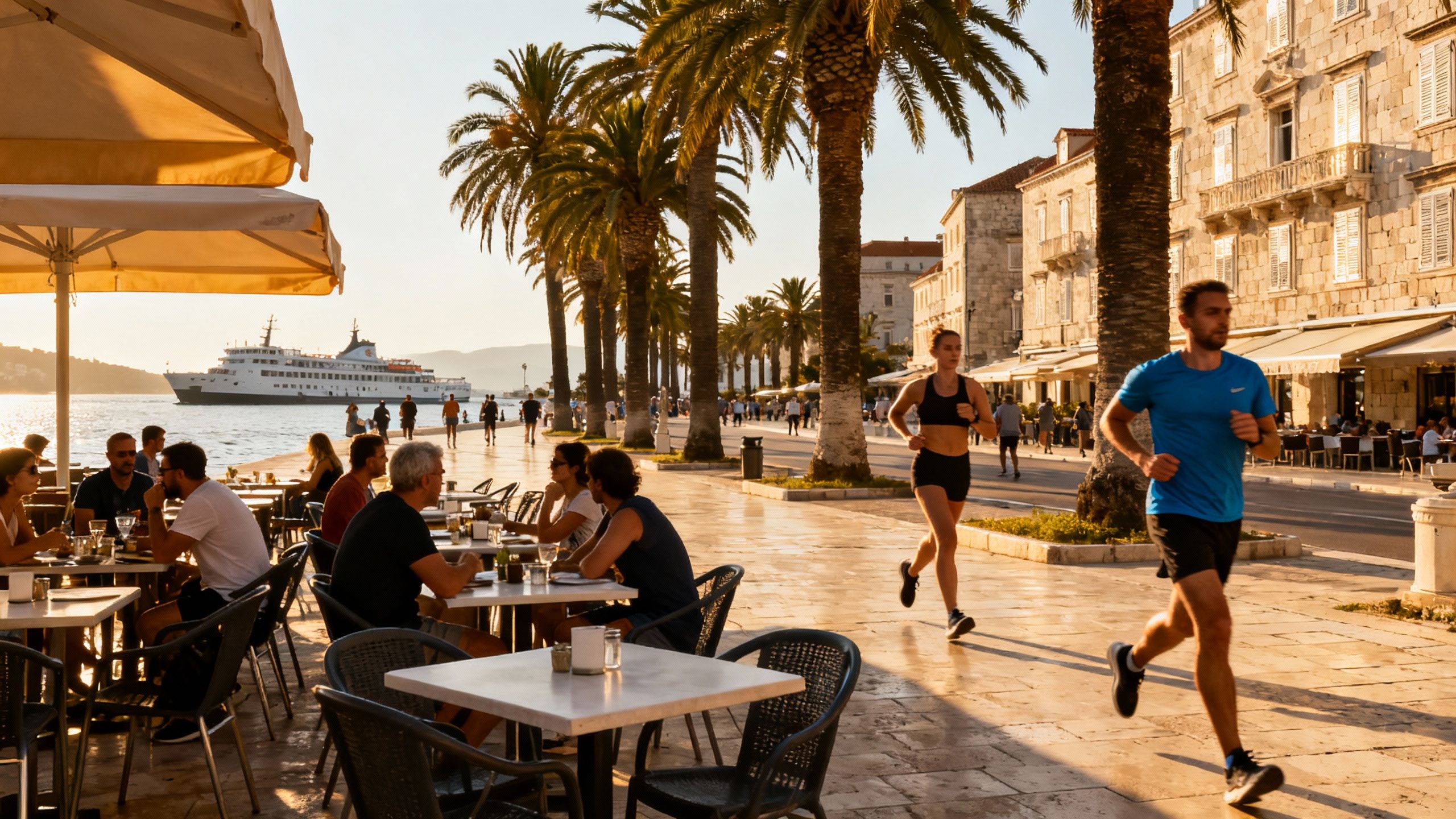
Picture Split’s Riva at 08:00 — joggers, coffee queues, ferries to the islands — then the same town at 22:00 when families stroll past centuries‑old palazzi. Dubrovnik’s Old Town is intense: a daily flow of visitors, UNESCO constraints on alterations and a premium that reflects scarcity. Elsewhere, places like Šibenik or the quieter coves of the Makarska Riviera keep a stronger local heartbeat outside July and August.
Cities & the continental belt: steady life and services
Zagreb has matured into a cultural hub with better flights, events and a year‑round hospitality economy; the city recorded strong growth in overnight stays in recent years which translates into dependable long‑term rental demand and resale liquidity. For families and professionals seeking predictable services — schools, healthcare, coworking — continental towns often outscore tiny islands.
- Market‑shaped lifestyle highlights:
- Rovinj’s morning market and the narrow streets off Grisia for artists and small cafés.
- Split’s Veli Varos and Diocletian‑adjacent neighborhoods — city life with a sea breeze.
- Zagreb’s Tkalčićeva and Jarun areas for cafés, green space and year‑round cultural programming.
- Korčula and Vis as island retreats where resale is slower but lifestyle authenticity is high.
Making the move: practical considerations that preserve lifestyle
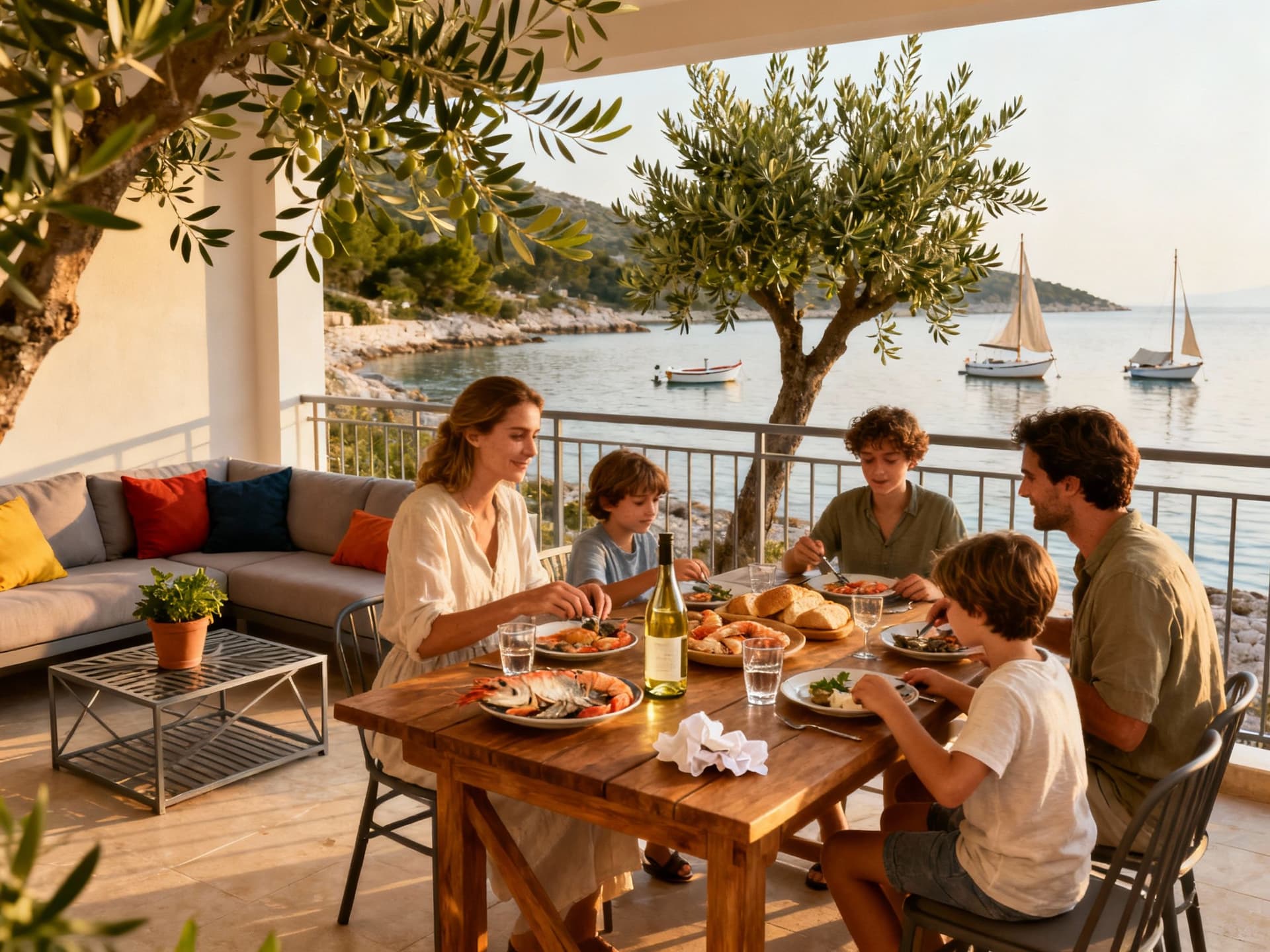
The dream of waking to sea air collides with policy and market mechanics. Two recent, concrete signals matter: Croatia’s push to rebalance housing policy (measures discussed in 2024–2025) and the clear tourism rebound that’s lengthening seasons — both reshape where value and risk sit on the map. Your search should pair lifestyle priorities with an assessment of demand drivers, seasonality and local rules that affect use and costs.
Property market signals & recent policy
In late 2024 Croatia signalled a shift towards property‑focused taxation to ease rental market pressure and discourage long-term vacancy and pure short‑term letting. That means buyers should expect municipal and national policy to increasingly favour properties used year‑round or rented for longer seasons — a key factor when deciding between a high‑summer cash cow and a sustainable year‑round home.
Property styles: what to buy for how you want to live
Stone apartments in old towns give immediate character but often limit renovation scope and modern energy upgrades. New builds along the coast offer insulation, parking and amenities — useful for year‑round comfort and resale — but can sit farther from village centers. Inland villas and new developments near Zagreb balance space and service access for families or remote workers who need reliable internet and schools.
- How to align lifestyle with property choice:
- Decide your primary season: if you want true year‑round life, prioritise continental or larger coastal towns with off‑season services.
- If community matters, choose neighborhoods with local markets and active resident associations (e.g., Veli Varos, Rovinj old town).
- Match property type to maintenance appetite: historic stone vs low‑maintenance new build with HOA services.
Insider knowledge: what expats wish they’d known
Expats often tell the same story: the first summer feels like a festival, then you learn the off‑season magic — empty beaches, local rhythms and better pricing — but also the practicalities of slower municipal services in small towns. Croatia’s tourism recovery and longer shoulder seasons (official data show rising pre‑ and post‑season travel) are shortening the painful off months, but buying decisions still require a realistic view of twelve‑month life.
Language, community and daily life
Croatian will unlock deeper local ties, but English gets you a long way in cities and tourist zones. Learn common social cues — long greetings in village shops, the importance of family ties — and you’ll find neighbors ready to help with practical matters like local craftsmen or seasonal property care. Small investments in language and time pay big lifestyle dividends.
Long‑term lifestyle & investment tradeoffs
If you see property as both a home and a portfolio piece, favour locations with month‑round demand (Zagreb, Split, Rijeka, parts of Istria) or properties easily converted to longer leases. Expect stronger competition and premiums in UNESCO cores and historic centers and steadier yields in city‑edge apartments or well‑connected island towns with ferry links.
- Red flags to watch for:
- Properties advertised as “marina‑adjacent” without clear access — check road access and ownership of seafront parcels.
- Units with unclear historical renovation permits — insist on documented approvals before offer.
- High short‑term rental concentration in small towns — this can erode community life and affect long‑term resale.
- Practical next steps (combined lifestyle + market actions):
- 1) Visit outside August: spend at least one week in shoulder season to test daily life.
- 2) Interview local agencies about resident turnover, seasonal occupancy and community rules — ask for recent comparable sales.
- 3) Prioritise properties with full permit histories and documented utility connections to avoid renovation surprises.
Conclusion — imagine the after: a routine that once seemed exotic — morning market, late café, ferry to an island for Sunday lunch — becomes ordinary. Pair that image with the practical checklist above and you turn romance into a sustainable move. Work with agencies that can translate lifestyle signals into market metrics, and treat policy shifts and tourism seasonality as tools to place yourself in neighborhoods that will still feel like home in February.
Swedish strategist who relocated to Marbella in 2018. Specializes in legal navigation and tax planning for Scandinavian buyers.