Croatia: Year‑Round Life, Seasoned Buying Advice
Croatia’s coast is moving from summer spectacle to year‑round living; use seasonal visits, local data and permits to match lifestyle to long‑term value.
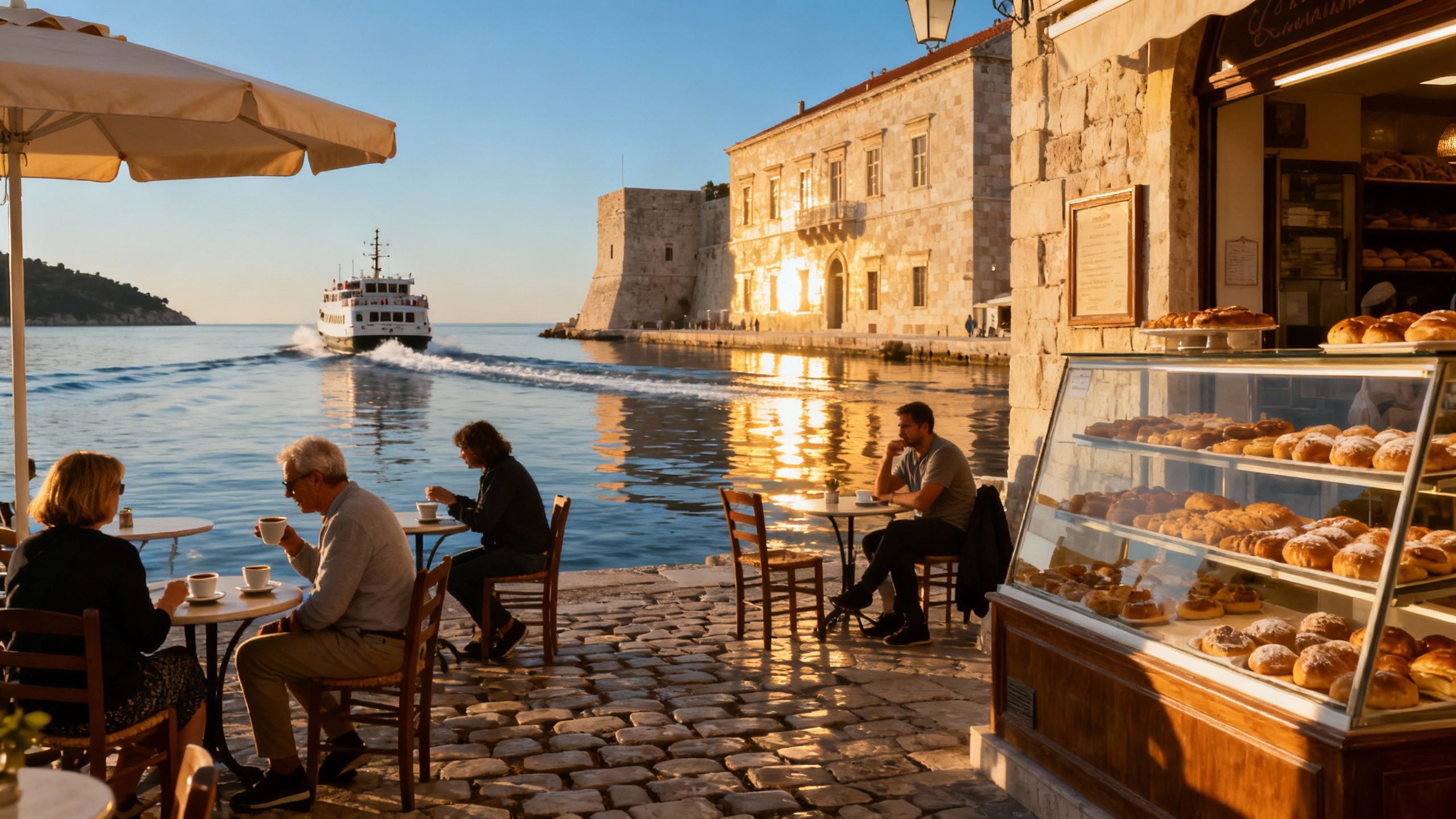
Imagine sipping espresso on Split’s Riva at 08:00, the sea hush broken by ferry horns and bakers arranging warm pogača. Picture weekend markets in Dolac, pine-scented island roads on Brač, and quiet winter evenings in Zagreb’s leafy streets. Croatia is both Adriatic summer spectacle and an increasingly year‑round place to live — and knowing when and where to buy changes everything.
Living the Croatian rhythm
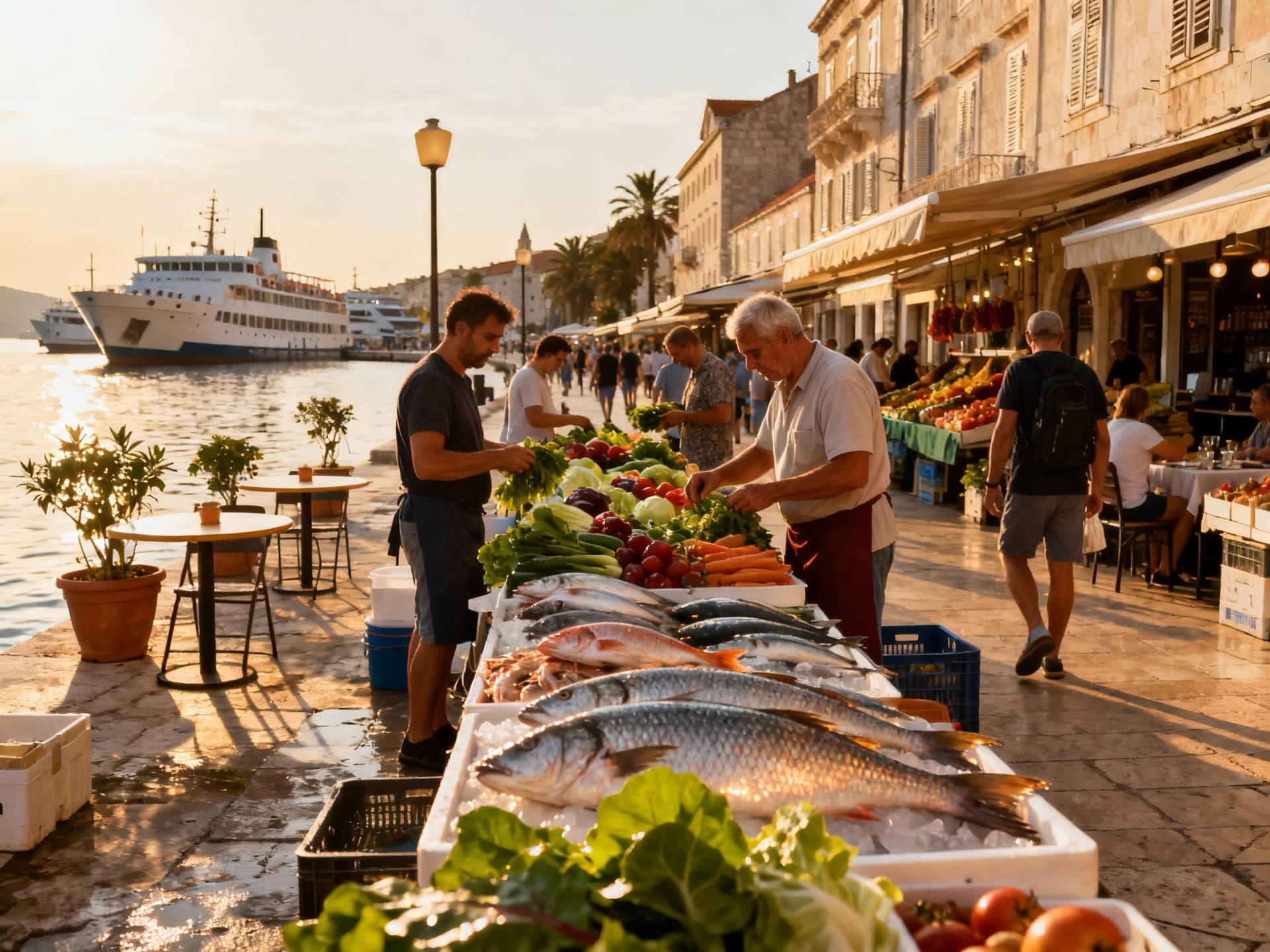
Croatia’s daily life pivots between coast and continent: coastal towns lean into seaside cafes, late dinners and nautical traffic; inland cities like Zagreb hum with year‑round cultural life and markets. Recent tourism data show stronger pre‑ and post‑season traffic, which means coastal towns are less empty in shoulder seasons than they once were. That shift matters for buyers who want lived‑in neighbourhoods beyond July and August.
Coastal neighbourhoods: Split, Dubrovnik, Istria micro‑vibes
In Split, the old town and Varoš deliver narrow streets, neighbourhood konobas (taverns) and quick access to ferries; Žnjan and Bačvice offer more modern apartments and beach life. Dubrovnik’s Old Town is a seasonal phenomenon — beautiful but tourist‑dense — while Lapad and Cavtat provide calmer everyday living. Istria (Rovinj, Pula) combines Italianate cafés with truffle and wine country weekends, appealing to buyers who want coastal access plus rural pace.
City life: Zagreb as a continental heartbeat
Zagreb’s streets offer museum evenings, farmers’ markets like Dolac, and neighbourhoods (Maksimir, Britanski trg, Gornji grad) with cafés and parks that feel unmistakably urban European. For buyers who want four‑season culture and international schooling options, Zagreb is the sensible counterpoint to island living.
- Lifestyle highlights
- Morning espresso on Split’s Riva; ferry to Hvar or Brač for a weekend; farmers’ markets in Dolac (Zagreb) and Pula; truffle and wine weekends in Istria; island bays for snorkeling and quiet sunsets; seaside promenades for year‑round walks in Opatija.
Making the move: lifestyle meets market realities

Fall in love with the rhythm, but know the data: dwelling prices rose in 2024 (house price indices up roughly 10% year‑on‑year) and authorities have introduced tax measures to curb short‑term rentals and free up long‑term housing stock. Those two forces shape where prices move and which properties make sense for living versus seasonal letting.
Property types and how you’ll use them
Stone townhouses in old centres offer charm and rental appeal but can have constrained layouts and higher renovation needs. New‑build seafront apartments give easier maintenance and modern amenities but often sit in denser developments. Inland family houses give space and gardens at lower per‑m2 costs, ideal for year‑round living or remote work setups.
Work with local experts who understand lifestyle fit
A local agency that knows where cafés, markets and quiet streets are matters. They’ll help you translate a lifestyle brief into specific neighbourhoods, advise on seasonality for rental income, and flag building rules that affect restoration versus new‑build conversions. Pick advisers with on‑the‑ground client references and a track record across seasons.
- Steps to match lifestyle and market (practical + sensory)
- Visit in two seasons: a summer week and a shoulder‑season long weekend to sense year‑round life and services.
- List three non‑negotiables (walkable café, proximity to ferry or school, garden/tree cover) and have your agent shortlist properties that prioritise those features.
- Check building permits and short‑term rental rules with a local lawyer — a property’s permitted use determines both lifestyle flexibility and future resale value.
- Budget for climate adaptation (insulation, shutters, dehumidification) in older stone homes and include realistic renovation timelines.
Insider knowledge: what expats wish they’d known
Real talk from expats: the magic of coastal mornings meets the practicalities of residency, winter services and property upkeep. Many buyers underestimate local bureaucracy and the difference between owning a holiday ‘scene’ and a comfortable year‑round home. Recent policy moves aim to reduce short‑term rental pressure, so strategies that relied on high summer let returns need updating.
Cultural cues that change where you choose
Croatians value local ties and neighbourliness. In many small towns, shopkeepers and kafana owners know everyone — that’s a benefit if you want community, and a constraint if you prize anonymity. Language helps: simple Croatian phrases open doors, but major coastal towns have functioning English in service sectors.
Long‑term lifestyle signals to watch
Track three signals: local permit activity (new builds), month‑by‑month tourism flows (pre/post season growth), and price movement by region. The Croatian Bureau of Statistics shows coastal and continental dynamics diverging at times — choose areas where services and year‑round demand support stable long‑term value.
- Red flags and quick checks
- No permit history for renovations; unusually high summer‑only income projections; properties listed through multiple agencies with the same photos (possible resale churn); lack of winter servicing (heating, roads) in island properties.
Before signing, ask your agent for three comparable sales, a permitted‑use check from a local architect, and a neighbour‑reference — an informal conversation with nearby owners will reveal service patterns and seasonal character.
Conclusion: If you want summer spectacle plus real life, look beyond the postcard. Match neighbourhood rhythm to how you’ll actually live across seasons, work with advisors who know the local quirks and data, and treat policy shifts — like taxes on short‑term lets — as an opportunity to favour long‑term, lived‑in value. When you marry Croatian lifestyle with grounded market intelligence, you don’t just buy a property; you join a place.
British investor turned advisor after buying in Costa del Sol since 2012. Specializes in cross-border compliance and data-driven investment strategies for UK buyers.