Cyprus’ "Expensive" Reputation: A Reality Check
Cyprus offers varied coastal and city lifestyles; steady price growth hides district opportunities. Match morning routines and markets to local data for smarter buys.
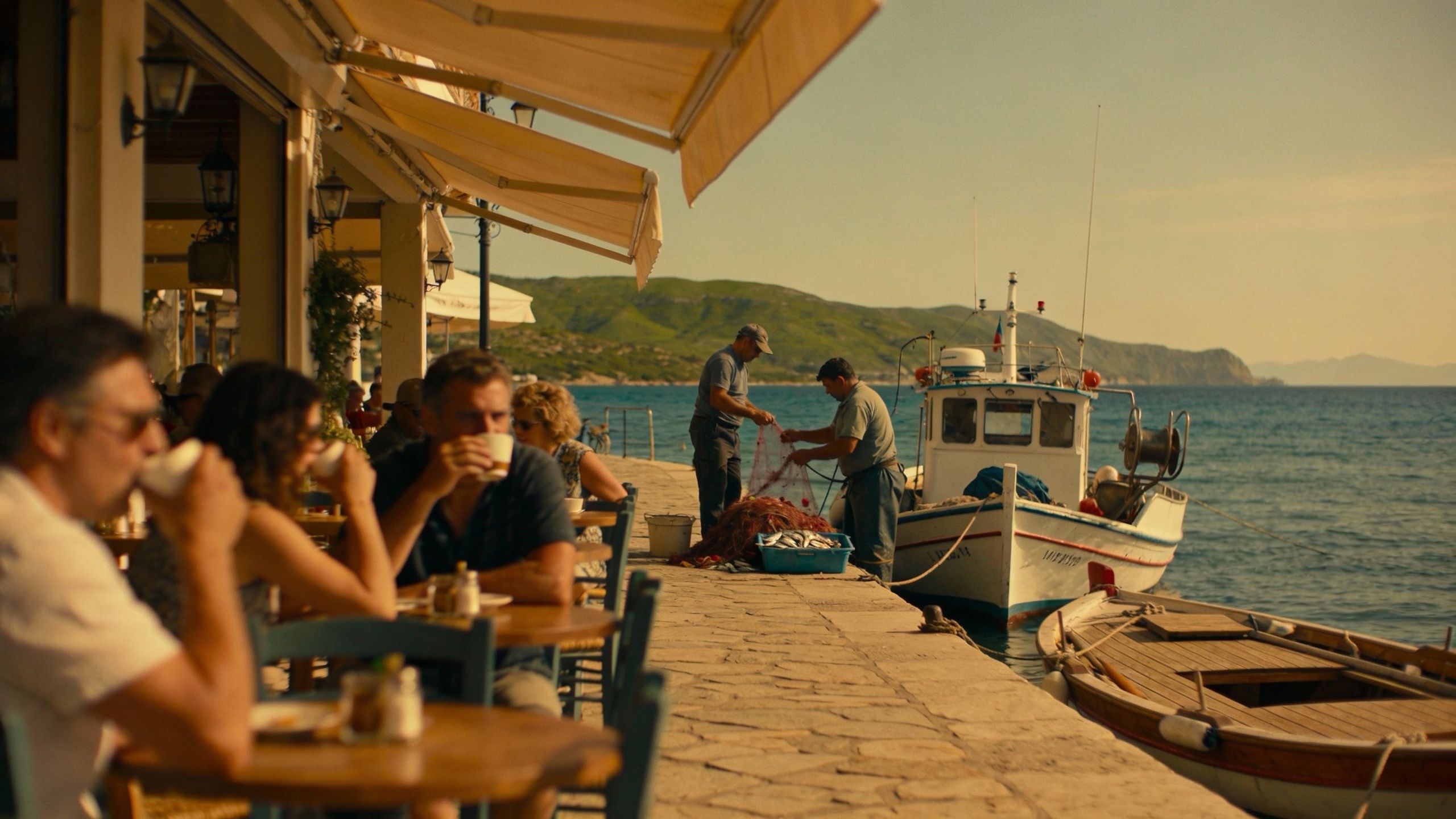
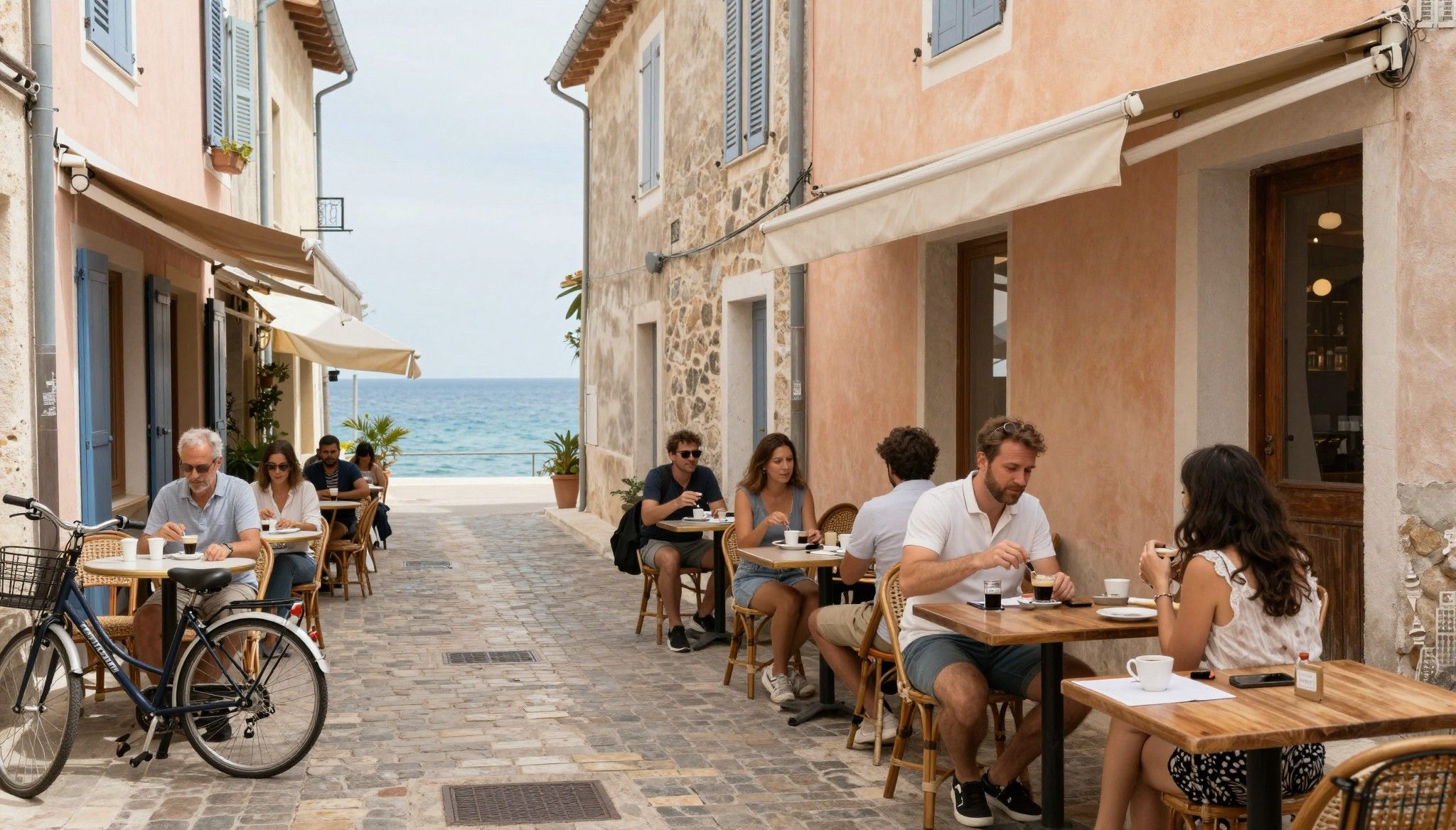
Imagine sipping espresso on a sun-warmed terrace in old Larnaca as the morning market wakes, then slipping to the coast for an afternoon swim — and realising you could afford that life without paying Limassol prices. Cyprus often arrives in headlines as "pricey coastal real estate," but the story on the ground is more nuanced. This guide blends senses and spreadsheets: local scenes that make you want to move, and the real market signals that tell you where value hides.
Living Cyprus: sunlit routines and neighbourhood rhythms
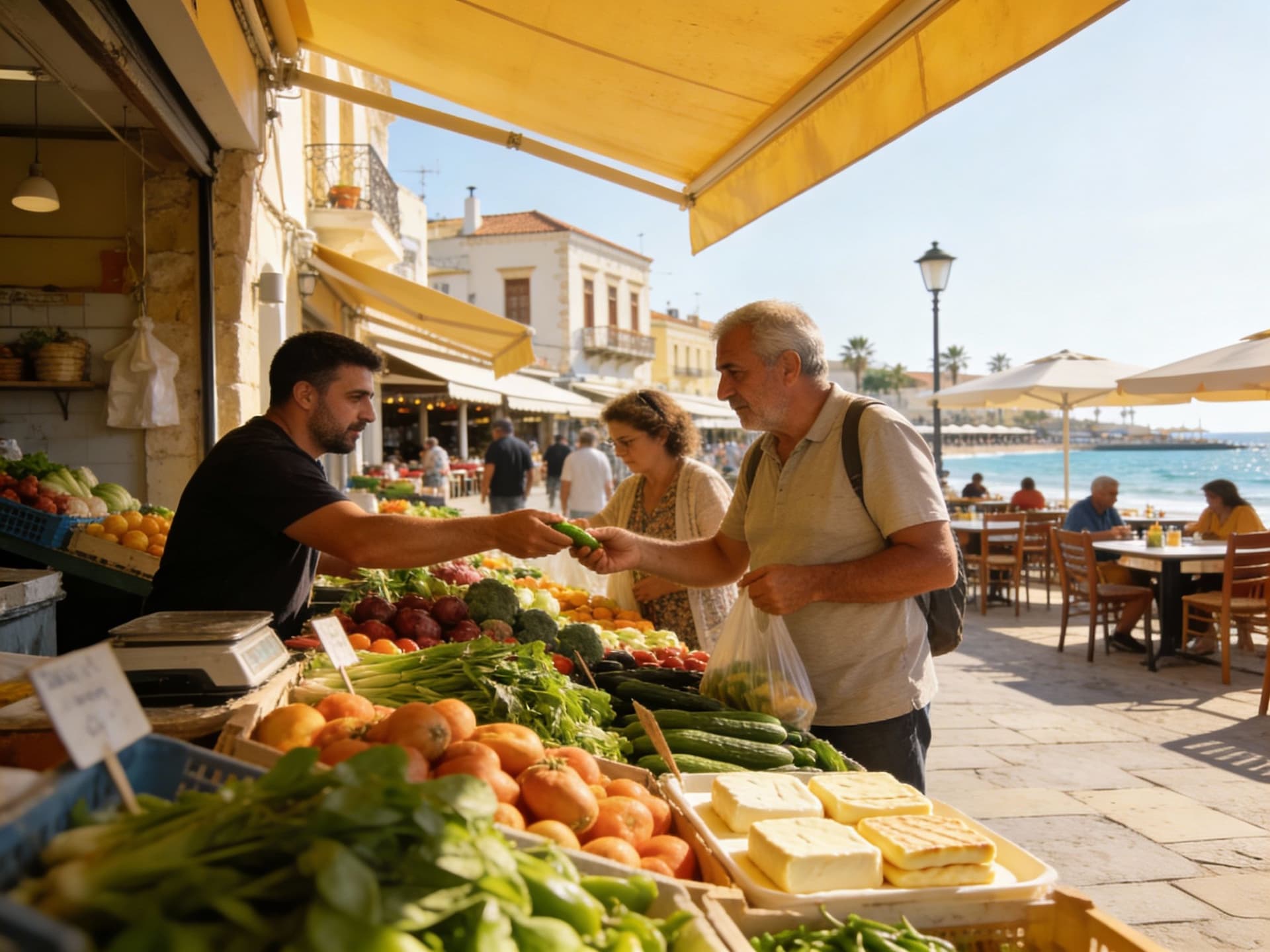
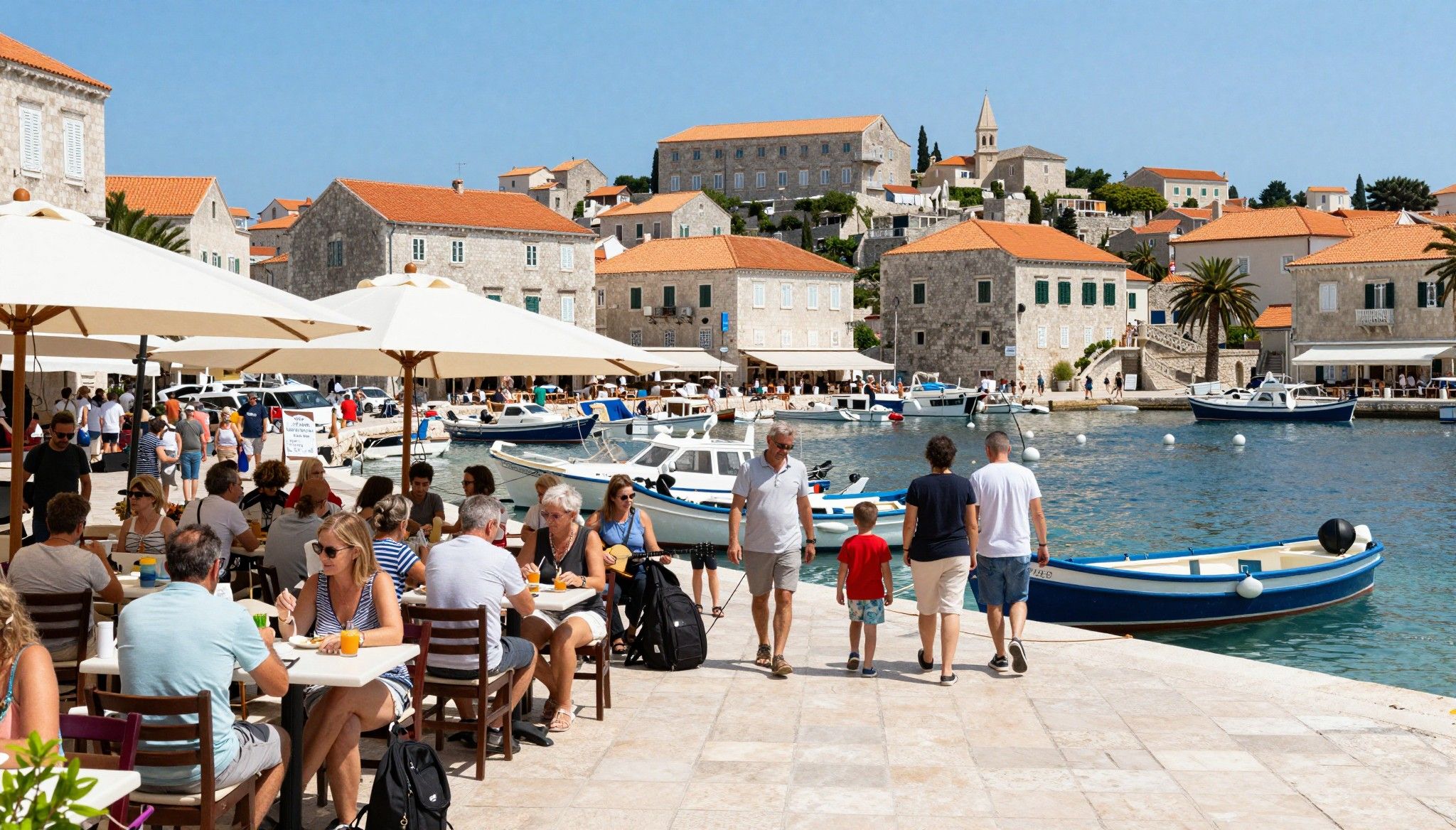
Cyprus is a collection of distinct daily rhythms more than a single lifestyle. Mornings in Nicosia mean bakeries filling the air with fresh bread; afternoons in Paphos, café tables spill onto pedestrian streets; evenings in Limassol pulse with marina-side restaurants. The island’s compact size turns day trips into routines — olive-grove brunches, coastal runs at Fig Tree Bay, or a quick cultural afternoon at the Cyprus Museum — and that variety shapes what property suits you.
Spotlight: Larnaca’s authentic edge
Larnaca has reappeared in buyers’ itineraries not as a quiet backup but as an active coastal city where cafés, the Finikoudes promenade and a compact old town create day-to-day charm. Recent infrastructure upgrades around Larnaca airport and waterfront projects have nudged demand up, but prices remain softer than Limassol — making it attractive for buyers seeking immediate lifestyle without the premium price tag.
Food, markets and social life that shape neighbourhood choice
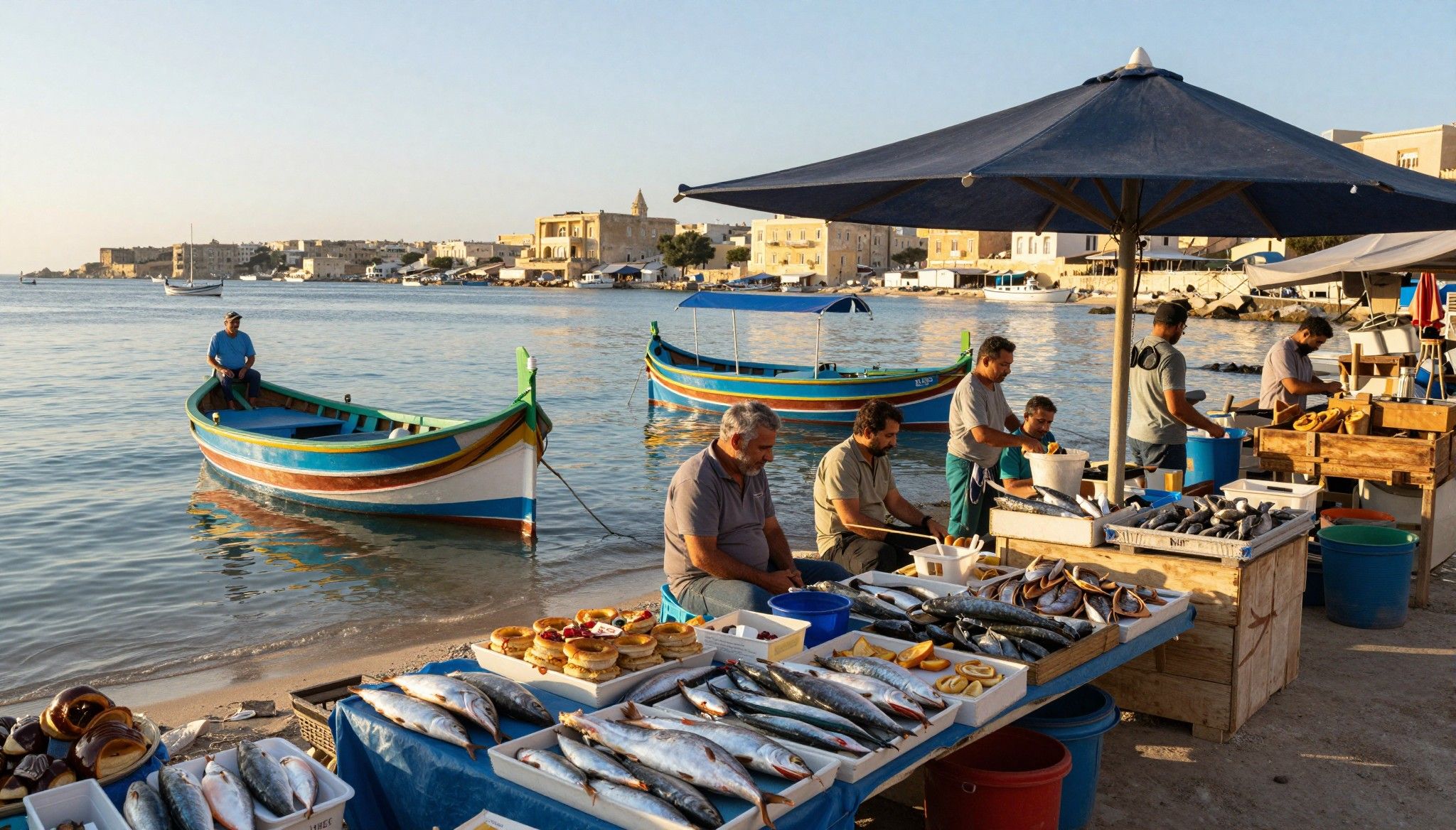
Saturday mornings on Cyprus are market mornings: Laiki (street) markets in Limassol and Paphos, fish stalls in Larnaca and village bakeries inland. Where locals gather determines property desirability: streets near weekly markets, tavernas with regulars and small cultural venues keep resale appeal high and neighbourhoods lively year-round.
- Lifestyle highlights to scout in person
- Finikoudes promenade, Larnaca — morning coffee and seafront walks
- Limassol Old Port & marina district — restaurants and marina culture
- Kato Paphos harbour and the archaeological park — coastal living with history
Making the move: where lifestyle meets market reality
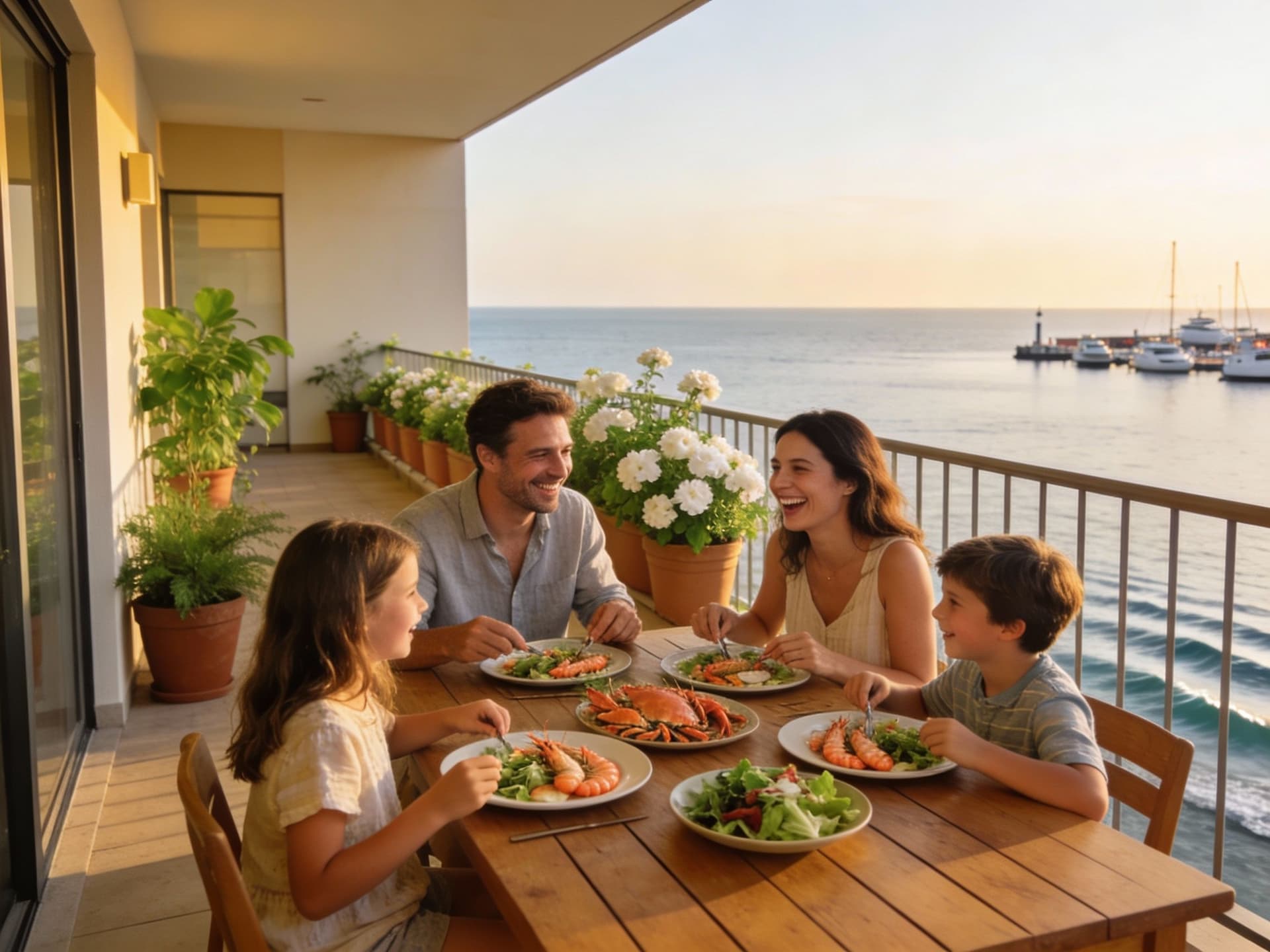
You can fall for Cyprus in a day and make a poor buying decision in one. Start from lifestyle, then check the numbers: Cyprus’s Residential Property Price Index shows steady headline growth, but the drivers differ by district and asset type — apartments have outperformed houses in recent years, while coastal luxury remains concentrated in Limassol and parts of Paphos. Understanding that split helps you match a neighbourhood to long-term price dynamics.
Property styles and how they shape daily life
Apartments: compact, low-maintenance, closer to cafés and services — ideal for seasonal living or renting. Houses & villas: more outdoor space, gardens and privacy — better if you prioritise a year-round family life and private terraces. New developments around Limassol and Larnaca focus on communal amenities; old-town conversions in Nicosia and Paphos sell a neighbourhood story rather than a pool.
Work with experts who translate lifestyle into value
A local agent who knows which streets keep morning markets, which developments will be completed on time, and which legal advisers handle title quirks will save months of stress. Agencies with deep district-level sales data can show you resale comparables, expected rental yields and likely maintenance costs — all tied to the lifestyle you want.
- Practical steps that blend lifestyle and market sense
- Visit at least three mornings and two evenings in your target neighbourhood to feel routine life, not just staged tours.
- Compare recent sale deeds within 500 m of properties you like to understand true market pricing rather than asking prices.
- Request a breakdown of running costs (community fees, water, electricity and seasonal cooling) and factor them into net yield or lifestyle budget.
Insider knowledge: what expats wish they’d known
Expats tell the same truths: holiday visits don’t reveal winter logistics, marina façades hide high service charges, and headline averages mask district-level shifts. For example, 2024 transaction values reached a record level while foreign buyer share dipped — a cue that domestic demand (and local buyers) now strongly influence where prices rise.
Cultural and calendar quirks that change property life
Sundays are quiet; festival weekends can make a neighbourhood buzzy then silent for weeks. Air-conditioning dominates summer budgets; insulation matters in mountain villages. Learning simple Cypriot phrases, joining a local laiki, and being visible at tavernas accelerate integration and make it easier to spot when a neighbourhood is turning from "tourist" into "community."
Long-term lifestyle checks
Think five years ahead: will your street be quieter after a planned hotel opens? Will new road works shorten your commute? Ask local planners and agents for building permits in the pipeline; a cluster of permits can mean more neighbours, new amenities, and either uplift or congestion.
- Red flags local agents will watch for
- Unclear title history or missing sale-deed chain
- Community fees that more than double in three years
- Large unfinished developments adjacent to the plot you love
Conclusion — what to do next: fall in love slowly, buy with local data. Spend time across districts, balance the morning ambience against transaction trends, and ask your agent for a short market memo comparing three districts on prices, rentals and planned infrastructure. With steady RPPI growth but shifting foreign-buyer patterns, the smartest Cyprus buys pair an everyday life you crave with objective, street-level evidence.
Danish relocation specialist who has lived in Barcelona since 2016. Helps families move abroad with onboarding, schooling, and local services.