The Cyprus Neighbourhood Everyone Overlooks (That Pays)
Discover overlooked Cypriot neighbourhoods where lifestyle and steady market returns coexist — backed by 2024–25 transaction and price data.
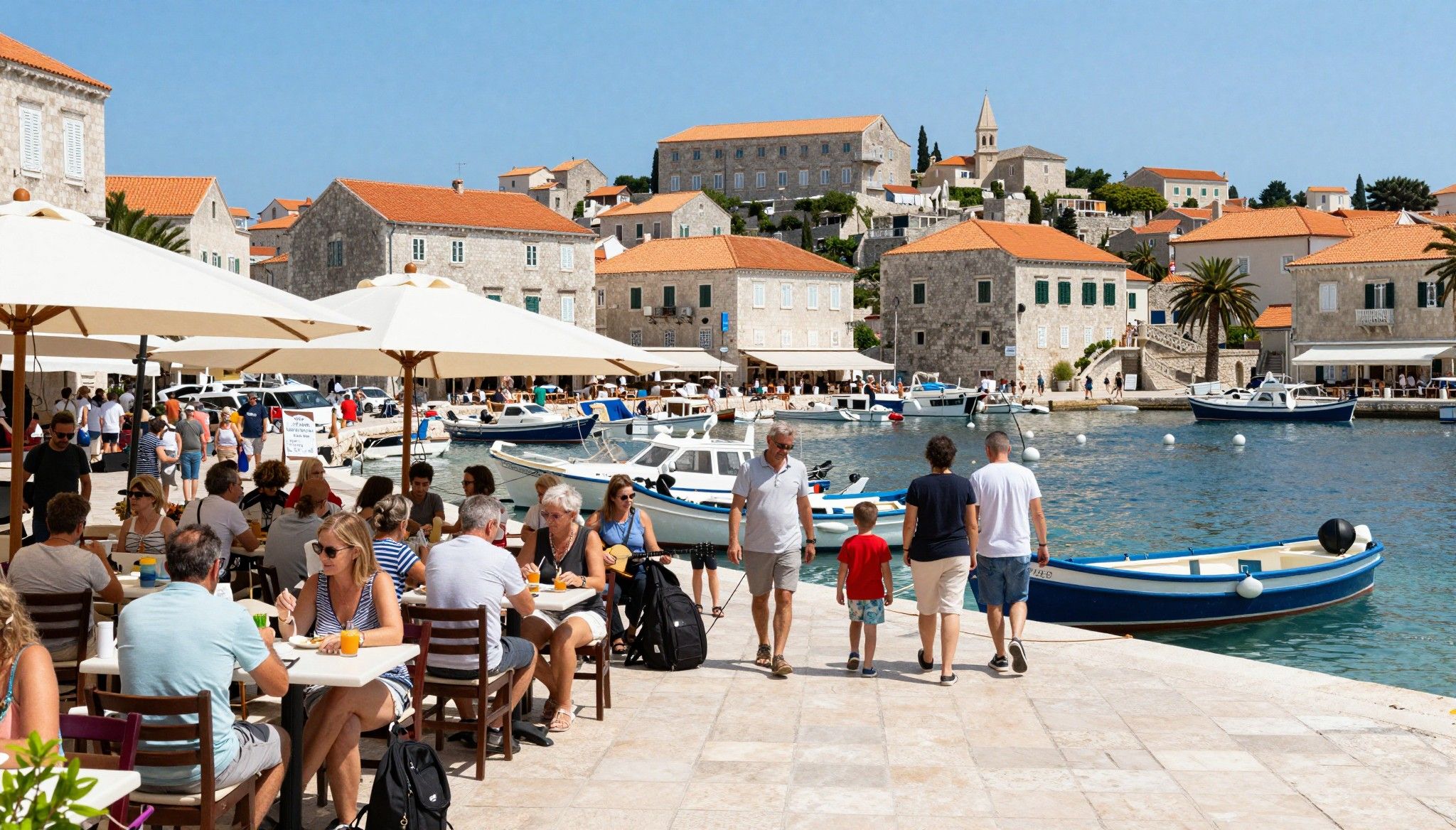
Imagine sitting at a small marble table on Makarios Avenue in Limassol, espresso in hand, watching young families and digital nomads drift between bakeries and coastal parks. That lively, sunlit rhythm is one face of Cyprus — but there’s a quieter side, streets where locals live year-round, prices move steadily, and lifestyle beats hype. Recent market analysis shows steady price growth across the island while transaction patterns shift beyond the headline coastal hotspots. If you’re dreaming of Cyprus, you’ll want both the promenade scenes and the lesser-known neighbourhoods that deliver lifestyle and resilience.
Living Cyprus: more than beaches
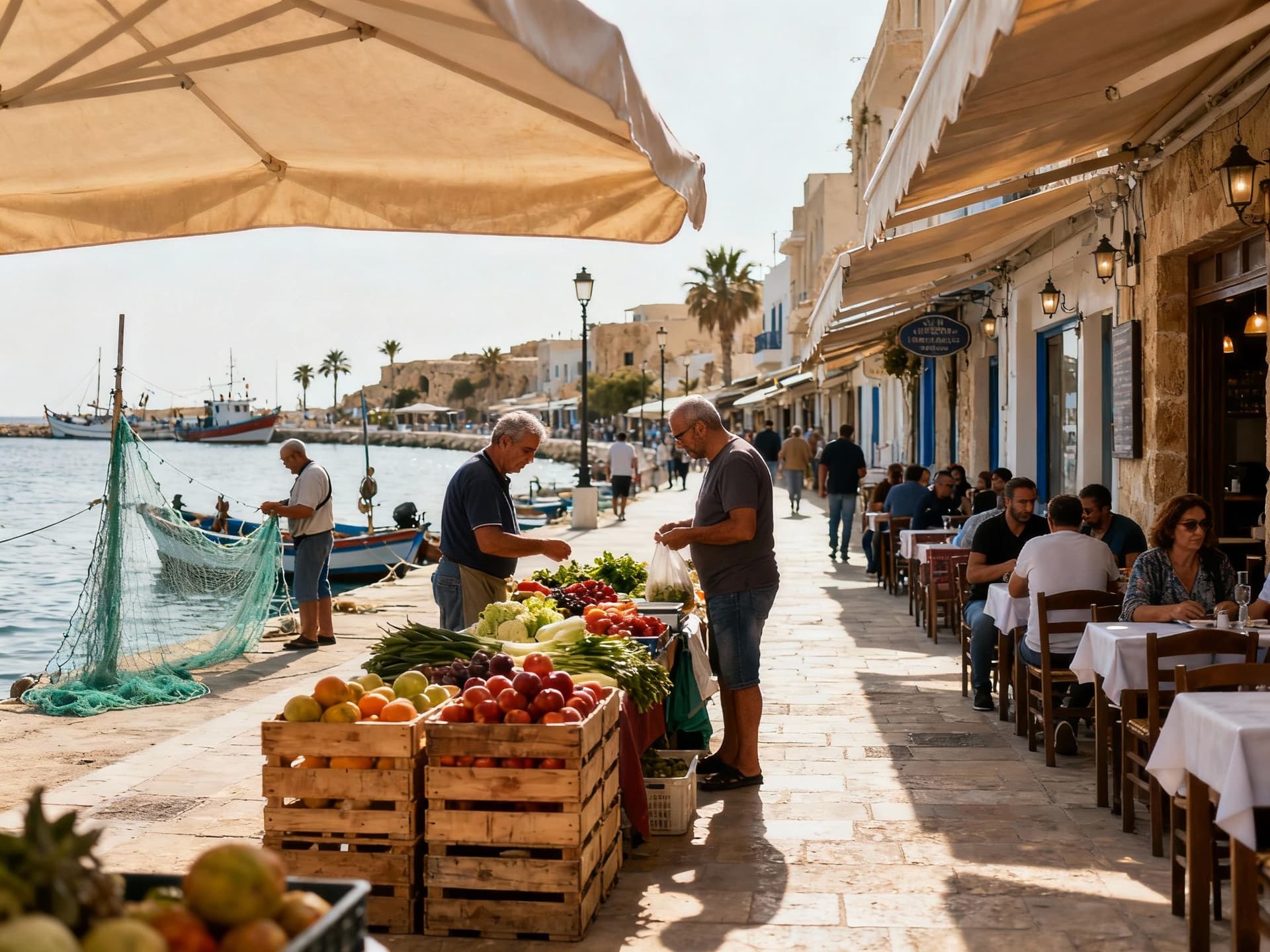
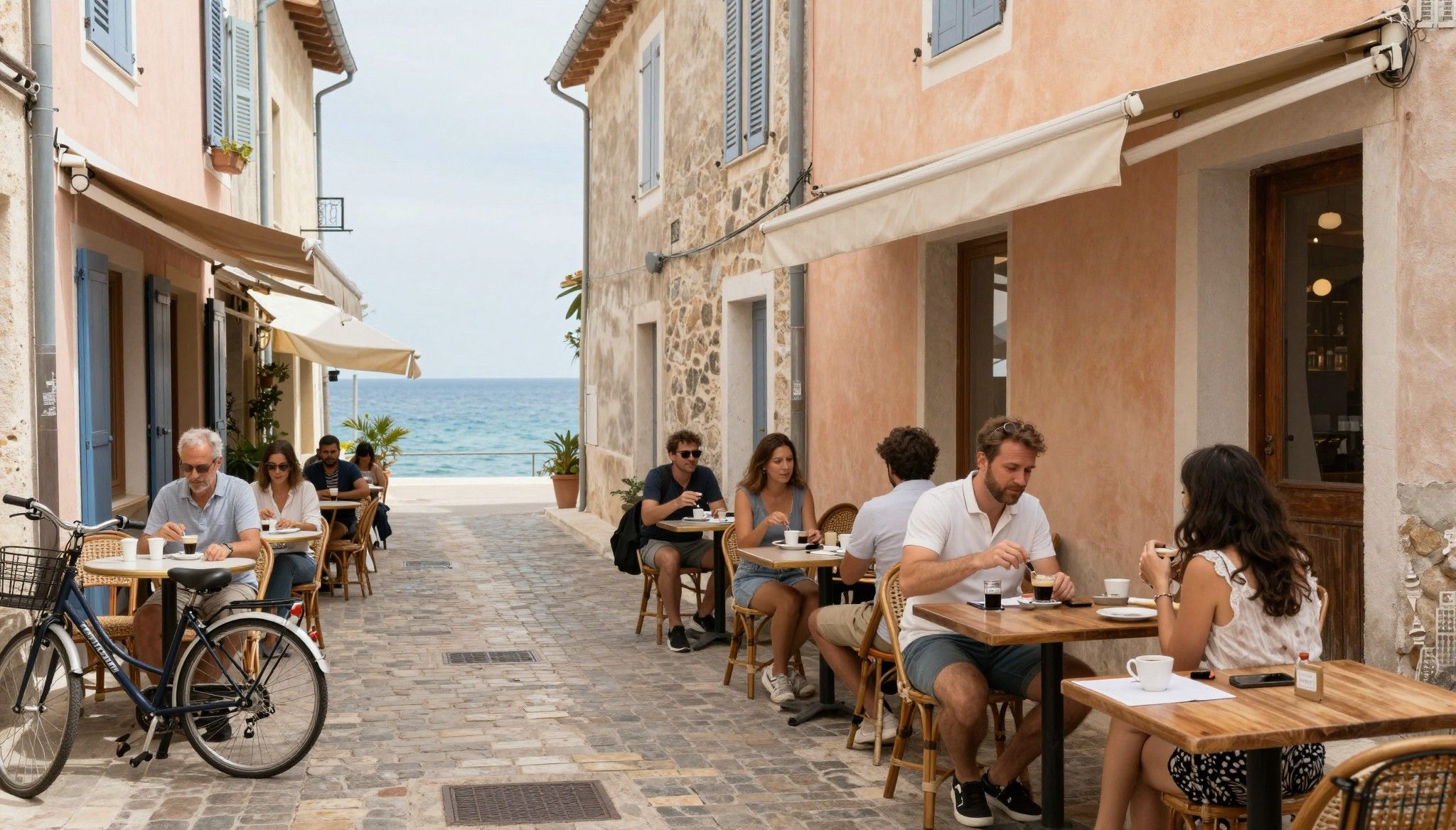
Cyprus life is a mix of Mediterranean ease and lived-in neighbourhood texture. Mornings begin with boulangeries and strong coffee, afternoons are for beaches or mountain walks in the Troodos, and evenings gather at family tavernas where plates arrive slowly and conversations stretch. Expat enclaves exist, yes, but the island’s pace is local-first: shopkeepers know your name, weekend markets set the rhythm, and civic festivals fill the calendar. For buyers, that means choosing between the film-set glamour of a coastal strip and the steady social capital of a neighbourhood that functions year-round.
A street-level spotlight: Paphos’ Kato Paphos lanes
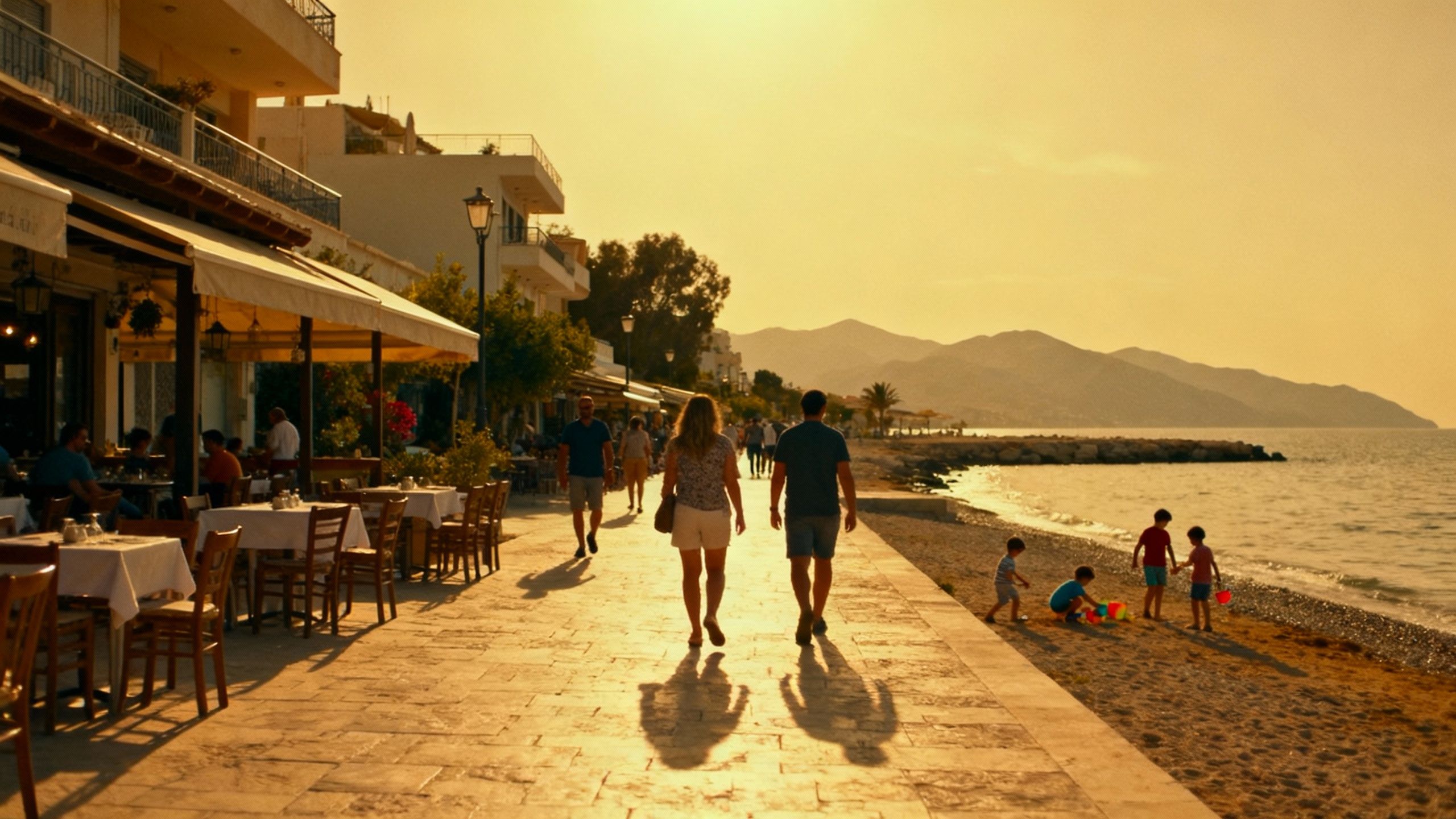
Walk Kato Paphos at dusk and you’ll find fish tavernas that have served the same families for decades, small galleries, and a coastline path where neighbours stroll with dogs. Compared with Limassol’s new-build towers, Kato Paphos combines affordable apartment stock, a growing short-term rental market, and a compact centre that feels like a small town by the sea. For international buyers who want community without constant tourist bustle, micro-neighbourhoods here offer an immediate sense of belonging and easier management for a second home.
Food, markets and the rituals that shape choice
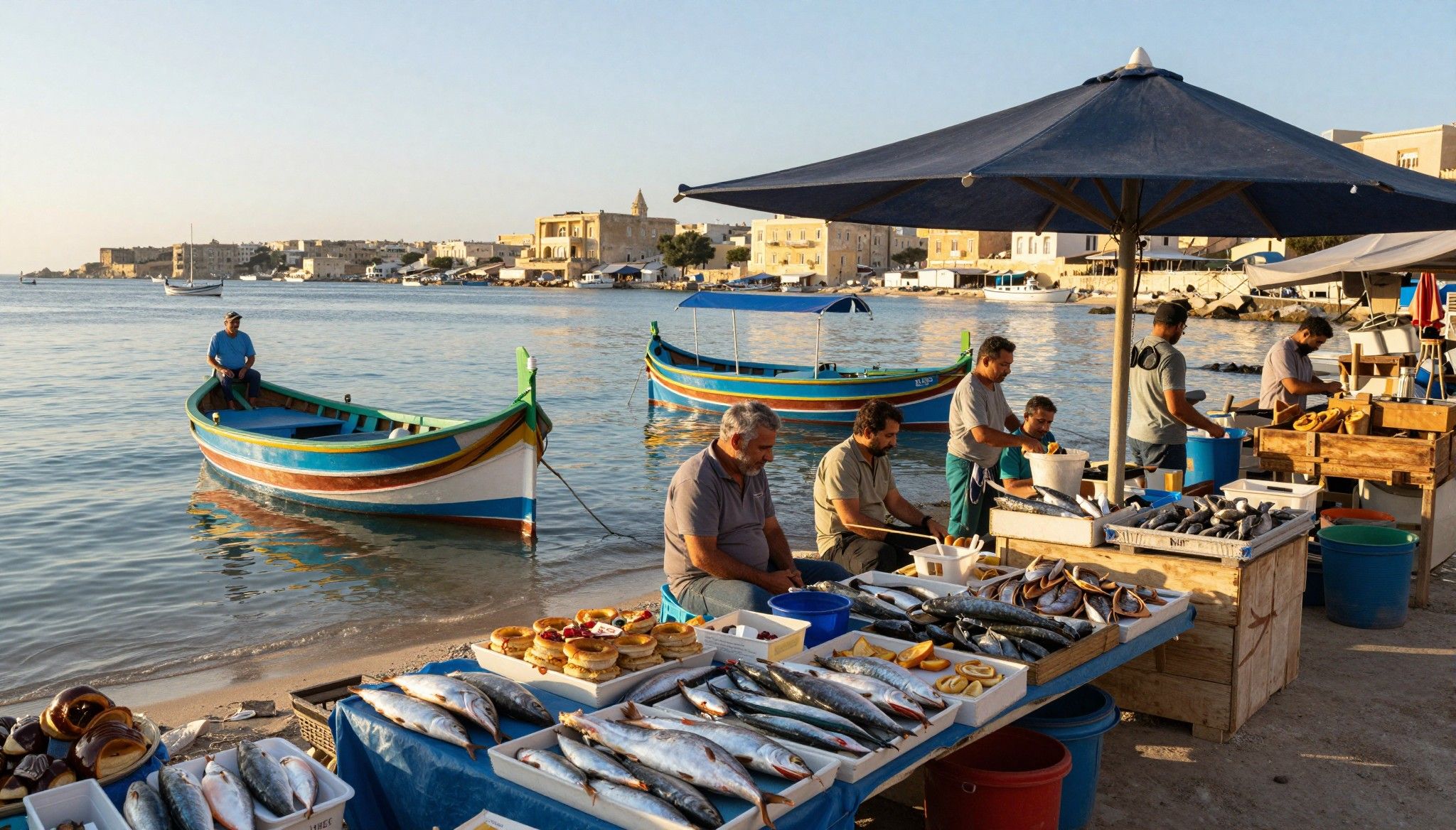
Cypriot food life is territorial — the weekly market in Larnaca on a Sunday, the village bakery in Polis that bakes before dawn, the fish auctions that feed coastal restaurants. These rituals affect what you buy: properties near markets or narrow pedestrian lanes support a daily life, while those on the highway favour car-dependent living. Think about whether your ideal day includes walking to a café or retreating to a private terrace after a day of sightseeing; the neighbourhood defines both daily pleasure and rental appeal.
- Lifestyle highlights — local places worth visiting before you buy
- Stroll the Limassol seafront promenade and stop at a coffee bar for people-watching
- Browse the Larnaca Municipal Market for fresh produce and small-plate dinners
- Visit Old Town Nicosia on a weekday to sense neighbourhood life and independent shops
- Walk Tala in Paphos to see villas and terraced houses that blend mountain cooling with sea access
Making the move: practical considerations
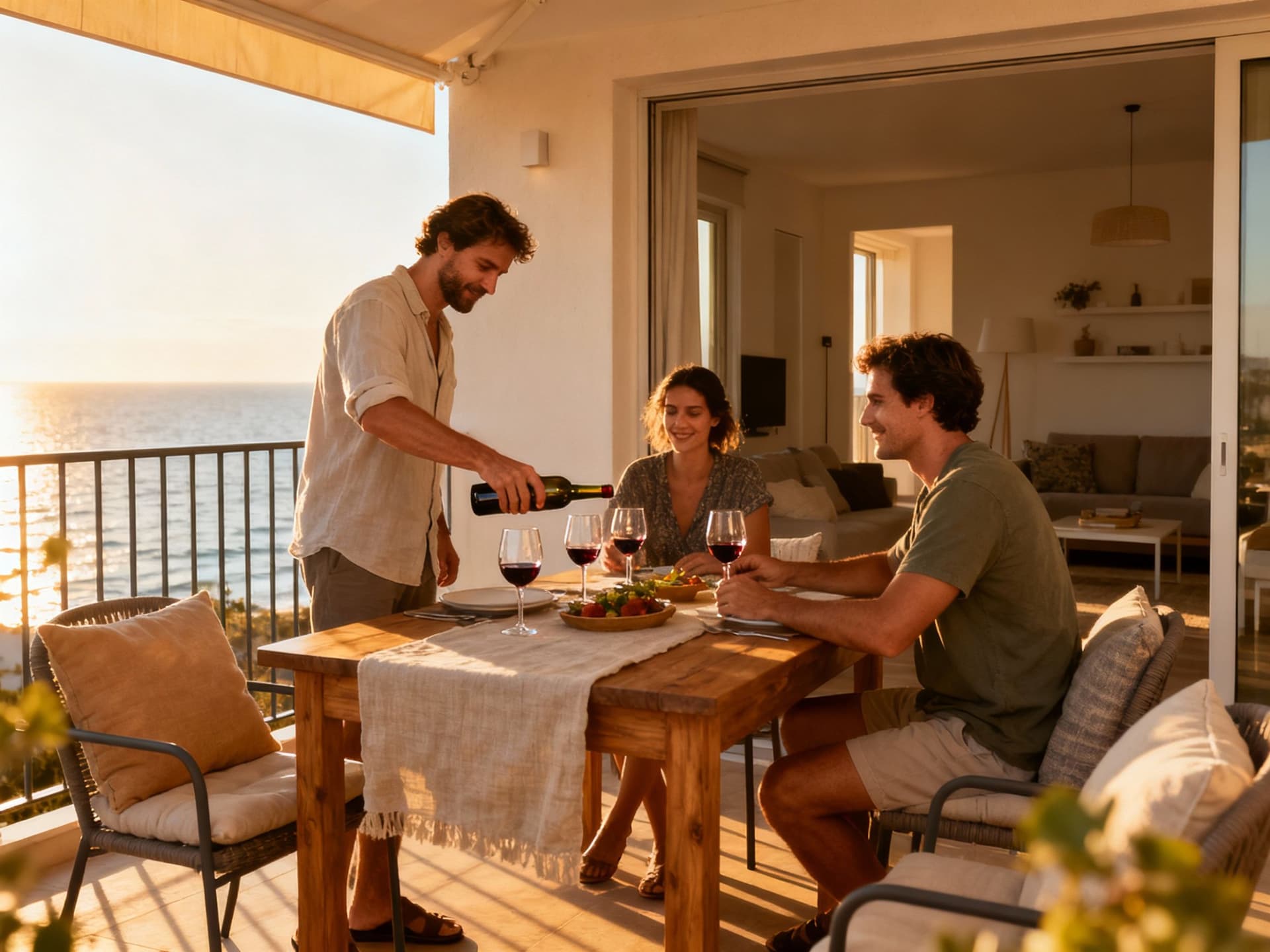
Lifestyle romance is a powerful motivator, but the market data matters. Cyprus recorded a high-value year in 2024 with substantial transaction volumes and continued price growth into 2025, driven by demand for apartments and new developments. That means competition for good stock in popular squares — and opportunity in overlooked streets where durable demand and steady rental yields coexist. Translating lifestyle into property choice requires matching your daily routines with the right asset class and local expertise.
Property types: what actually fits your life
Apartments dominate sales growth: recent analysis shows apartment transactions and values surged in 2024 while house sales softened in some districts. An apartment on a pedestrian street gives easy access to cafés and markets; a townhouse or small villa suits families who want garden space and parking. Consider maintenance realities — communal fees, seasonal rental management, and climate-adaptive features like shutters and shaded terraces — when choosing a typology that supports daily life year-round.
Work with experts who know the street, not just the city
Local agents and lawyers who live in the neighbourhood you’re targeting matter more than big-brand presence. They can point to micro-trends — which streets attract long-term tenants, which corners flood in heavy rain, where future development permissions are likely. Use agents as cultural translators: ask for recent comparable contracts, typical management costs, and where public infrastructure improvements are planned. Their street-level knowledge reduces surprises and preserves the lifestyle you came for.
- Steps that combine lifestyle sense with market discipline
- Spend a week living like a local in your preferred neighbourhood — buy groceries, eat at small tavernas, and test transport links
- Ask your agent for three off-market or soon-to-list options that fit your daily routine (walking distance, schools, markets)
- Require transparent recent sale contracts for nearby units and a line-item estimate of annual running costs
- Plan for seasonality: confirm how the neighbourhood behaves in low season and whether short lets affect long-term community feel
Insider knowledge: expat lessons and red flags
People who moved here for the sun soon realised smaller details shape long-term happiness: water scarcity in dry summers, microclimates in hilltop villages, and the quality of building workmanship. Data shows the island’s transaction value reached record levels in 2024, but that headline masks regional variance — Limassol leads by value while places like Paphos and Larnaca offer relative affordability and strong lifestyle cores. Knowing where those trade-offs lie keeps both your lifestyle and your investment sensible.
Cultural cues that change how you live
Cypriots prioritise family time and local festivals; shops often close mid-afternoon in smaller towns, and negotiation is part of local transactions. Recent government moves to support desalination and water infrastructure are a reminder that environmental realities affect daily life and property operation. Integrating means learning simple habits — water-wise landscaping, shutters for summer heat, and taking part in local events — that amplify the quality-of-life you paid for.
Long-term view: where lifestyle meets resilience
New-build apartments led sales growth into 2025, signalling developer focus on rental-capable stock — an advantage if you want income when absent. But the real lifestyle winners are areas where community services, markets, and good street life converge. Those neighbourhoods weather market cycles better because they offer everyday satisfaction, not only seasonal appeal. Prioritise walkability and local services: they are the long-term currency of living well in Cyprus.
To make Cyprus feel like home, pair romantic goodwill with local data. Ask agents for granular comparables, check national statistics on sales and prices, and test neighbourhood routines in both high and low season. When you do this, you’ll often find value where others see only quiet streets — a café on a corner, a robust local market, or a sandy cove three blocks away. Those are the details that turn a property into a life.
British investor turned advisor after buying in Costa del Sol since 2012. Specializes in cross-border compliance and data-driven investment strategies for UK buyers.