Cyprus: Street Life, Seasons and Market Reality
Cyprus pairs relaxed Mediterranean life with measured market gains; buy where daily rhythms match your lifestyle and use off‑season leverage backed by official HPI data.
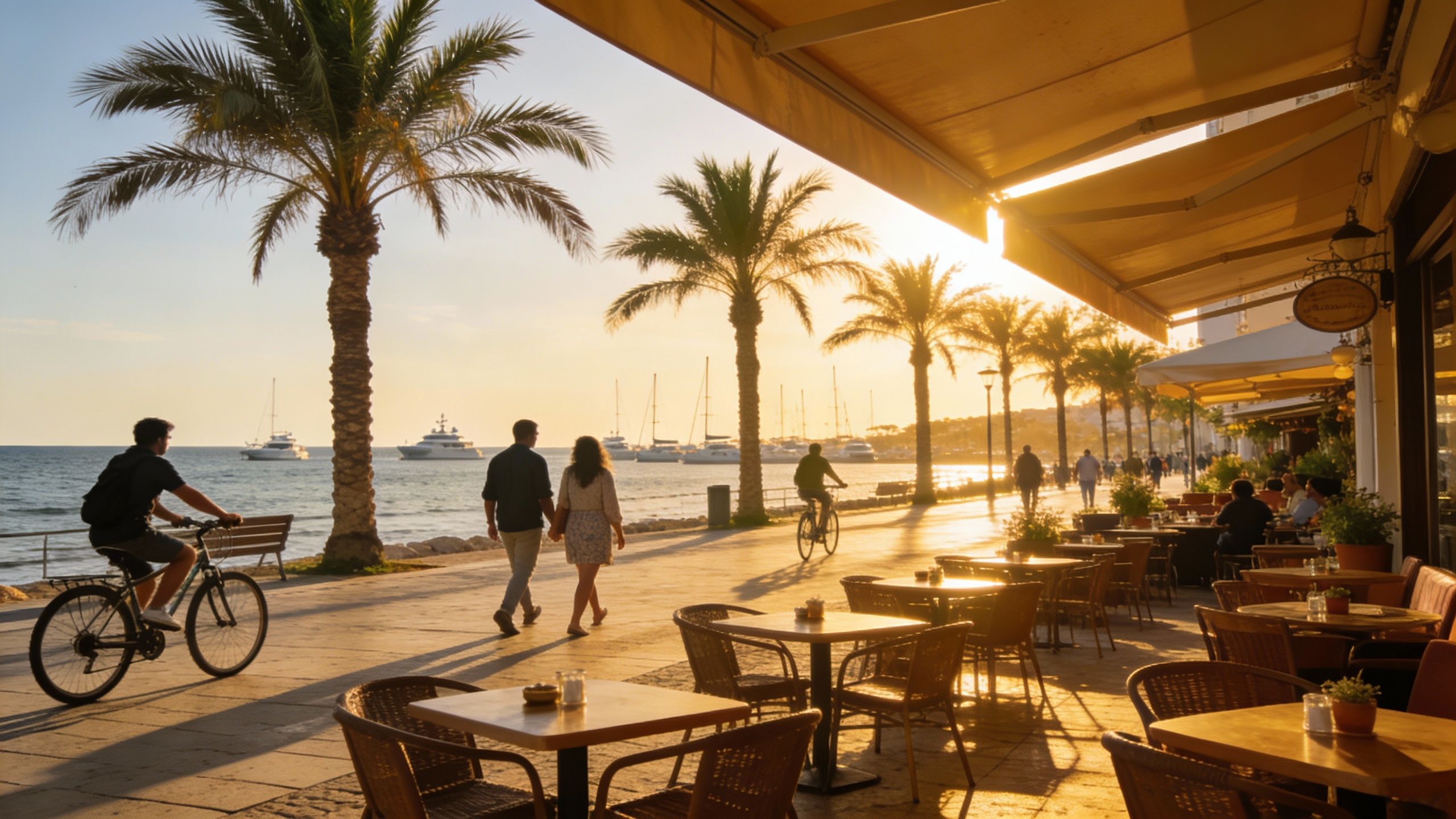
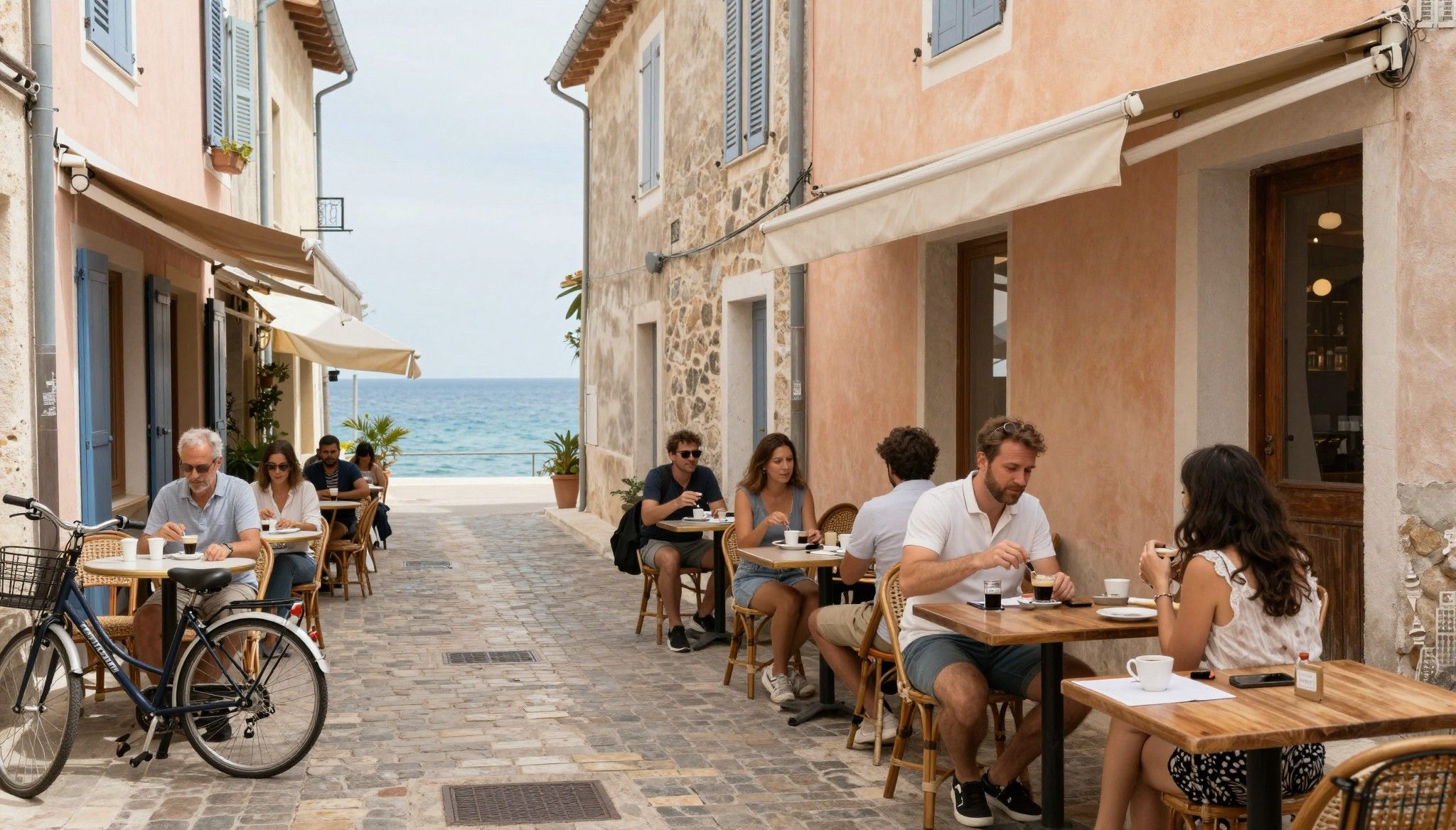
Imagine waking up to the smell of freshly baked koulouri, strolling past a sunlit café on Ledras in Nicosia, then driving 45 minutes to a limestone cove on the Akamas where the sea is quiet. Cyprus lives in contrasts—ancient villages, buzzing coastal towns and a small‑island tempo that stretches the day. For many international buyers the island is a promise: Mediterranean climate, English widely spoken, and neighbourhoods that feel lived‑in rather than staged.
Living the Cyprus life: daily rhythms that sell the place
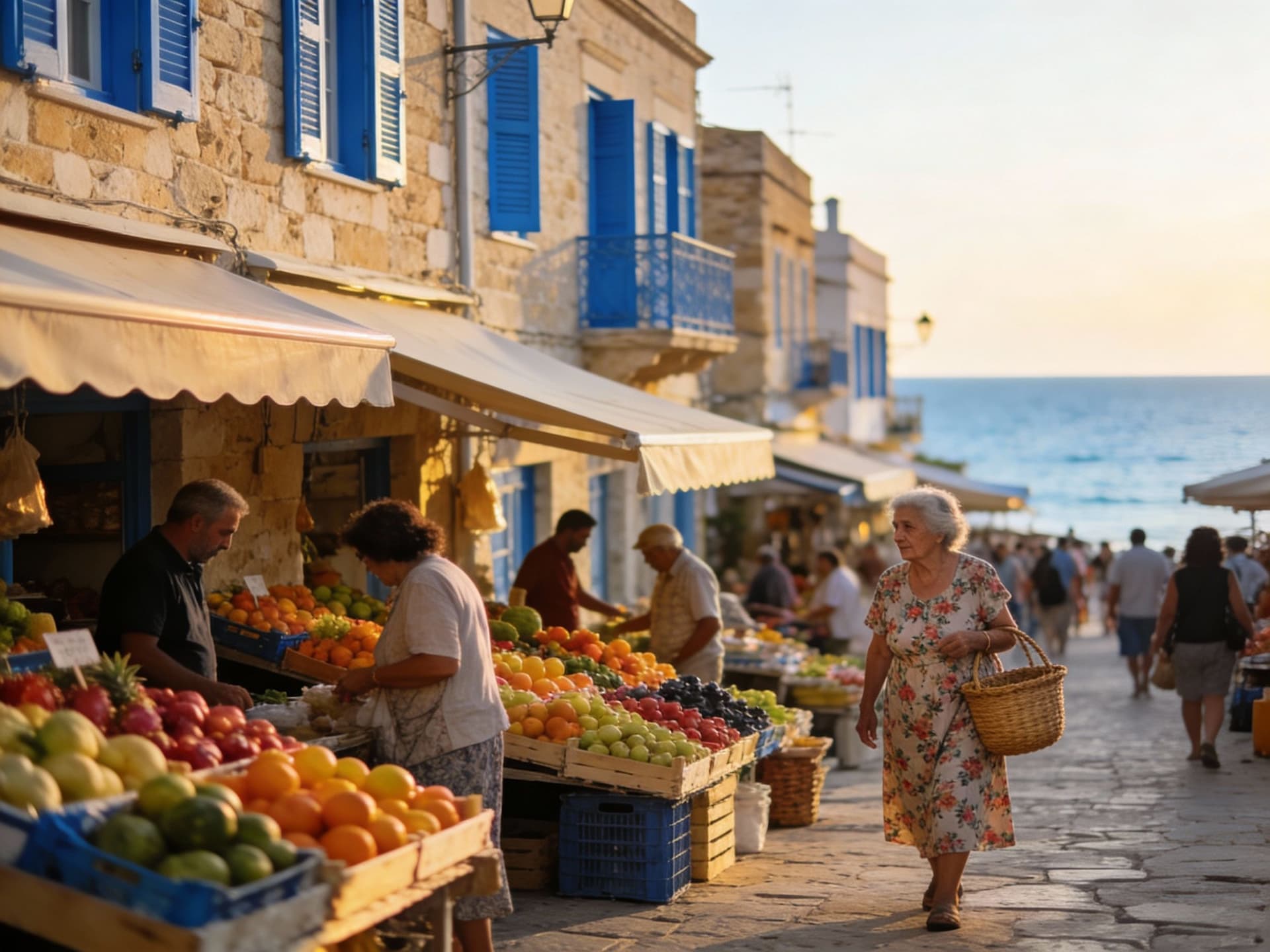
Life here is outdoors. Mornings are for coffee and paperwork in cafes on Makariou in Limassol; afternoons are for the beach or a quick hike in Troodos; evenings centre on long family meals and tavernas where mezze arrives in waves. That rhythm shapes what people buy: terraces, covered verandas, storage for bikes and kayaks, and kitchens designed for social cooking rather than show.
Neighbourhood spotlight — Limassol: cosmopolitan coast with pockets of calm
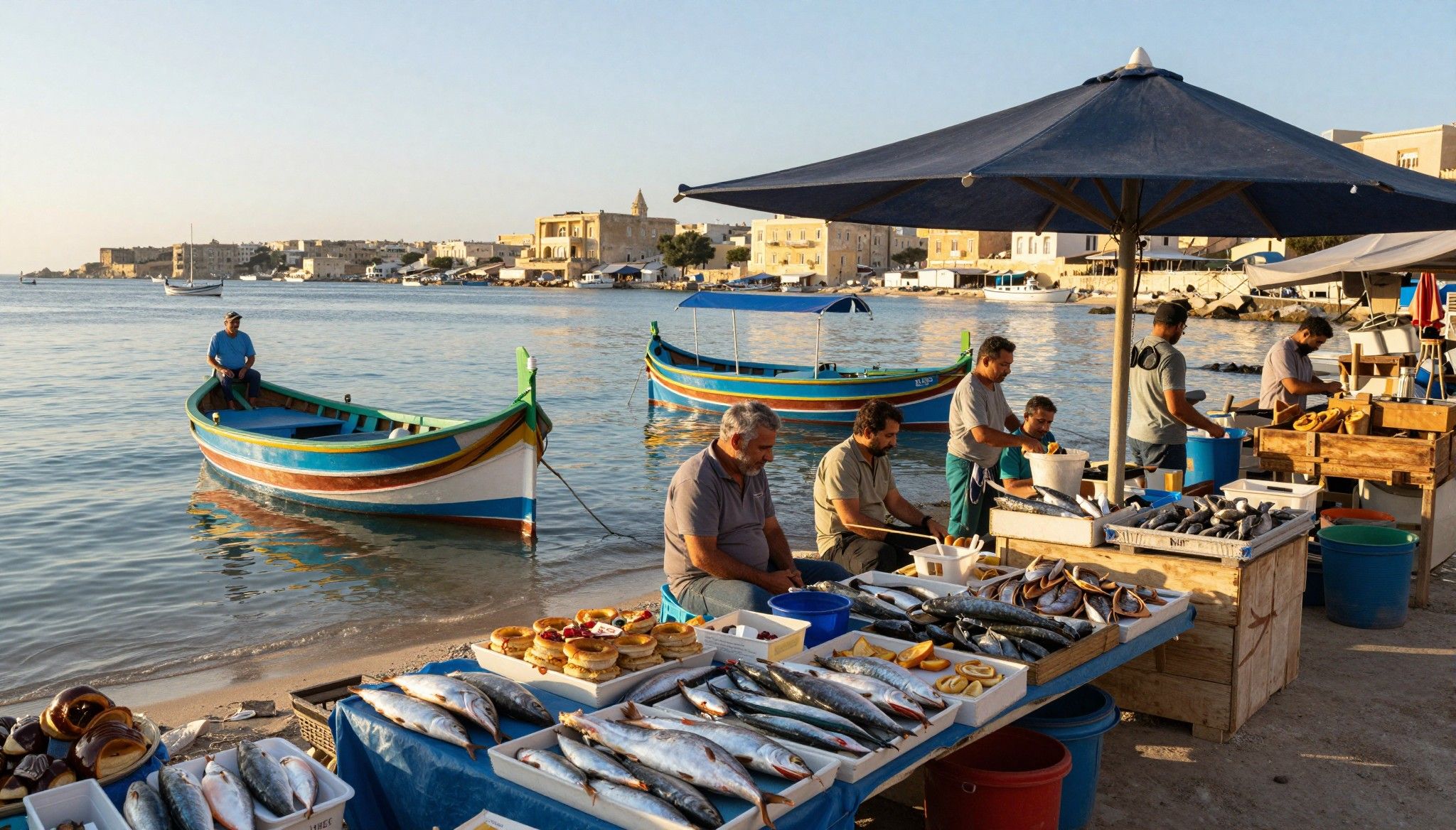
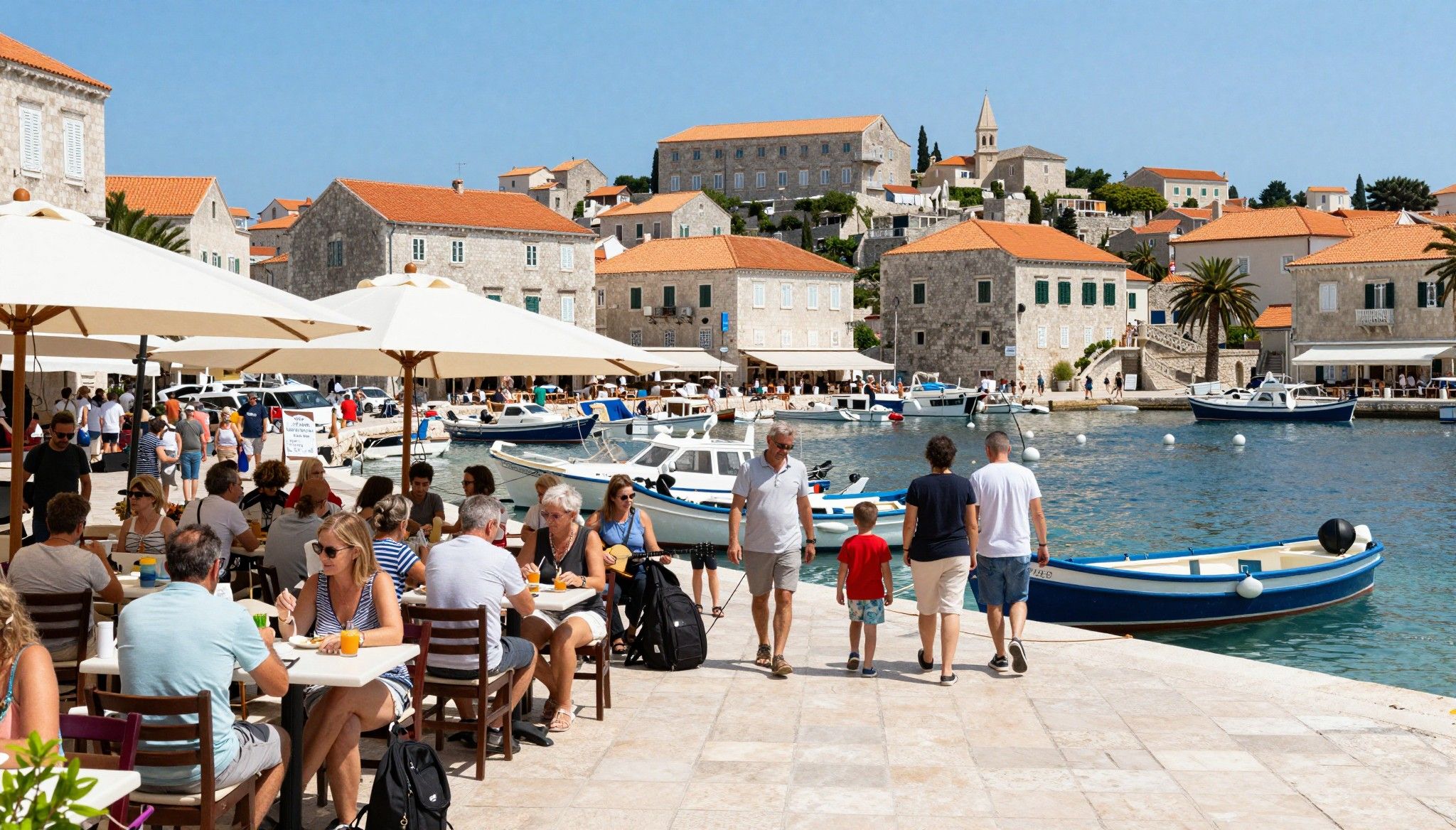
Limassol is the island’s commercial heartbeat: seafront promenades, boutique wine bars in Germasogeia, and compact lanes around the old port where fishermen unload their catch. Expect new developments with concierge services by the marina and quieter older streets near Agios Nikolaos where neighbours still greet one another. For buyers who want both social life and a walkable routine, Limassol delivers—at a price premium compared with inland towns.
Food, beaches and small rituals: Paphos to Larnaca
Paphos feels slower, with Roman mosaics and family tavernas near Tombs of the Kings; Fig Tree Bay and Coral Bay offer predictable summer energy. Larnaca has the salt lake, a growing café scene on Zenonos Kitieos, and a quieter coastal stretch that appeals to buyers seeking better value per square metre. Each town offers a different daily soundtrack—children playing, church bells, or boardwalk chatter—which will determine which property fits your life.
- Morning espresso on Makarios Avenue (Limassol); sunset swims at Lara Bay (Akamas); weekend fish meze at Kato Paphos harbour; Sunday produce at Larnaca Municipal Market; Troodos mountain walks in spring; late‑night tavernas in Polis — lifestyle moments that matter when you choose a street, not just a postcode.
Making the move: market realities that match the dream
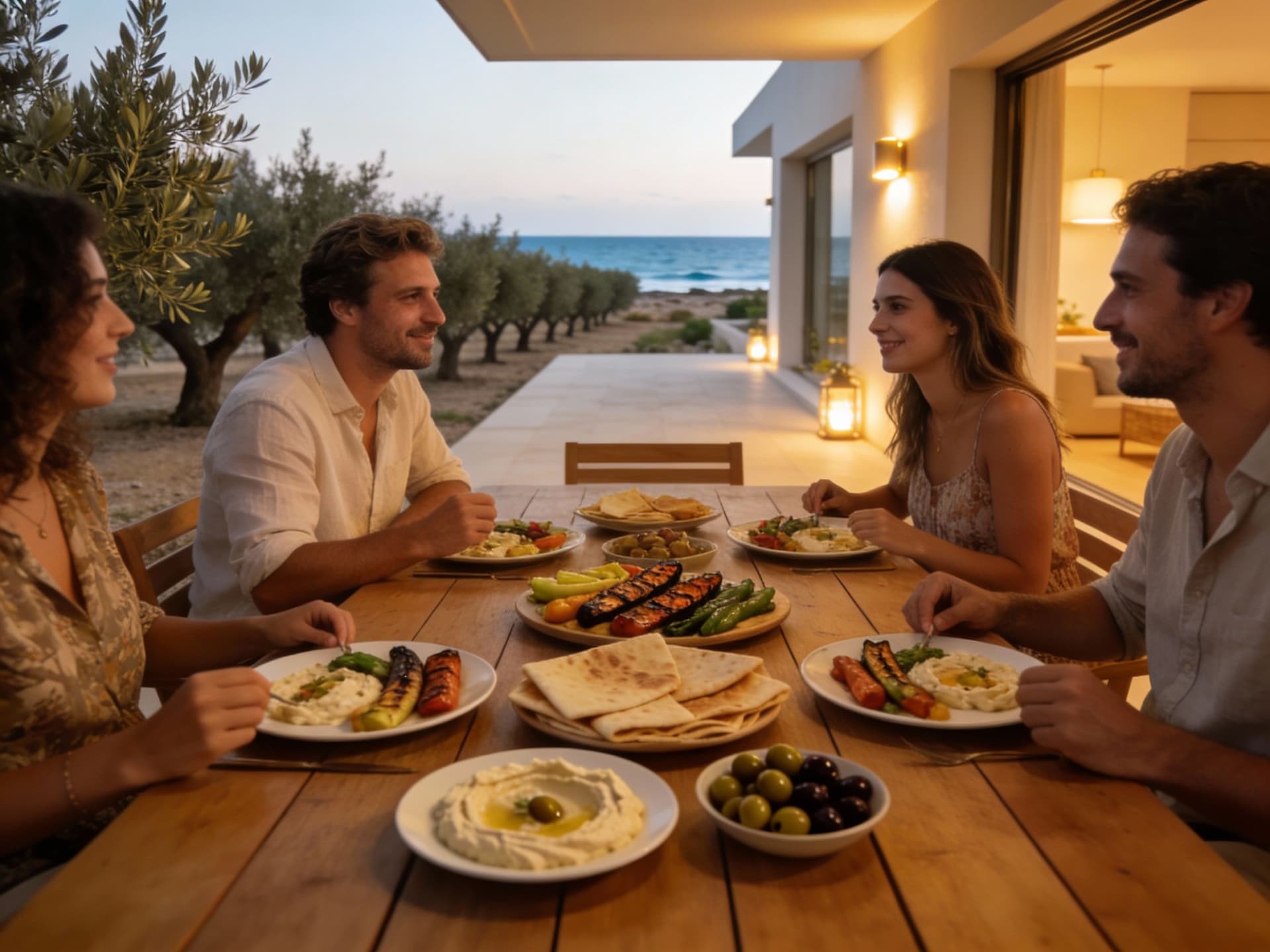
The island’s market has graduated from rapid post‑pandemic growth into a more nuanced phase. The official House Price Index rose modestly year‑on‑year in 2025, signalling slower but positive appreciation. Translating this into buying strategy means matching lifestyle priorities to district momentum: buy coastal where you want year‑round rental demand; choose inland villages where growth is steadier and prices softer.
Property types: what fits island life
From seafront apartments with balcony dining to stone village houses with internal courtyards, each type answers a different question. Apartments are low‑maintenance and suit part‑time residents or investors; houses and villas offer outdoor living and privacy for full‑time residents. If you crave community life and walkability, focus on older quarters; if you want modern amenities, look for new developments near Limassol or Larnaca.
Working with local experts who know rhythms, not just listings
- 1. Ask for street‑level comparables, not just district averages — market micro‑differences in Cyprus are big. 2. Insist on walk‑tests: spend an afternoon between 08:00–20:00 to see noise, light and social life. 3. Request utility and maintenance histories for older homes; stone houses can have hidden costs around damp and insulation. 4. Match agent experience to your lifestyle aim — a Limassol marina specialist won’t always know tucked‑away Kallepia village supply.
Insider knowledge: the cultural and seasonal rules buyers miss
Expats often arrive with a checklist and overlook local rhythms. Many sellers price around summer demand; yet real negotiating leverage appears in late autumn and winter when the island slows. Local festivals, church holidays and summer tourist seasons reshape short‑term supply and viewing availability — and knowing that calendar gives buyers leverage.
Cultural integration: small customs, big impact
English is widely used in business, but Greek remains the social glue. Learn basic greetings, attend a village festival, and you’ll be invited into neighbourhood life faster. That social capital matters for property — local sellers sometimes favour buyers they meet in person and who show commitment to the community.
Longer view: what holds value in Cyprus
Location matters more than headline growth. Waterfront and established town centres keep liquidity; well‑connected inland villages gain if local infrastructure improves. For investors focusing on rental income, proximity to beaches, airports and business hubs dictates yield. For lifestyle buyers, solar orientation, shaded terraces and quiet evening streets often matter more than marginally lower per‑square‑metre prices.
- Practical checklist before making an offer: independent structural survey; verified title search through the Land Registry; confirmed utility connections and road access; local tax consultant for ongoing liabilities; at least two agent references with recent client contacts.
If you can picture sipping espresso at a table on a narrow lane in Nicosia or hosting friends on a sunlit terrace in Paphos, Cyprus will reward a purchase backed by local knowledge. Start with street‑level visits, lean on agents who live the life they sell, and use quieter seasons to negotiate. The island’s pace is generous — match it with careful, data‑informed choices and you’ll own a home that feels like it has always belonged to you.
British investor turned advisor after buying in Costa del Sol since 2012. Specializes in cross-border compliance and data-driven investment strategies for UK buyers.