When France’s 'Expensive' Label Hides Local Opportunity
France mixes neighbourhood rituals with measurable market opportunities — INSEE and notary data show regional divergence; match lifestyle priorities to local price maps.
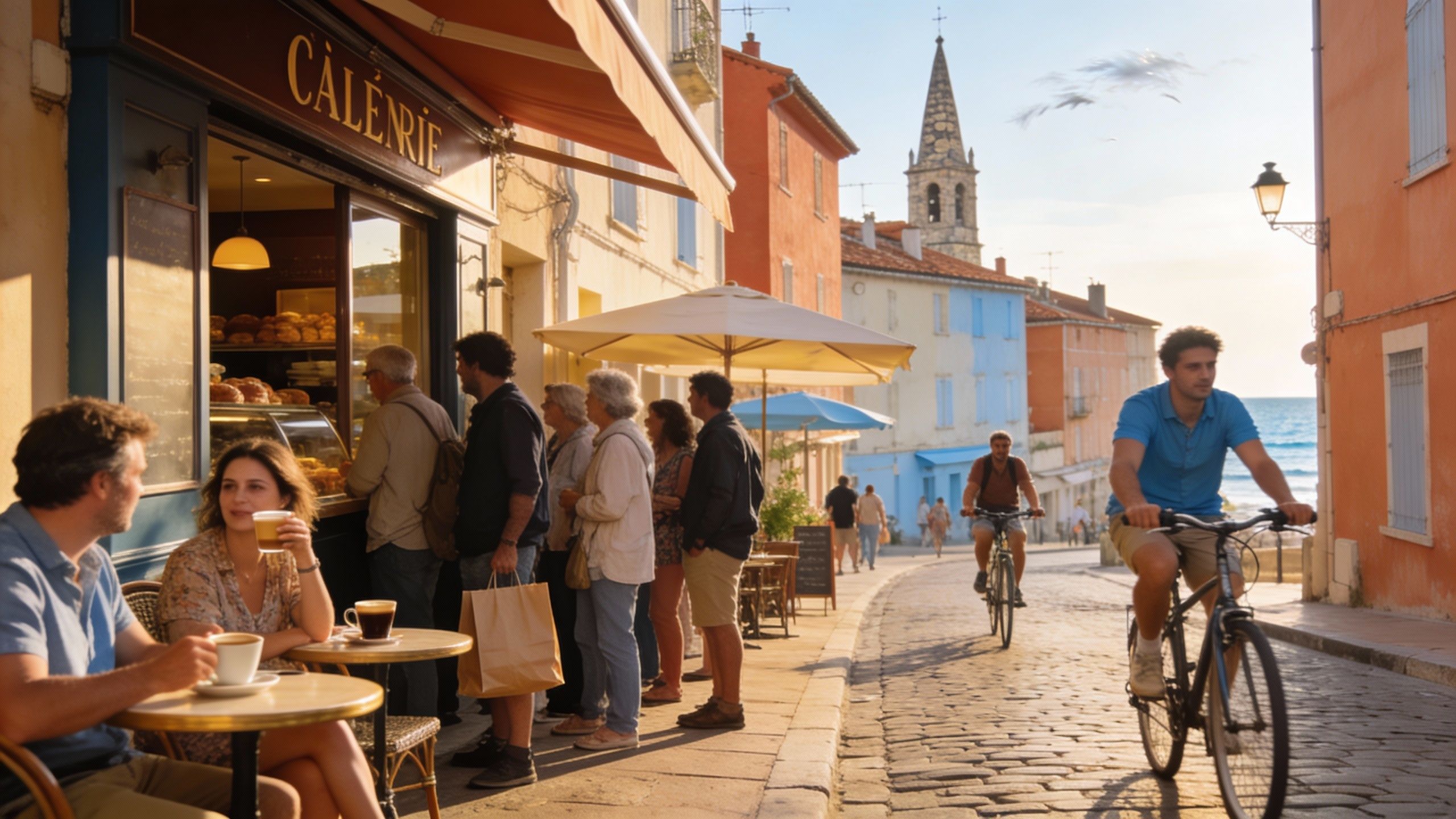
Imagine sipping an espresso at Café de Flore before a quick market call — Paris is waking up, surfed by commuters and cyclists, while in Biarritz the Atlantic wind carries the smell of seaweed and baking bread. France feels lived in: weekday rhythm in cities, slow, sunlit lunches in provincial towns and weekend markets piled with seasonal produce. For international buyers the question is less "Can I live well here?" and more "Where in France will give me that life, for the price and risk I can stomach?". This piece blends on‑the‑ground scenes with data from France’s official statistics and notary reports so you can fall for the place and still make sound decisions.
Living the French Life — what it actually feels like
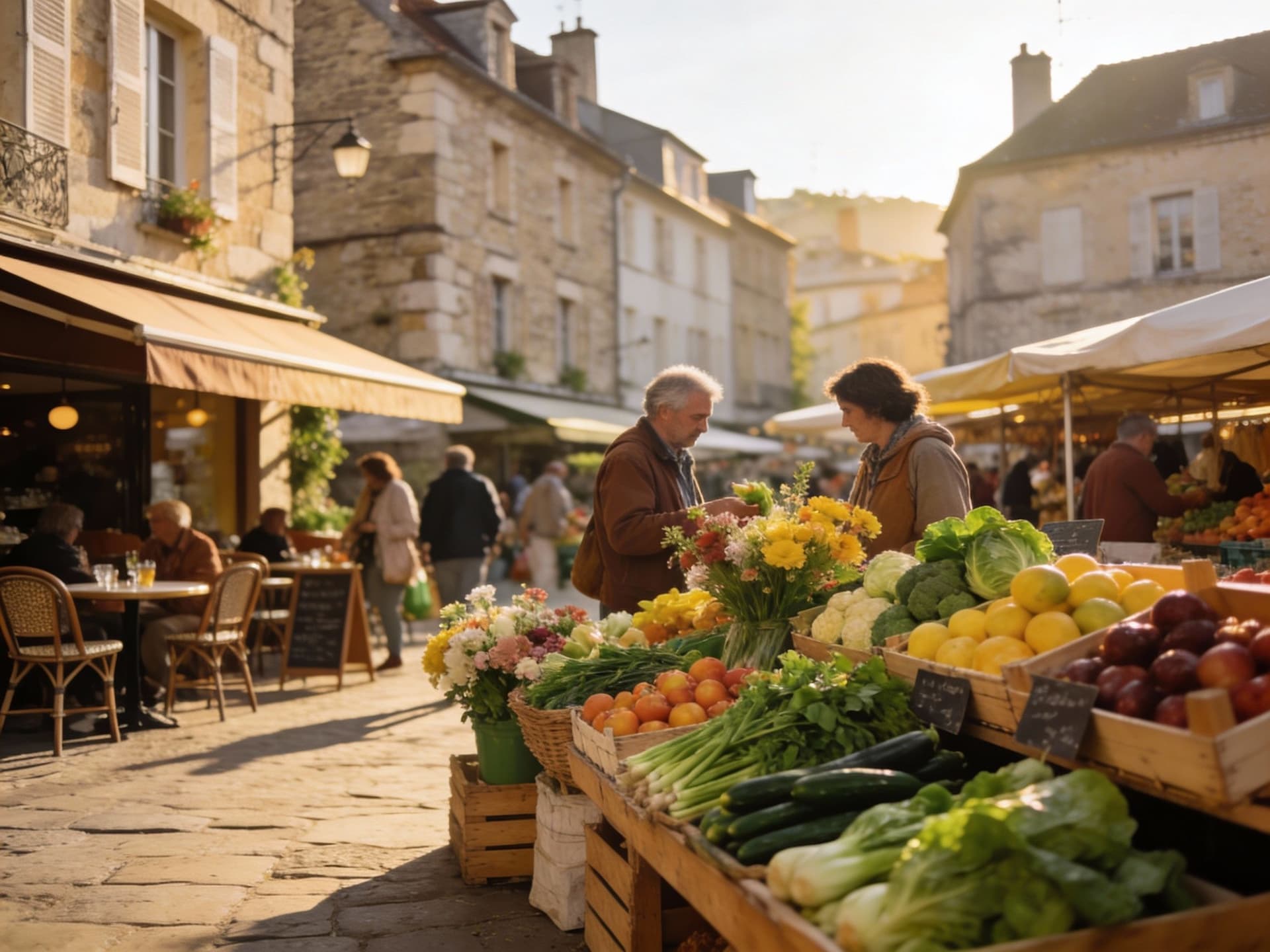
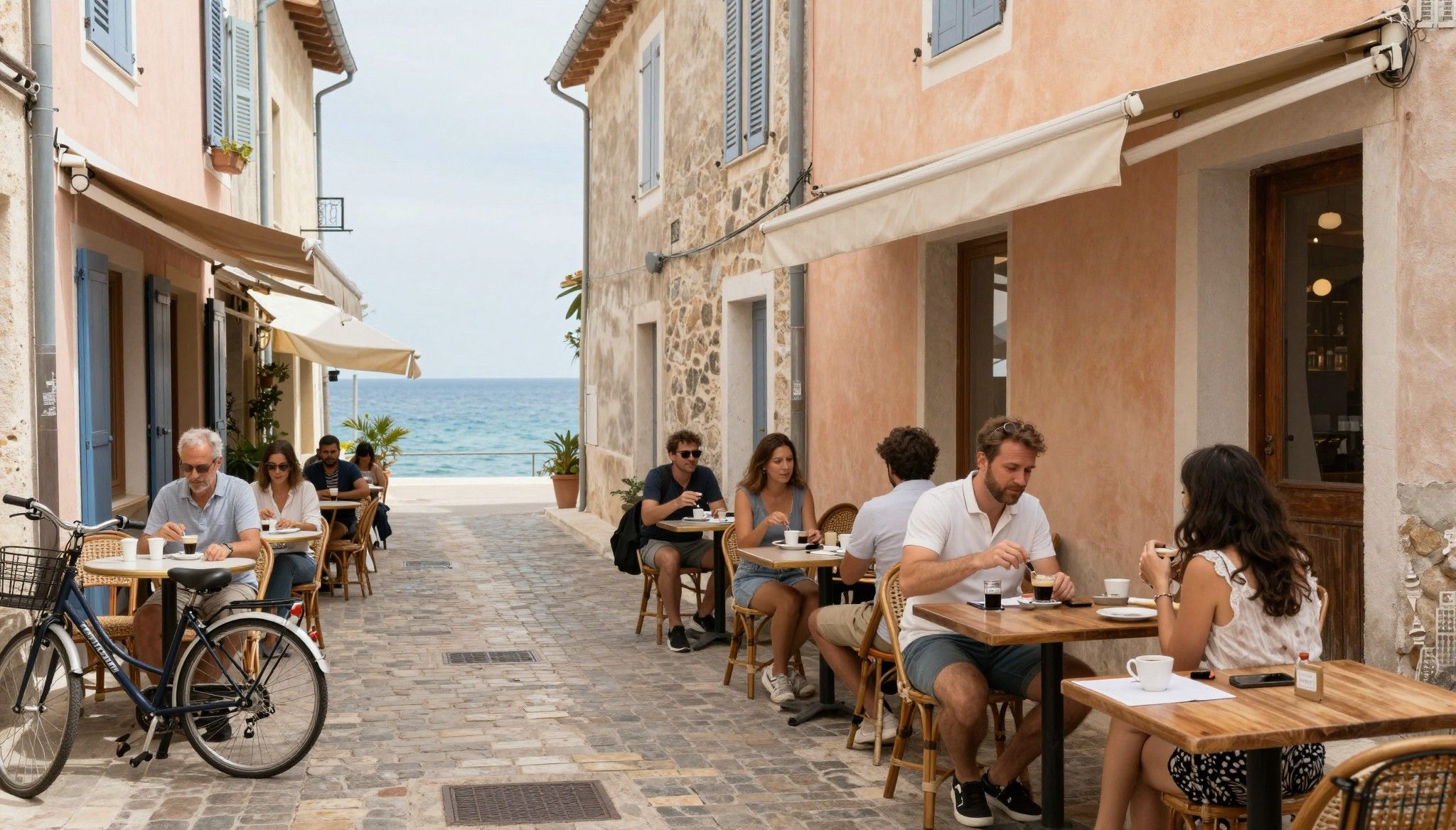
France’s daily life is neighbourhood‑first. In Paris you drift from boulangerie to épicerie to a park bench; in Lyon you notice the culinary culture on every corner; on the Côte d’Azur the morning is for cafés and the evening for promenades. These lifestyles map onto price curves — inner Paris arrondissements behave differently to provincial hill towns — and notary price maps make those differences visible down to the city level. Use those maps to match daily life to local market realities.
Paris & Île‑de‑France: concentrated culture, close‑in compromises
Picture narrow streets in Le Marais, morning markets on Rue Cler and late walks along the Seine. Paris offers unmatched cultural density but asks for tradeoffs: smaller living spaces, homeowners’ association rules in older buildings, and micro‑neighbourhood price dispersion. Data from notaries show Paris remains the priciest per square metre; buyers trade space for location and lifestyle.
Provincial France: slow rhythms, big variations
From the lavender hinterland of Provence to the surf towns of the Atlantic coast, provincial France ranges from affordable market towns to premium coastal enclaves. INSEE data from Q1 2025 shows house prices returning to modest growth nationally after prior declines; but regional winners and laggards matter — Rennes and Grenoble show decade highs, while other cities have lagged. Choose the region that matches weekend routines: markets, vineyards, beaches or mountain hikes.
Lifestyle highlights buyers actually care about
- Morning market rituals at Marché des Enfants Rouges (Paris) and Cours Saleya (Nice)
- Sunday village aperitif culture in Provence: small plates, big social capital
- Coastal promenades and seasonal festivals on the Côte d’Azur (Nice to Saint‑Tropez)
- Ski‑weekend access from Grenoble and Chambéry to the Alps
Making the move: practical considerations that protect lifestyle
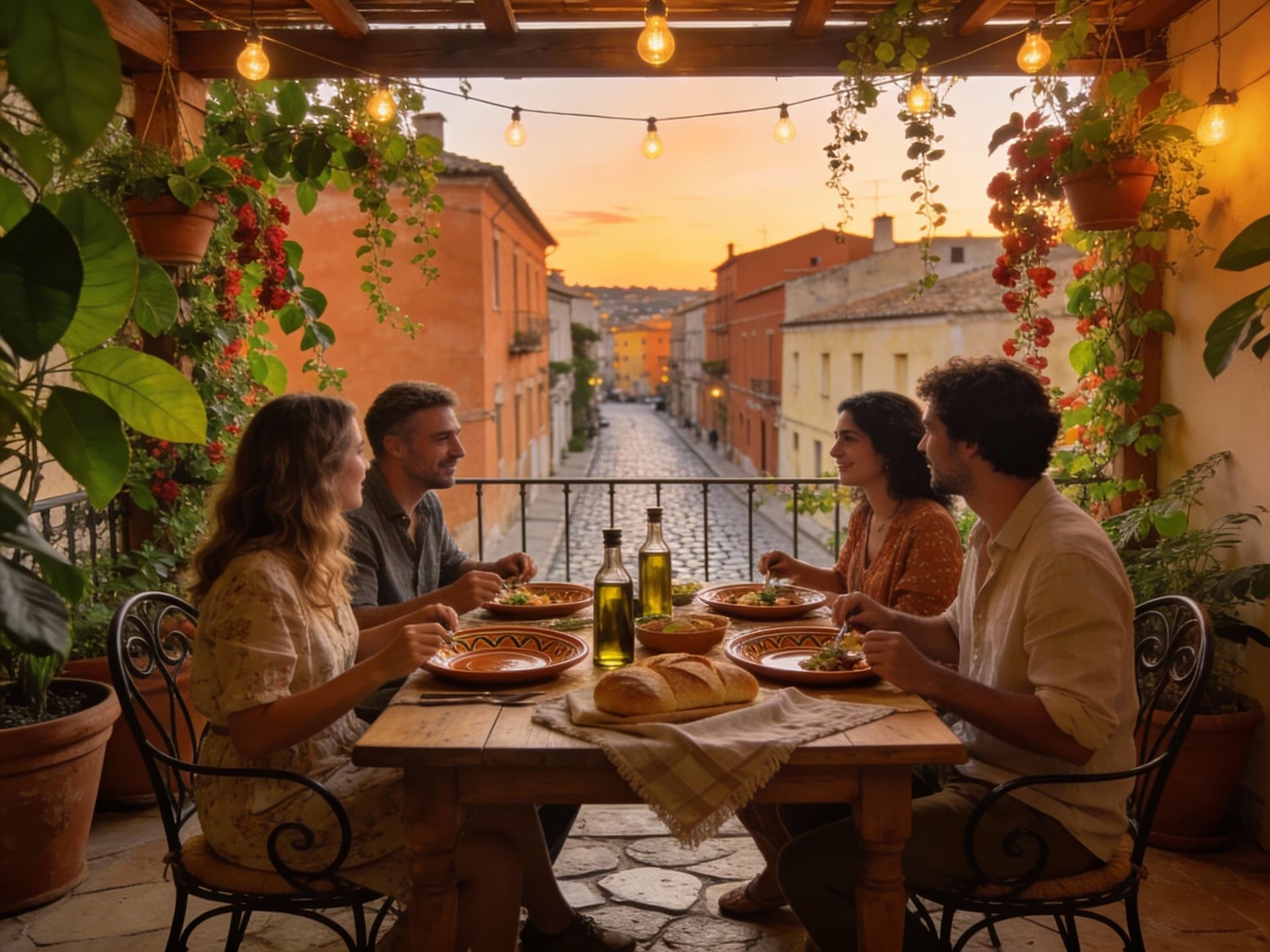
You can fall for a neighbourhood and still walk into pricing or legal traps. The national market began to show signs of recovery in 2024–25 as rates eased and transactions rose; that means more competition in sought‑after pockets. Balance a lifestyle wish list with objective checks: recent transaction volumes, local price trajectory, planning restrictions and whether a property supports your daily routines (outdoor space, walkability, light).
Property styles and living realities
A stone farmhouse in Dordogne delivers space and garden life; an Île‑de‑France apartment brings culture and transit. On the Riviera, supply constraints keep premium stock limited, favouring villas and second‑home investment. Match form to function: terraces for alfresco seasons, insulation and heating performance for northern winters, and storage for sports equipment if you plan regular outdoor weekends.
Working with local experts who understand lifestyle tradeoffs
- 1. Start with a notary‑verified price map to identify realistic neighbourhood budgets (use Notaires de France).
- 2. Ask local agents about seasonality: is a place mainly summer‑occupied (affects services and rental potential)?
- 3. Verify technical reports early (diagnostics: lead, termites, asbestos, energy performance) — rural builds often hide costs.
- 4. Test the rhythm: rent locally for a month to sample markets, transport and neighbours before committing.
Insider knowledge: the myths that trip international buyers (and what to do instead)
Myth: 'France is uniformly expensive' — false. National averages mask city‑by‑city divergence. Notaires de France maps show Paris and pockets of the Riviera at the top, but many regional towns remain approachable. The smarter play is micro‑location selection: which street near the market, which arrondissement block, not just which city.
Cultural and seasonal red flags
- Places that empty out in winter — services drop, municipal maintenance slows; if you want year‑round life, prioritise 12‑month communities.
- Properties with informal extensions or outbuildings without permits — charming, but costly to regularise.
Long‑term lifestyle and the investment view
Data suggests France’s market has stabilised and shown modest growth in 2025 after earlier declines. For lifestyle buyers this matters because small price rebounds can tighten supply in favoured pockets. If you plan a multi‑year stay, prioritise properties that suit daily life now (light, access to markets, green space) and have adaptable features for future demand (separate rooms that convert to rentals, good broadband for remote work).
- Checklist for balancing lifestyle and risk: proximity to weekly market, public transport link within 20 minutes, proven local rental demand if planning seasonal lets, clear property diagnostics, and verified local planning history.
For many buyers the turning point comes when a neighbourhood’s personality — a favourite boulangerie, a Saturday market square, a friendly boulodrome — aligns with verifiable market signals. That alignment is when you should accelerate. Ask an agent to show transaction comparables for the last 12 months, request recent tax rolls and get a notary to outline transfer costs early. These pragmatic steps keep your dream anchored in reality.
- 1. Gather notary maps and INSEE indices for the target area. 2. Spend a month living locally (rent) to test daily life. 3. Commission diagnostics and planning checks before negotiation. 4. Use a bilingual notary and agent for clear contract terms and closing timeline.
France invites you to shape a life: market stalls, seaside rituals, winter mountain escape and neighbourhood rituals that stitch weeks together. If you pair that lifestyle imagination with local data — INSEE price indices, notary maps and focused local agent expertise — you get to buy both a home and the life that comes with it, with fewer surprises. When you’re ready, use local experts to translate place into precise comparables and timelines: that’s how dreams become durable investments.
Swedish strategist who relocated to Marbella in 2018. Specializes in legal navigation and tax planning for Scandinavian buyers.