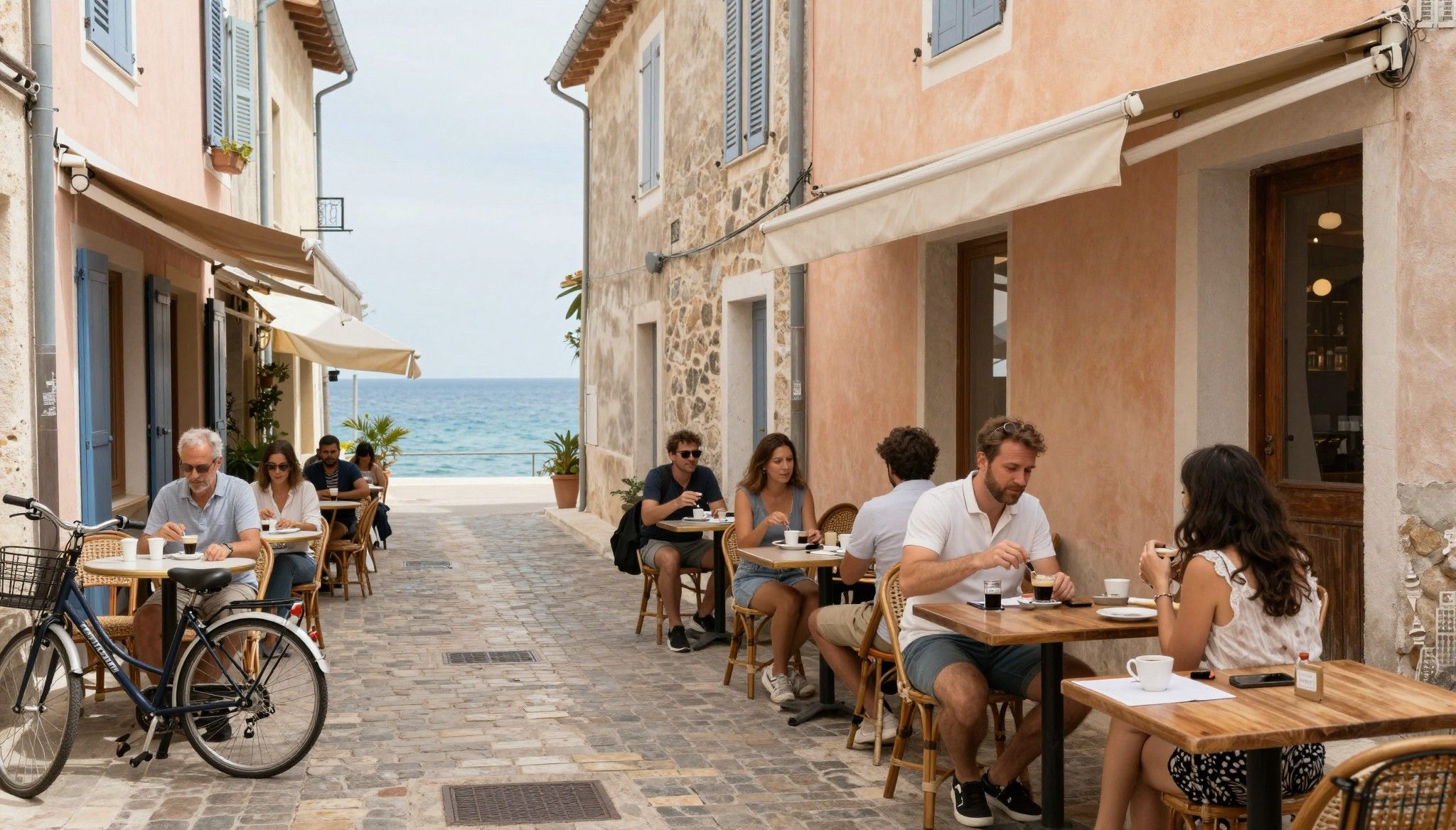
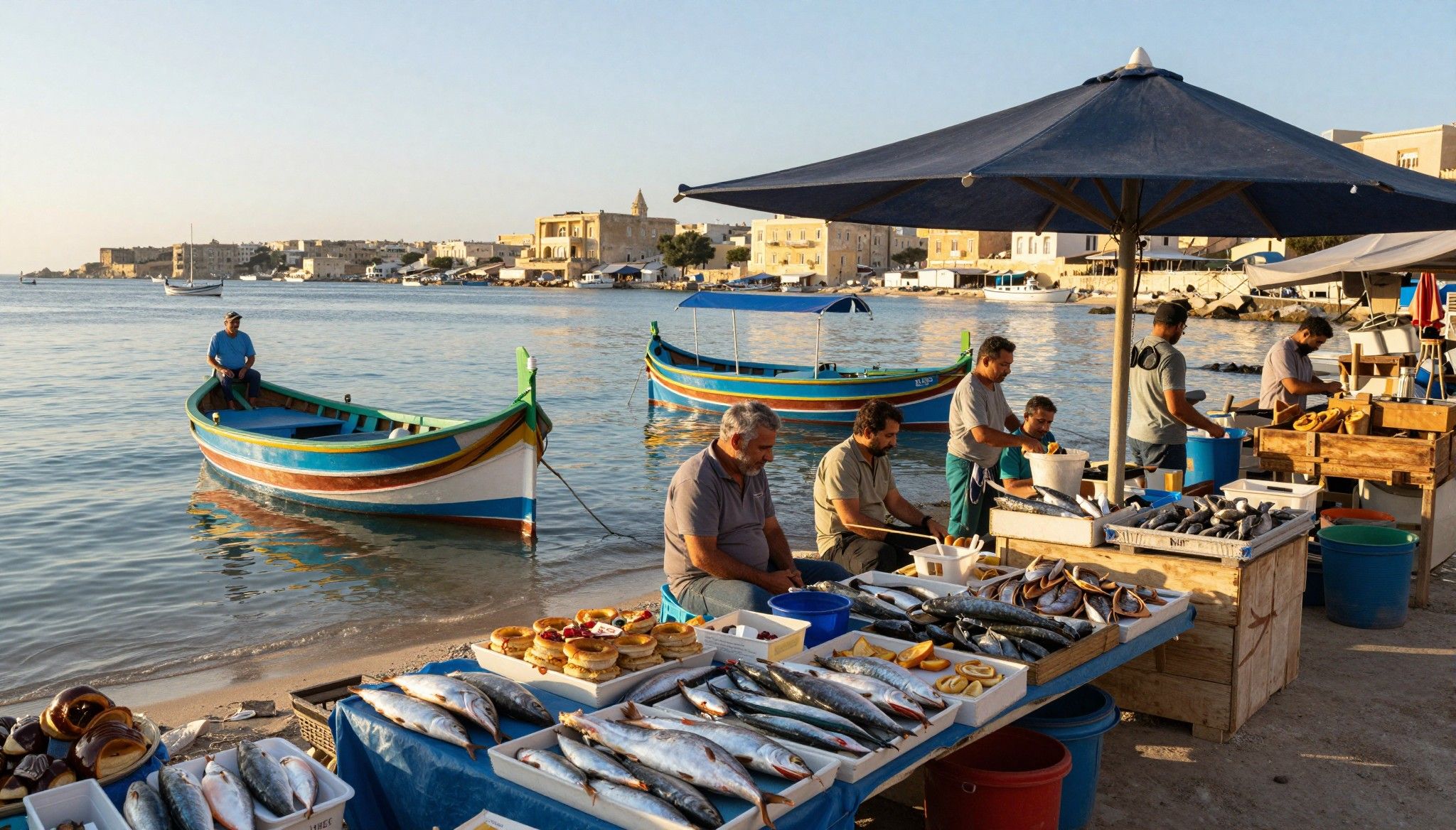
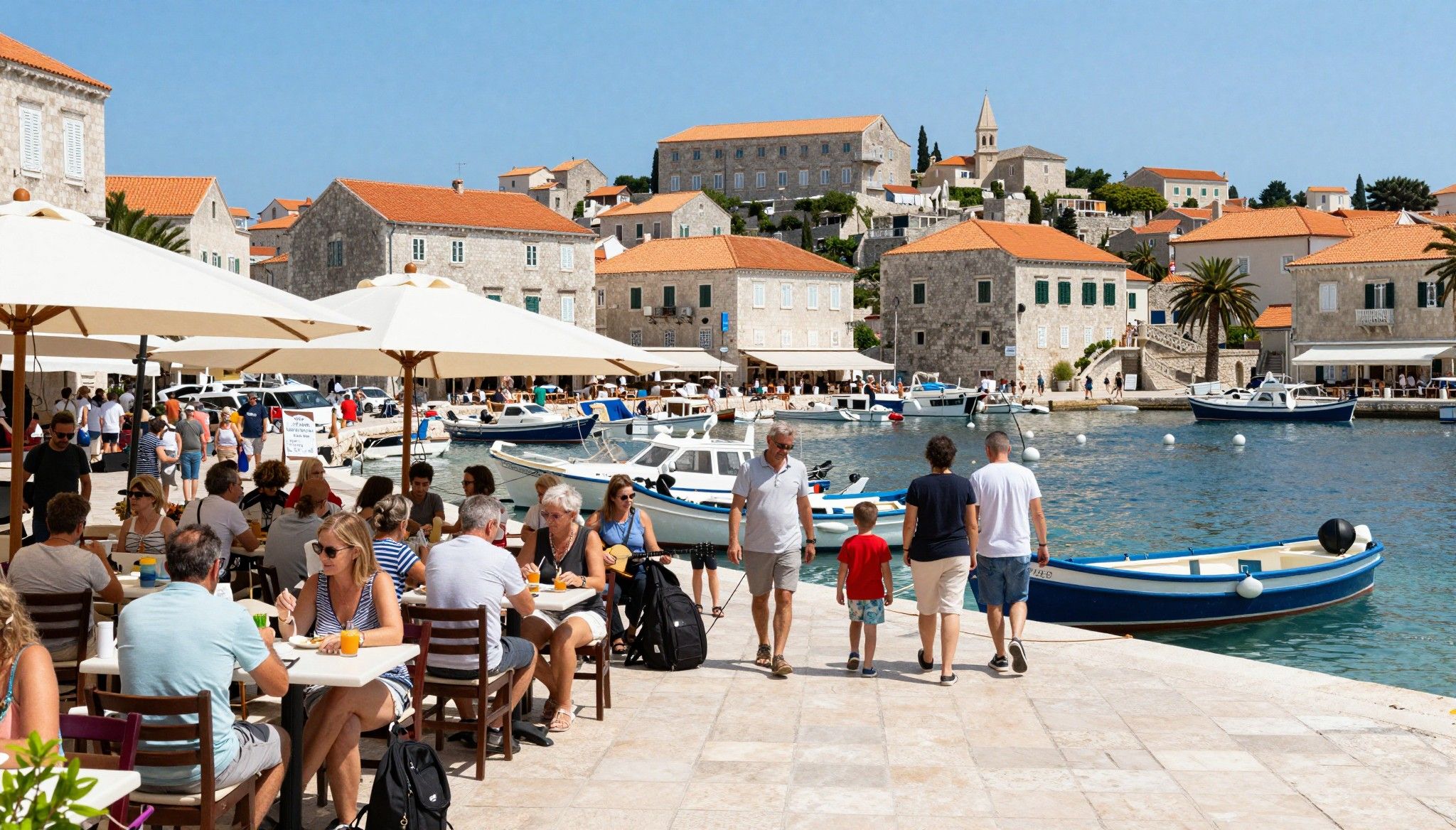
Greece: Match neighbourhood rhythm to market reality
Greece blends Mediterranean lifestyle with a tightening market: rising prices, visa rule shifts and rental limits mean buyers must match neighbourhood rhythms to property facts.
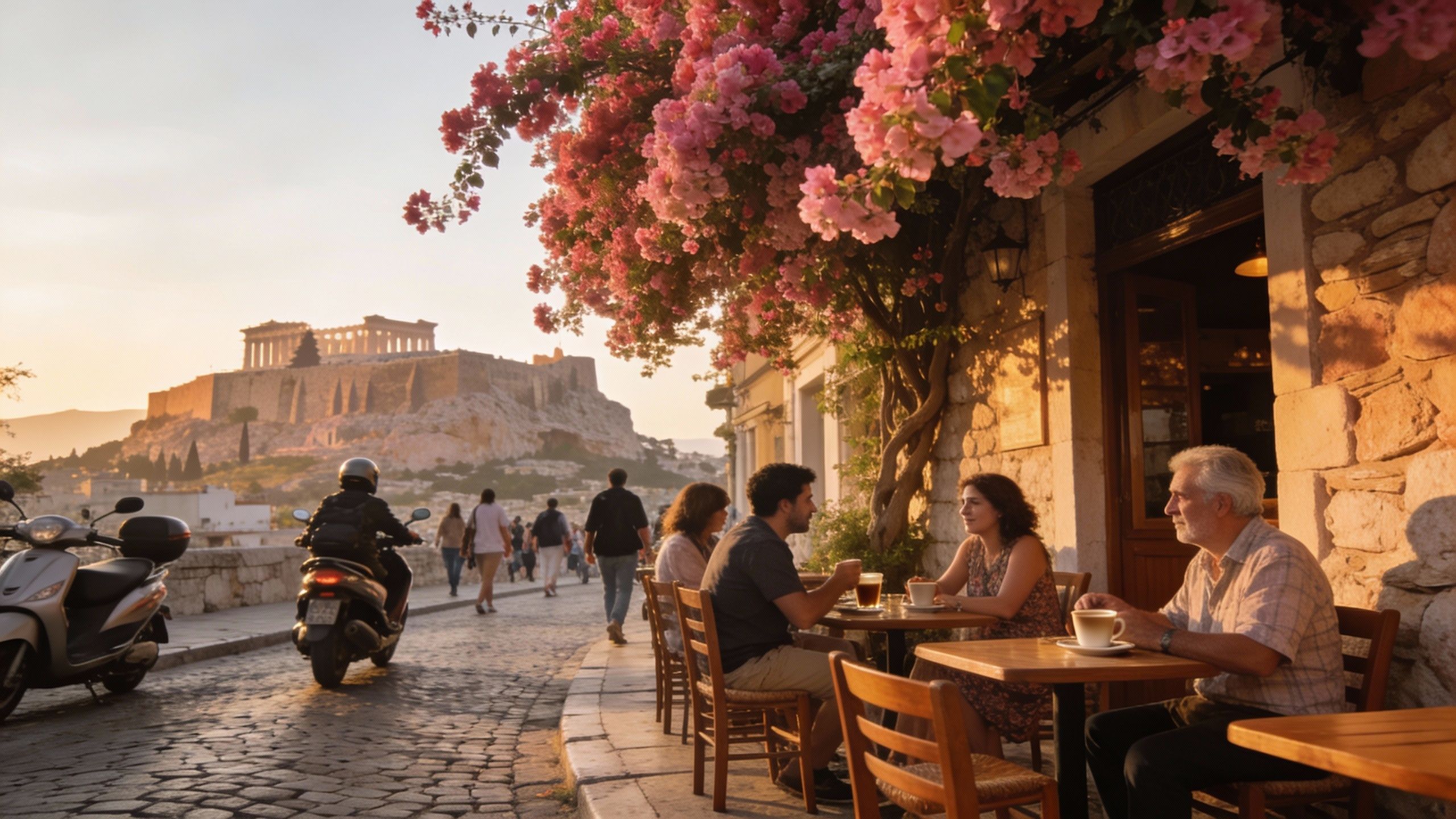
Imagine sitting at a sun-warmed table on Dionysiou Areopagitou, espresso steam rising as the Acropolis glow shifts from pale to gold. In Greece you live within history and light: fish markets at dawn, late‑night plate sharing, scooters weaving narrow streets. But beneath that postcard life is a market changing fast — tighter supply, new visa rules and short‑term rental limits — and those realities shape which neighbourhoods actually deliver the life you imagine.
Living the Greek life — more than islands and sunsets
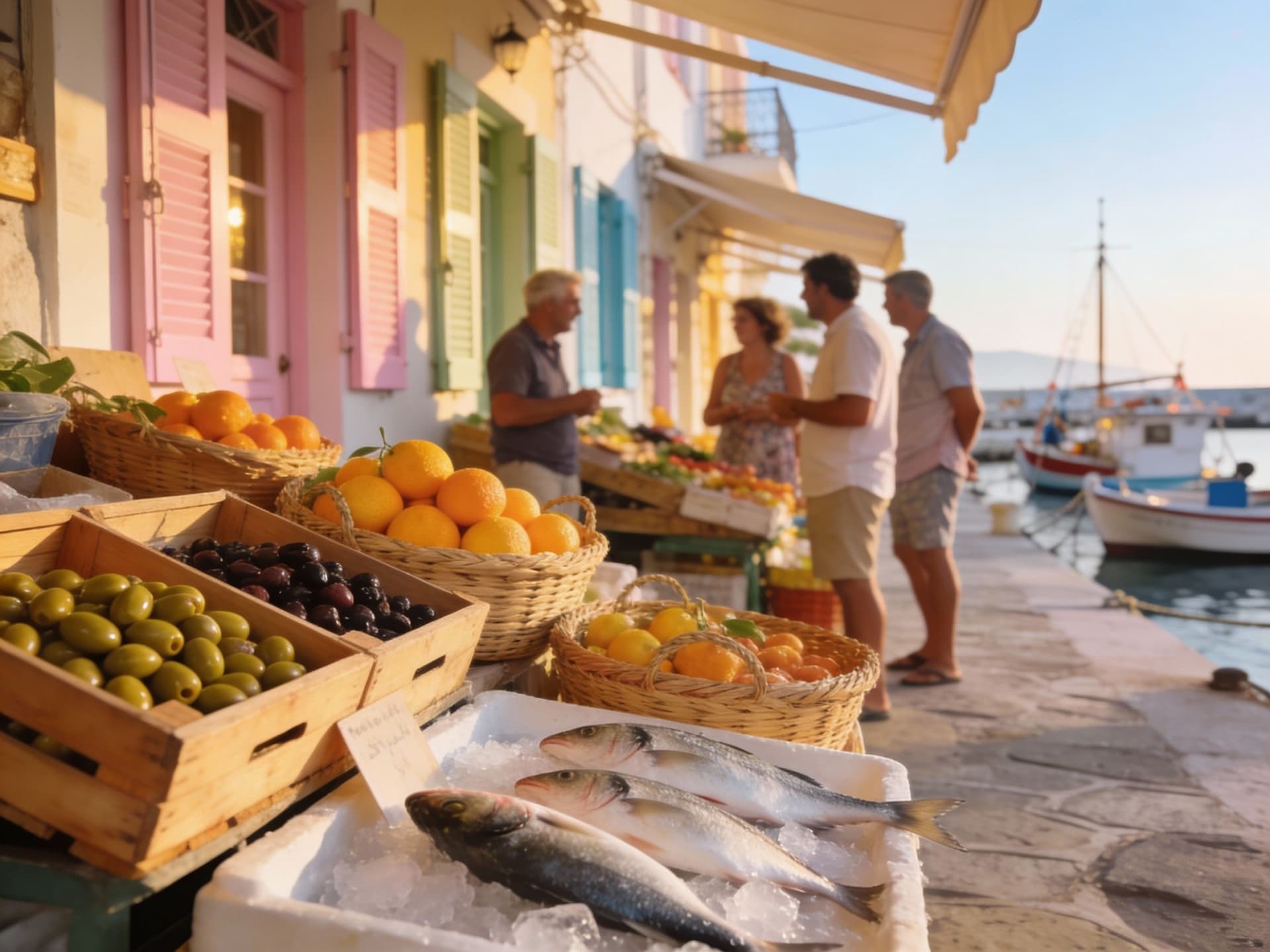
Greek daily life varies wildly by place: in Athens a morning is café‑first and gallery‑second; on the islands it’s sea‑time and late‑dinner rhythms. Recent regulation around short‑term rentals and daylight standards is already changing who lives where, nudging some tourist-centre flats back to long‑term residents and altering the rhythm of neighbourhoods. That’s good to know before you fall for a rooftop terrace that only earns summer bookings.
Athens: ancient stones, new energy
Picture walking from Syntagma to Kolonaki — neighbourhood bookstores, quietly confident bakeries, and bars that fill after 22:00. Central Athens has become two markets at once: boutique living for locals and a tourist rental economy. New moratoria and minimum daylight rules aim to rebalance that mix; for buyers it means areas once dominated by Airbnb are slowly stabilising into residential communities again.
Islands & coastal towns: compressed seasons, amplified premiums
Mykonos and Santorini remain aspirational, but policy has raised minimum investment thresholds in high‑demand islands — a structural turn that cools speculative entry and makes quality inventory scarcer. If your goal is summer life and rental income, expect premiums and stricter compliance; if you prefer quieter island life in shoulder season, look to lesser‑known Cycladic and Ionian ports where cost per square metre and community feel diverge sharply.
- Lifestyle highlights you can actually buy into
- Koukaki & Psyrri: cobbled streets, close to Acropolis cafes and improving long‑term rental prospects.
- Nafplio & Hydra (mainland/nearby islands): weekend Greek life, strong owner‑occupier communities and slower seasonal churn.
- Chania (Crete) & Kalamata: coastal towns with year‑round life, food markets and growing remote‑worker scenes.
Making the move: where lifestyle meets practical choice

I’ve seen buyers pick a neighbourhood for a single postcard view — and then discover the practical costs. Greece’s national price indexes show continued price growth but slower momentum: demand outstrips supply in cities and top islands, while construction lags. Translate that into buying behaviour: expect competition for well‑located, compliant homes and a premium for properties suited to year‑round living.
Property types that fit daily life
If you want street life, a renovated neoclassical flat near Mets or Plaka is different from a high‑rise in Piraeus. Terraced houses in Nafplio mean gardening and neighbourly markets; a new build on Crete gives insulation, A/C and energy efficiency that matter in summer peaks. Choose the type that supports how you’ll live — not the one that photographs best.
Agencies, lawyers and local know‑how
Work with agencies that can read both lifestyle fit and regulatory detail. Good local partners will flag moratoria, minimum daylight requirements, and Golden Visa eligibility zones so you don’t overpay for a property with limited rental or residency options. Think of your agent as a neighbourhood translator — someone who knows which cafe will still be there in five years.
- Steps to align lifestyle with property choice
- Visit at least twice in different seasons (summer and late autumn) to feel noise, crowding and business cycles.
- Confirm local short‑term rental rules and licences before assuming tourist income; laws have tightened since 2024.
- Ask agencies for recent comparable sales (12 months) and evidence of permitted uses for the building; don’t rely on listing photos alone.
Insider knowledge: what expats wish they’d known
Expats tell the same few stories: a flawless weekend visit became a noisy summer reality; a cheap coastal flat lacked basic daylight and failed the new rental standards; a Golden Visa‑targeted purchase lost appeal after threshold rises. These are avoidable with local insight and a readiness to trade a postcard view for a street that works year‑round.
Cultural notes that change where you buy
Language matters, but so does rhythm: many neighbourhood communities still run on personal networks — bakeries, municipal services, seasonal festivals. Showing up and investing time in local rituals (market Tuesday, village panigiri) accelerates integration and reveals whether a neighbourhood will fit long term.
Long‑term living: beyond capital gains
Expect prices to keep nudging up where supply is limited and demand is steady. But the real dividend is daily life: morning markets, neighbourhood ties and seasonal variety. If you plan to stay, prioritise energy efficiency, insulation, and a quiet‑season community rather than short‑term revenue alone.
- Red flags to spot on first visits
- Windowless rooms or converted storage spaces — now disqualified for many short‑term licences.
- Buildings with unclear title chains or missing renovation permits — common in older centres.
- Neighbourhoods that empty out off‑season — assess year‑round services, not peak months.
If the life matters more than the ledger, you’ll choose differently: smaller square metres in a vibrant quarter often outperform larger, isolated homes in terms of daily happiness. If the ledger matters, be data‑driven: check recent sales, rental limits and Golden Visa zone maps before offers.
Conclusion — Greece offers a life that’s tactile and seasonal, but the market is no longer an uncomplicated bargain. Use visits, trusted local advisors and recent market data to balance the romantic with the reliable. Start by mapping the lifestyle you want (neighbourhood habits, seasonality, community size), then test that against sales comparables and regulatory realities — and let an agency fluent in both culture and compliance bring you the homes that actually allow you to live here, not just visit.
British investor turned advisor after buying in Costa del Sol since 2012. Specializes in cross-border compliance and data-driven investment strategies for UK buyers.