Seasonal Illusion: Buying Croatia Beyond the Summer Bubble
Croatia’s appeal isn’t only summer: rising off-season tourism, policy shifts and price momentum favor buyers who prioritise year-round living over short-term yield.
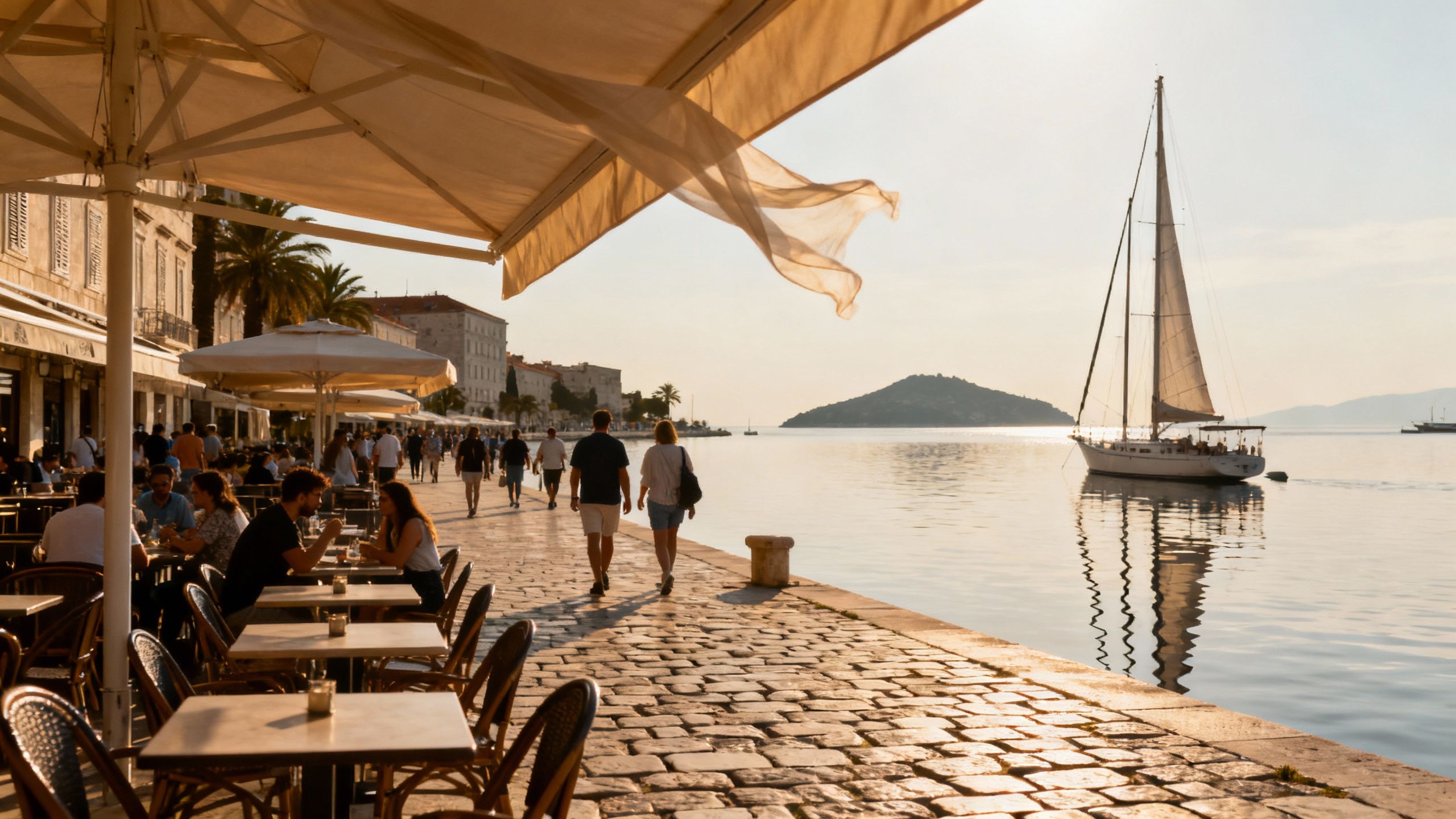
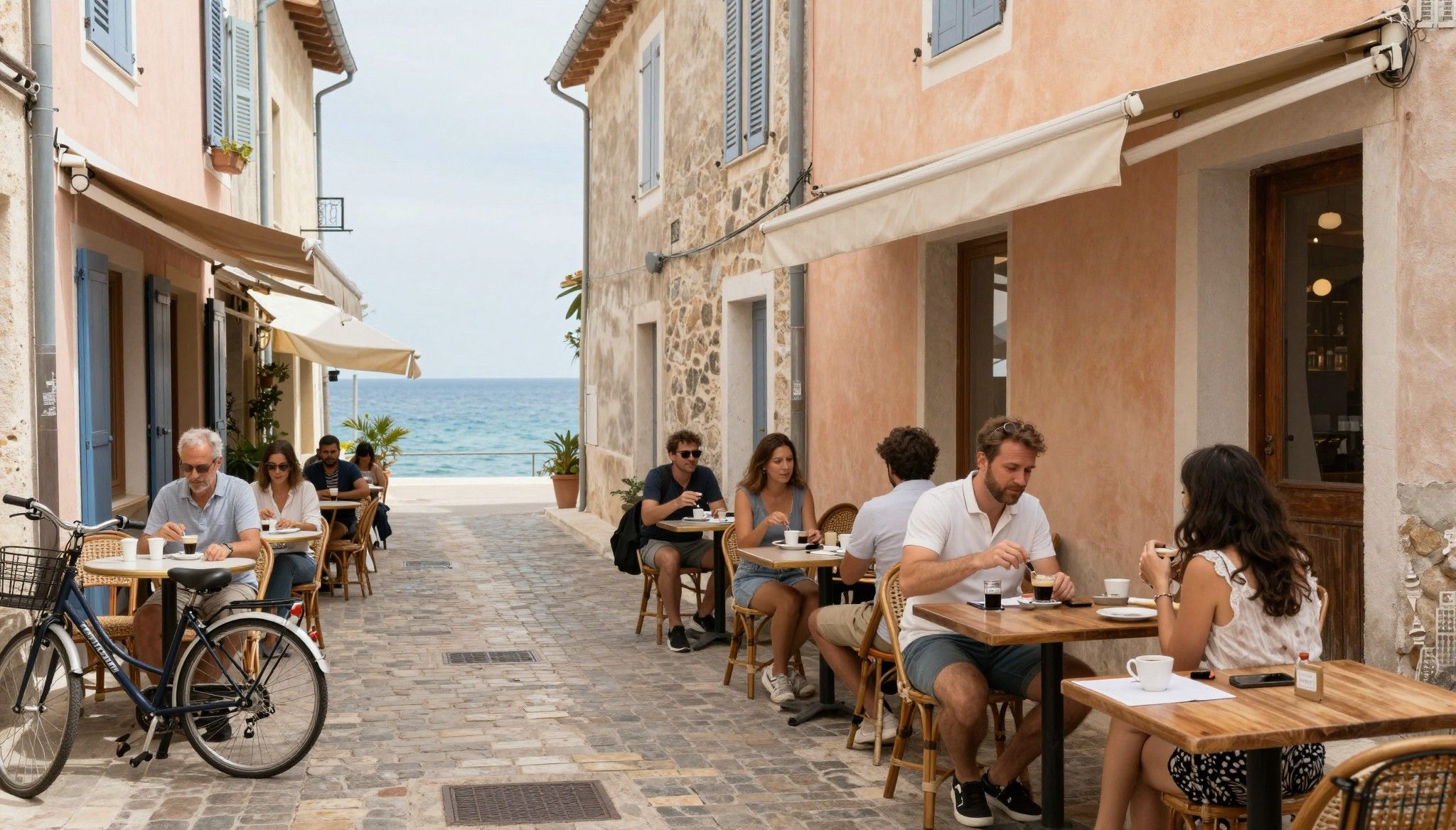
Imagine waking up to an espresso on a sun-warmed terrace in Split, walking past fishermen by the Riva and finding a quiet lane where locals shop for octopus and figs. That compressed, sensory image is why so many of us dream of Croatia — but the country’s rhythm is not just high-season postcards. Underneath the Adriatic surge are year-round trends, policy shifts and price movements that change how and when you should buy.
Living the Croatian rhythm: cities, coasts, and markets
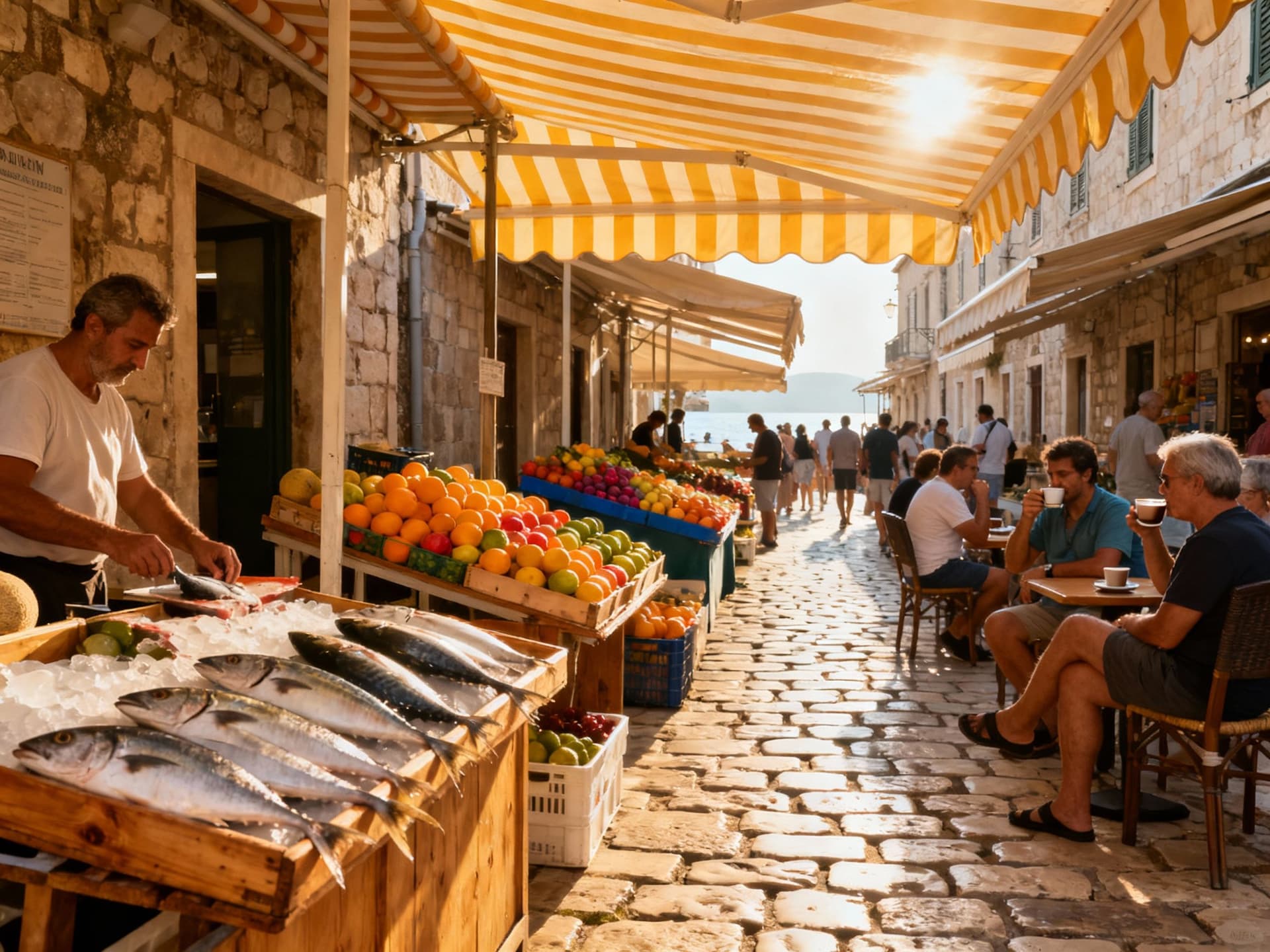
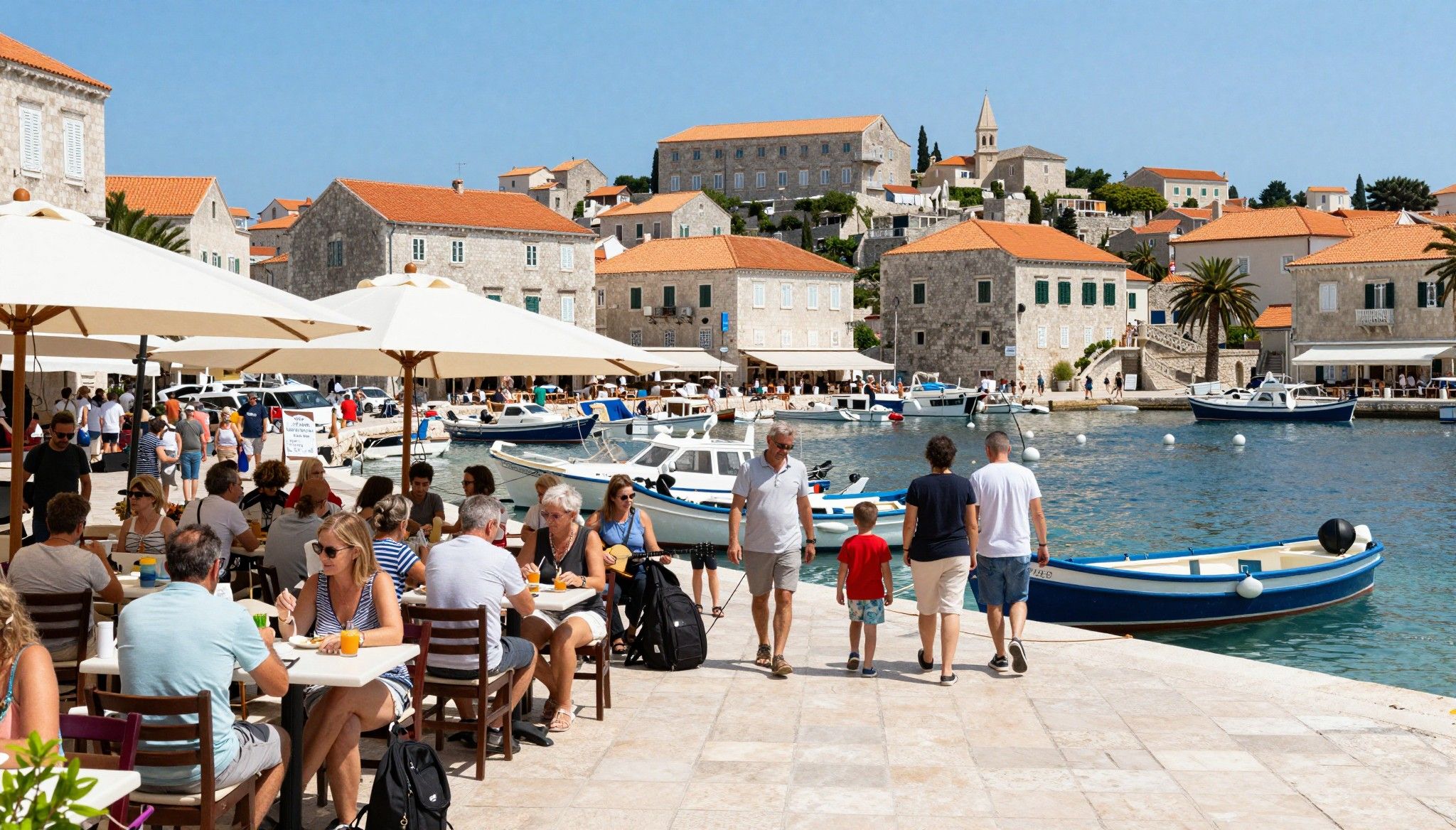
Croatia feels like two countries at once: a dense coastal mosaic of islands, harbours and summer towns, and an inland pulse of cities, vineyards and year-round culture. Recent official data show tourism growth beyond summer months, signalling a move toward a four-season visitor economy — a fact that shifts demand for property and the types of communities that thrive off-season. If you picture life here only as July terraces, you miss the practical patterns that shape property values and living comfort.
Dalmatian towns: Split, Trogir and the hidden pockets
Walk the Diocletian-era alleys of Split before 09:00 and you’ll meet families, bakers, and coffee rituals that feel permanent — not tourist theatre. Trogir’s waterfront lanes and Kaštela’s quieter suburbs offer coastal living with easier daily logistics: bakeries open, children on scooters, buses that run into the evening. These are the places where buyers find the everyday life they moved for, and they tend to perform differently in the market than purely tourist-centred locations.
Istria and Kvarner: year-round food, festivals and family life
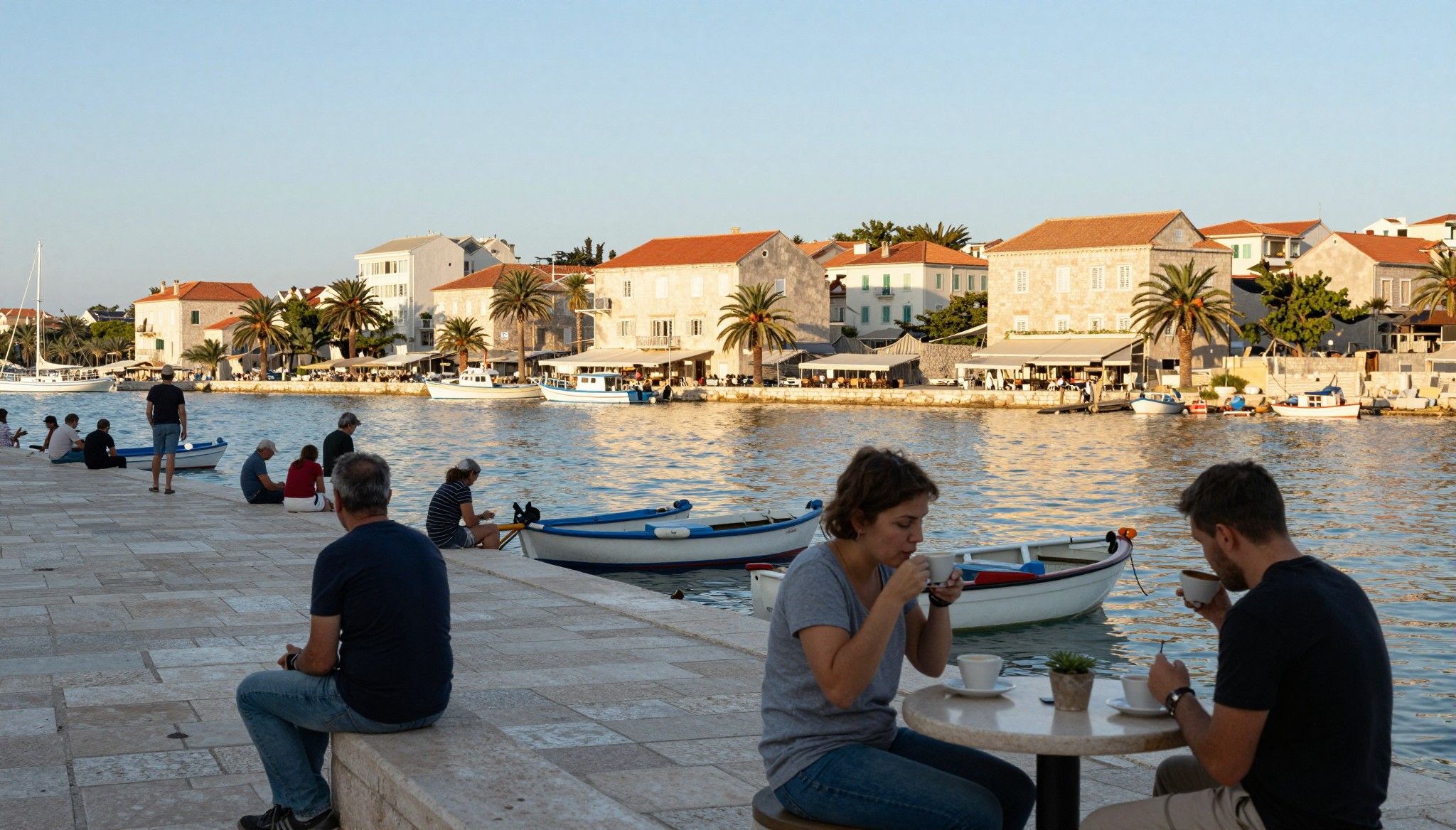
Istria and Kvarner have quietly built inland cultural draws: truffle festivals, weekend markets in Motovun, and a growing gastronomic scene that sustains demand outside July–August. Locals in Poreč or Rijeka will tell you the shoulder seasons now rival midsummer for authenticity; for a buyer, that means properties with good heating, insulation and community services keep value better than seasonal-only rentals.
- Lifestyle highlights worth noting
- Morning espresso on Split’s Riva; afternoon markets at Dolac in Zagreb; truffle hunts in Istria; sailing out of Hvar in May; weekend wine tastings around Pelješac; late-season coastal walks in November.
Making the move: how lifestyle choices change the deal
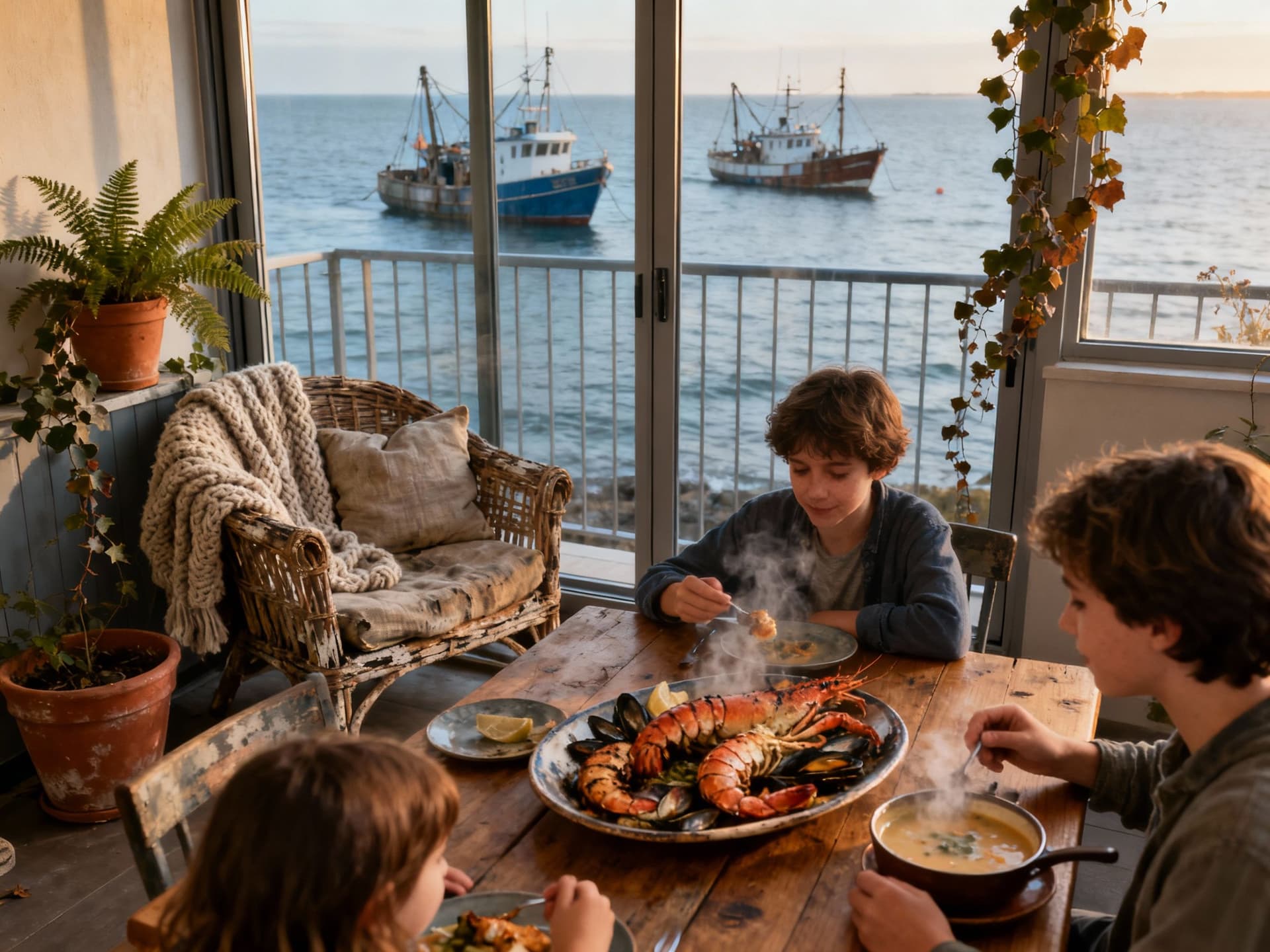
There’s a real tension between the romantic reasons you choose Croatia and the practical requirements of buying here. EU citizens face a simpler process than many non-EU buyers, and reciprocity rules mean non-EU purchasers must confirm legal permission through the Ministry of Justice. Knowing whether a home will work as a full-time residence, seasonal base, or rental investment matters for the contract you sign and the neighborhood you choose.
Property types and how they shape daily life
Stone townhouses in Dubrovnik’s periphery offer character but often higher maintenance and limited parking; modern apartments in Zagreb give reliable year-round rental markets and better heating; coastal new-builds near Rijeka provide modern insulation and pooled amenities that appeal to families and remote workers. Align the property type with how you want to live: social life, services, and winter comfort are as important as sea views.
Working with local experts who match lifestyle to investment
- Steps to blend lifestyle and market sense: 1. Map your daily routines (shops, schools, healthcare) before shortlisting towns. 2. Ask agents for off-season occupancy and utility-cost histories — not just summer photos. 3. Check recent price momentum in the town (house price indices or local sale records). 4. Confirm legal status for foreign buyers with a Croatian lawyer or the Ministry of Justice. 5. Test-run living for a month in your chosen season to validate the feel and logistics.
Insider knowledge: what expats wish they'd known
A few blunt realities: Croatian residential prices have risen materially in recent years — BIS data show house price indices near record levels in early 2025 — and the government has signaled tax changes aimed at freeing up housing supply and reining in short-term lets. Those shifts mean buying for year-round living, or targeting rentals with long-term tenancies, are safer bets than chasing the highest summer yields.
Cultural and seasonal red flags
Expect quieter utilities, reduced public transport and closed local shops in many coastal towns between November and April; this can be charming or isolating depending on your expectations. Also, listen for local phrasing: when sellers say “near the sea” they may mean a steep walk to the shore; when agents promise “great rental potential,” ask for occupancy rates by month rather than an annualised average.
Long-term lifestyle: family life, healthcare and schools
Zagreb offers international schools, hospitals and cultural infrastructure that suit families seeking stability, while coastal towns excel for outdoor life and seasonal hospitality work. If you plan to settle permanently, prioritize access to healthcare and year-round communities — these are the services that keep property value resilient when tourist seasons ebb.
- Quick market signals to watch
- Upward house price index trends (Q1 2025) suggest capital appreciation but also higher entry costs; government measures targeting short-term rentals may improve long-stay housing supply; inland and regional cities are showing stronger off-season occupancy; infrastructure and heating matter for winter comfort and resale.
- A short due-diligence checklist before you sign: 1. Verify seller title and municipal zoning with a Croatian notary. 2. Confirm foreign-buy rules for your nationality via the Ministry of Justice. 3. Obtain recent energy and utility invoices to estimate running costs. 4. Ask for month-by-month occupancy or neighbor testimonies if relying on rental income. 5. Contract an independent surveyor for structural and moisture checks, especially in older stone houses.
Buying in Croatia is as much about lifestyle fit as it is about data. Imagine that same espresso on your terrace throughout October, not just July — the neighbours are local, the market is steadier, and your day-to-day life feels authentic. Work with an agent who shows you off-season realities and a lawyer who understands reciprocity rules; that pairing turns romantic intent into a durable, well-priced purchase.
If you’re ready to explore, start with a short stay in your target season, request month-by-month rental data from agents, and talk to locals at markets and cafes. Those small, sensory checks will reveal more about long-term living than a glossy listing ever could — and they make your eventual purchase a choice rooted in how you actually want to live in Croatia.
British investor turned advisor after buying in Costa del Sol since 2012. Specializes in cross-border compliance and data-driven investment strategies for UK buyers.