Why Buying in Croatia’s Low Season Pays Off
Buying in Croatia off‑season reveals the real daily life, exposes maintenance needs and uncovers value — tourism data show growing pre/post‑season demand, rewarding buyers who shop quieter months.
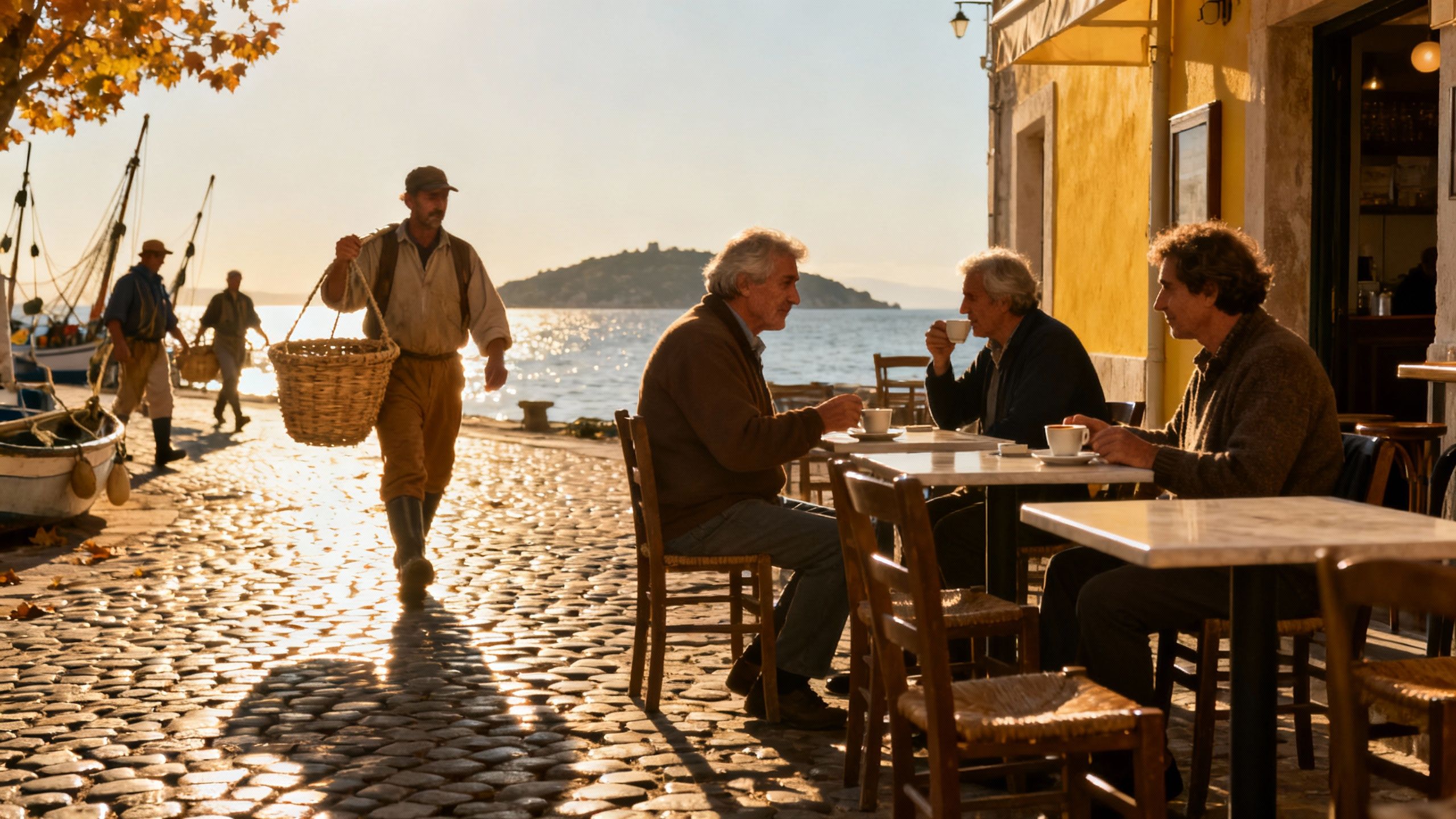
Imagine waking on a misty Adriatic morning in Rijeka or inland Istria, espresso steaming as fishermen mend nets and the town market sets up. That quiet two-month window after summer is when you first hear the true rhythm of Croatia — slower, local, and revealing. For buyers, that off-season pace often tells a different story than the packed summer postcards.
Living the Croatia lifestyle: more than summer postcards
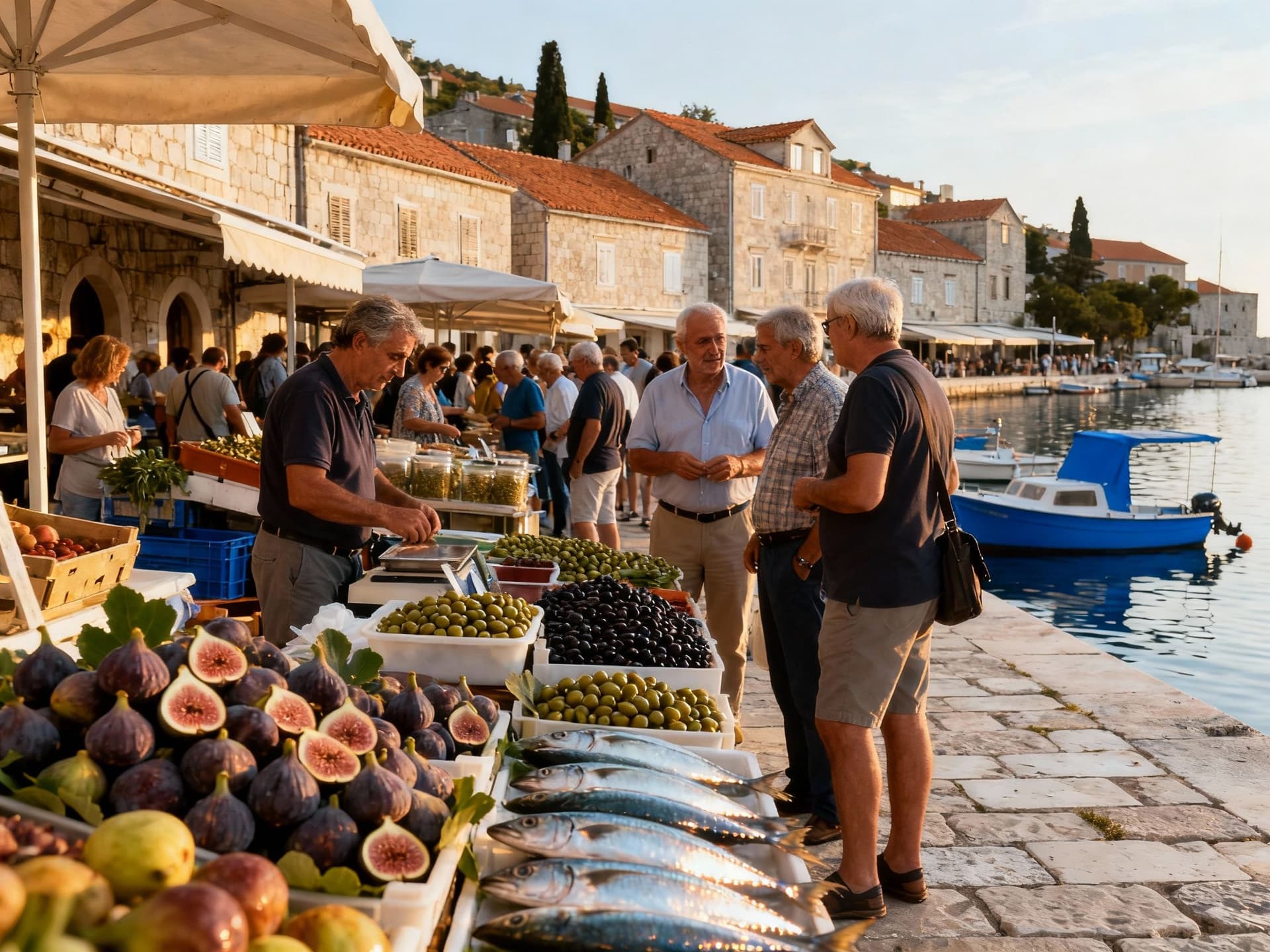
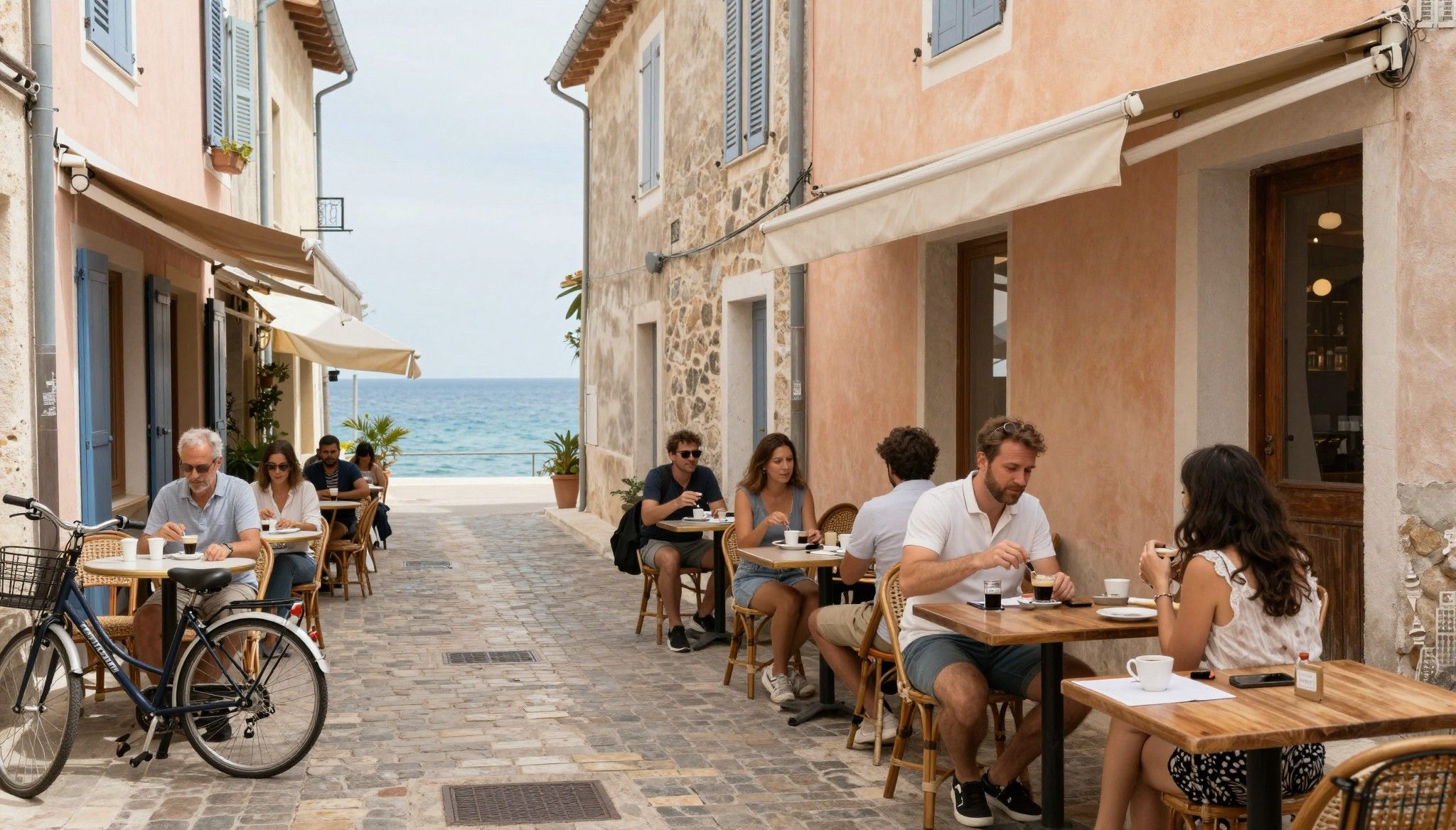
Croatia’s appeal is layered: medieval streets in Dubrovnik, café-lined Riva promenades in Split, pine-scented coves along the Dalmatian islands, and surprising inland towns with weekly markets and vintage bakeries. Daily life mixes Mediterranean sun with Central European practicality — late breakfasts, long lunches, and evenings that stretch into impromptu concerts in town squares.
Dalmatian coast: the active coastal life
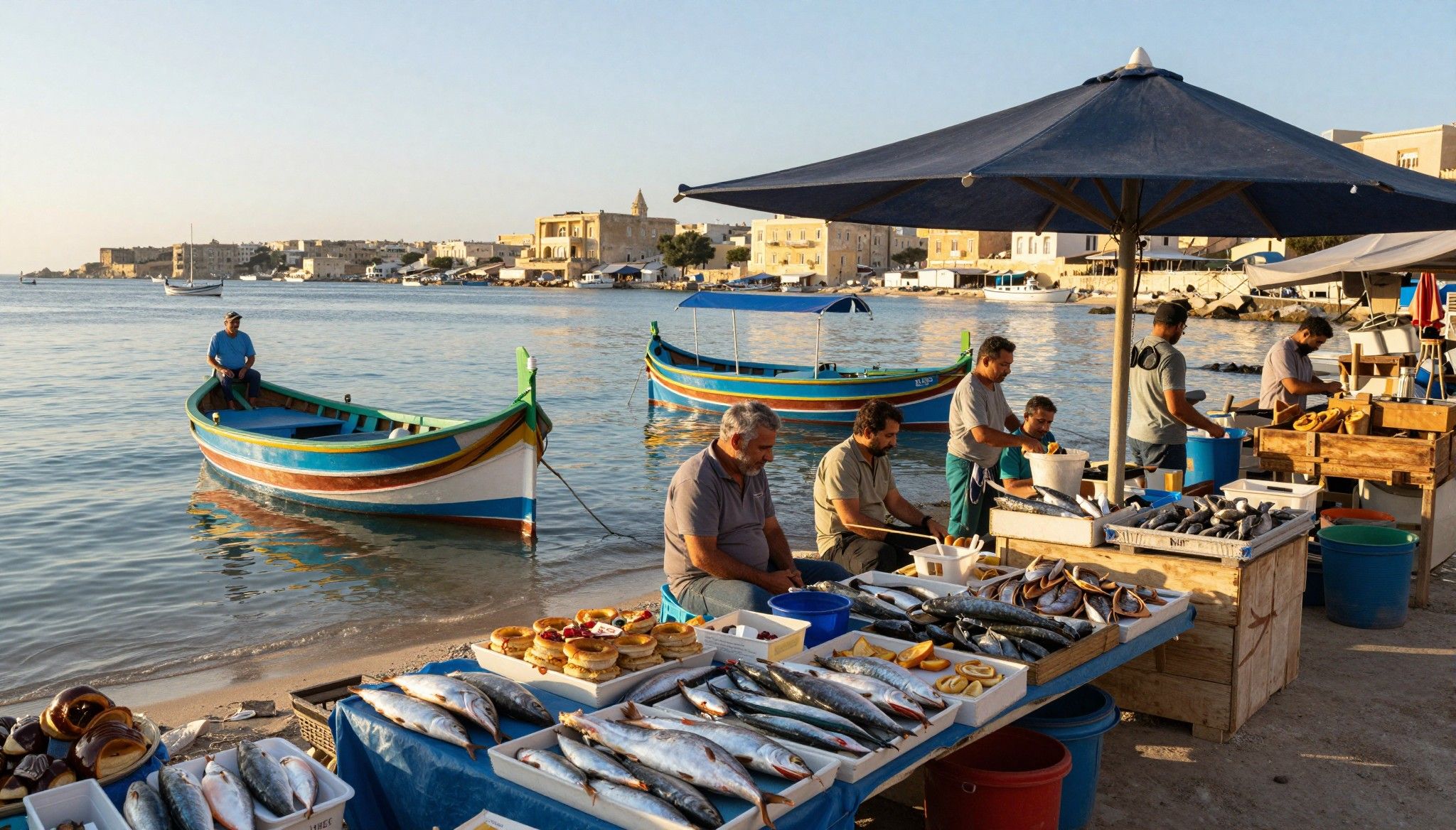
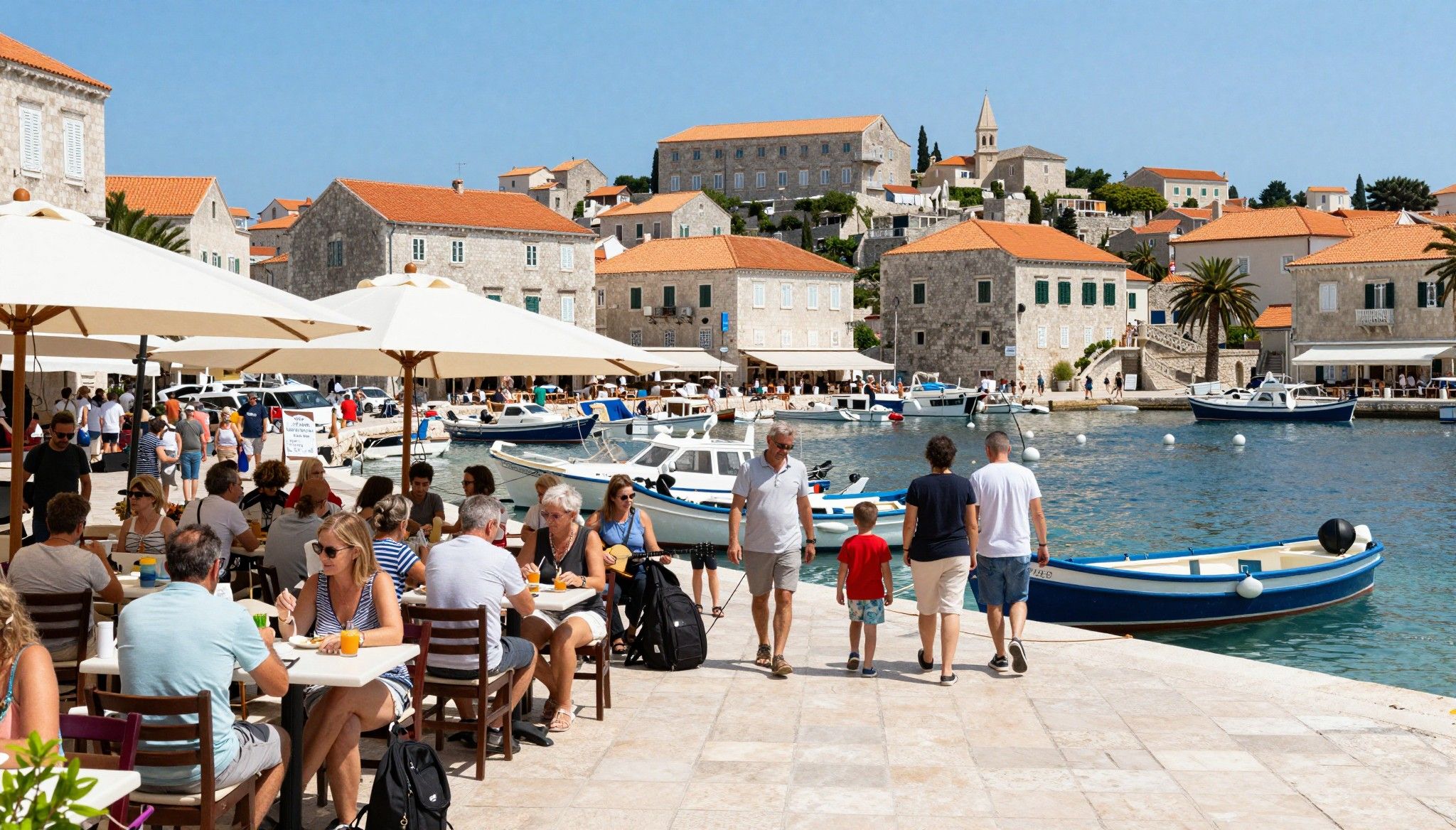
On the Dalmatian coast — Split, Trogir, the islands of Brač and Hvar — life orients around the sea. Mornings bring bakeries with fresh pašta (local pastries), afternoons favour family-owned konobas (taverns), and evenings move outdoors. Properties here reward buyers who want walkable harbours, nautical access, and a calendar of cultural festivals from spring through autumn.
Continental and Istria: quieter rhythms, stronger communities
Inland regions and Istria show a different Croatia: truffle foraging, wine routes around Motovun, and community markets where shopkeepers know your name. Zagreb’s rising off-season tourism and cultural calendar mean year-round amenities that suit long-term residents, not just summer visitors.
Lifestyle highlights
- Morning espresso at Split’s Riva; weekend market on Dolac, Zagreb.
- Sea-to-table dinners at small Dalmatian konobas on Brač and Hvar.
- Truffle hunts and winery visits around Istria’s hilltop towns.
- Island ferry rhythms: plan for seasonal schedules and private-boat access.
Making the move: practical considerations that protect the lifestyle
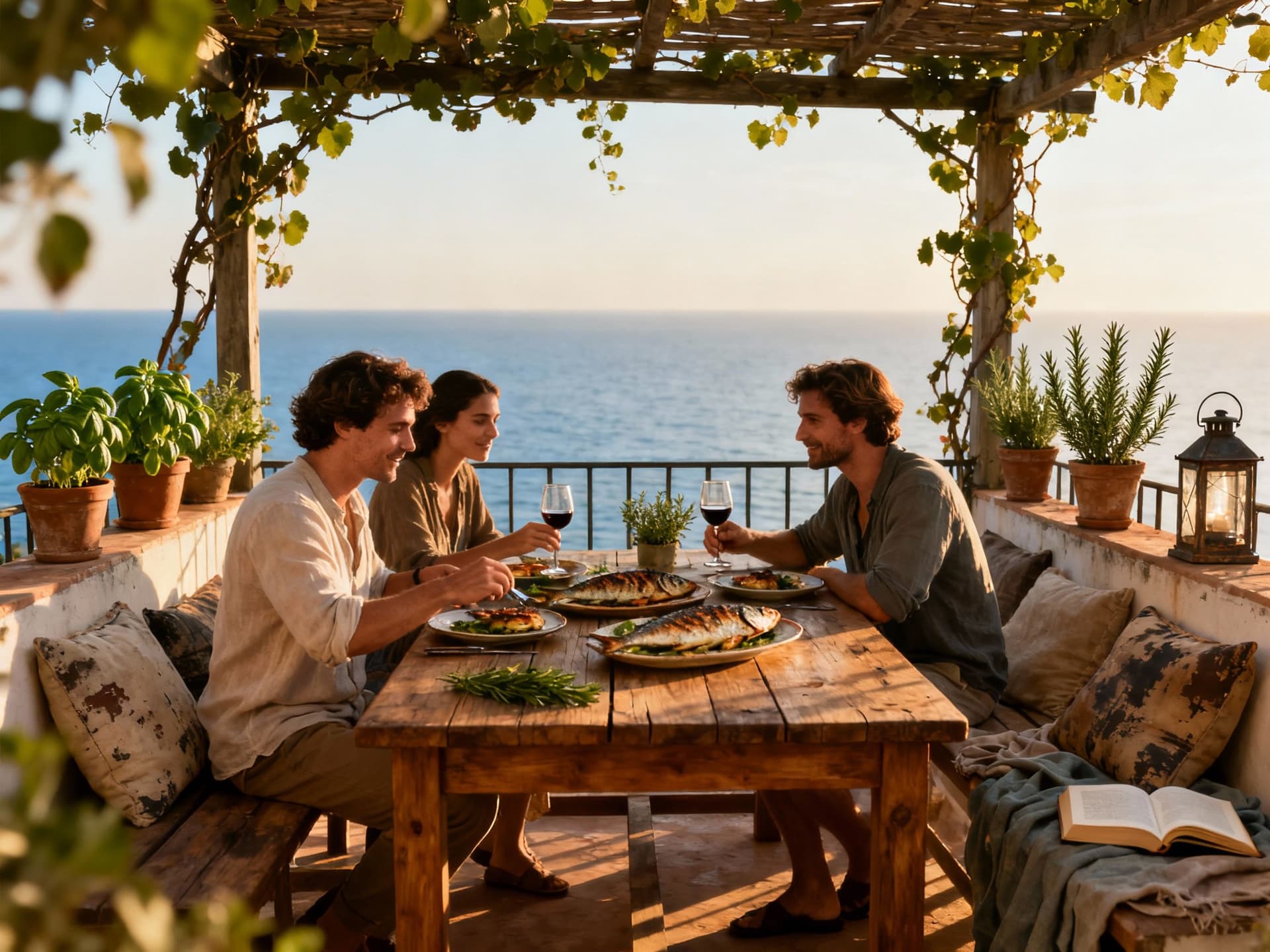
If the lifestyle draws you, the process can still surprise. EU citizens have fewer barriers than third-country nationals — non-EU buyers often need Ministry consent and must meet reciprocity rules. That’s why timing, local counsel and an agency with cross-border experience matter as much as the view.
Property styles and how you’ll actually live
Stone townhouses in Dubrovnik require different maintenance than modern apartments in Zagreb or new-build terraces on Istria’s coast. Think in terms of year-round use: insulation and heating for winter stays, water supply and shutters to handle summer sun, and access to local services in shoulder seasons.
Work with experts who know both lifestyle and law
- Hire a bilingual notary or lawyer to secure land-registry checks and to navigate Ministry approvals if you are a non-EU national.
- Match property type to your seasonality plan: long-stay rental, year-round living, or holiday letting — tax treatment and utilities differ by use.
- Confirm ferry and transport links for islands off-season; remote islands show strong summer appeal but limited winter services.
- Inspect water, insulation, and solar options — basic upgrades can transform seasonal stays into comfortable year-round homes.
Insider knowledge: what expats wish they’d known before buying
Expats tell a consistent story: the best properties for living are not always the most photographed. Off-season reveals issues — noisy summer neighbours become empty houses in winter, and infrastructure limitations surface. That’s useful: the quieter months expose real maintenance needs and community character.
Cultural integration and daily life
Learning basic Croatian phrases, showing up at local markets and attending municipal events unlocks the social fabric. In smaller towns, relationships with the baker, grocer and harbour master shape daily convenience more than proximity to a mall. That social capital matters when you want to feel at home.
Long-term lifestyle and market signals
Croatia’s push toward year-round tourism, rising arrivals and government moves on property taxation signal a maturing market where location fundamentals and regulatory changes matter. Buyers who factor seasonality, transport links and local supply constraints can find properties that balance lifestyle with long-term value.
- Red flags to watch (and what to ask locally): unclear land-registry entries; seasonal utility limitations; unresolved short‑term rental permissions; and lack of winter transport links.
- Local strengths to prioritise: year-round shops and healthcare, reliable ferry/road links, proven rental demand outside July–August, and community services.
If you want proof that off-season matters: Croatia’s 2024–25 data show rising pre- and post-season travel, meaning amenities and market behaviour increasingly reflect year-round use rather than a pure summer surge. That shift favors buyers who look beyond high-season gloss and shop with the quieter calendar in mind.
A practical next step: plan two visits across different seasons. See a town in August, then return in October–March to test services, noise levels and community life. Bring a local agent who knows the off-season realities, a lawyer for registry checks, and a list of non-negotiables that keep lifestyle and practicality aligned.
Conclusion: Croatia’s quieter months aren’t a drawback — they’re a lens. They let you measure how a place actually works for daily life, reveal hidden risks, and expose opportunities sellers shoulder during high season. Fall in love with the day-to-day here first; the market will follow.
Danish relocation specialist who has lived in Barcelona since 2016. Helps families move abroad with onboarding, schooling, and local services.