Why France’s Market Recovery Rewards Local, Not Luxe
France’s market has pockets of stability in 2025; pair neighbourhood rhythms with INSEE data to find lifestyle-rich, lower-risk opportunities.
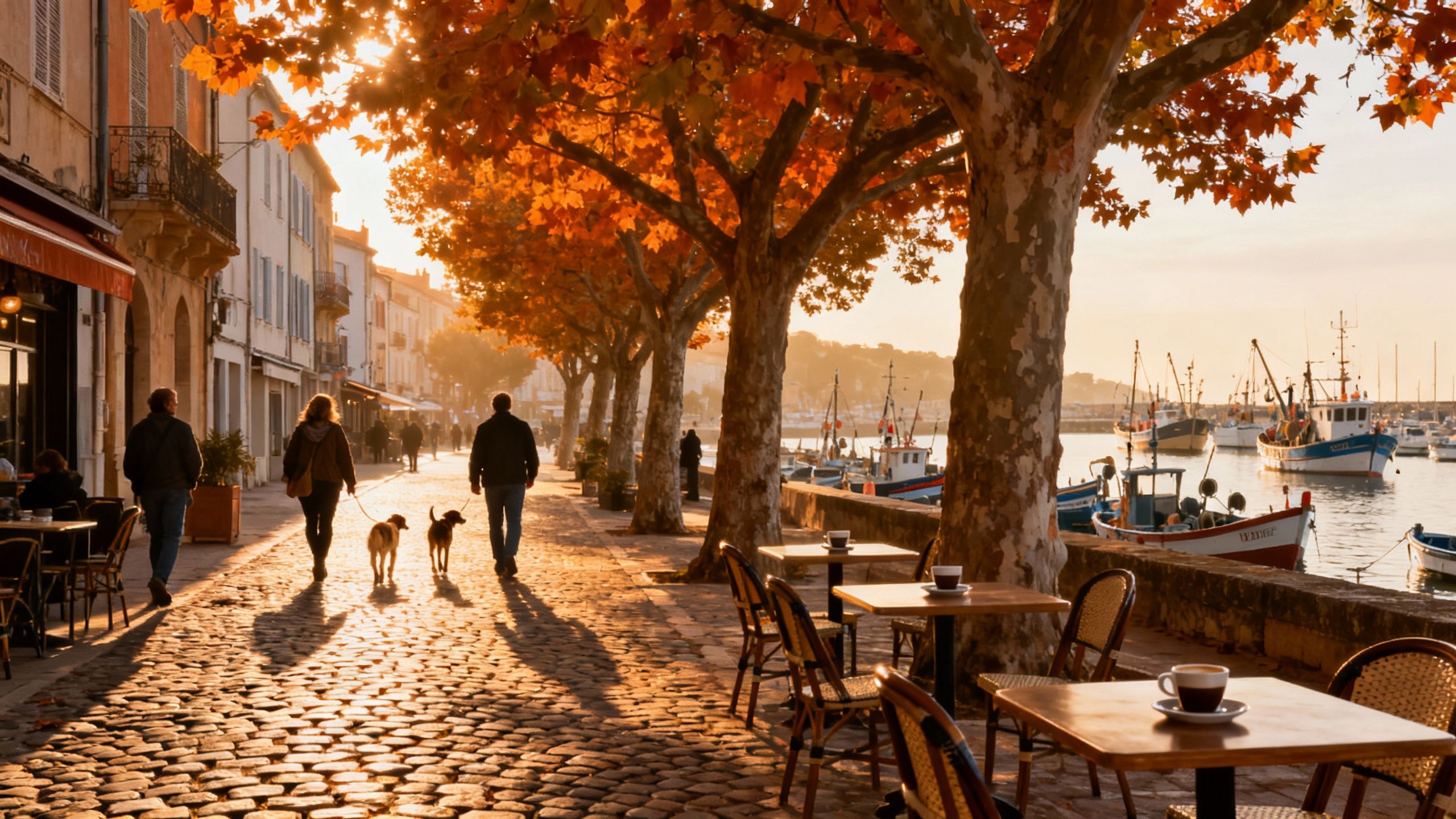
Imagine waking on a weekday in Lyon, crossing the morning market at Quai Saint‑Antoine, and choosing fresh cheese from the stall you know. Picture weekends in the south where boulangeries open at dawn and the beaches are part of your routine, not a postcard. France feels lived‑in: markets, cafes, municipal parks and local rhythms; that daily texture is what draws buyers here, not just headline price numbers. That said, the market isn’t a single story — recent data show pockets of stability and renewed growth that matter for your buying strategy.
Living France: the small, concrete pleasures
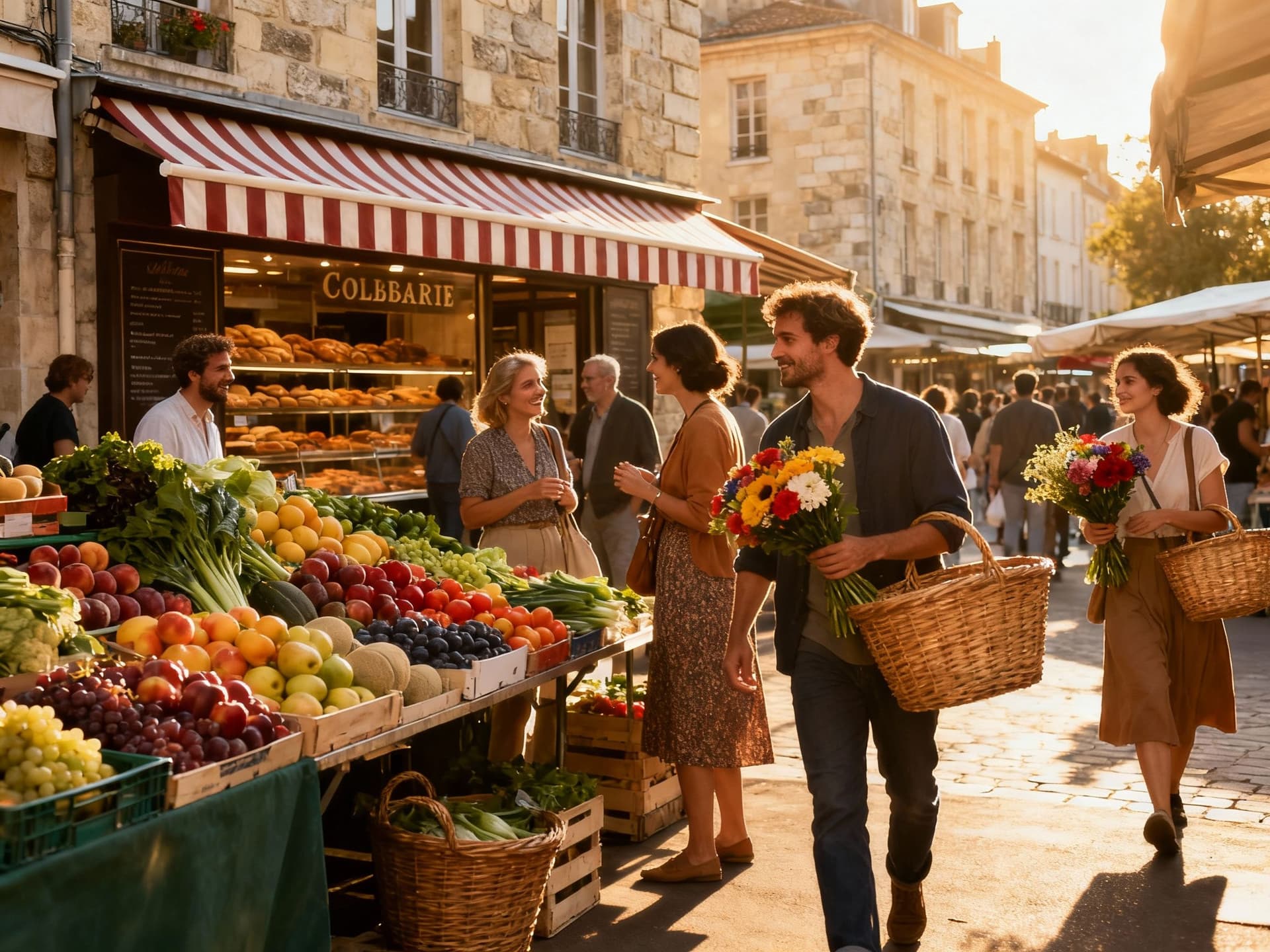
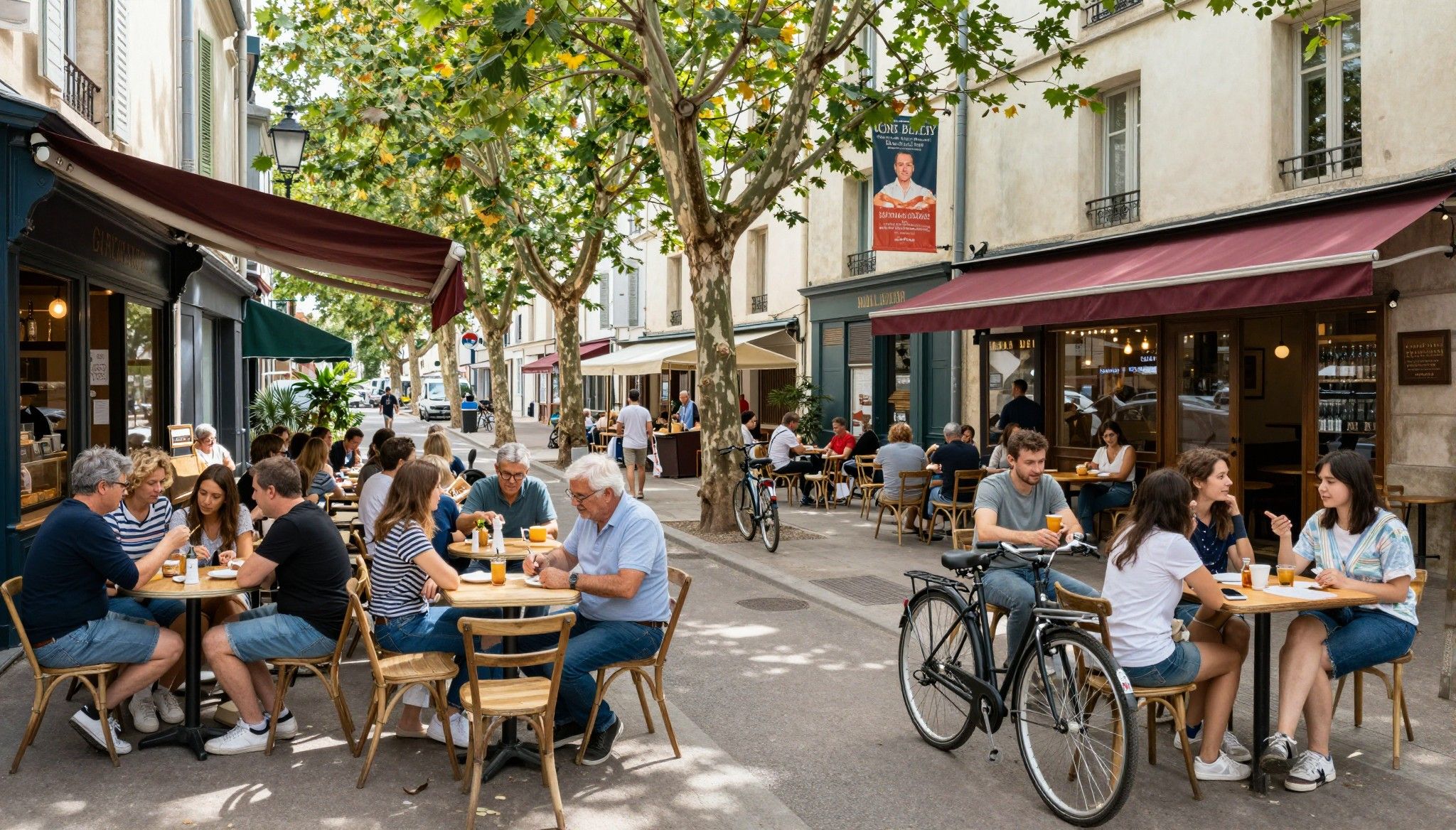
Life in France is organised around neighbourhoods. In Paris, you’ll hear mechanics and chefs at the same café; in Bordeaux, winemakers talk vintage by the Garonne; on the Côte d’Azur, mornings are for the port and evenings for small seafood restaurants. These rhythms shape what you buy: a compact flat with a bakery below in the city, a stone house with a garden and shutters in Provence, or a sea‑facing apartment with a small terrace on the Mediterranean coast. Because price moves are local, where you buy defines how you live — and how the value behaves over time.
Neighbourhoods that show how the country lives
Walk Rue de la République in Lyon’s 2nd arrondissement at 10:00 and you’ll meet students, shopkeepers and office workers — a cross‑section that keeps demand steady for small apartments and pied‑à‑terre. In Marseille’s Le Panier, artists and local craftsmen have reclaimed narrow lanes, which supports boutique short‑lets but also stabilises long‑term rental demand. On the Riviera, neighbourhoods behind the Promenade des Anglais — the small streets of Nice’s Gambetta and Libération — often offer better value per square metre than waterfront addresses while delivering authentic coastal living.
Food defines where locals gather: Marché Forville in Cannes, Boulevard Raspail’s market in Paris, and the covered market in Aix‑en‑Provence create micro‑communities that support weekday life. Festivals — Fête de la Musique in June, local harvest fêtes in autumn, and winter marchés de Noël — animate neighbourhoods seasonally and can temporarily lift short‑term rental demand. Those social anchors matter for long‑term living and for rental performance if you plan to let when you are away.
- Lifestyle highlights that shape buying decisions: • Morning markets (e.g., Marché d’Aligre, Paris) and weekly village markets that keep local shops busy • Local cafés where neighbourhoods meet — Rue Sainte for Lyon, Cours Saleya in Nice • Municipal parks and promenades that influence family demand (Parc Borély, Parc de la Tête d’Or) • Seasonal festivals and harvest weekends that increase short‑stay interest • Waterfront promenades vs. inland lanes: choose daily habit over postcard views
Making the move: lifestyle-led, data-driven decisions
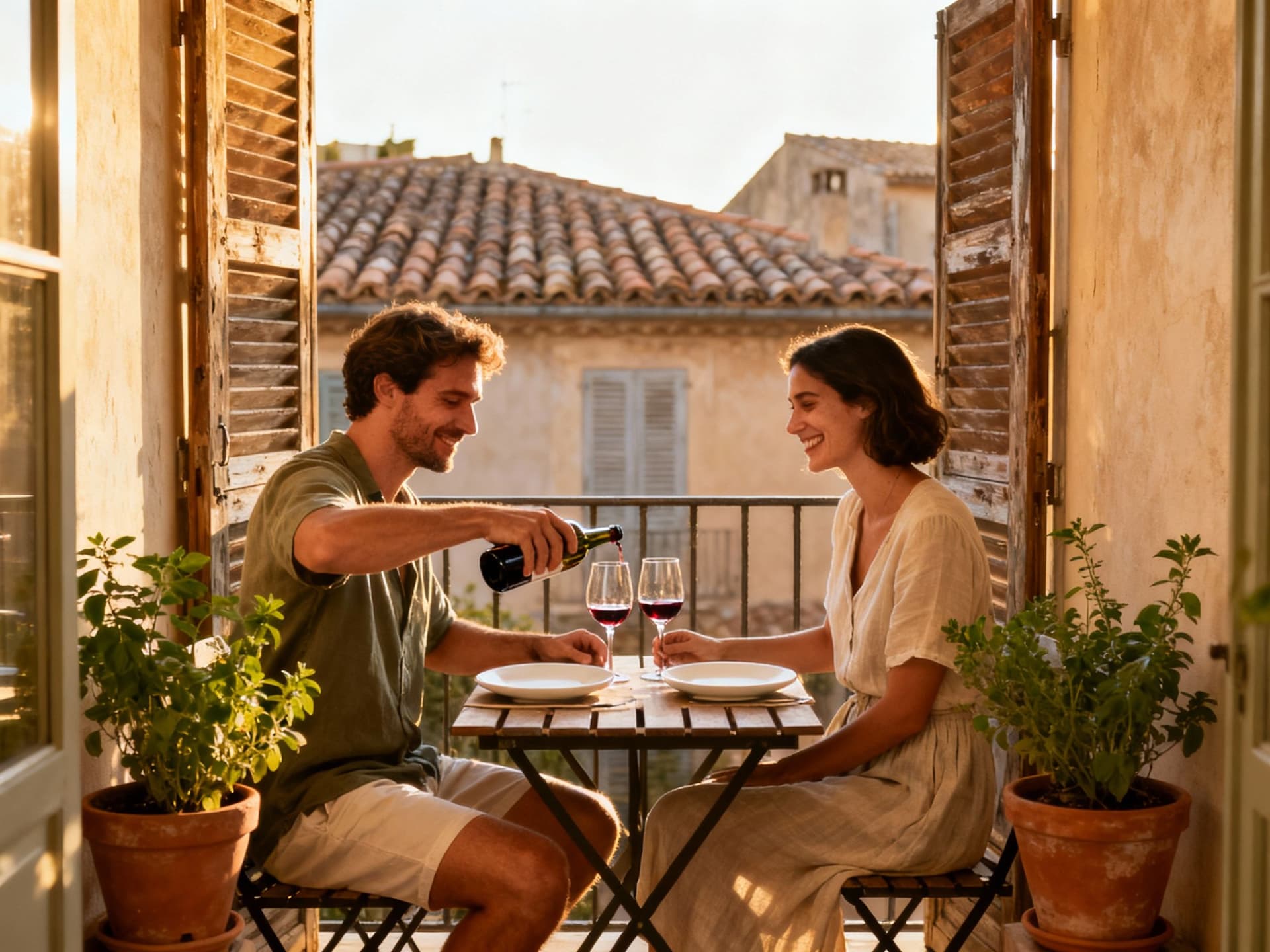
The romantic image of France is the reason many buyers start the search. The practical reality is this: national headline prices have been through a pause and selective rebound — INSEE shows near‑stability in late 2024 and a rebound in early 2025 — which creates both opportunity and caution. Translating lifestyle wishlists into property choices means pairing where you want to live with current price momentum, supply dynamics and rental demand if you plan to let the home out when you’re absent.
Property styles and what they deliver
Stone village houses in Dordogne offer gardens and long‑term tranquillity but can require more renovation and maintenance; city apartments in Nantes or Lyon deliver walkable life and easier rental management. New builds (Label BBC/RT) may cost more per square metre but reduce running costs and management headaches, while older properties bring character and potential value‑add through measured renovation. Think about how you want to live: entertaining terraces, garden space for children, or compact central flats that free you to travel.
Working with experts who know the local tempo
- Steps to match lifestyle to the right property: 1. List three non‑negotiables (daily market, commute under 30 minutes, garden) and rank them. 2. Cross‑check INSEE/notaires local price trends for the specific arrondissement or canton. 3. Meet two local agencies with experience in expat sales and short‑term letting rules. 4. Visit the neighbourhood at two different times (weekday morning, weekend evening) to test rhythm. 5. Budget for immediate maintenance and a 10–15% renovation buffer on older homes.
Insider knowledge: what expats wish they’d known
Expats often say the biggest surprise isn’t paperwork — it’s the social texture. Neighbourhood life, from the boulangerie owner who knows your order to the municipal fêtes, is what makes a house feel like a home. Practically, you’ll face seasonal occupancy swings if you rely on holiday lets, and renovation timelines that respect local planning rules. Insurance, local syndic fees in co‑ownerships and the cadence of municipal maintenance shape monthly living costs more than a one‑off purchase tax.
Cultural integration and everyday customs
Language opens doors: basic French will change your neighbourhood welcome. Learn market days and recycling rules, show respect for quiet hours (usually after 22:00), and expect friendly curiosity from neighbours. Schools and local clubs — football, pétanque, choir — are how families and retirees plug into community life. Agencies that introduce you to local service providers accelerate belonging and reduce friction during your first year.
Longer term, the market shows resilience. INSEE data in 2025 point to renewed quarter‑on‑quarter growth after a period of correction, but momentum varies by region and property type: flats in provincial cities rebounded more strongly than houses in Île‑de‑France in recent quarters. That means opportunities for buyers who pair local data with lifestyle needs — buying where demand is structurally supported by jobs, students, or tourism rims the best balance.
- Red flags and local checks before you make an offer: • Check local transaction volumes (sharp falls can signal illiquidity). • Compare advertised price vs. notaires recorded prices for the same street. • Confirm short‑let rules with the mairie for city apartments (restrictions apply in many centres). • Ask about syndic fees and recent copropriété works — major renovations can imply special assessments. • Visit outside peak season to test everyday life, not just the attraction.
France’s market is less about national myths and more about local realities. Data from INSEE and local notaires show pockets of recovery and stability in 2025, which means buyers who focus on neighbourhood rhythm, local demand drivers and realistic total owning costs tend to win. Work with agencies that show you the lived experience, not just glossy photos, and treat data as the compass for lifestyle decisions rather than the destination itself.
Ready to explore? Start by listing the three daily rhythms you want (market, commute, weekend escape), then ask local agents for transaction evidence in those streets for the last 12 months. That simple, lifestyle‑anchored data check saves time and reveals where France’s everyday magic aligns with sound property value.
Norwegian market analyst who relocated to Mallorca in 2020. Focuses on data-driven market insights and smooth relocation for international buyers.