Croatia’s Coastal Price Myth: A Lifestyle-Led Reality
Croatia blends coastal leisure and city rhythm; rising prices and new property taxes reshape opportunity — target neighbourhoods where everyday life, not summer hype, drives value.
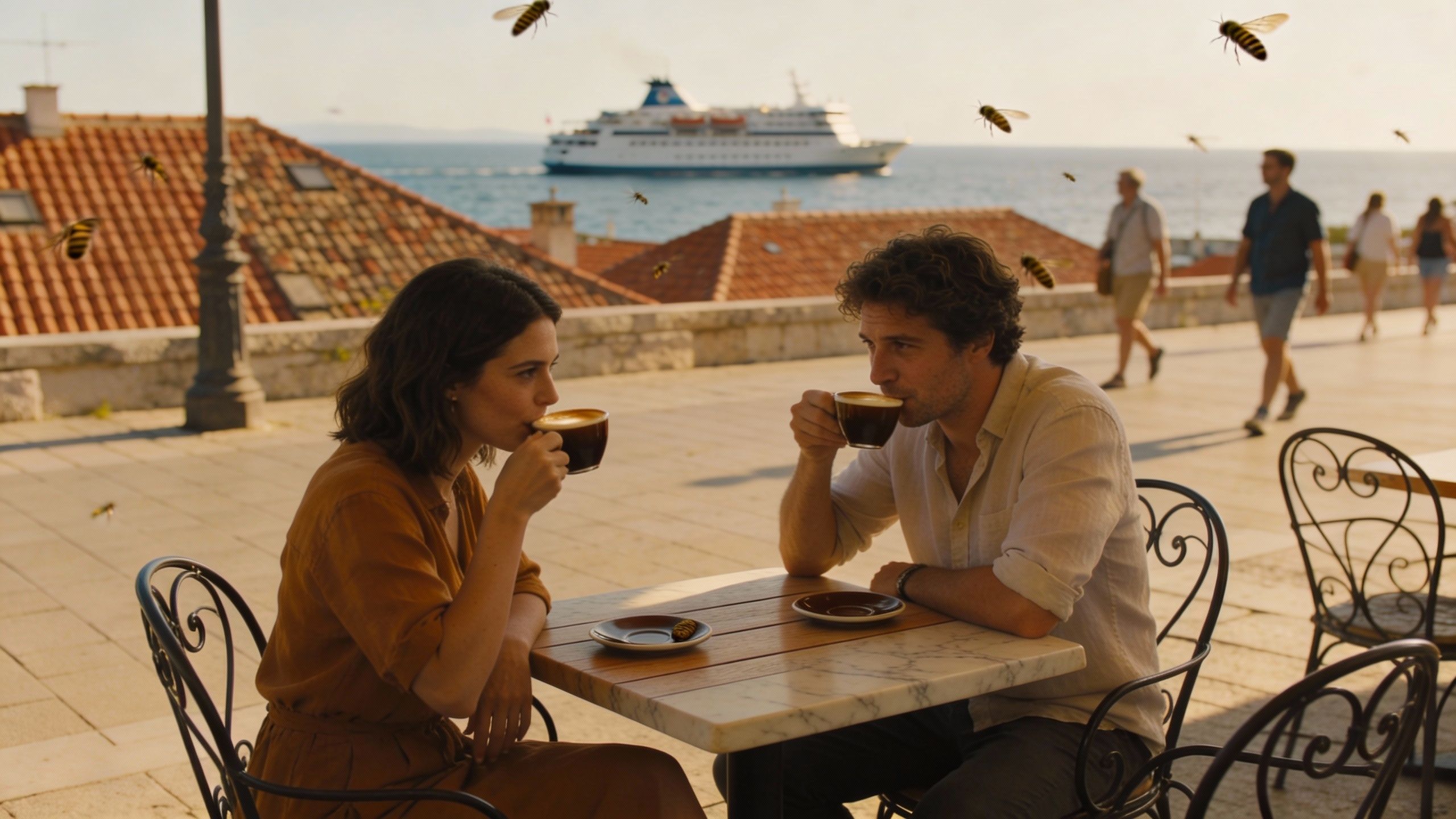
Imagine sipping a late-morning espresso on Zagreb’s Tkalčićeva, then boarding a ferry that afternoon to an Istrian village where fresh oysters arrive by boat. Croatia moves at two rhythms: urban energy and coastal slow time, stitched together by markets, neighborhood cafes, and festivals that make life feel both intimate and endlessly discoverable. That contrast shapes how property behaves here — prices spike where lifestyle concentrates, but value hides in the seams between tourist hotspots and local daily life. This guide blends the sensory — salted breeze, stone-paved laneways, market chatter — with up-to-date market signals so you can picture a life here and plan where to make it real.
Living the Croatia lifestyle
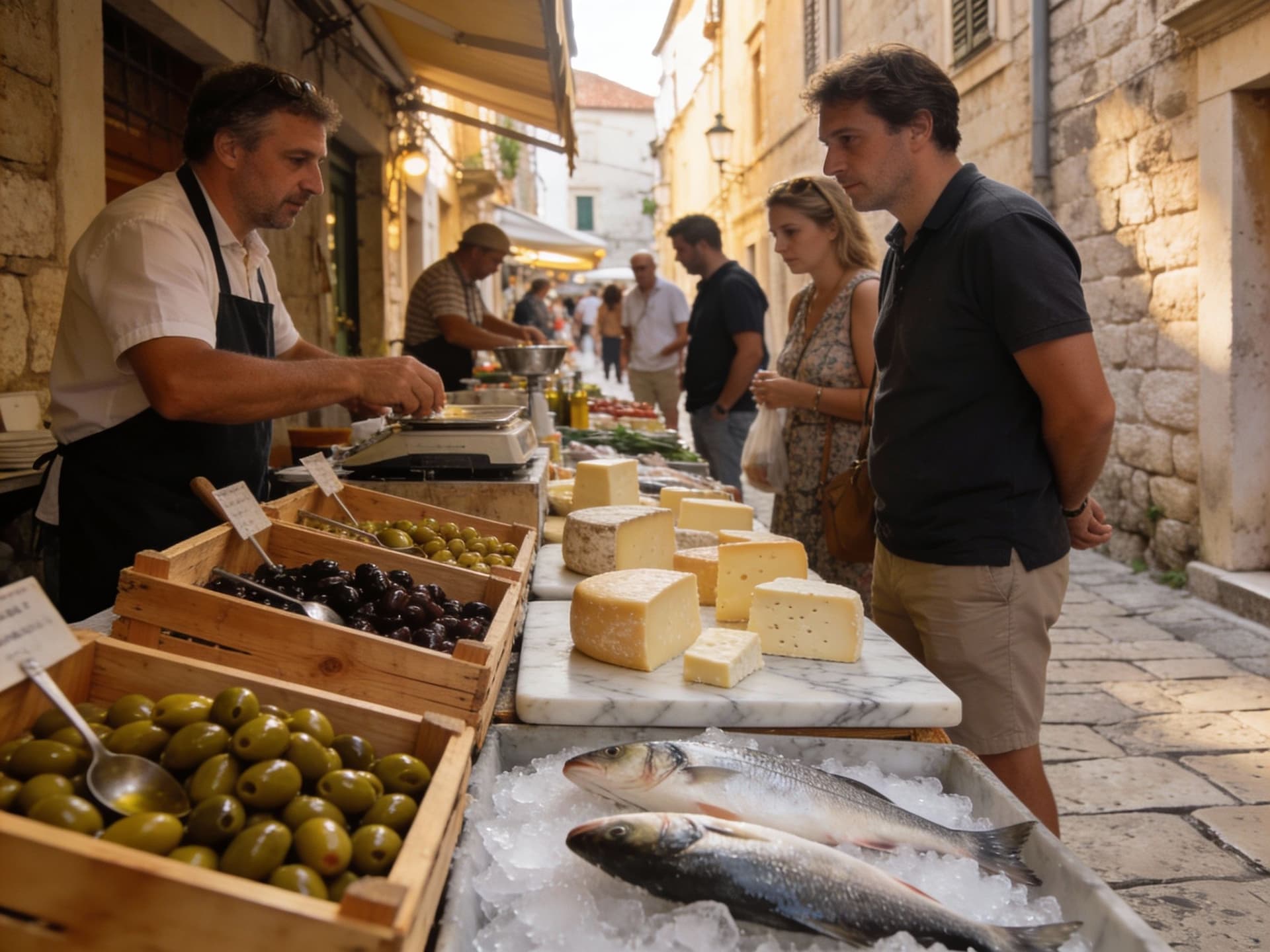
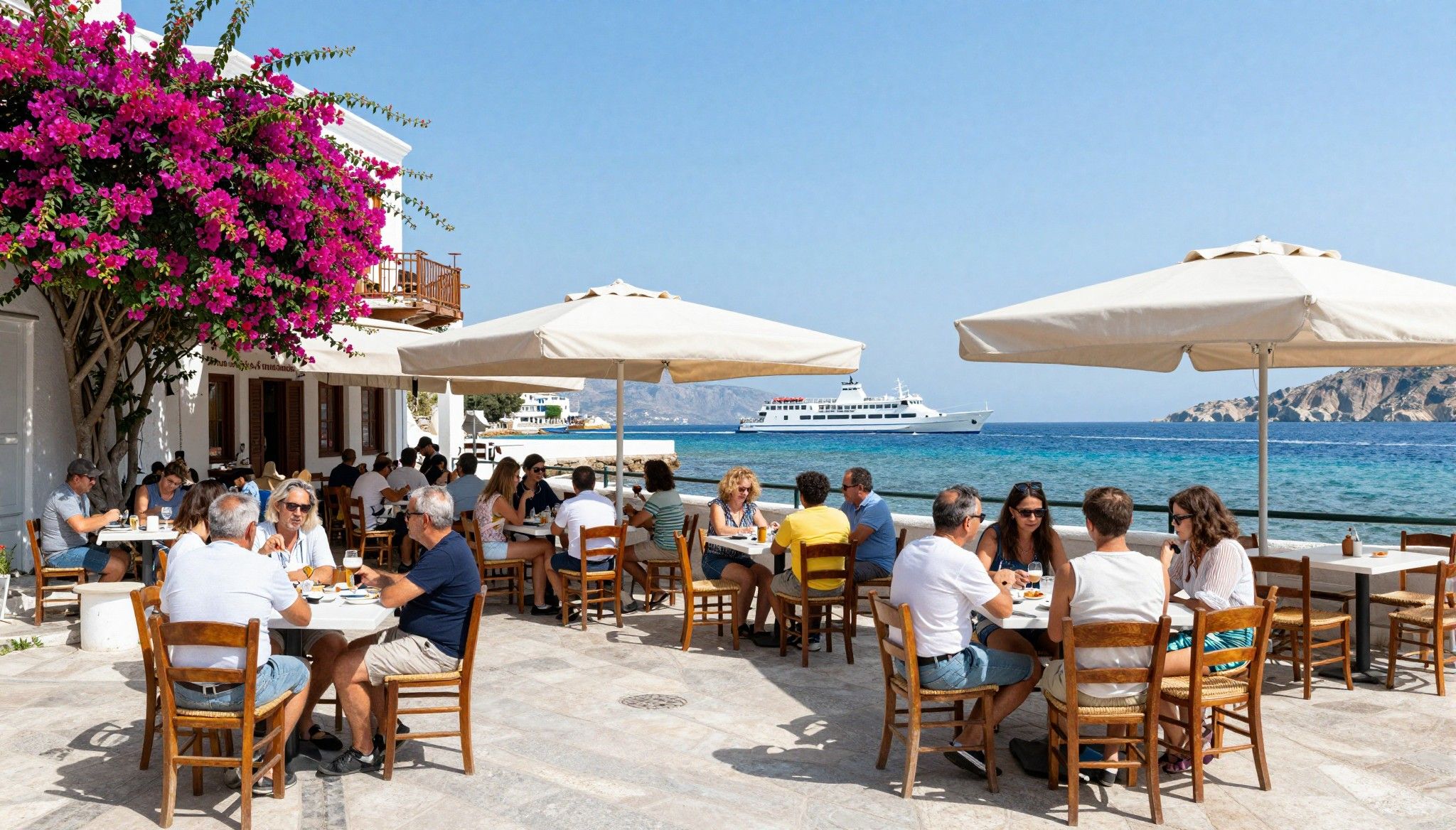
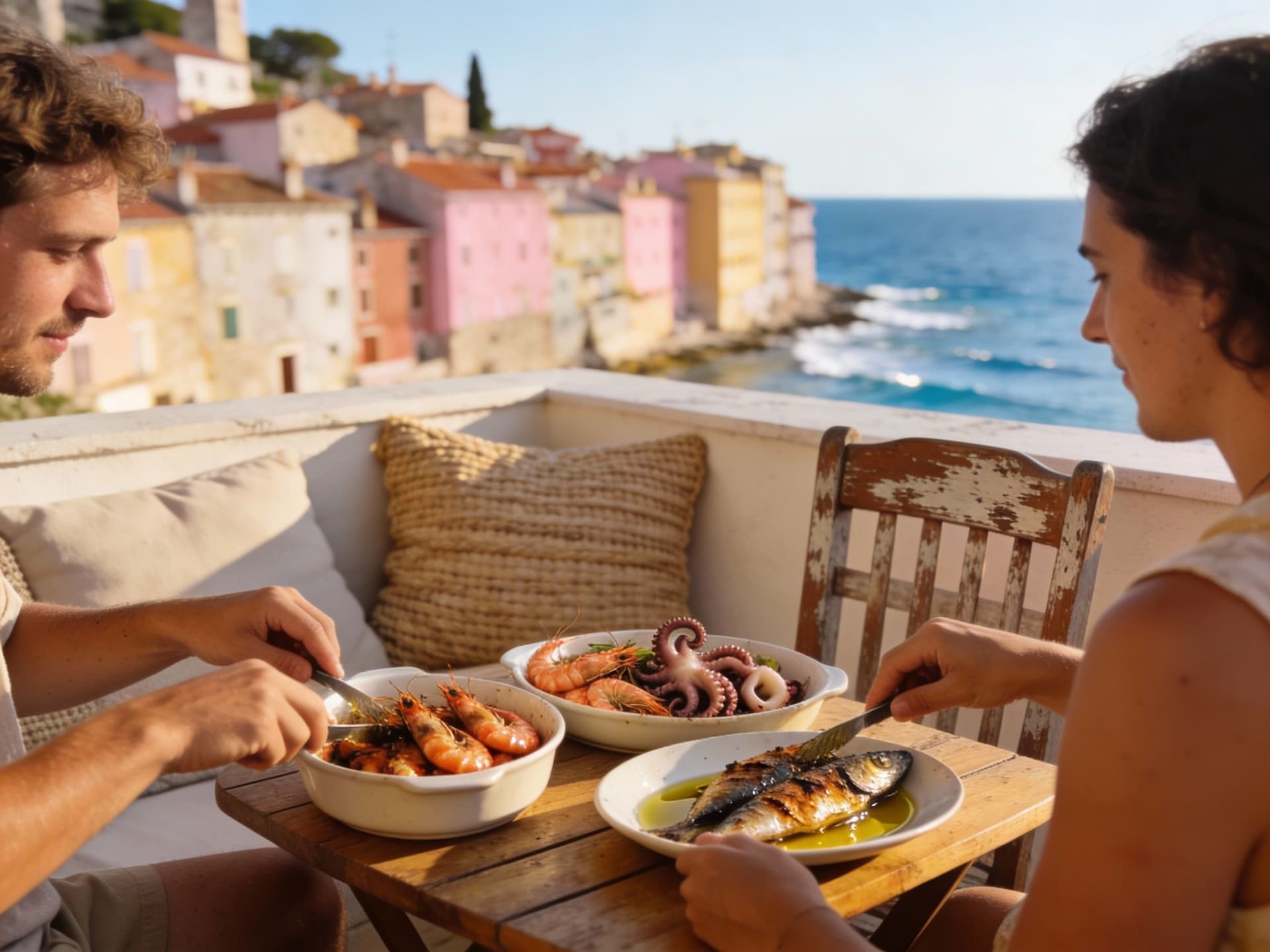
Croatia’s daily rhythms are vivid and highly local. In Split, mornings begin with workers loading fish at the Riva; in Rovinj, locals gather at Barbat fish stalls and children cycle to school past pastel facades. Evenings lean into long dinners — grilled seafood, plates of pršut and cheese, and conversations over local Malvazija or Plavac Mali. These patterns affect what buyers want: terraces that catch evening light, small kitchens for market cooking, and central squares where life happens. Translating that into property means prioritizing orientation, outdoor space, and walkable proximity to markets and waterfronts more than purely aesthetic finishes.
Zagreb, Dalmatian coast and Istria — different day-to-day worlds
Zagreb feels metropolitan: coffee shops on Ilica, weekend farmers’ markets at Britanski trg, and an active cultural calendar that keeps flats in central neighborhoods in steady demand. Contrast that with Dalmatia — Split’s Diocletian-era lanes, Hvar’s terrace culture, Šibenik’s quieter marinas — where the sea dictates life. Istria leans toward slow food and cycle routes; Pula mixes Roman ruins with lively summer festivals. Each area creates a different property rhythm: city apartments rented year-round, coastal homes that swell seasonally, and inland spots that attract long-stay buyers seeking quieter routines.
Food, markets and the social calendar that define neighbourhood choice
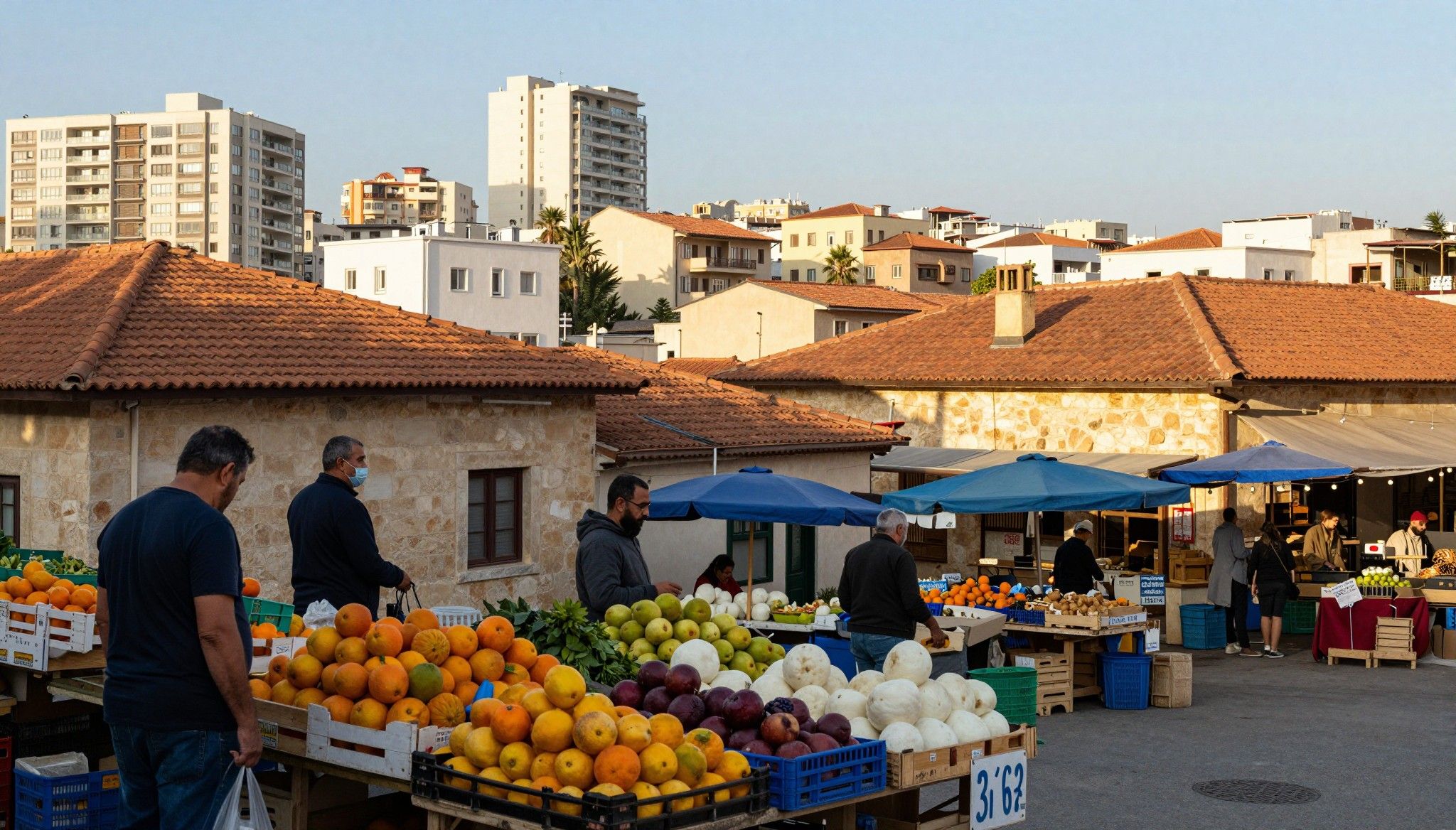
Markets are where neighbourhoods reveal themselves: Dolac in Zagreb, Split’s Green Market near the cathedral, Pula’s marketplace offering truffles and Istrian olive oil. For many buyers, proximity to these markets matters more than a larger terrace or a sea view because they determine everyday life quality. Festivals — Ultra in Split, Dubrovnik’s summer games, Pula Film Festival — create seasonal demand spikes that can skew short-term price perceptions. Recognising the social calendar helps you decide whether you want a lively, seasonal pulse or a steadier, quieter neighborhood.
- Lifestyle highlights worth mapping before you buy
Dolac market (Zagreb) — daily produce and weekend bustle; Riva (Split) — seaside promenades and cafe life; Lungomare (Makarska) — coastal walking path with local swimmers; Rovinj old town — narrow streets and seafood taverns; Brtonigla (Istria) inland wine trails — short drives to wineries and truffle routes; Mljet National Park ferry access — island sanctuary for nature lovers.
Making the move: practical considerations
The market backdrop matters: Croatia’s house price indices rose strongly through 2023–2025, with coastal and Zagreb districts leading gains. That growth is visible in both official and industry sources and explains why inventory in sought-after neighborhoods feels tight. At the same time, recent policy shifts — notably a move toward property taxation intended to discourage short-term rentals and idle stock — change the cashflow math for buy-to-let strategies. Understanding those numbers, and how they map to the lifestyle you want, is the difference between an inspired purchase and buyer’s remorse.
Property types and which lifestyle they support
Stone townhouse in Dubrovnik or Split: best if you crave walkable rhythm, small terraces and historical character but expect maintenance and stricter heritage rules. Modern new-build apartments in Zagreb or Rijeka: efficient layouts, warranties and better year-round rental demand for professionals. Seaside villas on Istria or Korčula: daylight, landscape and privacy, but factor in seasonal demand and higher running costs. Match physical property type to how you will live: cook daily, entertain often, rent seasonally, or retreat for months at a time.
Work with local experts who understand both life and law
Local agents, attorneys and tax advisors offer more than paperwork: they recommend streets that match your lifestyle, anticipate seasonal occupancy issues, and explain reciprocity rules for non‑EU buyers. For example, EU nationals can buy with fewer hurdles than some third‑country nationals who may need Ministry approval or to use a local company structure. A good agent familiar with both Split’s off-season realities and Zagreb’s rental market can help you model realistic occupancy and maintenance costs tied to your lifestyle objectives.
- Six pragmatic steps that marry lifestyle and market sense
1) Map the daily life you want (markets, commute, sea access). 2) Filter properties by seasonality impact (coastal vs. urban). 3) Run cashflow scenarios that include new property tax rules and potential long-term rental demand. 4) Order a local condition survey and check heritage restrictions for old towns. 5) Use a power of attorney to speed transactions when you can’t be present. 6) Budget for property management if you plan remote life or short-term lets.
Insider knowledge: what expats wish they'd known
Expat reality often diverges from the brochure. Many buyers overestimate year-round beachfront living — summer crowds can be intense, while off-season quietness is deep and rewarding in its own way. Long-term residents prize local rhythms: morning markets, community clubs, and seasonal festivals that anchor life but don’t show up in rental yield calculations. Respect for local rules — recycling routines, building maintenance norms, and municipal planning — pays off quickly and keeps community trust on your side.
Language, integration and everyday practicalities
Croatian is the local language but English is widely spoken in cities and along tourist routes; learning basic Croatian quickly opens doors at markets, municipal offices and with neighbours. Healthcare access is good in urban centres, while island and rural access often requires planning for specialist visits. Getting involved in local associations — a volunteer beach cleanup, a wine club, or a language exchange — accelerates integration and helps you assess neighbourhood suitability beyond glossy listings.
Looking five years ahead: scenarios that matter
Scenario A — steady urban growth: demand in Zagreb and university towns continues to outpace supply, supporting modest price rises and reliable long-term rentals. Scenario B — coastal rebalancing: property taxes and stricter short-term rental rules cool hyper-seasonal pockets and redirect demand to long-term rentals and quality renovation projects. Scenario C — selective overheating: rare coastal micro-locations with restricted supply and amenity upgrades still command premiums. Use scenario planning to align purchase timing with whether you prioritise lifestyle, yield, or capital appreciation.
If Croatia feels like a dream, it helps to anchor that dream in practical steps. Start by visiting neighbourhoods in different seasons, shortlist streets that match how you want to spend weekdays and weekends, and ask agents to show comparable off-season occupancy figures. Hire a local lawyer early to check reciprocity and registration timelines; EU buyers will move faster than some third-country nationals who may need Ministry approvals. Finally, work with an agency that understands the lifestyle you’re buying into — not just the transaction — so your home supports daily routines, community ties, and the slower pleasures that make Croatia feel like home.
Norwegian market analyst who relocated to Mallorca in 2020. Focuses on data-driven market insights and smooth relocation for international buyers.