Croatia: When Off‑Season Hunting Backfires — Scenarios & Data
Tourism and cooling transactions make timing in Croatia critical—use season-aware scenarios and local occupancy data to decide if a coastal dream is a home or a short‑term premium.
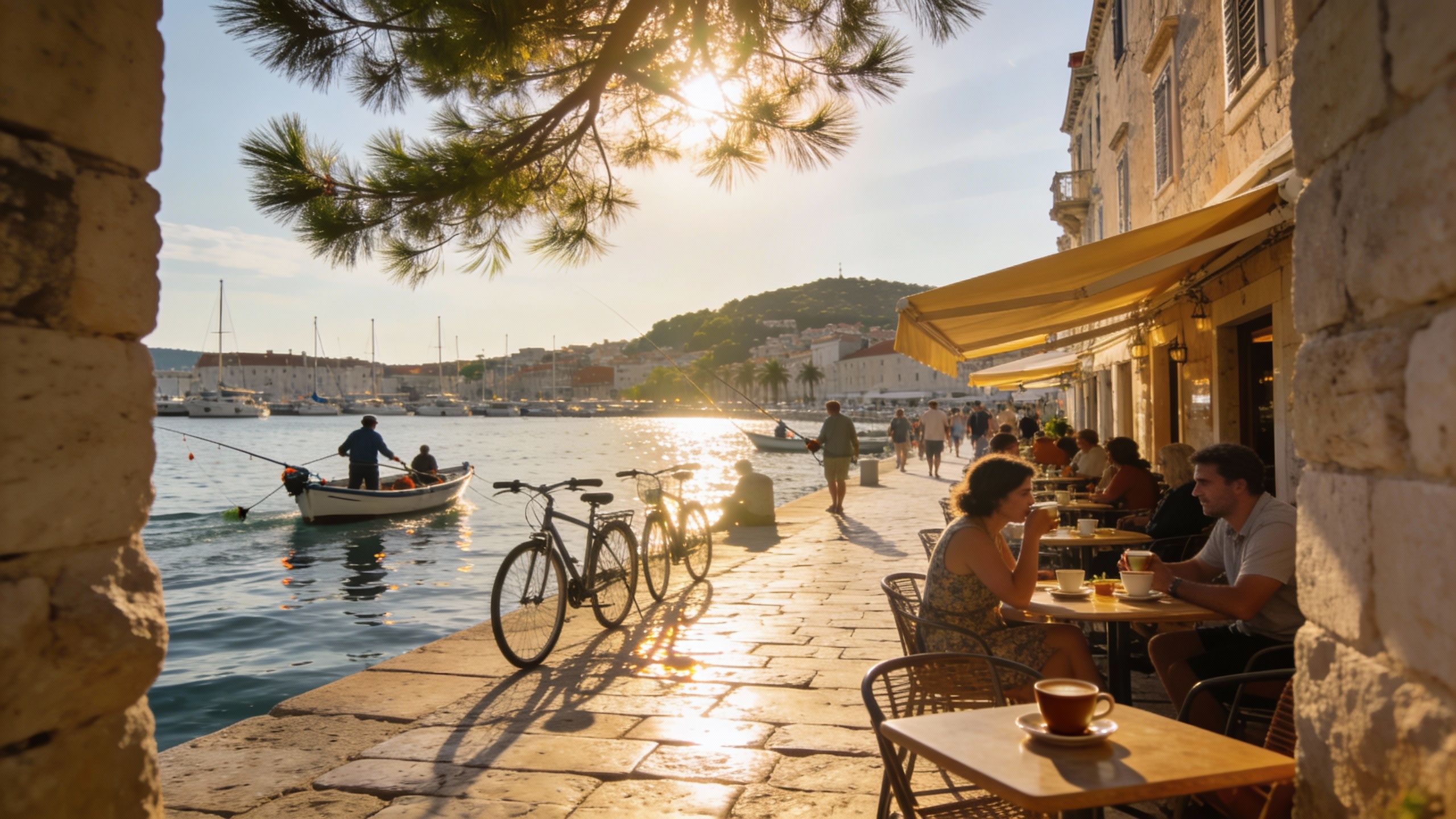
Imagine sipping an espresso on Split’s Riva at 09:00, market fish sizzling for lunch, and a neighbour waving as they unload a boat — that unhurried Adriatic rhythm is why people buy in Croatia. But the feel of a place and the rhythm of its market aren’t the same thing. Recent tourism surges and shifting transaction volumes mean timing, neighbourhood nuance and a clear scenario plan matter for anyone chasing a Croatian life.
Living the Croatian life: seasons, streets and smells
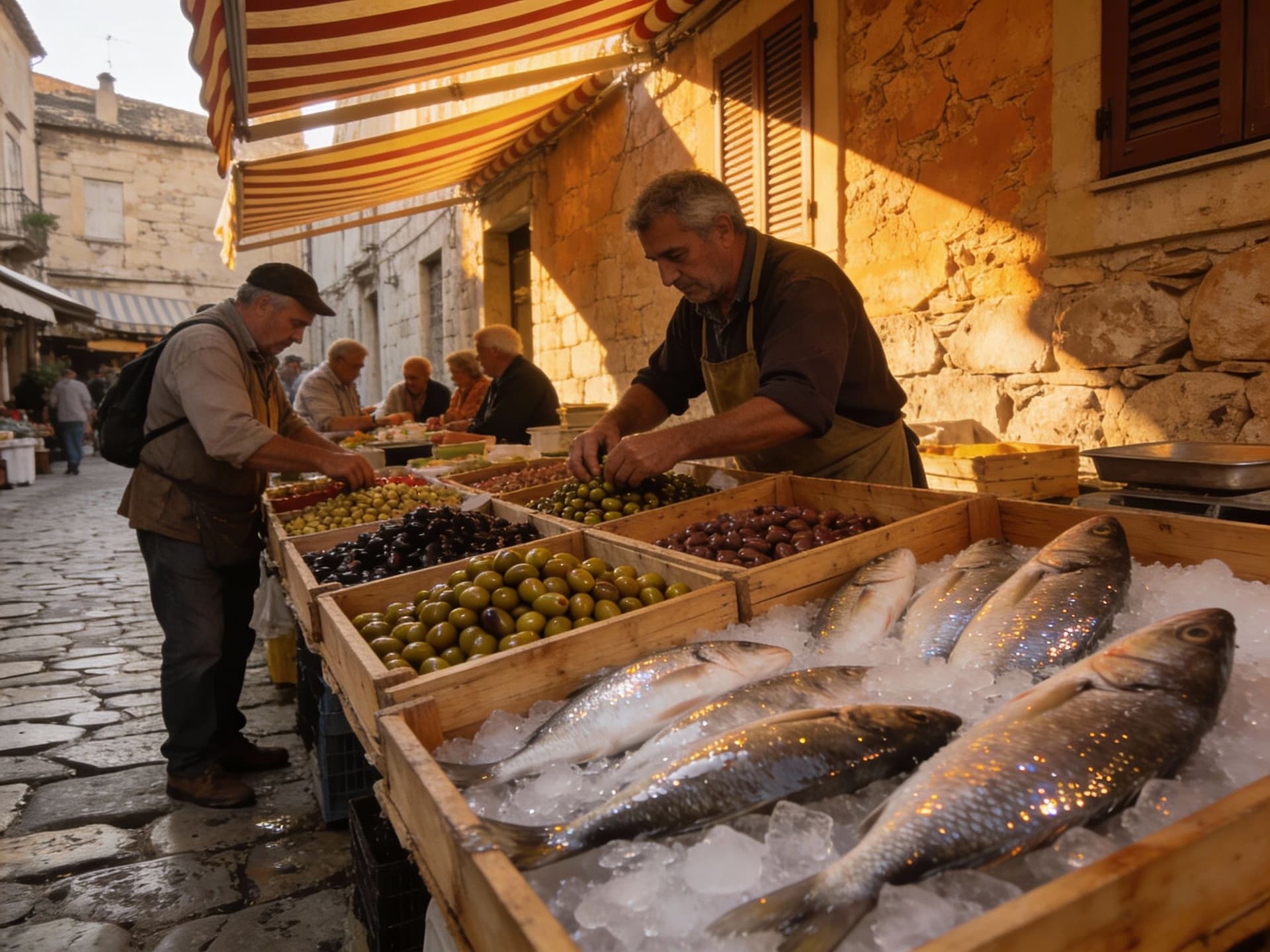
Croatia’s public squares, narrow stone streets and pine-scented coasts are lived-in year-round, though in summer they hum with a different energy: restaurants expand onto cobbles, markets stay open longer and islands fill with day-trippers. That summer life is backed by data — visitor numbers and coastal transaction concentration remain drivers of coastal pricing — so what you experience on holiday is often the market’s busiest face.
Zagreb and the Adriatic: two different heartbeats
Zagreb moves with office hours, students and cultural seasons: cafes fill on weekdays, museums draw crowds in autumn. By contrast, Istria, Split and the Dalmatian islands pulse with tourism and short-term rental demand; cafes open early for boat crews and restaurants close for a winter reset. Those different rhythms shape what neighbourhoods feel like and how properties perform as homes or investments.
Food, markets and the small rituals that matter
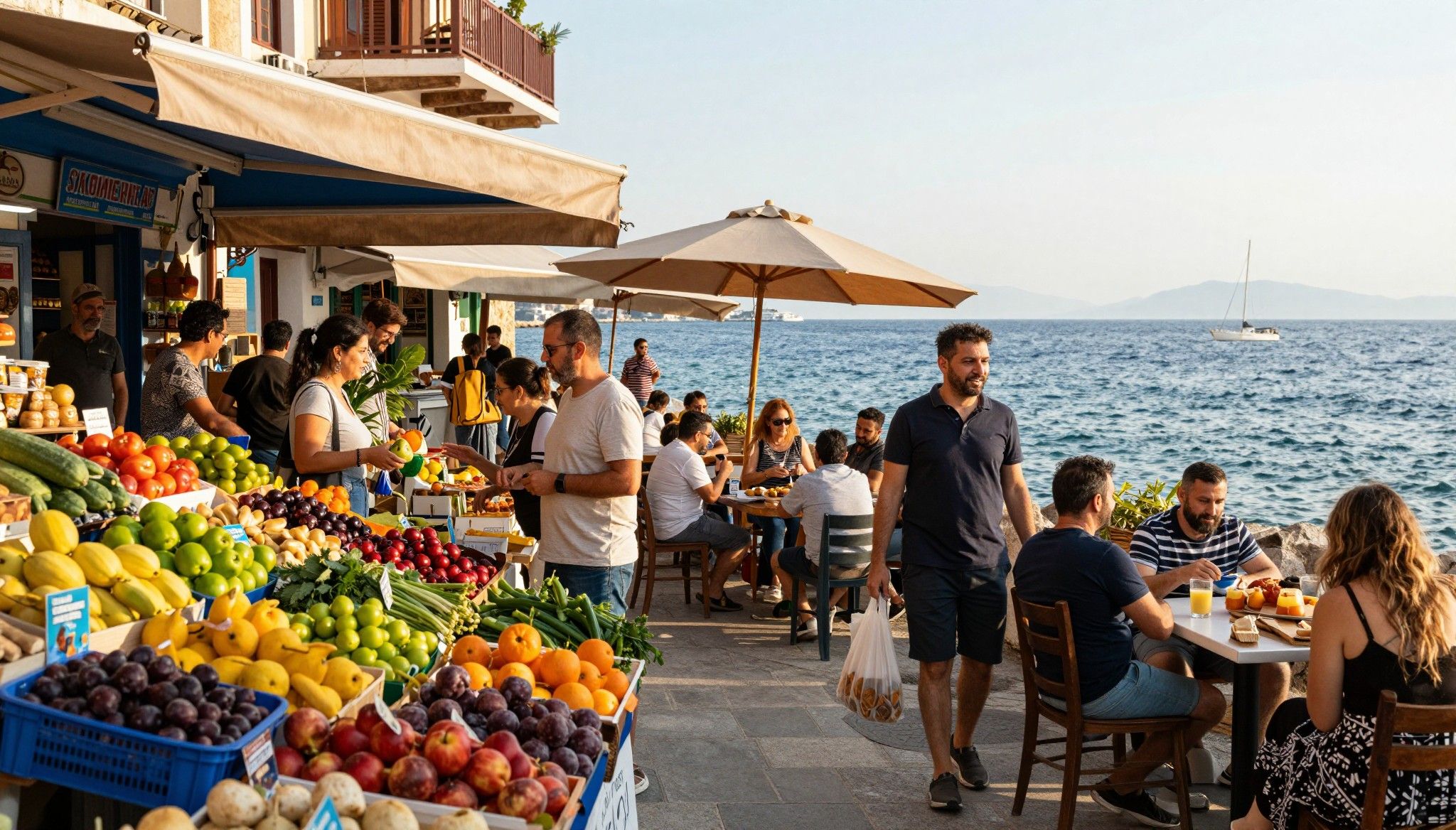
Picture Saturday at Hvar’s fresh market, olives stacked on scales in Istria, or a fishermen’s tavern in Šibenik at dusk. These rituals determine where locals buy and where expats settle: proximity to weekly markets, a reliable neighbourhood konoba, or a cove you can reach by foot turn a property into a lived place—not just an asset.
Lifestyle highlights worth prioritising
Walkable old towns: Split’s Veli Varoš and Dubrovnik’s Ploče for daily coastal life and immediate access to cafés and the sea.
Weekday city life: Zagreb’s Donji Grad for culture, schools and public services that matter long-term.
Market towns: Rovinj and Korčula for food culture and community markets that sustain year-round living.
Making the move: practical scenarios that change the outcome
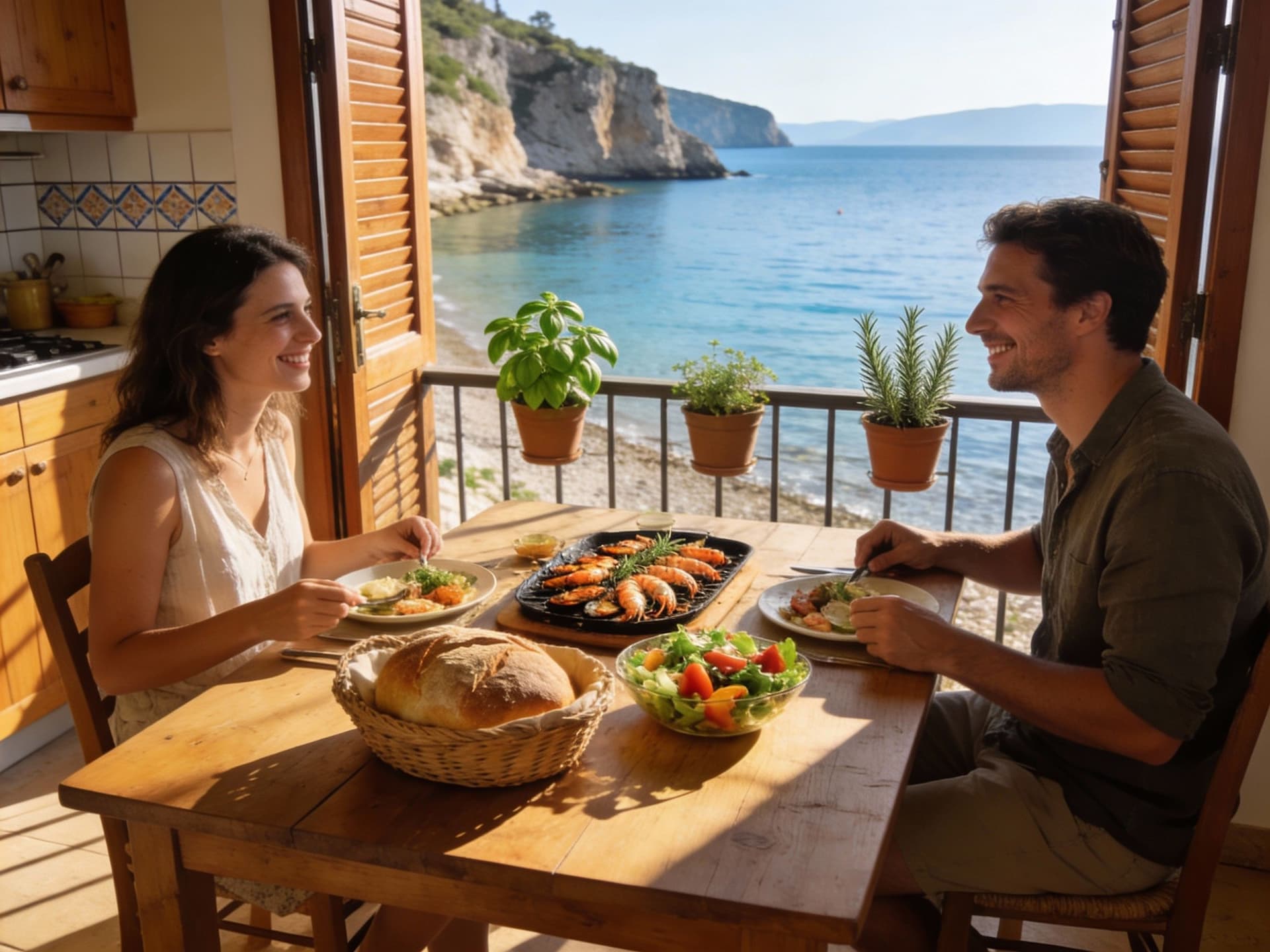
Lifestyle sells the dream, but macro shifts create distinct buyer scenarios. Transaction volumes cooled in 2025 while tourist numbers remained high; that split creates opportunities—and traps—for buyers who don’t plan for seasonality, short-term rental regulation risk, or currency and finance changes.
Scenario A — The Holiday-First Buyer (summer bias)
If you buy based on summer impressions you’ll pay a premium for proximity to beaches and waterfront cafés. That premium performs well for short-term rentals during July–August, but may underperform for year-round capital growth or long-term living if municipal short-term rental rules tighten or vacancy rises outside peak season.
Scenario B — The Off-Season Hunter (autumn/winter viewings)
Viewing in October or February gives you quieter negotiations but can hide demand for holiday-ready units: stock that looks cheap off-season may command a premium once summer bookings return. Data shows prices rose strongly through 2024 even as sales slowed, so off-season bargains aren’t guaranteed.
Scenario C — The Long-Term Settler (life, not rental)
Buyers focused on schools, healthcare and community should bias towards Zagreb, Rijeka and larger coastal towns where year-round services reduce lifestyle friction. You’ll trade some seasonal glamour for daily convenience; in Croatia that trade often yields better long-term comfort than a summer-only seafront address.
Steps to test which scenario fits you
Visit at least once in off-peak season to assess noise, daylight and local services; compare booking calendars to see true short-term rental demand.
Map three neighbourhoods: one tourist core, one service-led town, and one quieter inland spot; track prices and listings for three months to spot trends.
Ask local agents for recent occupancy data and municipal rules on short-term rentals; regulatory changes have moved quickly and affect returns.
Insider knowledge: what expats wish they'd known
Expats often tell the same stories: they underestimated winter logistics, overestimated short-term rental income, or confused holiday charm with everyday infrastructure. The reality is nuanced: foreign buyers still account for a significant share of transactions, but municipal rules, mortgage costs and seasonal service levels reshape returns and daily life.
Language, community and the first winter
Croatian is central to deeper social integration; learn basic phrases, find the neighbourhood bakery and join a local association. Your first winter will teach you which shops stay open and which services pause — that’s when you’ll know if a place truly fits your life rather than your holiday dream.
Working with agents who understand seasons and scenarios
Good local agencies go beyond listings: they show off-peak neighbourhood life, provide occupancy and utility-cost records, and explain municipal registration and rental rules. Treat them as scenario consultants who translate lifestyle needs into property specs.
Ask for three-year occupancy and utility cost statements, recent neighbours’ experiences, and introductions to local craftspeople for immediate maintenance estimates.
If strong rental income matters, require historical booking data (not just listing claims) and plan for regulatory shifts that may change yield math rapidly.
Conclusion — imagine the life, plan the scenarios: Croatia offers a Mediterranean daily life that’s tangible and varied. Use season-aware scenarios, demand-backed data and local expertise to avoid summer-siren traps. Visit off-season, demand occupancy proof, and map neighbourhood services before signing. Do that, and your Croatian life will feel as lived-in as the markets and cafés that first drew you here.
Swedish strategist who relocated to Marbella in 2018. Specializes in legal navigation and tax planning for Scandinavian buyers.