Croatia: Season, Street Life and What Prices Really Mean
Croatia’s coastal romance meets hard data: 2024 saw double‑digit new‑build price rises and policy shifts on short‑term lets—plan seasonality, regulation risk, and on‑the‑ground advice.
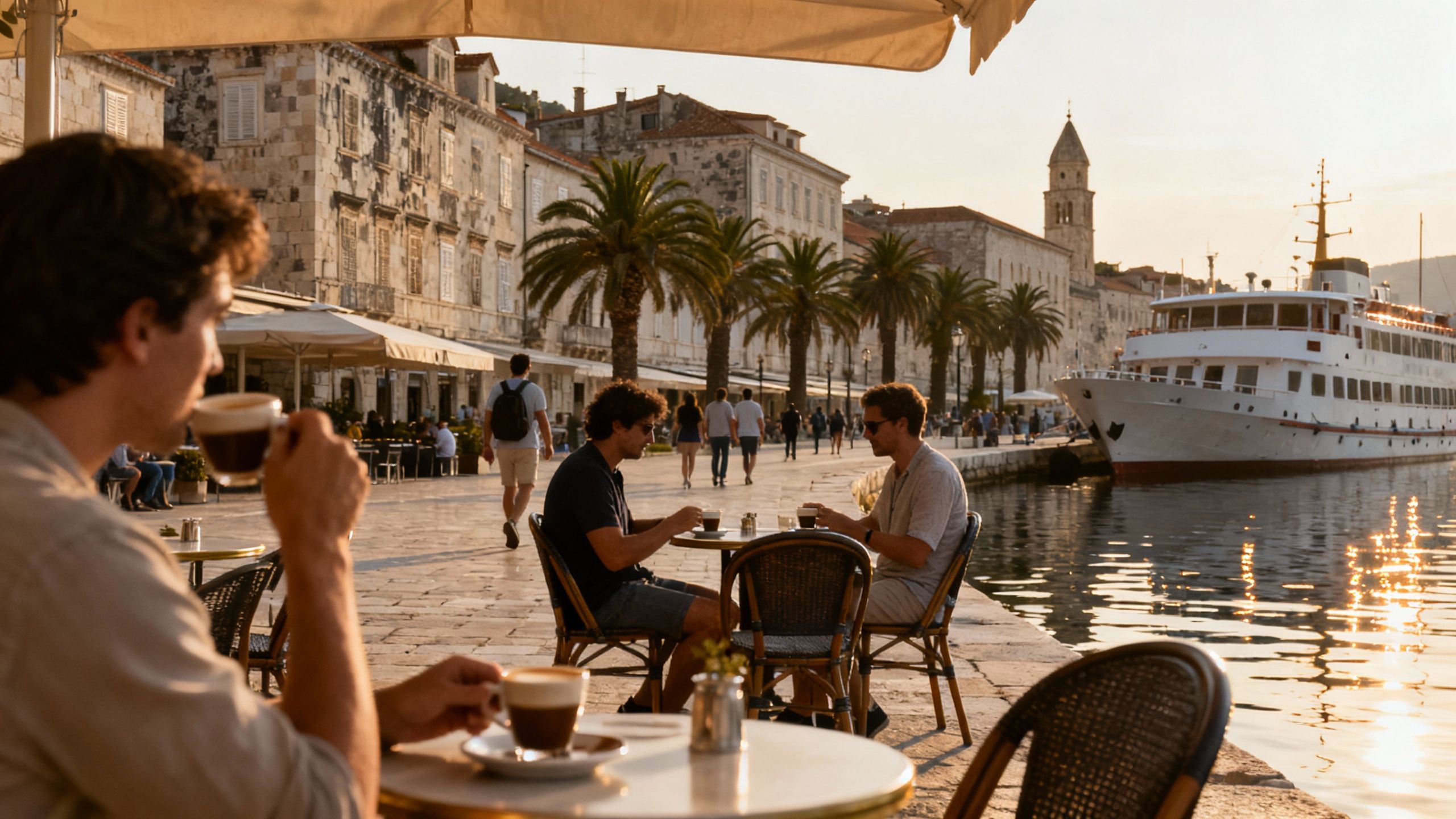
Imagine walking down a pebble street in Rovinj at 9am, windows thrown open, fishmongers calling the catch of the day and an espresso steaming beside you. That easy, sunlit rhythm—coastal markets, late-night konobas and island ferries—explains why people fall for Croatia. But if you’re plotting a move, lovers’ lore alone won’t keep your mortgage or taxes in check. Recent market analysis shows strong price momentum on new builds and coastal hotspots, alongside policy moves that are changing investor calculations.
Living Croatia: day-to-day life and where it matters
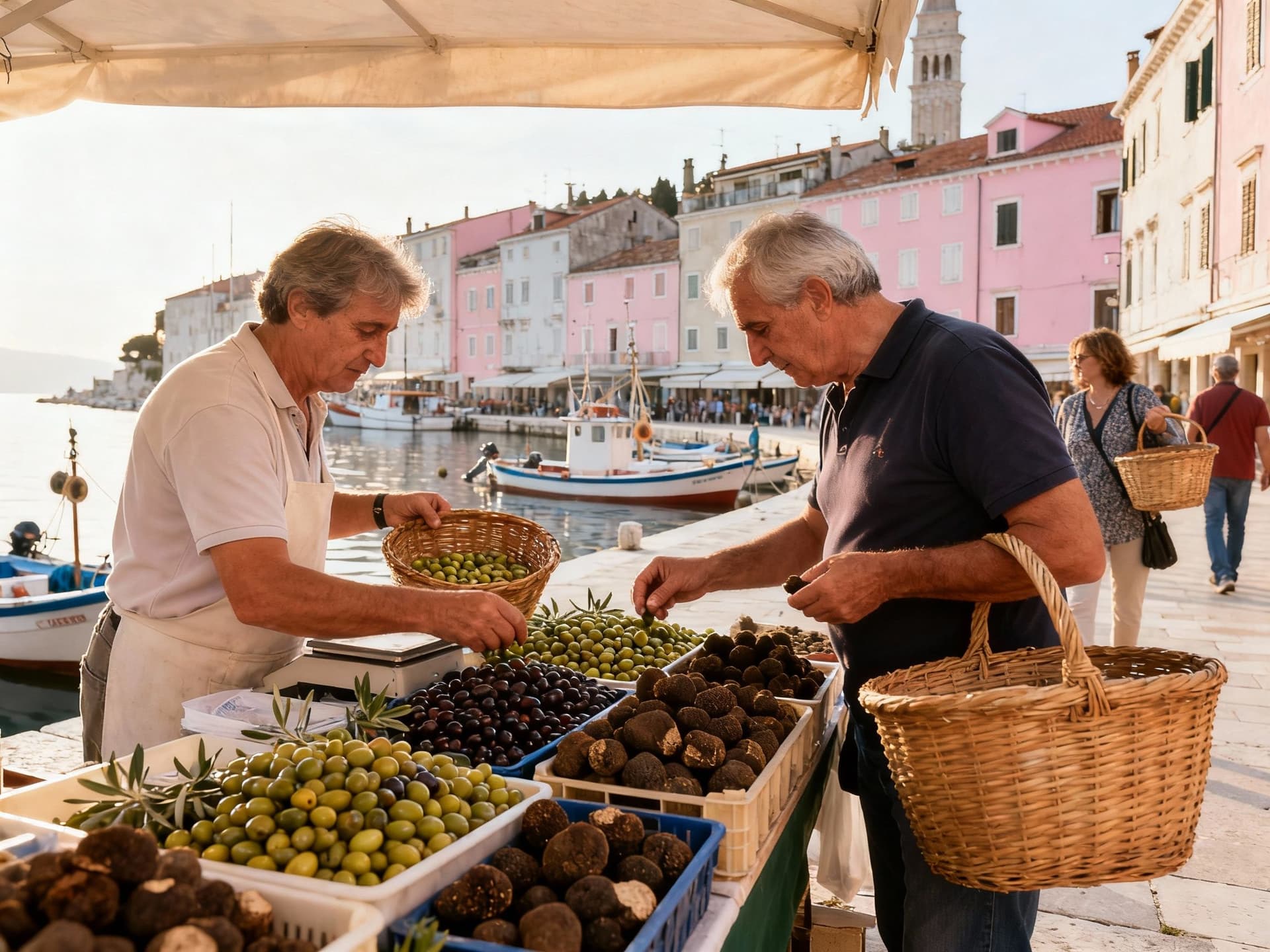
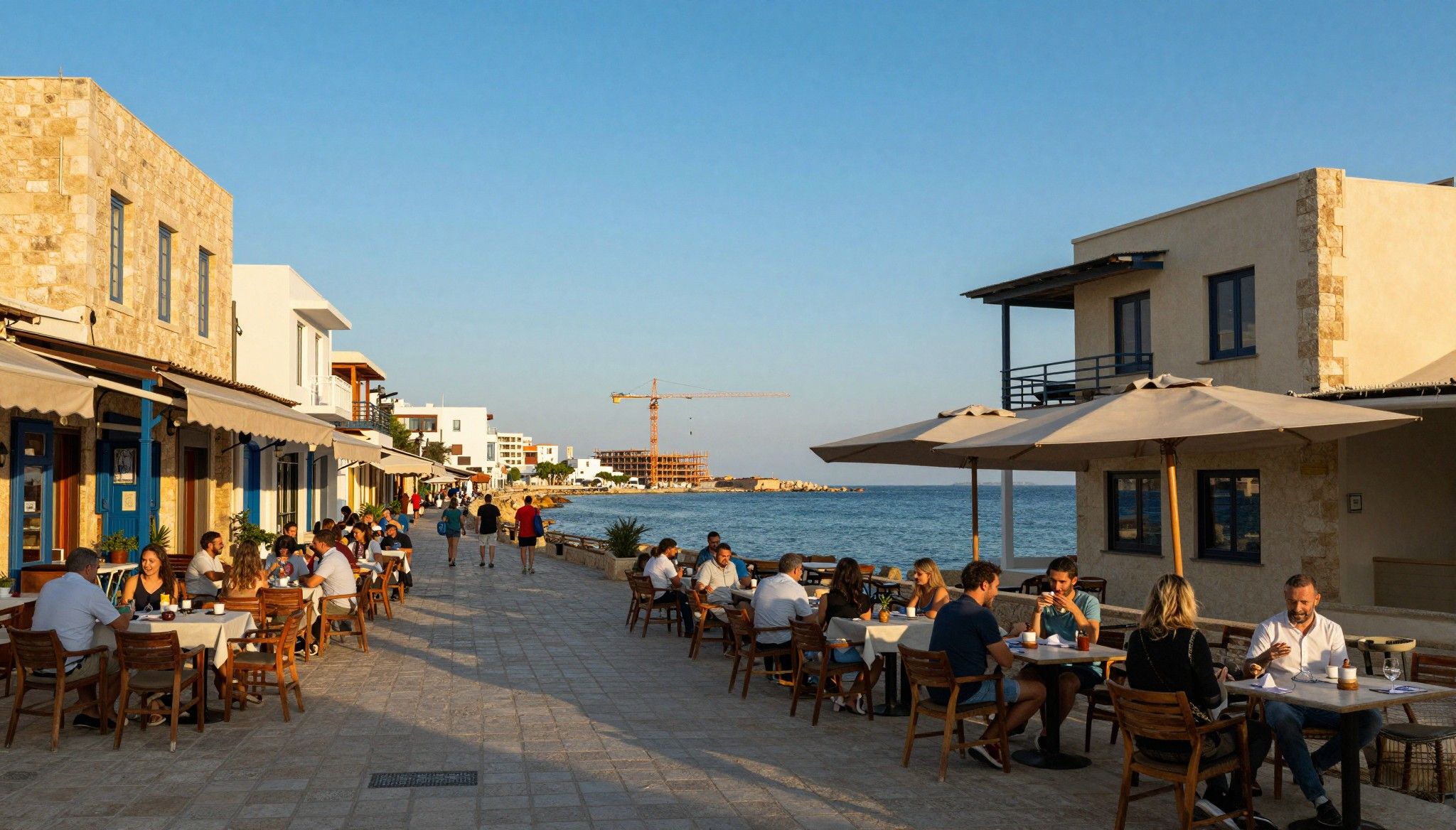
Croatia’s daily rhythm flips between two moods: the slow coastal day—bakeries at dawn, long lunches, late dinners—and the brisk urban pulse in Zagreb where tram routes, galleries and cafés set a different tempo. Seaside towns such as Split, Dubrovnik and Hvar hum in summer but show a more local, neighbourly life in shoulder seasons. That seasonal swing should shape what you buy more than headline prices: a compact apartment near Diocletian’s Palace behaves differently from a stone house in Istria’s hilltop hamlet.
Spotlight: Dalmatian coast — Split, Trogir, Šibenik
Picture morning swims off Bačvice, walking to the fish market in Veli Varoš, and tucking into pašticada at a family konoba in Šibenik. These places pair compact urban living with immediate sea access. For buyers this means higher per-square-metre prices but reliable year-round rental demand in pockets — and stronger regulation risk as authorities clamp down on short-term lets in historic centres.
Spotlight: Istria & Kvarner — Rovinj, Pula, Opatija
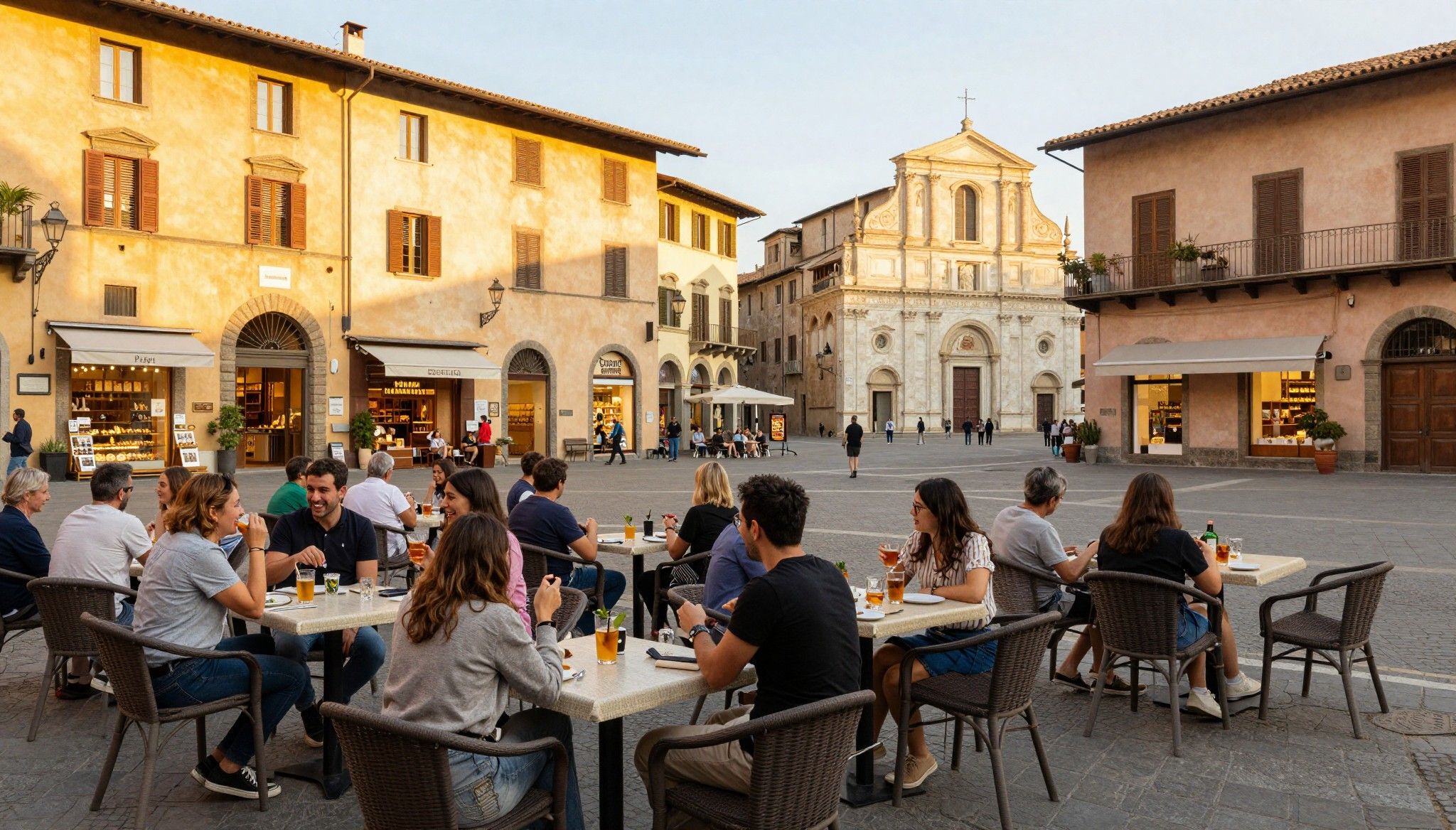
Istria’s cobbled streets, Venetian façades and inland olive groves attract buyers chasing lifestyle and culinary culture. Towns like Rovinj and Motovun trade coastal glamour for quieter year-round life; villas on the western coast offer Mediterranean living with quick links to Italy. Expect a premium for restored stone houses and proximity to airports (Pula, Rijeka).
- Lifestyle highlights: market mornings, beaches and hidden cafés
- Stroll Split’s Riva then explore Varoš alleys for authentic konobas
- Sunrise swims and coffee on Hvar’s waterfront before ferries run
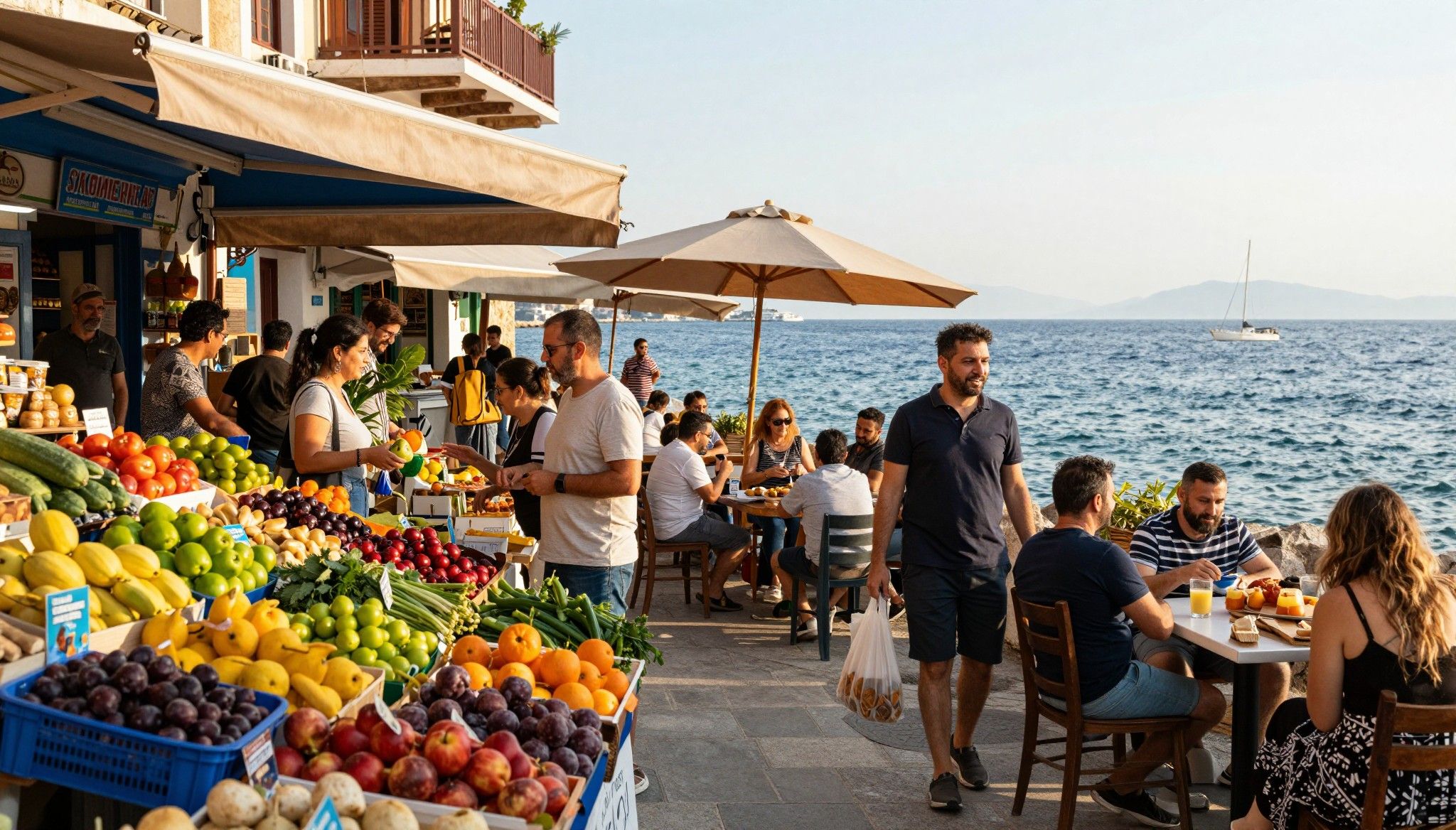
- Rovinj’s market on Grisine for truffles, olive oil and local prosciutto
Making the move: practical considerations that support the life you want
Dreams must meet data. Croatia’s official statistics show new‑build prices jumped double‑digits in 2024 in places, with national averages for new dwellings around €2,600/m² in late 2024; house price indices rose roughly 10% year‑on‑year for 2024. That growth coexists with cooling foreign demand and targeted policy changes—factors that tip the balance between buy-to-live and buy-to-let strategies.
Property styles: what to choose for how you’ll live
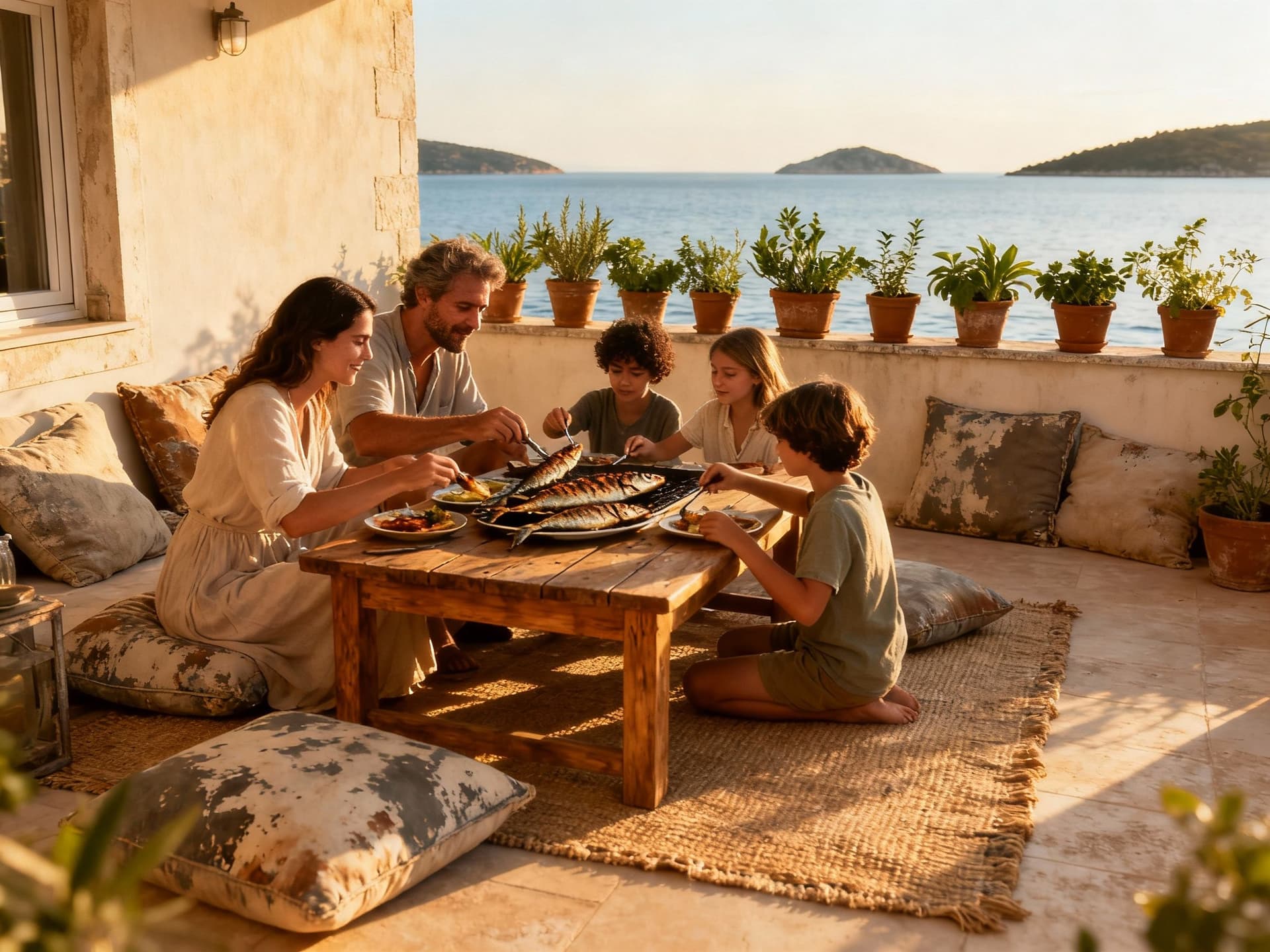
If you want year‑round life with local networks, look for smaller historic apartments near town centres (Zagreb’s Gornji Grad, Split’s Varoš). For outdoor living choose terraced modern builds with balconies and covered outdoor kitchens common in Istria and Dalmatia. Stone houses need specialist renovation budgets and seismic assessments; new builds offer easier immediate move‑in but often cost more per square metre.
Work with experts who know the seasons and streets
Use agents who spend time on the ground—walking blocks at 8am and midnight—to judge neighbourhood life beyond listing photos. Ask for comparable rental calendars, seasonality-adjusted yield projections, and recent permit checks. Local lawyers should verify land registry entries (Zemljišna knjiga) and any municipality rules that limit short‑term rentals in historic zones.
- Steps to align lifestyle and purchase (practical + lifestyle blend)
- Visit in two seasons: peak to feel the buzz, shoulder-season to see everyday life
- Request a 12‑month neighbourhood diary from your agent: noise, parking, ferry timetables
- Build a renovation buffer for stone homes (10–25% of purchase price depending on condition)
- Plan for policy risk: the government has proposed property tax changes and short‑let controls that affect coastal returns. Factor these into yield forecasts.
Insider knowledge: what expats wish they'd known before they bought
Here’s the kind of blunt, practical truth expats trade over coffee: tourism shapes many towns’ rhythms and policy is catching up. Croatia moved to tighten short‑term rental rules in 2024 and proposed a property tax reform to return housing stock to long‑term residents. Those measures change cashflow expectations and neighbourhood character — in some towns reducing summer chaos, in others squeezing owner income.
Cultural integration and everyday living
Croatians prize directness, family ties and local rituals: market bargaining, church feast days, and weekend barbecues. Learning basic Croatian phrases opens doors; joining a local association or konoba regulars accelerates social life. Clinics, schools and services vary—Zagreb and Rijeka have the broadest options; smaller islands rely on ferry timetables and seasonal services.
Long-term scenarios: three ways your life (and value) can evolve
Scenario A — Live-first, value later: You buy to live in a non-touristy village, accept modest near-term appreciation but high quality of life. Scenario B — Managed rental: You buy a coastal apartment, rent it during summer but prepare for tighter short‑let rules and fluctuating yields. Scenario C — New‑build hedge: You buy a modern development with warranties and lower maintenance; prices rose strongly in 2024 but foreign buyer appetite cooled into 2024–2025, so liquidity varies by location.
- Red flags and practical checks before you sign
- Unclear land registry entries or multiple servitude notes — ask for an extract from Zemljišna knjiga
- Historic centre permits — many old towns restrict new short‑let licences or renovations
- Absent energy certificates or poor insulation in old stone houses — expect extra costs
Conclusion: fall in love first, plan second
Croatia delivers a life that’s tactile—markets, sea, small‑town routines—and a property market that is maturing fast. Use on‑the‑ground agency expertise to translate the lifestyle you want into a contract that survives policy shifts and seasonality. Start with a two‑season visit, get local comparables, and insist on documented municipal rules for your property type. Then let yourself imagine the espresso, the market, the ferry — but keep the numbers close.
British investor turned advisor after buying in Costa del Sol since 2012. Specializes in cross-border compliance and data-driven investment strategies for UK buyers.