When Croatia’s Summer Mirage Hides Year‑Round Opportunity
Croatia’s coast is seasonal theatre and year‑round life — buy with the rhythm, not the high‑season mirage; test neighbourhoods off‑peak and factor policy shifts.
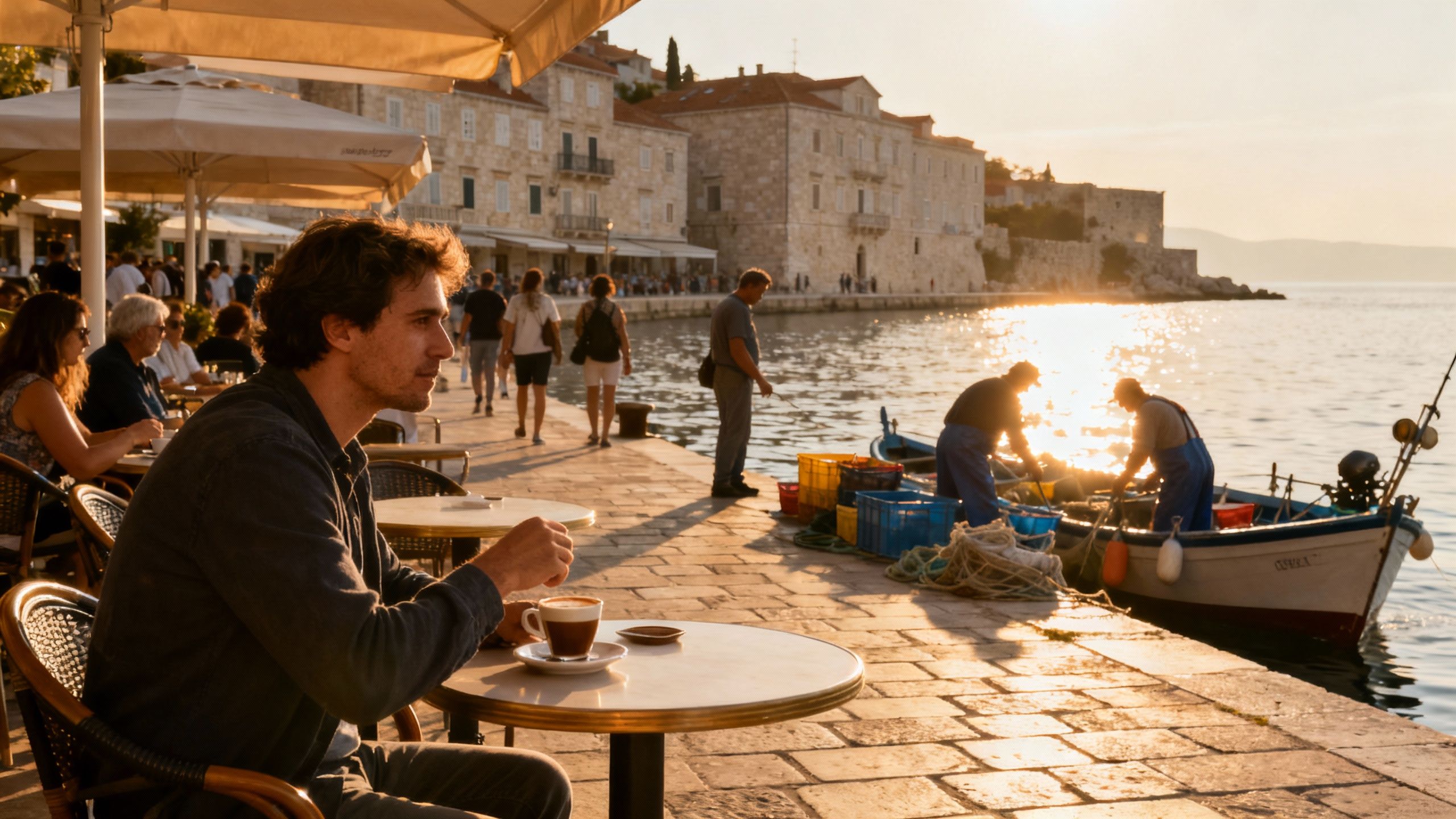
Imagine sipping an espresso on Split’s Riva as morning light slides off limestone façades and fishermen bring in the day’s catch — then watching the same street thin out by November, leaving a quieter rhythm that locals call normal. That seasonal flip is the first secret international buyers miss: Croatia’s coast is not a single, year‑round postcard. It’s a sequence of lives — high‑season spectacle, shoulder‑season community, low‑season neighbourhood reality — and each rhythm affects price dynamics, rental demand and the type of property that delivers the life you want.
Living the Croatian Life: more than sun and marinas
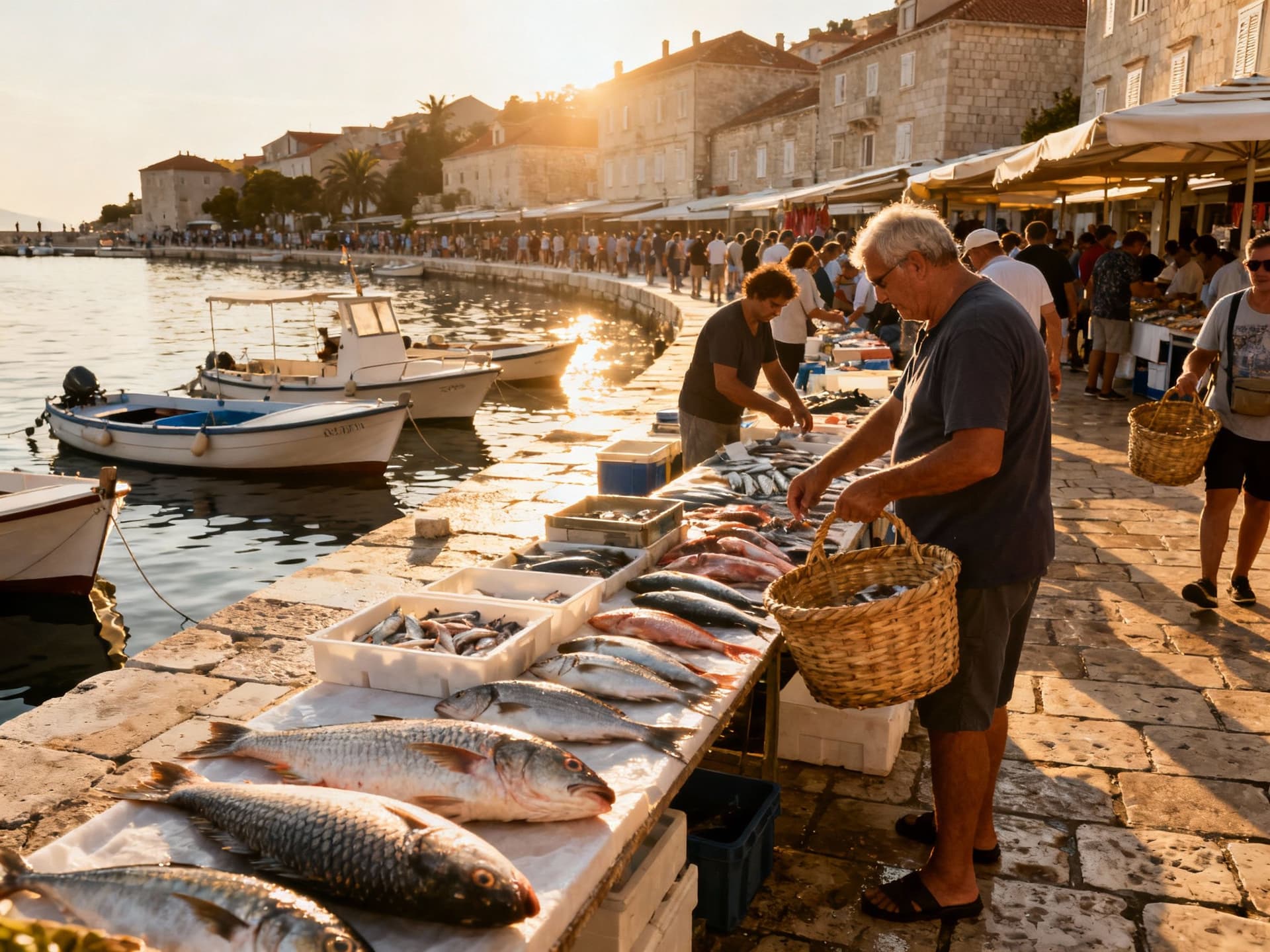
Croatia’s Adriatic coast hums with tourism — record arrivals and 108 million+ overnight stays in 2024 mean vibrant summers and healthy short‑term rental markets. But once you step off the marina and into the morning markets of Hvar, Rovinj or Šibenik, you notice a different economy: family cafés open early, bakeries line narrow streets, and community life centers on year‑round services. Those quieter months are where long‑term neighbours live and where price stability shows itself. Buyers who pay only attention to July prices often overpay for lifestyle they won’t have in November.
Split: Riva mornings, Veli Varoš sunsets
Walk from Diocletian’s Palace toward Veli Varoš and you’ll pass family bakeries, tiny grocers and apartments whose terraces feel lived‑in. Veli Varoš rewards people seeking daily life — neighbors who know names, water access for morning swims, and small renovation opportunities in stone houses. Expect narrower streets, limited parking, and properties that need sensitive restoration rather than turnkey gloss; the payoff is authentic local living rather than tourist theatre.
Istria: Rovinj lanes and inland truffles
Rovinj and Pula share a mix of coastal tourism and agrarian hinterlands. Weekends here can be truffle‑hunts or wine tastings inland and fresh seafood by the quay. Properties outside the old town — olive groves, small stone houses on lanes like Monte Zaro’s flanking streets — often offer better value and year‑round livability than seafront addresses that peak only in July and August.
- Lifestyle highlights to test‑drive in person
- Morning coffee at Split’s Kolenda, then a walk through the fish market on Matejuška
- Sunday farmers’ market in Zagreb’s Dolac for seasonal produce and community chatter
- Afternoon comercios in Rovinj followed by an evening aperitif on the old town ramparts
Making the move: marry lifestyle vision with market reality
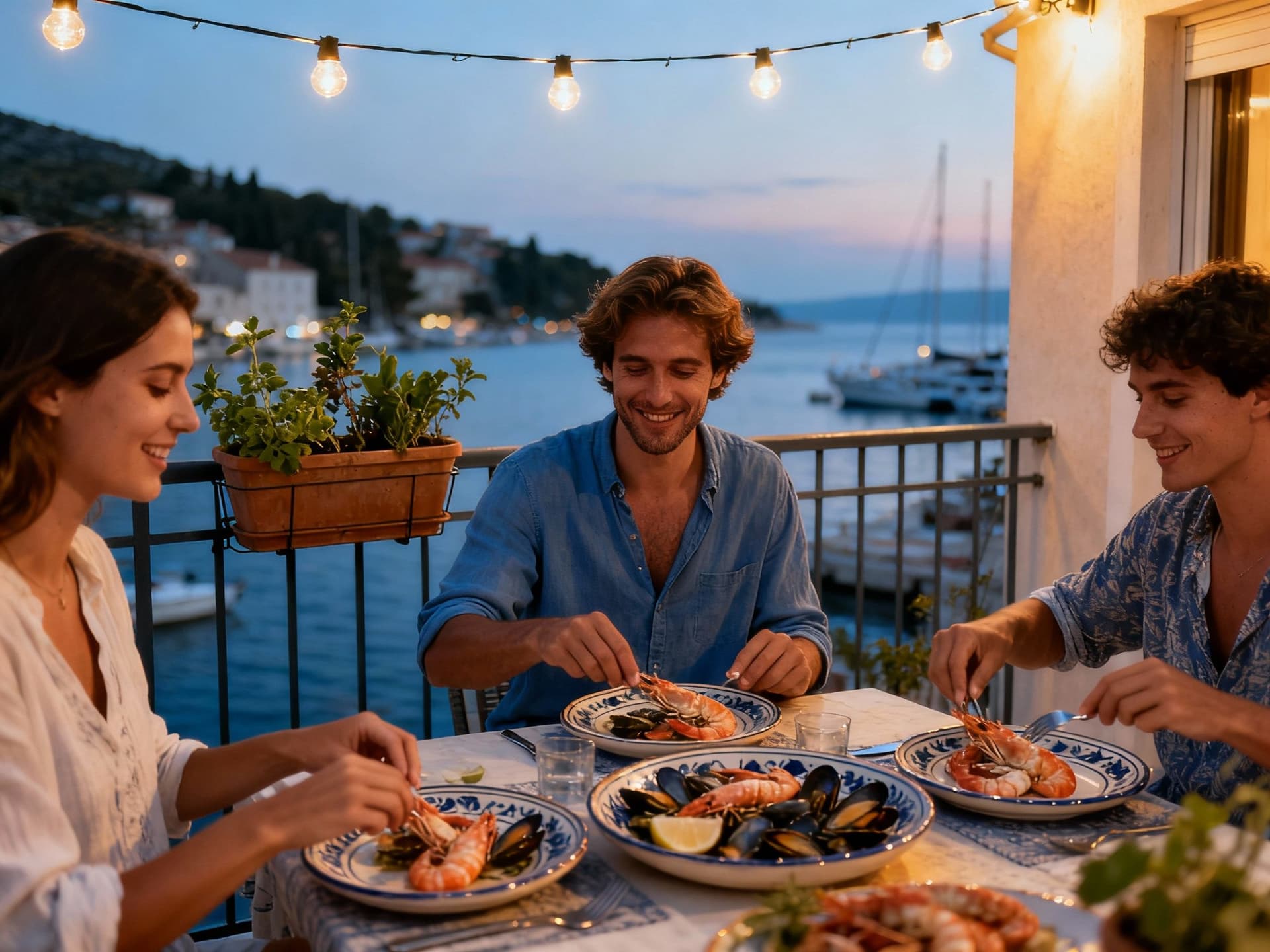
The practical side of buying in Croatia has shifted: policy debates and recent proposals aim to channel empty holiday stock into longer leases and to tax property more directly. That affects rental yield calculations and which neighborhoods will be most attractive to long‑term residents versus short‑let investors. Your lifestyle choice—full‑time coastal life, seasonal retreat, or city base in Zagreb—should drive which market signals you prioritise.
Property types that fit how you’ll live
Stone townhouses: authentic, cooler interiors and central locations — high charm, often higher renovation needs. New apartments: modern amenities, regulated parking, predictable maintenance — useful if you plan to rent year‑round. Seafront flats: instant summer life, but seasonality risk; consider access to groceries, winter heating and sound insulation before committing.
- Steps to match lifestyle to property (quick checklist)
- Visit outside July–August to test neighbourhood rhythm: listen for morning markets, evening noise and weekday services.
- Run yield scenarios with and without short‑term rentals; factor likely policy changes and vacancy penalties.
- Check utility infrastructure and winter heating costs for coastal stone houses versus modern builds.
Insider knowledge: what expats wish they’d known
Expats share a few common regrets: buying on peak‑season impressions, underestimating renovation timelines in stone properties, and overlooking simple daily logistics — where you get your bread, who picks up the kids, how internet speed performs on an island. These are the practical frictions that change a good holiday into a sustainable life.
Cultural cues that shape neighbourhood choice
Croatians value local relationships: a trusted baker, a neighbour who waters plants, a café owner who knows your order. In smaller towns, social integration can accelerate acceptance — but it also means that local rhythms (shop hours, festival days, siesta‑like slow afternoons) will dictate how you plan daily life. If you want anonymity and 24/7 services, look to larger towns like Split or Zagreb; for belonging, consider a coastal settlement where locals are year‑round.
Long‑term lifestyle signals buyers often miss
- Investment signals beyond summer crowds
- Local school openings, medical clinic upgrades and ferry timetable improvements often precede gentle price uplifts.
- Municipal plans to convert short‑lets into longer leases can cool speculative demand but increase long‑term rental stability.
- Infrastructure projects — new marinas, improved roads, broadband — change neighbourhoods more than one hot summer ever will.
Conclusion: fall in love — but verify. Spend time in the seasons you’ll actually live through, test transport and services, and model returns with realistic policy scenarios. Use local agents who know both the rhythm of the street and the market data: they turn the dream of Croatian life into a plan that survives November’s quieter mornings. If you want, start with a guided two‑week reconnaissance: live like a local, then bring the numbers back to your advisor.
Dutch investment strategist with a Portugal-Spain portfolio. Expert in cross-border financing, rights, and streamlined due diligence for international buyers.