Cyprus: Apartment-Led Forecasts and Seasonal Scenarios
A lifestyle-first forecast for Cyprus: coastal apartments fuelled 2024 transaction records, but seasonality, changing foreign demand and infrastructure needs (water) shape buyer scenarios.
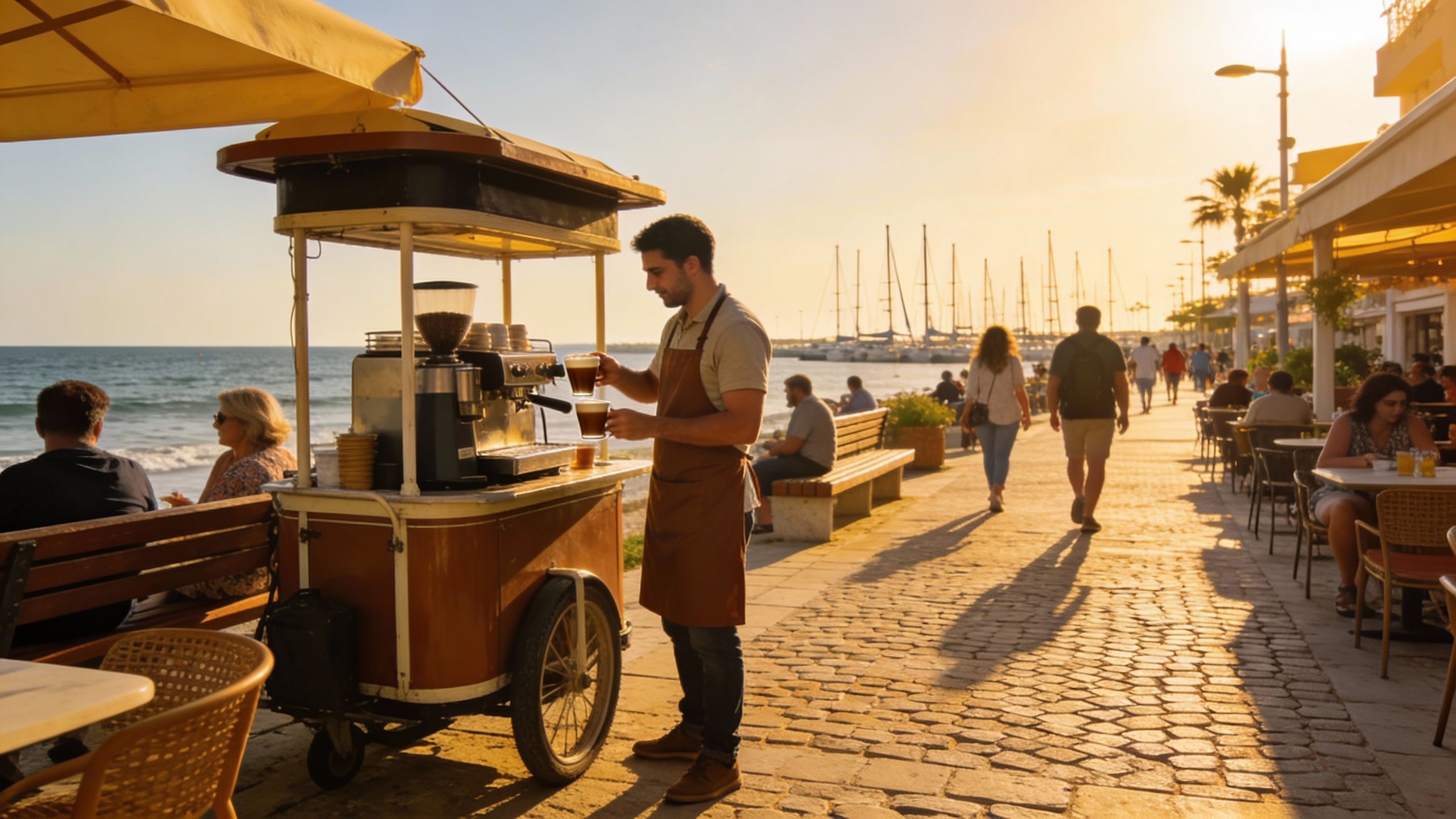
Imagine walking from a shaded café on Limassol’s Molos promenade to a small apartment where afternoon light fills the living room. On the way you pass construction cranes and new façades, but you also hear the weekend chatter of neighbours in Greek and English. That contrast — long-established island rhythms alongside fresh development energy — is what draws people to Cyprus and what should shape how you think about buying here. Recent market studies show the island’s market is resilient but changing; understanding those shifts protects both the dream and the wallet.
Living the Cyprus lifestyle
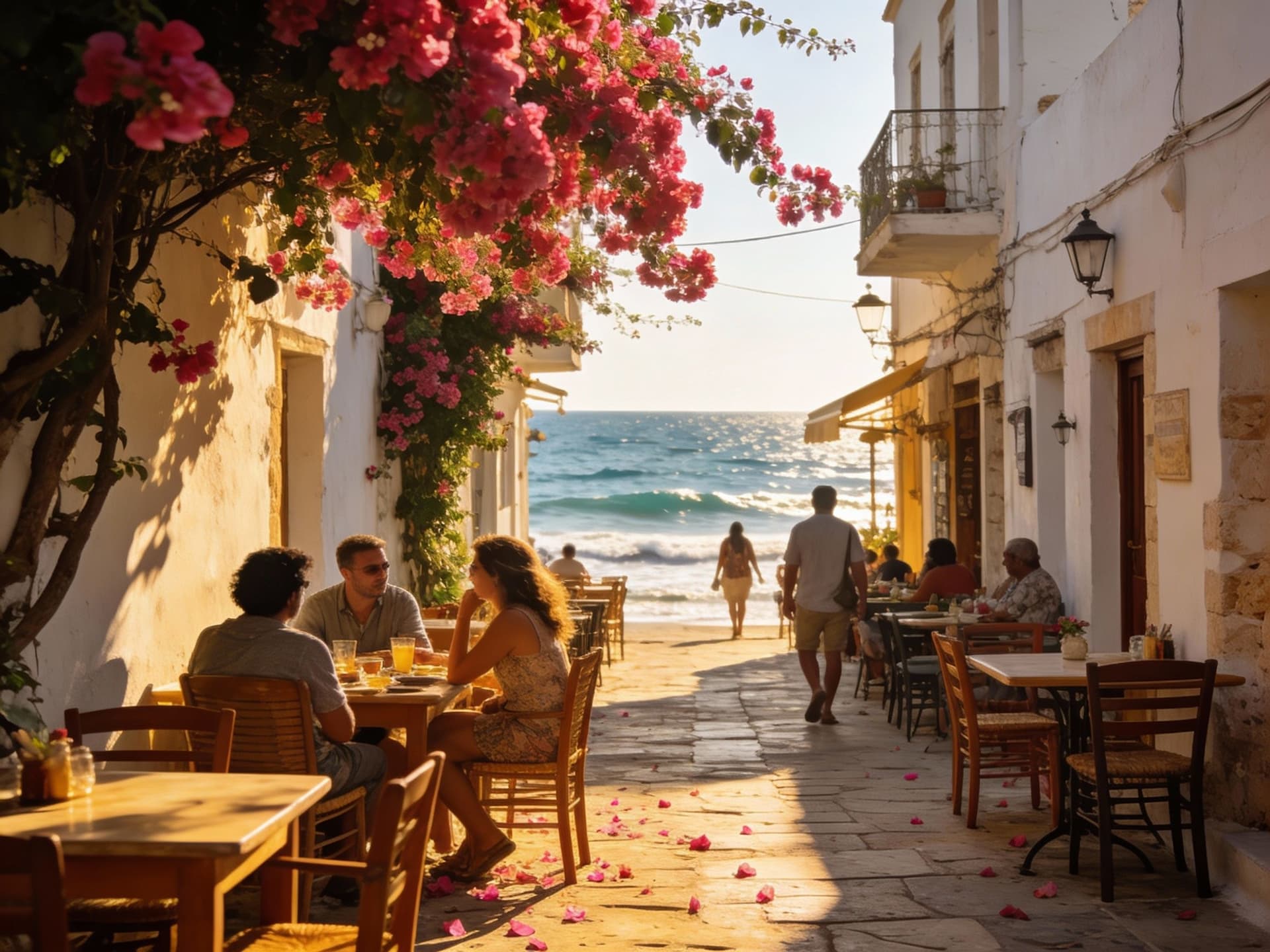
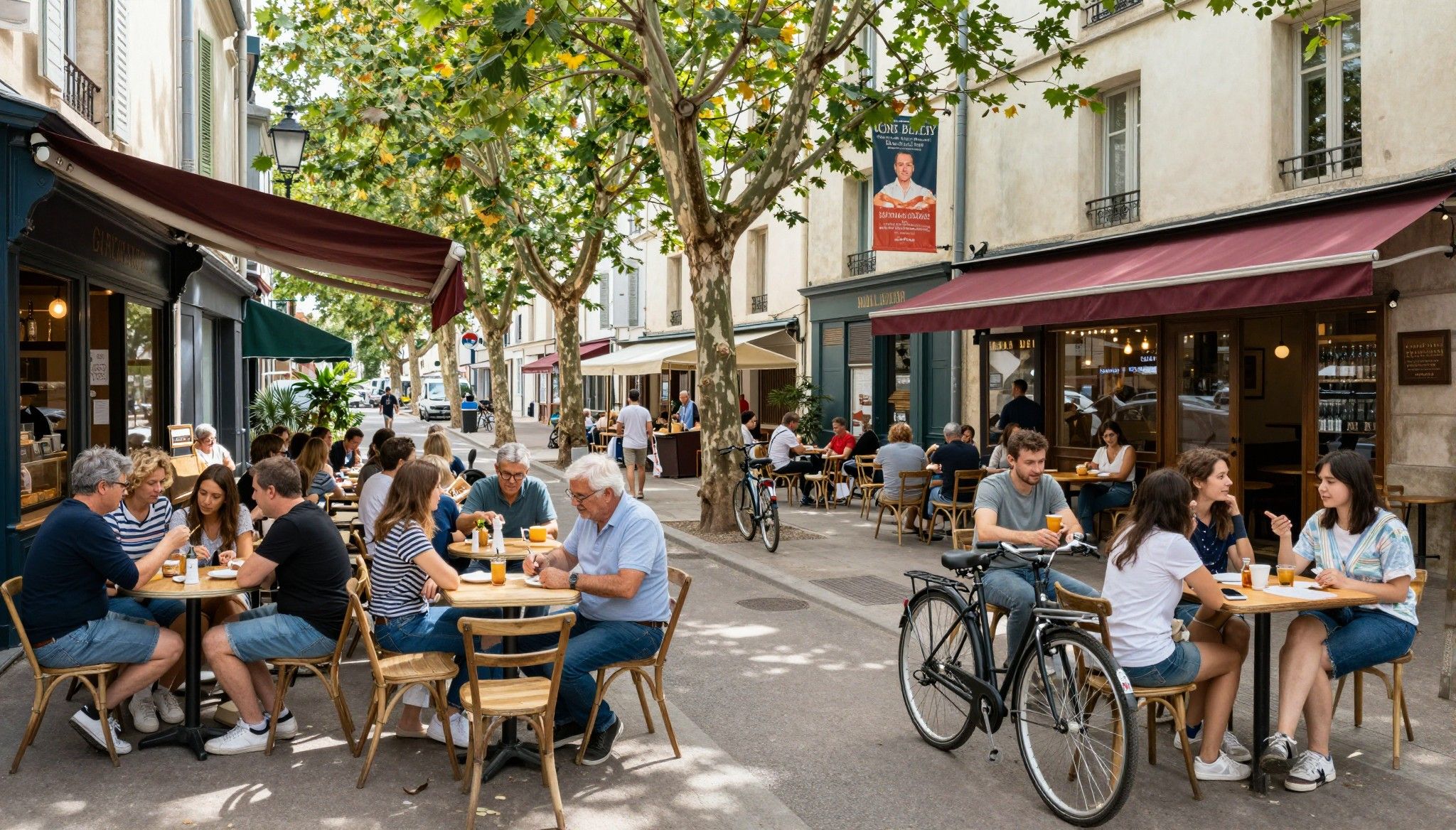
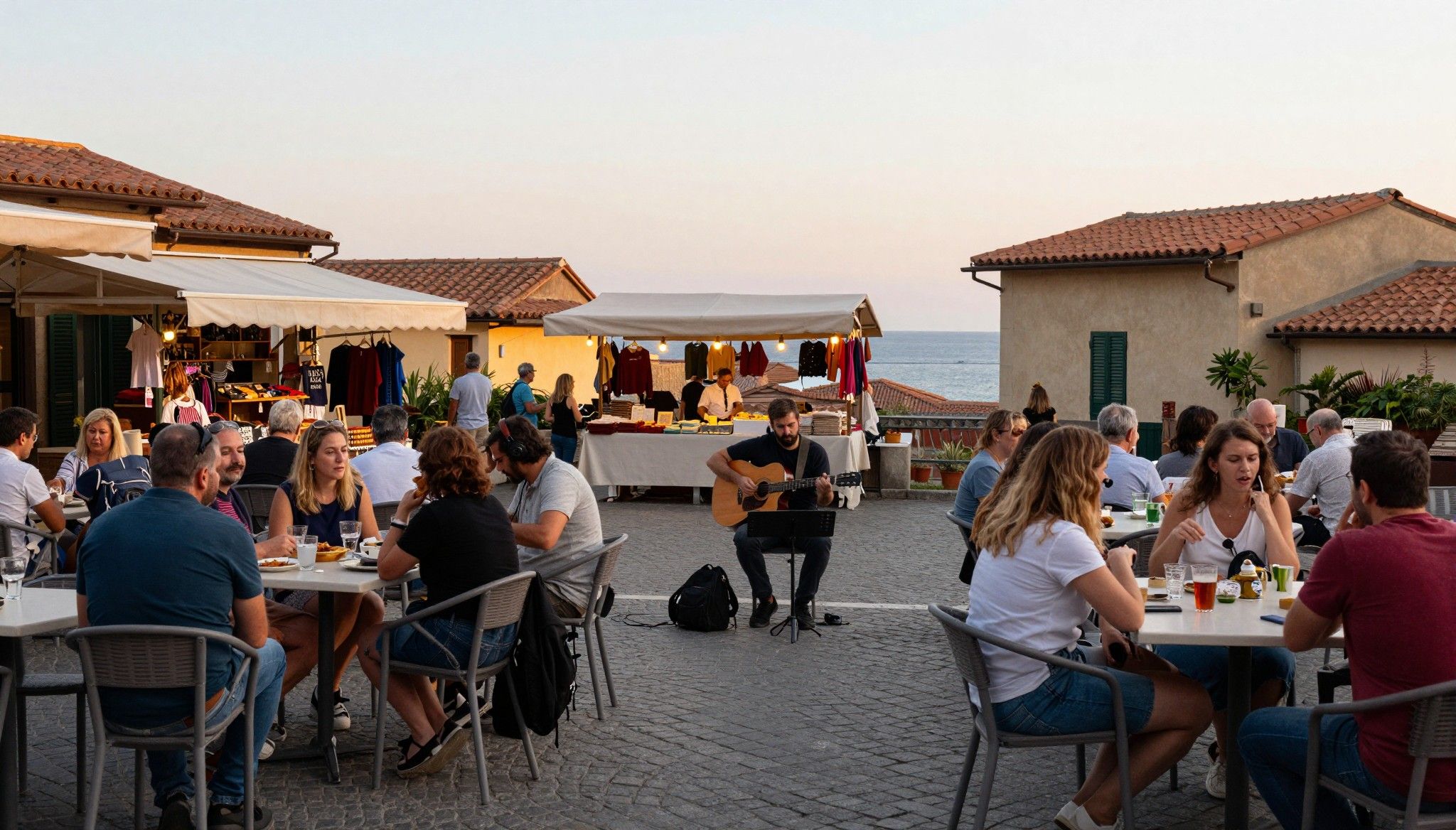
Cyprus moves at a Mediterranean pace: mornings at corner bakeries, afternoons at beaches like Fig Tree Bay, and evenings stretched along tavernas and pedestrianised old towns. The island’s tourism recovery — over 4 million visitors in 2024, with the UK and Israel among the top source markets — keeps coastal towns lively for most of the year. That rhythm matters for buyers: neighbourhood character shifts between high-season hospitality and quieter winter routines, and those shifts influence rental demand, management needs and how a property feels day to day.
Neighborhood snapshots: Limassol, Larnaca, Paphos
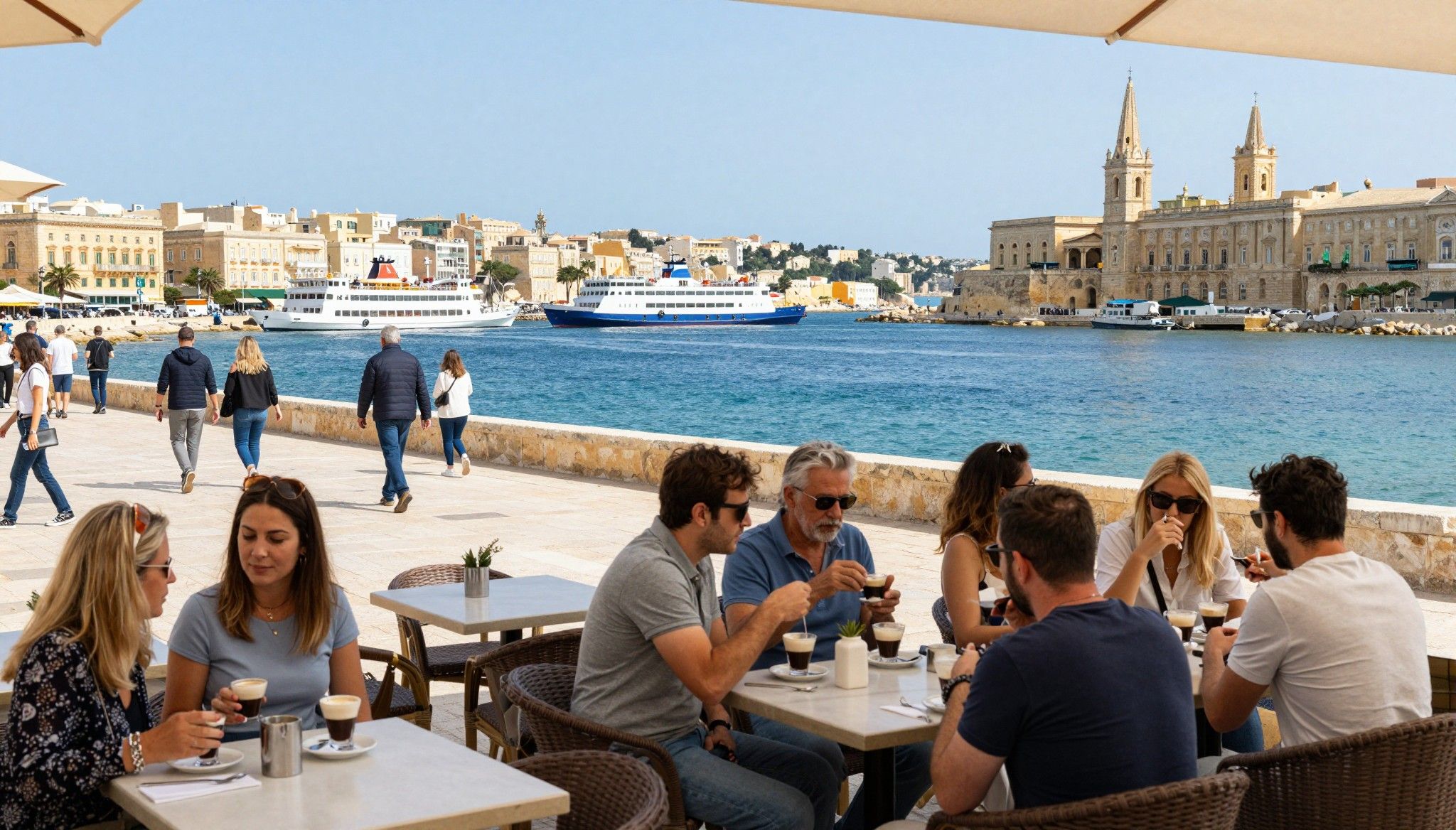
Limassol is the island’s commercial pulse — international schools, marina life and contemporary developments cluster here. Larnaca is quieter but rapidly evolving: Salt Lake sunsets and an emerging apartment market make it attractive for buyers seeking better value. Paphos leans into heritage and holiday rental appeal, with old-town alleys, archaeological parks and strong seasonal occupancy. Each town offers a distinct day-to-day: Limassol for cosmopolitan living, Larnaca for steady local life, Paphos for village-by-the-sea charm.
- Lifestyle highlights to look for
- Molos promenade coffee and evening strolls (Limassol); Fig Tree Bay afternoon swims (Protaras); Old Paphos harbour dinners and seasonal festivals; Larnaca’s Finikoudes boulevard for daily seaside routine; Troodos mountain weekends for hiking and fresh local produce.
Making the move: lifestyle-led but data-anchored
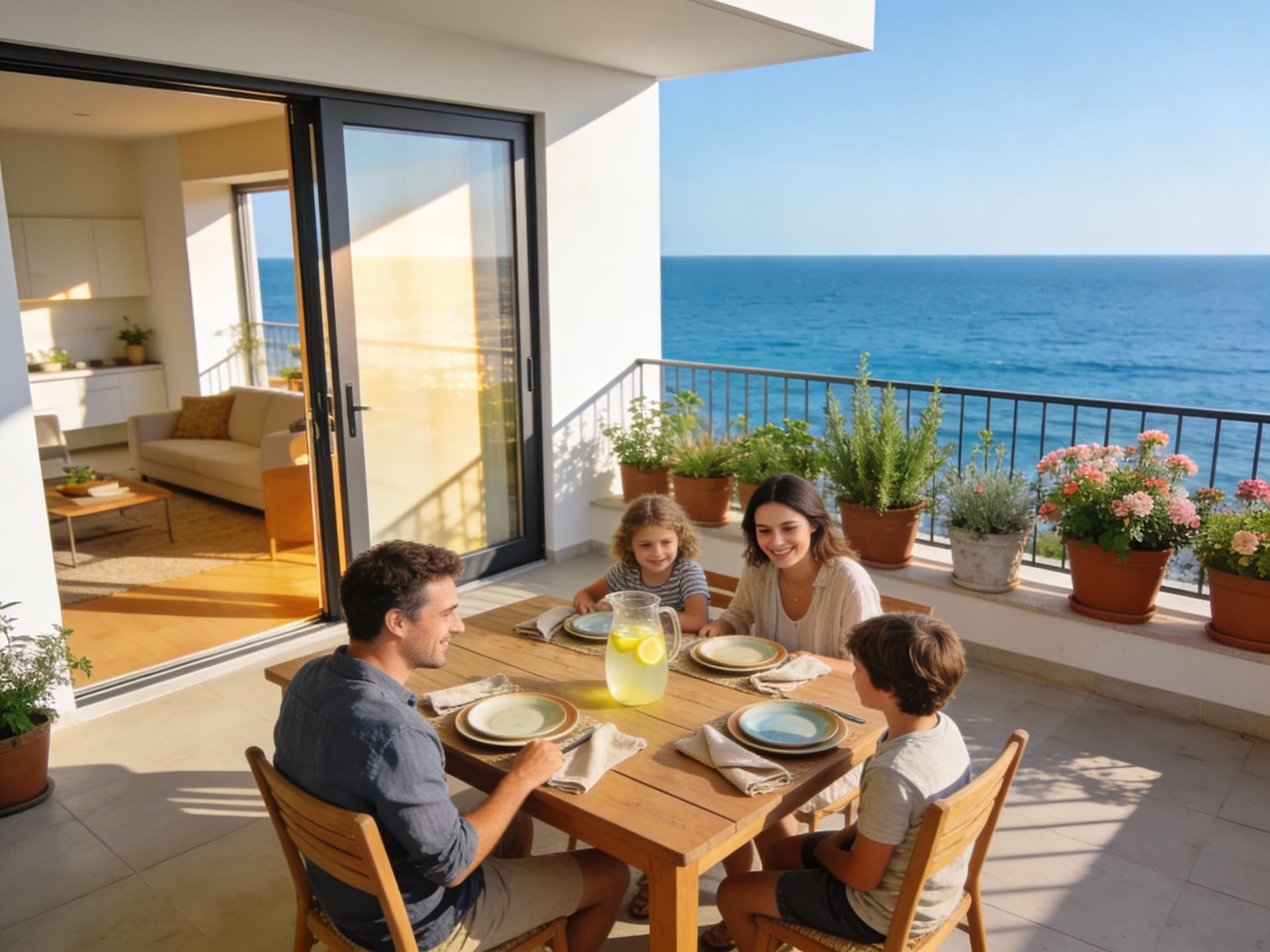
Dreams start with cafés and beaches, but purchases succeed when lifestyle choices meet market reality. In 2024 Cyprus recorded a record €5.71 billion in transaction value, driven by apartment sales — a sign that demand is shifting toward smaller, higher-turnover units rather than suburban houses. For buyers, that means aligning the type of property with how you want to live (full-time, seasonal, rental) and accepting that coastal locations behave differently during peak months than inland or mountain communities.
Property styles and what they mean for daily life
Apartments near the coast often prioritise convenience: terraces, low-maintenance living and proximity to cafes. Traditional houses in village settings offer garden space and slower rhythms but require more upkeep. The Central Bank’s Residential Property Price Index shows flat prices rose faster than houses in recent periods, reflecting this buyer preference and the island’s construction focus. Choose a property type that matches how you’ll use it; an apartment suits a lock-and-leave seasonal owner, while a house suits someone wanting a year-round garden life.
How local experts bridge lifestyle and contracts
- 1) Match the micro-neighbourhood to your daily routine — ask an agent to map cafés, schools and clinics within a 10-minute radius. 2) Test-season the property — visit both high season and off-season to feel occupancy and noise levels. 3) Prioritise energy and water resilience — Cyprus has moved to increase desalination and infrastructure spending due to low dam levels and demand pressures. 4) Build a local team — agent, lawyer, and a bilingual property manager who understands seasonal rental cycles and municipal rules.
Insider knowledge: what expats wish they’d known
Expats often underestimate seasonality and infrastructure quirks. Summer brings a tourist surge that fills restaurants and boosts short-term rental income, but it can also stretch water and services — the government has recently signalled more investment in desalination to meet demand. Language is less of a barrier than you think; English is widely used in business and services, but learning basic Greek opens doors socially and helps with municipal interactions.
Longer-term scenarios to consider
Scenario A — steady domestic demand: rising apartment sales continue to support liquidity and rental viability in coastal towns. Scenario B — cautious foreign inflows: if foreign buyer demand remains down (the market saw a 10% drop in foreign purchases in 2024), values may stabilise and opportunity opens in Larnaca or Paphos. Scenario C — cost pressures: interest rates or construction costs rise and slow new supply, lifting prices for well-sited resale units. Plan for multiple outcomes and avoid a single-point forecast.
Every move to Cyprus is both an arrival and an experiment — you’re buying into a daily way of life as much as bricks and mortar. Visit in two seasons, choose a property type that fits your rhythm, and build an on-the-ground team that understands local regulations, rental cycles and the lifestyle you want. If you want help translating this picture into a shortlist, an agent who factors culture, seasonality and the latest market data will make the transition easier and protect your investment.
Swedish strategist who relocated to Marbella in 2018. Specializes in legal navigation and tax planning for Scandinavian buyers.