Cyprus Price Myth: Where Lifestyle Beats the Label
Data shows Cyprus growing modestly with district variation; match neighbourhood life to RPPI/HPI signals to buy where lifestyle and value align.
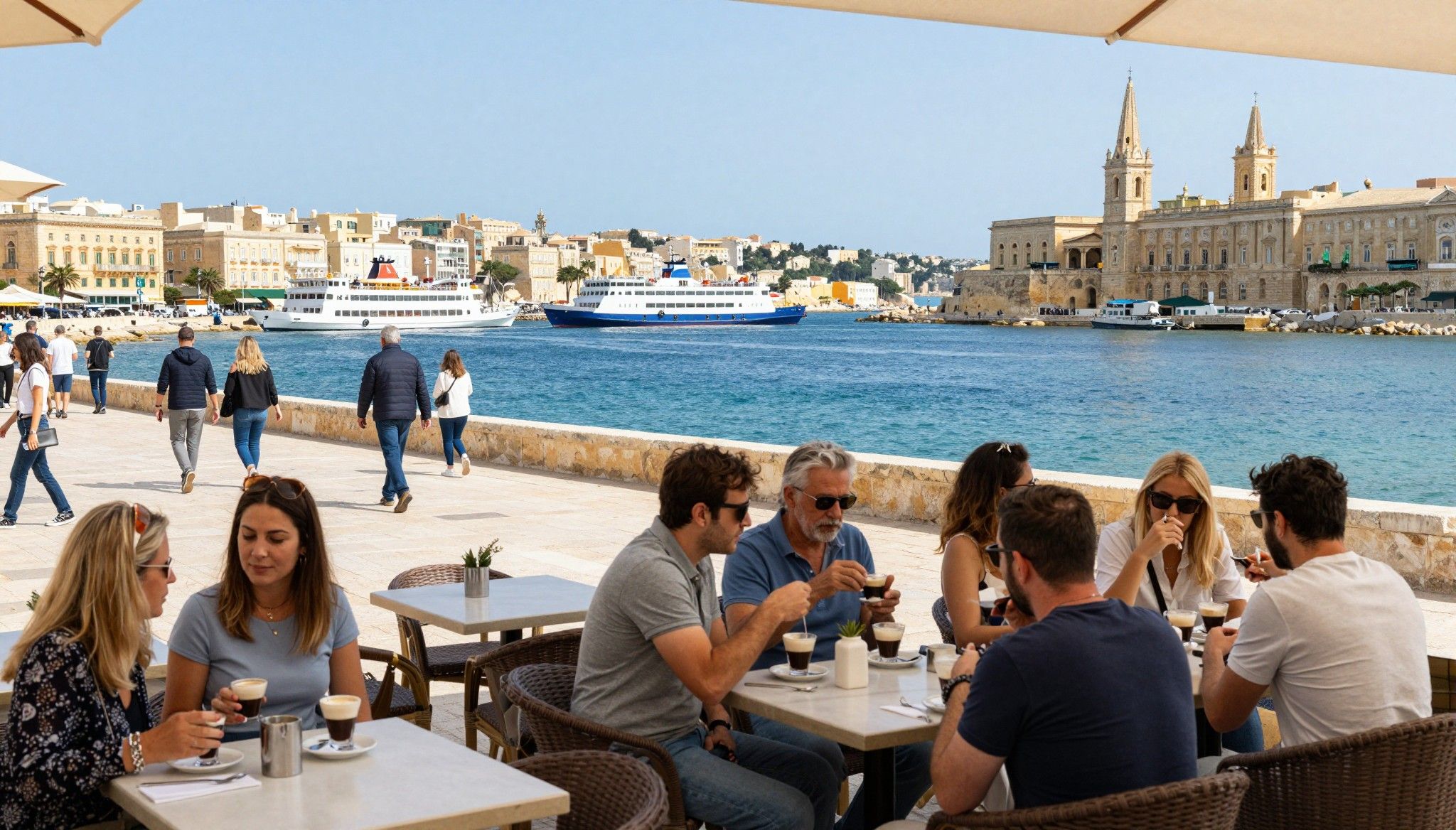
Imagine stepping out at 08:30 to a shaded espresso table on Larnaca’s Finikoudes promenade, the sea a muted turquoise and workers setting up stalls at the municipal market. That warm morning hum — dogs, bakers, fishermen swapping gossip — is the daily drumbeat that turns a property purchase into a life. Yet many international buyers arrive focused on headlines about high prices and miss the subtle trade-offs that make Cyprus both livable and investable. This guide blends those sensory, neighbourhood‑level moments with hard market signals so you can picture life first and assess value second.
Living the Cyprus lifestyle
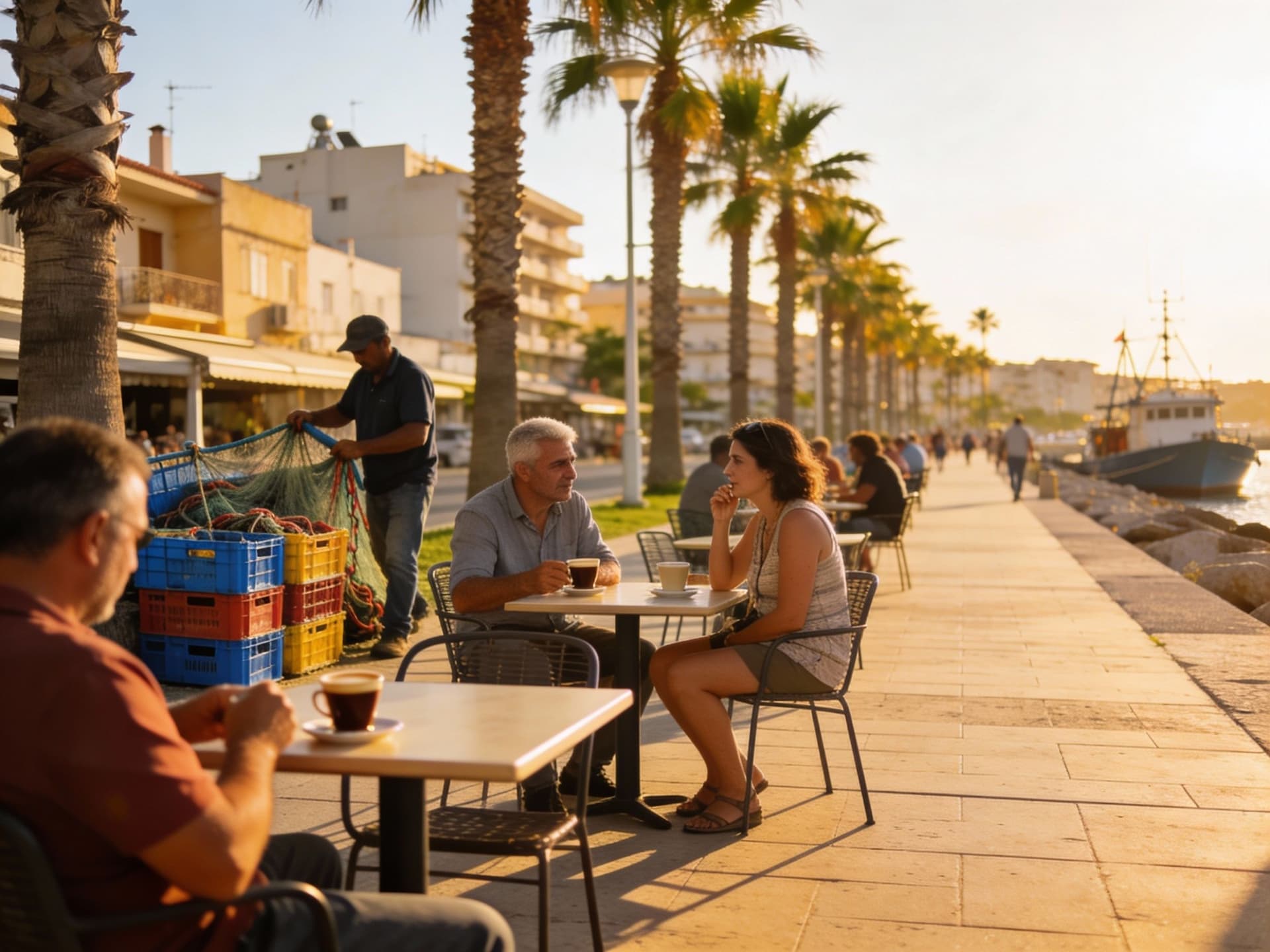
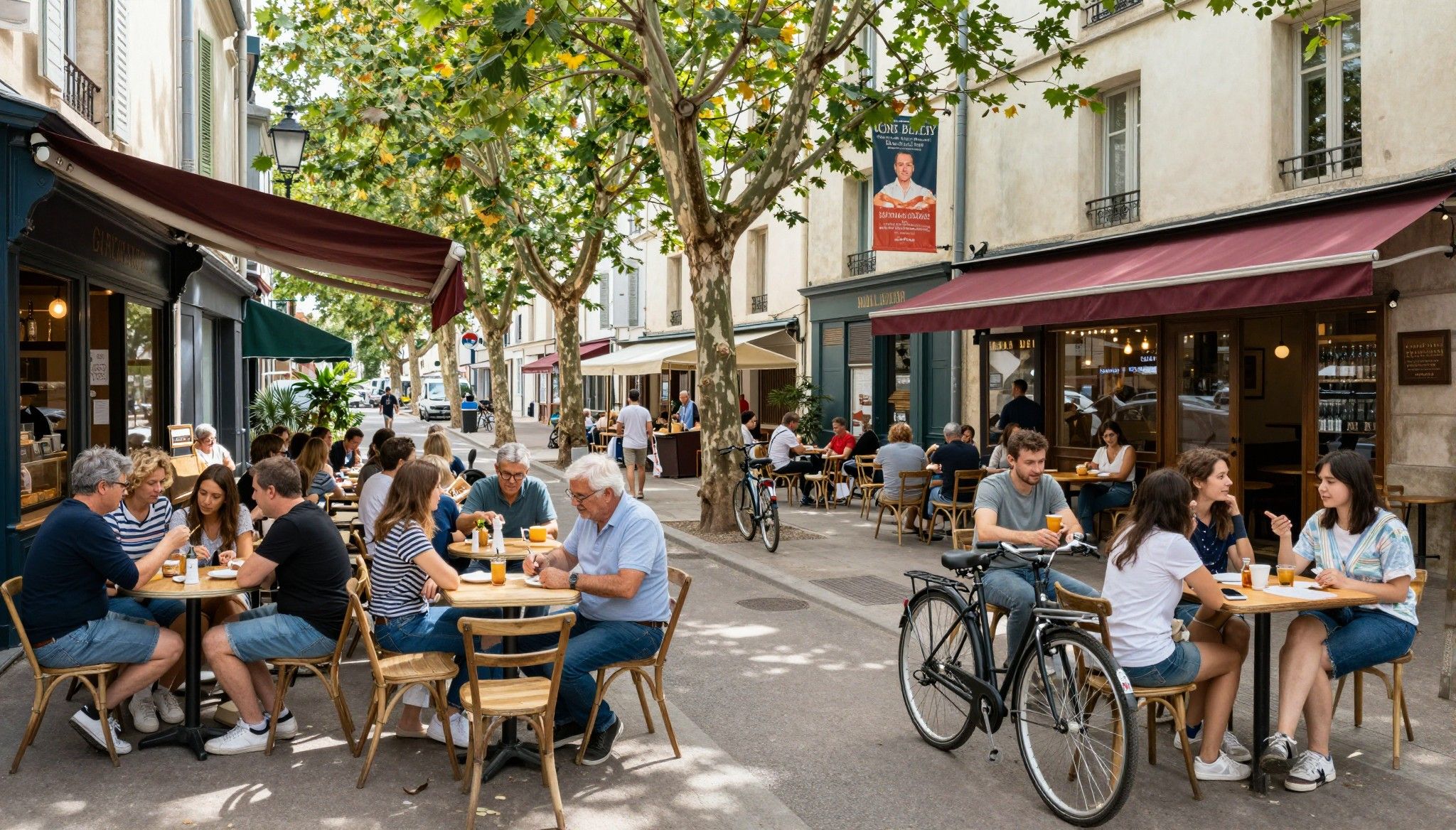
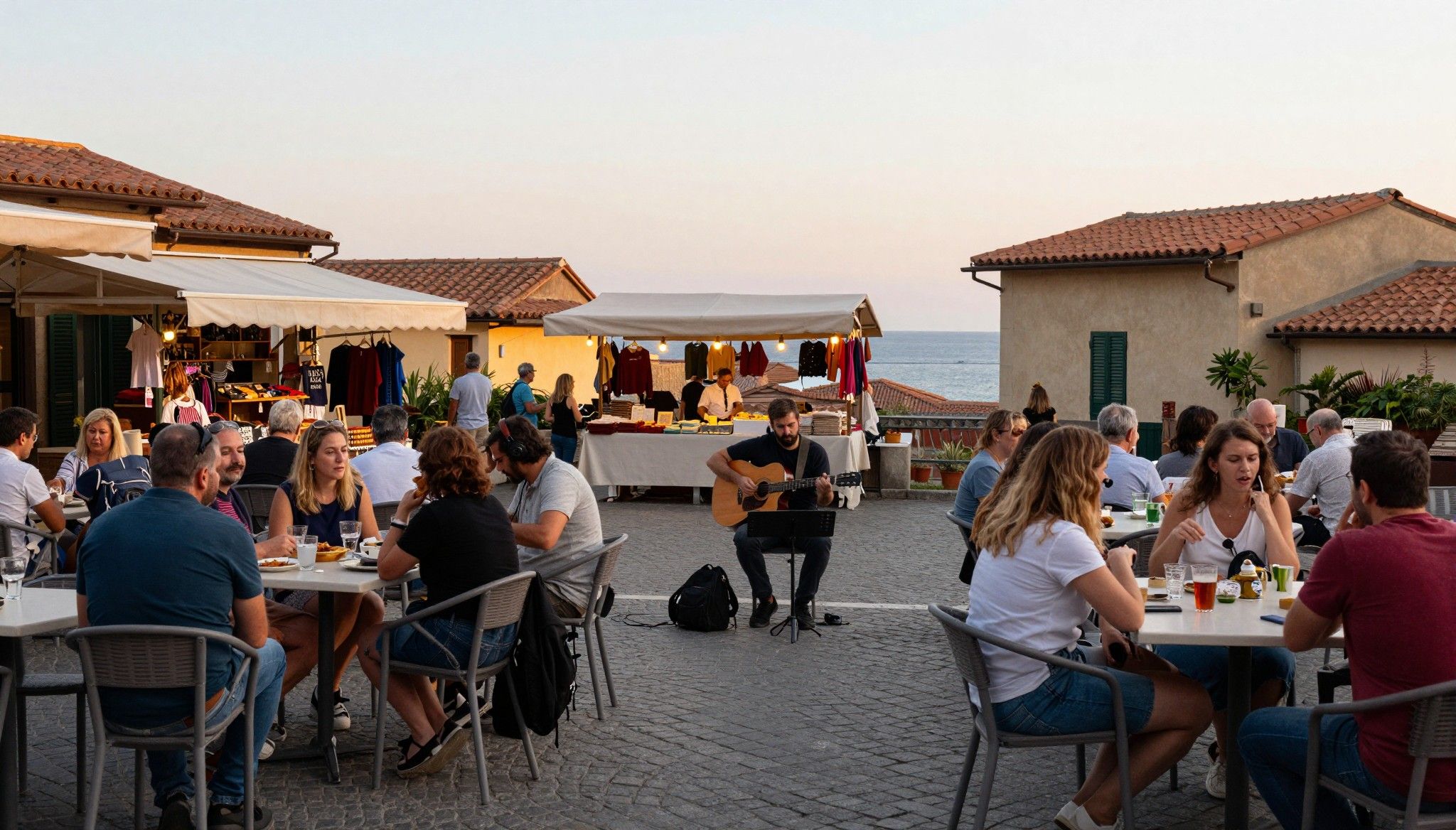
Cyprus feels Mediterranean in the small, constant ways: late-afternoon cafés, parish festivals on Sundays, and beaches that refill with families each weekend. Coastal towns like Limassol pulse with an international social scene; inland villages such as Omodos slow the pace with village squares and vineyards. These rhythms influence what buyers want — terraces for long evenings, air-conditioned living rooms for summer, and compact apartments for a maintenance‑light lifestyle — and the market data confirms shifting demand between apartments and houses. Recent RPPI releases show house prices rising faster than apartments, which aligns with a buyer preference for space and outdoor living.
Limassol & the coastal strip: social energy, selective supply
Limassol’s waterfront cafés, the old port reinvention, and marina dining create a year‑round social magnet that sustains strong price‑per‑square‑metre levels. But that headline 'expensive' label hides nuance: PwC’s 2024 analysis shows Limassol accounts for a disproportionate share of transaction value while other districts recorded more accessible entry points. If you crave restaurants, galleries and a marina culture, Limassol rewards lifestyle — but similar coastal living with lower premiums exists in Larnaca and Paphos if you prioritise balance over status.
Inland & mountain villages: authentic life and renovation opportunities
Drive 30–45 minutes from the coast and you’ll find vineyards, narrow streets and stone houses that promise quieter community ties and lower per‑metre costs. Villages like Kakopetria or the Troodos foothills offer renovation projects that transform into year‑round homes rather than summer bolts. Tourism growth (which brought strong visitor spending in 2024) also supports short‑stay rental demand in many inland spots, letting buyers hybridise lifestyle and yield if they select the right property and local manager.
- Lifestyle highlights to scout in person
- Sip espresso at Finikoudes promenade (Larnaca) and watch morning fishermen bring in the catch
- Evening mezze on Limassol’s old port, then walk along the promenade to the marina
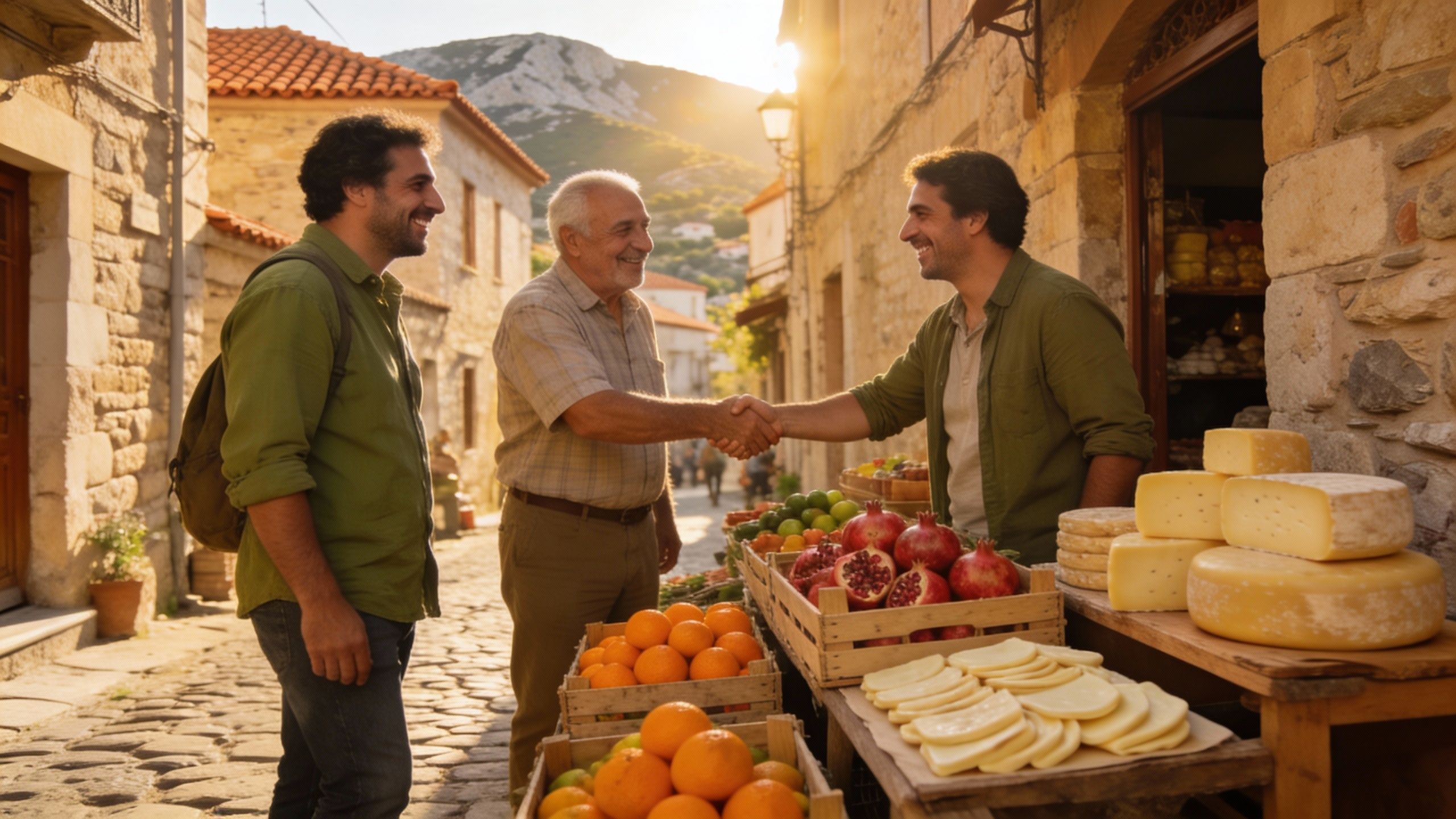
- Weekend village market in Omodos for fresh halloumi, pastries and familiar faces
- Sunrise walks at Coral Bay (Paphos) followed by a café latte and local newspapers
Making the move: practical considerations that preserve lifestyle
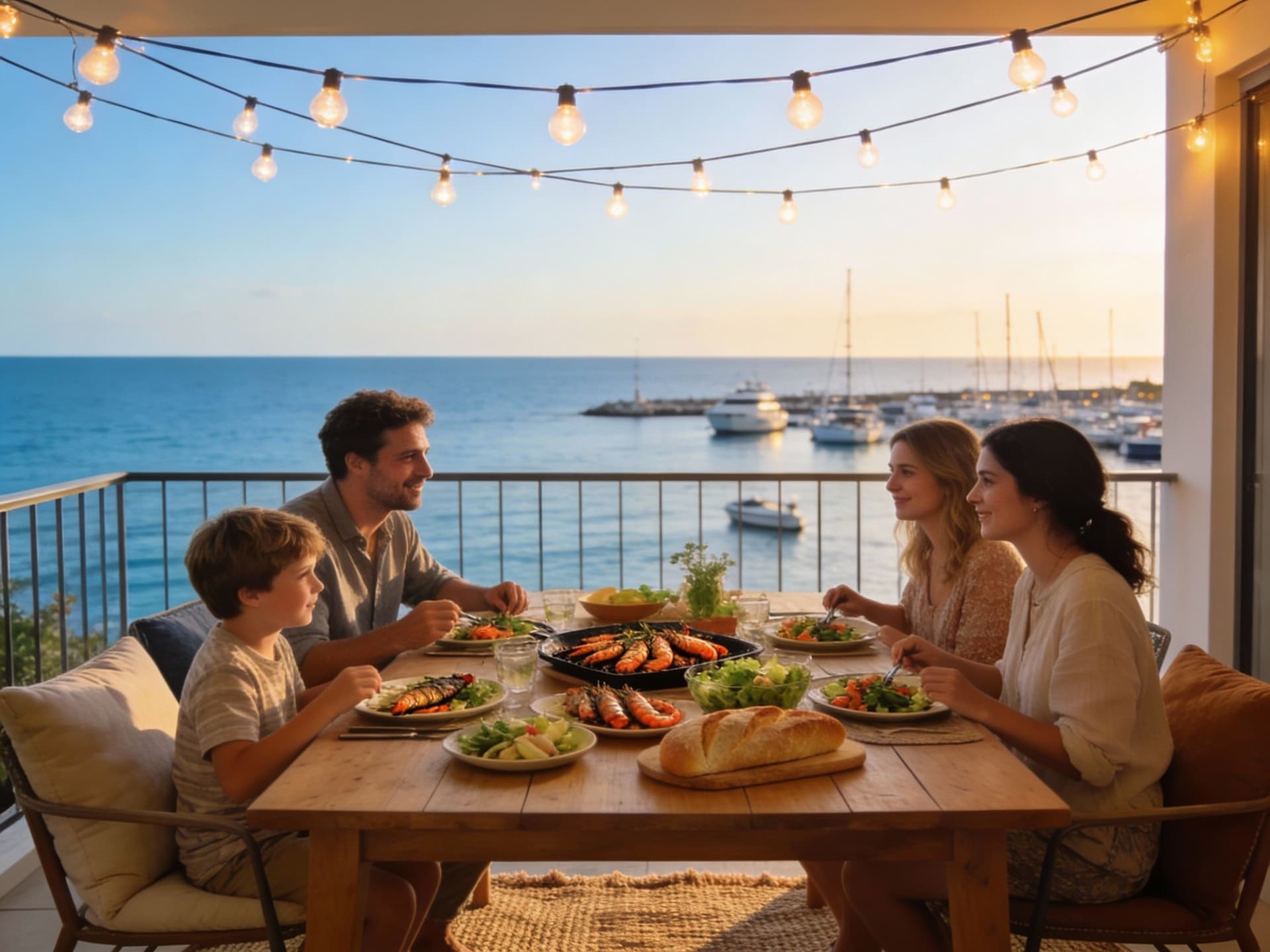
Translating a lifestyle choice into a sound purchase means matching neighbourhood character to realistic price signals. Official statistics show moderate national price growth, but that masks district variation: houses rose faster than flats in recent quarters and transaction volumes concentrate in Limassol, Nicosia and Paphos. That means timing, property type and district choice change both monthly costs and long‑term value. Think in scenarios: a seaside apartment for rental income, a village house for retirement, or a Limassol townhouse for long‑term capital appreciation.
Property styles and how they shape daily life
Sea‑facing apartments offer low-maintenance living and easy rental appeal but can mean higher service charges and seasonal noise. Detached houses in Paphos or the Lemesos hinterland give outdoor space for gardens and entertaining yet demand more maintenance and water resilience planning. New developments deliver warranties and modern insulation — useful for summers and emerging efficiency regulations — while traditional stone houses offer character and renovation upside if you accept a longer timeline and local contractors.
Working with local experts who preserve lifestyle value
A local agent who knows where cafés fill year‑round versus seasonally, who can tell you which streets flood in heavy rain and which villas have reliable rental history, is worth their fee. You’ll need an adviser who blends market data with lived experience: they should cite transaction records, building permit trends and be able to introduce mortgage contacts and contractors. Agencies that specialise in specific districts (Limassol marina, Paphos harbour, Larnaca promenade) will match lifestyle to realistic budgets faster than national generalists.
- Steps to align lifestyle priorities with a buy-in Cyprus
- Rank the day-to-day must-haves (commute, cafés, schools, medical access) and map them to districts.
- Request district-level RPPI or HPI trends and three comparable sales from your agent before making offers.
- Schedule site visits in two seasons — summer and late autumn — to test noise, traffic and community life.
- Obtain a local contractor estimate for running and renovation costs; water resilience is increasingly relevant.
Insider knowledge: what expats wish they'd known
Experienced expats tell the same stories: a seaside purchase looked beautiful online but felt empty off‑season; a village renovation created community but required patience; a choice of apartment block meant service charges that halved net yield. These lessons aren’t anecdotes alone — central bank indices and official HPI numbers reveal the same shifts: modest national growth with district divergence. Knowing those patterns earlier changes negotiation posture and prevents buyer remorse.
Cultural integration and everyday practicalities
English is widely spoken in service sectors and among younger Cypriots, but social integration often happens through local rituals — church festivals, tavern nights and market mornings. If you want quick community ties, learn a few phrases, attend a village festival and buy produce from the same stall each week. Also factor seasonality: many coastal neighbourhoods are lively April–October and quieter in winter; that rhythm affects rental demand, local services and your own social life.
Thinking long-term: climate, infrastructure and value scenarios
Cyprus faces environmental headwinds — droughts and rising temperatures — that influence long‑term maintenance costs and desirability for inland vs coastal living. Infrastructure investments (desalination, repaired networks) will matter for houses with gardens or pools. Scenario planning is simple: test a conservative case (flat demand, rising running costs), base case (steady tourism, modest price growth) and upside (renewed foreign demand, upgrades to local infrastructure). Use local indices and expert forecasts to stress‑test purchase prices against each scenario.
- Red flags experienced buyers watch for
- Unclear title or missing compliance certificates — always request documentation before contracts are signed.
- Disproportionate service charges or vague reserve funds in apartment blocks that reduce net yield.
- Properties marketed off‑plan without transparent delivery or penalty terms — insist on clear milestones.
Conclusion: Cyprus is not a monolith — it’s a collage of micro‑markets, each with a distinct daily rhythm and price logic. If you prioritise lifestyle, start by testing neighbourhood mornings and evenings, then overlay district RPPI/HPI trends and local transaction comparables. Engage an agent who can translate promenade energy, village markets and marina calendars into realistic offers and scenario tests. When lifestyle and data align, Cyprus stops being a headline and becomes a place you can call home.
Dutch investment strategist with a Portugal-Spain portfolio. Expert in cross-border financing, rights, and streamlined due diligence for international buyers.