Cyprus: Seasonal Lifestyles and Market Scenarios
A lifestyle-first, data-backed scenario plan for buying in Cyprus: seasonal rhythms, neighbourhood truths and HPI-backed market clarity to time your move.
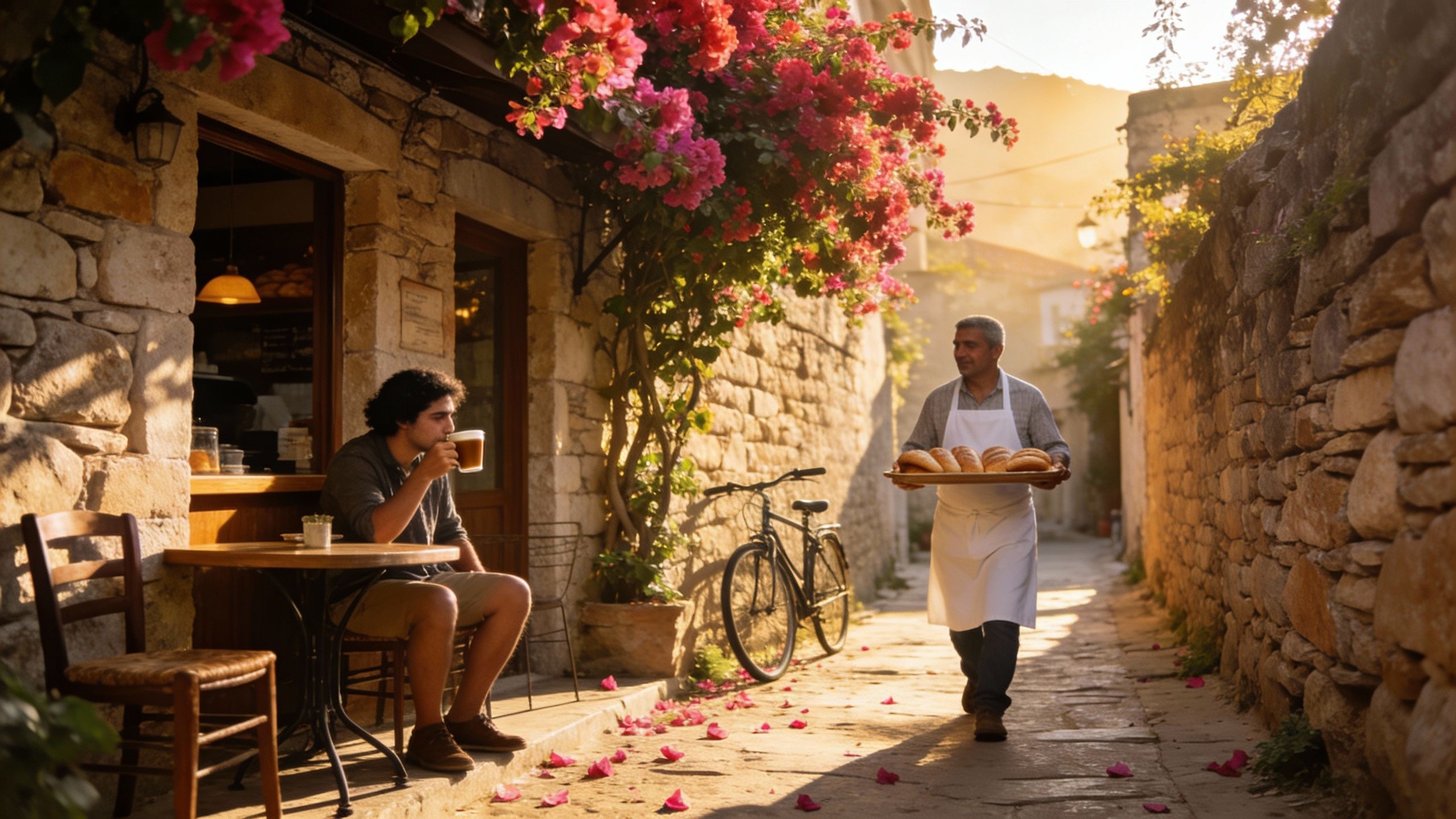
Imagine sipping an espresso under plane trees in Laiki Geitonia, then walking ten minutes to a wind-buffeted promenade in Finikoudes where fishermen mend nets — that contrast is Cyprus. It’s an island where coastal cafés, mountain villages and compact cities fold into one accessible lifestyle. But while the lifestyle sells itself, buyers who fall for the light without checking the market risk being surprised. This guide pairs lived-in scenes — streets, tavernas, weekend rhythms — with the real data you need to decide when and where to buy in Cyprus.
Living Cyprus: daily rhythms and neighbourhood personalities
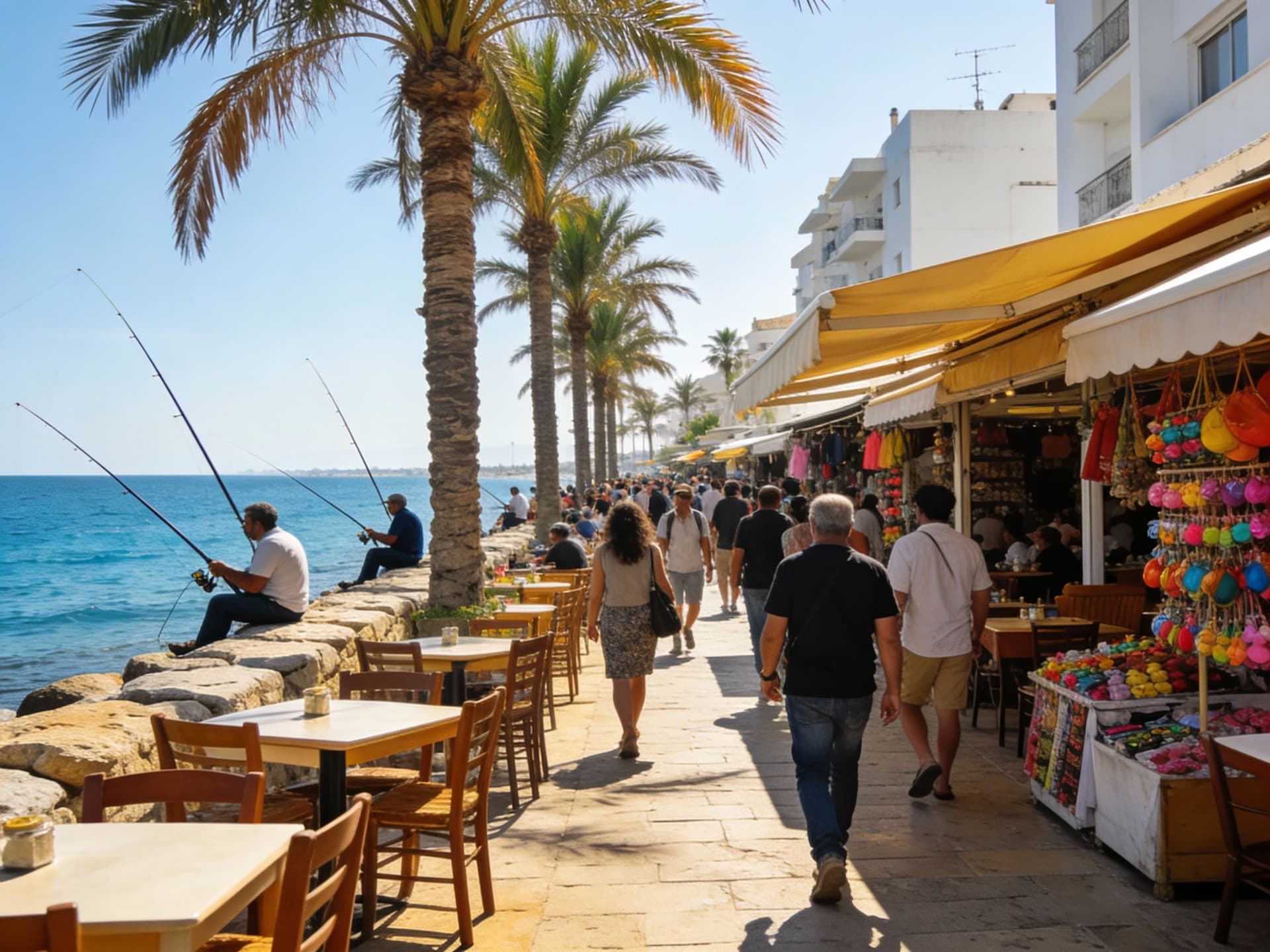
Cyprus feels like three lifestyles layered together: the relaxed seaside tempo (Limassol’s marina cafés and sunset promenades), the town-centre rhythm (Nicosia’s narrow streets, bakeries and late-night meze), and the mountain slow‑down (Troodos villages, fresh air and seasonal festivals). Days begin with strong coffee and end with long dinners; weekends are for beaches in summer and for local festivals and hiking in winter. That variety means buyers can tune their property choice to an identifiable daily life rather than to an abstract idea of island living.
Seaside pulse — Limassol & Larnaca
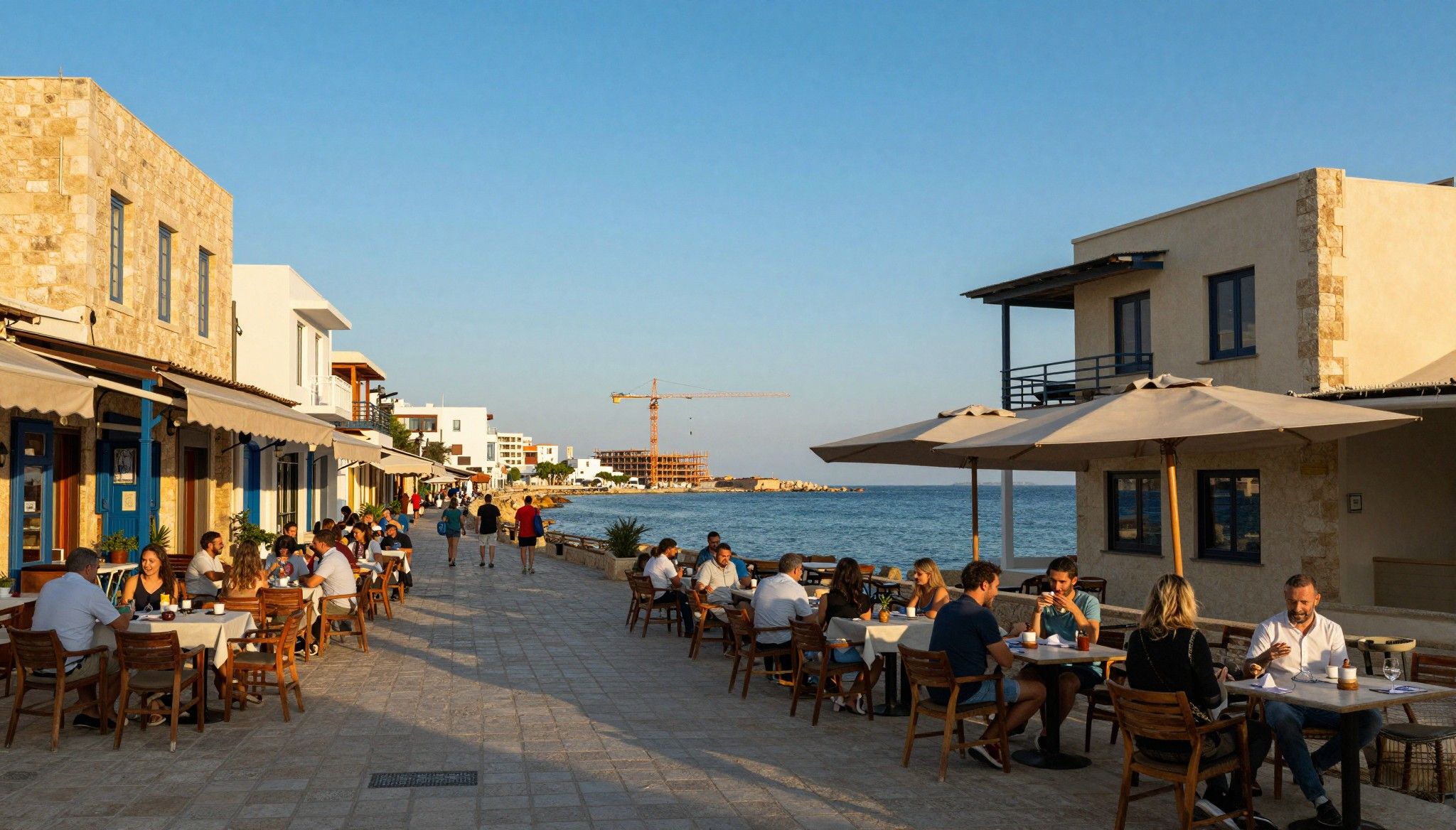
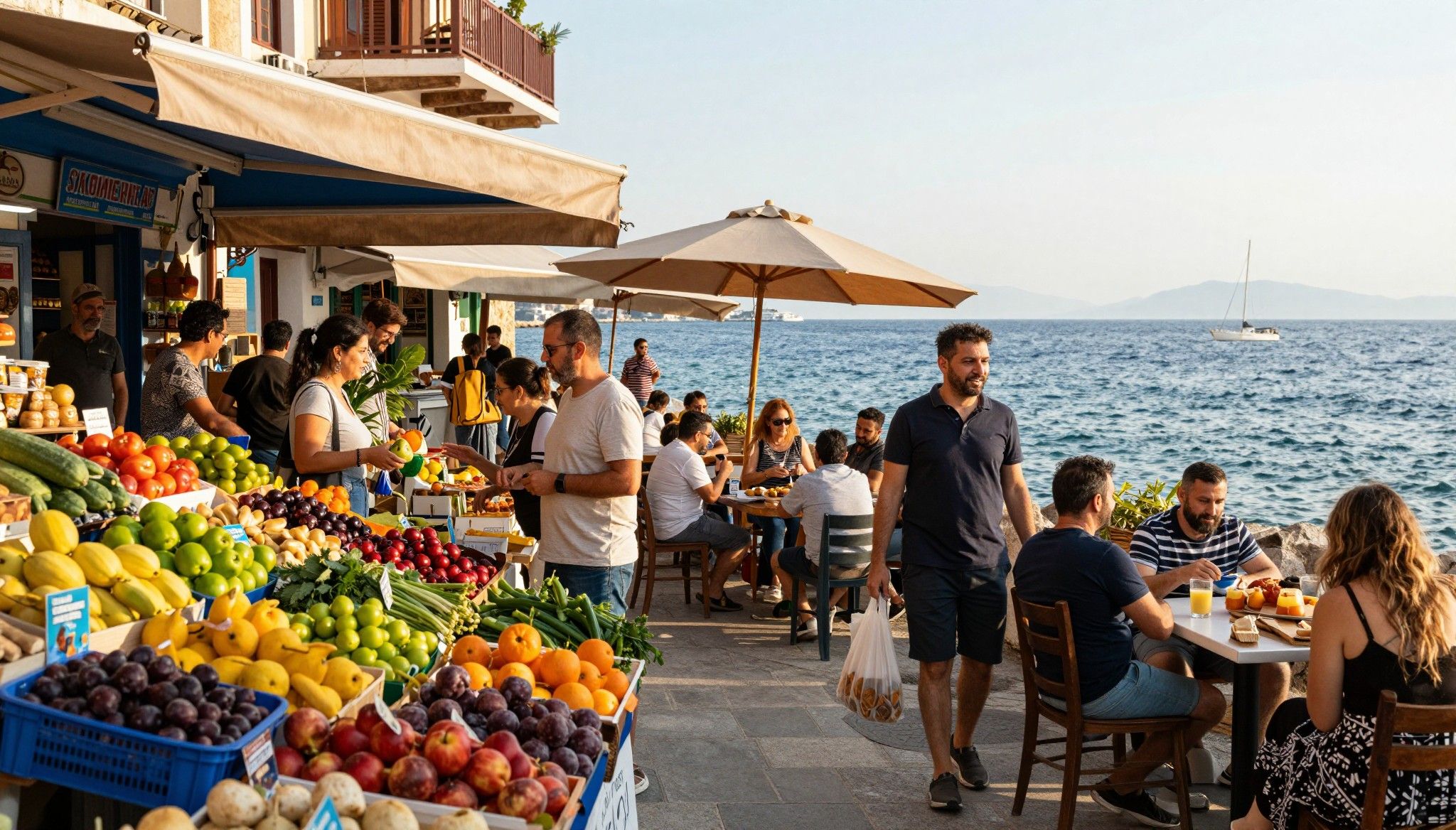
Limassol is where yachts, contemporary restaurants and boutique developments meet old municipal markets on Anexartisias Street. Larnaca’s Finikoudes promenade and the Old Town’s small bars feel less polished and more immediate: you’ll find morning markets, halloumi stalls and local fishermen on the quayside. For buyers wanting daily coastal life — morning walks, easily accessible cafés, short commutes to international schools — these two cities deliver different versions of the same promise.
Old streets & mountain air — Nicosia and Troodos
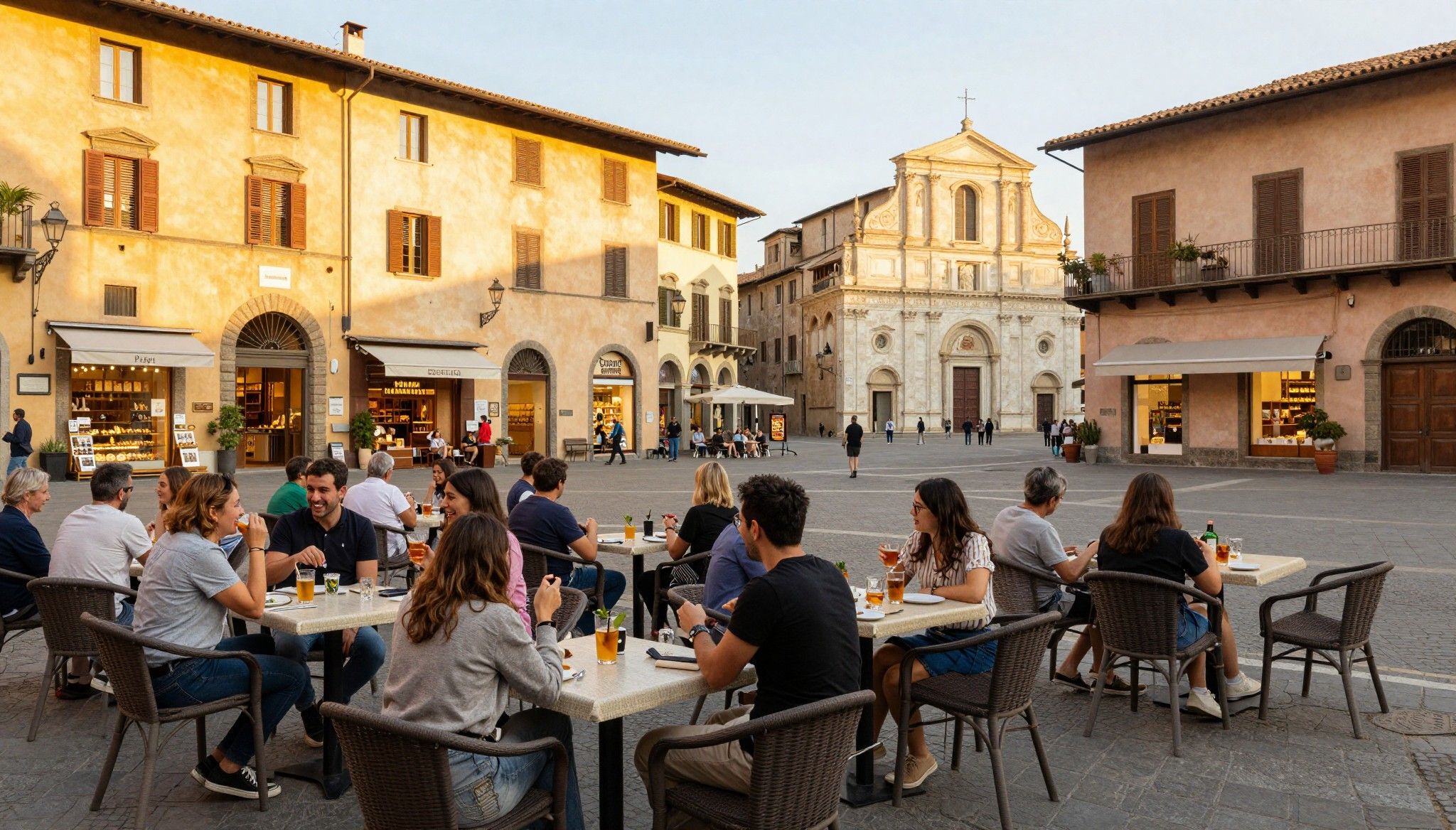
Nicosia’s Ledra and Laiki Geitonia districts give you narrow lanes, family-run tavernas and a more urban, year-round expat community. In Troodos, stone-built homes, village fêtes and cooler summers change how you use a house — fireplaces, thick walls and terraces that work in all seasons. These zones attract different buyers: professionals and families favour city convenience, while creatives and retirees prize seasonal variety and quieter communities.
- Morning coffee at Faneromeni in Nicosia; sunset drinks on Limassol Marina; Sunday market at Larnaca Municipal Market; trout evenings in Kakopetria; hilly walks and monastery visits in Troodos.
Making the move: lifestyle choices meet market reality
The island’s charm coexists with measured price growth. Official HPI figures show modest annual gains in recent quarters, underlining steady demand rather than speculative spikes. If the lifestyle draws you, it’s smart to map how that lifestyle preference aligns with price momentum and rental demand — coastal apartments in Limassol and parts of Larnaca show stronger short-term rental interest, while villages and inland towns often offer lower purchase prices and slower appreciation.
Property types and how you’ll live in them
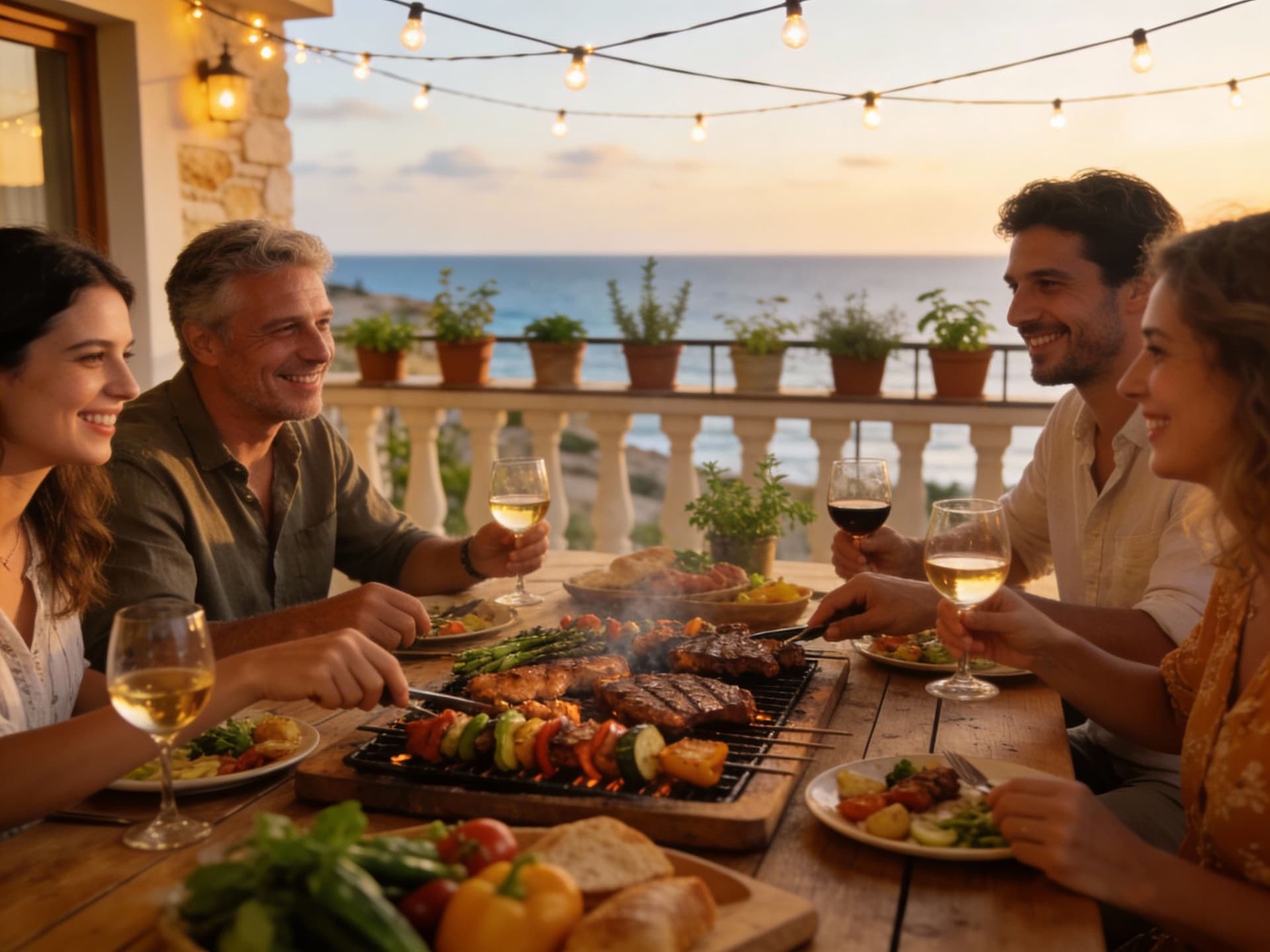
Modern coastal flats mean low-maintenance living and easier rental management; townhouse conversions in old quarters give charm and proximity to cafés but often need renovation; country houses give space and garden life but ask for water and heating considerations. Choose by how you want to spend weekday mornings and weekend afternoons: balcony breakfasts point to apartments; terrace barbeques and olive trees point to houses.
How local experts turn lifestyle wishlists into viable purchases
- 1) Match micro-neighbourhoods to daily routines — ask an agent for walking-time profiles to the places you’ll use. 2) Check seasonal utility and water resilience — coastal resorts can be busy in summer; mountain homes need winter-ready systems. 3) Validate rental demand with short‑let occupancy data if you plan an income stream. 4) Factor in renovation realisticities: local trades, planning permissions and typical build standards. 5) Clarify agency services for after-sale property management so the house feels lived-in from day one.
Insider knowledge: what expats wish they’d known
Expat buyers often talk about two surprises: seasonality and resource fragility. Tourism is recovering and supports rental yields during the high season, but quieter months expose occupancy risk. Meanwhile, recent reports show Cyprus investing in water infrastructure and desalination to protect tourism and residents — a crucial factor for owners of gardens, pools and rural homes.
Cultural integration and everyday norms
English is widely spoken in service sectors and among expats, but learning basic Greek opens doors at markets and during festivals. Expect a friendly but indirect communication style: relationships matter, and local recommendations (for a builder, a café or a lawyer) still travel by word-of-mouth. Embrace late meals, Sunday family time, and the social rhythm that shapes how neighborhoods come alive.
Long-term lifestyle questions are pragmatic: can the property sustain a pool without expensive desalination capacity? Is the neighbourhood likely to densify with large developments? Recent government action on water and tourism resilience suggests infrastructure is a live policy area — buyers should factor this into maintenance budgets and lifestyle plans.
- Check these lifestyle + market red flags before making an offer: proximity to seasonal noise (nightlife districts), unclear ownership or title issues in older buildings, water supply reliability for rural plots, short-let zoning restrictions near holiday hotspots, and realistic renovation cost estimates.
If Cyprus feels like the life you want, take two simple next steps: visit across seasons — at least one summer and one winter — and work with an agency that provides granular neighbourhood data plus post‑sale management. That combination keeps your first morning coffee in a local café a recurring reality rather than a one-time postcard. When you pair the island’s character with the official data — steady HPI growth, improving tourism revenue and ongoing infrastructure projects — you buy both a lifestyle and a context-aware asset.
Data sources: Cyprus Statistical Service HPI, Tourism revenue releases and international economic commentary from reputable outlets. See the HPI releases for quarterly trends and tourism reports for occupancy and revenue context when modelling returns and seasonality risk.
Dutch investment strategist with a Portugal-Spain portfolio. Expert in cross-border financing, rights, and streamlined due diligence for international buyers.