The Dalmatian Town Buyers Overlook — Why It Makes Sense
Why overlooked Dalmatian towns—Kaštela, Trogir‑adjacent neighbourhoods—can offer year‑round life, steadier prices and real negotiating leverage for serious buyers.
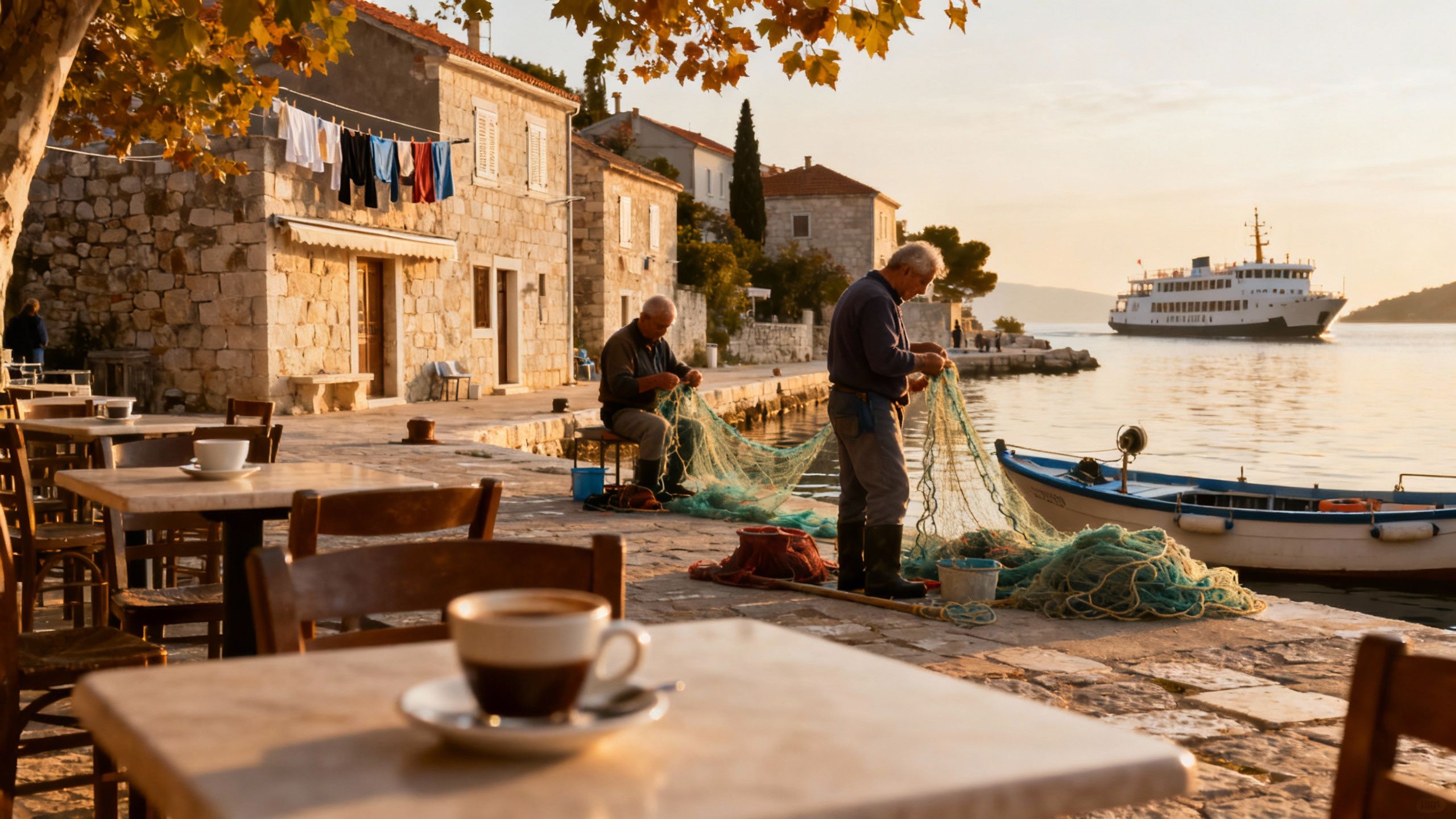
Imagine walking a quiet Dalmatian harbour at 9am in October: fishermen mend nets, a coffee steams at Konoba Dora on the waterfront, and the streets that throb with tourists in July belong to you for a morning. That off‑season hush is a real estate moment—prices are easier to negotiate, viewings are honest, and the local rhythm reveals what life here will actually feel like.
Living the Dalmatian life (the town people skip)
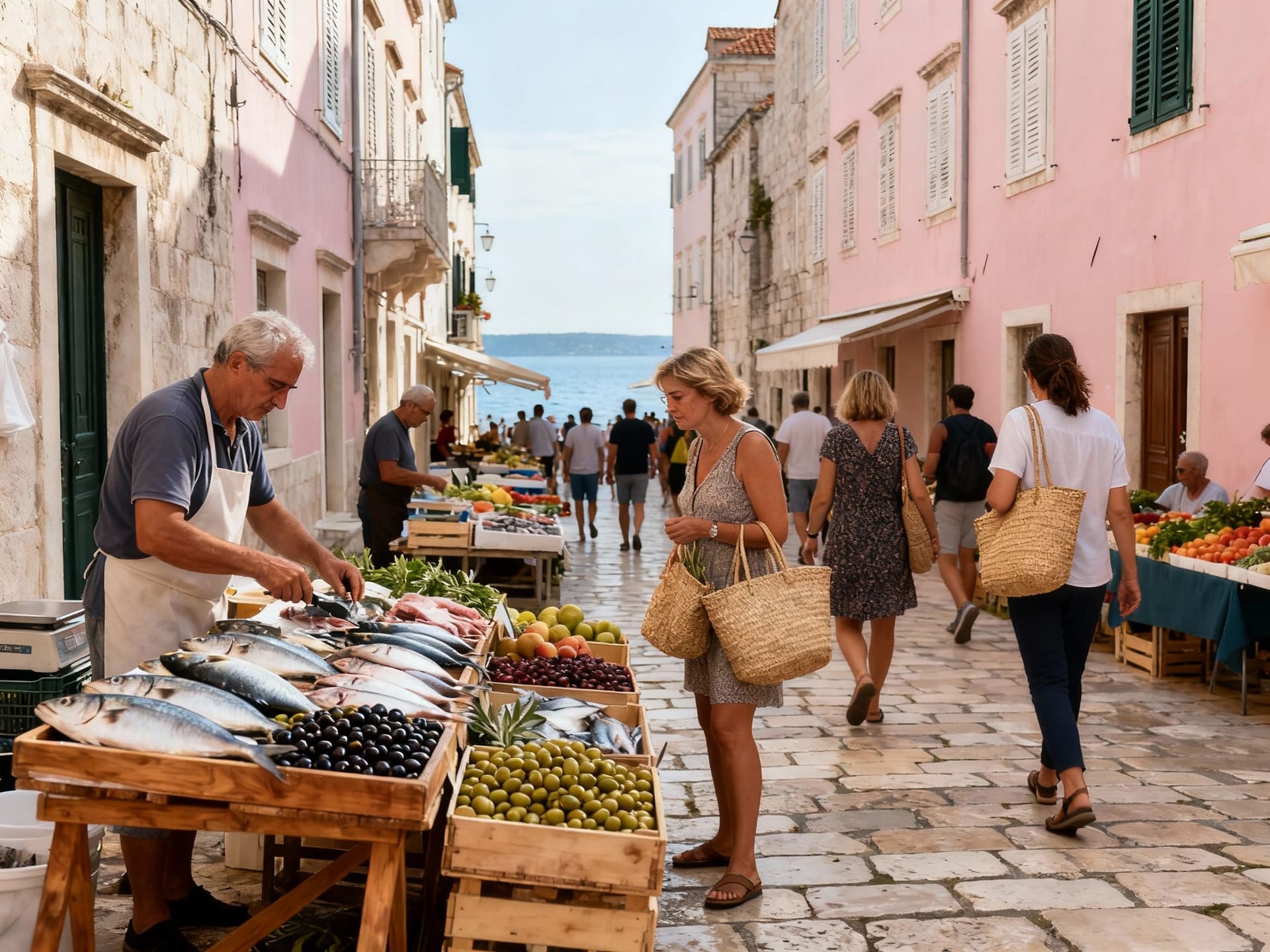
This piece zooms in on a pattern you’ll hear in Croatia: buyers fixate on Dubrovnik, Hvar and Split and call other Dalmatian towns "too quiet". The truth? Towns like Kaštela or Trogir’s quieter districts combine daily life, shorter tourist seasons, and prices that haven’t been bid into the stratos. As Croatia’s official rules show, EU buyers enjoy parity across locations, and non‑EU buyers can buy with ministry consent—so those quieter towns are legally reachable, not just romantic sidelanes.
Why locals prefer these in-between towns
Locals choose ease over spectacle: a short commute to Split, a reliable fish market on Saturdays, affordable year‑round shops and schools, and neighbours who know one another. These places trade headline glamour for steady community benefits—daily cafés that don’t clear tables for tourists, municipal services that run all year, and quieter marinas where mooring costs are lower.
A day that explains the appeal
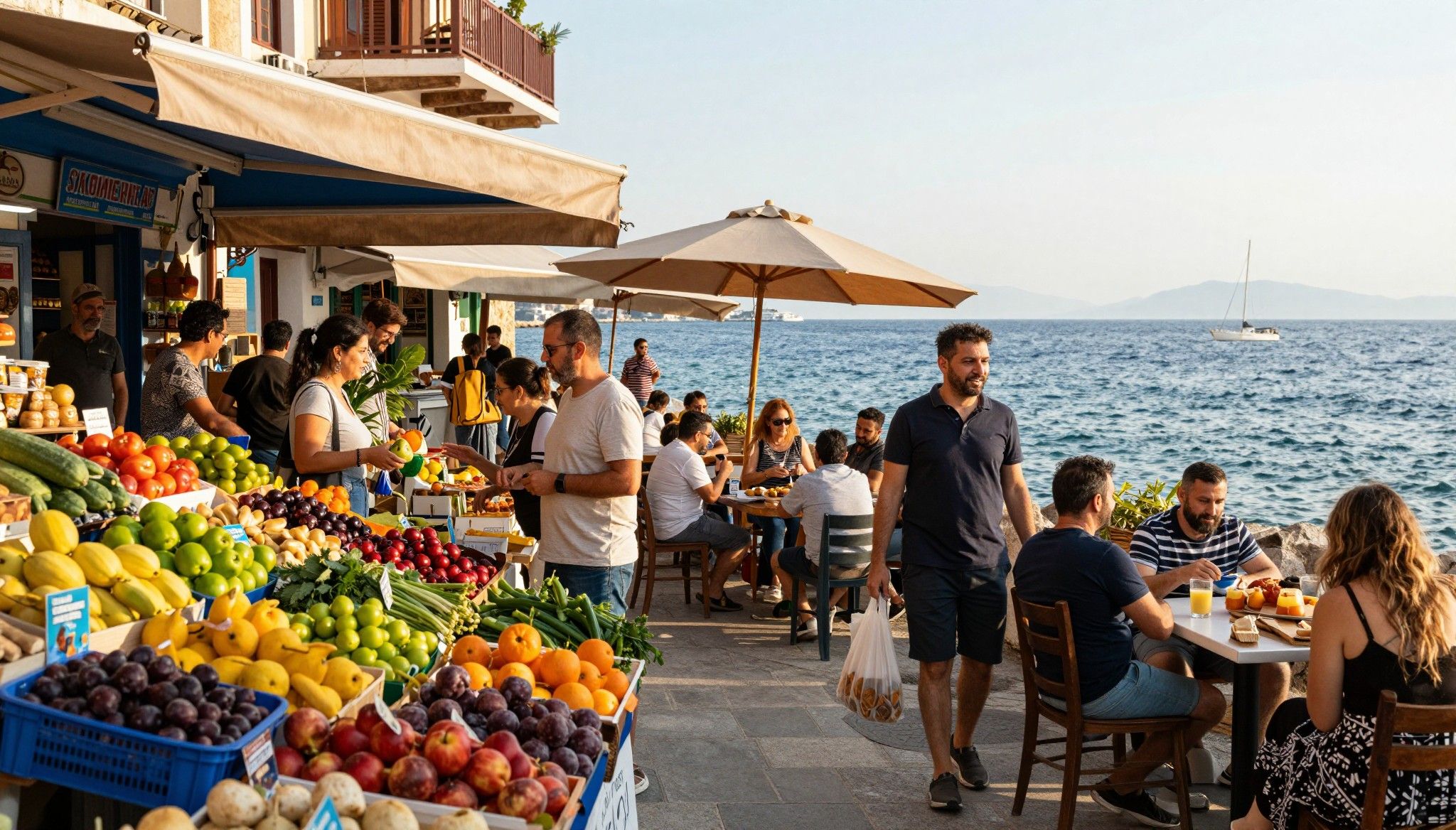
Picture buying a small stone house in Kaštela: morning espresso at Caffe Bar Luka, weekday grocery runs at the covered market, afternoons cycling along the promenade, and weekends hopping a 20‑minute ferry to Split for a concert. You get Adriatic life without the July crush—and your property is used by owners, not rented nightly to tourists.
- Lifestyle highlights of quieter Dalmatian towns
- Short commutes to major hubs (Split 10–25 minutes); daily local markets and year‑round cafes
- Lower mooring and maintenance costs compared with prime islands; calmer beaches in shoulder seasons
Making the move: practical realities that match the lifestyle

The lifestyle case matters, but so do numbers. Croatia’s house price index rose strongly in recent quarters—prices climbed 13.1% year‑on‑year in Q1 2025—yet growth is uneven. Coastal hotspots saw faster jumps, while intermediate towns recorded steadier increases. That creates pockets of relative value you can target if you marry lifestyle priorities to empirical data.
Property types that fit everyday Dalmatian life
Stone houses with small courtyards suit family life and year‑round use; compact new apartments near transport links suit remote workers; renovated townhomes give instant local integration. Seek good insulation and double glazing: shoulder seasons bring chilly, damp mornings that matter for comfort and running costs.
Working with local experts who know the rhythm
An agent who knows municipal rules, seasonal rental dynamics, and local suppliers is invaluable. For non‑EU buyers you’ll need ministry consent in some cases; a Croatian lawyer can speed the OIB registration and land‑registry checks. Choose agents who show off‑season life (not just glossy July photos) and who can introduce you to local handymen, mariners and neighbours.
- Practical steps to buy in a quieter Dalmatian town
- Visit in shoulder season (Oct–Nov or Mar–Apr) to see daily life in motion
- Request utility and maintenance records; verify year‑round service levels and insurance history
- Ask for a local rental‑season breakdown if you plan mixed use—long‑let availability matters for community health
Insider knowledge: what expats wish they’d known
Two realities shape long‑term ownership: tax reform and rental pressure. Croatia has moved to broaden property taxation to discourage speculation and encourage long‑term rentals. That means owners who commit to year‑round living or long leases are likely to avoid punitive treatment and to enjoy stronger community ties.
Language, culture and the small‑town social code
Croatian is helpful but not essential in tourist towns—many shopkeepers and officials speak English. What matters is effort: learn greetings, be visible at the market, and attend a local klapa (a cappella) night or patron saint festival. Those small gestures convert polite sellers into trusted neighbours and unlock local insights that no listing shows.
How your life changes after the move
At first you’ll trade late‑night city options for sunrise markets and simpler logistics. Six months in, weekday routines—barista names, bakery schedules, ferry timetables—become your new map. Five years in, you’ll value reliable neighbours and low‑season access more than peak‑season glamour. That shift is precisely why overlooked Dalmatian towns reward patient buyers.
- Red flags to watch for in quieter towns
- Limited medical services or schools—confirm commute times and emergency access
- High short‑term rental penetration—ask for long‑let availability data or local council plans
- Seasonal businesses that close for six months—check year‑round utility and supply reliability
If you want both data and the Dalmatian life, aim for towns with steady price growth but lower volatility than headline hotspots. Data shows coastal hotspots led price rises, while intermediate towns have steadier trajectories—meaning lower risk of sharp speculative swings and a better match for a life you can actually live.
Ready to see the quieter side of Dalmatia? Start with shoulder‑season visits, insist on off‑season performance data from agents, and bring a local lawyer early if you’re a non‑EU buyer. The payoff: a place that feels like home year‑round, financial logic that outperforms summer headlines, and neighbours who know your name.
Norwegian market analyst who relocated to Mallorca in 2020. Focuses on data-driven market insights and smooth relocation for international buyers.