Greece: Life‑First Scenarios for Savvy Buyers
Greece offers an irresistible lifestyle, but 2025’s rising prices, rental rules and supply limits demand scenario planning—model three outcomes before you buy.
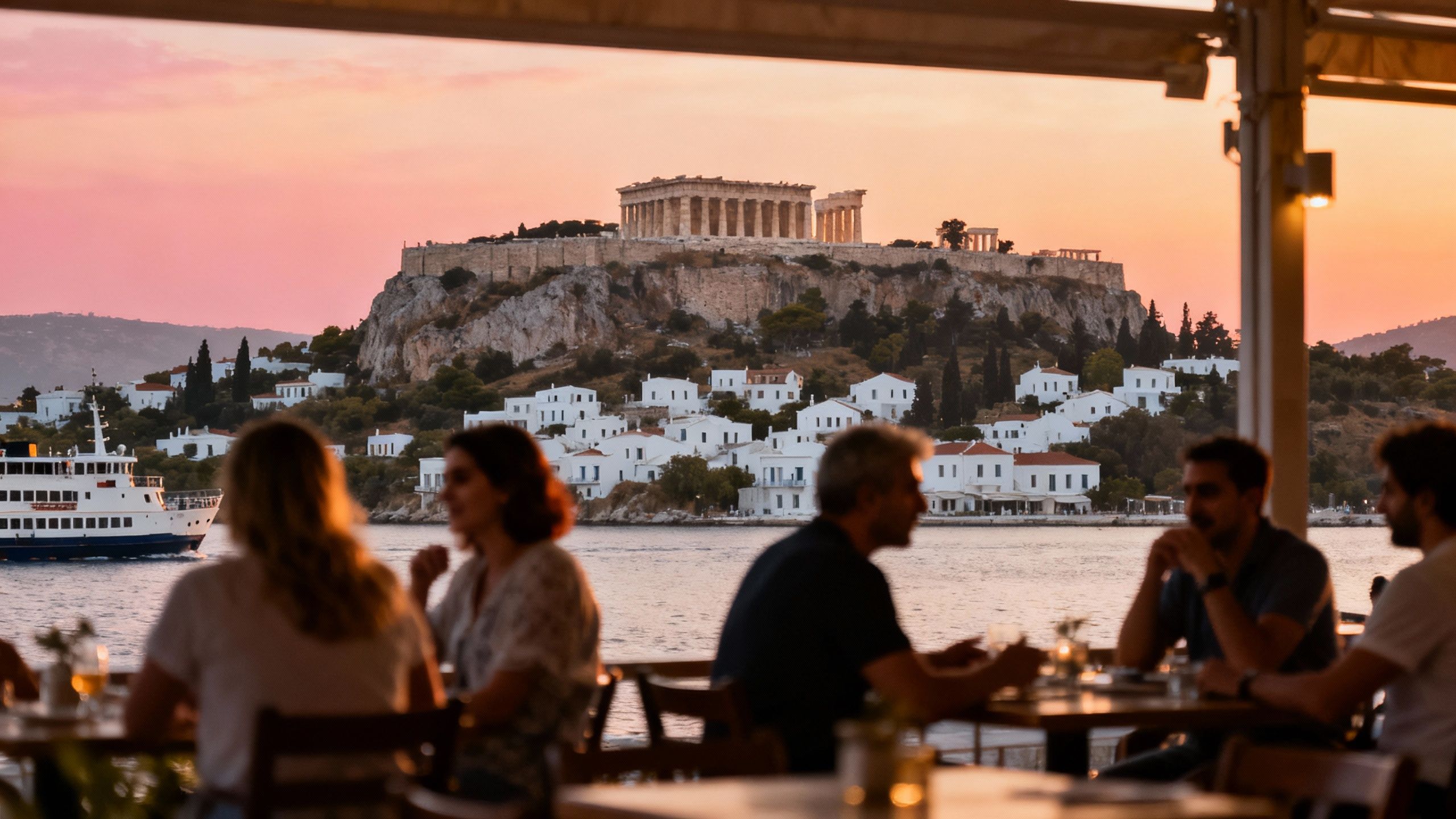
Imagine sipping an espresso on a quiet Athens side street, then catching a late ferry to a Cycladic island where the sun sets over whitewashed roofs. In Greece that rhythm — city mornings, island afternoons, tavernas at dusk — is not a postcard; it’s how people live. But the story for buyers in 2025 is double-sided: lifestyle abundance sits beside a tightening market shaped by rising prices, rental rules and supply constraints. Understanding both sides makes the difference between a dreamy purchase and a costly surprise.
Living the Greece lifestyle

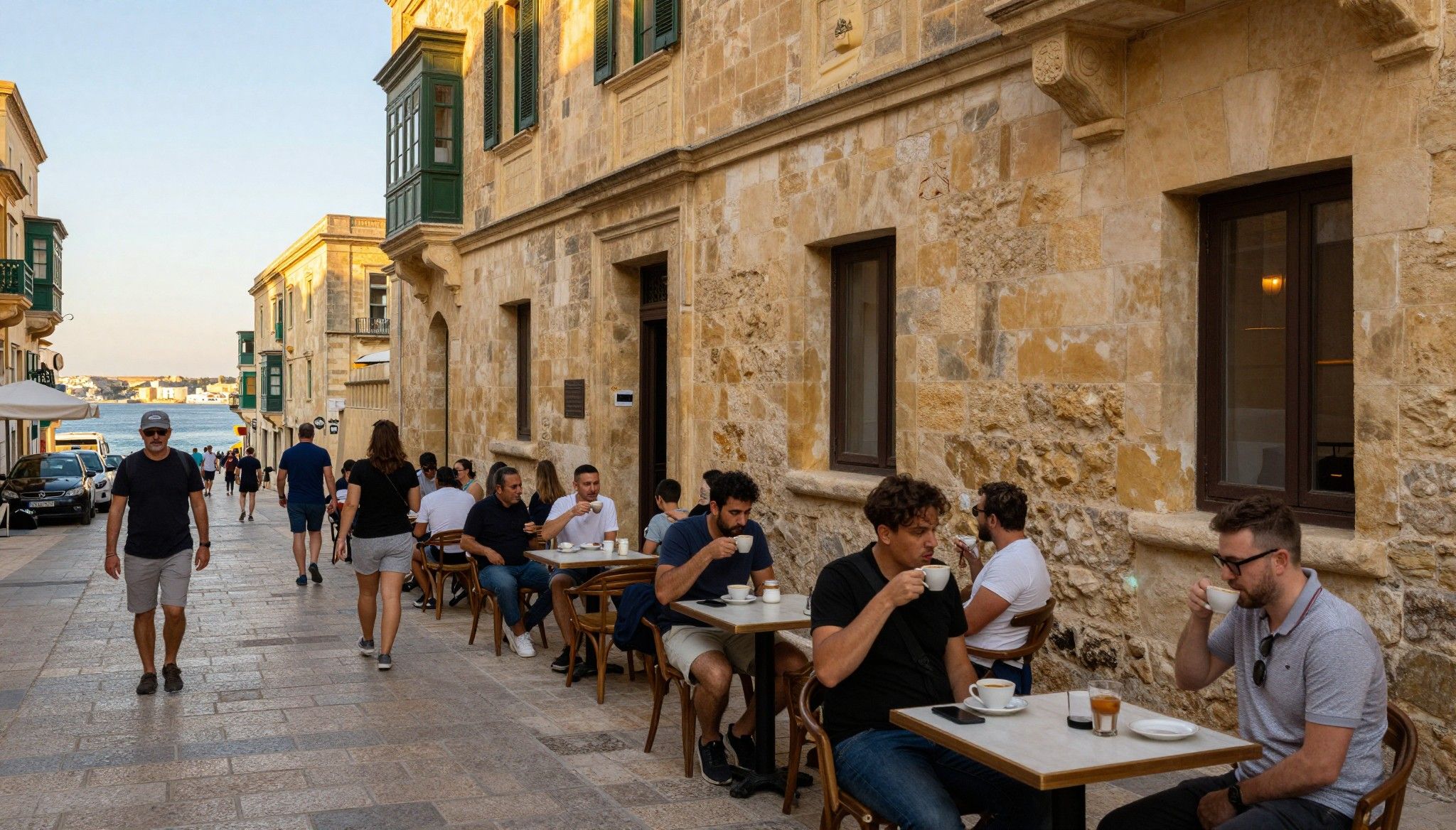
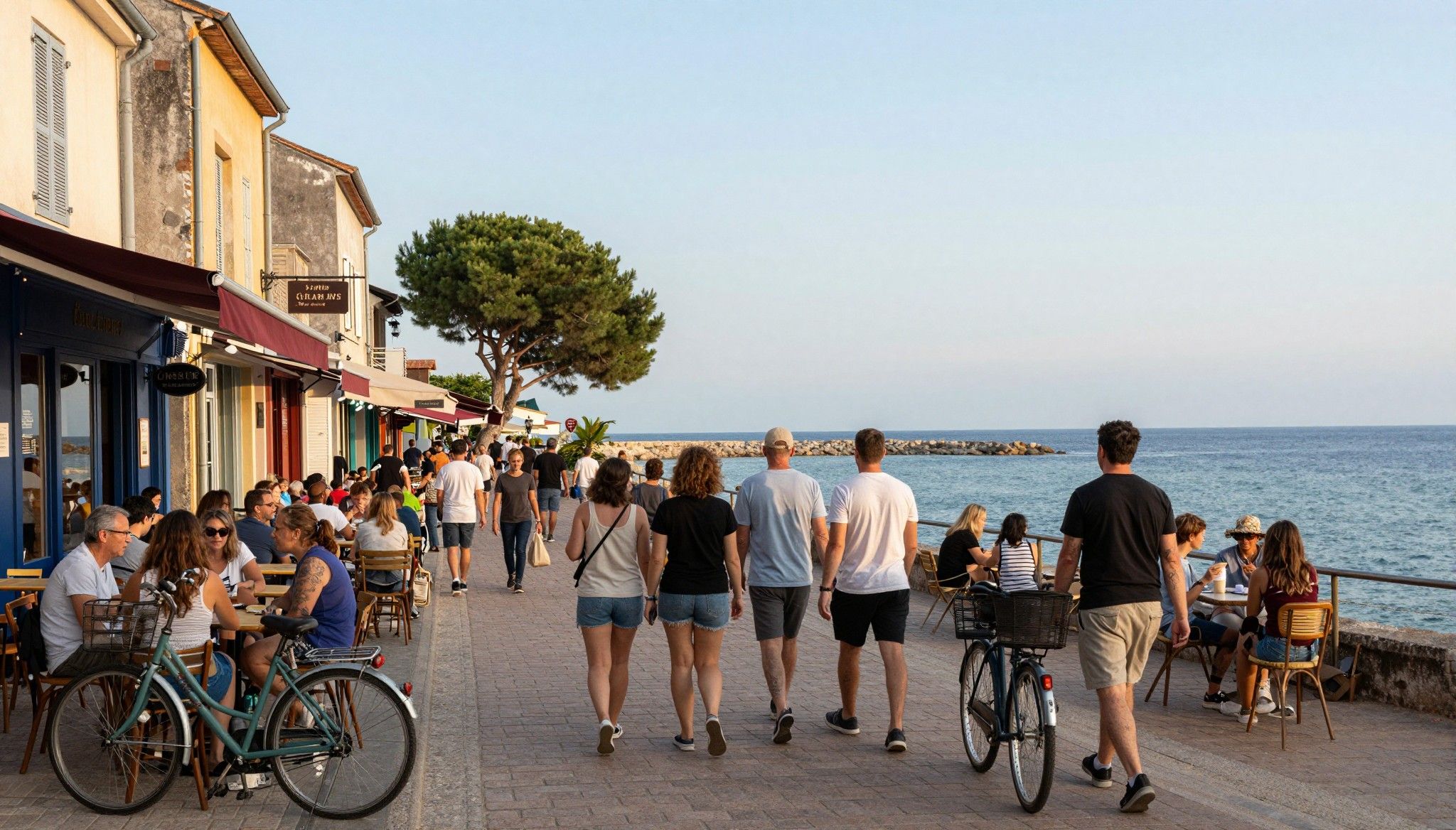
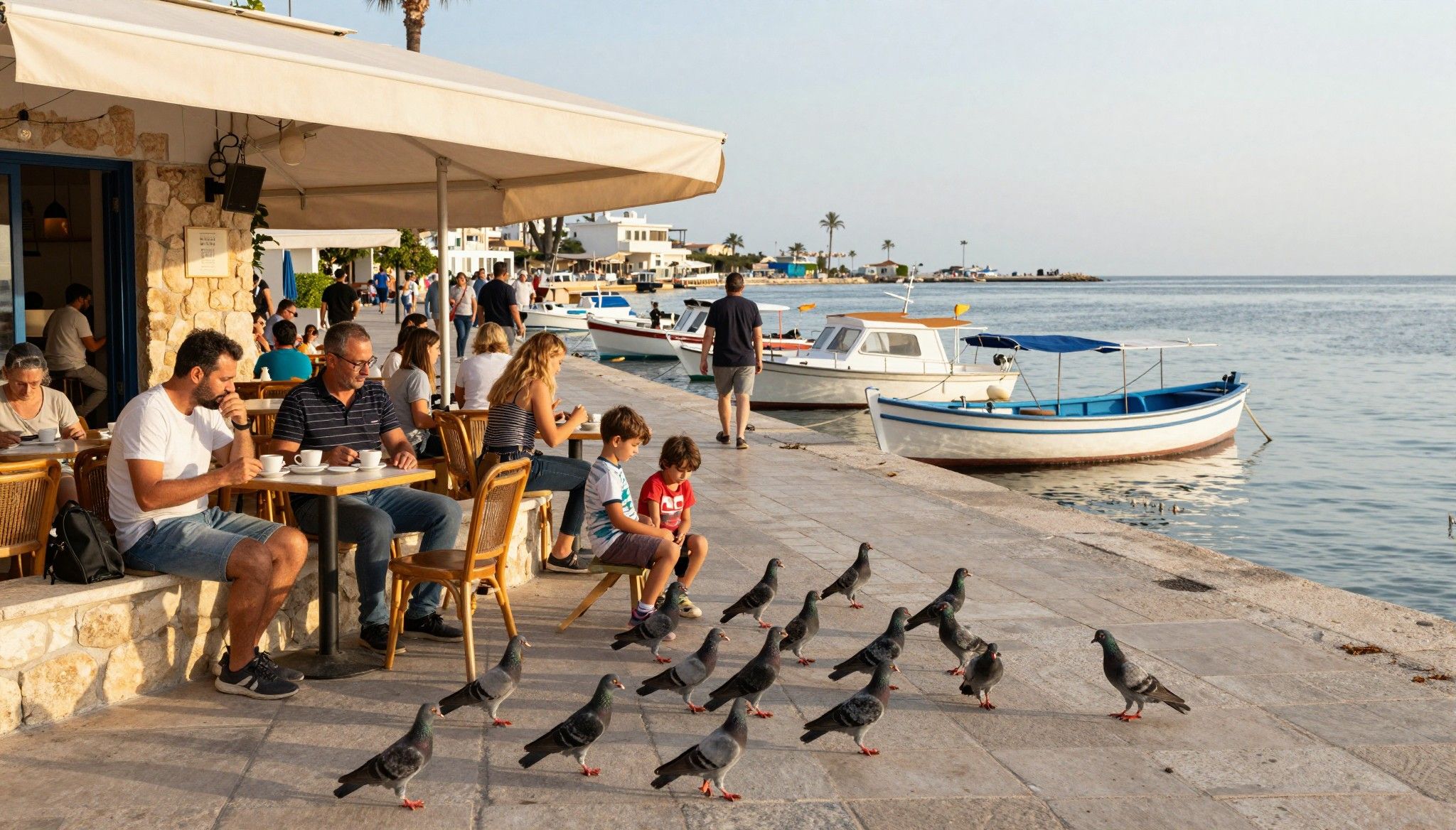
Greece feels tactile: crumbly stone facades, the citrus scent at local markets, children racing scooters along promenade promenades. Days are ruled by light. In Athens, mornings are for coffee at tucked-away cafés on streets like Voulis and Dionysiou Areopagitou; evenings spill into Plaka and Psyri where music and conversation run late. On islands such as Naxos and Paros, life loosens: fishermen’s harbors, small morning markets and dinners outdoors under bougainvillea.
Neighborhood spotlight — Koukaki and Monastiraki
Koukaki mixes local life with great access to the Acropolis: stone-paved streets, tavernas serving grilled fish, and small galleries. Monastiraki is louder — flea markets, rooftop bars and narrow alleys. For buyers who want everyday Greek life with tourist-friendly infrastructure, these areas balance authenticity and convenience — but expect demand-driven prices and competition for renovated apartments.
Food, markets and the season that matters
Weekends revolve around markets: Varvakios in central Athens for fish and olives, smaller morning markets on island squares for cheese and honey. Seasonal rhythms change where you’ll live: winter in Thessaloniki means lively kafeneia and cultural festivals; summer on Mykonos is all terraces and tourism energy. These cycles affect rental demand and utility needs — central for buyers considering short-term letting or year-round use.
Making the move: practical considerations
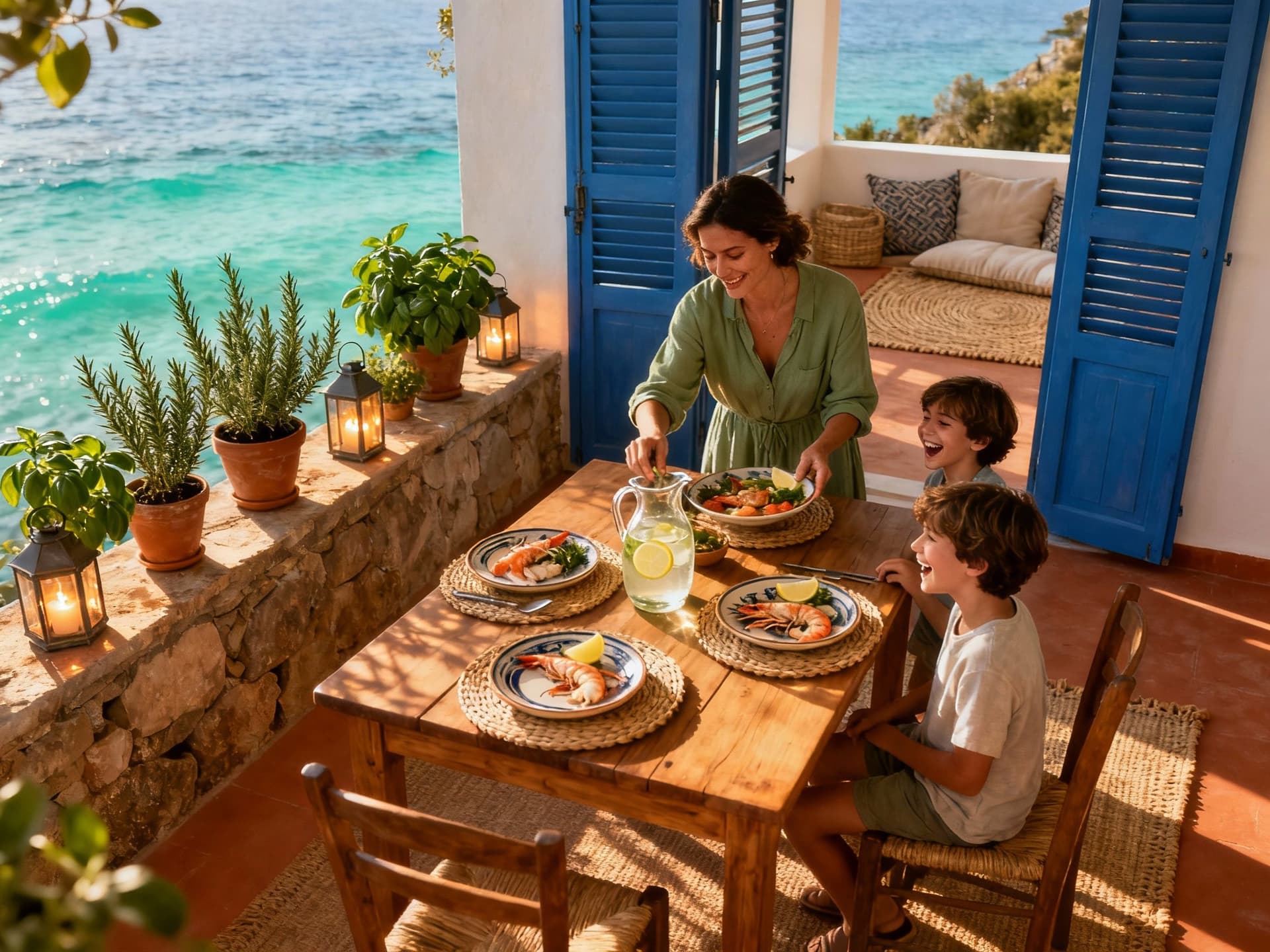
Greece’s market momentum is backed by hard numbers: national prices rose materially in recent years and data from central sources point to continued growth in many urban and island markets. At the same time, legislative steps to curb short‑term rentals and tighter building permit dynamics have changed the practical calculus for buyers who plan to rent or renovate.
Property styles and how they shape daily life
In Athens you’ll choose between neoclassical flats with high ceilings and modern developments with concierge services; on islands, stone houses and low-rise complexes dominate. If you want all‑season comfort, prioritise insulation, air conditioning and reliable water storage — island summers test systems that city properties rarely do. Renovation budgets should reflect traditional materials and local craft skills, which can add time and cost but preserve character.
How local experts help marry lifestyle and value
Work with agents who show you day-in-the-life scenarios, not just floor plans. They should introduce you to neighbourhood cafés, local builders and municipal offices. Ask for rental-demand heatmaps, recent sale comparables and clear explanations of local permitting timelines before you sign. That way lifestyle choices (beach proximity, market access) align with realistic holding costs and exit strategies.
Practical checklist: combine lifestyle and market sense
Confirm year-round transport links (ferries, regional flights) for island buys
Check local short‑term rental rules (some central districts restrict new listings).
Budget for energy upgrades and water solutions in island and rural properties.
Insider knowledge: what expats wish they'd known
Expats often say the surprise wasn’t language but the rhythm: shops close mid‑afternoon, life flows around meals and family time, and municipal processes can be patient. These cultural patterns influence property use — if you want a quiet morning market, a coastal village might be ideal; if you crave non‑stop cafés and galleries, central Athens or Thessaloniki fits better.
Integration, community and the small rituals
Start by learning simple phrases and repeating local routines: bring pastries to a new neighbour, join the weekly market, volunteer at a local cultural festival. These gestures build trust faster than formal introductions. Community ties also protect property value — neighbourhoods with active associations tend to resist over‑tourism conversions.
Longer-term outlook and scenarios
Current indicators point to moderate price growth in 2025 but increasing regulatory and supply risks. Scenario A: measured growth (3–6%) if permitting and rental rules stabilise; Scenario B: sharper island and city-centre appreciation if tourism rebounds and short-term stock remains limited. Use scenario planning: model cashflow for renting, and stress-test for slower seasons or new rules.
Steps to apply scenario planning to a purchase
1. Create three 5‑year rental/occupancy cases (optimistic, base, cautious). 2. Price in potential compliance costs for short‑term rentals and renovations. 3. Verify resale comparables for both high‑season and off‑season months. 4. Build an exit timeline tied to liquidity under each scenario.
Data snapshot: what the numbers say
Bank and market reports show national house price growth running in the high single digits in recent years, with stronger pockets in Thessaloniki and tourist islands. Construction activity is not keeping pace with demand, which supports prices but increases renovation and permit friction. For buyers this means expecting rising replacement costs and prioritising well-documented titles and clear planning permissions.
Red flags to spot on viewing day
No clear title documents or missing building permits for past renovations
Properties marketed as 'legalized later' without municipal receipts
Unrealistic rental projections offered without seasonality adjustments
How an agency becomes your local lifestyle architect
A strong local agency shows local life, not only listings. They introduce you to neighbourhood rhythms, trusted architects for traditional renovations, and municipal contacts for permits. Ask potential agents for specific examples: who they recommended for an energy upgrade, a recent permit timeline, or a tenant profile in a neighbourhood you love.
Conclusion — fall for the life, plan for the market
Greece gives you ritual, light and a coastline to shape a new life. To make that life sustainable, pair the sensory choices — your favoured neighbourhood cafés, the island sunset you can’t live without — with scenario planning that accounts for price trends, rental rules and construction friction. Start with short, data-backed exercises (three scenarios, red-flag checklist) and a local agent who knows both the market numbers and morning routines. Then book a long weekend: live the place before you buy.
Norwegian market analyst who relocated to Mallorca in 2020. Focuses on data-driven market insights and smooth relocation for international buyers.