Greece Price Myths: Where Value Hides in 2025
Greece’s price headlines hide micro‑market value. Visit off‑season, prioritise year‑round services and use local data to find neighbourhoods where lifestyle and long‑term value converge.
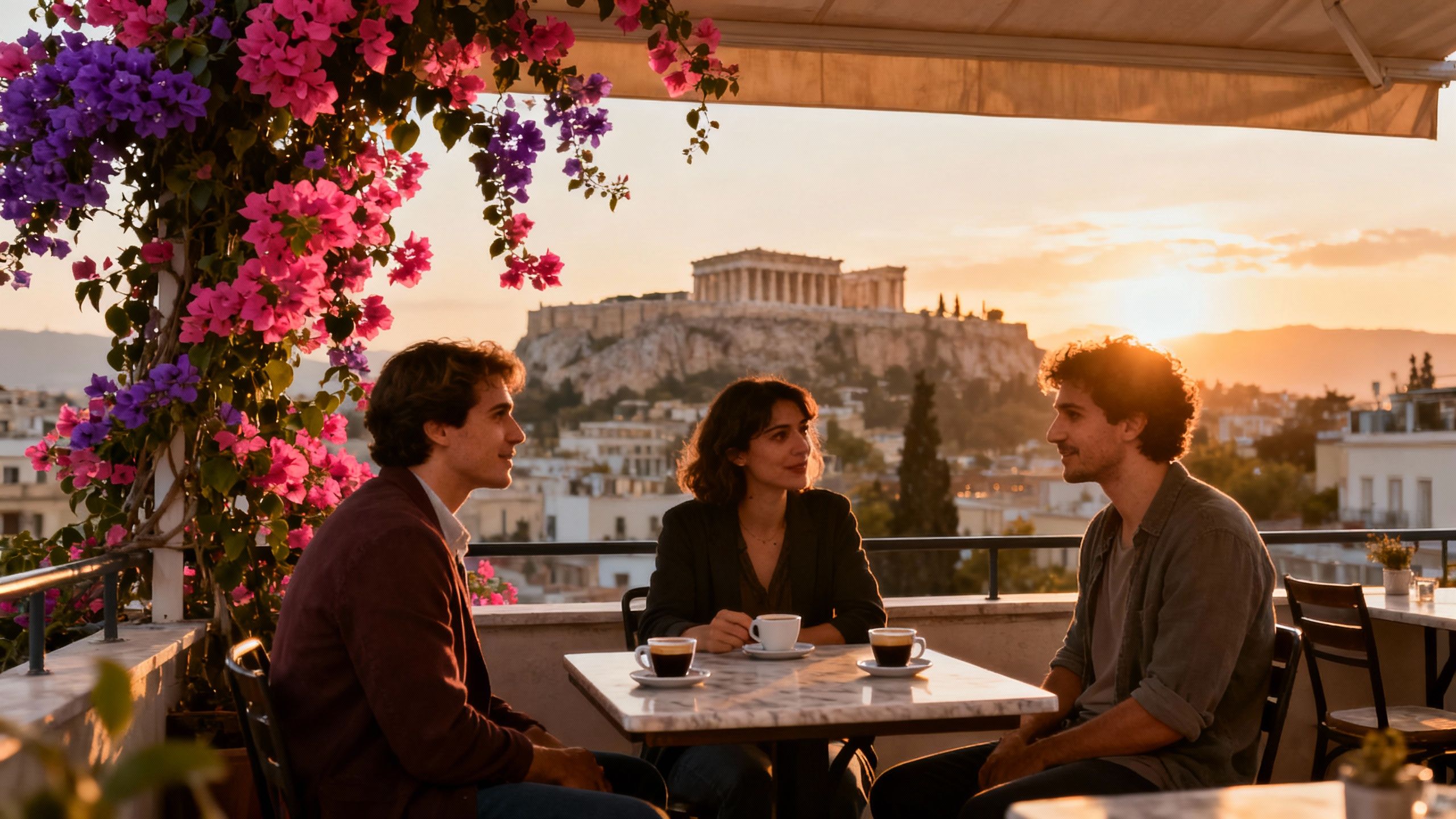
Imagine sipping a late-morning espresso on a sun-warmed marble table in Exarcheia, then an hour later walking a quiet alley in Anafiotika where bougainvillea tumbles over whitewashed steps. Greece lives in contrasts: Athens’ gritty cafés and rooftop sunsets, small islands where time slows, and coastal towns whose markets still close for siesta. Those contrasts are exactly why the simple headline “Greece is expensive” misleads international buyers — prices are rising, yes, but value and lifestyle options are far more nuanced than averages suggest.
Living the Greece lifestyle
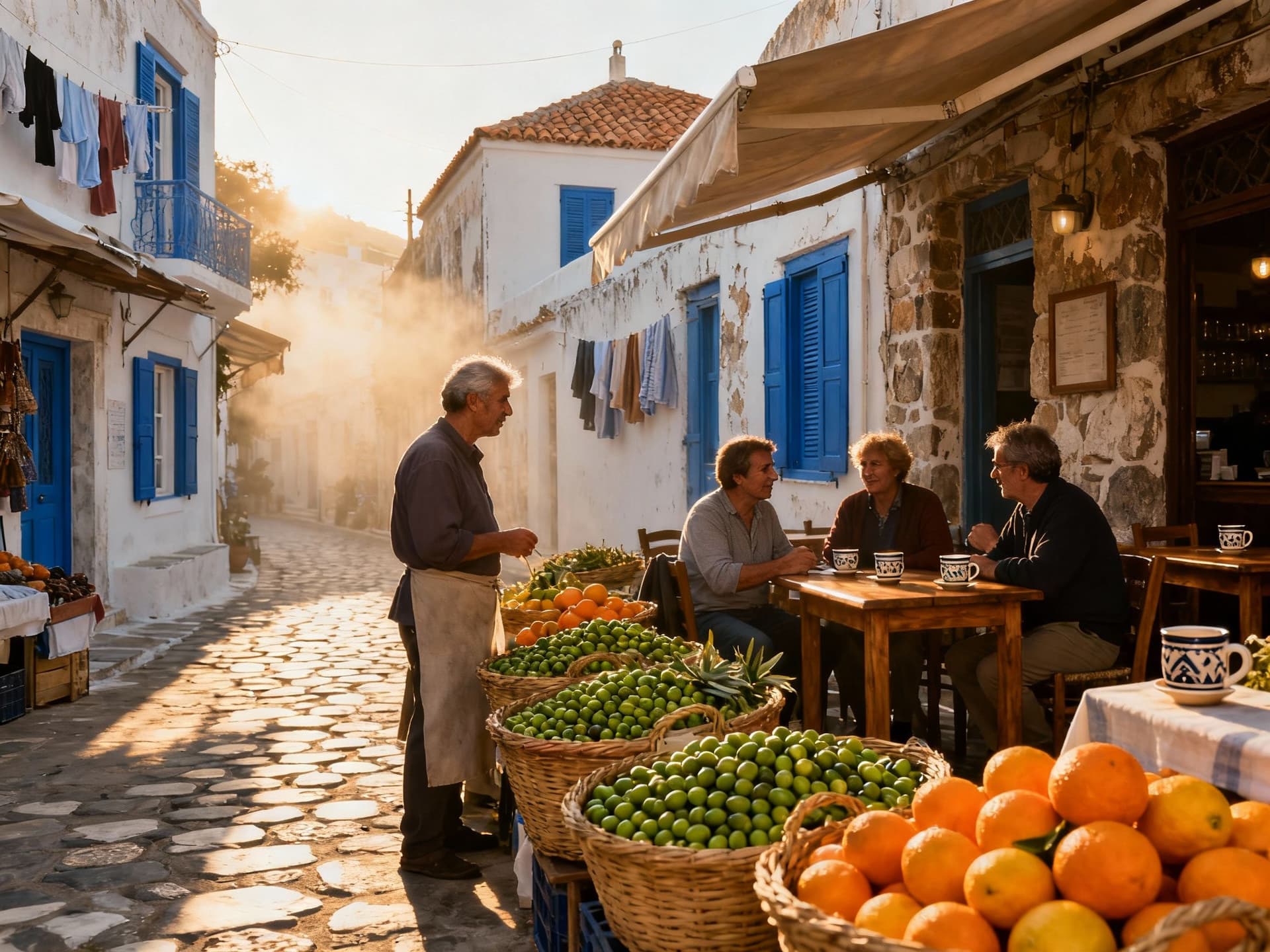
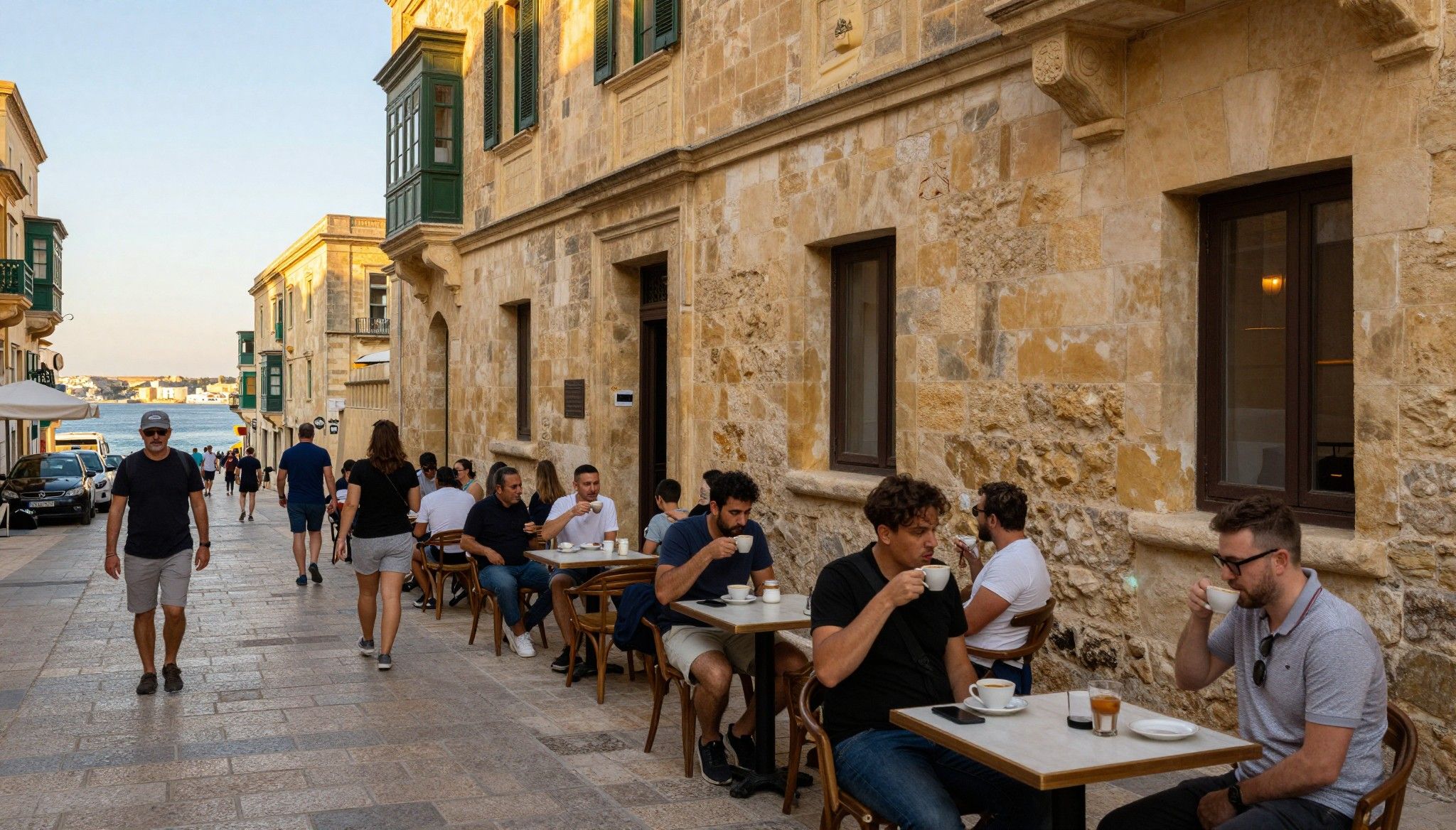
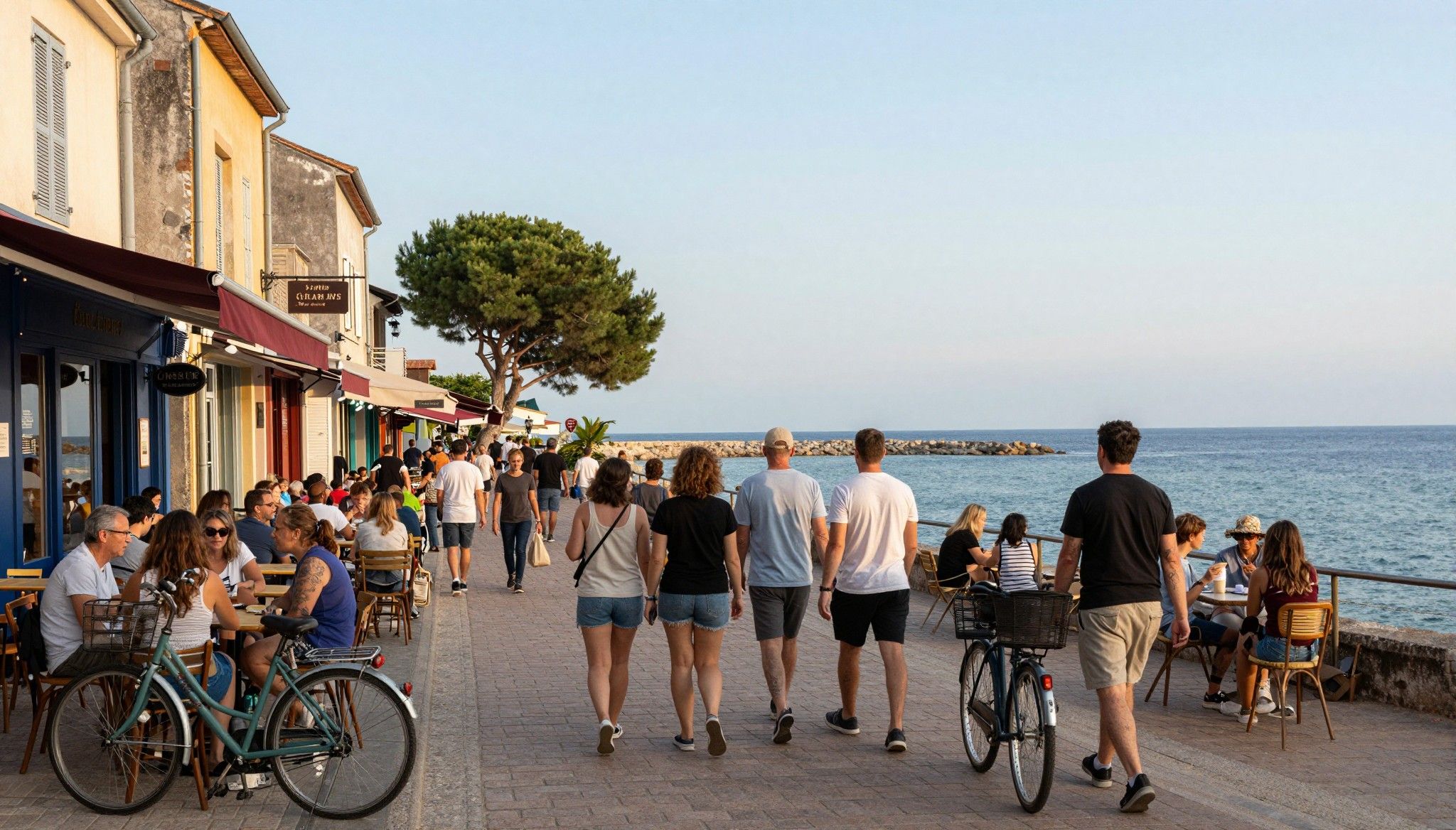
Day-to-day life in Greece is sensory and neighborhood-driven. Mornings begin with espresso and a paper at local kafeneia; afternoons move toward the sea or the shaded square; evenings are for long dinners, music and laughter. For buyers, that means property choice should start with how you intend to live: a compact pied-à-terre for culture in Athens, a village home for market-week rhythms, or a coastal apartment for daily sea access.
Athens: rooftops, lanes and growing demand
Athens is layered: Kolonaki’s galleries, Psiri’s late-night tavernas, Pangrati’s bakeries and Exarchia’s coffee scene. Markets report strong buyer interest in central neighbourhoods driven by renovation projects and international demand. New-build averages in Attica rose significantly over recent years, but neighbourhood-level spreads remain wide — a renovated apartment on a leafy street can cost much less than an equivalent near Syntagma while delivering an authentic local life.
Islands and coast: seasonal shimmer vs. year-round living
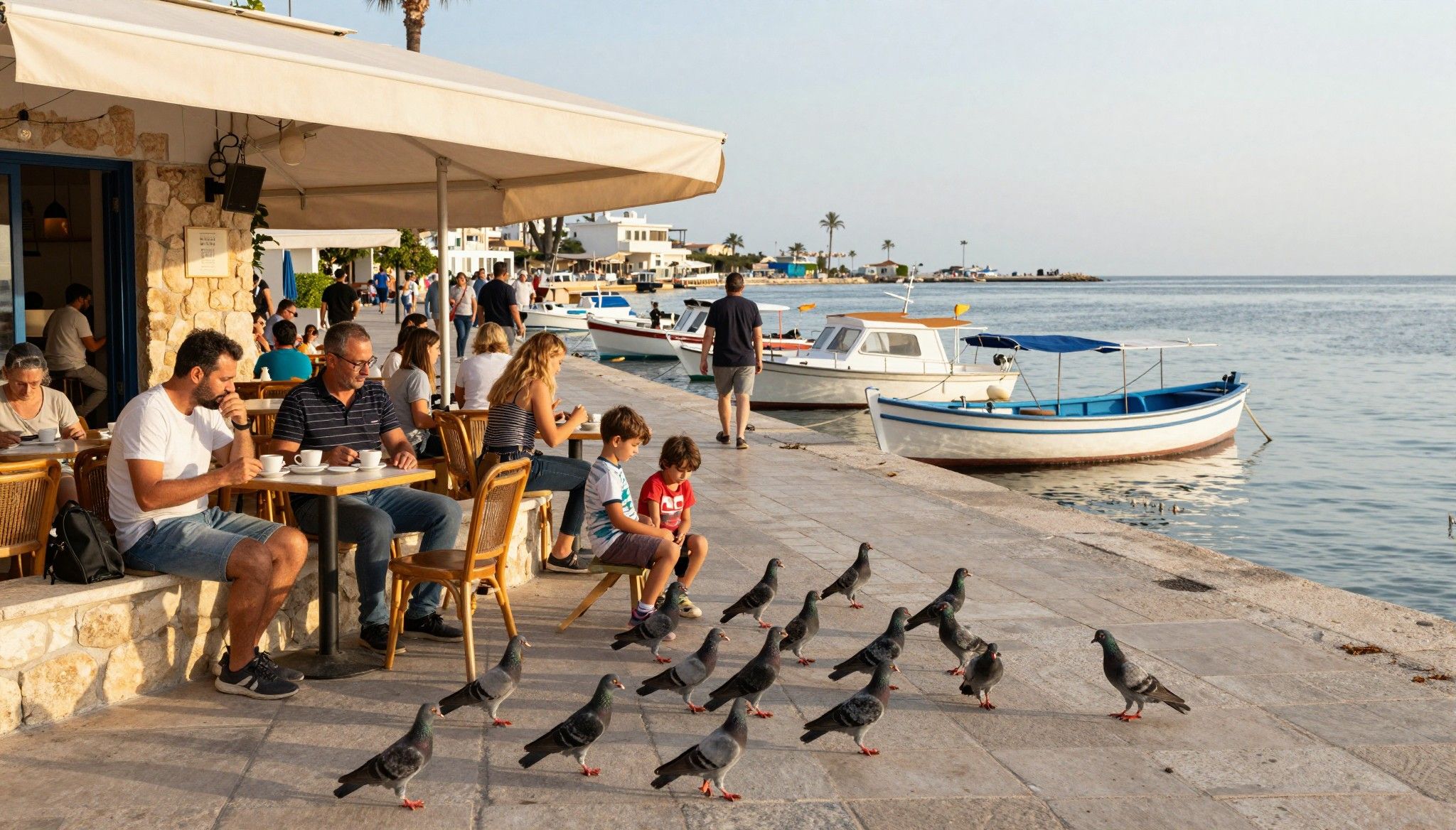
The Cyclades and Ionian coasts sparkle in summer, but their appeal to year-round residents varies. Islands like Syros or Naxos combine good services with calmer tourism, offering relative value compared with Mykonos or Santorini. Tourism receipts and visitor numbers surged in 2024 and influence pricing, yet inland and lesser-known coastal towns continue to offer properties at much lower per-square-metre rates and a truer community rhythm outside peak months.
- Athens lanes for café life (Exarcheia, Pangrati); Morning fish market in Varvakeios; Naxos tavernas for family-style dining; Anafiotika alleys and rooftop sunsets; Corfu’s north-coast villages for calmer beaches
Making the move: practical considerations that preserve lifestyle
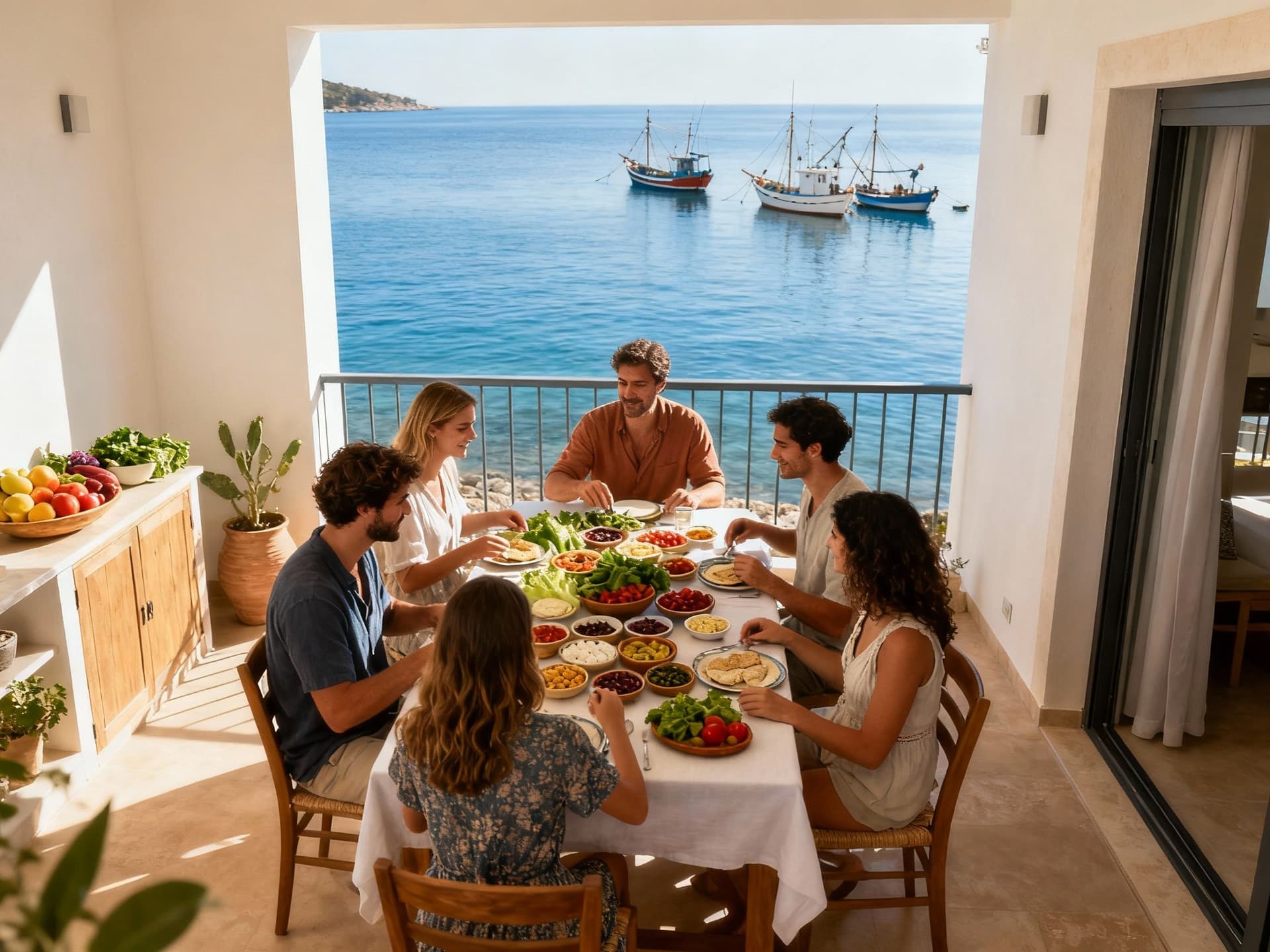
Turning a lifestyle idea into a property purchase in Greece requires aligning seasonal patterns, local services and market cycles. National price indices show continued growth, but local supply constraints, renovation potential and regulatory changes on short-term rentals shape the real opportunities. Think less in national averages and more in micro-markets: a town with a weekly market, ferry link and a good clinic will sustain lifestyle value better than headline beach hot spots.
Property styles and how they map to daily life
Stone village houses come with thick walls and cool summers; modern apartments in Athens give walkability and rooftop life; new coastal developments offer pools, parking and low-maintenance living. Choose the property type that supports your routine: terrace for evening dining, storage for seasonal gear, or an open-plan kitchen if you want to cook with market produce. Remember: renovation costs can be attractive in Greece, but factor in seismic standards and insulation upgrades.
Working with local experts who know the life, not just listings
- Good local agents act as cultural translators: they’ll show you how a street behaves across seasons, identify off-market opportunities, and advise on neighbourhood services. Ask agents for three things: recent neighbourhood comparables, local annual running costs (utilities, community fees), and introductions to trusted renovators. Use agencies that can demonstrate experience with international buyers and supply references from past non‑Greek clients.
- Inspect properties in low season to check heating, insulation and access; Prioritise villages/towns with year-round shops and medical access; Value older buildings with solid bones for renovation upside; Check ferry/airport links if island living matters
Insider knowledge: what expats wish they'd known
Expats often tell the same story: they fell for a summer visit and bought where everything felt easy — then discovered long winters, sparse services and new rental regulations that changed their plans. Recent moves by Greek authorities to tighten short‑term rental rules and increase seasonal taxes mean the income assumptions behind many purchases need re-checking. Buying for life rather than speculative summer income reduces regret and aligns property choice with authentic daily life.
Cultural rhythms and community fit
Learning a few words of Greek, knowing market day times, and understanding the pace of bureaucracy makes settling easier and helps you spot trusted neighbours and suppliers. Communities often revolve around the local bakery, square or café — these are the real measures of liveability. For families, check where the local health centre and school buses operate; for remote workers, verify mobile and fixed internet performance before committing.
Long-term scenarios: where value is likely to hold
Data suggests Greece’s residential prices have moderated but remain positive year-on-year in early 2025, reflecting steady demand and constrained supply. Scenario planning favours locations with improving infrastructure (new ferry routes, regional airports), stable year‑round communities, and towns investing in healthcare and education. These places are more likely to retain lifestyle value and offer renovation upside, compared with headline tourist hotspots subject to policy swings.
- Look for towns with: reliable year-round transport; growing local services; renovation-friendly zoning; diversified local economies (not just tourism)
If you’re tempted to buy where Instagram tells you to go, pause and map the year-round life. Visit in winter, talk to shopkeepers, check medical access, and ask an agent for utility bills and past occupancy figures. When you balance sensory love for a place with data about access, services and regulation, you find Greece’s hidden value — neighbourhoods where life fits the dream and the investment case stays honest.
- Arrange a two‑stage visit: summer to feel energy and market, winter to test services; Compile three comparable sales within a 1 km radius to gauge local pricing; Ask local agents for proof of past rental income if you plan short lets; Factor in renovation costs and seismic upgrades before calculating yield; Build a 12‑month running-costs spreadsheet (utilities, insurance, communal fees, property tax).
Greece rewards buyers who choose place over price headlines. Live there for the rhythm — markets, neighbourly cafés, seasonal festivals — and pair those choices with micro‑market data, expert local advice, and a realistic plan for regulation and renovation. When you do, the result is rarely an overpriced purchase; it’s a life that feels right and a property that performs over time.
Danish relocation specialist who has lived in Barcelona since 2016. Helps families move abroad with onboarding, schooling, and local services.