Buy in Greece in Low Season: The Counter‑Season Advantage
Seasonal strategy for Greece: scouting in low season reveals true neighbourhood life, clearer negotiating power and data-backed buying advantages.
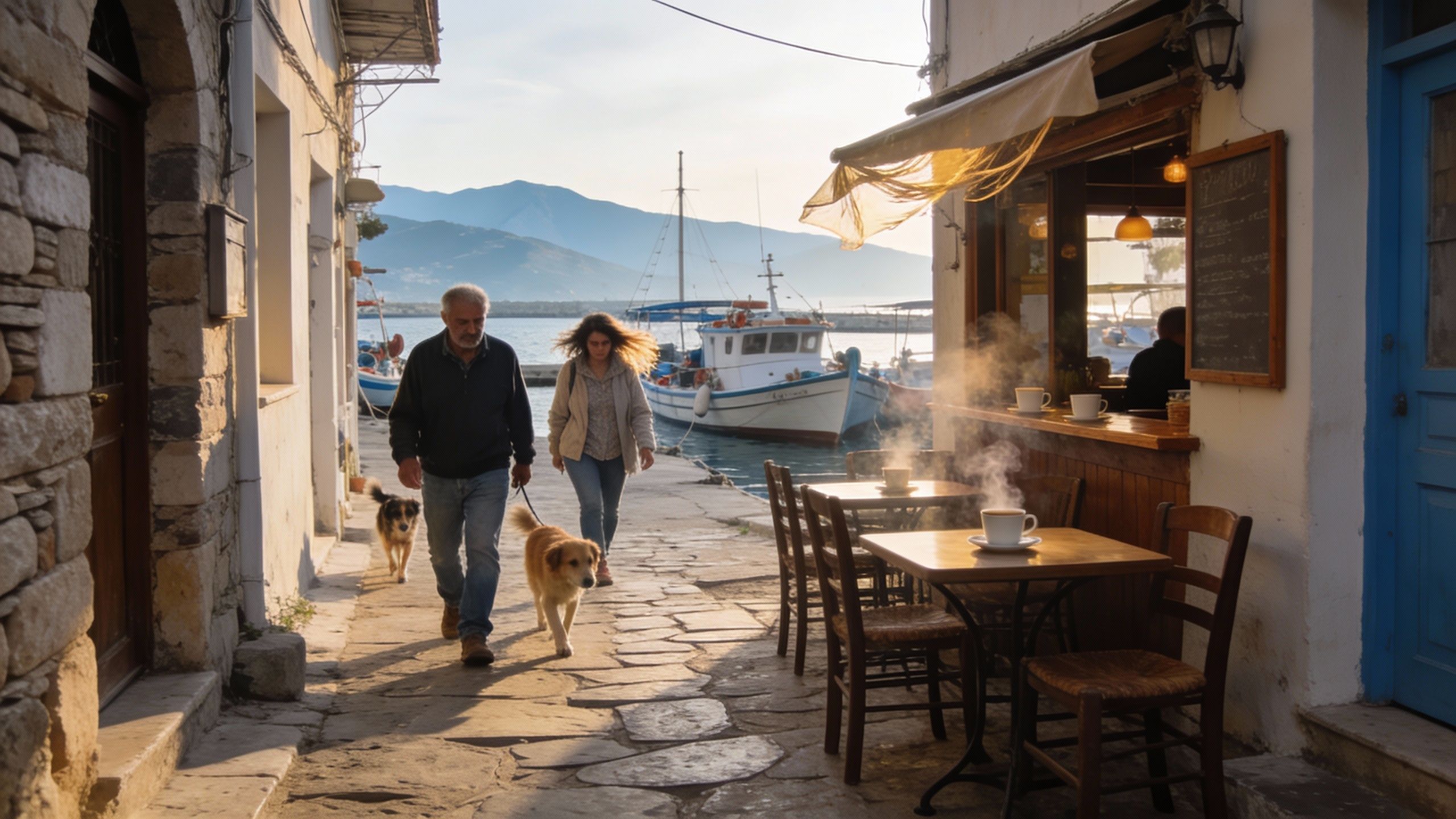
Imagine walking a near-empty Athenian market in January: steam from a corner kafeneio, sellers stacking citrus and cheery oranges, and a coastal breeze on Glyfada’s promenade. In Greece the rhythm of life shifts with seasons — and that shift creates a real estate opportunity many overseas buyers miss. This guide argues a contrarian, seasonal scenario: looking in low season (late autumn to winter) can surface better choices, clearer negotiations and a truer sense of neighbourhood life — backed by recent market signals and on-the-ground colour.
Living the Greece life — not the postcard
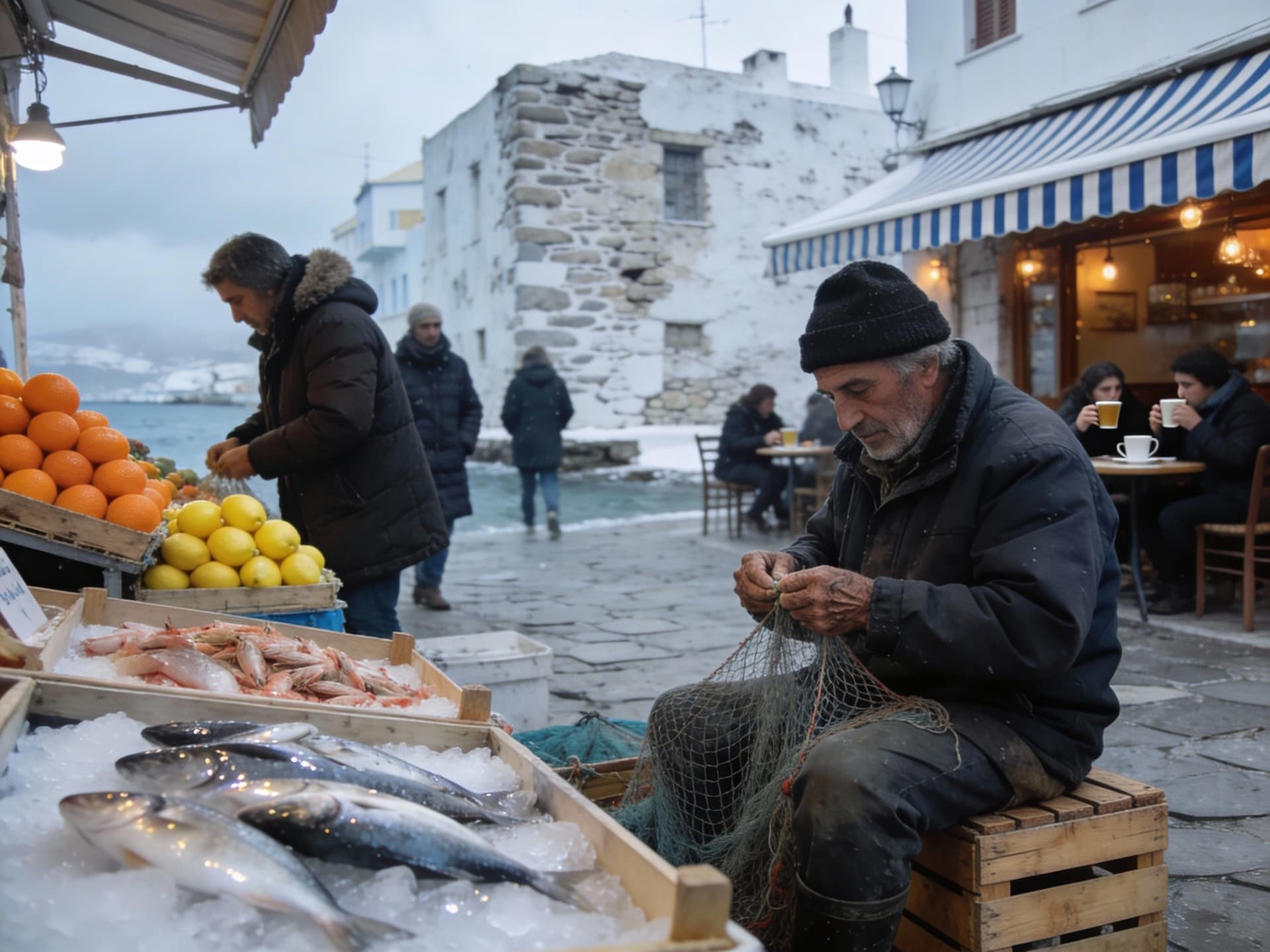
Greece is not only sunlit islands and high-season bustle; it’s neighbourhood rhythms, late breakfasts, and small public rituals. In Athens’s Plaka you’ll hear church bells, smell wood-fired pies, and see residents buy morning simit on Dilou Street. On the islands — say Naxos’s Chora or Paros’s Lefkes — winter reveals working fishing harbours, quieter tavernas and intact communities rather than transient tourism. These realities matter: the lived-in version of a place determines long‑term satisfaction more than a single summer visit.
Neighbourhood snapshots that surprise
Athens: Koukaki is a compact grid of cafés, independent retailers and quiet side streets that hum with local life outside tourist hours; the pedestrian stretch on Drakou puts you near the Acropolis without the seafront price. Thessaloniki: Ano Poli keeps traditional neighbourhood architecture and tavernas where neighbours actually meet. Peloponnese coast: Nafplio’s old town trades the summer crush for year‑round cultural events and a calendar of exhibitions — a sign of local resilience rather than seasonal spectacle.
Food, markets and weekend rituals: why season matters
Picture a crisp Saturday: Monastiraki’s flea market has fewer tourists and more local barter; small fish tavernas serve catch of the day at honest prices; municipal events bring communities together in colder months. For buyers, these scenes reveal true service levels, transport reliability and which cafés remain open off-season — practical cues for livability that peak-season visits hide.
Making the move: practical scenarios and market data

Reality check: prices in Greece have risen in recent years, supported by limited new supply and steady tourist-driven demand in coastal and island pockets. Eurostat and national reports show recovery across the euro area and peripheral markets; Bank of Greece notes demand/supply imbalances that keep upward pressure on values. That means timing and micro-location matter: a modest price premium in a genuinely year‑round community can be better long term than a cheap second‑home area that sleeps in winter.
Property types and how they shape lifestyle
Stone townhouses in Nafplio or restored neoclassical flats in Thessaloniki offer walkable street life and strong rental appeal; a Cycladic villa gives unrivalled summer privacy but requires higher maintenance and seasonal rental planning. New-builds in Athens suburbs provide insulation, modern systems and predictable running costs — attractive if you plan long‑term residence and remote work. Choose by routine: do you want daily café life within 300 metres, or a coastal retreat that’s used mainly from May to September?
Working with local experts who know more than listings
Engage an agent who shows you neighbourhoods in low season to assess resident services and building upkeep.
Hire a local surveyor familiar with seismic retrofitting norms — Greece has specific structural expectations after recent regulations.
Ask your agency for anonymised rental data across seasons (winter vs summer occupancy) to model realistic income if you plan short‑term lets.
Request evidence of running costs (heating, water, local waste fees) for twelve months — small islands vary significantly from Athens.
Confirm transport links in low season: ferries, regional flights and bus frequencies change outside summer and affect liveability.
Insider knowledge: what expats wish they’d known
A common expat refrain: we loved the island in August but couldn’t picture everyday life there in January. Locals adapt: small businesses close for weeks; public services reduce hours; ferry timetables thin. These are not flaws — they’re part of seasonal economies — but you should know how they intersect with healthcare access, grocery supply and social life before signing.
Cultural cues that change where you buy
Greeks value face-to-face trust and local reputation. A seller’s word or an introduction from a kafeneio owner can speed paperwork in ways a cold online listing cannot. Learning key phrases, attending a local festival, or spending a week visiting municipal services will pay dividends. Agencies that facilitate these introductions move beyond listings and become lifestyle enablers.
The long game: how life and value evolve
Expect gradual value shifts tied to infrastructure, regulatory clarity and tourism cycles. Regions investing in year‑round amenities (health centres, schools, festivals) tend to show steadier capital growth than purely seasonal hotspots. Look for municipalities with active cultural calendars and accessible transport hubs — these underpin both quality of life and liquidity when you sell.
- Lifestyle cues that predict resilience:
- Local clinic or health centre within 15–30 minutes
- Weekly market with year‑round vendors
- Regular public transport in off‑season (buses/ferries)
- A visible community calendar (theatre, schools, clubs) beyond tourism
If these boxes are ticked, the property is more likely to support authentic year‑round living and to retain value when visitor flows ebb.
Quick wins: low‑season tactics buyers can use
- Ask sellers for a 12‑month running-cost statement (heating, water, utilities).
- Visit at least once in low season to check neighbourhood daytime life and service continuity.
- Negotiate conditional clauses tied to insulation, heating systems and ferry schedules if the property is island-based.
- Ask an agent to schedule meetings with local councillors or community reps to assess planned infrastructure projects.
These practical steps convert the romance of Greece into a replicable purchase strategy — you fall for a lifestyle you can actually sustain year‑round.
Conclusion — fall for the place, plan like a local
Greece rewards buyers who see past high-season postcards. By prioritising off‑season visits, checking the twelve‑month reality of services and working with agencies that connect you to community life, you buy more than property — you buy a sustainable life rhythm. Start with a winter scouting trip, request full-year operating data, and have local experts validate transport and building resilience. Live the place before you own it, and your investment will be richer in both value and everyday joy.
Swedish strategist who relocated to Marbella in 2018. Specializes in legal navigation and tax planning for Scandinavian buyers.