Limassol’s Hype vs Island Value: 3 Cyprus Scenarios
Cyprus offers striking lifestyle variety; use scenario-based planning — hold, rent, or selective flip — informed by HPI, Central Bank and PwC data to match life and investment.
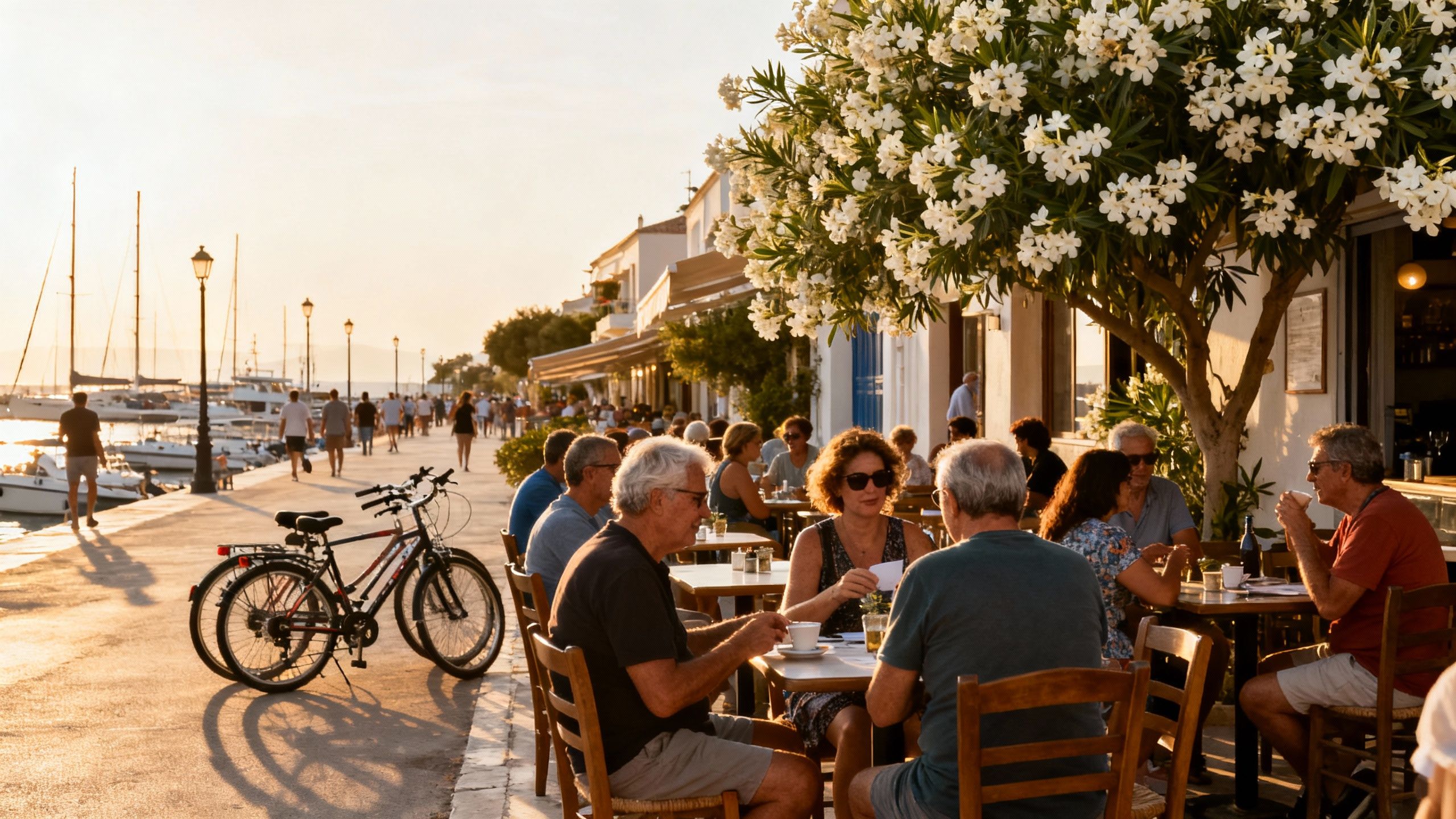
Imagine stepping out at dawn to sip strong coffee on the waterside promenade in Limassol, then an hour later hiking an olive-scented trail above Paphos. That contrast — coastal bustle and quiet mountain lanes — is Cyprus’s everyday charm. For international buyers, the island’s beauty is obvious; the less obvious part is how different market realities play out district by district. This guide pairs those lived moments with data-backed scenarios so you can choose not just a property, but a life.
Living the Cyprus lifestyle
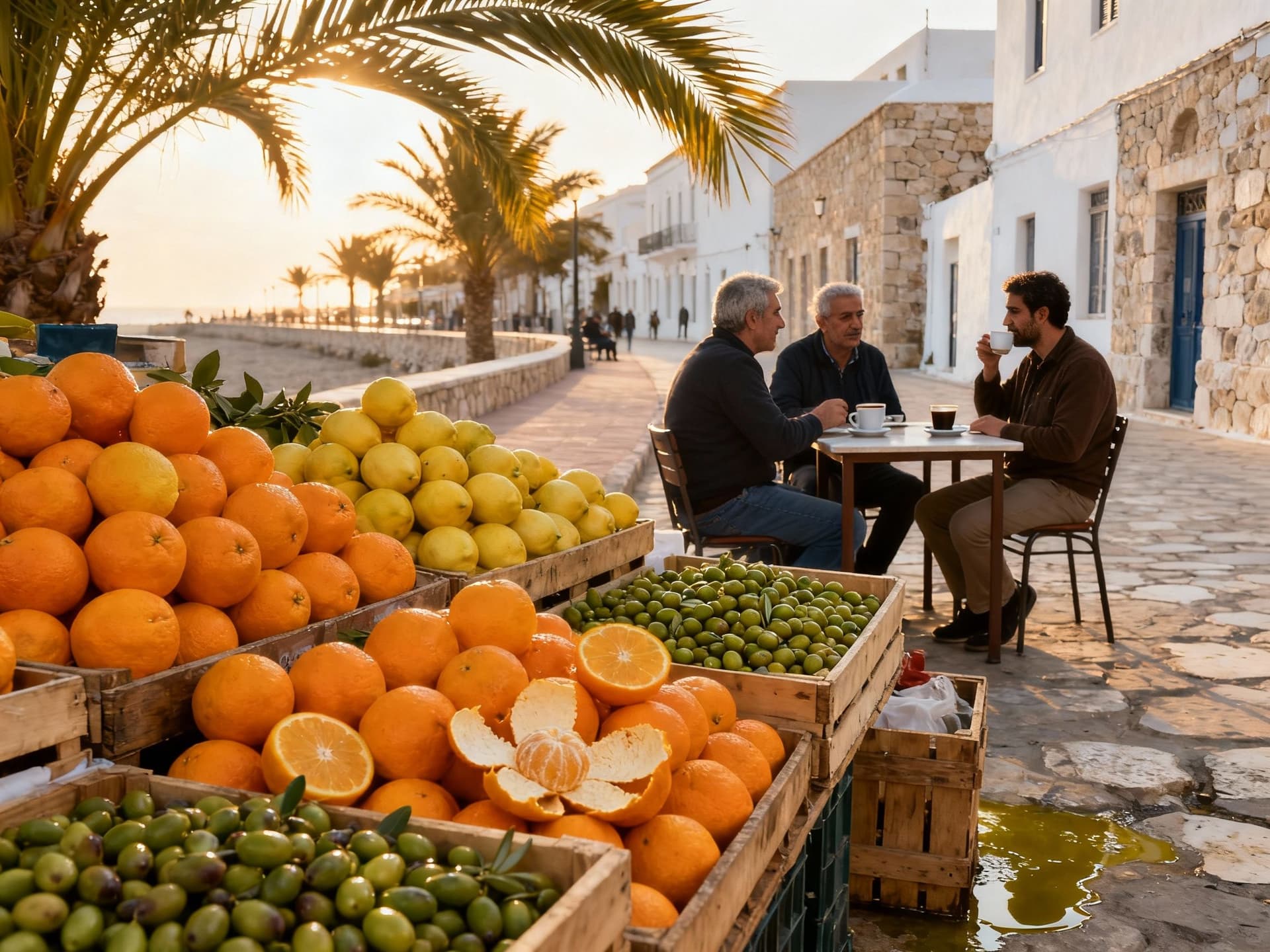
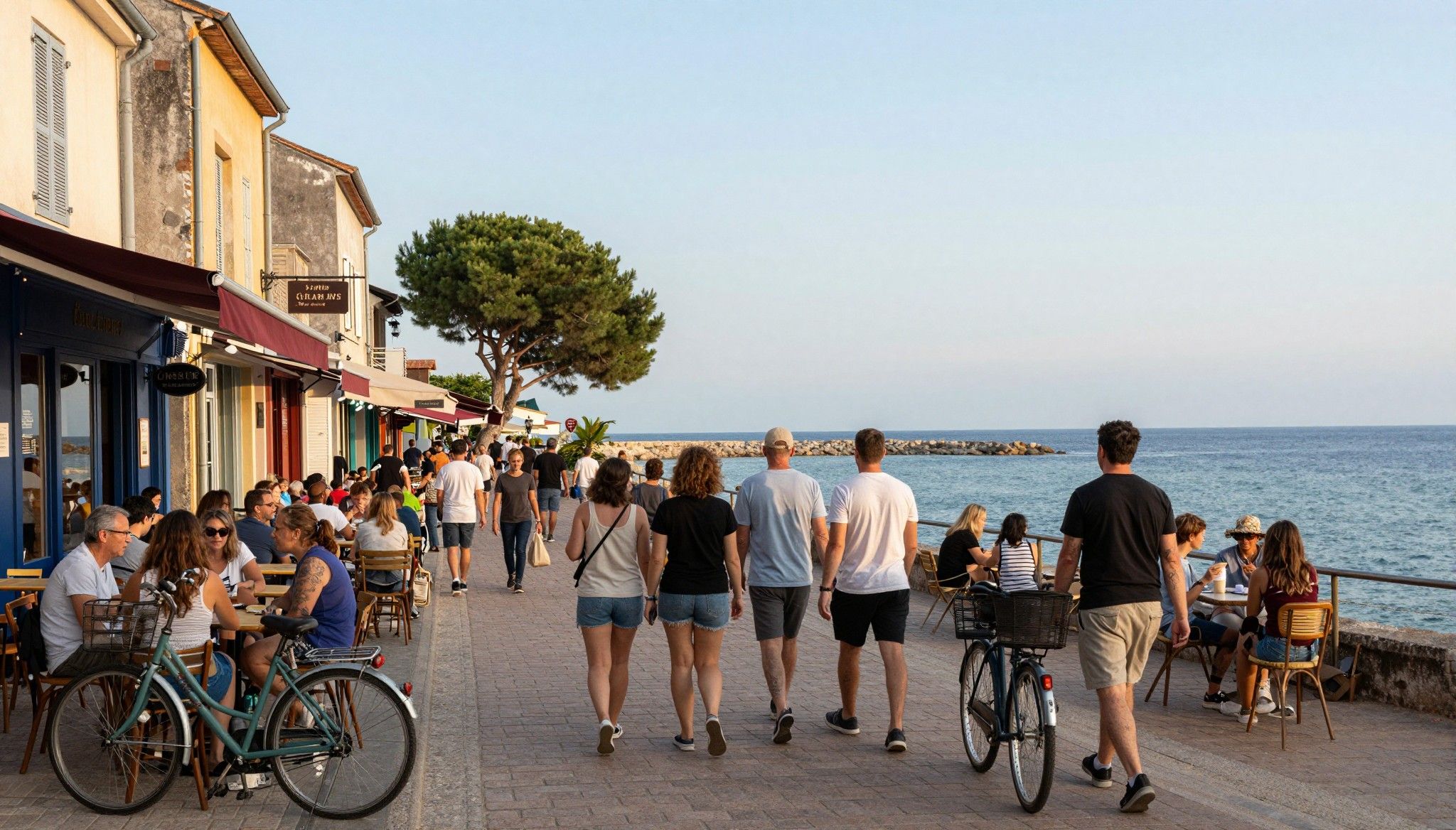
Cyprus moves at Mediterranean rhythm: mornings at markets, afternoons on the beach, evenings in tavernas under jasmine. The island’s seasonal cycle — mild, busy summers and calm, green winters — shapes how neighbourhoods feel and how properties are used. Recent HPI data show modest national price growth, but the experience on the ground varies widely between Limassol’s luxury coast and Larnaca’s emerging neighbourhoods. Understanding those micro-differences lets you match daily life to a realistic investment scenario.
Limassol: coastal commerce and late‑night life
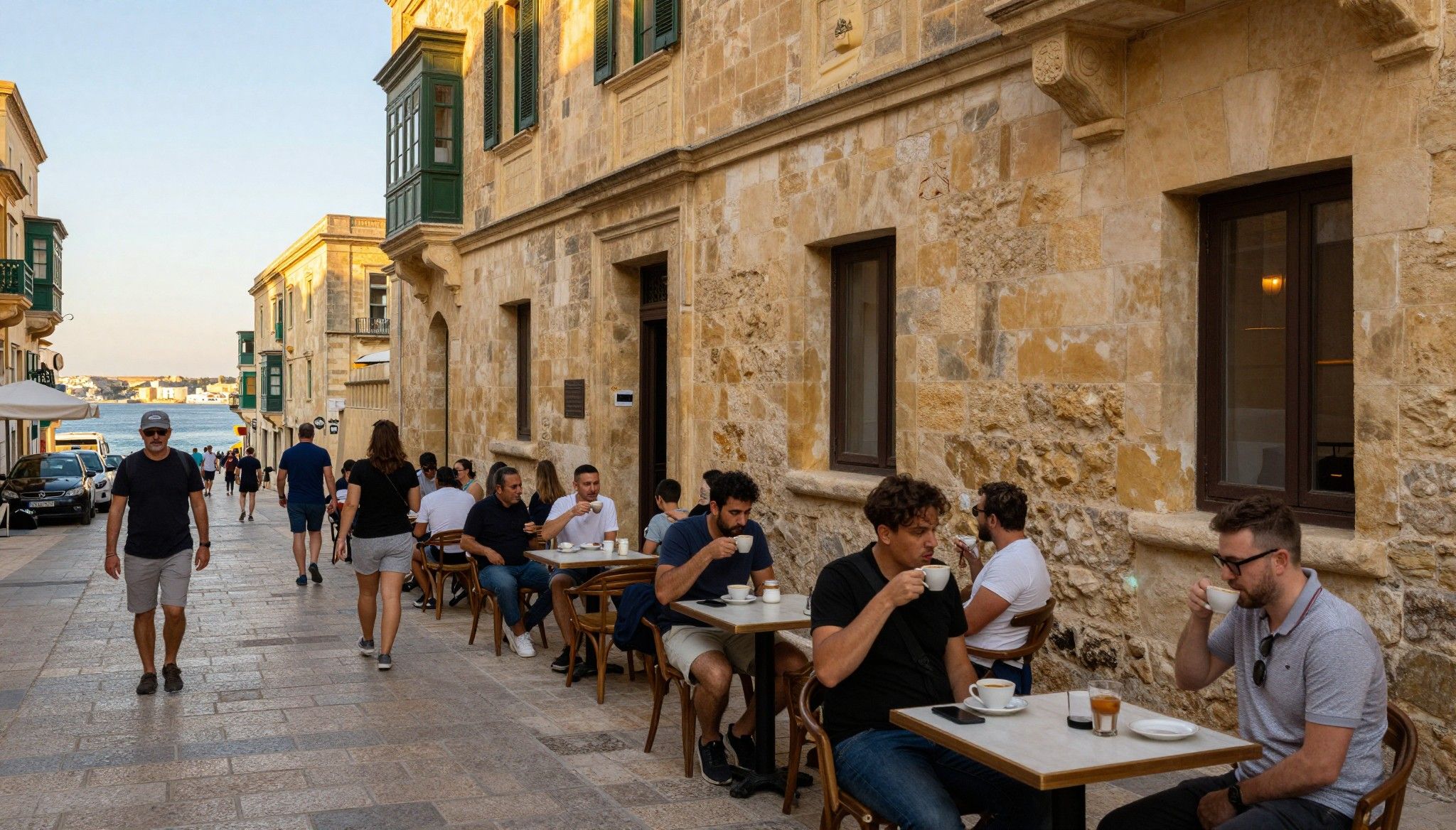
Picture cosmopolitan Limassol: marinas, boutique hotels, businessmen meeting over espresso, and restaurants open late. It accounts for a large share of transaction value and luxury sales, which supports premium pricing but also concentrated risk if demand softens. For lifestyle buyers who prioritise social scenes, dining and international schools, Limassol delivers — but expect to pay a premium and to trade quieter village life for bustle. If you prize community rhythm over headline status, look for quieter pockets on Limassol’s fringes rather than seafront penthouses.
Paphos & Larnaca: value, seasons and local rhythm
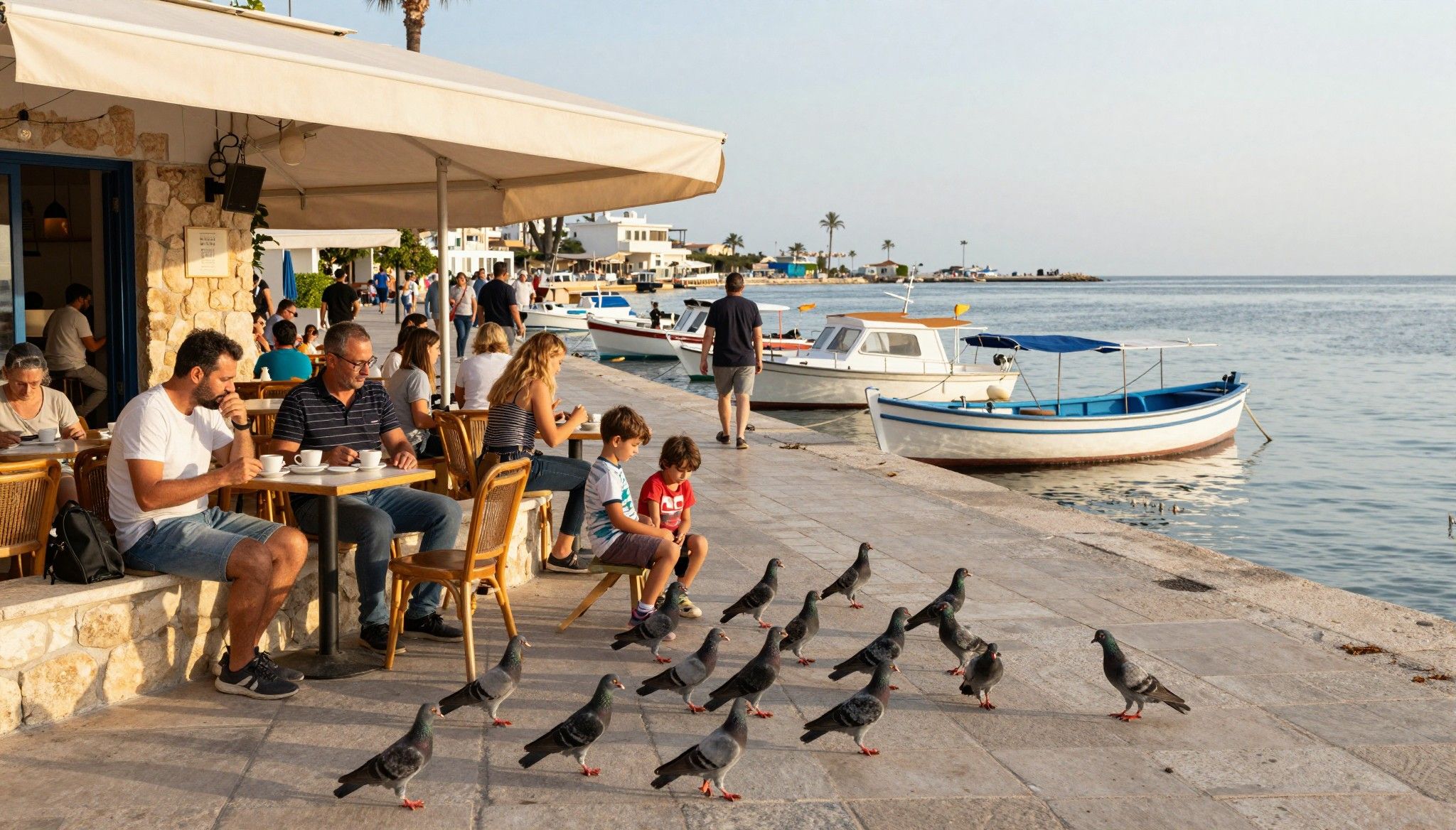
Paphos offers winding old‑town streets, archaeological sites and calmer coastal living; Larnaca mixes a growing food scene with a relaxed marina life. Both districts attracted more apartment buyers in recent months, and foreign demand has shifted toward them as Limassol prices climbed. For families and remote workers seeking a balance of affordability and year‑round life, these districts often score higher on the lifestyle-to-price ratio. Expect lively markets in summer and a slower, community-centered pace from October to March.
Lifestyle highlights: neighbourhoods, cafés and beaches
Limassol Marina promenade, seaside cafés and evening festivals
Paphos Old Town: tavernas, archaeology and slower mornings
Larnaca Finikoudes: boardwalk life, new restaurants and rising apartment stock
Troodos foothills: olive groves, cooler summers and traditional stone houses
Making the move: practical considerations
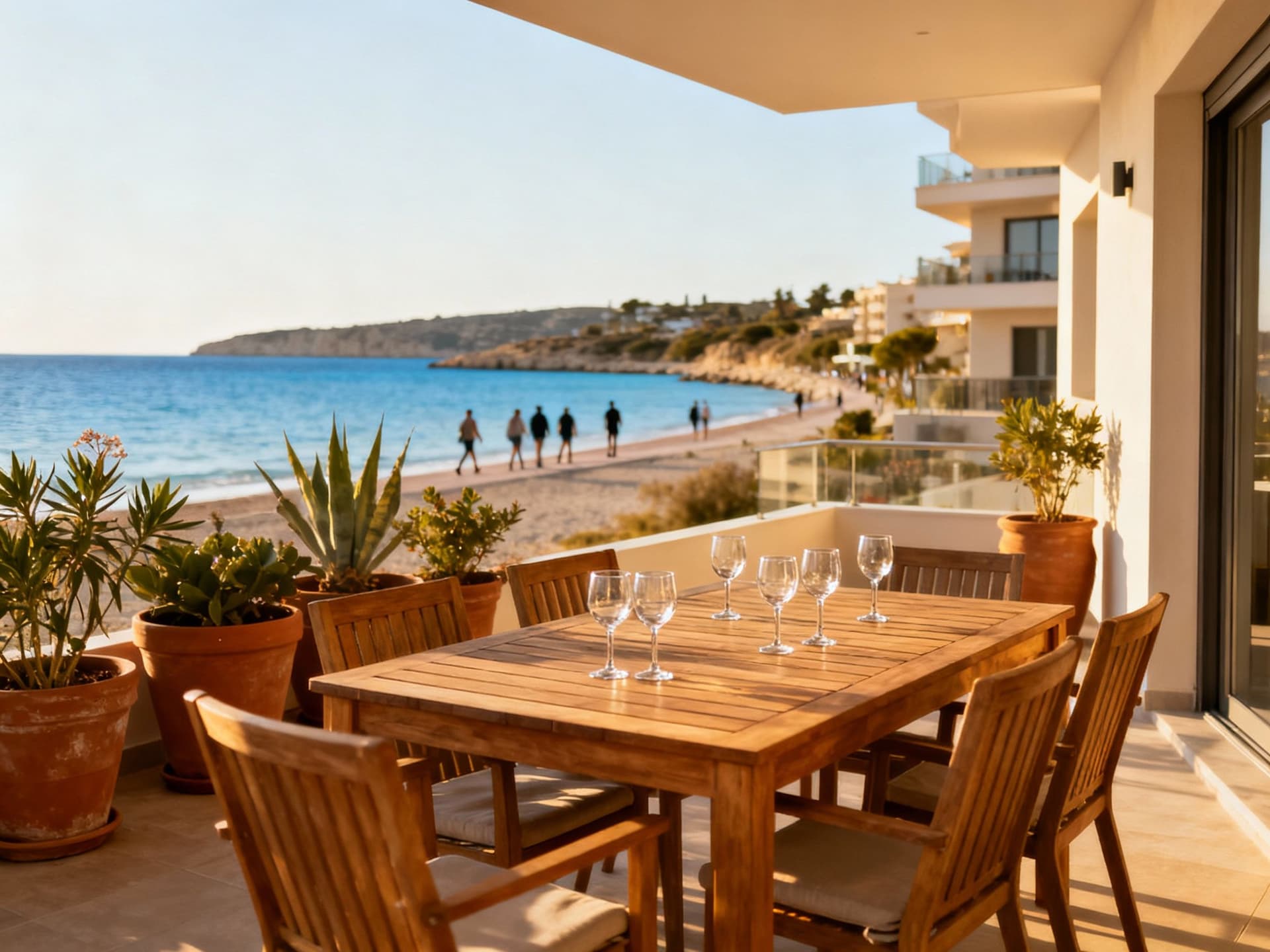
The dream of sunny terraces must meet finance, planning and local custom. The Central Bank warns that rising construction and borrowing costs slowed price acceleration recently — a detail that changes negotiation and timing strategies. That slowdown can be an advantage: you can leverage increased supply and more active local agents to secure better terms. Below are property types, agent roles, and a practical scenario checklist that blends lifestyle priorities with market realities.
Property styles and how they shape daily life
Apartments suit lock‑up‑and‑leave coastal buyers and short‑term rentals, while traditional houses and renovated stone properties fit long‑stay lifestyle buyers who want gardens and room for family life. HPI trend lines show different dynamics for apartments versus houses — apartments saw mixed growth while houses in some areas rose faster — informing what to prioritise depending on whether you want income, lifestyle, or both. Think through maintenance, cooling/heating needs and year‑round access when choosing the type that matches your routine.
Working with local experts who know the island’s rhythm
A tight-knit network of reputable agents, lawyers and architects is invaluable; they interpret local practice — everything from seasonal rental demand to municipal permitting quirks. Use agents who show you lived-in examples (not just glossy renderings) and who can run scenario modelling: projected rental income in summer vs. off-season, refurbishment timelines, and realistic exit scenarios. Ask for anonymised recent comparable sales and for the agent’s direct experience in your target neighbourhood; transparency here separates sellers’ spin from market fact.
A 5-step practical checklist before making an offer
1. Visit in two seasons (peak and shoulder) to test noise, services and community.
2. Request recent comparable sales and ask your agent to model three price scenarios (base, likely and stress).
3. Factor in renovation lead times and material cost inflation — Central Bank data show these affect timelines and margins.
4. Confirm rental seasonality if you plan short‑term renting: coastal properties can double occupancy in summer but slow in winter.
5. Use a local lawyer for title checks and north/south due‑diligence (avoid properties with contested claims in the north).
Insider knowledge: what expats wish they’d known
Expat stories repeat a few themes: cherish community ties, expect bureaucracy to be slower than home, and pay attention to property provenance. Some buyers who chased low prices in the north later faced legal complications; recent enforcement highlights the importance of clean title and local counsel. On the positive side, many expats say their biggest surprise was how quickly they made friends once they joined local clubs, schools or weekly markets — the island rewards engagement.
Cultural integration and daily habits that shape where to live
Cypriots value family, food and unhurried social life; you’ll find local cafés with long conversations and small shops that close mid‑afternoon. For many buyers, proximity to a Sunday market or a neighbourhood church festival proves more important than a line on a property sheet. Learning a few Greek phrases and attending local events accelerates integration and unlocks the kinds of informal opportunities — trusted builders, cleaners, and babysitters — that improve daily life.
Long-term scenarios: hold, rent, or flip?
Economic forecasts suggest moderate growth ahead, supported by tourism and foreign investment, but with downside risks from regional shocks. That makes three sensible scenarios: buy-to-hold for personal life and gradual appreciation; buy-to-let focused on seasonally strong summer returns with realistic off-season expectations; or selective flipping in high-demand Limassol pockets where luxury liquidities still exist. Your choice should mirror lifestyle priorities: steady home life, income-driven ownership, or short-term capital plays.
Red flags to watch (quick list)
Unclear title history or properties advertised in disputed northern parcels
Promises of immediate high seasonal rental yields without rental data
Agents who won’t share recent comparable sales or refuse written timelines
Neglecting the cost and timing of renovation materials and skilled labour
Conclusion: choose a scenario, not a sales pitch. Cyprus can be a life-changing move — imagine weekend swims, neighbourhood cafés and a slower pace — but the best outcomes come from matching that dream to market reality. Start by visiting in two seasons, working with transparent local experts and testing a short rental model before you commit. If you want, we can outline a tailored three-scenario plan (hold, rent, flip) for any specific Cypriot neighbourhood you’re considering.
Swedish strategist who relocated to Marbella in 2018. Specializes in legal navigation and tax planning for Scandinavian buyers.