Why Croatia’s Summer Hype Hides Autumn Opportunity
Croatia’s summer hype hides quieter buying windows. Use year‑round tourism growth and recent tax shifts to time offers, prioritise lifestyle fit, and vet short‑let claims.
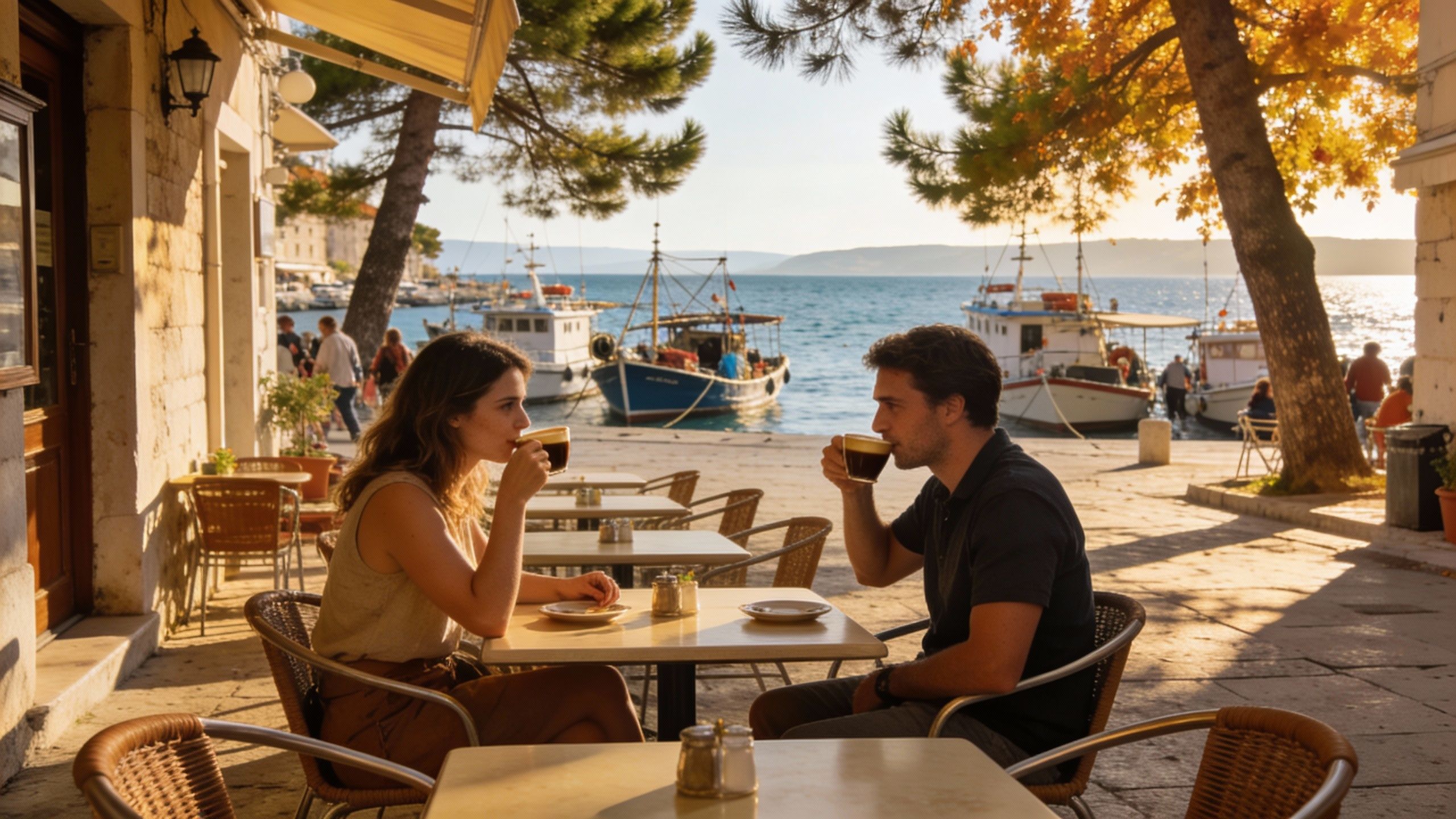
Imagine arriving to Split in late October: cafés on Poljička are still full, the ferry to Hvar runs on a gentler schedule, and the air smells of grilled fish and damp pine. That off‑season calm is exactly where smart buyers begin to see Croatia differently — not as a three‑month postcard but as a year‑round lifestyle with shifting market moments. Recent tourism and policy shifts mean timing matters more than ever for price, rental demand and long‑term living quality. This guide folds sensory, local detail into market evidence so you can plan a move that fits life, not just summer scenery.
Living Croatia: more than sun and boats

Croatia’s rhythm is coastal bustle in July and intimate neighbourhood life in November. Mornings begin with espresso and burek in Zagreb’s Tkalčićeva or a fishermen’s market run at Split’s Pazar; afternoons bend toward the sea along Dubrovnik’s Lapad or the pebble beaches of Brač; evenings are long in Istrian olive groves where slow dinners last for hours. For buyers, that seasonality shifts what you want from a property: a central flat for city culture, or a simple stone house near an inlet for restoration and quiet. Those choices shape both monthly living costs and resale narratives.
Neighbourhood snapshots that tell a story
Each address in Croatia carries a lifestyle promise. In Split, Varoš rewards early‑morning walkers with sea views from narrow lanes and is dominated by renovators seeking character apartments; the Port of Split area offers modern new builds aimed at short‑stay demand. Zagreb’s Maksimir is leafy and family‑oriented, with parks and local schools, while the Lower Town hums with cafés and cultural venues. On the Istrian peninsula, Rovinj’s old town sells the gallery‑and‑café life; inland Motovun offers truffle season and rural tranquillity. Knowing which story you want — festival life, family routine, or slow rural days — helps narrow property types and locations.
Food, markets and weekly rituals
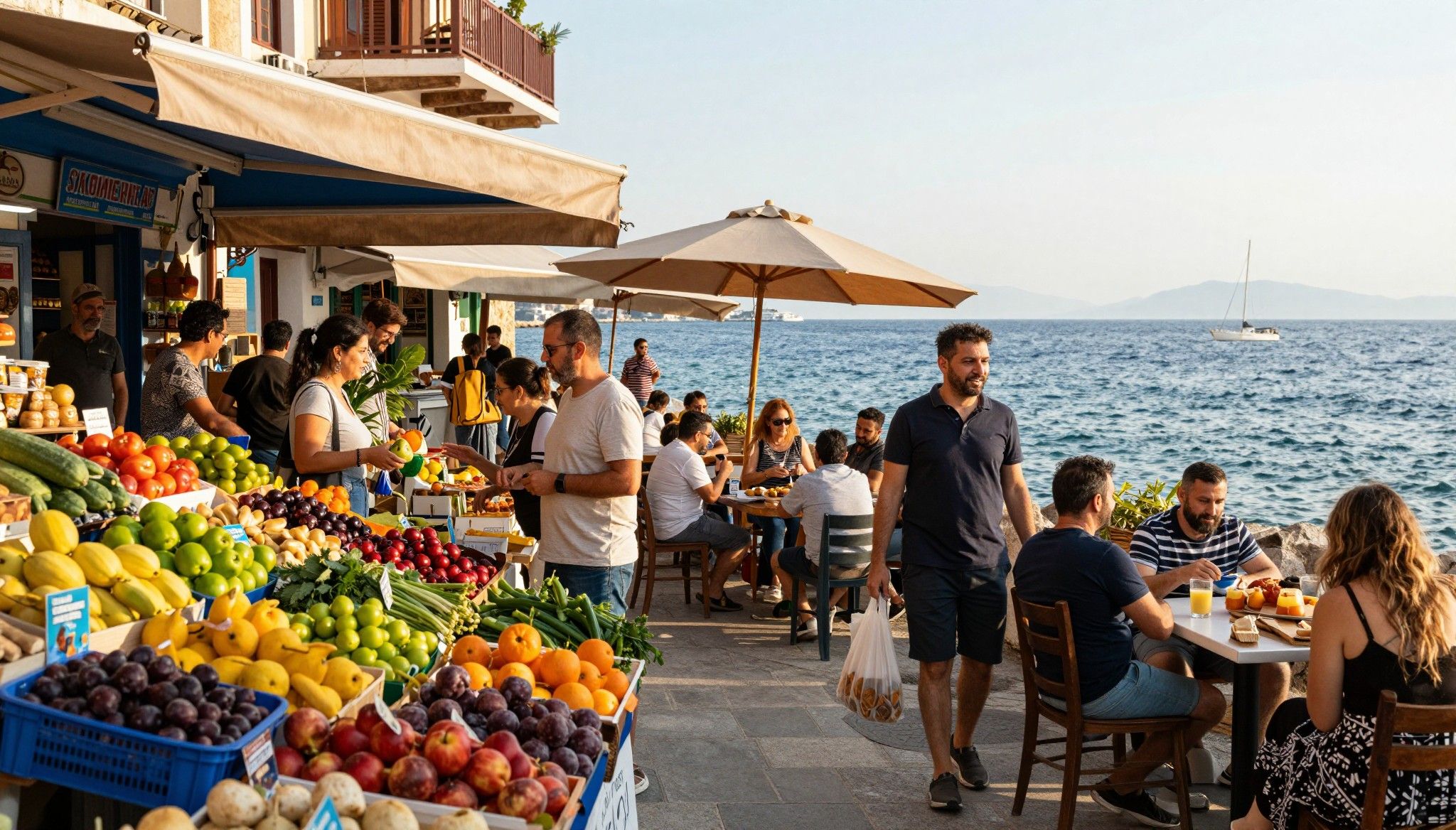
Imagine a Saturday routine: buying fresh sardines at Zadar Market, trading olives at a Konavle stall, then stopping for palačinke in a seaside kafana. These rituals anchor neighbourhoods and influence demand for properties within walking distance of markets and piers — places that stay valuable beyond headline tourist numbers. Seasonal festivals, from Split’s summer theatre to Zagreb’s Advent, expand occupancy outside July and August, which has direct implications for rental strategies and year‑round living.
Practical reality: when lifestyle meets the market
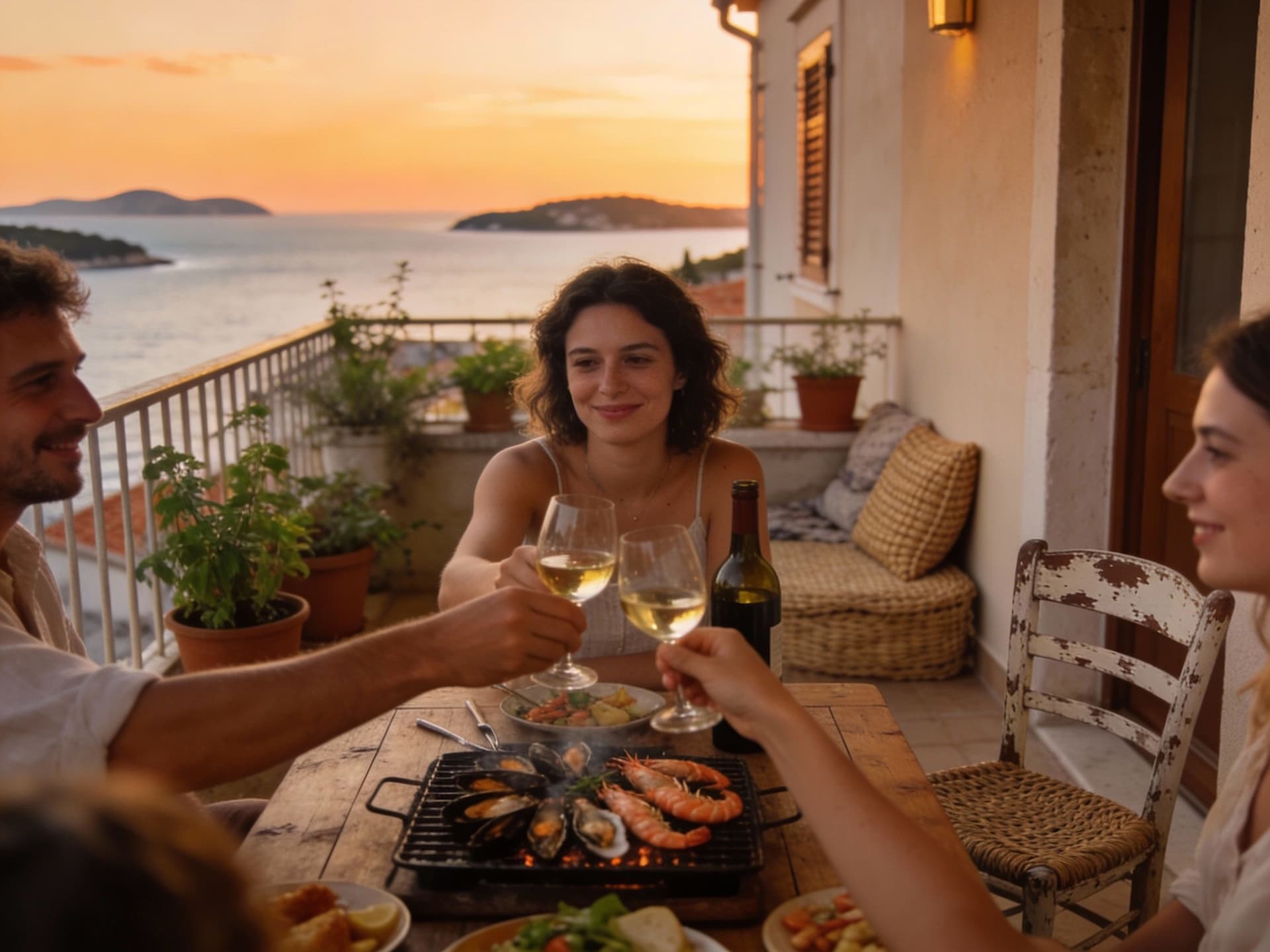
Tourism is the tail that wags a lot of Croatia’s property market. The country recorded 21.3 million arrivals and 108.7 million overnight stays in 2024, with strong growth in pre‑ and post‑season months, signalling that demand is spreading across the year. That matters because when demand is concentrated in summer, prices and short‑let returns can look inflated; when demand season broadens, solid mid‑season occupancy cushions owners and makes year‑round living more viable. Use these seasonal signals to weigh short‑term yield against long‑term lifestyle value.
Property types: stone houses, new builds and city flats
Traditional Dalmatian stone houses offer character and tax advantages when restored for long‑term rental or private use, but they often need substantial renovation and seismic upgrades. New coastal developments provide modern amenities and lower maintenance, attracting year‑round tenants and buyers seeking convenience. City flats — particularly in Zagreb and Split — are liquidity hotspots for expatriates who value services and transport. Match property style to anticipated lifestyle: if you crave small‑town evenings, budget for renovation; if you want plug‑and‑play living, prioritise modern complexes.
How to combine lifestyle goals with market practicality
1) Time your offer outside peak summer to see true pricing dynamics and get supplier leverage; 2) Prioritise properties registered for long‑term rental if you want predictable income — new tax rules penalise short lets; 3) Ask for recent utility and maintenance bills to understand year‑round running costs; 4) Consider seismic and energy retrofits as negotiating points — they’re common in older stock and materially affect outlays.
Insider knowledge: what expats wish they’d known
Expats quickly learn that Croatia’s charms are intertwined with small‑scale social rules. Shopkeepers in Konavle expect greetings, neighbourhood cafés remember faces, and owning property often means joining a loosely defined local community. Language helps, but so does accepting a slower pace for public services and building permits. Seasonality shapes social life: neighbours who rent in summer are absent in winter; conversely, inland towns gain life during truffle and olive harvests. These rhythms influence how you’ll use a property and how integrated you’ll feel.
Culture, community and practical integration
Learning a few Croatian phrases opens doors; joining weekly markets or volunteering at a festival builds social capital faster than online groups. For families, proximity to schools (international and local) and healthcare hubs — Zagreb or Split hospitals — matters more than a sea view. For retirees, access to reliable transport and pharmacies is essential. Agents who live locally and participate in neighbourhood life will steer you away from properties that look beautiful in summer but feel desolate in winter.
Red flags and reality checks
• Properties marketed primarily as “investment for short‑lets” without long‑term occupancy data; • Listings that omit seasonal utility costs or lack recent energy certificates; • Homes with unclear ownership history or unregularised extensions common in older coastal parcels; • Agents pushing immediate summer closings — price pressure often masks negotiation room in autumn and winter.
Practical next steps: test the life first. Spend time in your preferred neighbourhood outside July–August, speak with local shopkeepers, and ask current owners about winter months. Request occupancy calendars and municipal records when considering rental income. Work with an agency that shows both lifestyle fit and hard data: occupancy, running costs, and regulatory changes like the 2025 tax shifts that affect short lets. Combining lived experience with documentation reduces surprises and keeps the dream sustainable.
Conclusion — how to think about timing and life: Don’t buy the summer illusion. Croatia is transforming into a more year‑round market, and that opens opportunities for buyers who prioritise real life over peak‑season gloss. Look, listen and live where you plan to own before you sign. An informed agent who knows neighbourhood rituals, seasonal occupancy, and recent policy shifts will turn your Croatian purchase into a lifestyle investment, not a postcard.
Swedish strategist who relocated to Marbella in 2018. Specializes in legal navigation and tax planning for Scandinavian buyers.