The Off‑Season Advantage: How Cyprus Winters Reveal Value
Buyers who visit Cyprus outside summer see the island as locals live it—use off‑season observations plus HPI and sales-data to find leverage and avoid title risk.
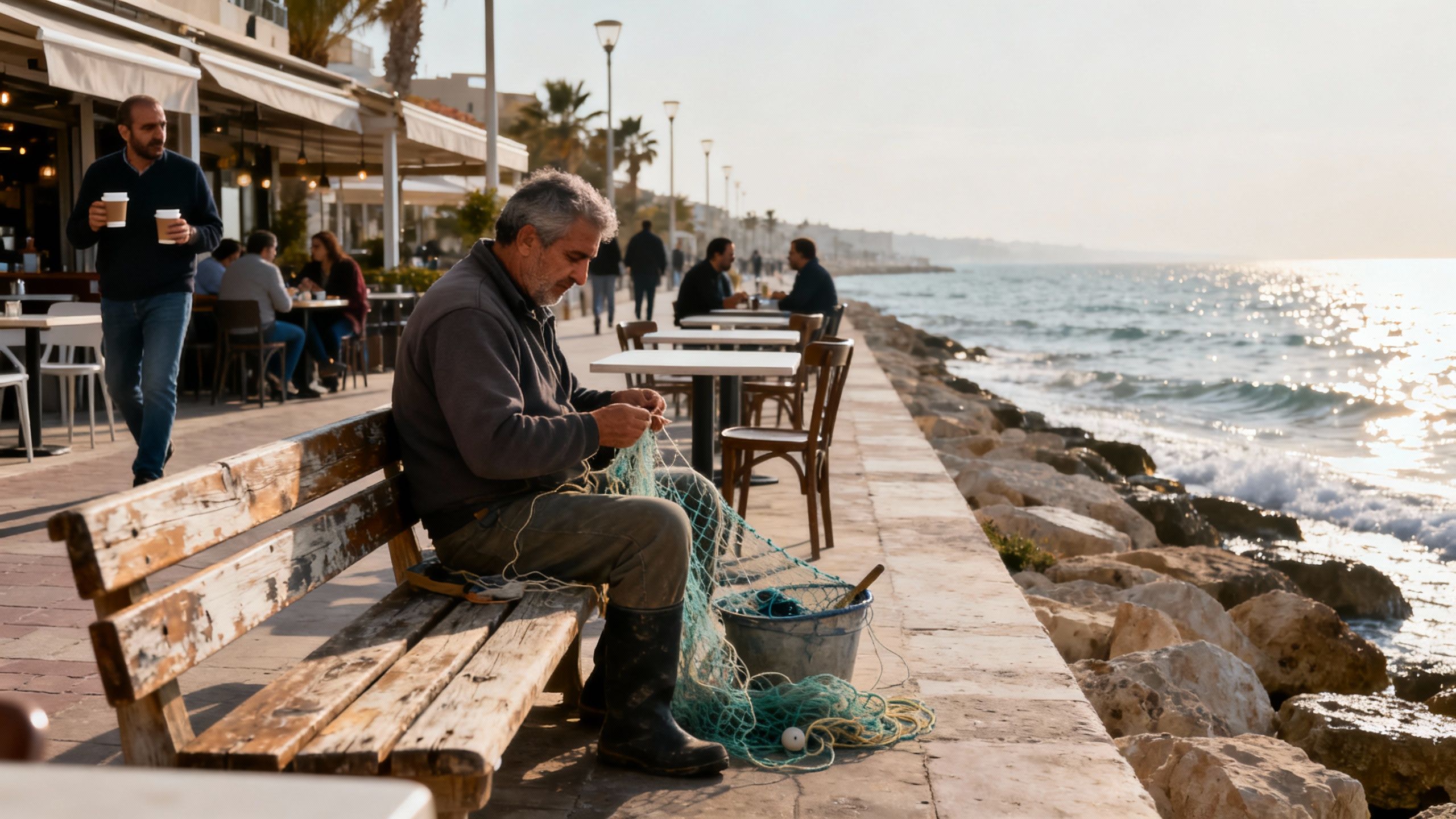
Imagine walking a near-empty Finikoudes promenade in late November: café tables steaming, fishermen sorting nets, and the air carrying salt and orange blossom. That quieter Cyprus — not the sunburnt postcard of July — is when neighbourhood character, true rental seasonality and bargain moments reveal themselves. This guide shows why buying outside the high season can change the deal you get, how prices and pipeline dynamics work, and what neighbourhoods mature buyers fall in love with.
Living Cyprus: the off‑season you’ll actually live in
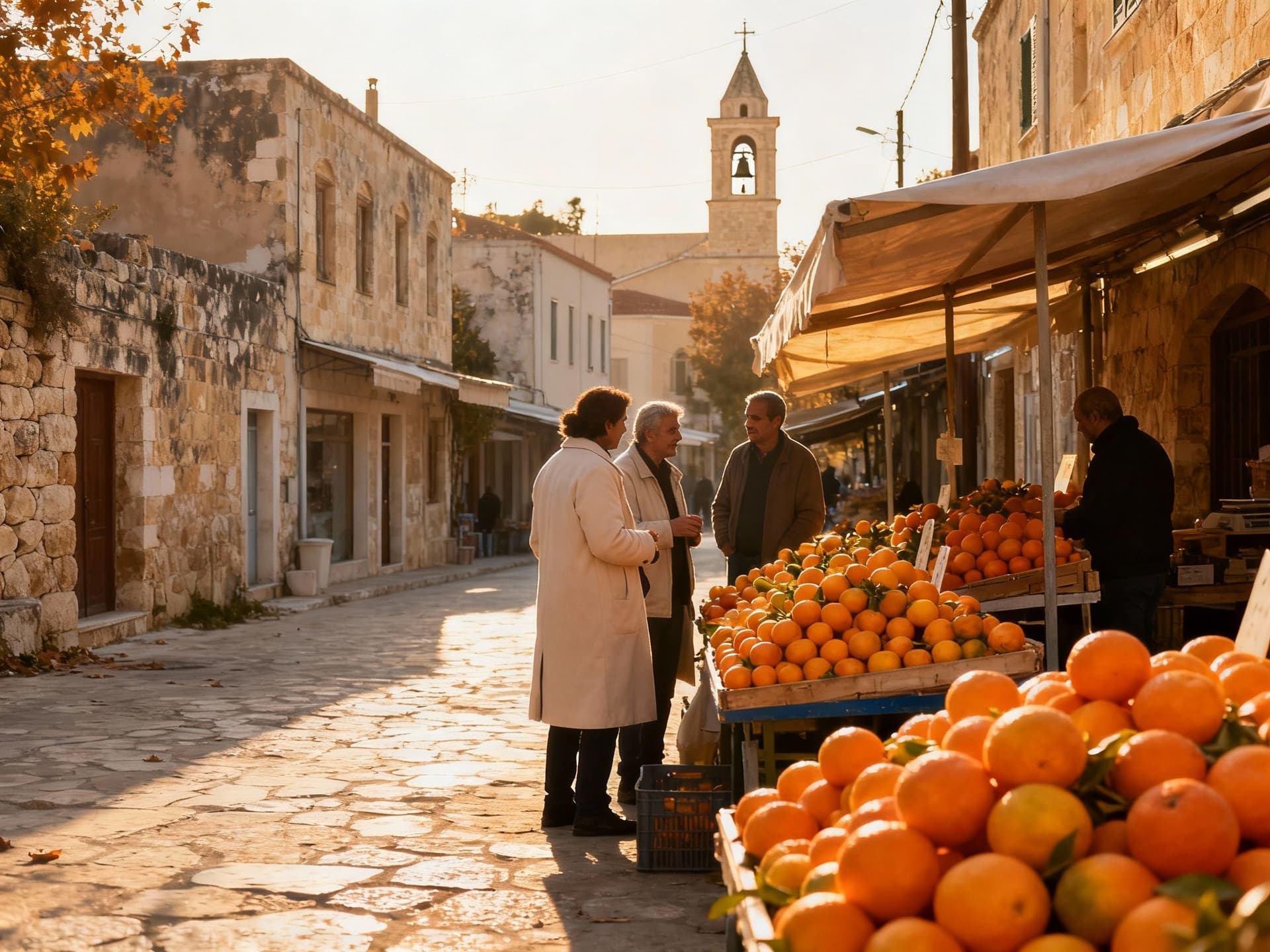
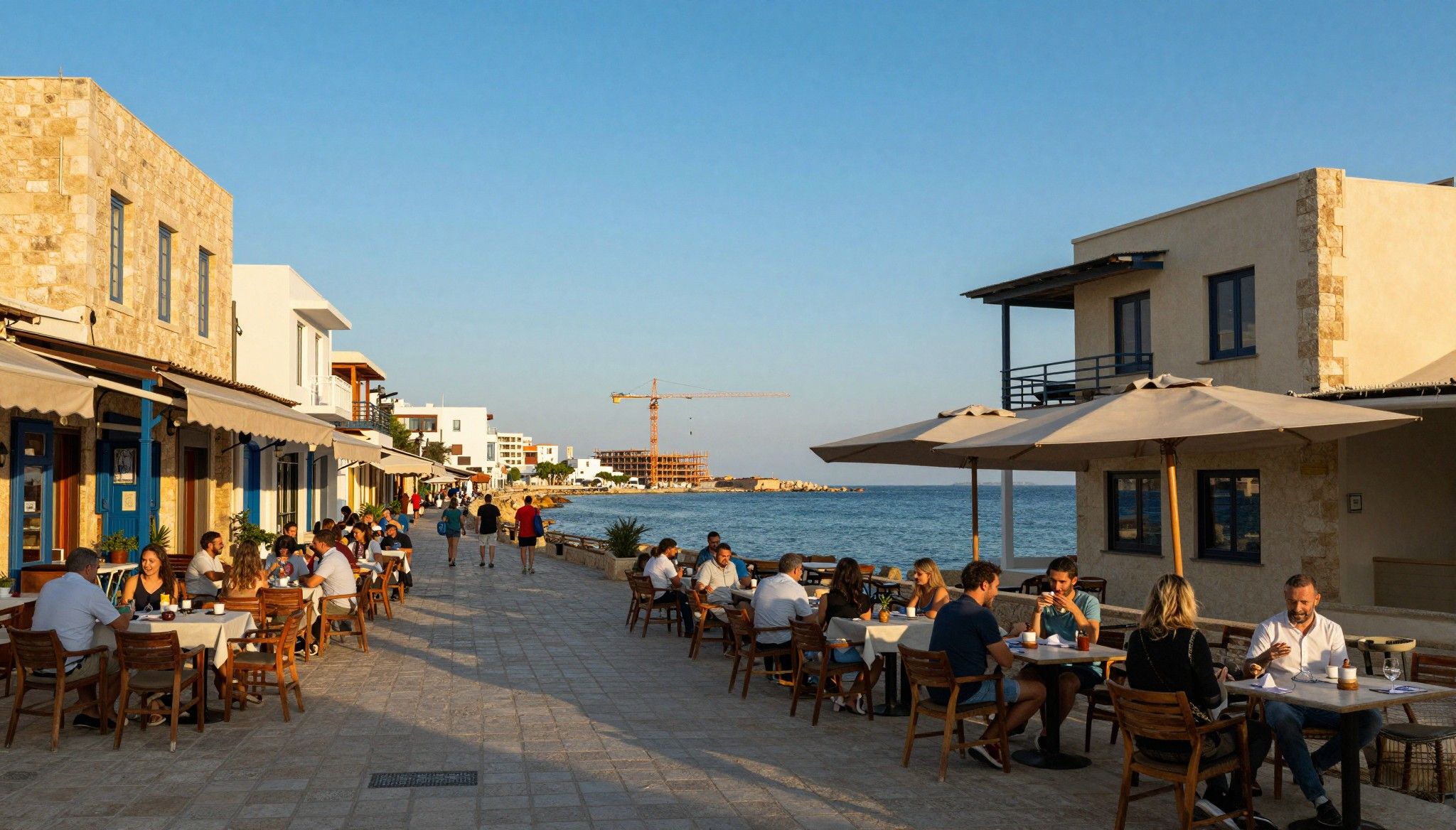
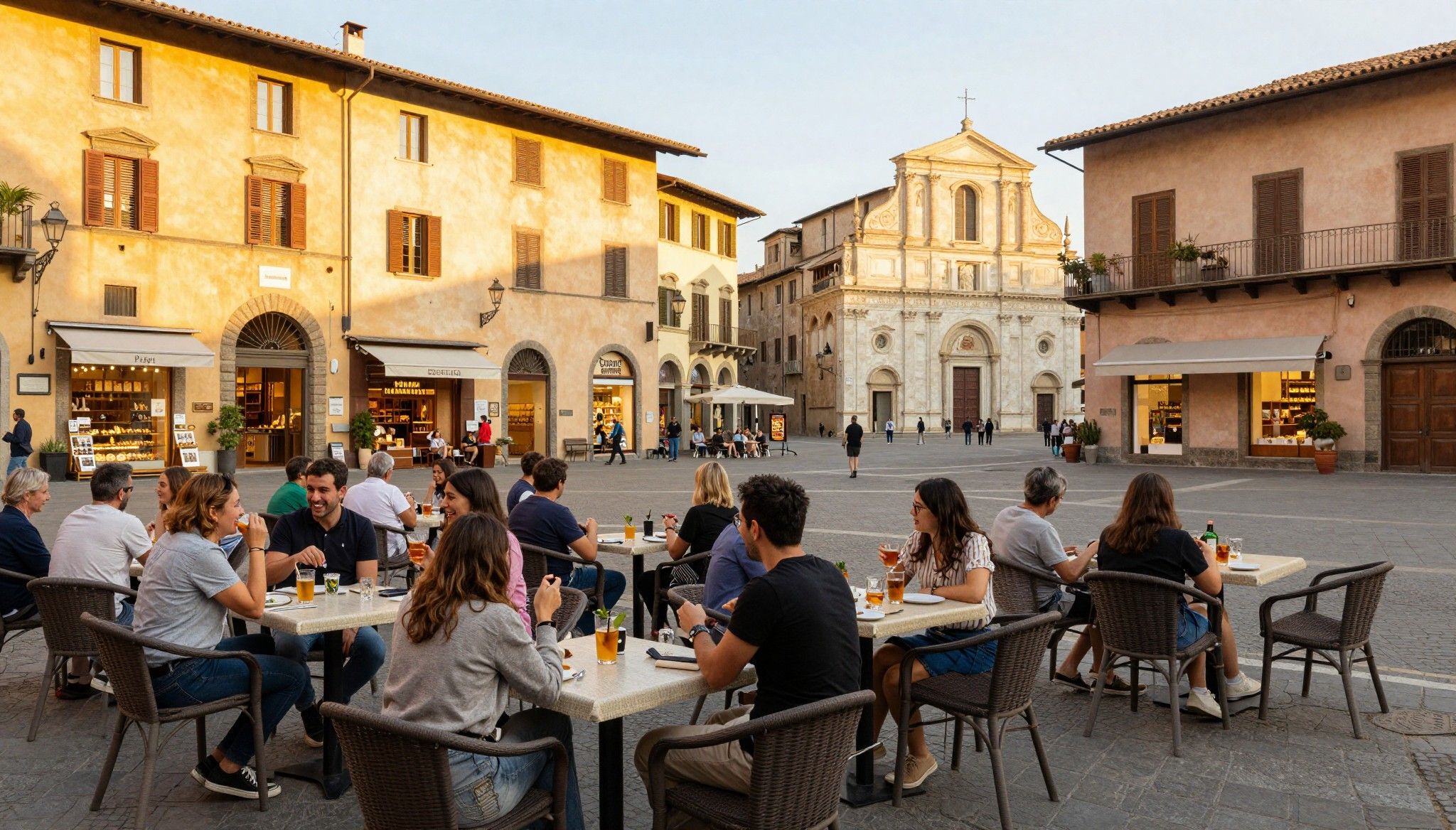
Cypriot daily life is shaped by seasons: mornings for coffee, late-afternoon siestas in summer, and long slow dinners in winter. Outside July and August you’ll find quieter beaches (Akti Olympion in Limassol becomes contemplative), tavernas where locals trade stories, and markets where farmers bring fresh halloumi and citrus. For someone planning to live year-round, the life you want is closer to October–April than it is to peak-season postcards.
Neighbourhood spotlight — Limassol’s Molos and Agios Nikolaos
Molos promenade is a morning ritual: parents pushing buggies, coffee carts and fishermen mending lines. Agios Nikolaos (the old harbour area) keeps a neighbourhood feel with small bakeries and family-run tavernas. These pockets show how coastal living in winter is social and practical — schools open, services running, and quieter streets let you evaluate noise, commute and sunlight properly before committing.
Food, market life and seasonal rituals
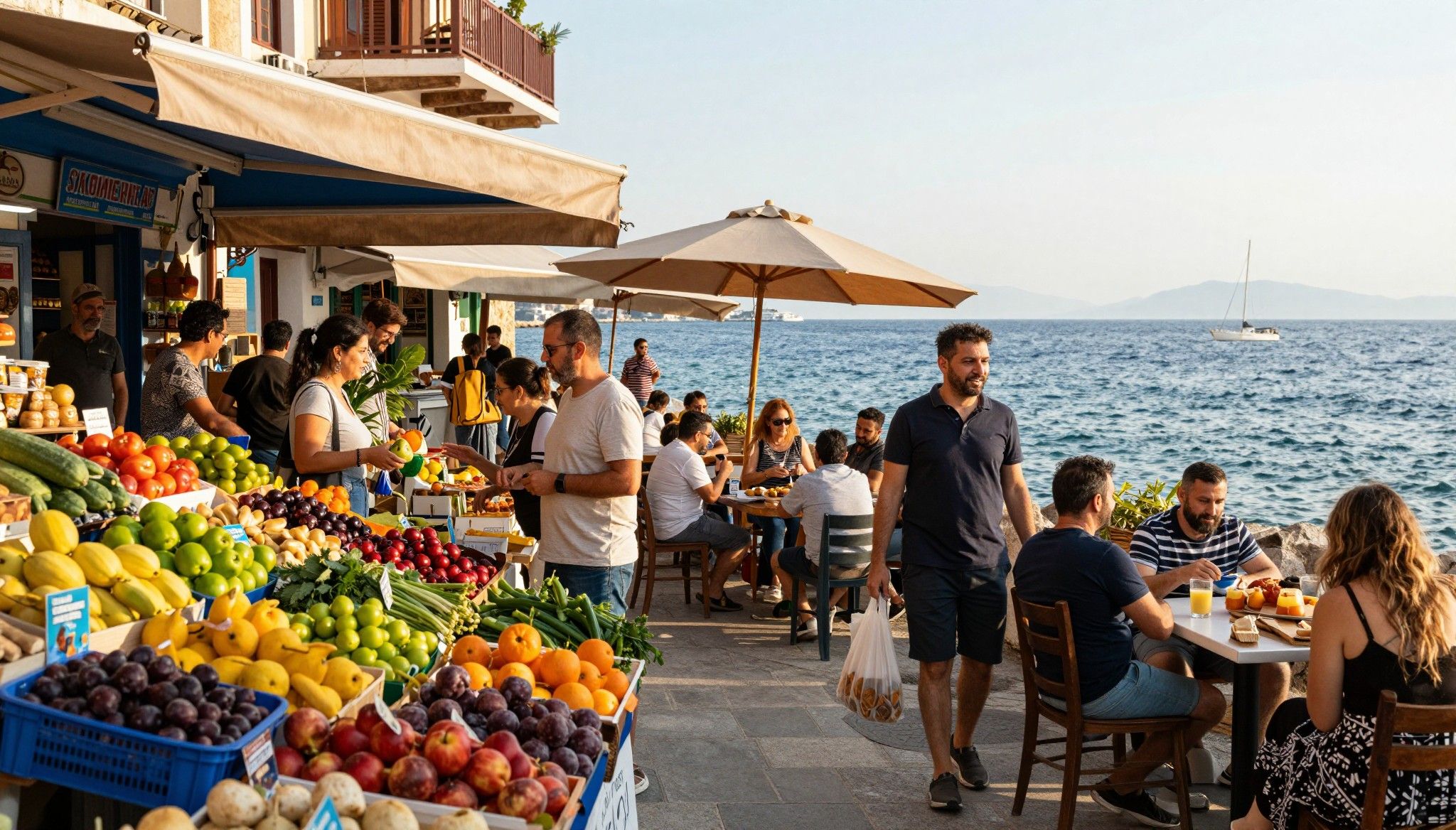
Visit Nicosia’s Eleftheria Market on a cold Saturday and you’ll taste chestnuts, freshly baked sfouggato, and late-autumn citrus. In Paphos, winter festivals fill municipal theatres; in Larnaca, small beaches become local meeting points. These rhythms are not background colour — they determine rental demand patterns, property usability (outdoor space matters less in January) and what renovations actually improve daily life.
- Lifestyle highlights worth buying into
Morning espresso at Toffee or a local kafeneio (small cafes) in Limassol; weekend market at Limassol Municipal Market; winter walks on Coral Bay without the crowds; village festivals in Kyperounta (Troodos foothills); late-season sea swims in early October at Fig Tree Bay.
Making the move: market signals and timing that matter

Buying in Cyprus in autumn or peak summer feels natural — but data shows a different story. National house price indices recorded modest year-on-year growth around 1–2% in 2024–2025, and transaction mix shifted: new apartment averages fell in 2024 while house prices held firmer. Those headline trends mean timing, product type and local pipeline matter more than a simple 'buy now' impulse.
What the numbers tell you
Official HPI data shows gentle growth rather than boom — quarterly swings are small and the island’s market is patchwork: houses outperformed new apartments in some districts, and luxury new-build sales softened in 2024. That means your negotiation leverage changes with seasonality and stock: vendors more reliant on summer buyer footfall soften prices after the season.
- How to exploit off‑season market leverage
Visit in November–March to assess noise, heating and sunlight rather than peak-season gloss; prioritise properties with good insulation and south-facing terraces; ask sellers for last-season occupancy and utility costs to check real running costs; track pipeline supply in your target district — new developments listed after August often drop promotional stock in autumn.
Insider knowledge: legal quirks and local red flags
There’s a political map layer to property in Cyprus: buyers chasing bargains in the north or on disputed title plots can face legal risk and protracted courts. Recent prosecutions highlight how risky off-record deals can be. Use this quieter-season time to verify title, chain of ownership and whether a plot sits inside contested areas.
Working with local experts who live the lifestyle
A good local agency will do more than show floorplans: they’ll walk you at 08:00, 14:00 and 20:00 to check light and noise, introduce you to neighbouring shopkeepers, and explain municipal rhythms. Ask for examples of recent off‑season deals they closed and for references who bought in winter — those are the agents used to seasonality and negotiation cadence.
- Red flags to spot during winter visits
Persistent damp or mould in basements; poor heating or low-spec glazing; seasonal road closures affecting access; unclear title history or missing planning permissions; reliance on short‑term tourist rental income that evaporates in winter.
Practical checklist before signing
1) Obtain a recent title search from the Department of Lands; 2) Commission an energy and damp inspection timed for winter; 3) Request municipality confirmations for access and waste collection; 4) Compare last 12 months of utility bills and seasonal occupancy; 5) Ask your lawyer to confirm no pending disputes on the plot.
Longer view: taxes, residency and how Cyprus shapes lifetime living
Cyprus remains attractive for relocation: non-dom and special tax regimes continue to make it tax-efficient for many international buyers, though reforms tweak residency criteria and fees. Think of tax status as part of a five‑year lifestyle plan: if you intend long stays, investigate non-dom and special employment rules early — they’ll influence whether you hold property as a holiday asset or primary residence.
- Lifestyle-to-ownership tradeoffs to weigh
Buying in a beach resort gives summer rental upside but more noise; village houses offer community but fewer services; city apartments win for schools and hospitals; new builds reduce maintenance but can lag in neighbourhood character.
Conclusion: Fall for the winter Cyprus, but buy with winter eyes. Visit outside the tourist season, measure real use of spaces, commission seasonal inspections, and work with local agents who know municipal timetables and legal minefields. When you marry the lived experience with the data — HPI stability, district-level price shifts and pipeline signals — you buy not just a property but a place where everyday life actually happens.
Dutch investment strategist with a Portugal-Spain portfolio. Expert in cross-border financing, rights, and streamlined due diligence for international buyers.