The Season Most Buyers Miss in Cyprus — and How to Profit
Most buyers visit Cyprus in summer — clever buyers use the off‑season to inspect year‑round life, negotiate better terms and model running costs backed by recent tourism and price data.
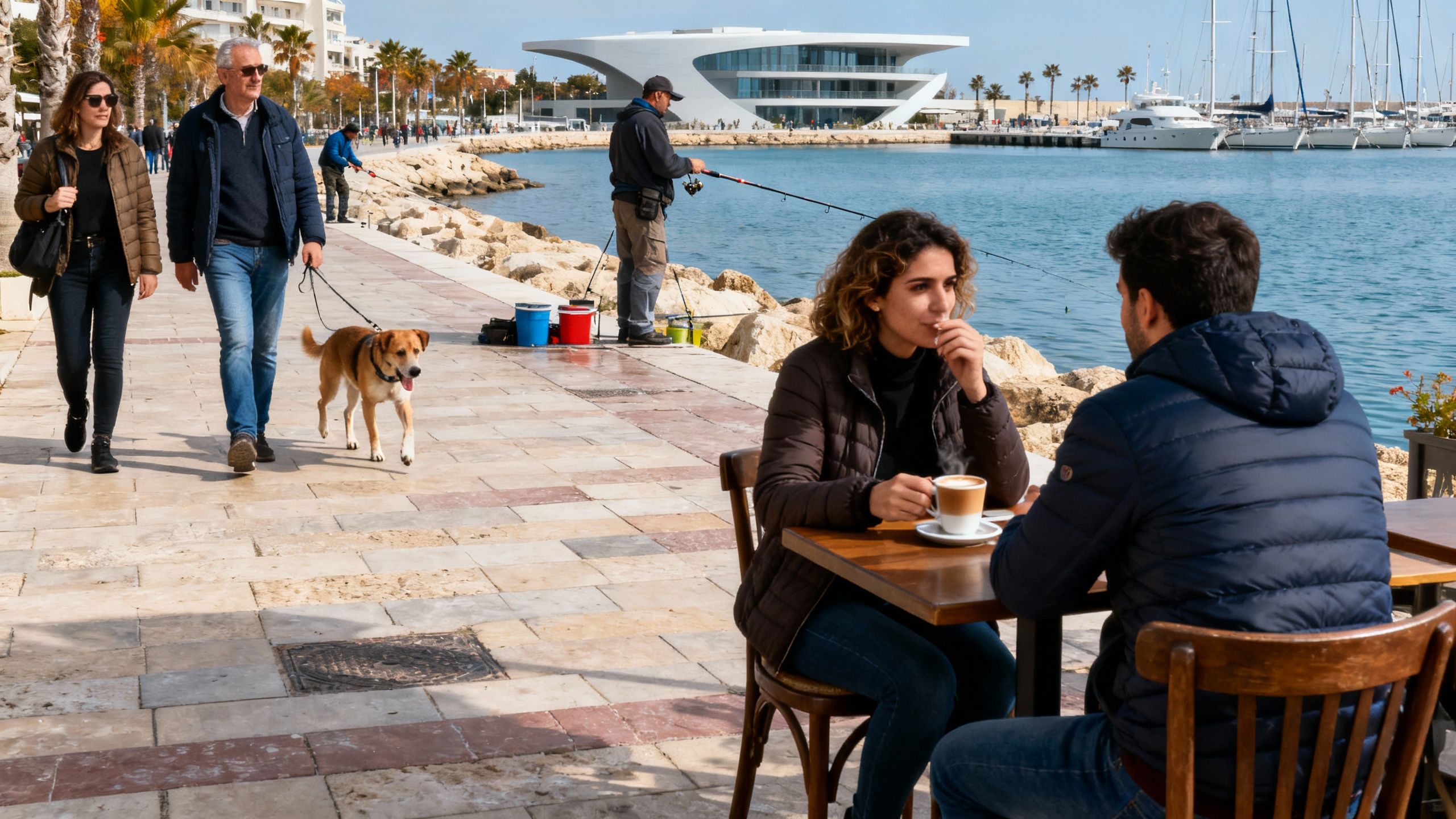
Imagine an early December morning in Limassol: a slow espresso, fishmongers unloading the catch at the harbour, and quiet streets where developers are still repainting façades after the summer rush. For many international buyers, Cyprus is a summer postcard — sun, beaches and full restaurants — but the real opportunity and clarity arrive in the low season when the island breathes and the market shows its true shape. This guide explains which season most buyers miss, why that matters for price and negotiation, and how to turn seasonal patterns into a confident purchase plan.
Living Cyprus: more than summer postcards
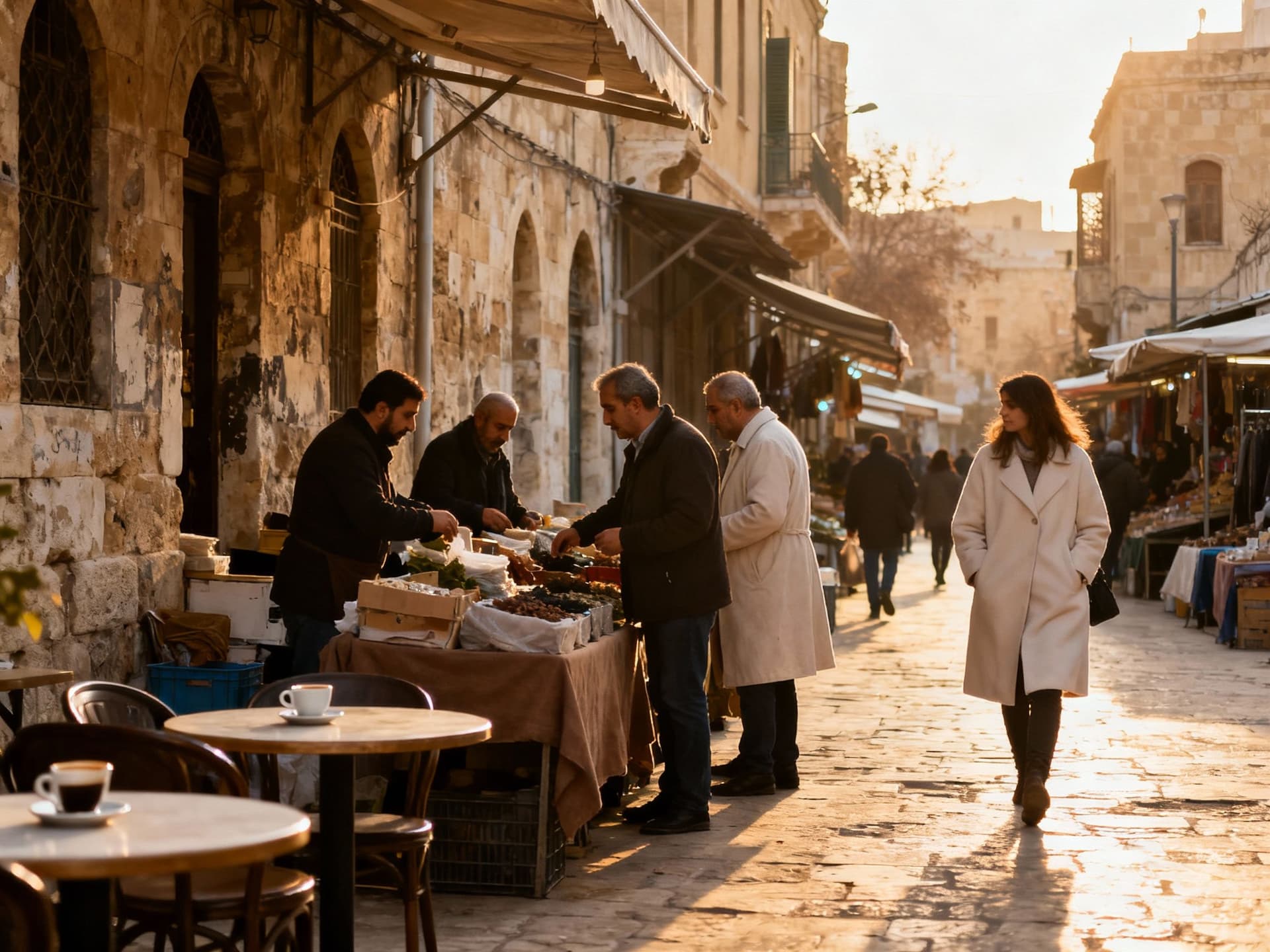
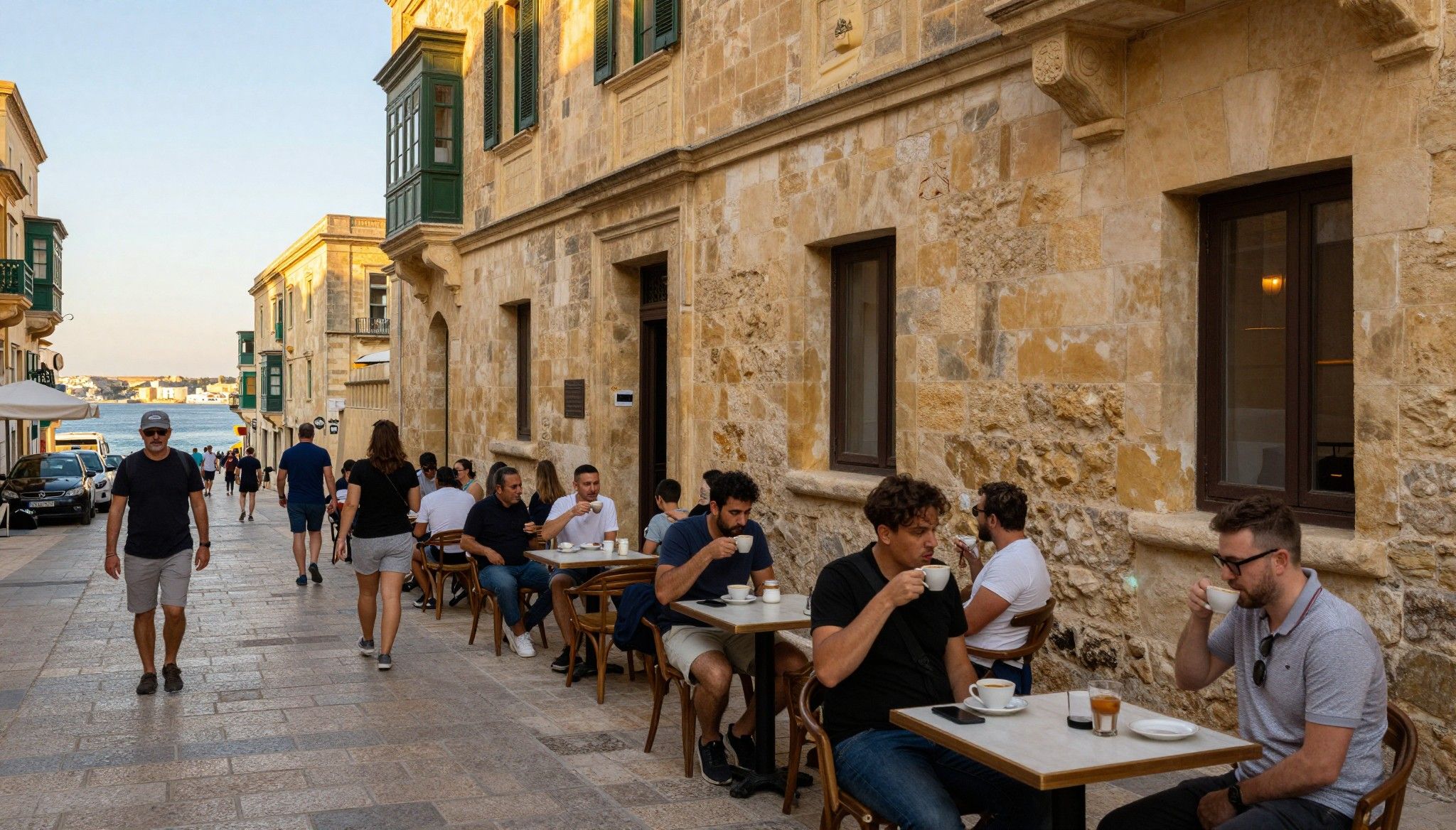
Cyprus is lived in year‑round: farmers pruning vineyards on the Troodos slopes in February, fishermen setting nets before dawn in Paphos, and families strolling Foinikoudes promenade in the brisk air of late autumn. That rhythm shapes neighbourhood personalities — Limassol’s waterfront hums with restaurants and international schools, Paphos keeps a calmer, family‑oriented pace, and Larnaca mixes a working port with small cafés that stay open through the winter.
Neighborhood snapshot: Limassol, Paphos, Larnaca
Limassol: think terraces, boutique hotels and high‑end apartments near the marina; prices and buyer competition spike in late spring. Paphos: cobbled lanes, archaeological parks and quieter coastal stretches that attract families and retirees. Larnaca: practical, affordable and increasingly popular with remote workers who value airport access and a daily coffee culture on Ermou Street.
Food, markets and weekday life
Picture a weekday at the municipal market in Nicosia or a mid‑week fish taverna in Polis: the island is practical and community‑focused outside peak tourism months. With tourism topping four million visitors in 2024, coastal towns swell in summer, but that figure only reinforces why off‑peak months reveal permanent resident demand and service patterns. (Cyprus recorded over 4.04 million tourist arrivals in 2024.)
- Lifestyle highlights off the tourist timetable:
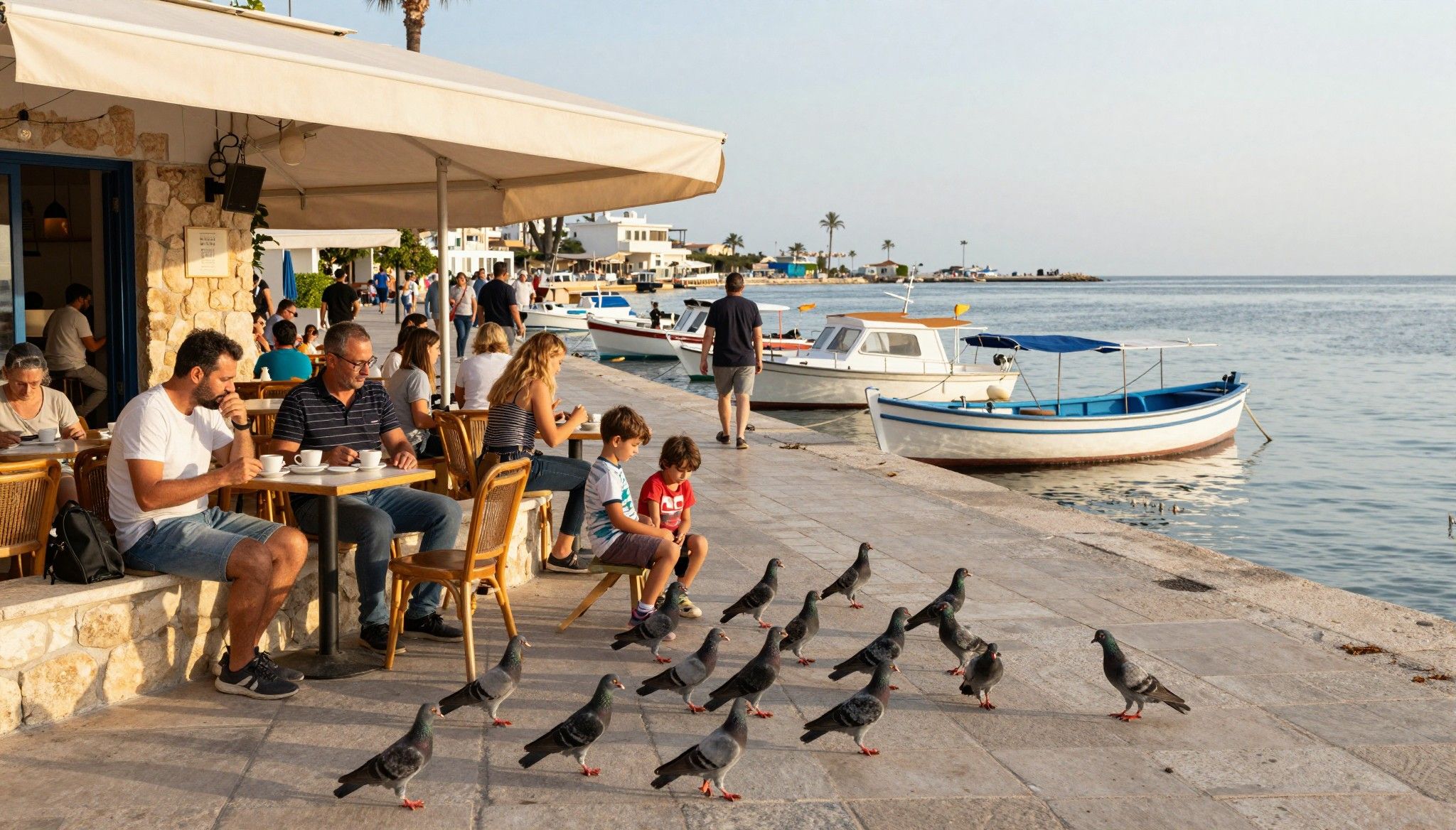
- Early‑morning fish markets in Paphos and Larnaca
- Troodos weekend hikes, wine routes and village tavernas open year‑round
- Work‑from‑home friendly cafés and coworking in Limassol and Larnaca
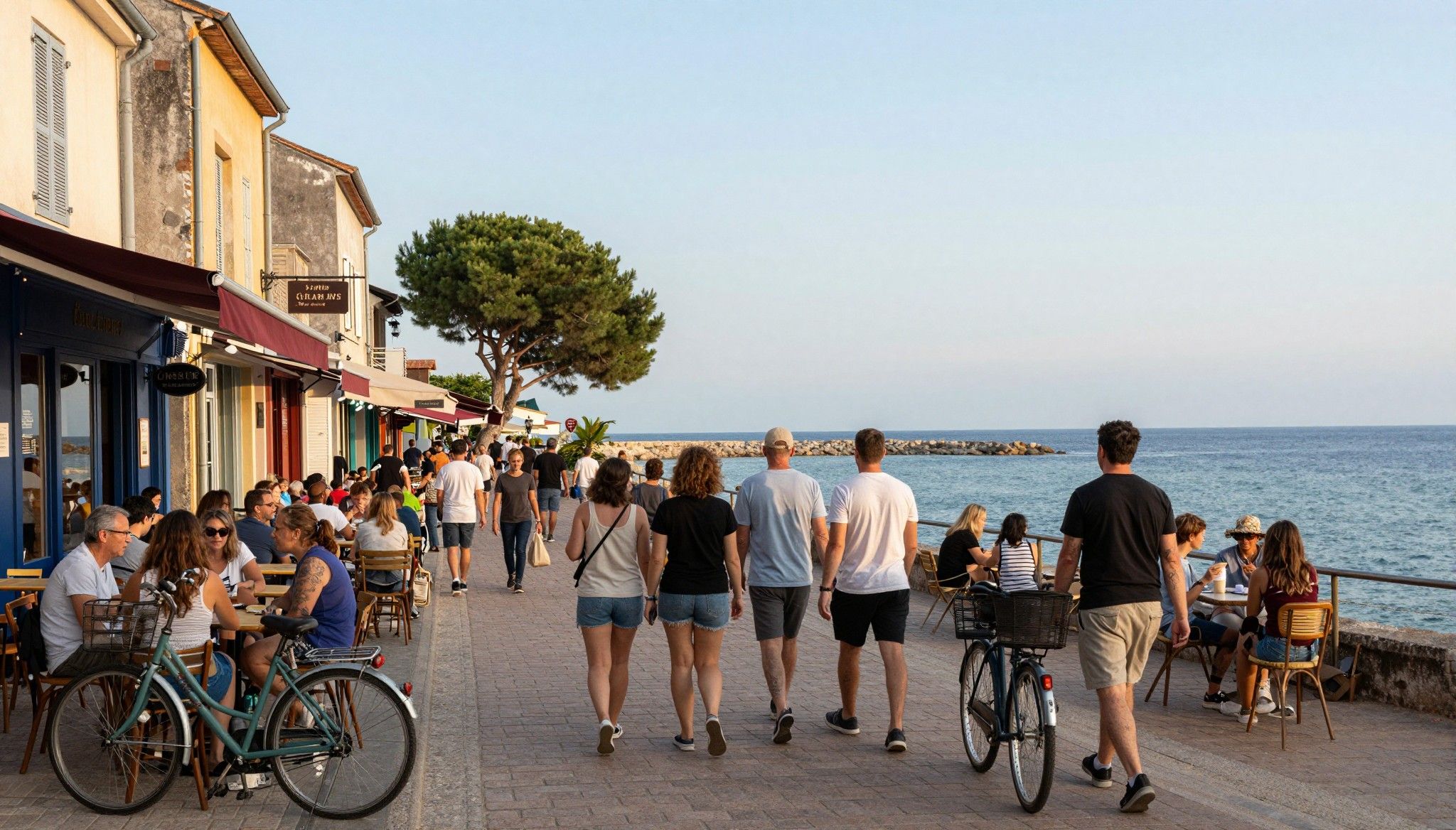
- Quiet beachfront walks in the shoulder months (October–November, March–April)
Why seasonality matters for buyers — and which season to favour
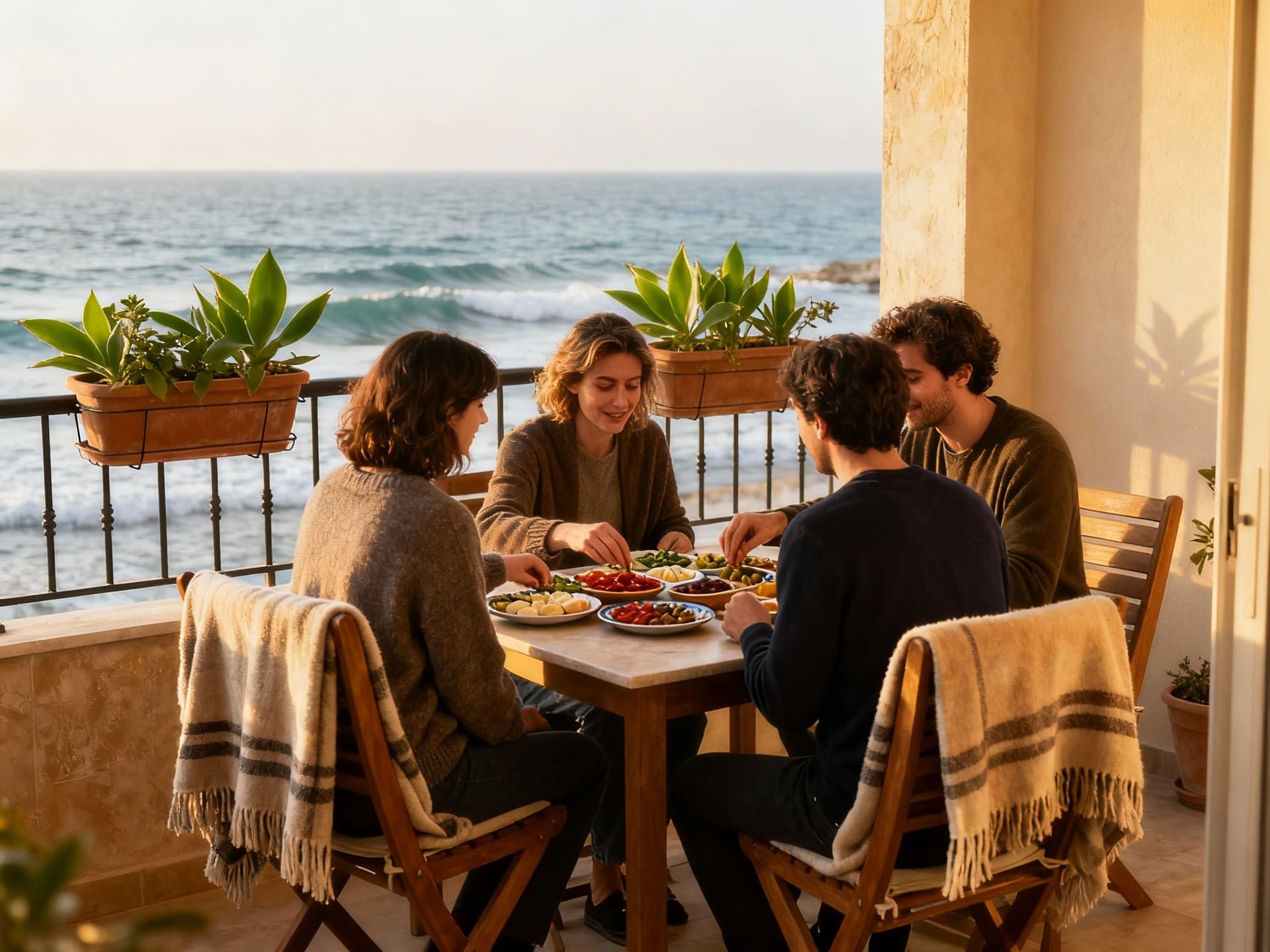
Transactional clarity and negotiating leverage shift with the seasons. After the summer boom there is often short‑term inventory pressure, developer marketing momentum and buyer FOMO. Conversely, late autumn and winter bring fewer international viewings, more realistic vendor expectations and clearer data on actual local demand — useful when official indices show the market slowing from 2023’s high growth to single digits into 2024–25 (Cyprus’ Housing Price Index and other measures show this moderation).
Property types and seasonality: what to watch
Coastal new builds retain summer shine — they show better footfall and short‑term rental interest — but apartment turnover and pricing often cool in autumn. Village villas and mountain homes, which appeal to year‑round residents, show steadier pricing and give buyers time to inspect construction quality and utilities (a practical point given Cyprus’ recent water infrastructure focus).
How local challenges change the calculus
Environmental and infrastructure pressures — notably water stress and increasing reliance on desalination — mean buyers should assess long‑term operating costs and resilience, not just sticker price. Developers and hotels are investing in desalination and water efficiency; as this becomes visible in planning and running costs, properties with modern systems or proximity to reliable mains infrastructure will hold appeal beyond the tourist season.
Making the move: practical steps for buying in the quieter months
Buying in autumn–winter isn’t romantic; it’s tactical. You’ll find better access to local professionals, calmer developers, and opportunities to negotiate post‑season discounts or extras (furniture, parking, extended warranties). Use the off‑peak period to verify that the home functions as a year‑round residence, not only as a holiday showpiece.
Property types: what works year‑round
Apartment in Limassol marina: great for rental income but check soundproofing and insulation for winter months. Traditional stone house in Troodos: needs efficient heating and water storage checks. New coastal development: prioritise energy and water systems in the contract. Each type demands a seasonally informed inspection checklist.
- Off‑peak buying step‑by‑step
- Schedule multiple weekday visits to see daily neighbourhood routines and services.
- Request utility bills and water infrastructure details to model running costs.
- Ask developers for post‑season incentives (appliances, parking, extended warranties).
- Work with a local lawyer and an agency experienced in off‑market or shoulder‑season deals.
Insider knowledge: what expats wish they’d known
Expats tell the same story: visit in late autumn and you’ll meet neighbours, not tourists. They also recommend checking small, practical details — water pressure, winter heating, and winter‑time grocery stocks — that summer viewings hide. Many buyers regret rushing after a sun‑soaked weekend; those who took months in the off‑season found better pricing and a clearer sense of where they’d fit into local life.
Cultural and community tips
Learn a few Greek phrases; join local Facebook groups for Limassol or Paphos to watch conversations across seasons; attend a weekday coffee meet‑up rather than a Saturday market — these small steps reveal how the place functions for residents, not just holidaymakers.
Looking forward: scenarios for 3–5 years
Scenario A — stability with modest growth: tourism steadies and infrastructure investments (desalination, pipeline repairs) reduce weather‑related volatility. Scenario B — selective uplift: coastal luxury remains resilient while inland and mountain markets grow slowly as remote working expands. Scenario C — constrained supply: tighter regulations for non‑EU buyers and environmental costs push developers toward higher‑quality, energy‑efficient builds. Prepare for a market where quality and resilience trump speculative speed.
- Key buy/sell signals to watch:
- An increase in weekday listings — sellers testing the market quietly in off‑season.
- Developer incentives after August — negotiation window for extras.
- Local council planning approvals for desalination or water projects affecting operating costs.
If you want to feel what life in Cyprus is beyond the postcard — go in November, February or March. Walk the streets when cafés are calm. Speak to shop owners. Ask about winter heating, water supply and supermarket deliveries. Those conversations will tell you more about a property’s fit than any staged summer viewing.
Ready to plan a season‑smart search? Start with a shoulder‑season visit, brief a local agent on year‑round performance priorities (insulation, water, transport), and use winter to negotiate contract extras. Blueprintera’s comparison tools can help you shortlist developments with the strongest year‑round fundamentals so your Cyprus purchase supports both the life you want and the market realities you’ll live with.
Dutch investment strategist with a Portugal-Spain portfolio. Expert in cross-border financing, rights, and streamlined due diligence for international buyers.