When Croatia’s Summer Hype Works Against Buyers
Seasonality shapes Croatia’s property trade: visit off‑season, prioritise winter comfort, and pair lifestyle desires with local market checks backed by official tourism and policy data.
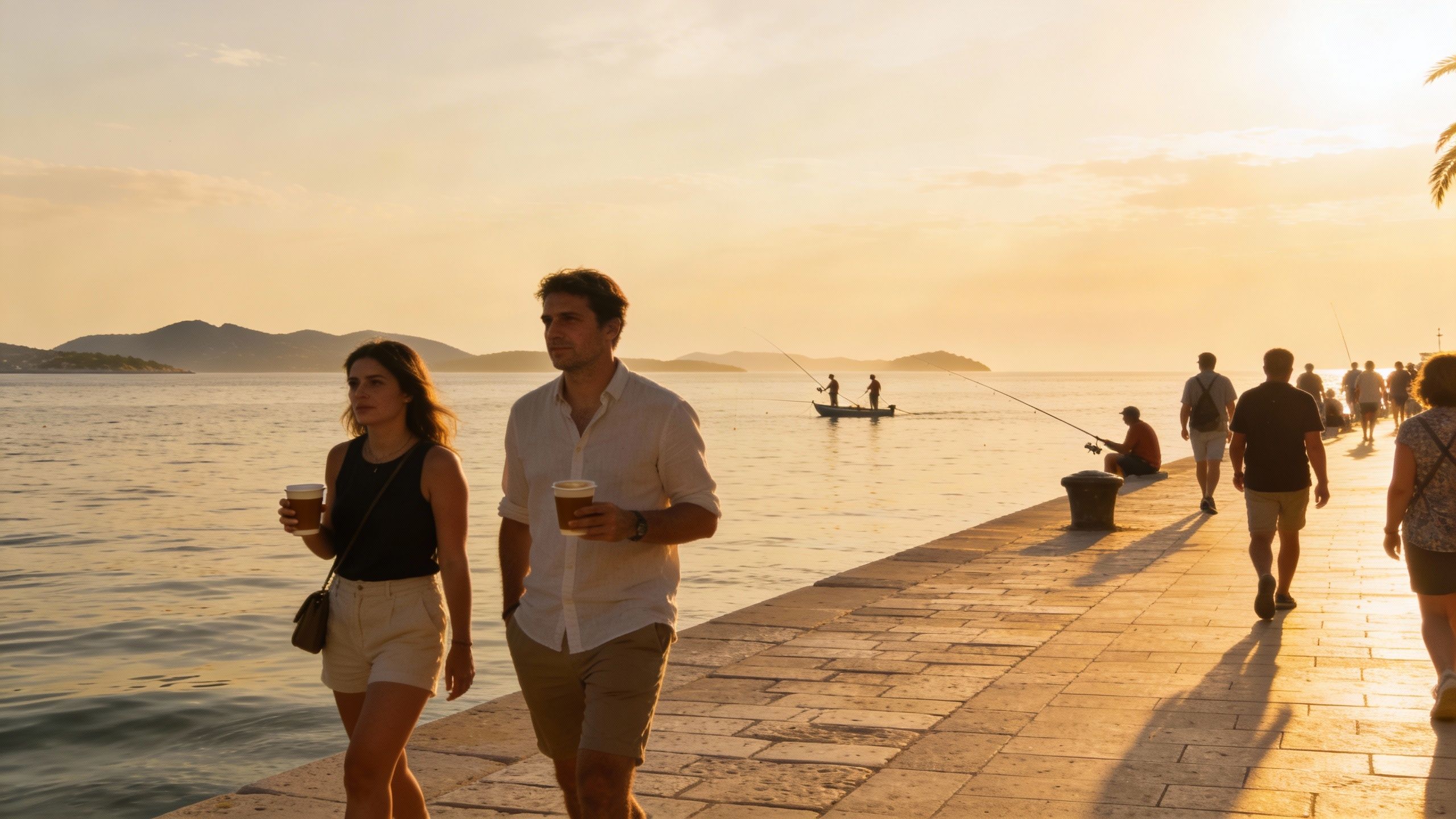
Imagine an autumn morning on Split’s Riva: baristas steaming milk, fishermen hauling the day’s catch, and an empty seafront promenade that feels like a private stage. Croatia’s coastal pulse changes seasonally — and where you buy depends on whether you want the summer spectacle or the quieter life that follows.
Living Croatia: small moments, big character
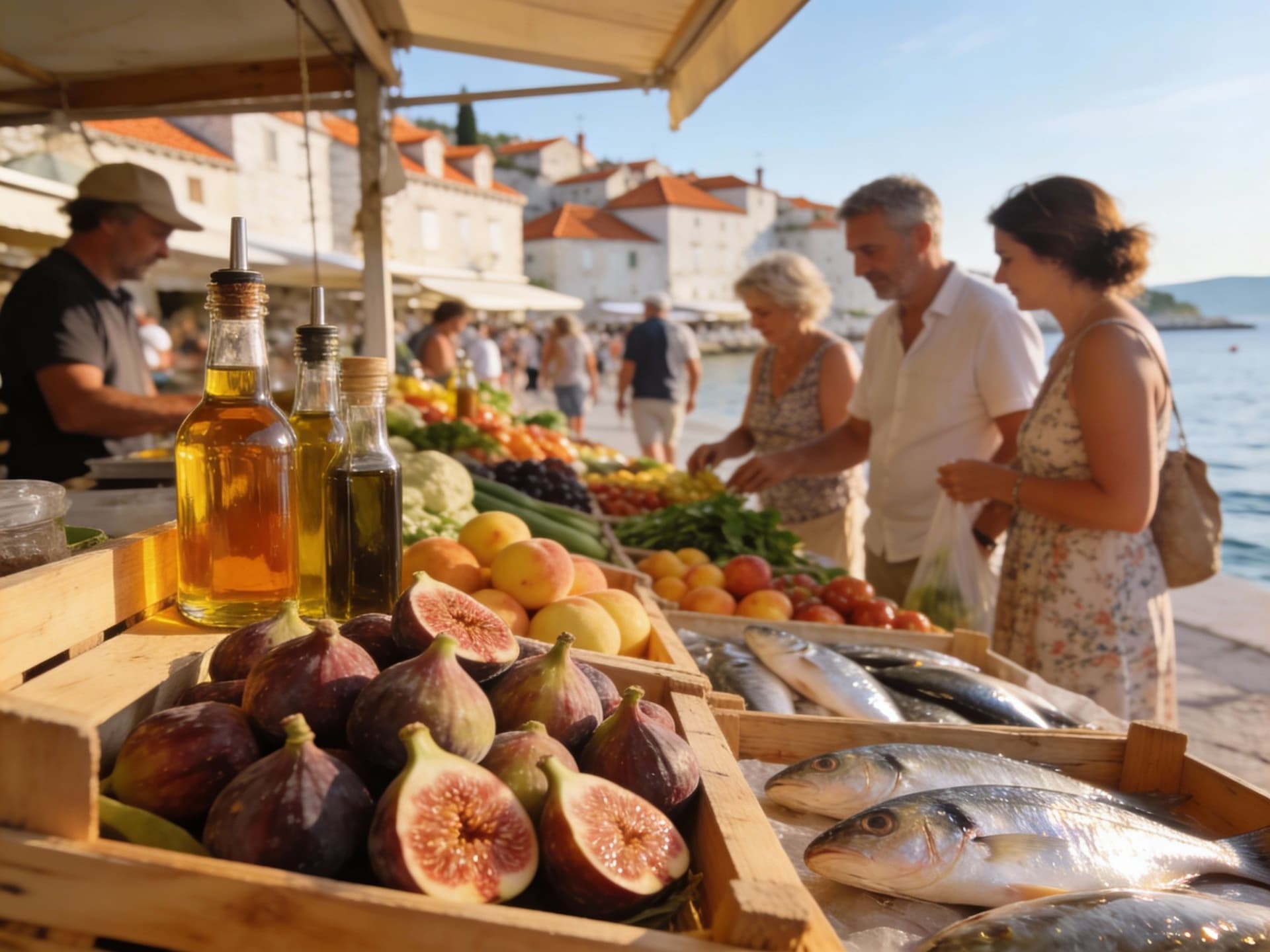
Croatia is a mosaic of daily rhythms. In Dubrovnik’s Old Town mornings begin with market chatter on Gundulićeva poljana; in Rovinj you’ll find painters setting up along the harbour lane; in Zagreb cafés hum year‑round. Life here balances Mediterranean leisure with practical routines — weekly markets, late dinners, and communal festivals that stitch neighbourhoods together.
Coastlines and lanes: where neighbourhoods differ
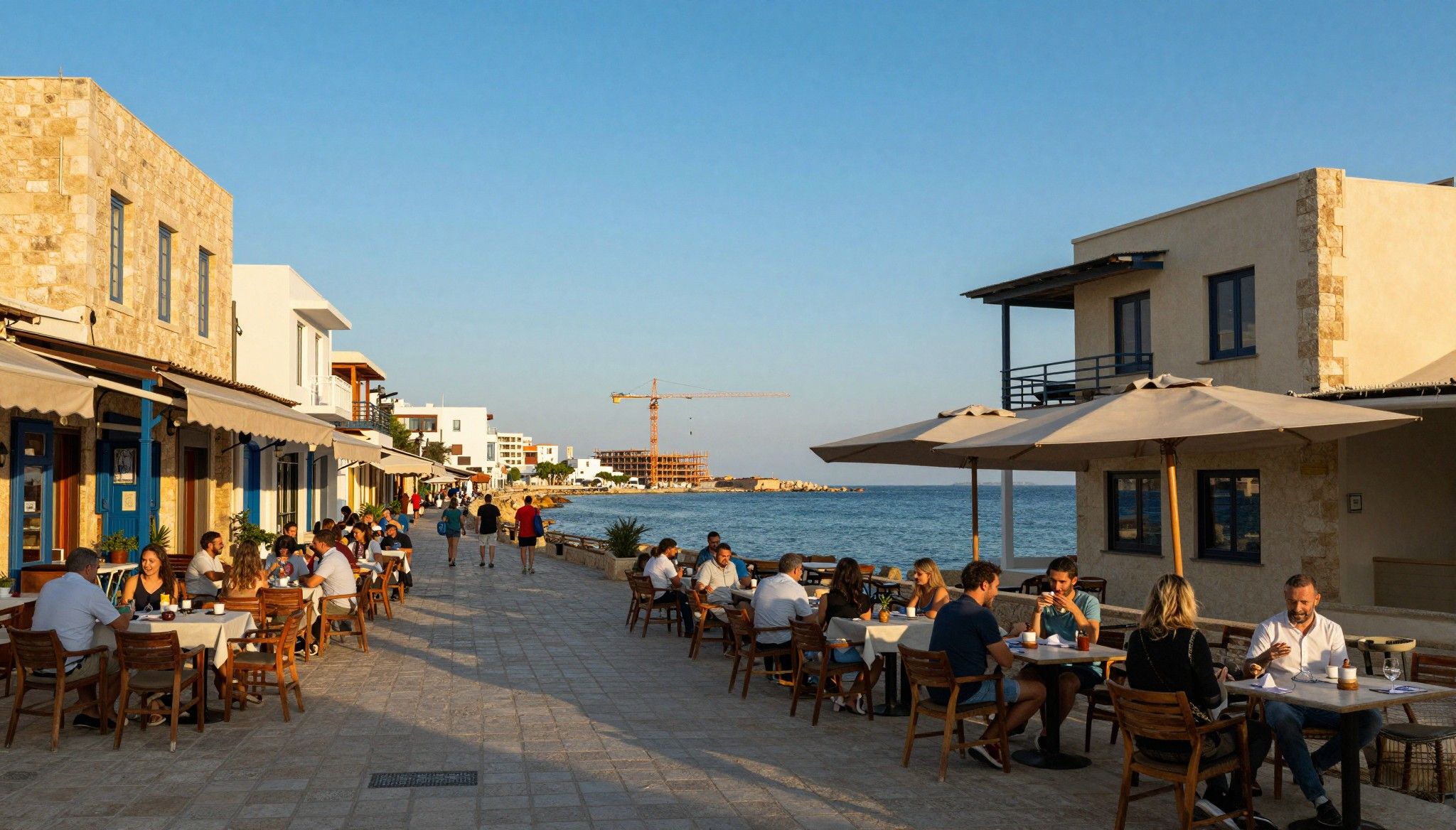
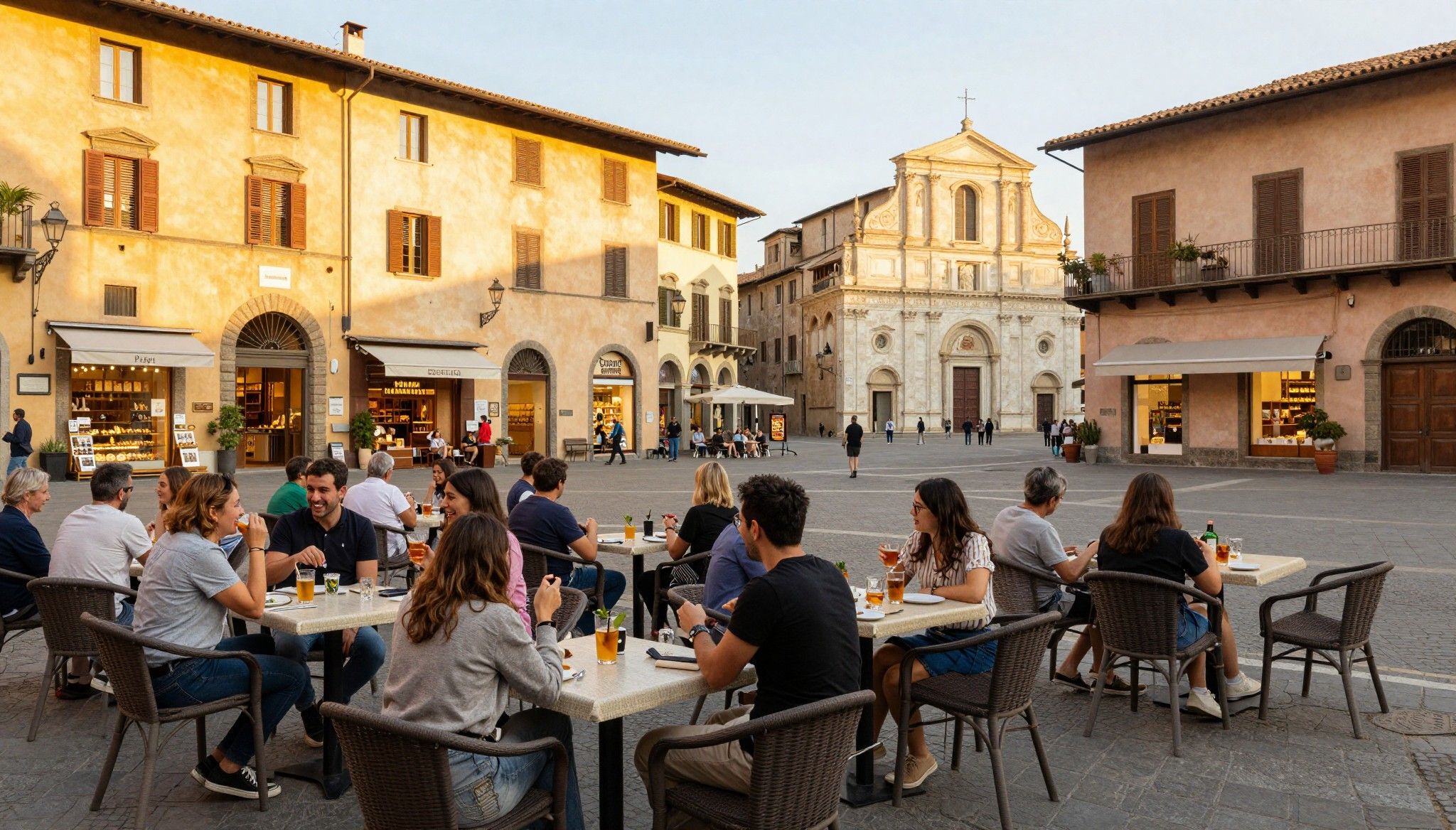
Riva promenades and island harbours are social stages; streets inland are quieter and calendar‑driven. Split’s Varos and Matejuška mix café life with local families; Hvar Town pulses with seasonal nightlife but calms down by October; Istria’s Rovinj keeps a steady, year‑round artisan scene. Choosing a street — not just a city — shapes daily life.
Food, markets and seasonal rhythm
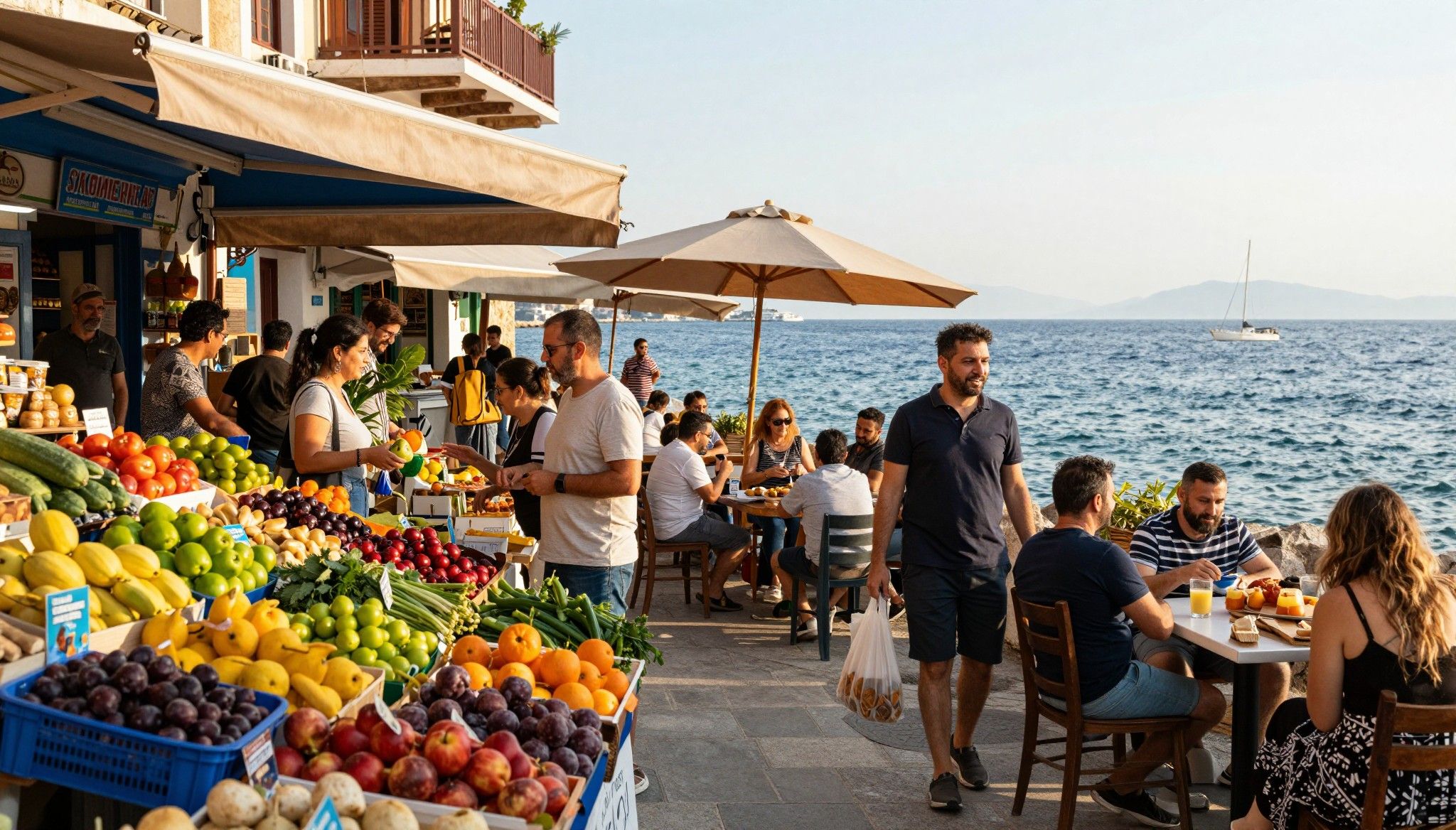
Imagine Saturday in Zadar: you start at the farmer’s market — figs, olive oil, freshly baked pogača — then an afternoon swim at Kolovare. Food is a social calendar: konoba dinners, truffle weekends in Istria, and summer seafood festivals. Those seasonal peaks shape local rental demand and, in turn, the property market.
- Lifestyle highlights: market streets, beaches and cafés - Morning espresso at Caffe Bar Bepa (Rovinj) or Paradox (Split) - Weekend truffle markets in Motovun (Istria) - Evening promenades on Dubrovnik’s Stradun outside high season - Cyclist routes and vineyards around Hvar and Pelješac - Small‑town festivals (karma‑building for community life)
Making the move: practical realities behind the romance

The romance of Croatia coexists with heavy tourism: over 21 million arrivals and roughly 108 million overnight stays in 2024, concentrated along the Adriatic. That seasonality creates clear trade‑offs — strong short‑term rental income in summer, but quieter winters and regulatory pressure to expand long‑term housing stock. Understanding these dynamics is essential before you place an offer.
Property types and how you’ll actually live in them
Traditional stone houses with terraces suit owners seeking authenticity and year‑round charm but often need renovation and seismic checks. New builds offer modern insulation and easier maintenance — attractive for remote workers or retirees. For a lifestyle that balances summer life and winter calm, consider a compact seaside apartment with good heating and a shaded terrace.
Work with experts who match your life, not just your budget
Choose agents who understand seasonality, local rental rules and the tax shifts underway — Croatia proposed a property‑tax reform to reduce short‑term rental distortions and encourage long‑term leases. A good local adviser will frame search criteria around lifestyle needs (proximity to markets, heating, transport) and policy risk, not just price per square metre.
- Stepwise checklist to blend lifestyle and market sense 1. Define your year: do you want peak‑summer energy or quiet winters? 2. Shortlist streets, not just towns — walk them in different seasons. 3. Check heating, insulation and local medical/school access for winter life. 4. Ask agents about long‑term rental demand and municipal plans. 5. Factor in renovation timelines and realistic occupancy windows.
Insider knowledge: what expats wish they knew earlier
Expats often arrive enchanted by summer and realise too late that winter routines — shops closing earlier, fewer flights, and quieter social life — require preparation. The best transitions happen when buyers pair the coastal rhythm with practical features: reliable heating, storage for seasonal gear, and integration into a local community that keeps life active off‑season.
Language, neighbours and living like a local
Learning basic Croatian opens doors — not just shops but invitations to konoba dinners and village events. Neighbourhoods often self‑organise around market days, church festivals, or football clubs. Show up, support local businesses, and you’ll find communities that welcome newcomers who invest in daily life rather than only in short‑term rentals.
Longer horizon: how the place changes after you’ve moved
Over five years, expect incremental improvements: better flight connectivity, investment in infrastructure in popular ports, and municipal measures to balance tourism with resident needs. Buying with a five‑ to ten‑year lifestyle plan — not a one‑season fantasy — yields the best experience and long‑term value.
- Red flags and smart checks before you sign - Properties advertised for heavy summer income without winter comps - Missing heating or poor insulation in coastal listings - Unclear land registry records or older stone houses without recent seismic reports - Local plans for marina or tourism expansion that change daily life - Agents who cannot show energy certificates or municipal rules
- Priority steps for a confident purchase 1. Visit the street in winter and shoulder season. 2. Order a title and cadastral check with a Croatian notary. 3. Budget for 10–20% renovation or conversion costs on older properties. 4. Ask for last‑season rental performance if planning short lets. 5. Secure a local property manager before you close.
Conclusion: fall in love with the life, then buy the property that supports it. Croatia rewards buyers who respect seasonal rhythms and local culture — walk the lanes in November, eat where locals eat, and then choose a home that suits 12 months of life, not just the Instagram summer. When you're ready, a local, lifestyle‑savvy agency will translate those streets and cafés into contracts, checks, and a long‑term home.
Norwegian market analyst who relocated to Mallorca in 2020. Focuses on data-driven market insights and smooth relocation for international buyers.