Why House‑Hunting in Greece Peaks After August
Greece’s summer spikes mask the true market: visit in shoulder months, match lifestyle to architecture, and use policy and tourism data to time offers.

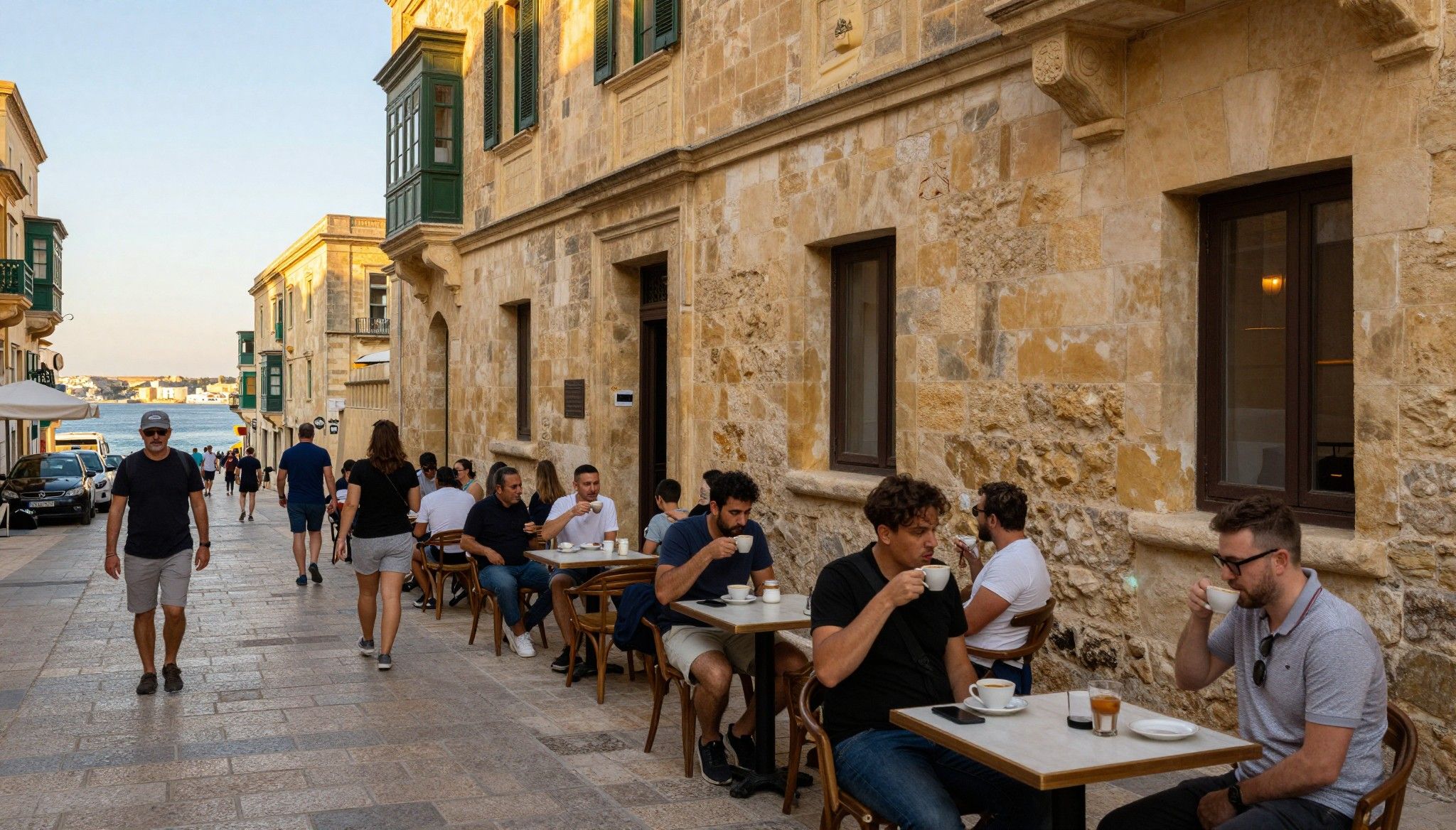
Imagine sipping a chilled freddo espresso on a narrow lane in Plaka as the last summer tourists drift off. In Greece the public rhythm shifts hard after August: streets empty, prices soften, and local life—the real reason you moved here—returns. That seasonal flip matters more for buyers than headlines about ‘hot’ summer markets. Recent tourism and property data show demand and prices surge through summer but settle into clearer buying windows in autumn and winter, giving decisive buyers leverage. citeturn0news13
Living the Greece rhythm
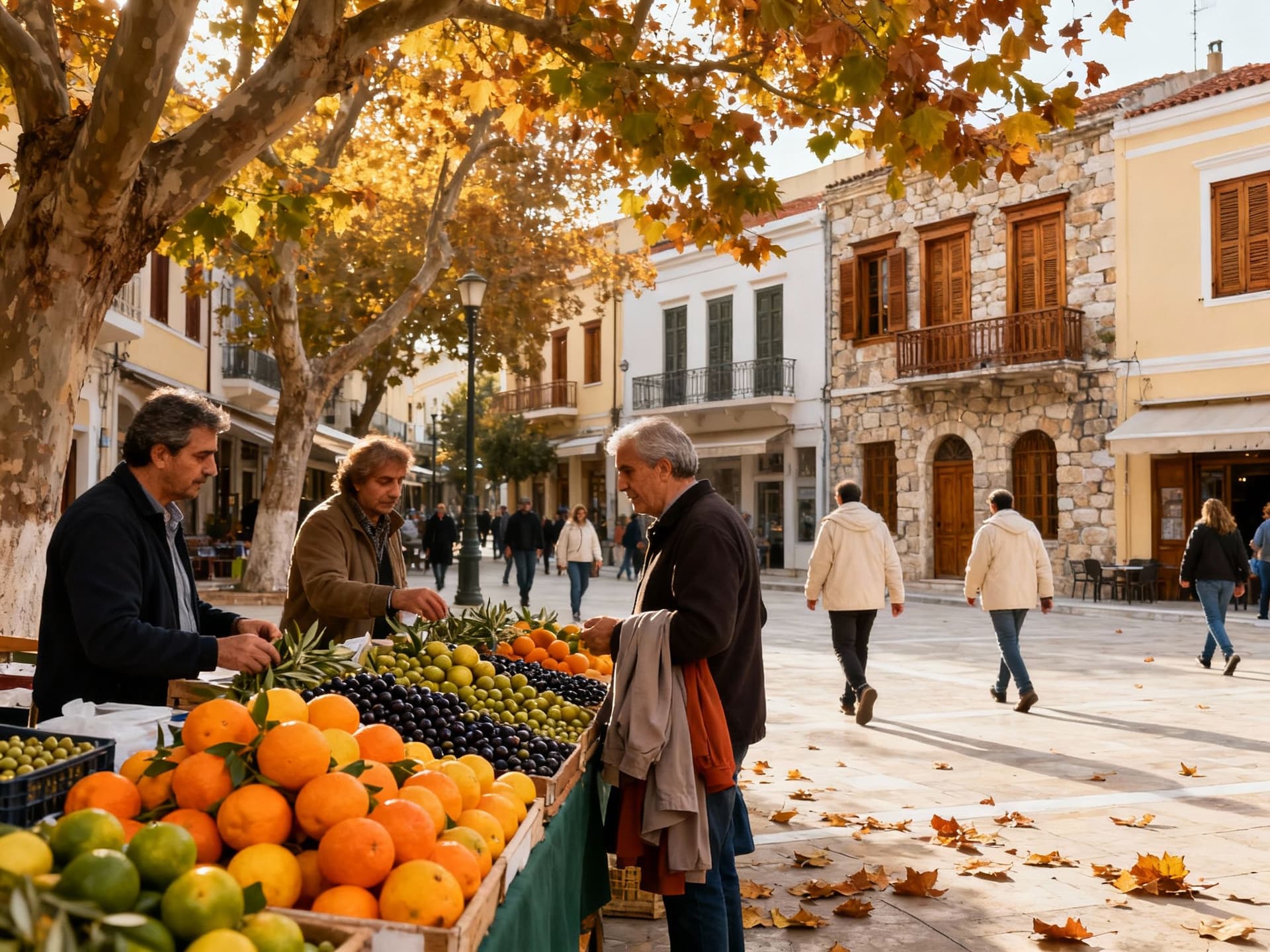
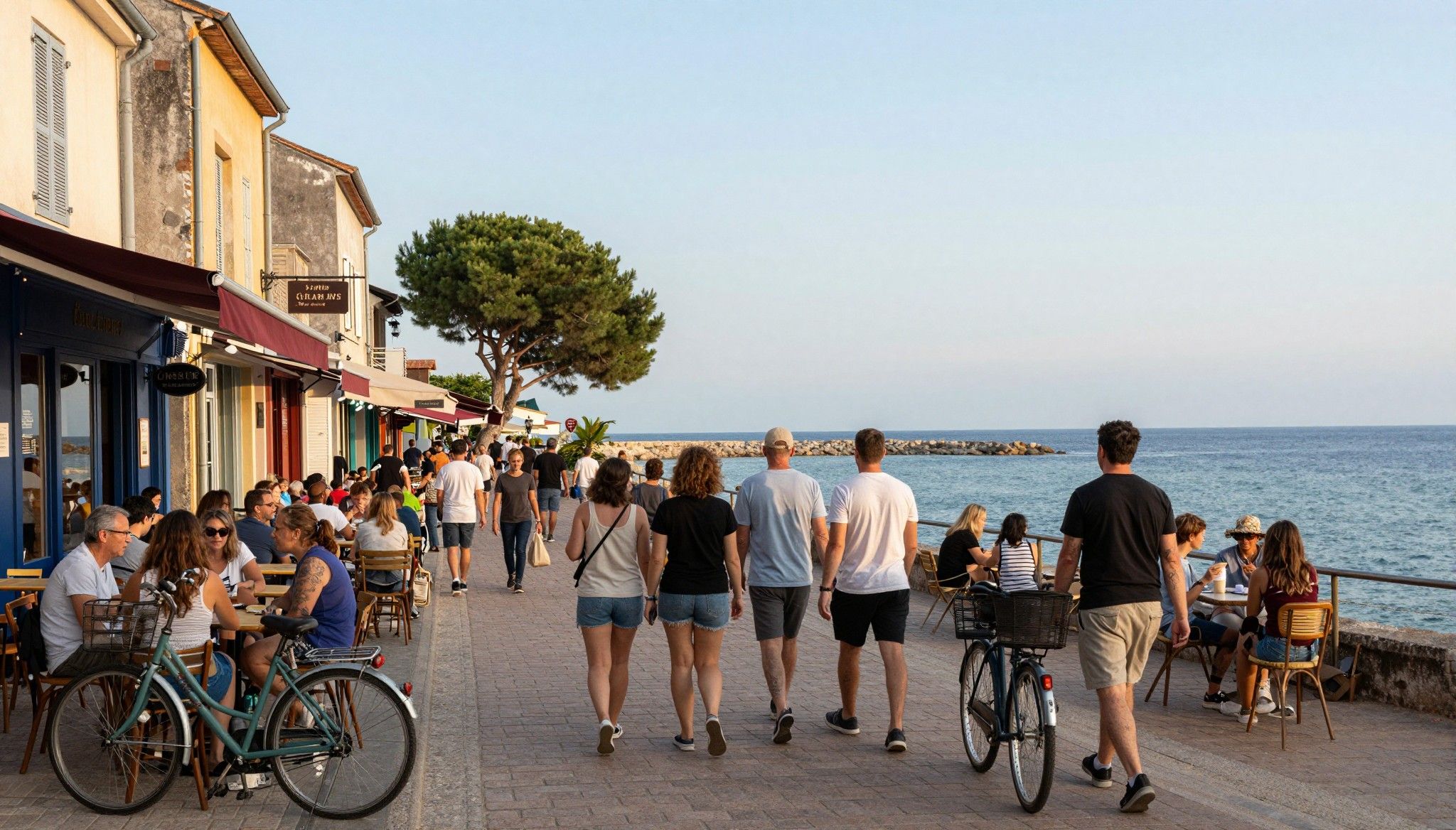
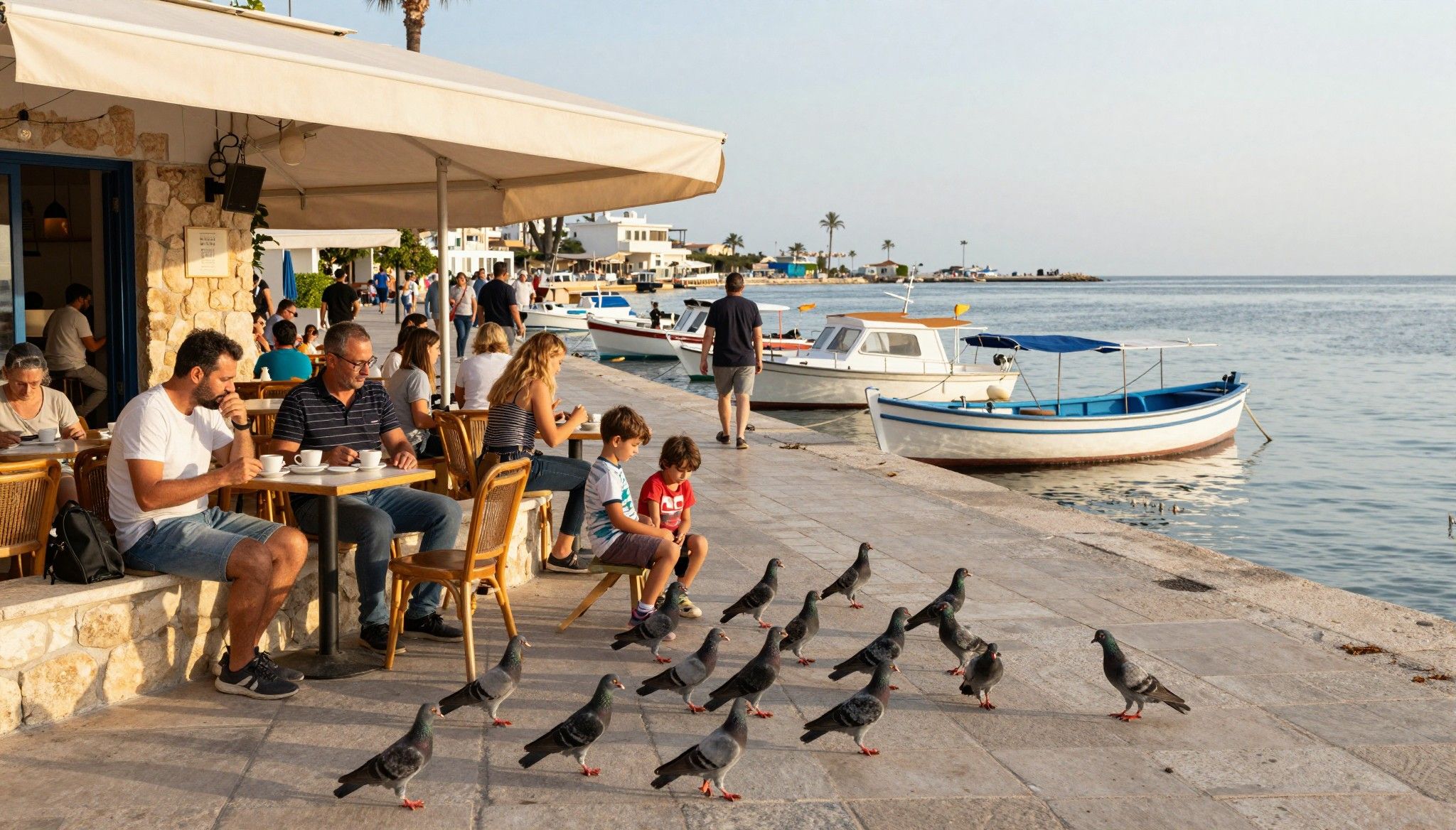
Daylight in Greece is organized around outdoor life: morning markets, long lunches, late walks by the sea. Neighborhoods pulse with distinct personalities—Athens’ Koukaki and Thissio trade history for cafe terraces; Glyfada and Voula in the south rearrange mornings around marina life; Chania and Heraklion keep a steady provincial rhythm with year‑round communities. Tourism spikes concentrate activity July–September, but local routines reassert themselves after August, revealing the year‑round quality of a place you’ll actually live in. Local tourism and arrival stats underline how concentrated high season is, a fact any buyer should weigh. cite
Athens: city mornings, island weekends
Picture espresso at Taf coffee on Dionysiou Areopagitou, then a midweek ferry to Aegina—Athens lets you blend urban culture with short island escapes. Streets near Kallimarmaro have family-run bakeries that close for a few weeks in August; you’ll only spot that local pulse outside high season. For property buyers that means seeing how blocks breathe when owners are home: noise levels, neighbourhood shops, and community life that determine whether a place feels like home, not like a summer rental.
Islands: pick the lived-in islands
Mykonos and Santorini are iconic but intensely seasonal; look instead at Syros, Naxos or parts of Corfu where small-town life persists year-round. Walk the main street of Ermoupoli on Syros in November and you’ll meet fishermen, café owners and families — the community that keeps shops open. Those patterns matter for long-term ownership: consistent rental returns, reliable services in winter, and authentic neighbour relationships.
- Lifestyle highlights: real places to visit before you buy
- Morning at Chania Old Harbour — fish market, narrow lanes, and year‑round cafes.
- Late‑autumn sunset walks on Glyfada promenade — populated by locals rather than tourists.
- Sunday market in Kifisia — neighborhood life, bakeries and plant shops that reveal daily convenience.
Making the move: lifestyle‑meets‑market reality
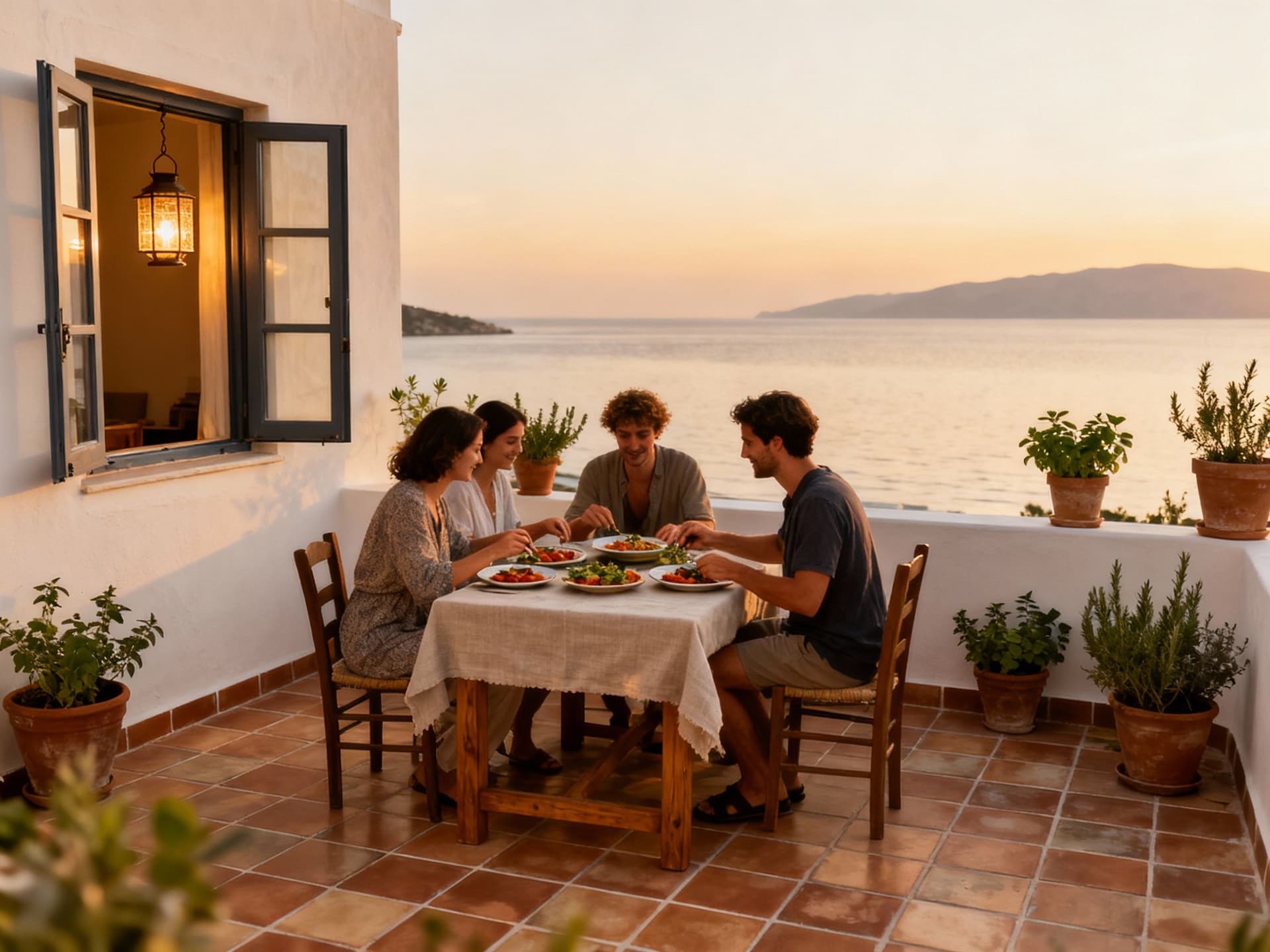
The romantic image of Greece coexists with concrete market dynamics: prices rose in 2024, transactions increased, and supply constraints are real in sought-after coastal towns. Data-driven buyers use seasonality to their advantage — they time visits for September–November or February–April to see genuine community life and negotiate when demand cools. Working with local agents who know post‑season rhythms turns a dreamy visit into a pragmatic purchase strategy, letting you compare offers against quieter market conditions. cite
Property styles and how they shape daily life
Stone townhouses in Crete invite indoor‑outdoor living: thick walls that cool in summer, courtyards for olive trees and winter sun. Athens apartments prioritise balconies and compact kitchens for all‑day life; villas on the Ionian tend toward gardens and longer seasons. Match the architecture to how you want to spend time: long terraces for summer hosting, central apartments for cafe life, or small farms for a quieter rural pace.
Working with local experts who know the rhythm
A good local agent will not only show properties — they’ll time viewings when neighbourhoods reveal their true character, introduce you to a local notary with island experience, and flag seasonal maintenance issues like water supply in late summer. Ask agents for recent off‑season comparables, vacancy rates for the area, and a list of year‑round residents versus holiday lets. Those insights turn lifestyle preferences into measurable choices.
- Negotiation steps to use seasonality as leverage
- Schedule visits in shoulder months (Sep–Nov, Feb–Apr) to evaluate services and community.
- Request off‑season rental figures and previous winter utility bills from sellers.
- Make offers that reflect true year‑round value, not peak‑season rates.
Insider knowledge: what expats wish they'd known
Expats often arrive enchanted and then discover practical wrinkles: residency rules changed sharply in 2024, shifting investment thresholds in popular areas and altering the demand profile for certain islands and Attica. Know the legal thresholds and how they rezone markets—some islands moved into higher‑value zones, which affects international buyer demand and pricing. Use up‑to‑date counsel so policy shifts don’t surprise your budget or timeline. cite
Cultural cues that change where you buy
Greece runs on relationships: small repairs are often arranged over coffee, municipal windows close for holiday weeks in August, and neighbours may judge a renovation by how it fits local aesthetics. Respect for local style and small gestures—learning basic Greek greetings, visiting the local kafenio—opens doors and smooths transactions. Those social currencies affect resale value: well‑integrated homes tend to rent better and face less community pushback on renovations.
Long‑term lifestyle and market scenarios
Scenario A: Tourism stays robust and targeted supply remains limited — coastal pockets and islands retain premium pricing but inland towns appreciate steadily. Scenario B: tighter planning controls and sustainability measures constrain new coastal builds, raising demand for existing properties in regulated towns. Scenario C: policy changes to residency and infrastructure improve accessibility to secondary islands, shifting buyer interest and creating new pockets of value. Track tourism receipts and regional planning announcements to anticipate which scenario will affect your target area. citeturn0news13
- Red flags local buyers watch for
- Empty high‑season streets in off‑season — indicates a holiday‑let neighbourhood rather than a community.
- Unclear water or road access outside tourist months — common on smaller islands.
- Recent zoning changes or Golden Visa reclassification that spike short‑term demand.
Conclusion: fall in love with the life, then buy the right time. Start by visiting in a shoulder month, meet neighbourhood residents, and ask agents for off‑season comparables and utility records. Pair lifestyle scouting with data on arrivals, regional receipts and local zoning to turn emotion into evidence. When you align the lived‑in character of a place with market intelligence, Greece stops being a vacation and becomes a life you can afford and sustain.
Swedish strategist who relocated to Marbella in 2018. Specializes in legal navigation and tax planning for Scandinavian buyers.