Why Istria Outsmarts Croatia’s Coastal Hype
Istria’s off‑beat towns mix year‑round lifestyle and steadier price dynamics — a counter‑hype route for buyers deterred by Dubrovnik’s seasonal premium.
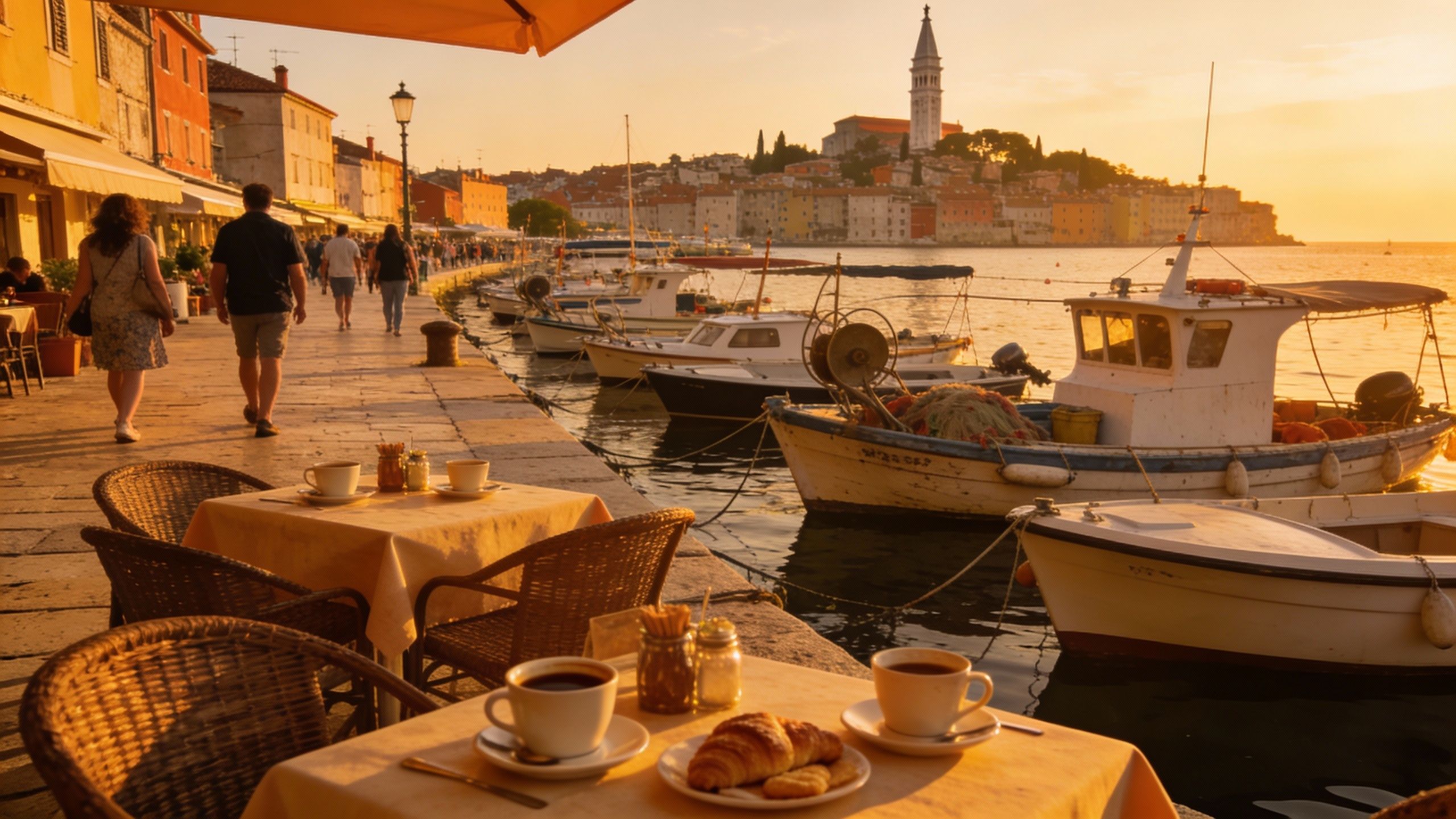
Imagine sipping espresso at a stone table in Rovinj before the morning market crowds arrive — narrow alleys, fishermen unloading the day’s catch, and a sense that life here moves to its own Adriatic rhythm. That rhythm explains why I chose Istria while many buyers chased Dubrovnik and the Dalmatian summer spotlight. Recent market analysis shows coastal price growth and shifting foreign buyer patterns, and understanding those shifts is how you turn romance into a smart purchase. This guide blends the sensory pulse of Croatian life with the data and scenarios international buyers need to make confident choices.
Living the Croatia life — beyond postcards
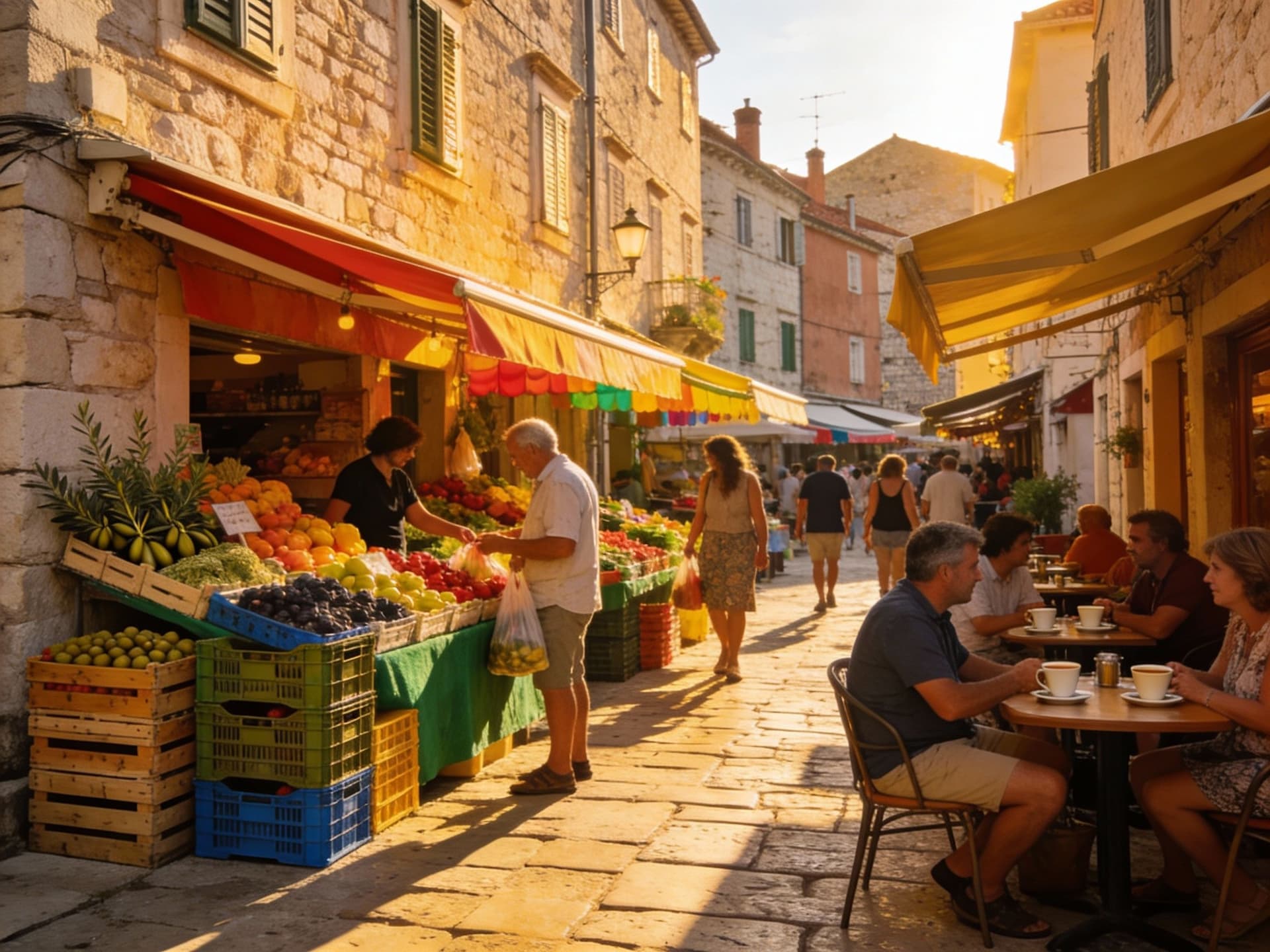
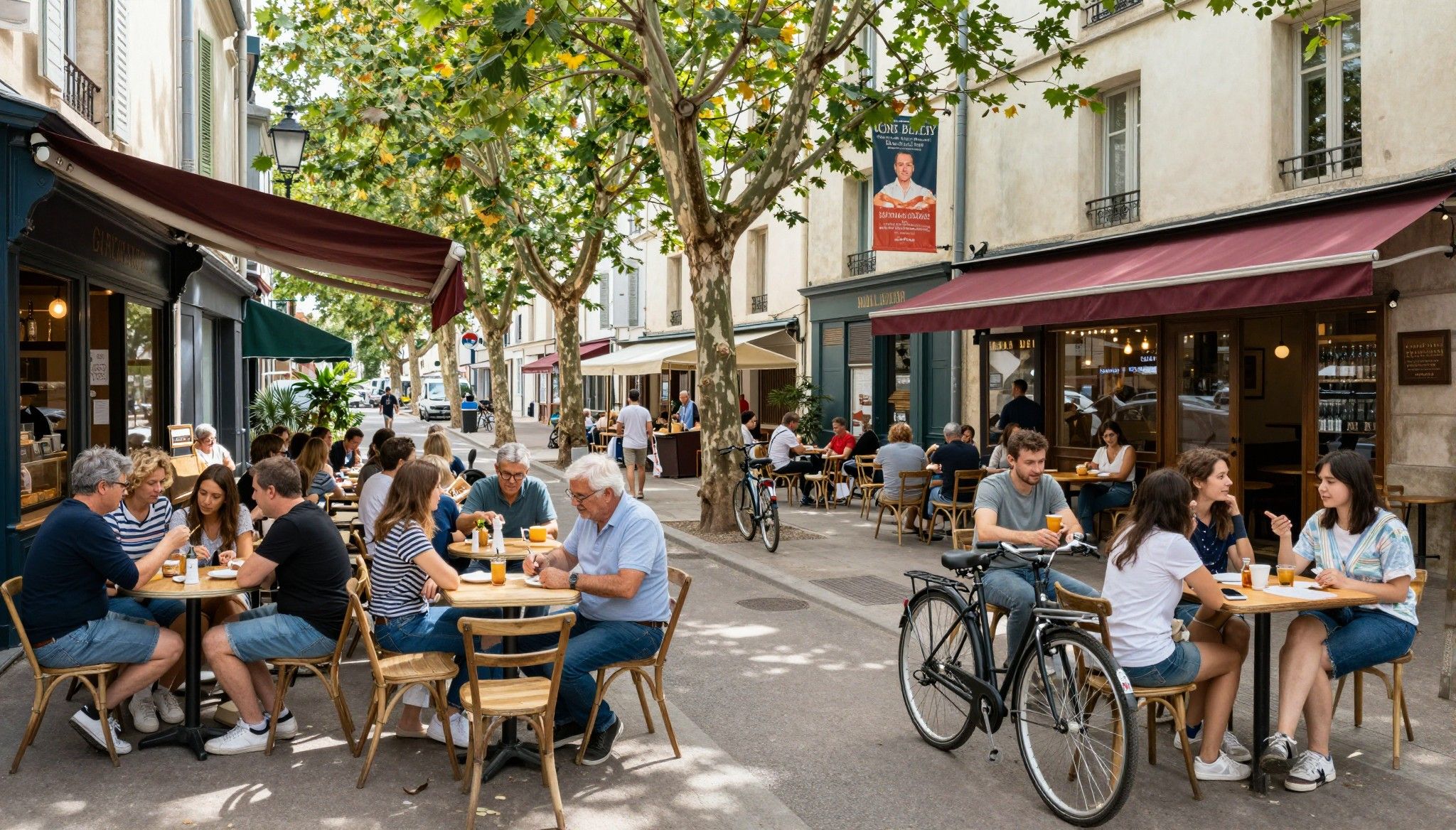
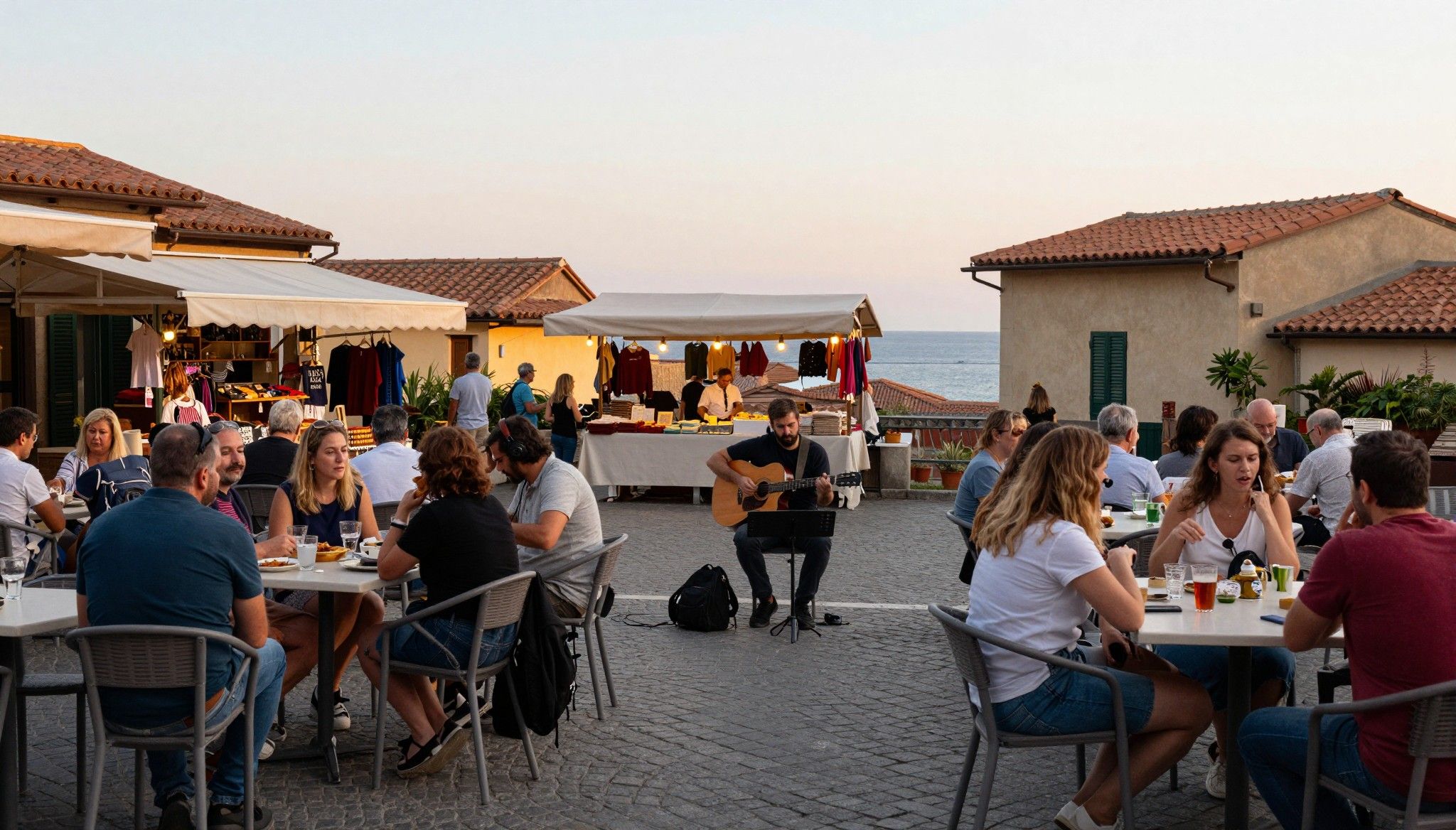
Croatia is a study in contrasts: medieval cobblestones meet modern marinas, quiet forests sit an hour from buzzing coastal towns, and markets still pulse with local produce. Daily life differs between Zagreb’s cafe-lined squares, Split’s waterfront bustle, and Istria’s relaxed hill towns. For buyers, the choice isn’t just coastline versus city — it’s what tempo you want: late breakfasts, long summer evenings, or four-season routines that balance tourism income and year-round living. These rhythms shape what property works for you and how it will perform as an investment or second home.
Istria: hill towns, truffles and year‑round calm
Walk Motovun’s stone streets in November and you’ll meet locals harvesting truffles, not day‑trippers. Istria’s towns — Rovinj, Poreč, and inland Motovun — combine coastal access with inland quiet, good roads to airports, and a culinary scene anchored by olive oil and wine. That mix attracts buyers who value lifestyle continuity across seasons: good restaurants in winter, markets in spring, and manageable summer tourism. For many international buyers I know, this predictability beats the intense seasonal peaks of Dubrovnik.
Split & Dalmatia: sea, history, and busy summers
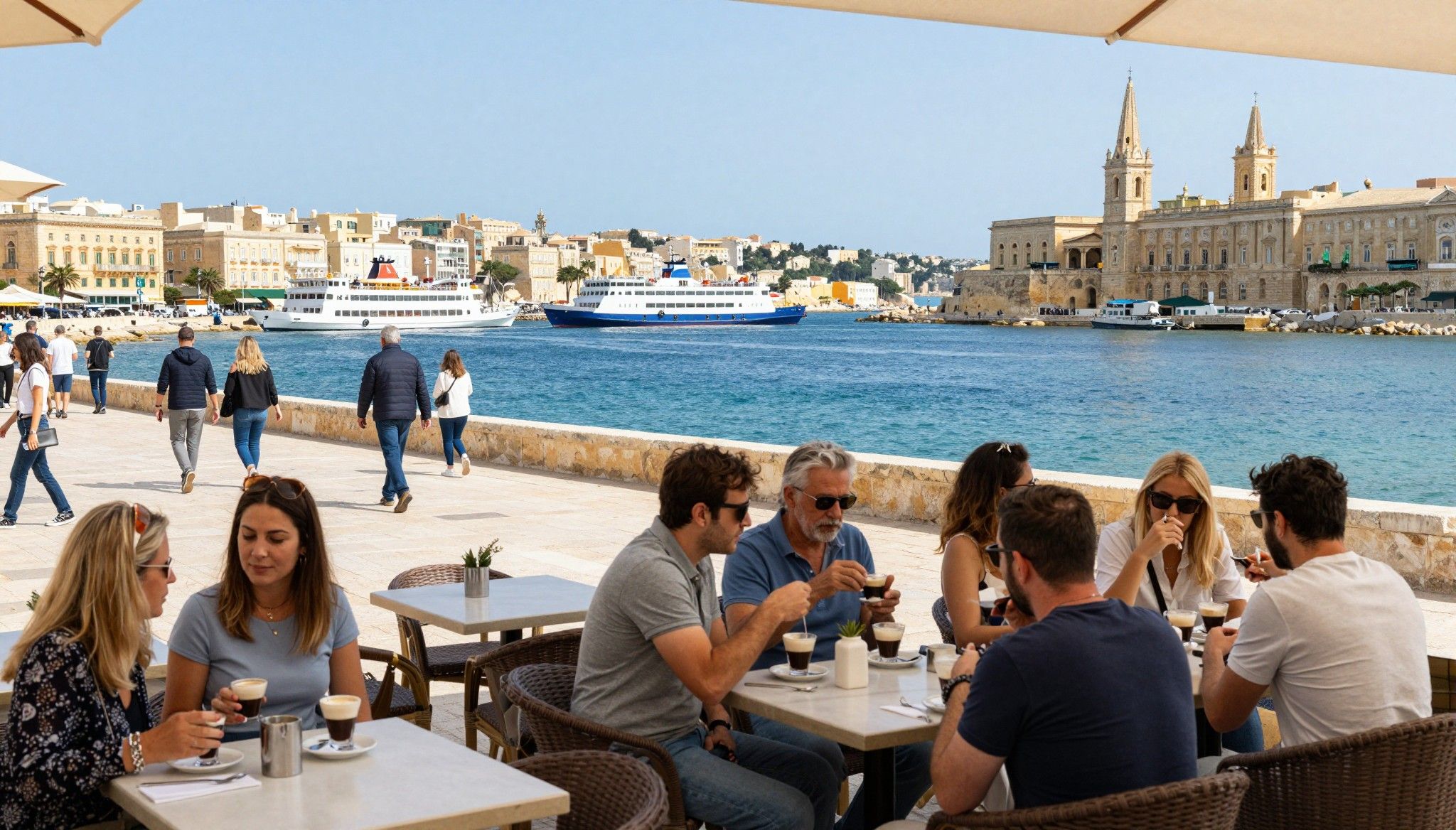
Split offers Roman palaces, yacht traffic and year‑round services, but the coast around it—especially islands—can feel transactional in high season. If you want social energy and easy ferry links, Split and nearby Hvar deliver; if you want quiet, the islands can be challenging off‑season. Many buyers underestimate upkeep, occupancy variability and short‑term rental competition here. Think lifestyle first: do you crave festivals and cafés or slow coastal days? Your answer should steer region selection.
- Lifestyle highlights to sample in Croatia
- Morning espresso in Zagreb’s Tkalčićeva; afternoon swims at Zlatni Rat beach (Braè); truffle hunts around Motovun; weekend markets in Split’s Pazar; oyster tasting in Ston; evening promenades on Dubrovnik’s Stradun.
Making the move: lifestyle-led, data-backed choices

Romance meets spreadsheets when you consider timing and location. Croatia’s house price indices show steady coastal gains: recent DZS data notes double‑digit year‑on‑year growth in several regions, while government tax changes aim to curb speculation and encourage long‑term rentals. That combination alters scenarios for buyers: strong tourist demand supports short‑term rental returns but reforms create incentives for enduring occupancy. Translate that into a plan that protects lifestyle and mitigates regulatory risk.
Property types that match how you’ll live
Stone town apartments offer low maintenance and instant character but limited private outdoor space; new coastal developments provide pools and parking but higher service costs; rural stone houses in Istria deliver gardens and privacy but require renovation patience. Match the typology to the rhythm you want: social life on a balcony or slow afternoons in a garden? I recommend visiting shortlisted types in different seasons to feel how each adapts to your life.
How local experts bridge lifestyle and legality
A good local agency isn’t just a property finder — they explain seasonal maintenance, local utility realities, and community norms while steering you through title checks and municipal rules. Look for agencies with bilingual teams, renovation partners, and experience placing buyers into the precise lifestyle you describe. Agencies also know micro‑markets: which street suffers festival noise, which neighborhoods stabilize rents off‑season, and where renovation approvals move faster.
- Six steps that blend lifestyle and due diligence
- Visit in low season to test daily life; match property type to your year‑round routine; commission an independent survey focused on coastal exposure; model rental returns with new tax rules; confirm utility and renovation permissions with the municipality; secure bilingual legal counsel for contracts and title checks.
Insider knowledge: what expats wish they'd known
Expat lessons are practical: maintenance windows in winter, neighbours who know every renovation, and the fact that demand hotspots shift faster than you expect. Portun and other market observers note that foreign buyers remain a substantial market force, concentrating in Istria and coastal counties. That keeps prime coastal stock tight and prices elevated, but it also reveals opportunities inland and in secondary ports where lifestyle quality remains high and competition is softer.
Cultural cues that change everyday life
Croatians prize community continuity: introductions matter, local pace is slower, and services close for holidays in ways visitors don’t expect. Learning basic phrases, supporting local shops, and respecting communal rhythms smooth integration and help you find trustworthy tradespeople. These small social investments reduce friction during renovations and when converting a property into a long‑term rental.
Long‑term scenarios: how your life (and value) evolves
Consider three likely five‑year scenarios: conservative (steady value, high occupant satisfaction), tourist‑tilted (strong seasonal income, higher running costs), and renovation‑led (value created by careful restoration). Your chosen town determines which scenario is likeliest: Istria leans conservative/renovation, Dalmatian islands skew tourist‑tilted, and Zagreb fits stable urban demand. Build a plan that includes maintenance budgets, occupancy targets, and an exit horizon.
- Red flags to watch for locally
- Unclear title chains; properties without documented coastal setback approvals; unusually high short‑term rental occupancy projections; neighbours opposed to renovations; utilities without modern metering.
If you love Croatia’s life — the markets, the markets literally — make choices that protect the rhythm you want. Start with a lifestyle map: identify the sensory moments that matter, then layer on data: DZS price indices, county transaction trends, and recent tax changes. Use that combined view to pick streets, not just towns, and to brief your agency on non‑negotiables like year‑round quiet or proximity to markets and transport.
Ready next steps: visit in shoulder season, ask your agent for three off‑market leads, commission a coastal condition survey, and run a five‑year cashflow under both current tax rules and the property tax reform scenarios. An agency that treats lifestyle as primary will help you test scenarios before you sign. Croatia rewards buyers who pair curiosity with discipline — live here first, then buy with conviction.
Key sources: Croatian Bureau of Statistics house price indices, reporting on housing and policy shifts (DZS); Reuters coverage of proposed property tax reform; local reporting on regional price movement. These anchor the scenarios outlined above and should be part of any buyer’s research pack.
Conclusion — imagine the life, plan the numbers. Croatia’s regional variety means you can have truffle hunts and quiet winters or festival summers and marina buzz; the trick is matching place to pace and then testing that match with data and professional local support. When you pair a lived‑in view of a town with robust due diligence, you buy more than a home: you buy an everyday life that endures.
Norwegian market analyst who relocated to Mallorca in 2020. Focuses on data-driven market insights and smooth relocation for international buyers.