Why Summer House‑Hunting in Greece Misleads Buyers
Summer visits inflate perceptions: Greek prices rose into 2025 while rental rules tightened. Test neighborhoods off‑season and plan scenarios for real costs.
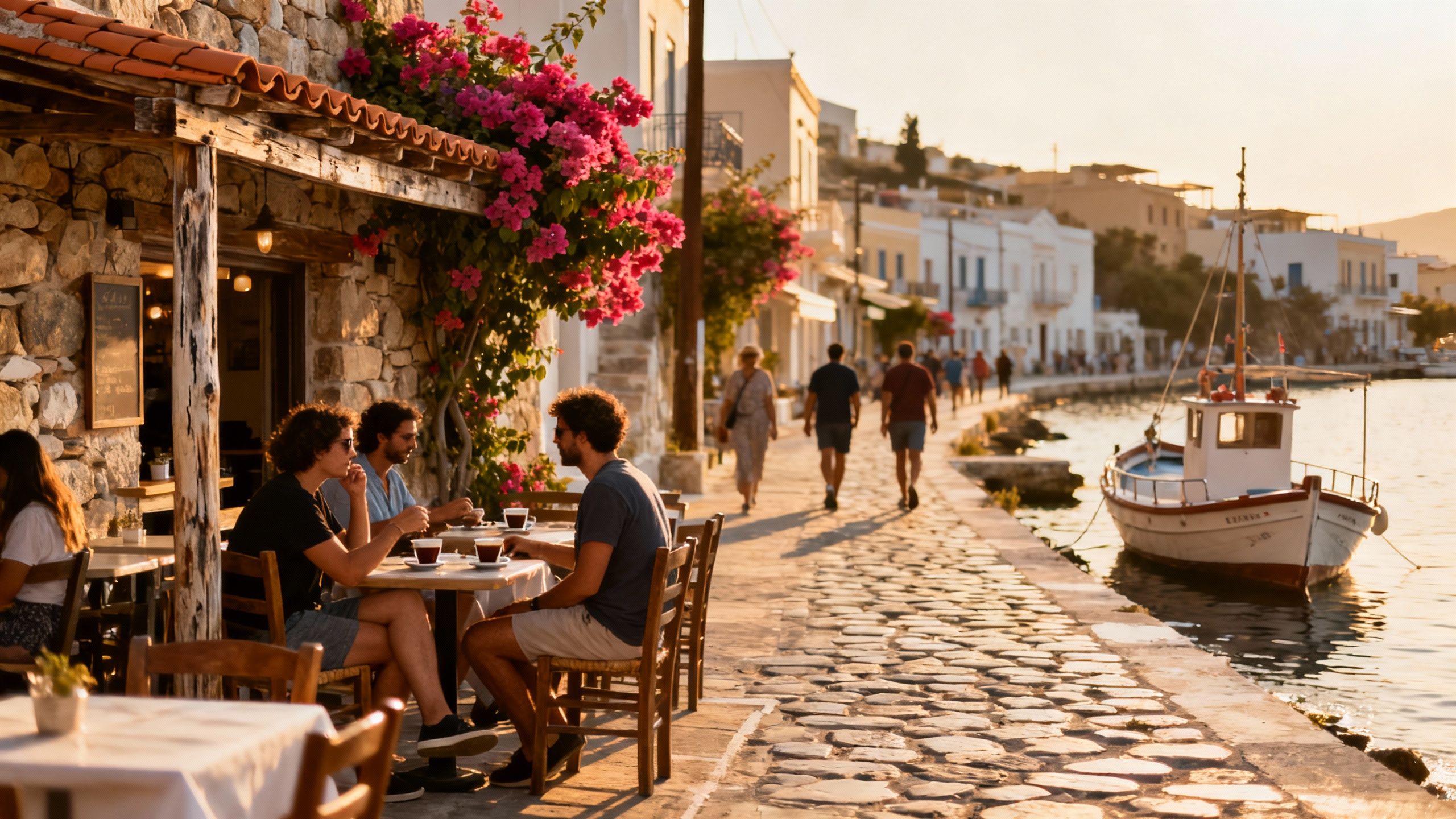
Imagine a warm June morning in Plaka: espresso crema on the table, a tangle of bougainvillea, church bells, and neighbors debating yesterday’s market-price gossip. That light, the easy pace, and the scent of grilled octopus make Greece feel effortlessly affordable — until you start looking at listings that were photographed in high season and priced accordingly. This guide flips the common script: why visiting in summer can mislead buyers, how seasons reshape supply and rents, and the scenarios that help you buy the life you want without paying for a postcard.
Living the Greece life — what you actually buy into

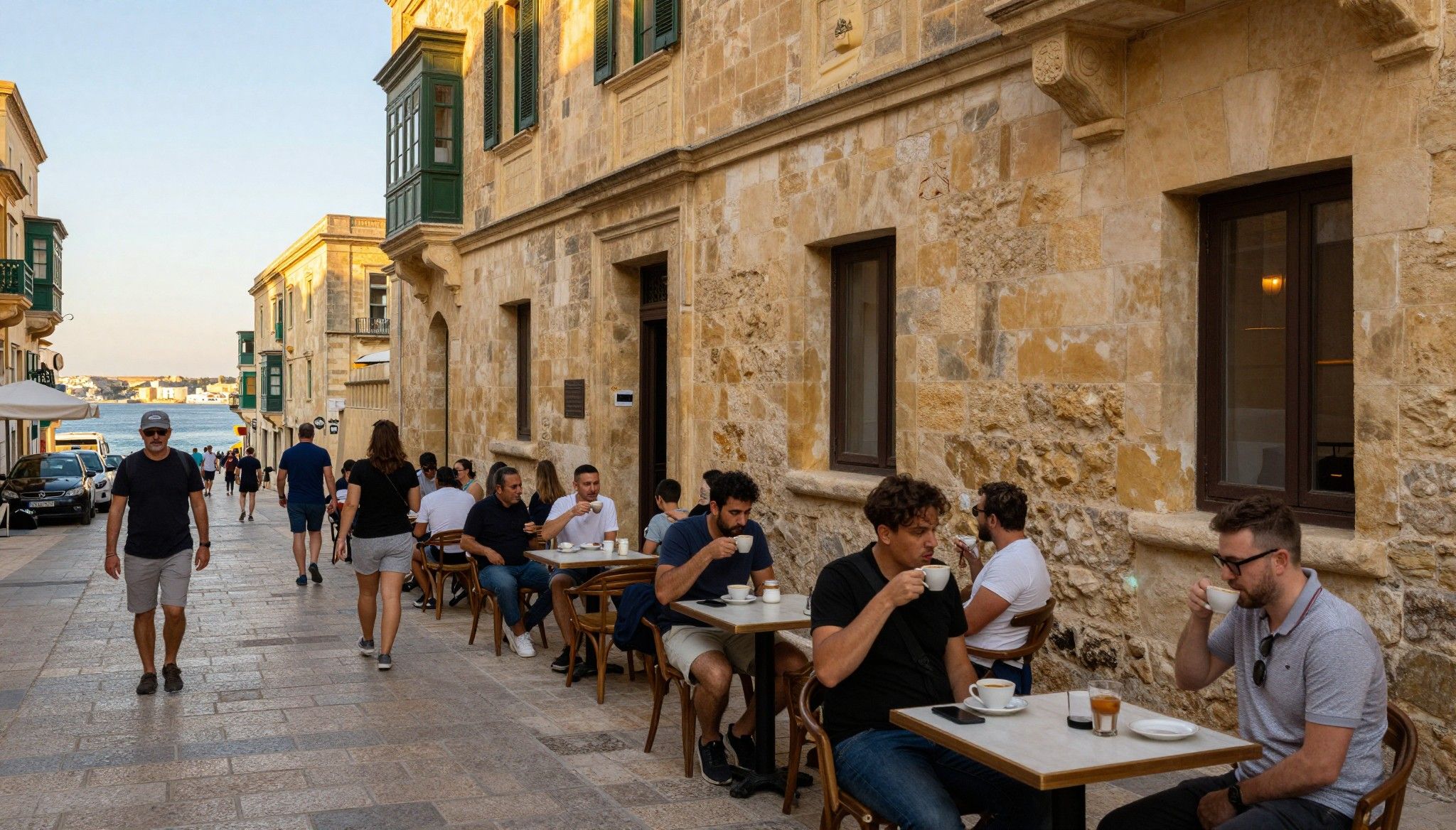
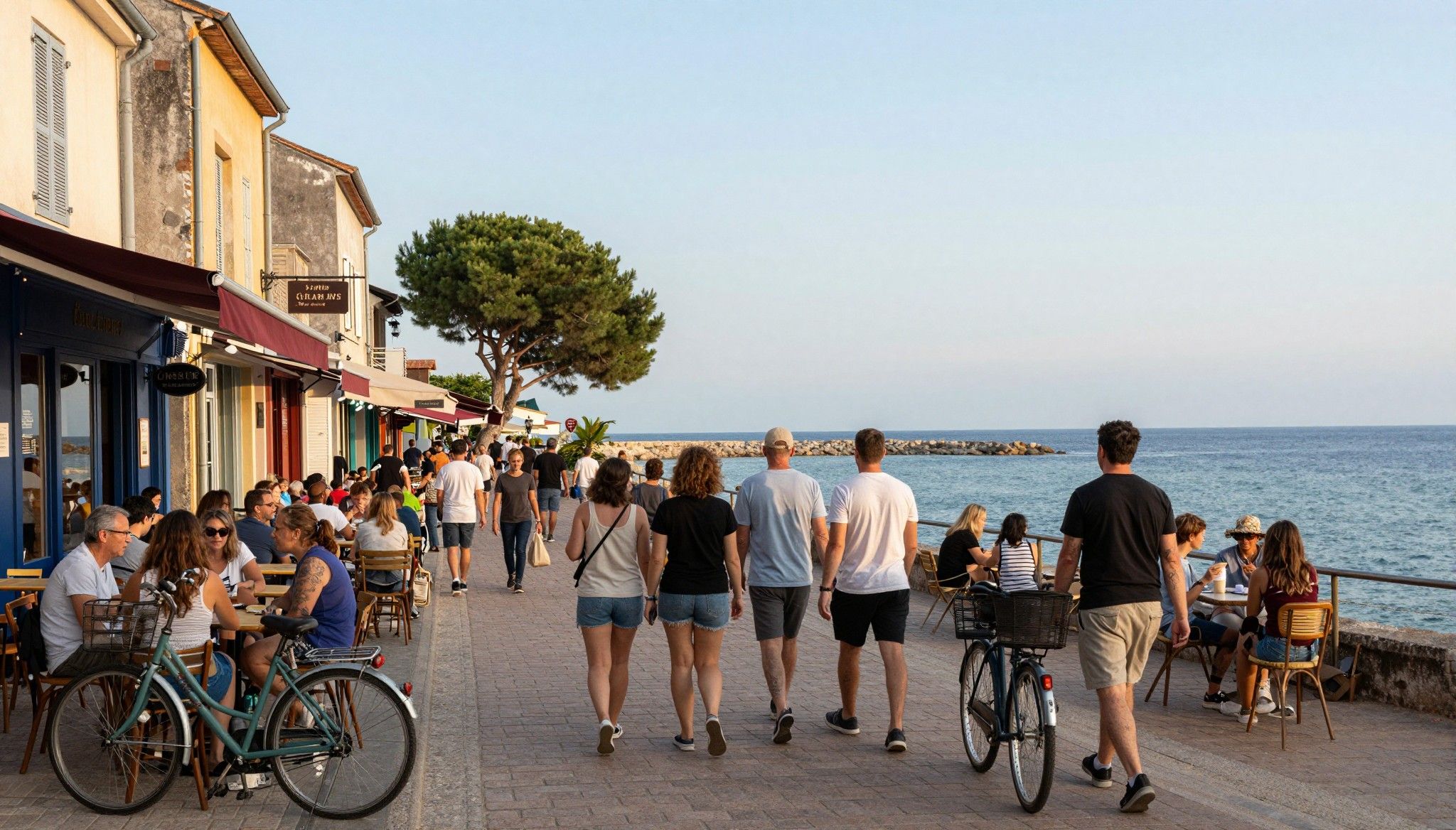
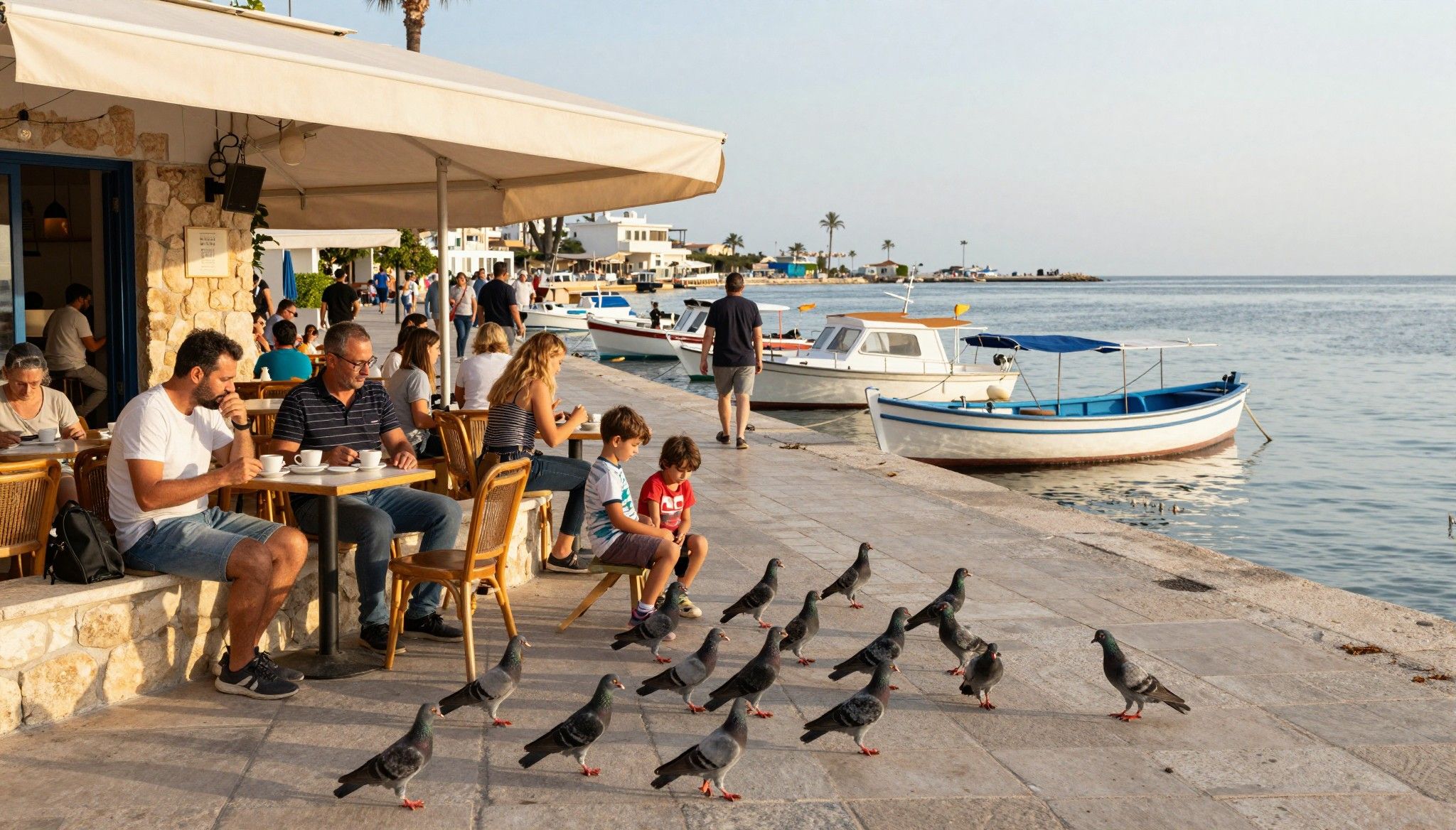
Greece is not a single mood; it’s a collection of daily rhythms. In Athens you’ll hear traffic and street cafés from dawn to dusk; on Hydra there are no cars, only footsteps and the soft clink of caiques. Your choice of island, district, or hillside village decides whether mornings mean market bargaining or sea swims. Understanding these rhythms helps you match property type to lifestyle — not to a glossy photograph taken on the busiest tourist day.
Athens: neighborhoods that surprise international buyers
Walk from Kolonaki to Koukaki and you’ll see two different Athens economies: Kolonaki’s terraces and designer shops, Koukaki’s narrow streets and tavernas. International buyers often chase Pangrati for its perceived price savings, only to find rental demand and renovation constraints push costs up. Look instead at quieter pockets like Kypseli for value or the Phaleron coast for families who want space and sea access. Neighborhood character affects resale and rental demand more than an ‘Instagram-friendly’ façade.
Island life: the illusion of constant demand
On islands such as Mykonos and Santorini, peak-season prices and short‑let returns dominate headlines — and listings reflect that. But many buyers overlook shoulder seasons and year-round infrastructure: Thessaloniki, Corfu, and parts of Crete offer steadier communities, local services, and more reasonable maintenance costs. If you want authentic community life, examine winter occupancy levels and local services before being seduced by summertime vibrancy.
- Lifestyle highlights to test outside high season
- Morning market at Varvakios (Athens) — watch supply and prices dip after August.
- Sunrise swim at Faliraki (Rhodes) in October — quieter beaches, lower noise and maintenance needs.
- Sunday kafeneio in Naxos villages — a real test of community warmth outside tourists.
Making the move: practical realities that follow the romance
Seasonal rhythms have direct market consequences. Nationwide indices show Greek residential prices rose through 2024 and into 2025, meaning summer visits often find markets already on an upward swing. At the same time, regulatory moves — like tighter short‑term rental rules and bans on windowless basement lettings — are changing income expectations for buyers who planned to rely on holiday lets. Combine price momentum with new rules and you get narrower margins than glossy listings suggest.
Property styles and what they mean for everyday life
A restored neoclassical in Plaka carries maintenance obligations and historic‑preservation rules that shape renovation options. A new-build apartment in Glyfada offers modern insulation and easy rentals but a higher per‑m² price. Villas on the Ionian coast trade lower density for larger upkeep bills. Match the building type to how you’ll actually live there — weekend visitor, year‑round resident, or rental owner — and budget for seasonal maintenance, insurances, and local service access.
Work with specialists who know seasons and rules
- 1. Ask agencies for verified off-season occupancy stats and recent utility bills to check real operating costs. 2. Request a 12‑month rental ledger or short‑let history if income is part of the plan. 3. Insist on building permits and energy certificates before contracts are signed. 4. Use a local lawyer to verify land registry (possession vs. ownership) and any preservation restrictions. 5. Plan a second, shoulder-season visit to confirm day‑to‑day life matches your expectations.
Insider knowledge: what expats wish they'd known before buying
Expats often tell the same story: fall in love during August, buy on impulse, and discover winter’s silence is part of the cost. Community life, bureaucracy speed, and heating or insulation needs show up only after the first winter. Knowing which festivals, market rhythms, and municipal plans influence neighbourhood life saves buyers from paying seasonal premiums for a lifestyle that evaporates off‑season.
Cultural cues that shape daily life
Language is part of daily navigation: knowing basic Greek opens doors at the kafeneio and speeds local admin. Respecting local rhythms — long August breaks, late dinners, and siesta‑style pauses — improves neighbour relations and rental reviews. Join local associations, markets, and church festivals to understand the calendar that drives services and small‑business opening hours, especially outside tourist months.
Longer‑term scenarios to plan for
- Buy‑to‑live: prioritise insulation, local healthcare access, and year‑round transport. Buy‑to‑rent (short‑let): model income with new regulatory costs and seasonal vacancy. Buy‑to‑invest: focus on cities and larger islands with diversified demand and resale liquidity. Renovation project: budget + timeline must factor in permit delays and specialized contractors.
The true advantage of buying in Greece is the lifestyle — daily markets, neighbourhood cafés, and a calendar of food, saints’ days, and seaside weekends that reshape what home means. The practical advantage is transparent planning: test neighbourhoods in shoulder seasons, work with lawyers and local agents who supply year‑round data, and build scenarios that include regulation and seasonal maintenance. Do that, and you’ll buy more than a property; you’ll buy a sustainable life.
Norwegian market analyst who relocated to Mallorca in 2020. Focuses on data-driven market insights and smooth relocation for international buyers.