Croatia: Lifestyle‑First Look at New‑Build Pipeline
Croatia’s seaside lifestyle is turning year‑round; pair sensory neighbourhood checks with planning, tourism and tax data to judge new developments.
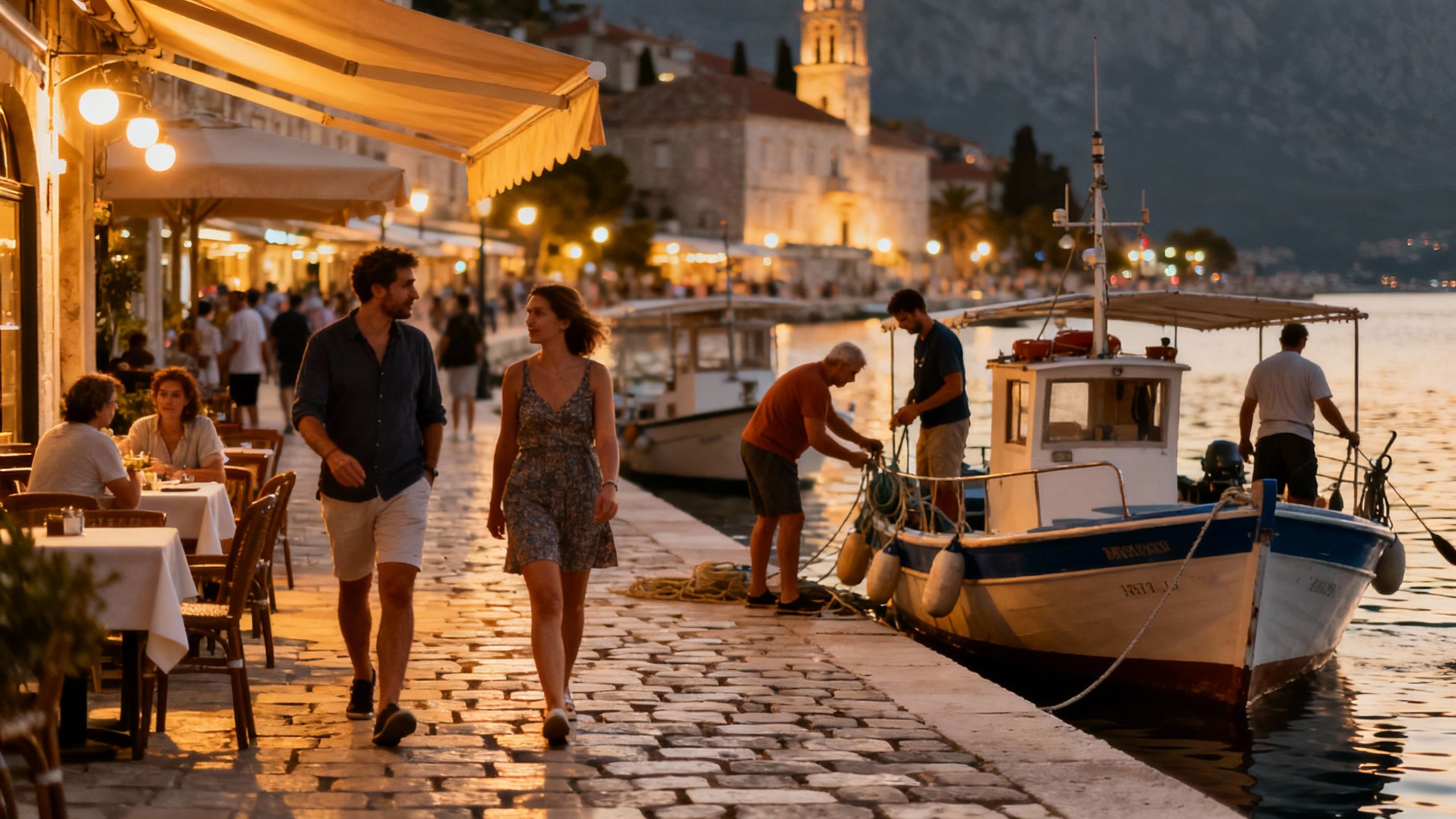
Imagine sipping a ristretto on Split’s Riva as fishermen haul in the morning catch, then hopping a ferry to a quiet Dalmatian cove by noon. Croatia’s Adriatic rhythm—sun-soaked mornings, slow café afternoons and piazza evenings—shapes how people live and what they expect from homes. But behind that postcard scene, market forces, tax reforms and a surging year‑round tourism profile are reshaping the new‑build pipeline. This guide pairs the sensations of Croatian life with the concrete data every international buyer needs to judge new developments confidently.
Living the Croatian lifestyle — coast, islands, and city beats
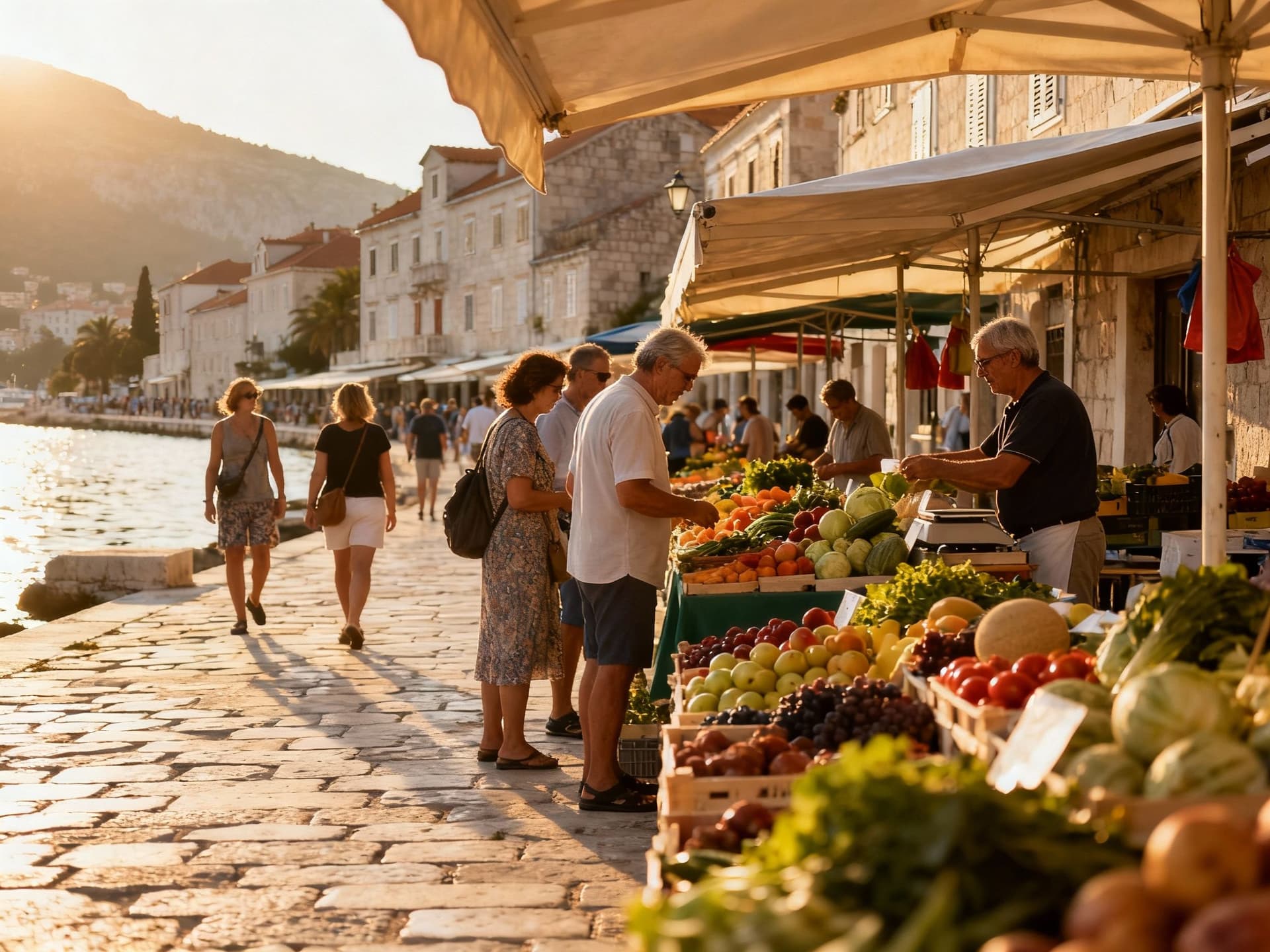
Croatia is a study in contrasts: Venetian alleys in Dubrovnik, cosmopolitan cafés in Zagreb, and low-key island villages where the day ends with grilled sardines and a glass of malvasia. The Adriatic dominates daily life for many international buyers—marinas, promenades and outdoor dining are central to routines—while the inland regions offer leafy weekends and growing cultural scenes. Weather is a practical design driver too: Mediterranean summers push demand for shaded terraces and cross‑ventilation; winters favour solid insulation and efficient heating in continental homes. When you picture a home here, plan for indoor‑outdoor living as the baseline, not the luxury.
Dalmatian coast: towns that live on their seafront
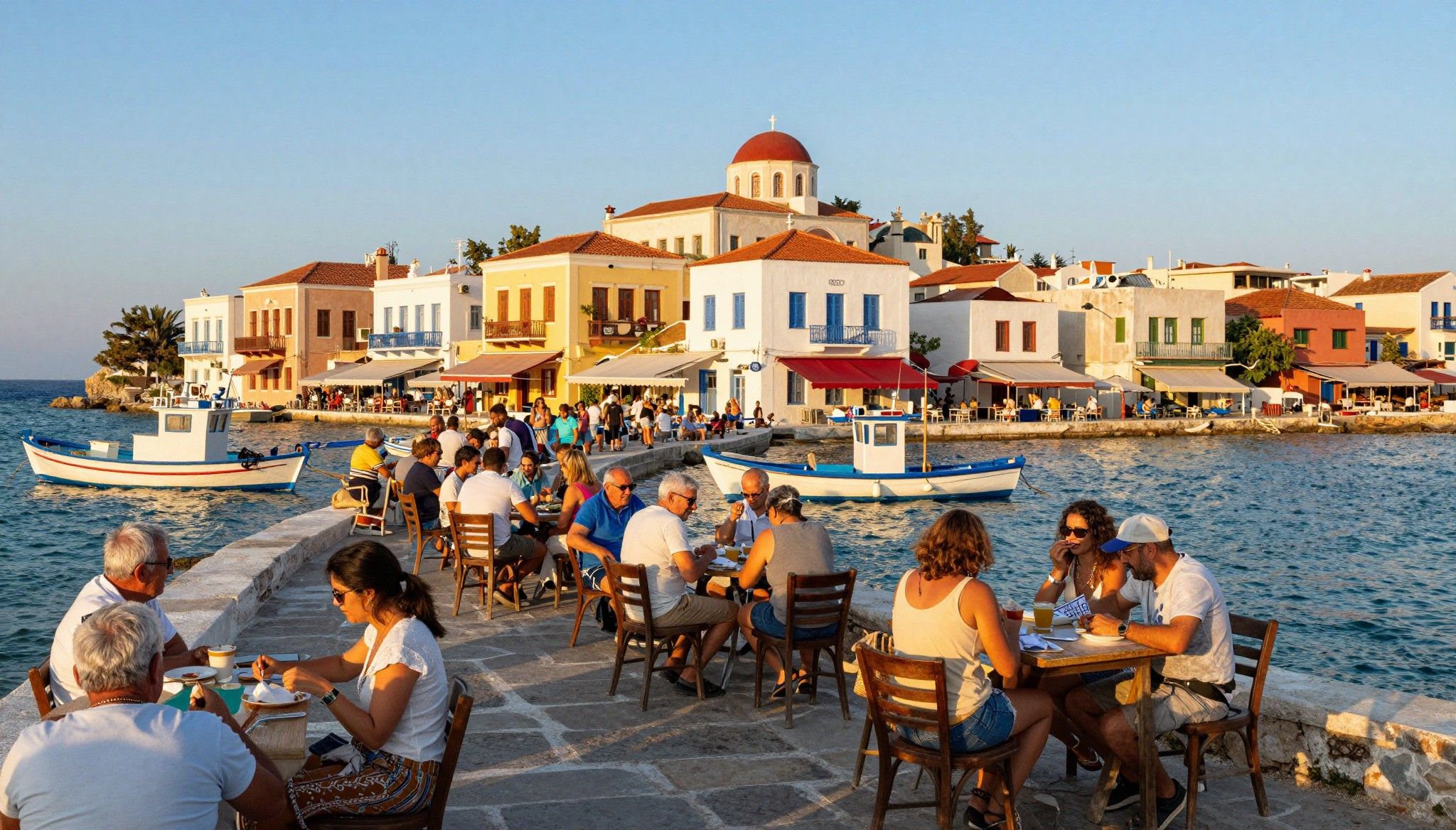
Split’s Veli Varos and the Riva are hubs of daily life, with bakeries, seafood stalls and late‑night conversations spilling into stone streets. Further south, towns like Trogir and Šibenik balance tourism with local fishing communities; small new developments there often target buyers who want proximity to a working harbour rather than the busiest promenade. Islands such as Brač and Hvar can feel like small republics—tranquil off season, charged in summer—so new projects tend to market both lifestyle and rental potential. For buyers, the neighborhood choice often determines whether a property feels like a lived village home or a seasonal investment.
Istria & Kvarner: food, vineyards and a calmer coast
Istria’s hill towns—Rovinj, Motovun and surrounding vineyards—blend Italianate café culture with Croatian seaside life; new builds here often emphasise stone facades, terraces and access to agritourism. Kvarner (Rijeka, Opatija) attracts buyers who value ferry links and a quieter marina scene, with a growing pipeline of smaller boutique developments. If food and local markets matter to you, look for projects within walking distance of morning markets: they’re where community forms and breakfasts become ritual.
- Lifestyle highlights to scout when visiting developments
- Morning markets: Dolac in Zagreb or Split’s fruit stalls — proximity signals neighbourhood life.
- Harbour access: Is the marina 5 or 25 minutes away? That affects daily routines and rental appeal.
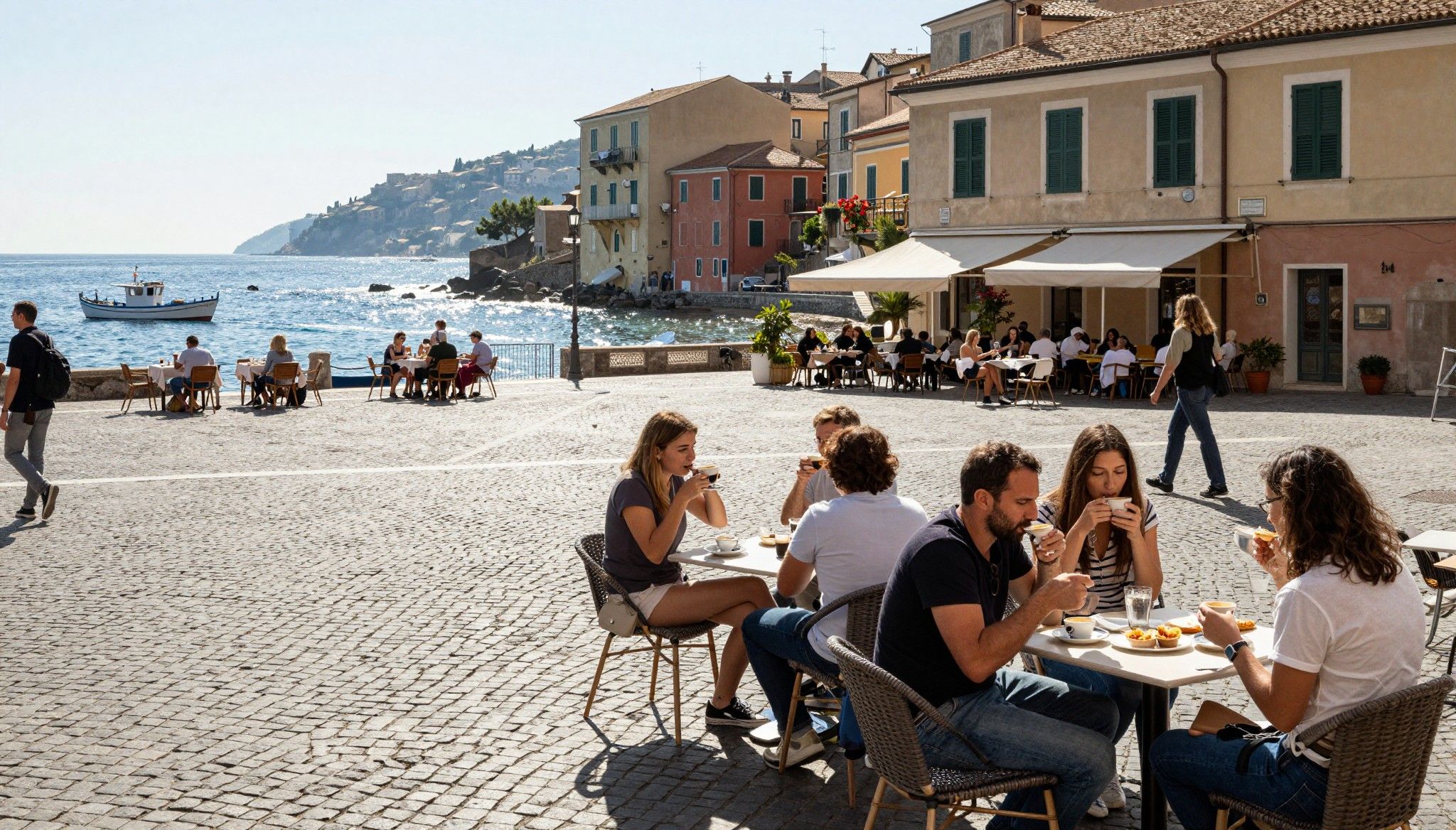
- Café culture: Streets with active cafés indicate year‑round community rather than only summer footfall.
- Public transport: Ferry frequency and regional buses matter for island or coastal living outside peak months.
Making the move: practical considerations for new developments
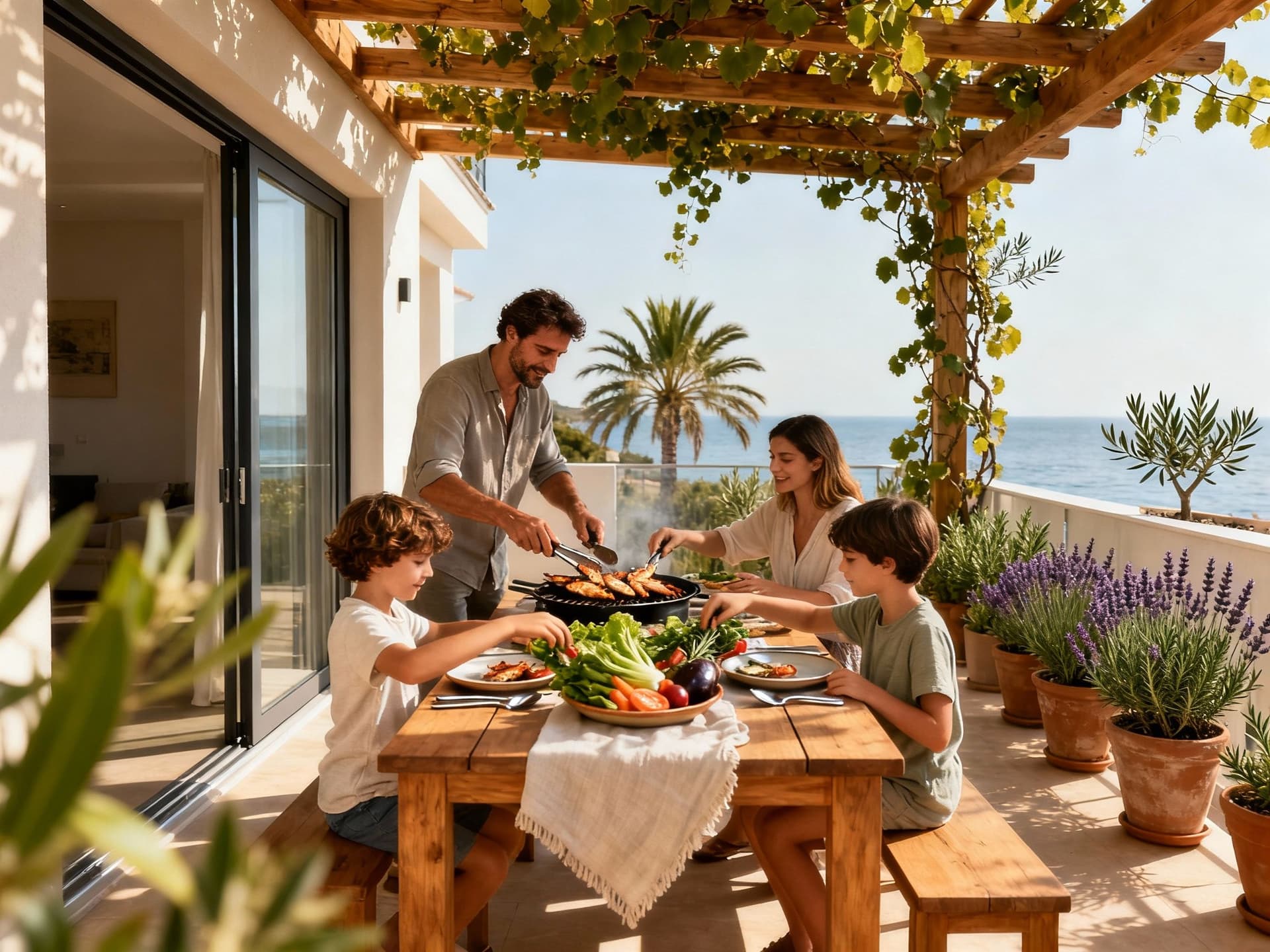
That seaside lifestyle has real-world tradeoffs. Croatia’s tourism growth—over 21.3 million arrivals in 2024 and rising off-season stays—has increased pressure on coastal supply and changed how developers package projects, from apartments geared to short lets to residences with long‑term rental exemptions. At the same time, government moves to shift tax burdens toward property aim to discourage empty holiday stock and stabilise housing, which directly affects new‑build pricing and operational costs. When assessing a development, combine lifestyle fit with these macro signals: who will use the property, when, and under what tax regime.
Property styles: what the new‑build pipeline offers
New developments range from boutique blocks of stone‑faced apartments in restored town centres to contemporary coastal complexes with pools and concierge services. Developers now emphasise flexible layouts—spaces that work as a holiday rental one month and a full‑time home the next—plus sustainability features like heat pumps and enhanced insulation to reduce year‑round costs. If indoor‑outdoor living is your priority, confirm private terrace size, orientation (north/south), and build quality: advertised sea views can be blocked by later phases of the same development if planning approvals are not secured.
Working with local experts who understand lifestyle outcomes
A local agency should act as more than a salesperson; they help you test the lived experience. Ask agents for walk‑through videos at different times, rental yield breakdowns by month, and copies of neighbouring planning permits. In Croatia, local knowledge—ferry timetables, seasonal wind patterns like the bura, and informal community rules—translates directly to whether a property will feel like home. Prioritise agents who can show completed nearby units, not just CGI renderings.
- Steps to vet a new development before you offer
- Request a full planning status pack: permits, timelines, and any pending approvals.
- Visit in different seasons (or ask for seasonal footage) to judge noise, traffic and community life.
- Obtain a running costs estimate including the new property taxation approach and municipal utility norms.
- Verify developer track record: completed projects, warranty fulfilment and post‑completion maintenance plans.
Insider knowledge — what expats wish they'd known
Expats often tell the same practical stories: a property that felt perfect in July can feel empty in October; ferry reductions can make island life suddenly less convenient; a local community can be both welcoming and quietly regulated. The good news is Croatia’s tourism figures show growth in pre‑ and post‑season months, which softens the old summer‑only model and helps year‑round community formation. Still, cultural nuance matters: neighbourhood rhythms—market days, church festivals, and late‑closing cafés—shape where you feel at home.
Language, community and day‑to‑day living
Croatian is dominant in local life, but English is common in tourist hubs and among younger Croats; learning a few phrases opens doors. Neighbourhood integration often starts at the market or the neighbourhood konoba (tavern); buy locally and people remember you. Practicalities—waste collection days, municipal winter services, local building rules—are handled at the town office, and buyers who ask questions early avoid small surprises later. Treat these steps as part of moving into a community, not just a property transaction.
Longer‑term lifestyle trends to watch
Expect the market to continue balancing tourism growth with policy measures aimed at improving local housing availability. The 2024–25 surge in pre/post‑season tourism supports investments in year‑round amenities and connectivity, which benefits residents as much as visitors. Meanwhile, proposed property tax changes aim to discourage unused holiday stock and improve rental availability, which can affect yield assumptions for new developments. For buyers, the takeaway is clear: prioritise projects built for year‑round use, with solid construction and realistic rental forecasts.
- Red flags when assessing lifestyle claims on new developments
- Promised ‘continuous sea view’ without confirmed planning rights for adjacent phases.
- Render‑heavy marketing with no nearby completed reference projects by the developer.
- No clear waste, water or winter maintenance plans for properties marketed as year‑round homes.
- How to act once you’re ready to move from dreaming to offer
- 1. Commission a bilingual pre‑contract review and confirm warranty terms (seller/developer obligations).
- 2. Ask for a practical occupancy plan: utilities during off‑season, emergency contacts, and local property manager details.
- 3. Secure a walkable lifestyle check: verify proximity to market, medical services and transport during non‑peak months.
Croatia’s coastline promises a life shaped by the sea, seasonal festivals and markets that still set the pace. Pair that sensory appeal with data—tourist flows, planning status and tax signals—and you buy with both heart and reason. If you want a tailored shortlist of new developments that match a specific lifestyle (island retreat, town centre life, or contemporary coastal living), a local specialist can translate neighbourhood nuance into a shortlist that respects both mood and metrics.
Swedish strategist who relocated to Marbella in 2018. Specializes in legal navigation and tax planning for Scandinavian buyers.