Croatia’s Pipeline: Lifestyle Signals, Permit Facts
How Croatia’s new‑build pipeline shapes everyday Mediterranean living — practical checks, permit signals and seasonal tips for buyers seeking lifestyle and value.
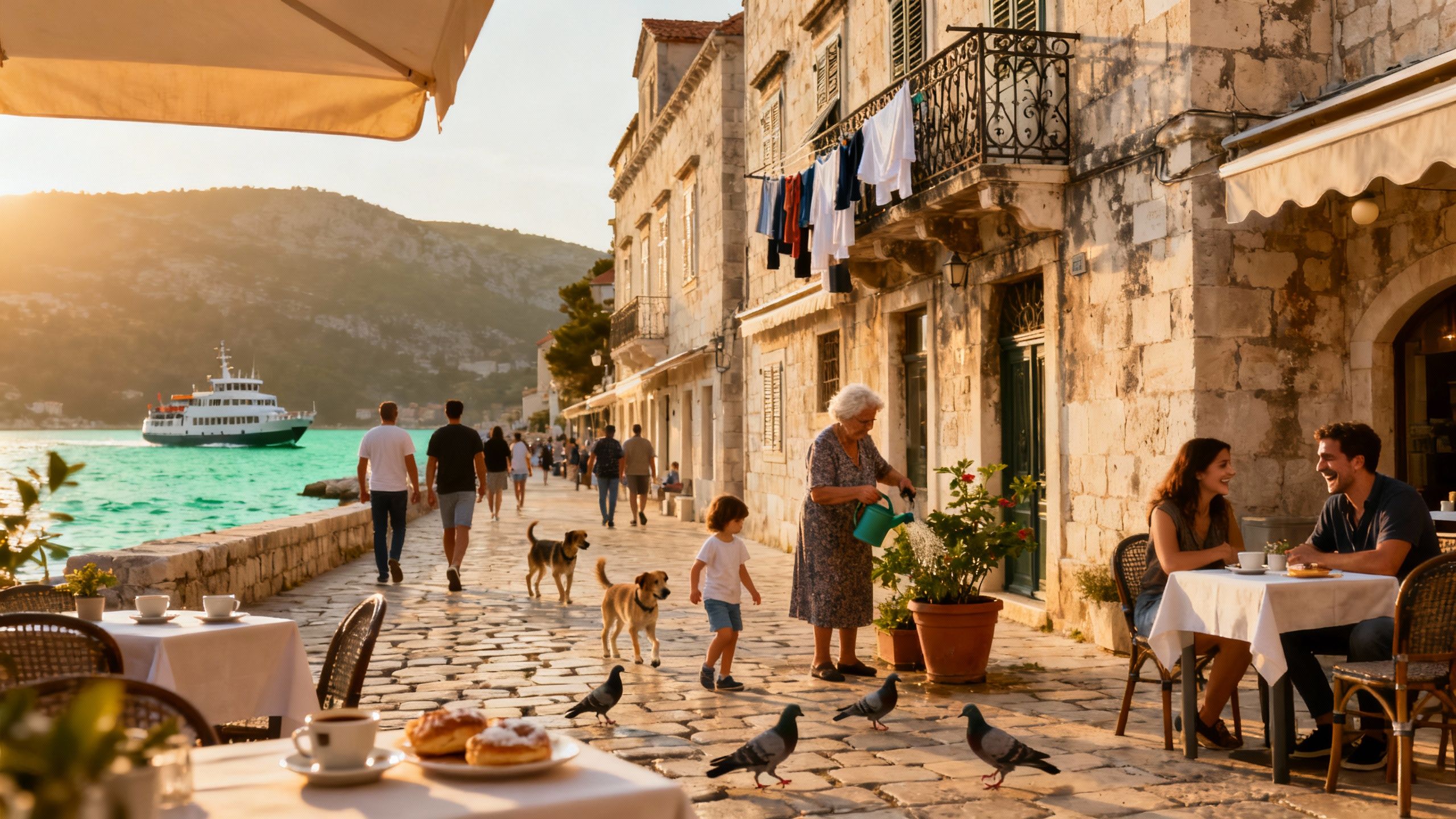
Imagine stepping out at dawn to a Rijeka market stall, espresso in hand, then catching a late‑afternoon swim off a pebbled cove near Omis — that mix of quotidian life and sudden seaside ease is Croatia. For buyers drawn to an everyday Mediterranean rhythm, Croatia offers historic towns, island pockets and compact coastal cities where new developments are reshaping how people live by the Adriatic. But the pipeline matters: supply, permits and recent policy changes are changing the equation between lifestyle and value.
Living the Croatia lifestyle — how place shapes choice
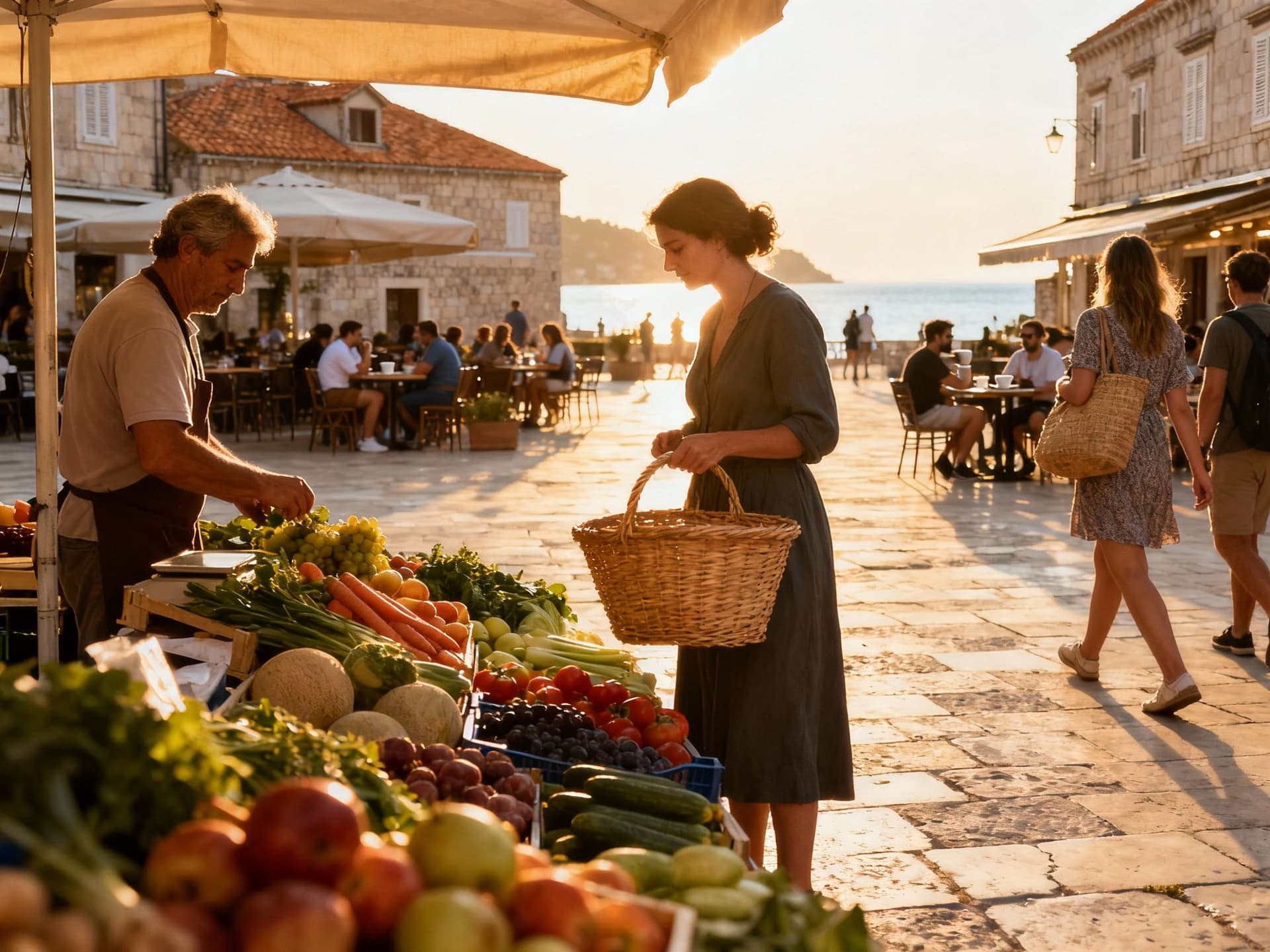
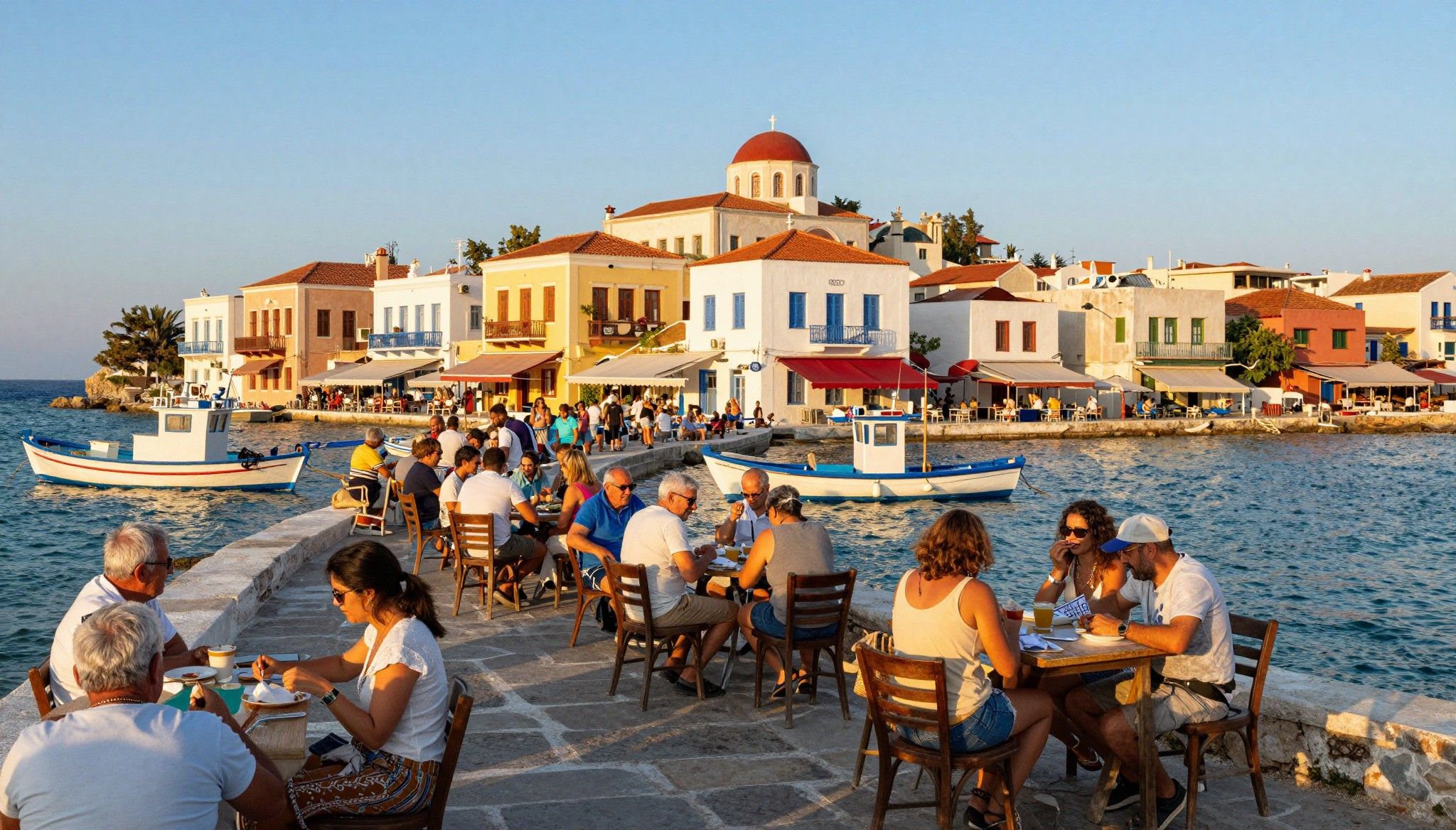
Croatia’s rhythm changes through the week: market mornings in Zagreb, sunset aperitivi in Split, island ferries in the weekend swell. New developments are increasingly sited to deliver that lived-in convenience — compact terraces, native-stone facades and small communal gardens — reflecting buyer demand for a lifestyle that is both walkable and anchored in local culture. Developers responding to rising tourism and domestic demand are focusing on quality over mass volume, especially near national parks and UNESCO towns. That intent shows in city-edge projects and sensitive conversions rather than endless coastline sprawl.
Zagreb, Split, Dubrovnik: different daily beats
Zagreb feels continental: cafés, galleries and a steady expat community. Split blends Roman streets with a waterfront lifestyle — compact apartments here suit buyers who want a short walk to restaurants and the ferry. Dubrovnik’s Old Town is about heritage and strict planning controls; new supply there tends toward luxury refurbishments and small, high‑quality new builds on the city’s edge. Each city asks a different property question: proximity to services in Zagreb, sea access in Split, conservation-led sensitivity in Dubrovnik.
Food, festivals and pace: what seasons tell you
Seasonality defines daily life: coastal summers are lively and rental-driven, while spring and autumn highlight market clarity and neighbourhood routines. That variation matters for new builds: prices for newly built dwellings rose faster than existing stock in early 2025, signalling developer confidence in mid- to high-end product where lifestyle demand remains strong. Buying outside peak tourist months often reveals the real neighbourhood — quieter streets, functioning markets and clearer comparisons between projects.
Making the move: pipeline realities and what they mean for you
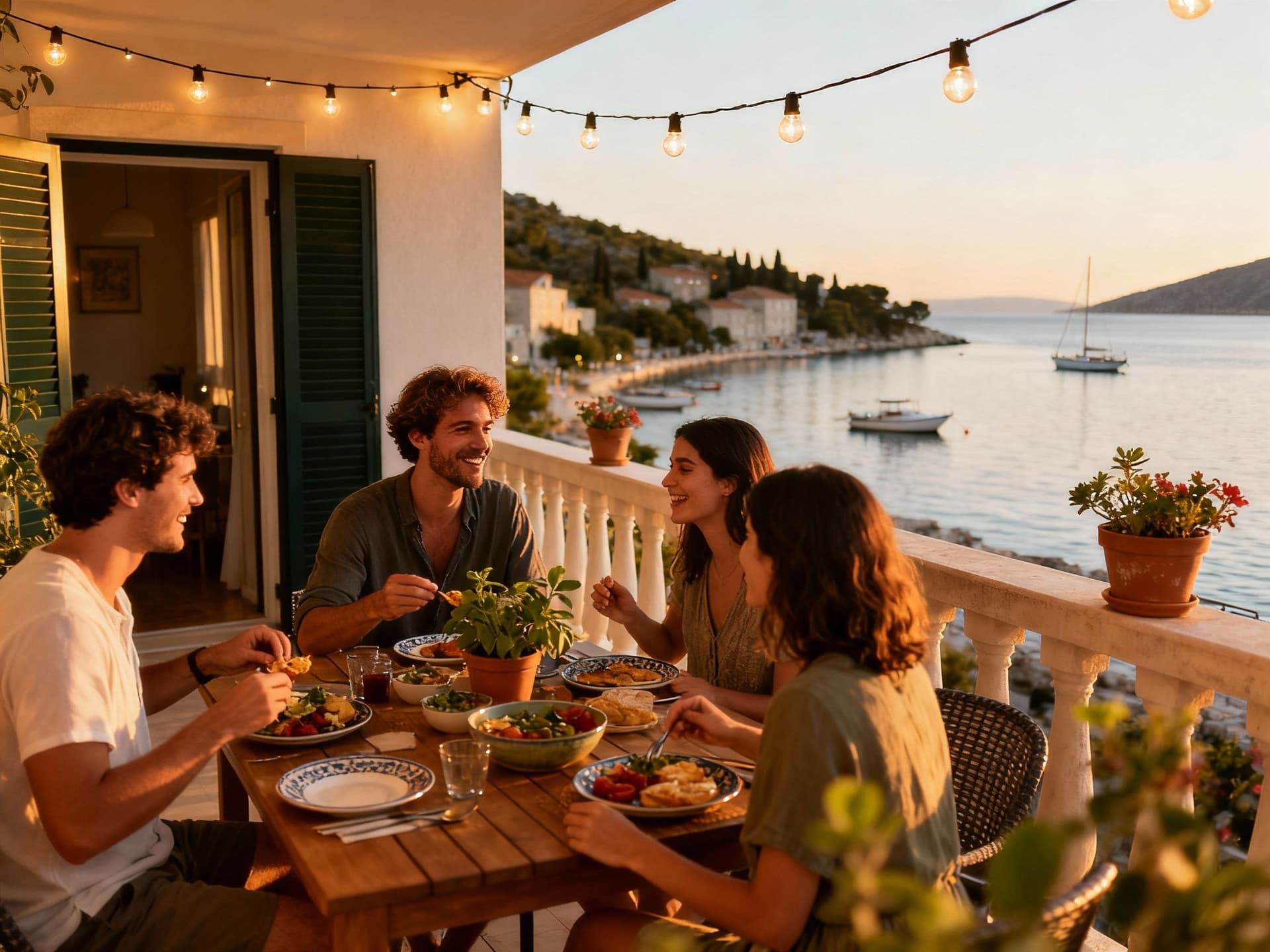
Dreams meet regulations. Croatia’s recent policy discussions about shifting some tax burden toward property and measures to discourage short-term holiday stock affect developer strategies and investor returns. Meanwhile, building permits and housing starts provide the best near-term signal of future supply: permits increased through 2024 with thousands of new dwellings approved — a clear pipeline that will influence prices and rental dynamics across 2025–2026.
Property types in the pipeline — what you’ll actually buy
Expect three dominant new-build types: smaller urban apartments aimed at year-round living, boutique coastal complexes with communal amenities, and conversions of historic buildings into mixed-use residences. The DZS data for 2024 show the majority of permits are for new constructions rather than reconstructions, and planned dwellings often average around 90–100 m² — useful when comparing unit mix between projects and the lifestyle you want (full-time living vs. rental-first).
How local experts translate lifestyle into technical checks
A developer’s brochure sells mood; a local agent translates that mood into realities: expected completion timelines, utility connections, coastal setback rules and community plans. Choose advisors who can crosswalk neighbourhood lifestyle (where you’ll buy your groceries, who your next‑door neighbours are likely to be) with pipeline facts — permit references, phased delivery schedules and specific apartment finishes. That practical pairing reveals the true timeline to living the life you imagine.
Insider knowledge — the things expats wish they’d known
Here’s the real talk you won’t always get in glossy listings: coastal projects often advertise sea proximity in metres, but local access, boat moorings and seasonal noise vary block by block. Inland, a new suburban development might promise tranquility yet be sited beside planned logistics growth. Walk the block at different times, ask developers for permit numbers and cross-check with the national registry — those small steps save time and temper expectations.
Cultural integration and community life
Croatia rewards curiosity. Learning a few phrases, joining a local association, or shopping weekly at a market (Dolac in Zagreb; Pazar in Split neighbourhoods) opens doors. Developers that embed communal spaces — a shaded courtyard, shared pantry room, or small marina ties — tend to produce communities where internationals integrate quickly. Look for projects that cater to daily life, not just seasonal hospitality.
Long-term lifestyle signals to watch
For sustainable lifestyle value, monitor infrastructure and hospitality pipelines: new hotel projects, improved ferry links, and logistics developments can reshape neighbourhoods. Colliers highlights office and logistics growth in 2024–2025 — these are signs of broader economic uplift that will support year‑round demand for higher-quality housing, not just seasonal rentals.
- Lifestyle checkpoints to compare developments:
- Distance to daily essentials (market, clinic, school) — walkability beats brochures for daily life.
- Seasonal noise and rental cadence — festival calendars and cruise ship schedules matter on the coast.
- Permit transparency — confirmed permit numbers and planned unit sizes reduce delivery risk.
- Community design — shared gardens, storage for bikes, and covered terraces make everyday living better.
- Step-by-step check before reserving a new build:
- 1. Ask for permit references and cross-check with DZS records or municipal registries.
- 2. Visit the neighbourhood off-season — compare weekday mornings and weekend evenings.
- 3. Verify utility connections and coastal setback rules in writing; get delivery milestones.
- 4. Budget for localized costs: fittings, local taxes and any marina or syndicate fees if applicable.
- 5. Use a local notary and an English-language contract addendum; retain an independent surveyor pre‑handover.
Conclusion — how to move from daydream to doorstep
Croatia’s pipeline offers genuine opportunities to capture Mediterranean everyday life without sacrificing quality. Use permit data, seasonal reconnaissance and local expertise as your filter. Start by shortlisting two neighbourhoods — one coastal, one urban — request permit references and walk both locations at different times. If you want help turning lifestyle taste into verified options, a local agency that reads permits and markets with equal fluency is the partner that turns imagination into an address.
Norwegian market analyst who relocated to Mallorca in 2020. Focuses on data-driven market insights and smooth relocation for international buyers.