Croatia’s Pipeline: Buy the Life, Not the Summer Price
Croatia’s development pipeline is expanding, but the best value comes from projects that prioritise year‑round life over summer rentals — inspect permits, seasonality and developer mix.
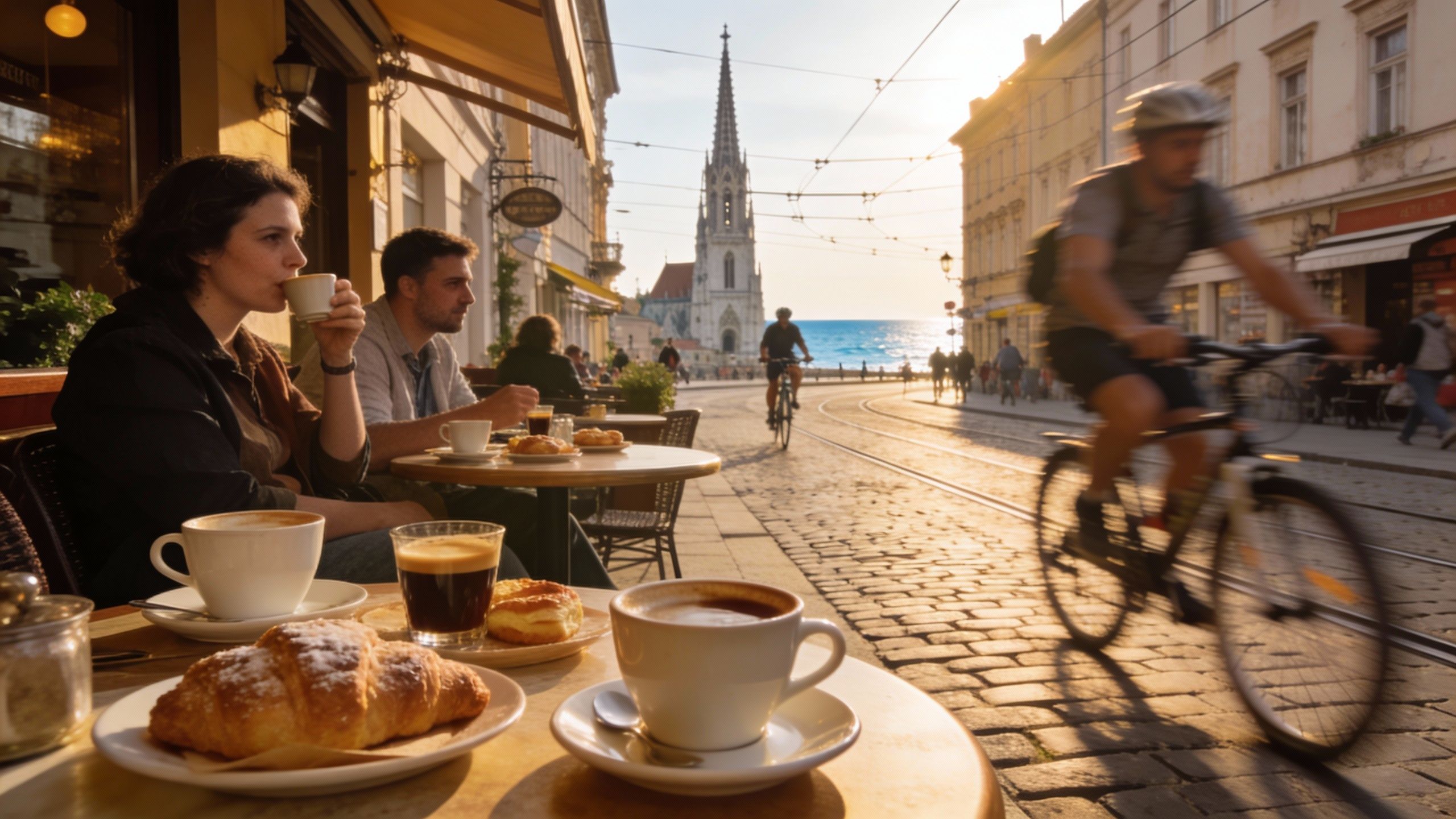
Imagine sipping espresso at Dolac market in Zagreb at 09:00, then driving two hours to a stone house on the Dalmatian coast where fishermen mend nets and neighbours still bring homemade wine. Croatia moves at two rhythms: urbane, coffee‑driven mornings in the capital and an Adriatic tempo shaped by the sea, seasonality and centuries of small‑scale building. That split is the reason the development pipeline matters here — new builds aren’t just inventory, they decide whether you buy into year‑round community life or a summer rental economy.
Living the Croatia lifestyle
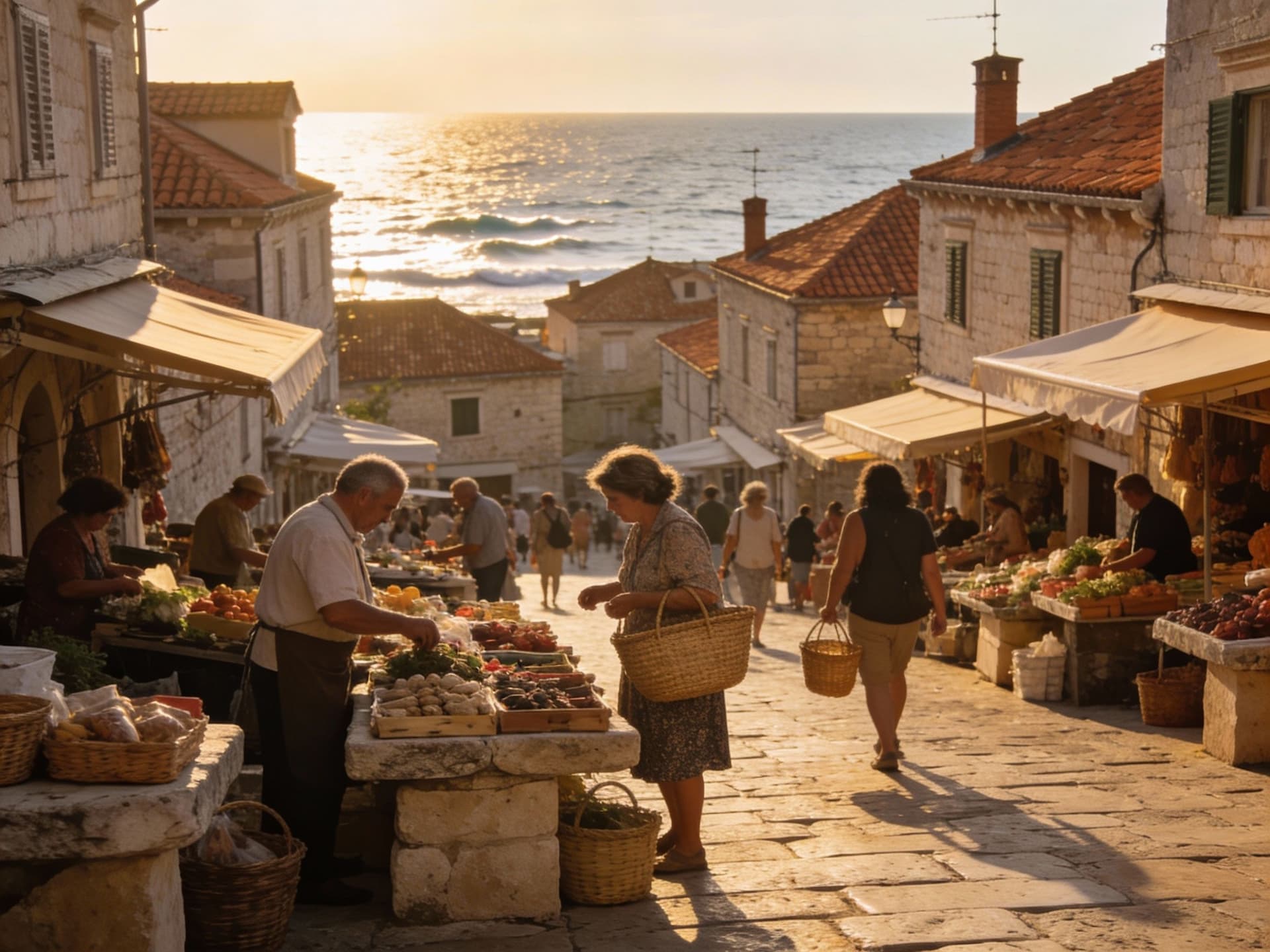
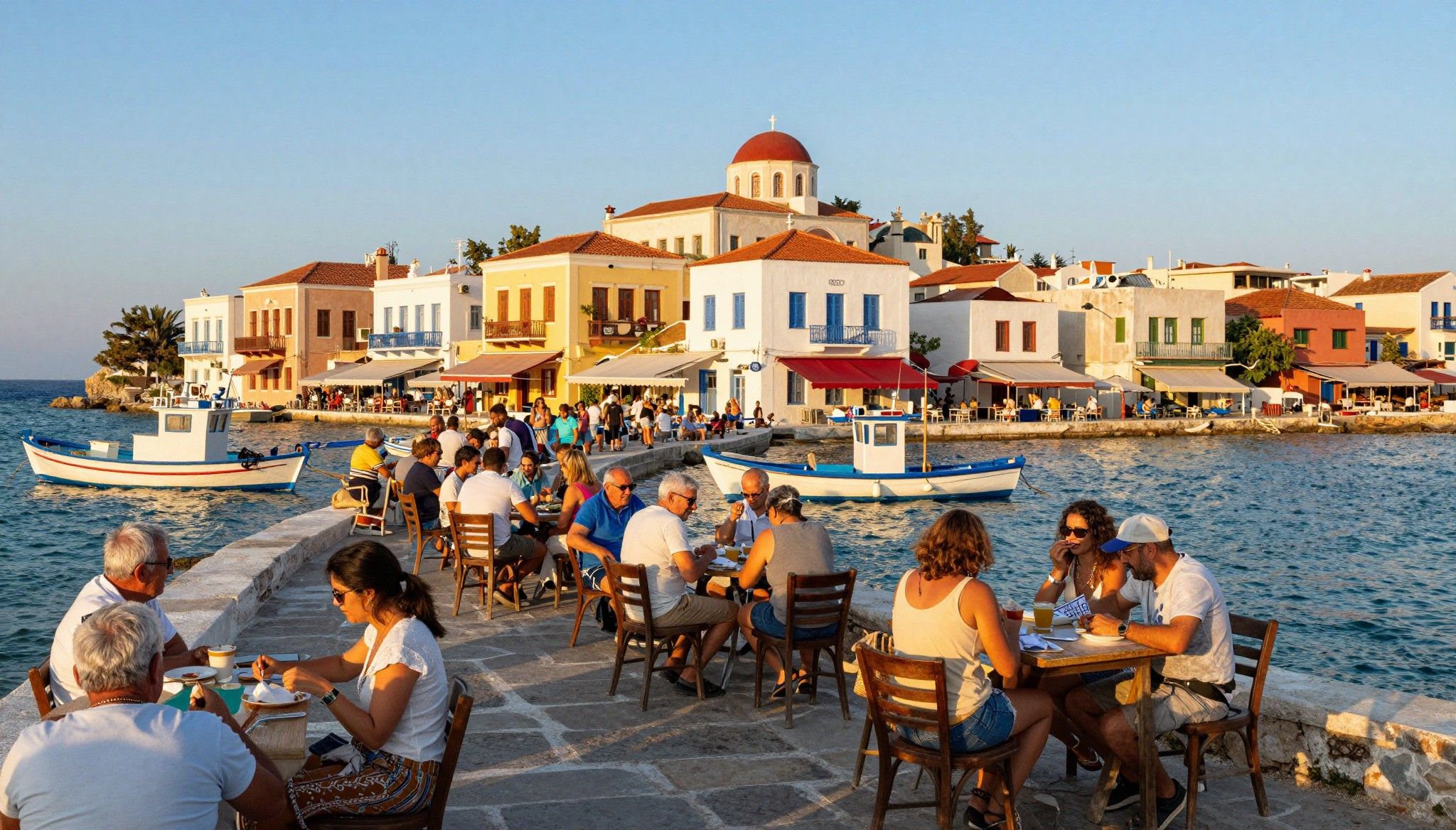
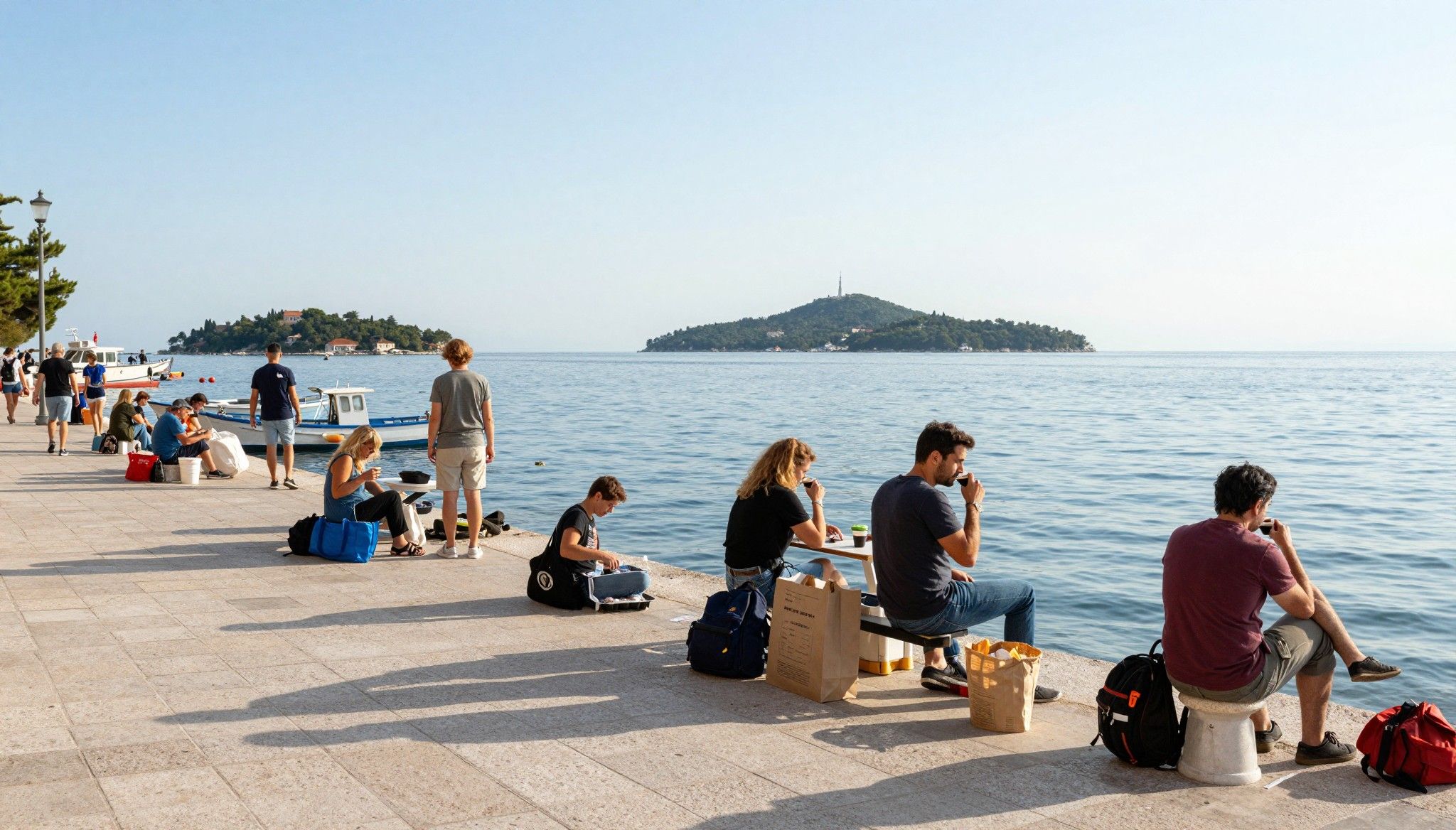
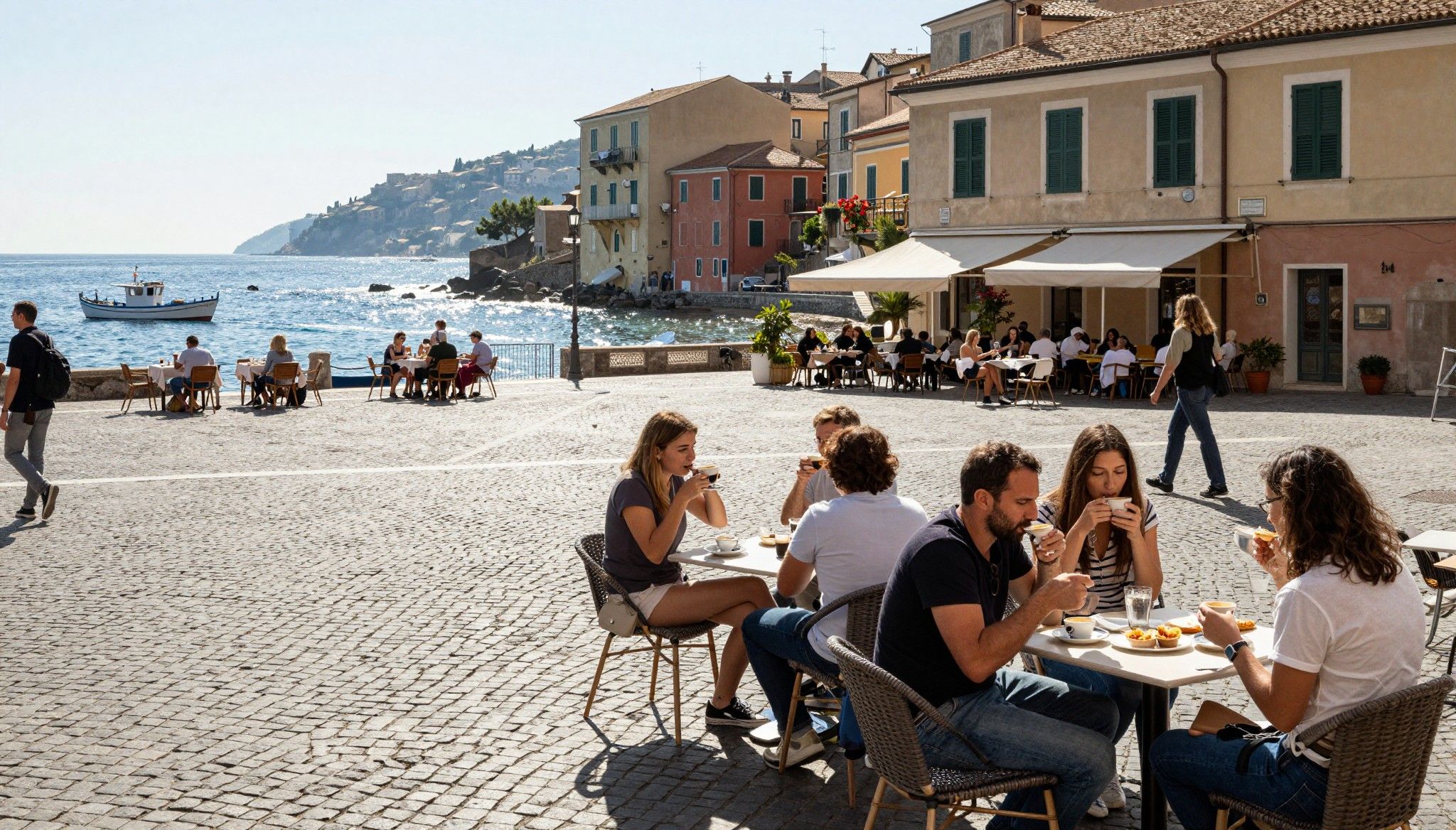
Daily life here is tactile: morning markets, narrow limestone streets that heat up by noon, and long twilight conversations over seafood and pošip. Tourism used to compress life into summer; recent data shows Croatia is steadily extending its season, with stronger pre‑ and post‑season arrivals and inland growth that changes how new developments perform. If you care about authentic neighbourhoods rather than a seasonal condo, these social rhythms — not only price per square metre — should guide where you buy.
Zagreb, Adriatic towns and island life — three different promises
Zagreb offers café culture, museums and a rental market driven by students and business visitors; think city flats near Vlaška or the green pockets by Maksimir. On the coast, Split’s Varos and Trogir’s old town trade history for higher per‑metre prices, while Istria’s Rovinj and Poreč attract buyers after boutique conversions. The islands — Hvar, Brač, Korčula — deliver postcard summers but can be quieter off‑season; ownership there means accepting limited year‑round services or paying for modern developments that guarantee utilities and access.
Food, markets and weekend rhythms that shape choices
Weekends revolve around fresh produce markets, konobas (family tavernas) and small festivals — all of which cluster around neighbourhoods with active local communities. Buyers who want farm‑to‑table living search for properties near market towns such as Hvar’s Stari Grad plain or Istria’s inland villages around Motovun. If a property sits a 10‑minute walk from a daily market or a year‑round café, its lifestyle value often outperforms headline coastal sqm prices.
- Dolce vita, Croatian style — lifestyle highlights
- Dolac market (Zagreb) — morning fruit stalls and coffee culture
- Riva promenade (Split) — evening paseos and neighbourhood bakeries
- Stari Grad plain (Hvar) — agricultural rhythms and weekend farmers’ produce
- Green inland towns (Istria) — vineyards, small producers and calm winters
Making the move: practical considerations for new developments
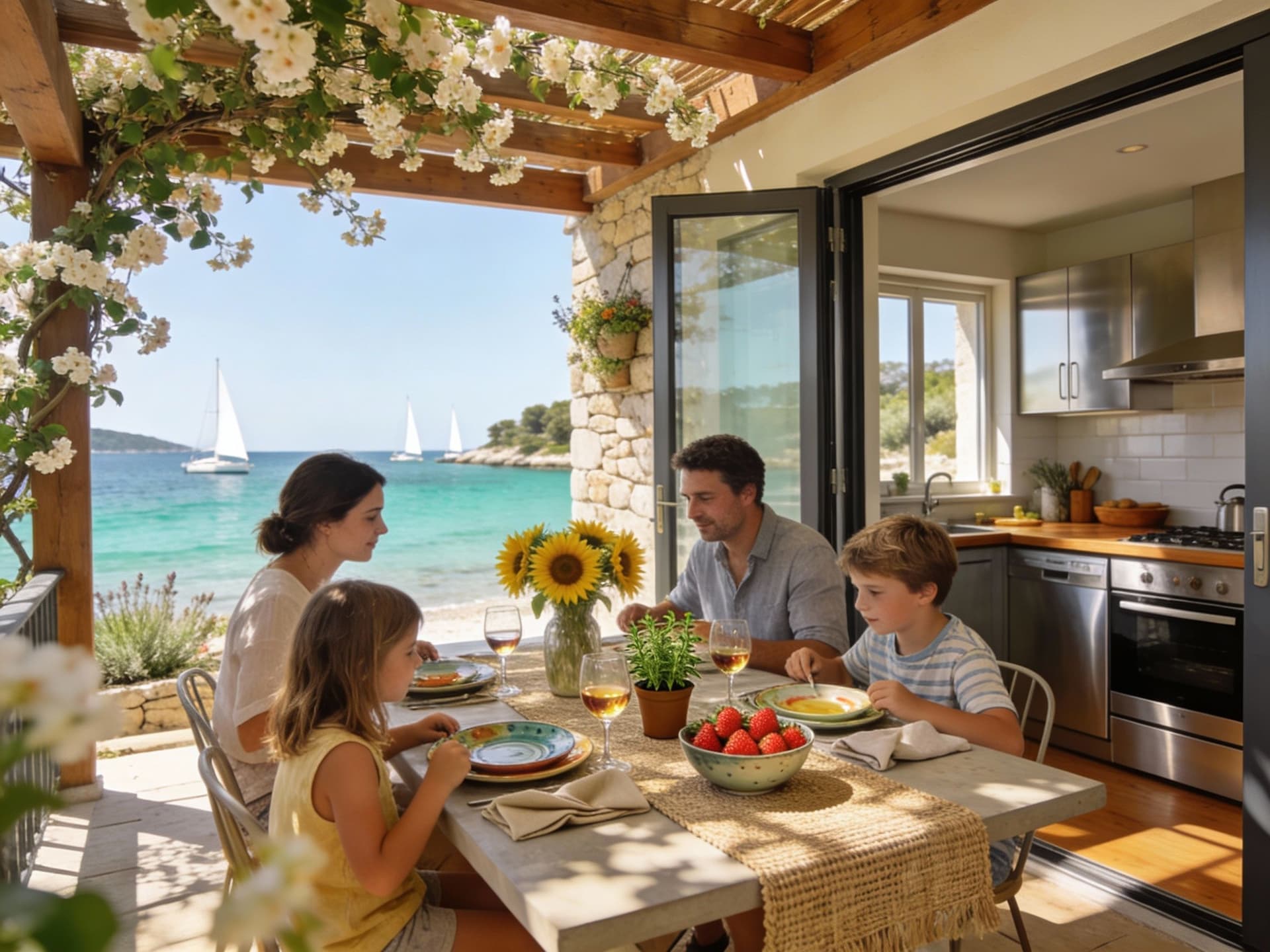
Dreams meet supply and regulation. Croatia’s new‑dwellings price index rose sharply through 2023–24, and the average price per m² for new builds climbed — meaning the pipeline is where affordability or premium positioning will be decided. Understanding who is building (local developers vs. foreign investors), permit timelines and whether projects target short‑term rental demand or local residents will determine whether a new development becomes community‑making housing or a high‑turnover investment.
Property types: new builds, restorations and hybrid projects
New builds offer modern utilities, higher energy efficiency and developer warranties, which suit buyers prioritising year‑round living and low maintenance. Stone restorations in older coastal cores provide immediate character but can hide structural surprises and higher renovation timelines. Hybrid projects — ground‑floor retail with apartments above in town centres — often create the liveliest neighbourhoods, but check whether design intentionally supports residents rather than tourist turnover.
Working with local experts who know pipeline nuance
A local agency should do more than show properties; they must explain permit histories, energy certificates, and whether a project’s sales strategy targets locals or holiday lets. In a market where building permits rose recently and completions swung upwards, good agents connect you to architects, notaries and property managers who understand seasonal service demands. Ask for three examples of similar projects they handled and for references you can call — agencies that broker long‑term residency are the best guardians of lifestyle value.
- Steps to assess a new development before you sign
- Request the building permit files and timeline — check if utilities and coastal setbacks are finalised.
- Compare the developer’s sales mix: what percentage is marketed for short‑term rental vs. owner‑occupation.
- Ask for recent CO₂/energy ratings and expected operating costs — modern builds should lower bills and maintenance.
- Visit the site in shoulder season (spring or autumn) to see real neighbourhood life, services and noise levels.
Insider knowledge: what expats wish they'd known
Many expats learn the hard way that headline price growth doesn’t equal accessible living. Local measures to curb short‑term rentals are shifting where supply goes; towns that once relied on holiday lets are rethinking planning to protect residents. That means opportunities for buyers: regeneration projects and suburban infill that prioritise year‑round housing often deliver steadier community life and more predictable long‑term value than small coastal apartments aimed solely at holiday income.
Language, neighbours and small‑town rules
People here value directness, family rhythms and local obligations — you’ll be welcomed if you learn basic Croatian greetings and respect market rhythms. In smaller towns, community acceptance matters: owners who use properties only for summer income can face social friction. For a lifestyle buy, prioritise areas where you can plug into clubs, markets and local associations; these are the places that sustain year‑round life.
Long‑term view: where the next value comes from
Expect value to accrue where infrastructure, sustainable design and year‑round services converge: upgraded coastal marinas with resident facilities, rail‑connected inland towns, and mixed‑use regeneration in city cores. Recent rises in building permits suggest more supply is coming, but much of it targets tourism‑adjacent products. Savvy buyers will prioritise projects that explicitly commit to resident services and durable construction over glossy holiday marketing.
- Red flags in new developments (what to avoid)
- High proportion of units marketed exclusively for short‑term rental without resident amenities
- Unclear permit stage (promises of marina access or coastal rights that aren’t permitted)
- Developments that prioritise speculative finishes over structural guarantees and energy performance
Conclusion: Buy the life, not the headline price. Croatia’s pipeline is maturing — more new builds and higher prices for quality product are coming — but the real reward for international buyers comes from aligning property type, seasonality and local services with how you want to live. Start by visiting in shoulder seasons, ask for permit files and resident‑oriented sales data, and work with an agency that can show comparable projects and referees. Do that, and you’ll own a place that feels like home in every season.
Norwegian market analyst who relocated to Mallorca in 2020. Focuses on data-driven market insights and smooth relocation for international buyers.