Cyprus: Where the Pipeline Shapes the Lifestyle
Cyprus blends village life and marina modernity; recent permit shifts (Ippodamos) have tightened supply in places — use lifestyle-led searches plus pipeline checks to buy wisely.
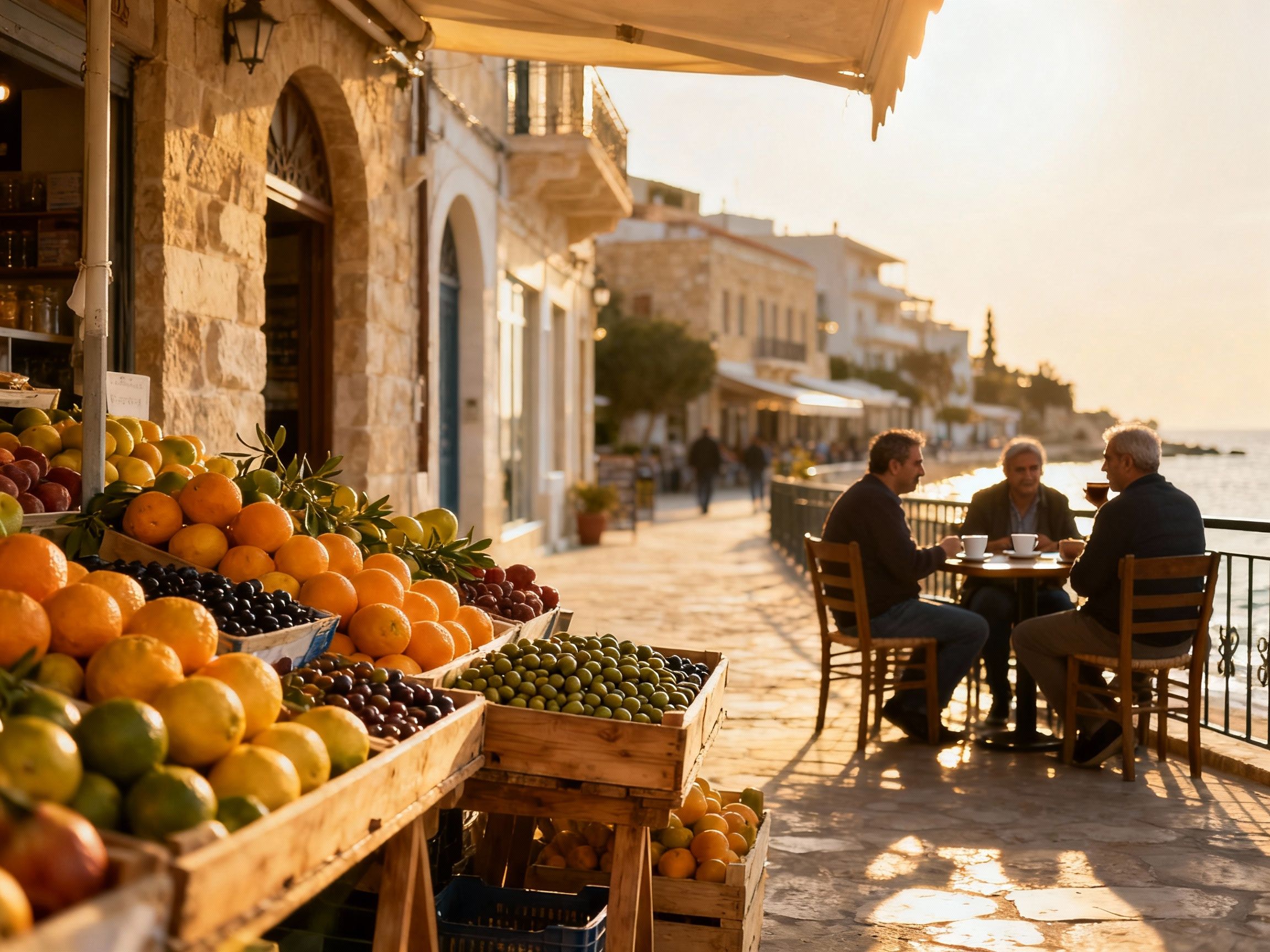
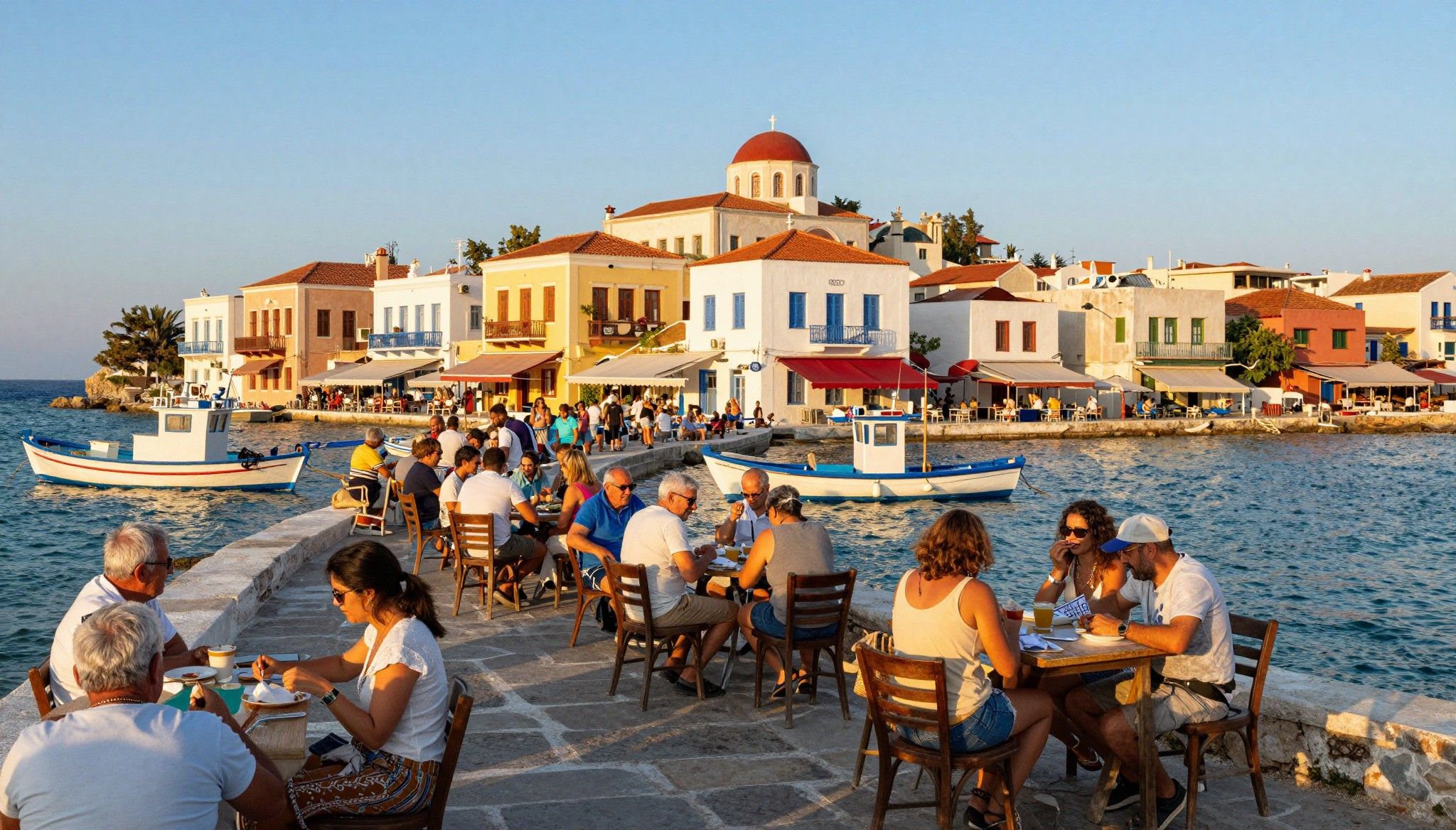
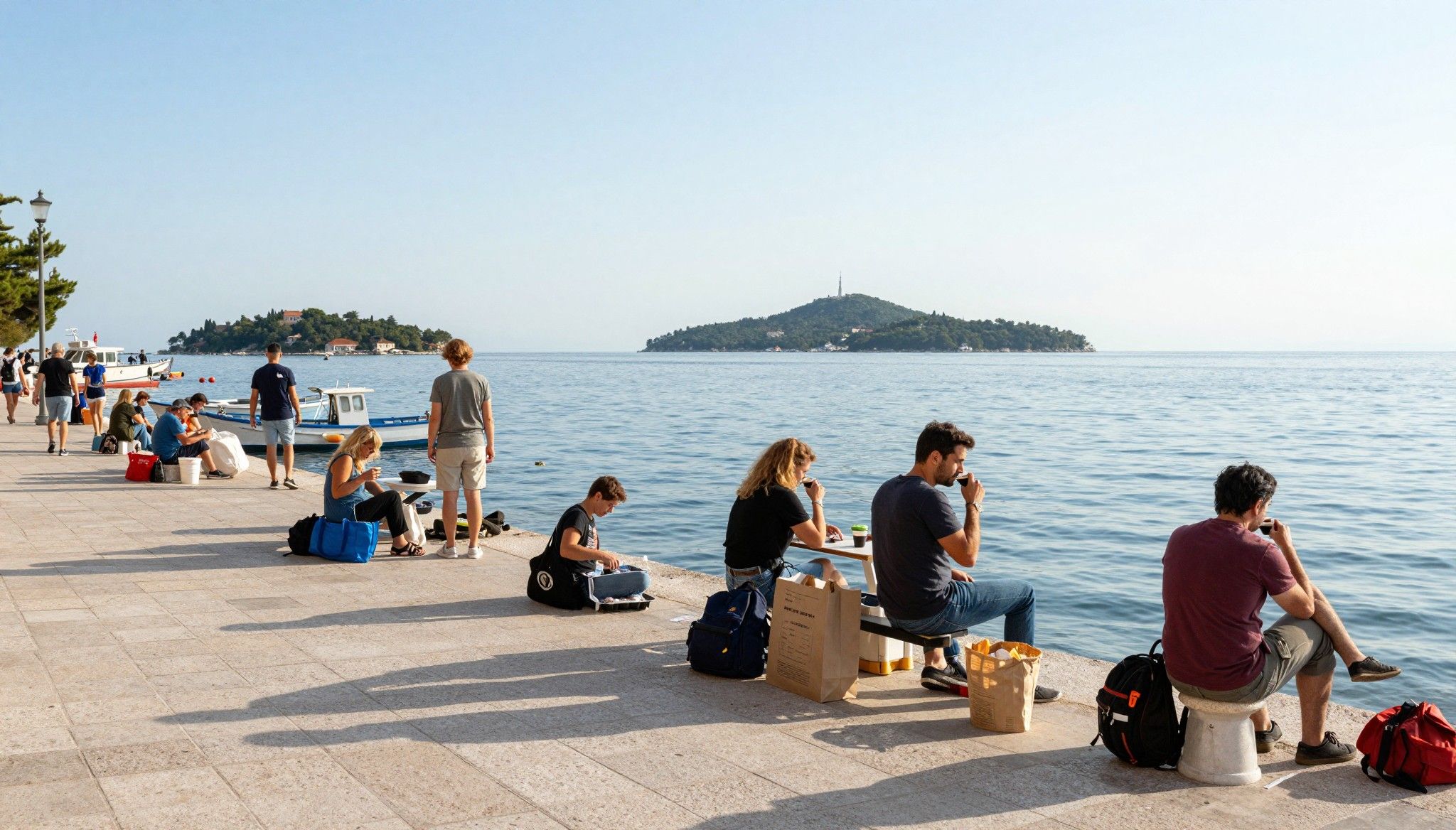
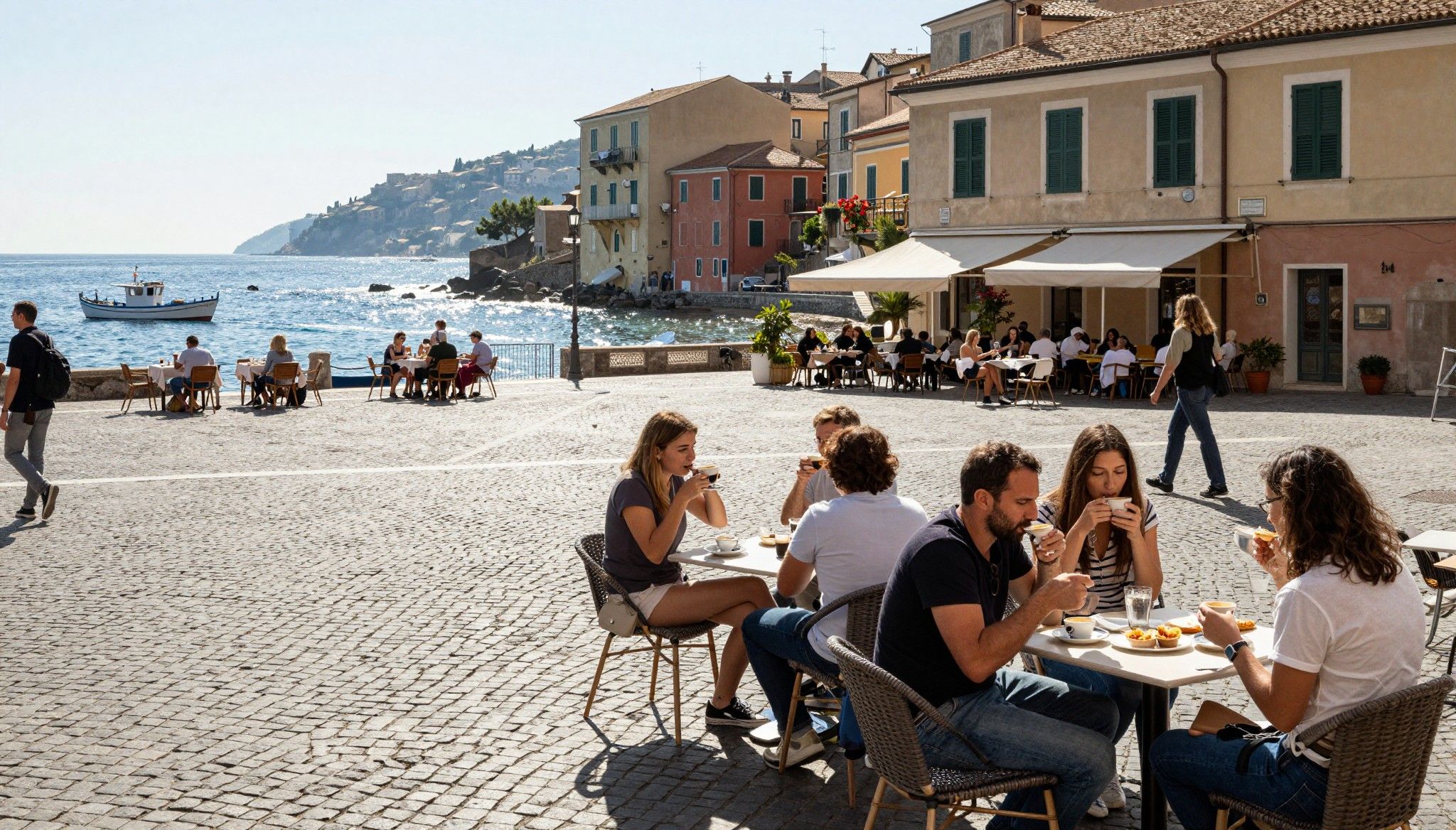
Imagine sipping a strong espresso at a neighbourhood kafeneio in Limassol, then walking ten minutes to a windswept beach where families fly kites and children learn to swim. Cyprus moves at sunlit rhythm: late breakfasts, lively markets, and evenings that stretch across tavernas and seawalls. That everyday feeling — convivial, coastal, rooted in village life and modern marinas — is the real draw for buyers who come for weather and stay for community. But behind those scenes, a shifting development pipeline and a new permitting system are quietly reshaping supply and opportunity for international buyers.
Living Cyprus: neighbourhoods, rhythms and real moments
Cyprus is both village and yacht-port, often in the same municipality. In Nicosia you feel the city’s slow, purposeful pulse — cafés on Stasikratous, museums tucked behind old walls — while Paphos and Larnaca offer quieter coastal days punctuated by fishermen and sunset promenades. Limassol pulses with new-build energy and a marina-lined social scene; the Troodos foothills answer with slow mornings, pine-scented air and stone houses where olive trees are part of the garden plan. These contrasts matter when you choose a property: your daily life — morning coffee, weekend hikes, school runs — should match the district’s tempo.
Limassol’s marina-to-old-town contrast
Walk from Limassol Marina’s contemporary façades to the narrow lanes of the Old Port and you see two markets for buyers. Marina-side new builds prioritise concierge services, pools and parking — convenient for frequent travellers and families wanting resort-style living. The old town’s narrow streets reward curiosity: neighbourhood cafes, a tight expat community and shorter walking distances to artisanal bakeries. Those who want nightlife and international schooling often tilt towards the western coastal strip; quieter, traditional living sits a short drive inland.
Troodos and mountain villages: a different pace
If you crave cooler summers, stone architecture and a community that knows each other by name, explore Troodos villages such as Kato Pyrgos and Kakopetria. Properties here often include larger plots, traditional stone façades and lower nightly-rental demand — appealing for buyers seeking lifestyle over yield. Weekends mean farmers’ markets, local wine festivals and quiet church bells rather than marina openings; expect a slower rental turnover but a strong, local sense of belonging.
- Limassol Marina — evening promenades and modern apartments
- Old Nicosia (Stasikratous) — cafés, boutiques and stone streets
- Paphos harbour — historic coastline and family-friendly beaches
- Troodos foothills — stone houses, cool summers, village life
Making the move: the pipeline, permits and what really matters
Lifestyle fantasies must meet the pipeline. Recent official figures reflect both resilience and disruption: overall permit numbers dipped in late 2024 as permitting responsibility shifted to Local Government Organisations and the new Ippodamos system created backlogs. Yet the total authorised construction area and value have at times increased, signalling a tilt toward fewer but larger or higher‑value developments. For buyers, that means pockets of fresh supply — often premium coastal schemes — alongside stretches where planning delays tighten choice and can influence price negotiation.
Property styles and what they mean for daily life
New coastal developments focus on low-maintenance, indoor–outdoor living: terraces, integrated pools and secure parking that suit buyers arriving by plane. Traditional village houses offer larger gardens and the chance to renovate in local stone, but expect longer renovation timelines and approvals. Apartment living in Paphos or Larnaca caters to renters and seasonal owners; villas around Limassol and the eastern coast target year-round families. Match property form to how you use it: if you want social cafes and short walks, prioritise central apartments; if you want privacy and olive trees, look inland.
Work with agents who speak lifestyle, not only listings
Choose agencies that blend local lifestyle knowledge with pipeline intelligence. Good agents will flag where new developments are paused by Ippodamos delays, which neighbourhoods are seeing premium schemes, and which streets still reward contrarian buys. They also advise on practicalities that affect life: solar shading on south‑facing terraces, storage for seasonal gear, and proximity to international schools. Ask them for recent developer timelines, evidence of completed amenities, and references from owners who moved in during the past 12 months.
- Inspect the developer’s recent completions and request a schedule of outstanding works; delay risk affects move‑in and rental income.
- Verify permits using the Ippodamos reference and check whether local LGOs have flagged any zoning changes.
- Prioritise properties with independent structural warranties and clear community management plans for pools, gardens and parking.
- Balance seasonal rental potential with personal use: coastal rentals spike in summer while mountain homes offer steady long‑term stays.
Insider knowledge: what expats wish they’d known
Expat buyers often misjudge two things: the importance of seasonality in local life and the administrative rhythm of Cyprus. Summers animate every seaside village; winters reveal quieter, community-led calendars — ideal for serious house hunting and negotiating. Administratively, the July 2024 transfer of permitting to LGOs and teething problems with Ippodamos meant some projects slowed unexpectedly. Buyers who timed visits for shoulder seasons found clearer conversations with developers and more realistic views of neighbourhood life.
Integration, language and community building
English is widely spoken, but learning Greek opens doors at village markets and local committees. Join a church festival, a village barbecue or a community olive harvest to meet neighbours; these small rituals accelerate belonging in ways a concierge never will. Many expats say their best advice is to spend several weekends living like a local — shop at municipal markets (try Limassol’s Tuesday market), sit in neighbourhood cafés, and ask where your neighbours get bread.
Long-term lifestyle and value: what changes in five years
Expect pockets of premium new-build stock near marinas and tourist hubs, while traditional villages tighten their supply as owners hold onto family homes. Over five years, completed infrastructure projects and smoother permitting workflows should open fresh development corridors — particularly where local councils prioritise tourism‑supporting infrastructure. For lifestyle-minded buyers, that means sensible choices now: buy where the neighbourhood already works, and let future pipeline enhancements be upside, not the primary bet.
- Inspect recent neighbourhood completions rather than developer plans alone.
- Prioritise walkability to weekly markets, cafés and medical services.
- Ask for Ippodamos permit references and check LGO meeting minutes where available.
- Factor in seasonal noise and rental cycles when modelling returns.
Picture this: you sign contracts in a quiet November week, the developer confirms completed communal gardens, and you spend your first winter exploring Troodos trails and local tavernas while rental income from a coastal apartment covers costs. That scenario is reachable when you pair a lifestyle-first brief with pipeline intelligence and local legal oversight. Start by shortlisting neighbourhoods that match your daily life, ask agents for completed project tours, and request Ippodamos permit IDs before you sign. An agent who knows both the kafeneio on a corner and the developer’s track record will help make the island feel like home.
Swedish strategist who relocated to Marbella in 2018. Specializes in legal navigation and tax planning for Scandinavian buyers.