Greece: How New Builds Rewrite Neighbourhood Life
How Greece’s new‑build pipeline and major projects change neighbourhood life—and how to match lifestyle priorities with verified development data before you buy.
Imagine waking to a short walk from a sunlit kafeneio in Koukaki, coffee steam fogging the air, while a construction crane on the Athens Riviera hints at a new skyline. Greece—sea, sun, and centuries of streets—feels immediate and lived‑in. But behind that daily rhythm sits a development pipeline reshaping where international buyers find value, from Ellinikon’s scale to quieter mainland towns where new builds meet local demand. This guide shows how lifestyle and data collide when new supply arrives, and what that means for someone dreaming of moving here.
Living the Greece lifestyle
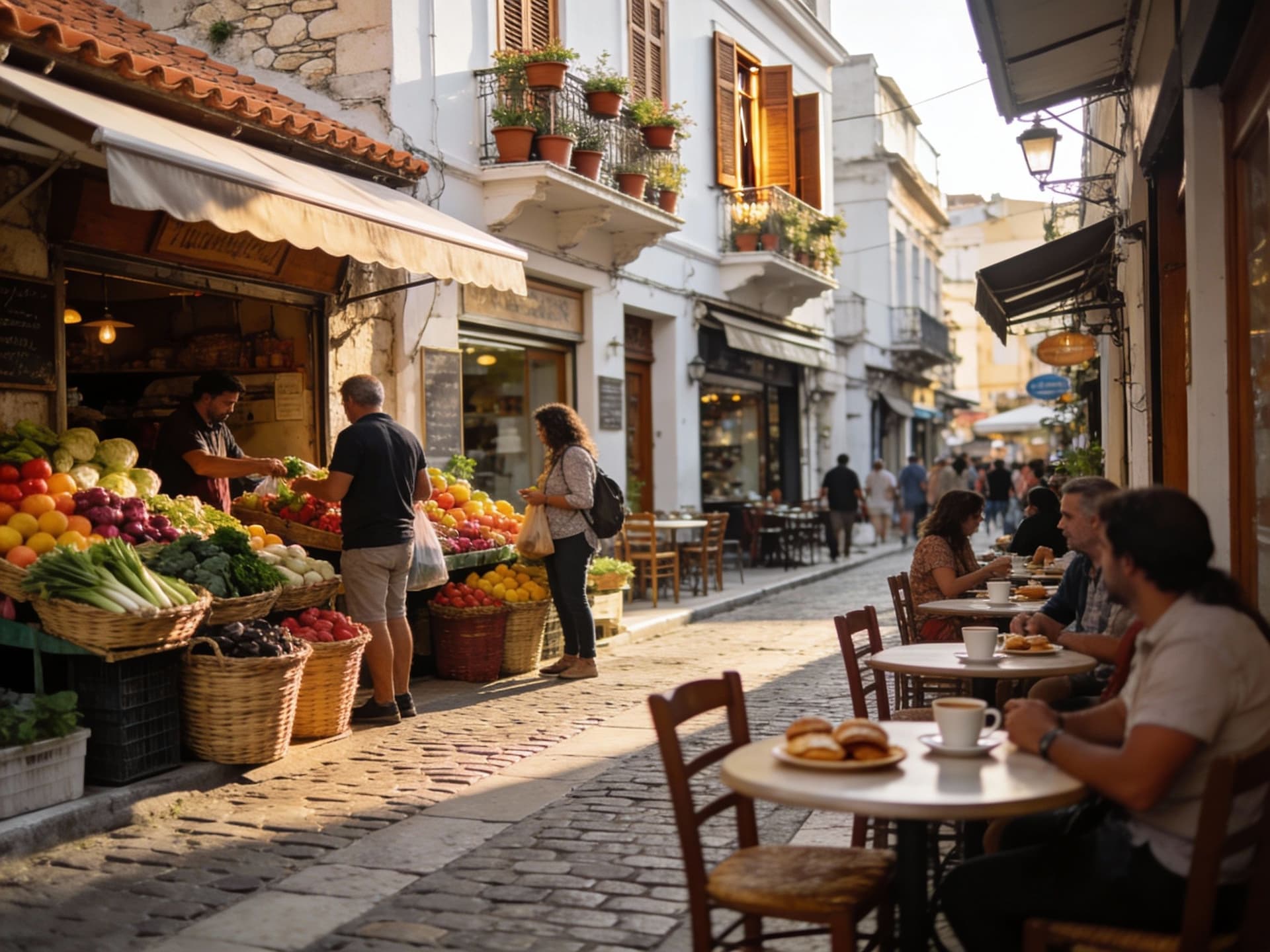
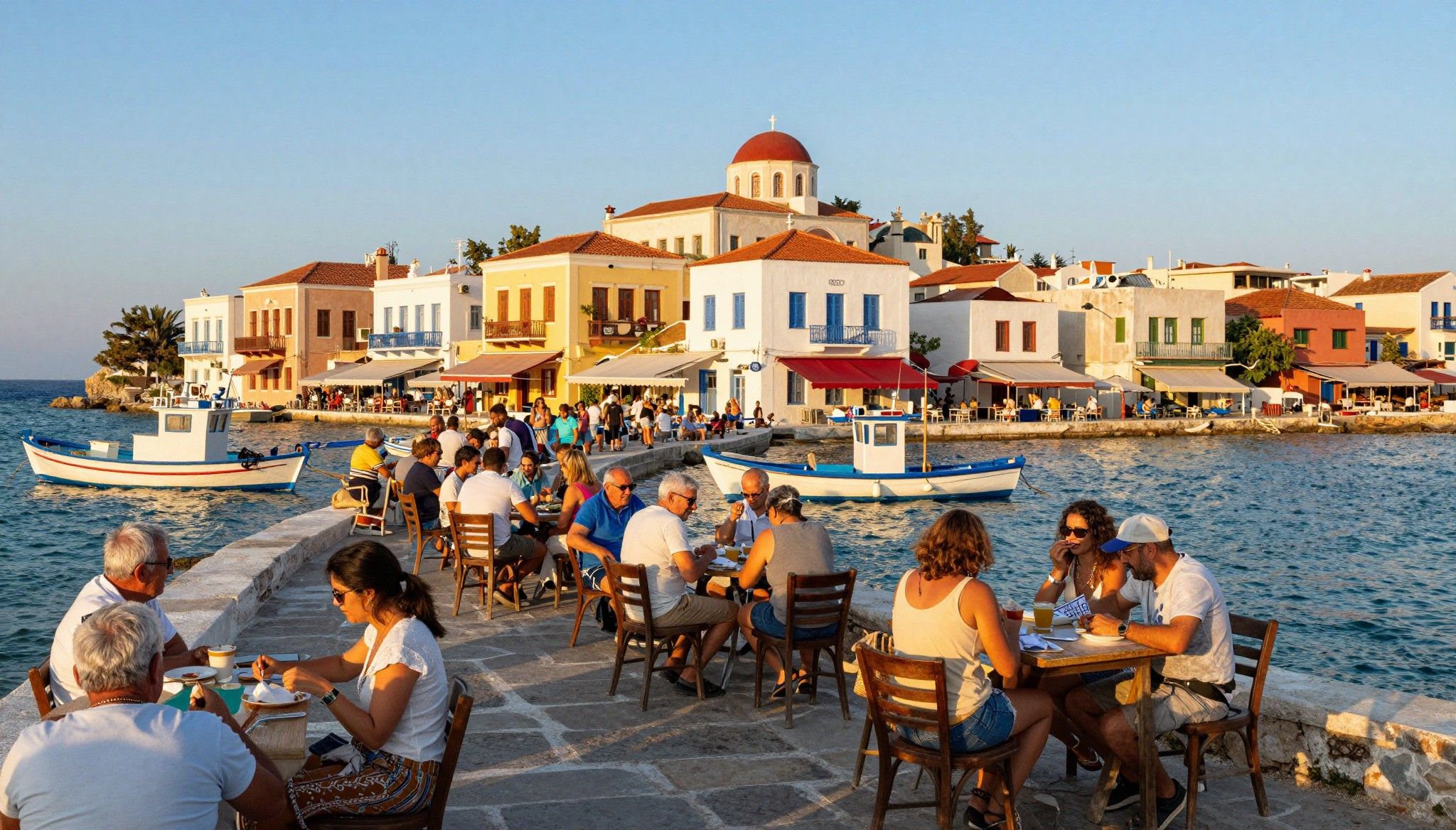
Living in Greece is sensory: morning markets of fresh mizithra and sea‑salt air, afternoons spent on a narrow terrace watching island light change, evenings punctuated by long dinners where plates arrive slowly and conversation is the point. Neighborhoods vary sharply—central Athens neighborhoods hum with cafés and galleries, while Cycladic islands are about slow coastal days and short summer streets packed with life. That variety is what makes the country alluring for buyers seeking a lifestyle rather than a product.
Athens & the Riviera: urban ease, coastal access
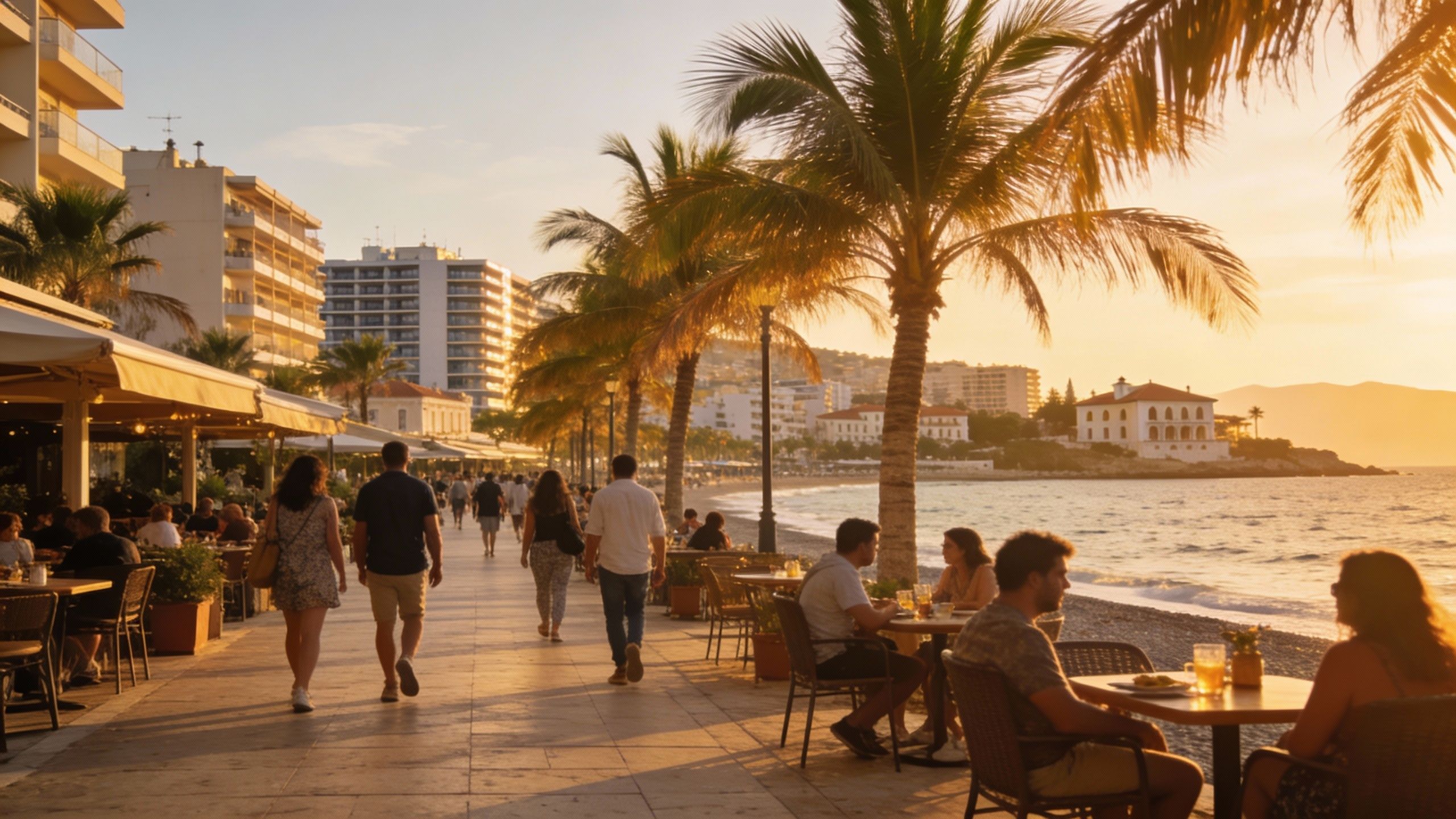
Picture Glyfada and Voula as suburbs that feel like small coastal towns with galleries and beach bars, now rubbing shoulders with a large‑scale transformation at Ellinikon. That development promises parks, towers and new housing stock—fuel for prices and supply—while also changing traffic patterns and the rhythm of Riviera beach life. If you want both city services and a weekend sea escape, these belts deliver, but the pipeline is changing what 'coastal' means here.
The islands: Cycladic sparkle vs. quieter mainland charms
Mykonos and Santorini still command premium prices and visitor attention, but second‑tier islands like Paros and Naxos are where recent demand and price growth surprised even local agents. Conversely, Crete and parts of the Ionian islands offer more space and year‑round communities. Lifestyle choices—seasonal buzz versus settled year‑round life—should guide where you look, because the development pipeline behaves differently in each place.
- Cultural and lifestyle highlights to consider:
- Morning markets: Varvakios in Athens or Chania market for produce and social life
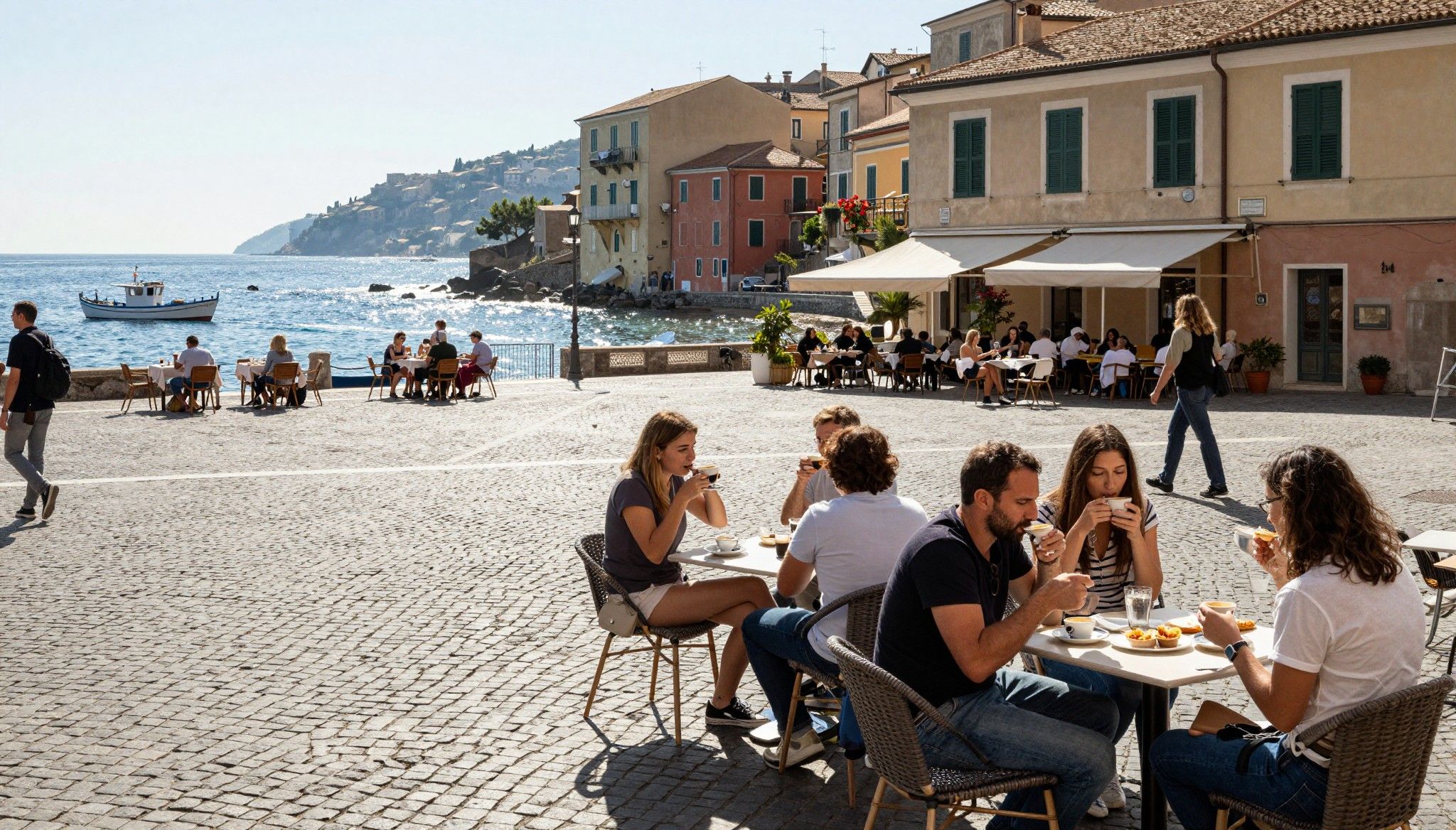
- Neighborhood cafés: Koukaki’s tapered streets and Syntagma’s terraces for people‑watching
- Coastal walks: Athens Riviera promenades or Naoussa harbour on Paros
- Seasonal festivals: village panigiria in summer that knit community life together
Making the move: practical considerations around new builds
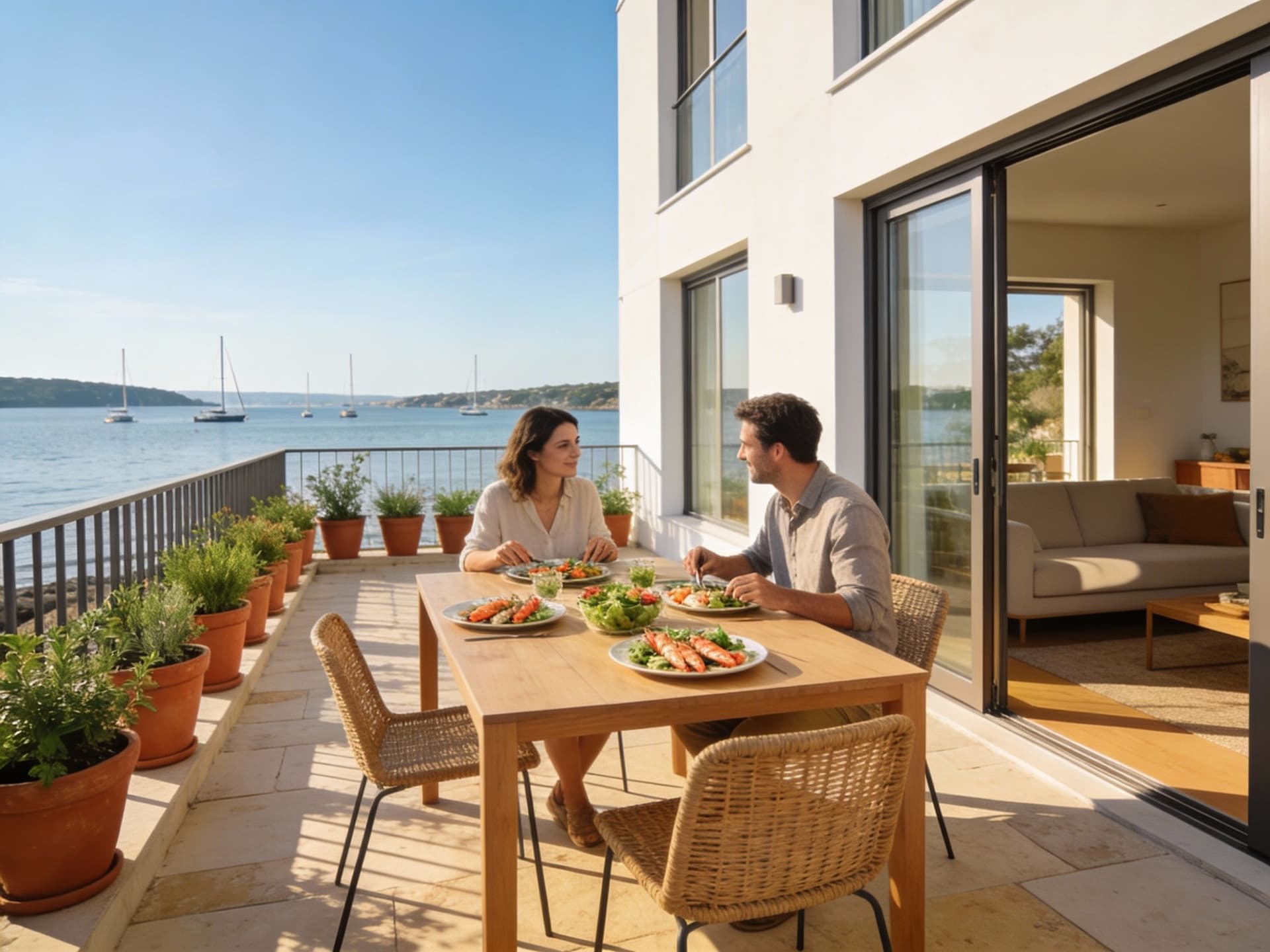
Dreams meet contracts at the construction site. New developments can offer modern finishes, warranties and lower maintenance, but supply surges—especially near major projects—affect short‑term pricing and rental dynamics. Nationwide asking prices vary widely; Athens and Aegean islands show higher averages while inland regions lag behind. Understanding where new stock is concentrated helps you time offers and spot where lifestyle premium is sustainable versus speculative.
Property types: what new builds deliver
New apartment blocks in Athens tend to emphasise efficient layouts, balconies and concierge services; island developments prioritise terraces, private parking and easy maintenance for absentee owners. Villas often come with modern insulation and heat pumps—important for year‑round comfort. Assess whether features match how you’ll live: large indoor kitchens matter if you’ll host often; low‑maintenance exteriors matter if you plan seasonal stays.
Working with local experts who know the pipeline
Choose agents who track municipal plans, infrastructure timelines and permit statuses. Large projects—Ellinikon is a prime example—change local supply and demand curves and can create both opportunity and congestion. Legal specialists should confirm zoning and permit maturity before contract. If Golden Visa or residency incentives matter, advisers must know post‑2024 thresholds and transitional rules that can affect investment thresholds.
- Steps to match lifestyle with new‑build reality:
- Visit the area off‑season to test year‑round life and services.
- Ask for developer deliverables and completion timelines in writing; check recent permit history.
- Compare comparable stock: new build pricing versus renovated local inventory for a 12–36 month horizon.
- Factor running costs—condominium fees, heating/cooling, and seasonal maintenance—into yield calculations.
Insider knowledge: expat lessons and market myths
Expat buyers often arrive enchanted—and then surprised. Myth one: islands are always the best investment. Reality: island premiums are real but concentrated; second‑tier islands and the Athens Riviera have become focal points for development and price growth. Myth two: new builds are worry‑free. Reality: finishes, warranty enforcement and permit delays matter. Local experience says: live here for a season first, then buy with a local team.
Cultural notes that change how you live (and buy)
The Greek pace values relationships: deals get done through a mix of paperwork and personal trust. Expect a slower cadence in bureaucracy; cultivate local contacts—your notary, your contractor, your kafeneio owner—and they will repay you in time and fewer headaches. Language helps, but many agents and officials in urban and tourist areas speak English; still, building respect through small Greek phrases eases negotiations.
What long‑term lifestyle change looks like
A year after moving you’ll notice the local calendar—market days, festivals, agriculture cycles—dictate your rhythm more than before. Properties near schools, clinics and year‑round transport increasingly hold value for buyers seeking permanence. New developments that integrate public spaces and local retail often mature into healthier neighbourhoods; those built as isolated enclaves can feel empty outside tourist months.
- Red flags and practical checks before you sign:
- Developer offers unusually fast completion dates with little permit evidence.
- No independent energy or structural inspections available prior to exchange.
- Heavy reliance on short‑term rental forecasts without local seasonality adjustments.
- If you want to act: a practical three‑step buy checklist
- 1) Commission a short due‑diligence pack: title search, permit status, developer track record.
- 2) Factor in seasonal cash flow: model occupancy at conservative rates for islands and Riviera locales.
- 3) Negotiate practical extras: heating/cooling allowances, appliance warranties, and phased payment tied to milestones.
Conclusion: Greece offers a rare mixture of everyday pleasure and tangible development opportunity. New builds bring modern comfort and often sensible warranties, while large projects and island demand shape pricing in visible ways. Treat the pipeline as context—not destiny: pair lifestyle visits with a local advisory team, verify permits and timelines, and model life beyond summer. Do that, and the day you queue for that kafeneio espresso, you’ll know the decision you made was both heartfelt and informed.
Dutch investment strategist with a Portugal-Spain portfolio. Expert in cross-border financing, rights, and streamlined due diligence for international buyers.