Greece’s Development Pipeline: Myth vs. Market
Greece’s visible construction activity masks uneven pipeline delivery; pair lifestyle choices (island vs Athens) with permit trends and developer track records to buy with confidence.
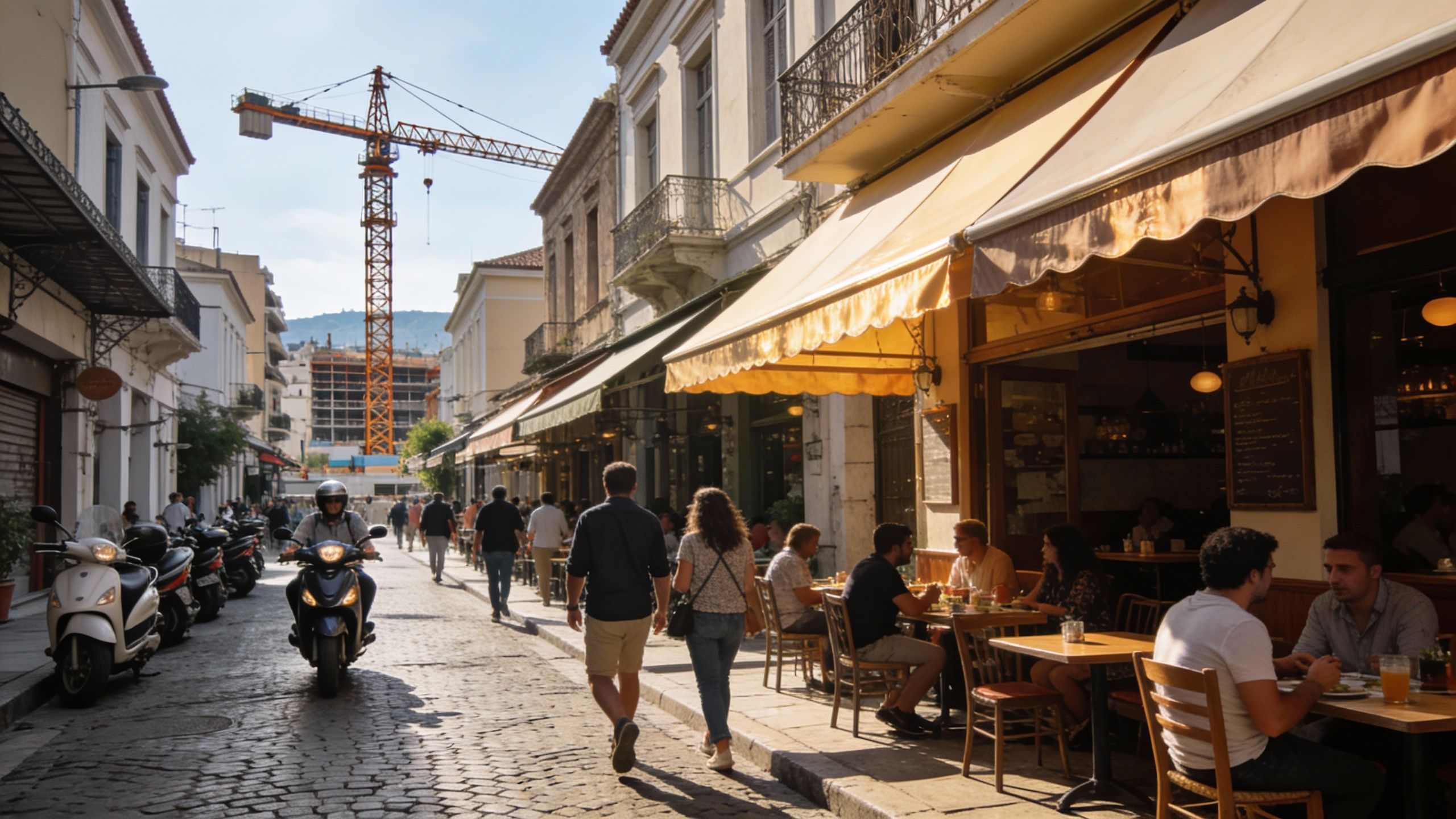
Imagine sipping an espresso on Koukaki’s pedestrian lane at 9am, then crossing to a construction site where cranes frame the Acropolis. Greece feels both ancient and actively remade: islands with slow‑paced mornings, Athens neighbourhoods pulsing with new residential blocks, and regional towns seeing fresh mid‑rise supply. That visible building activity fuels a widespread story — that Greece is booming and every investor must rush in. The reality is more nuanced: pipeline size, permit volatility and policy shifts shape where new developments actually translate to accessible homes for international buyers.
Living the Greece lifestyle
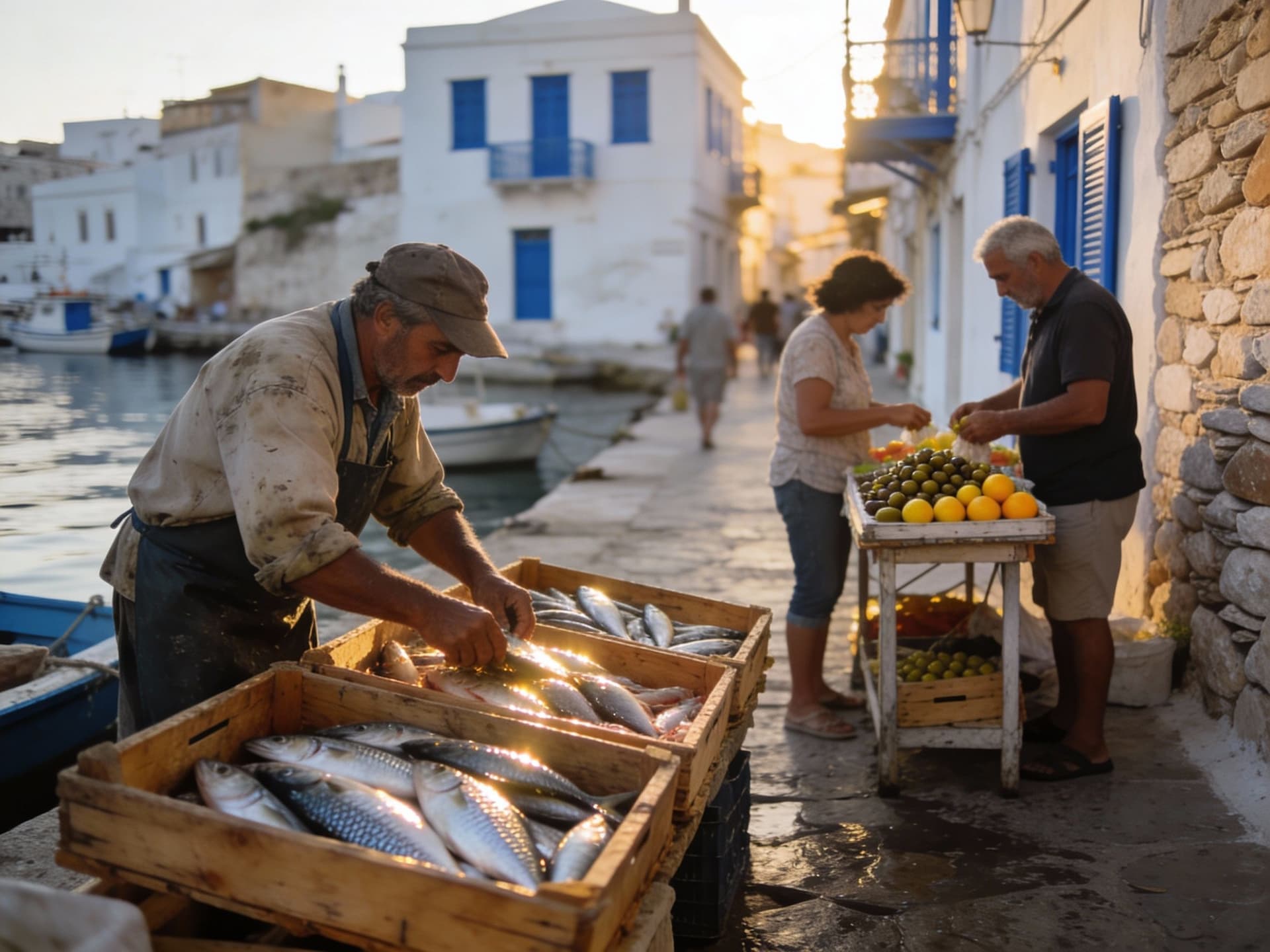
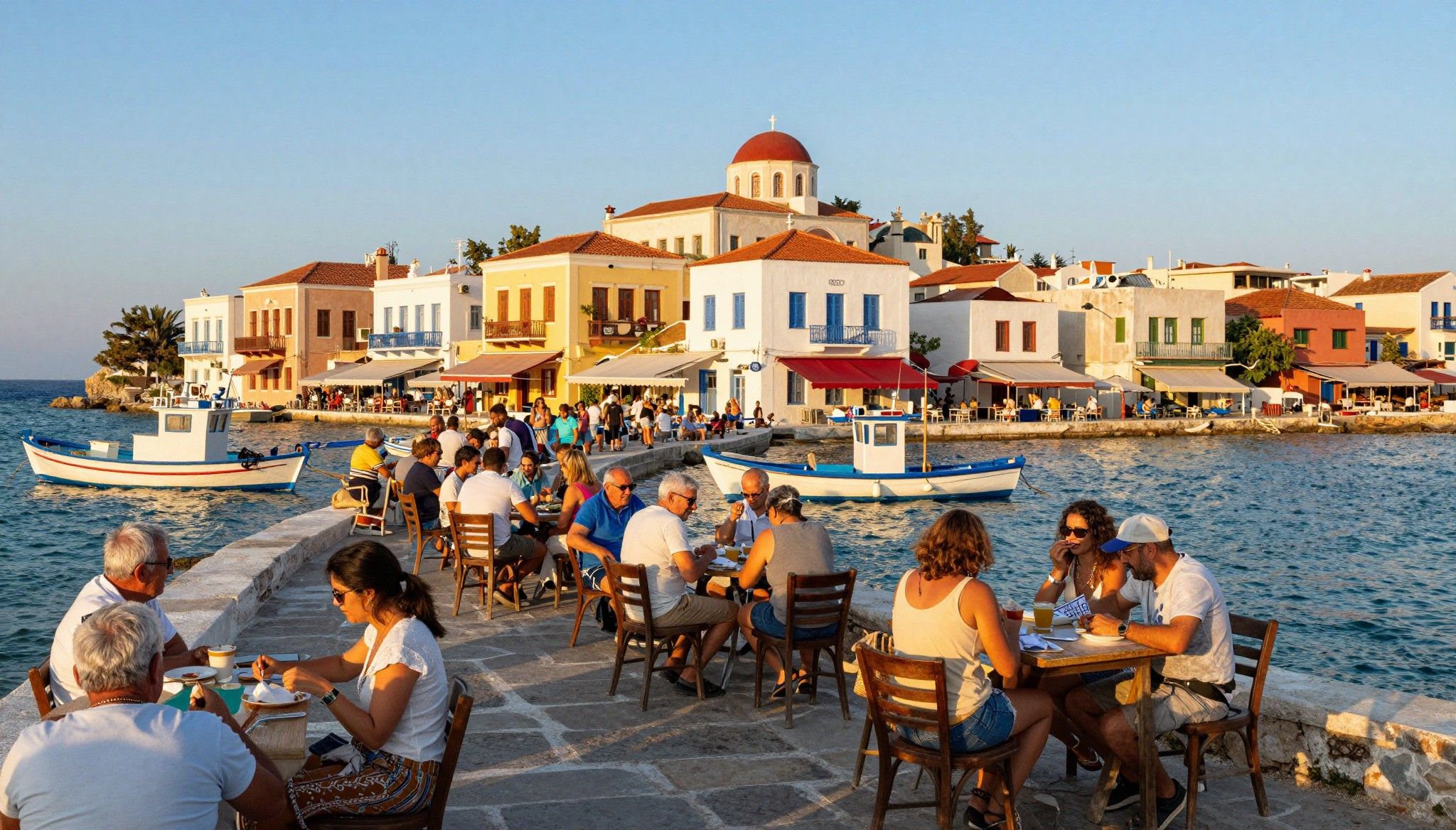
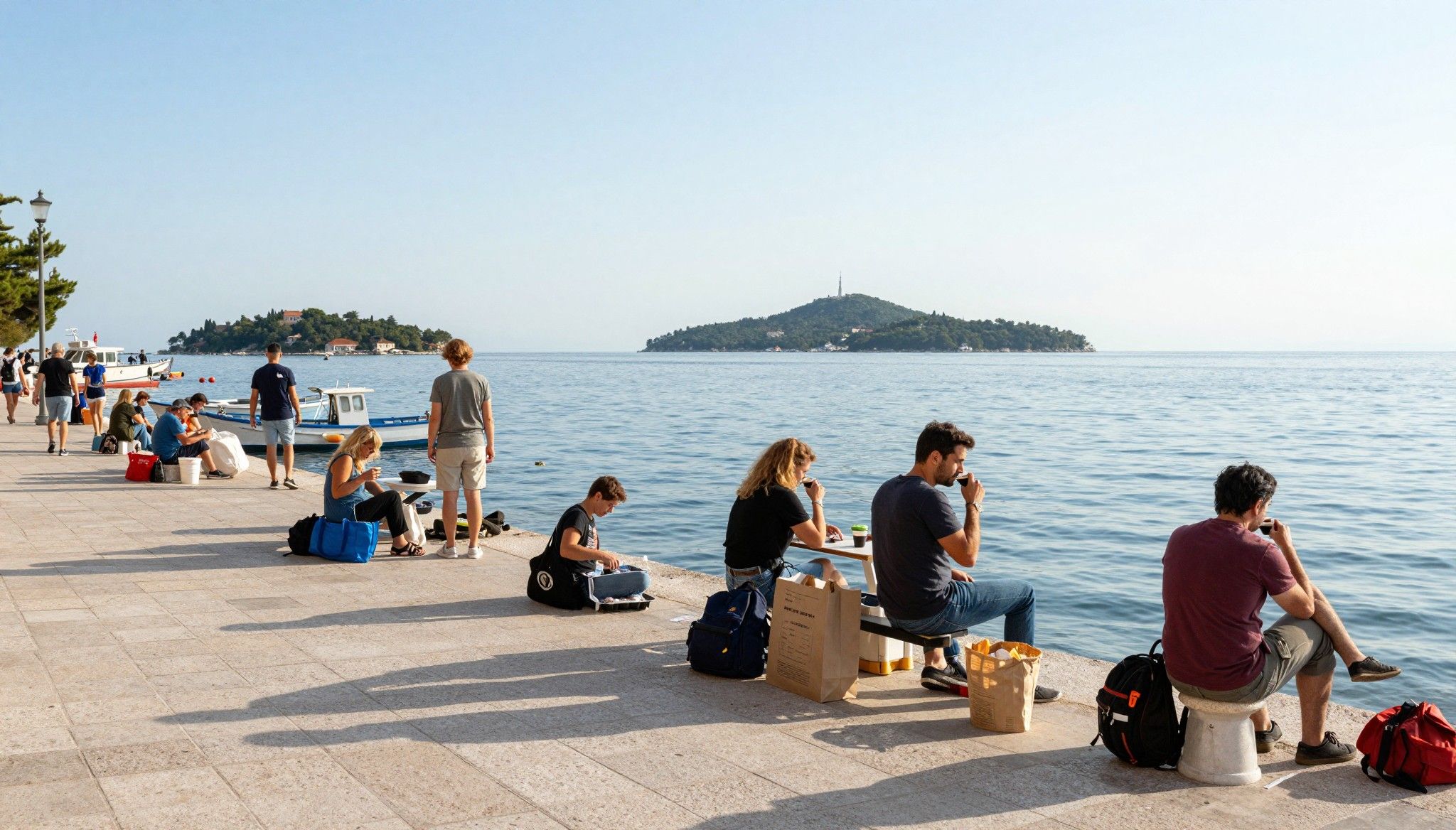
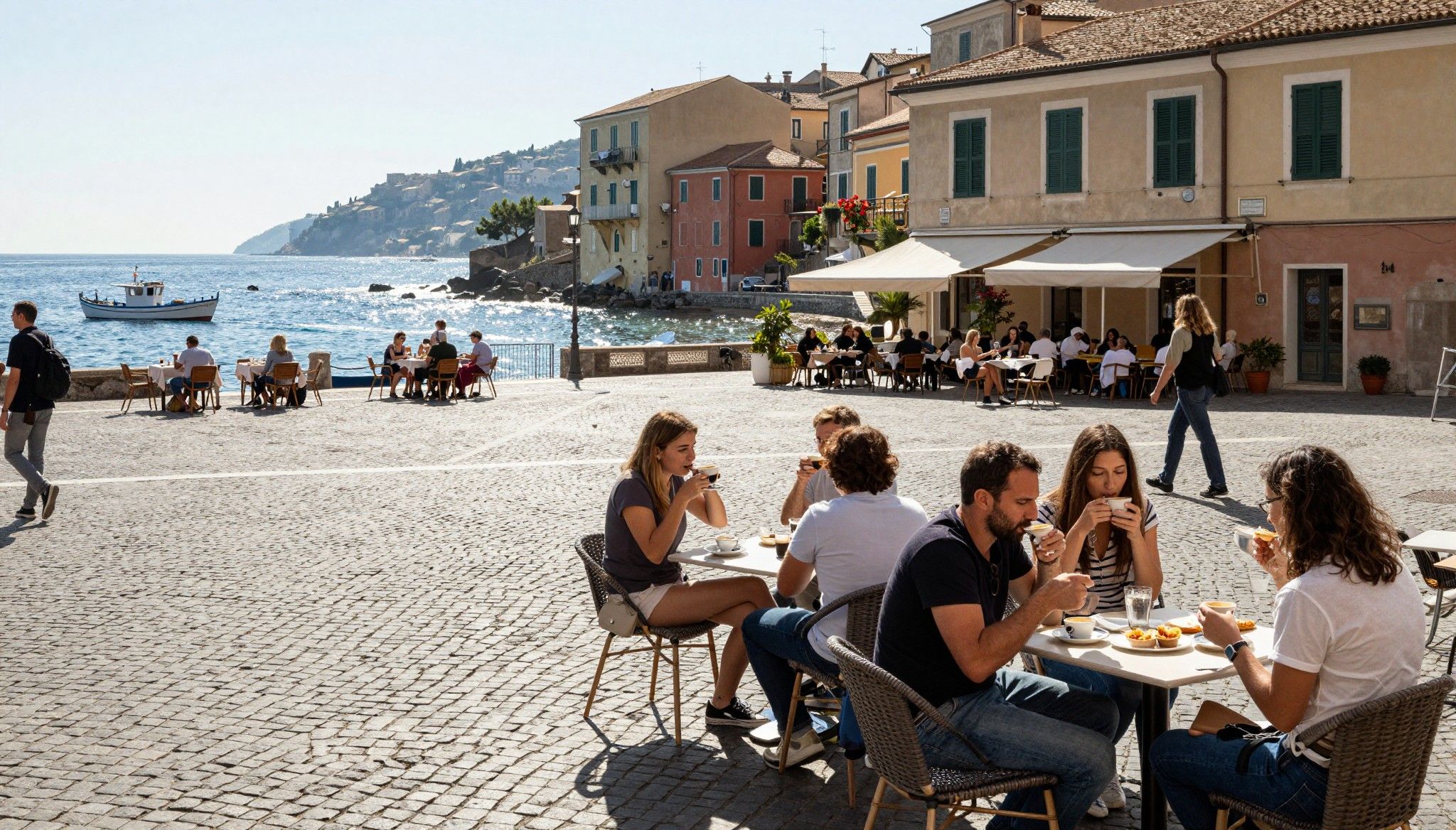
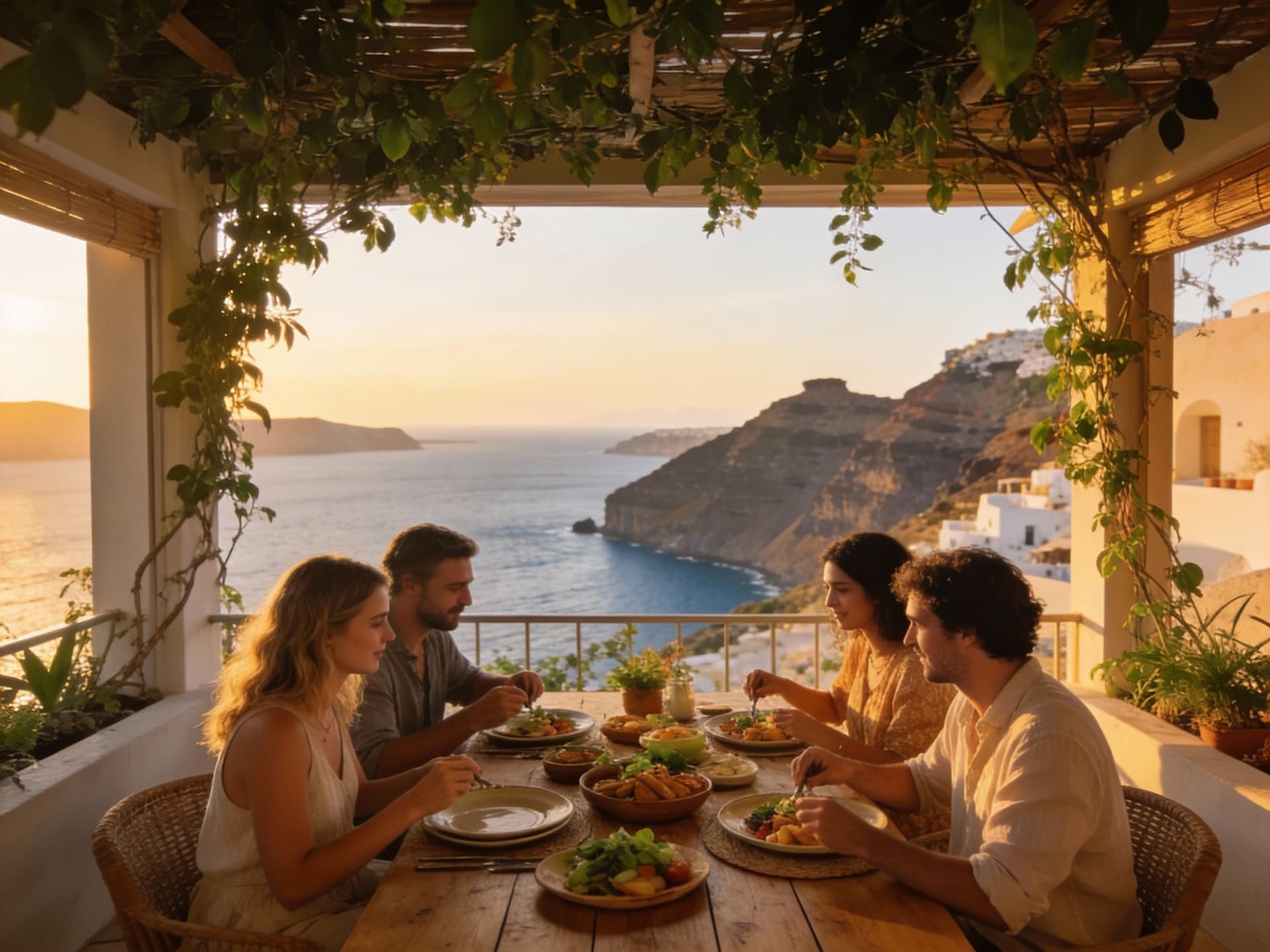
Greece’s daily rhythm is a study in contrast. In Athens you hear motorbikes and café chatter from Monastiraki to Pangrati; on the islands the day opens at a fish market and slows toward late, lingering dinners on terraces. Light, sea breezes and a market culture — morning fruit stalls in Chania, Sunday fish grills in Naxos — shape how people live and, importantly, what kind of property they want: compact apartments near a square in the city, or a terrace‑forward home that captures cross‑breezes by the sea.
Neighbourhood spotlights: Athens and coastal rhythms
If you crave cafés and short walks, Koukaki, Pangrati and Exarchia offer narrow streets, small boulangeries and a vibrant street life where a ground‑floor apartment becomes a daily stage. For seaside living, Glyfada and Voula on the Athens Riviera combine marina culture with new developments near beaches; on the islands, look to Ermoupoli (Syros) for year‑round services or small pockets of Crete (Chania’s Nea Chora) where local markets run year‑round. Each place asks you to choose between immediate conviviality and quieter, seasonal charm.
Food, markets and weekend life
Weekends in Greece are built around markets, tavernas and coastline rituals. A Saturday in Thessaloniki begins at Modiano Market and ends at a waterfront fish taverna; in Athens many residents escape to the Athens Riviera’s beaches shaped by large projects like Ellinikon, which are changing local leisure patterns and creating new residential micro‑markets. These lifestyle threads directly affect demand: proximity to markets, outdoor dining and transport matters more here than a formal concierge.
- Lifestyle highlights: Koukaki cafés, Glyfada marina, Modiano Market (Thessaloniki), Nea Chora beach (Chania), Syros town squares, late‑night taverna culture
Making the move: practical considerations
Love of place must meet pipeline reality. New supply in Greece is uneven: recent permit data shows months with sharp increases and other periods with steep falls, driven by policy, incentives and regulatory changes. For international buyers that means being selective — a flashy beachfront project may be headline news, but the local pipeline, delivery timelines and permitting environment determine whether a developer’s schedule aligns with your life plans.
Property styles that fit how you live
Across Greece new developments range from compact urban apartments to villa projects and large mixed‑use schemes. In Athens, modern mid‑rise apartments with balconies suit buyers pursuing a city lifestyle and short‑term rentals; on many islands developers focus on small villa clusters and renovation of historic properties aimed at holiday markets. Match property type to daily routines: if you want year‑round life, prioritise towns with hospitals, grocery supply and a stable resident population.
Working with local experts who know the pipeline
- How to blend lifestyle and pipeline realities: 1. Ask agencies for permit‑to‑completion case studies and recent delivery dates. 2. Verify that planned amenities (marinas, parks) have signed contractors and funding. 3. Cross‑check developer track records against ELSTAT permit trends. 4. Request a phased occupancy plan if you need parts of a development finished first.
Insider knowledge: what expats wish they’d known
Expats often discover that living in Greece is about neighbourhood rituals more than headline infrastructure. Language is negotiable in tourist areas, but local administration (permits, utilities) moves at its own pace. Many buyers are surprised by the seasonality of island markets — a village that hums in July can feel nearly empty in January — which affects everything from rental income to everyday services.
Cultural integration and daily life
Start small: learn basic Greek greetings, join a weekend market, and attend a local panigiri (village festival). This opens doors to neighbors who influence practical matters such as who to trust for renovations, seasonal caretaking and local rental management. Agencies that broker long‑term relationships — not just transactions — help you plug into these networks and avoid common friction points.
Long‑term lifestyle and market durability
Think of your purchase horizon. Large projects like Ellinikon reshape demand locally and can lift values in surrounding suburbs, but they also bring traffic and service pressures. Conversely, towns investing in infrastructure, such as Thessaloniki with its progressing metro and improved transport links, can see steady neighbourhood upgrades that reward patient buyers over five to ten years.
- Red flags and pipeline checks: • Large permit spikes in a single month without follow‑up contractor activity. • Projects relying on soft commitments from tourism operators. • Developer funding rounds with opaque timelines. • Local infrastructure promises without municipal approvals.
Conclusion: fall in love, then confirm. Greece offers daily pleasures — markets, terraces, coastal rituals — that make life here rewarding. To convert that affection into a smart buy, pair lifestyle priorities with a disciplined check of the local development pipeline, permit history and developer track record. Work with agencies who bring neighbourhood knowledge, vetted delivery evidence and local relationships; they translate the romance of place into a dependable home or investment.
British investor turned advisor after buying in Costa del Sol since 2012. Specializes in cross-border compliance and data-driven investment strategies for UK buyers.