When New Builds in Croatia Underperform: Reality Check
New‑build supply in Croatia looks plentiful, but tourism, permit realities and new rental rules mean lifestyle fit—not glossy brochures—determines long‑term value.
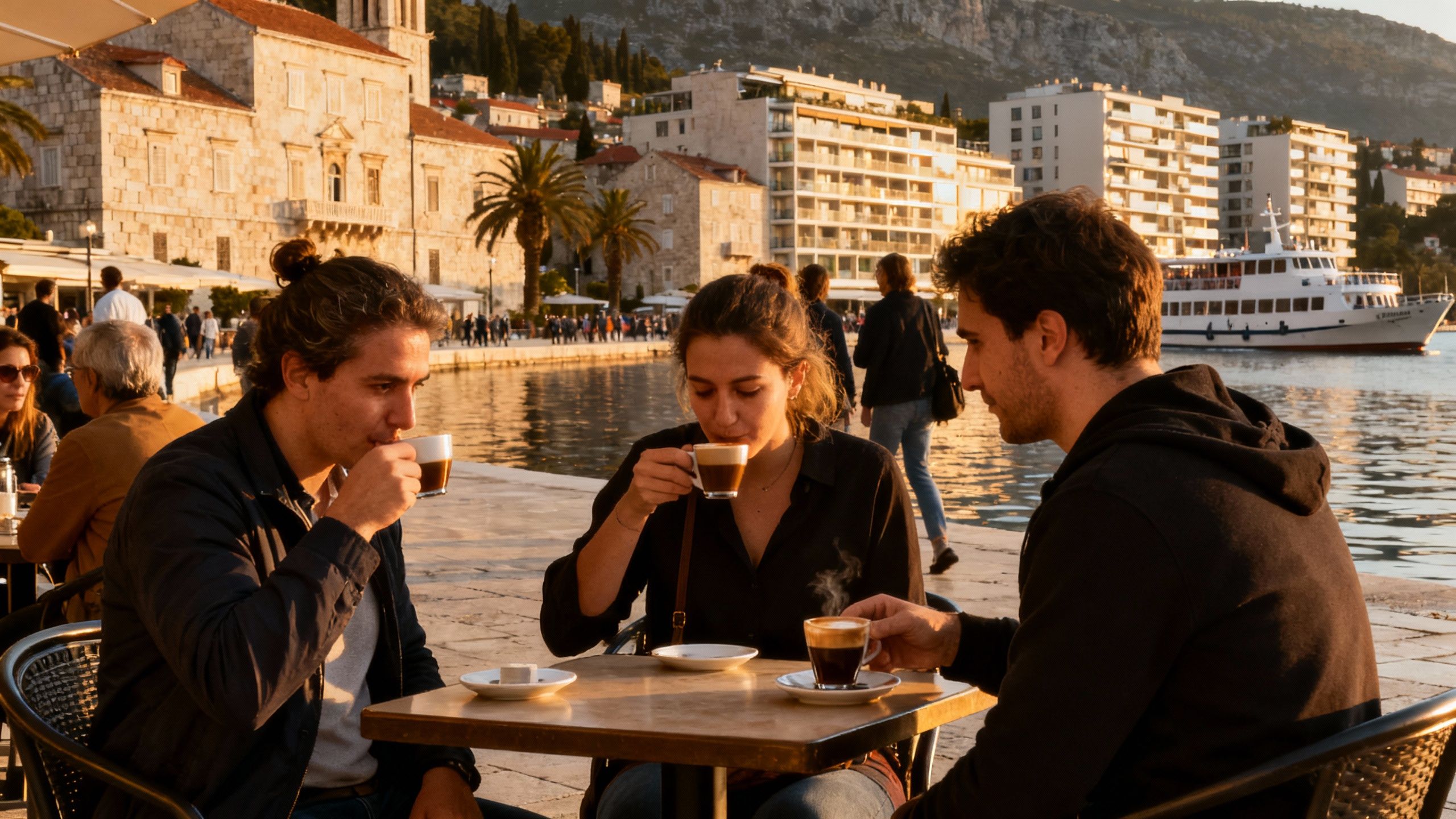
Imagine walking from a morning market on Split’s Marmontova into a quiet, newly completed apartment block where the café next door still serves espresso to fishermen returning from the harbour. Croatia’s coast manages to feel both lived‑in and newly minted: ancient stone alleys and contemporary developments sit within the same view. That overlap—old fabric beside new‑build pipeline—creates the creative tension buyers fall for and the practical headaches they don’t always expect. Understanding where new developments truly add lifestyle value (and where they don’t) is the difference between a house that becomes home and a speculative asset that underperforms.
Living the Croatian lifestyle — beyond postcards
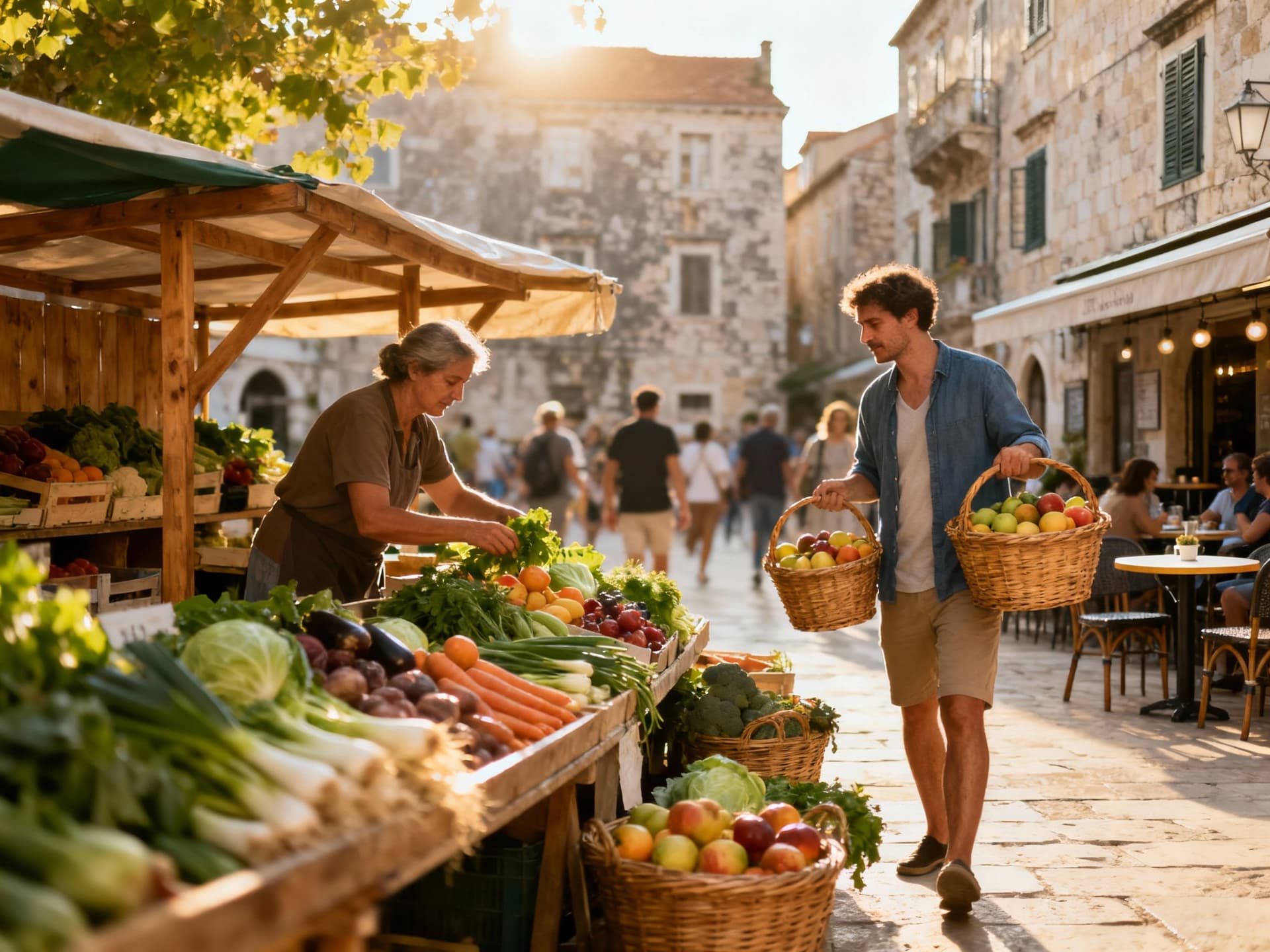
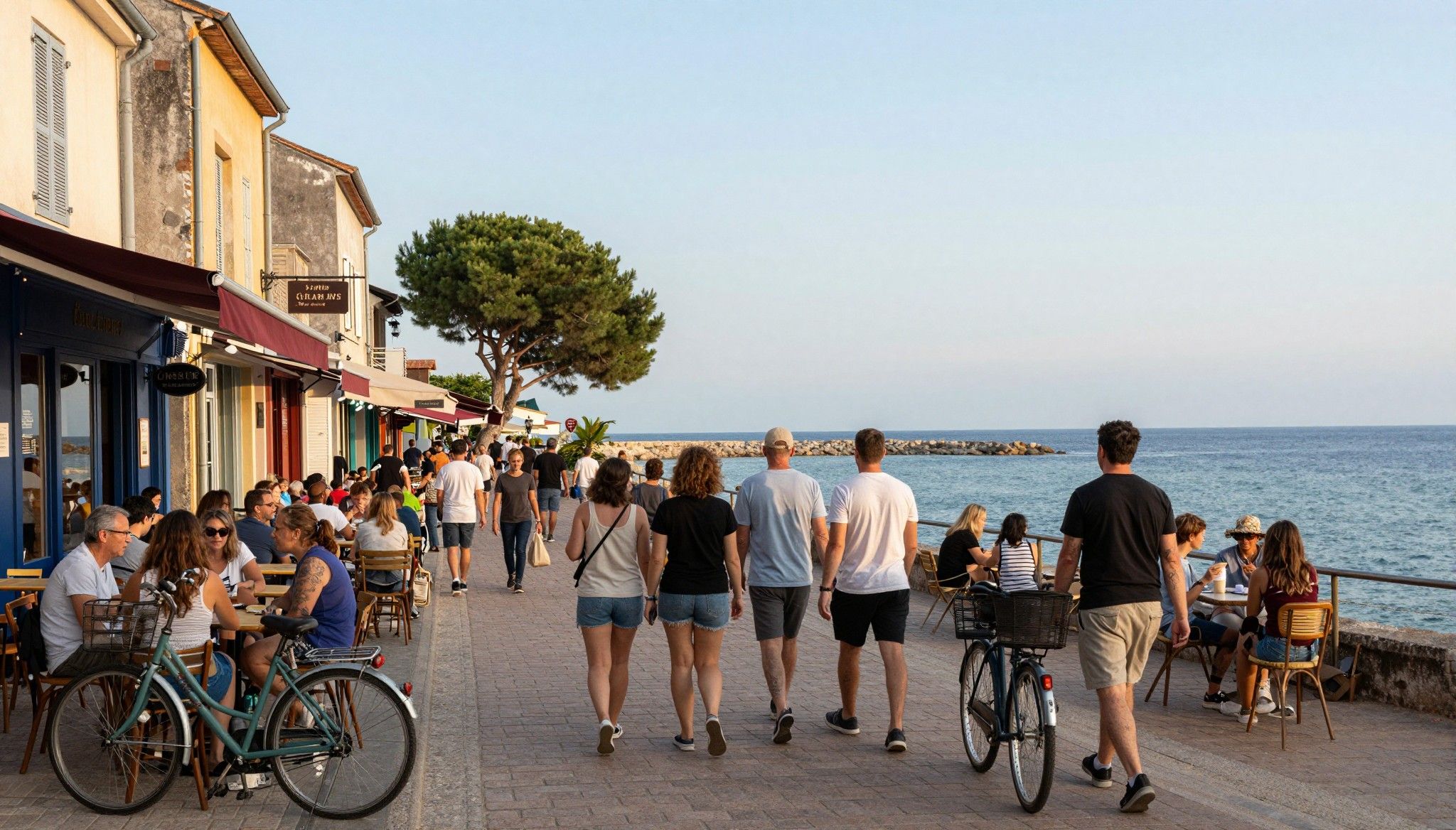
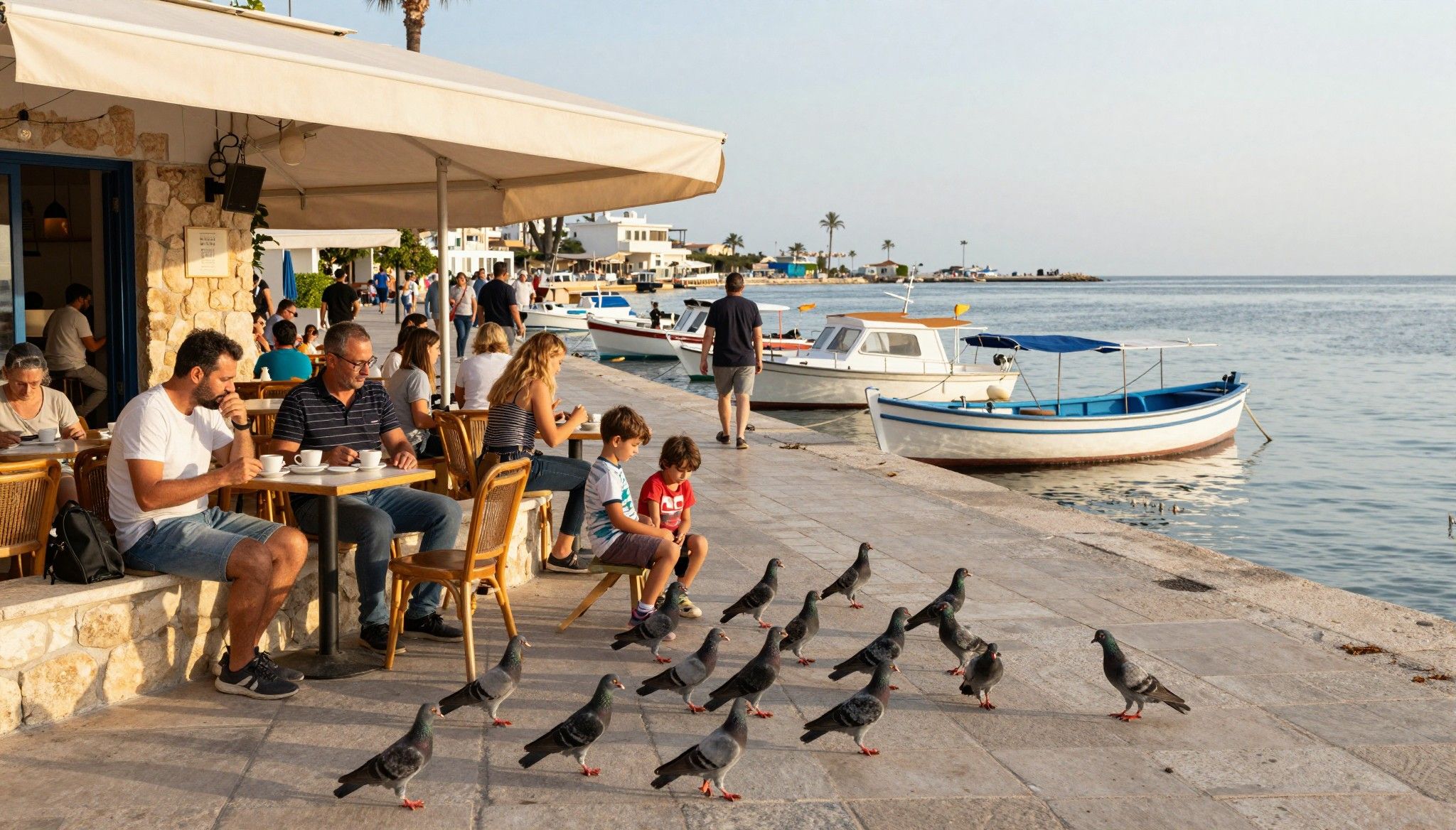
Daily life in Croatia blends Mediterranean rhythm with Central European efficiency: cafés open early, markets pulse mid‑morning, and late afternoons turn to long dinners. Coastal towns such as Dubrovnik, Split and Rovinj have a tourist tempo in summer but settle into calmer community life in shoulder seasons; inland places like Varaždin and Zagreb offer year‑round cultural programming and a more urban routine. When you picture life here, think local rituals—burek for breakfast in Zagreb, fresh octopus on a Dalmatian grill, and island ferries that are part of your weekly commute rather than a holiday excursion.
Spotlight: Split’s mix of old and new
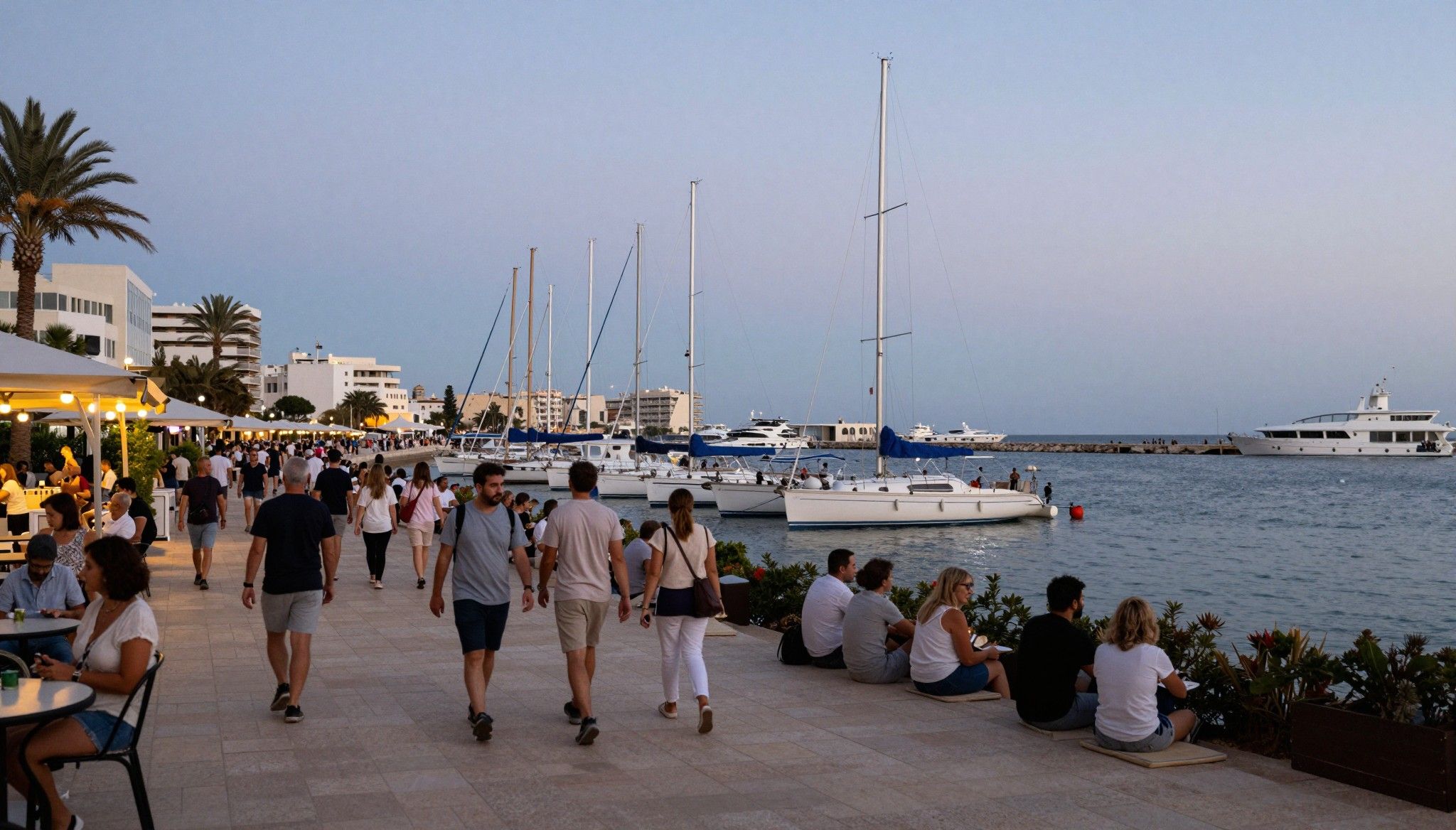
Split is a study in contrast: Diocletian’s Palace funnels tourists into narrow lanes while the waterfront Riva and newer seafront promenades host restaurants and modern apartments. Developers often target plots within a 10–15 minute walk of the waterfront, promising sea views and high rental yields. But be wary: proximity doesn’t guarantee quality—noise, heritage restrictions, and microclimate exposure can blunt the lifestyle the brochure sells.
Food, markets and community life that matter
Market halls—Dolac in Zagreb or Pazar in Rijeka—are where neighbours meet and kitchens are stocked; these places shape how you live more than marble lobbies. Summer festivals and olive harvests pull communities together in smaller towns; year‑round cultural life in Zagreb and Rijeka supports expat families and remote workers. If you crave integration, prioritise developments with easy access to markets, a neighbourhood square and reliable public transport over isolated luxury compounds.
- Dolac market (Zagreb) — morning produce and community chat
- Riva promenade (Split) — daily social life and ferry connections
- Brač island coves — quiet weekends, limited services in low season
- Zadar’s Sea Organ and city squares — cultural anchors year‑round
Making the move: how pipeline realities affect living
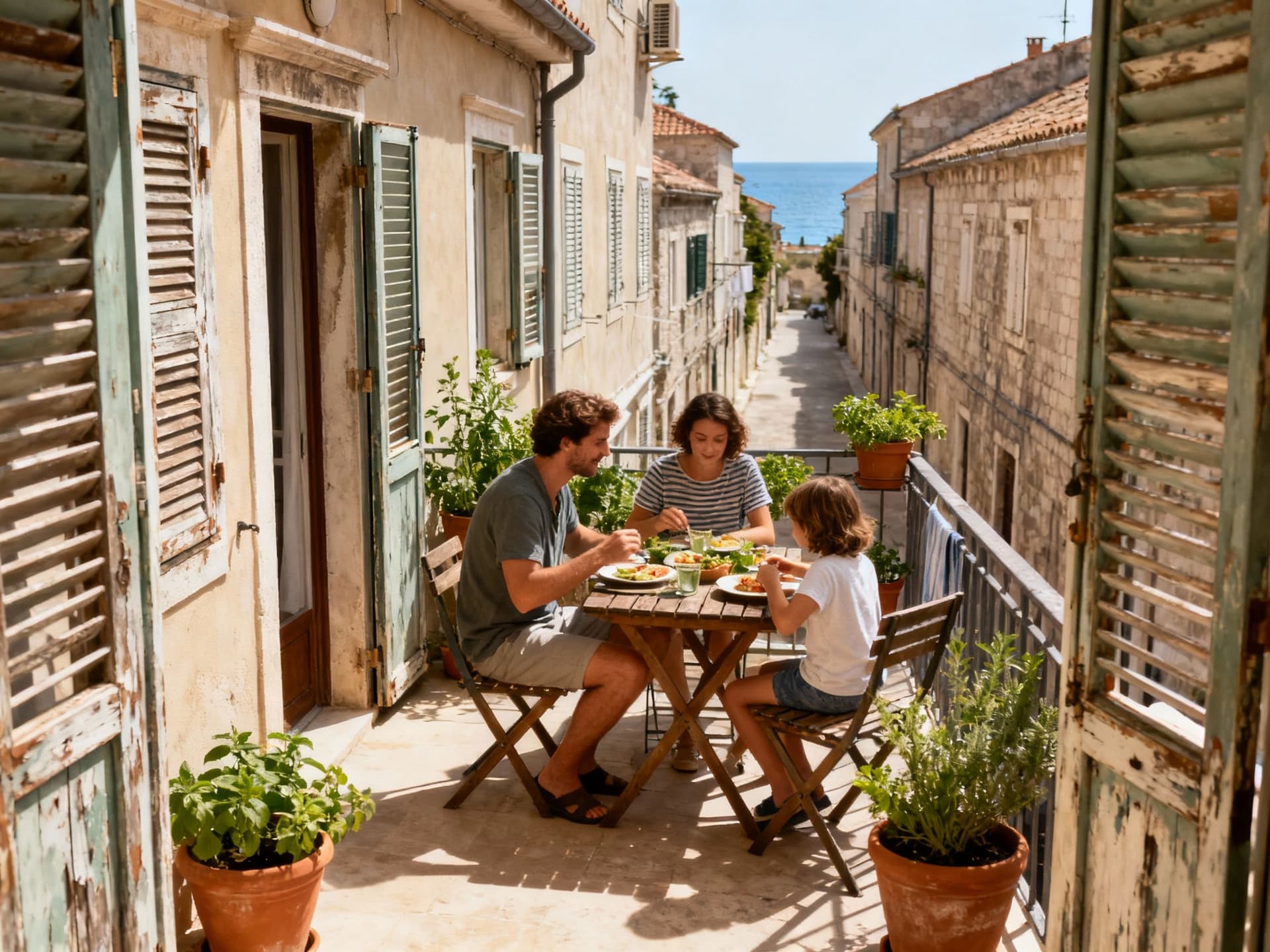
The headline: Croatia issued more construction permits in recent years, but quantity doesn’t equal quality. Permit counts rose modestly into 2024, reflecting both residential demand and public infrastructure projects. For buyers, that means the visible ‘boom’ in new builds is often a mix of well‑executed developments and speculative blocks with thin margins. Location, developer track record and permit details matter—especially near protected heritage sites where delays and redesigns are common.
Property styles and what they mean for daily life
New builds on the Adriatic typically offer terraces, parking and modern insulation—features attractive to year‑round residents and renters alike. Stone houses in hill towns prioritise character and thermal mass, which can be cooler in summer but costly to retrofit. In city centres, contemporary buy‑to‑keep flats offer lower maintenance and predictable utilities, while isolated villas need local services and winterisation planning. Match the build type to your routine: frequent island ferry use requires proximity to harbours; family life needs access to schools and healthcare.
Working with local experts who know the lifestyle
A local agent who drinks coffee at the market and reads municipal permit notices is an asset: they can flag flood‑risk plots, seasonal noise corridors, and neighbours with STR licences. Look for agencies offering neighbourhood intelligence, permit-tracking and post‑sale property management. Good local counsel will connect lifestyle signals—market days, ferry timetables, festival calendars—with hard data on supply and planning timelines.
- Six combined lifestyle + practical checks before you sign
- Confirm actual walk times to markets, schools and harbours, not just ‘distance to centre’ claims.
- Request full permit history and any open objections or heritage conditions.
- Ask about seasonal occupancy: will the building be lively year‑round or deserted off‑season?
- Confirm utilities and heating specs; islands often need different solutions than the mainland.
- Check whether short‑term rental regulation will affect income—Croatia tightened rules to prioritise long‑term housing.
- Verify local property tax/treatment for rental exemptions; recent policy shifts aim to rebalance housing supply.
Insider knowledge: how seasonality, tourism and policy change the pipeline picture
Tourism remains the biggest external influence on Croatia’s new-build market: over 20 million arrivals and more than 93 million nights were recorded in 2024, with coastal areas accounting for the lion’s share. Strong visitor numbers encourage developers to build tourist‑oriented supply, but national policy is shifting—tax and regulatory changes introduced in 2024–2025 aim to curb short‑term lets and encourage longer tenancies. For buyers who want rental income, that means modelling returns under tighter STR regimes and valuing properties for long‑term living as much as summer peak weeks.
What expats wish they'd known earlier
Many expats arrive imagining constant summer life; they discover seasons shape services, local politics and property value. The common regrets we hear are simple: underestimating winter maintenance; overpaying for a view without checking noise and access; and buying in developments that rely on tourist footfall for value. Those missteps are avoidable if you prioritise neighbourhood function over facades and use data-driven checks before contract signatures.
Long-term lifestyle and market signals
Croatia’s push toward year‑round tourism and municipal moves to tax and regulate short‑term rentals will reshape where new builds produce sustainable returns. Developers with local track records that plan for insulation, reliable utilities and community integration will outperform speculative projects. If you’re buying to live, look for neighbourhoods with schools, markets and health services; if you’re buying to let, stress-test projections against a scenario where STR income is reduced by 30–50%.
- Red flags developers sometimes hide
- Unclear permit history or pending heritage conditions.
- Promises of ‘guaranteed’ STR income without local licence proof.
- Infrastructure that arrives late—roads, water or sewer—leaves you paying for temporary fixes.
- Overfocusing on sea views while ignoring wind exposure and summer noise.
Conclusion: if you want the Croatian life, buy the neighbourhood, not the brochure. Spend as much time assessing morning routines, market rhythms and municipal plans as you do inspecting finishes. Work with a local agent who reads permit notices and neighbour dynamics, and stress‑test income scenarios against tighter short‑term rental rules. When lifestyle and data align, Croatia rewards patience: the right new build will feel like it’s always been part of the place, not a transplant.
Swedish strategist who relocated to Marbella in 2018. Specializes in legal navigation and tax planning for Scandinavian buyers.