When Summer Hype Skews Cyprus New‑Build Value
Summer hype skews Cyprus new‑build value. Visit off‑season, verify occupier mix, and prioritise resident‑oriented developments backed by title and utility checks.
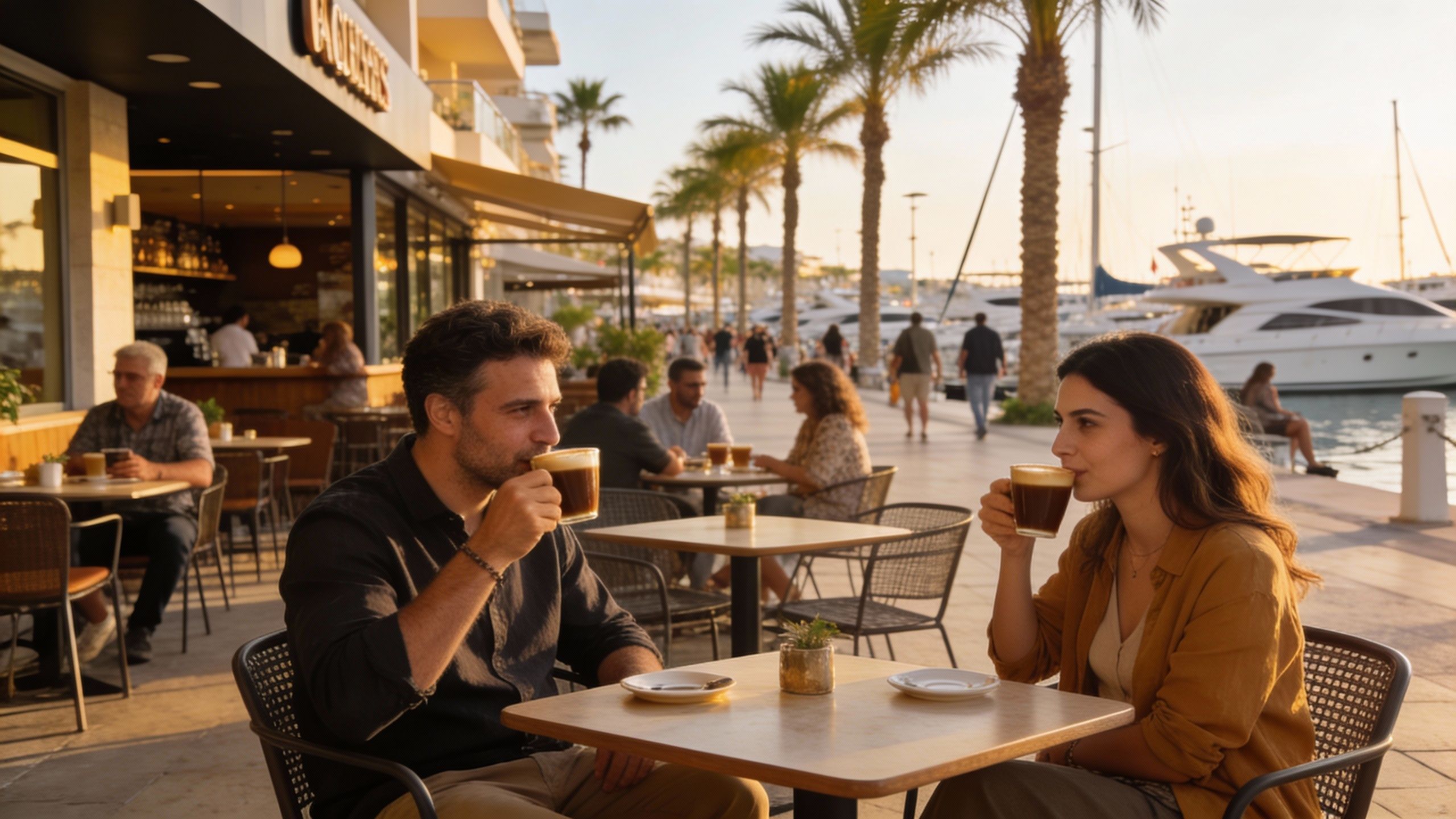
Imagine sitting at a shaded table on Limassol’s marina as summer chatter rises and developers roll out glossy brochures. The island feels small, sunlit and immediate: beaches, tavernas, and pockets of new glass-and-stone developments that promise turnkey Mediterranean life. But that very summer buzz distorts how new builds are priced and sold—especially to buyers arriving from abroad with seasonal impressions.
Living the Cyprus life
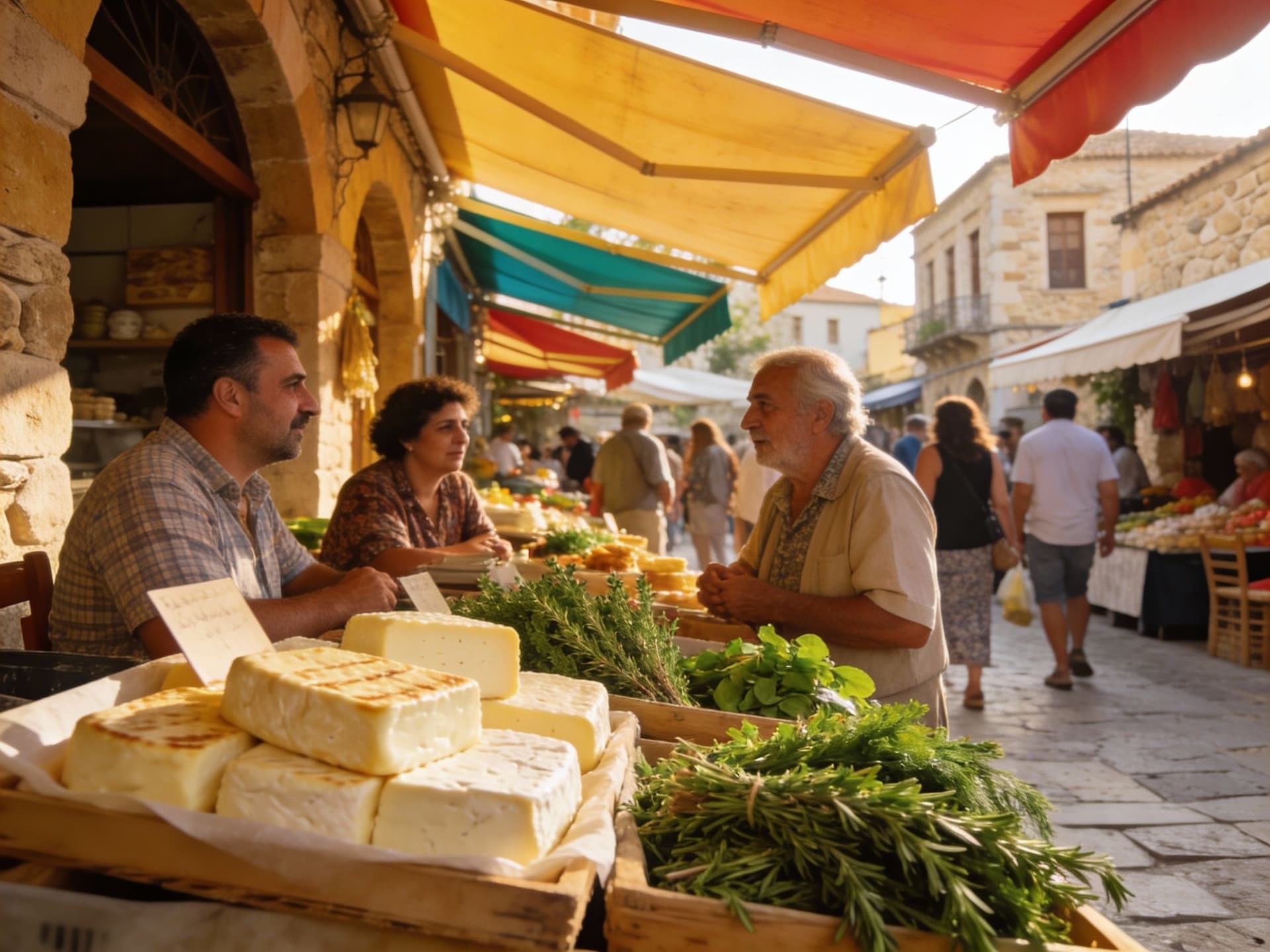
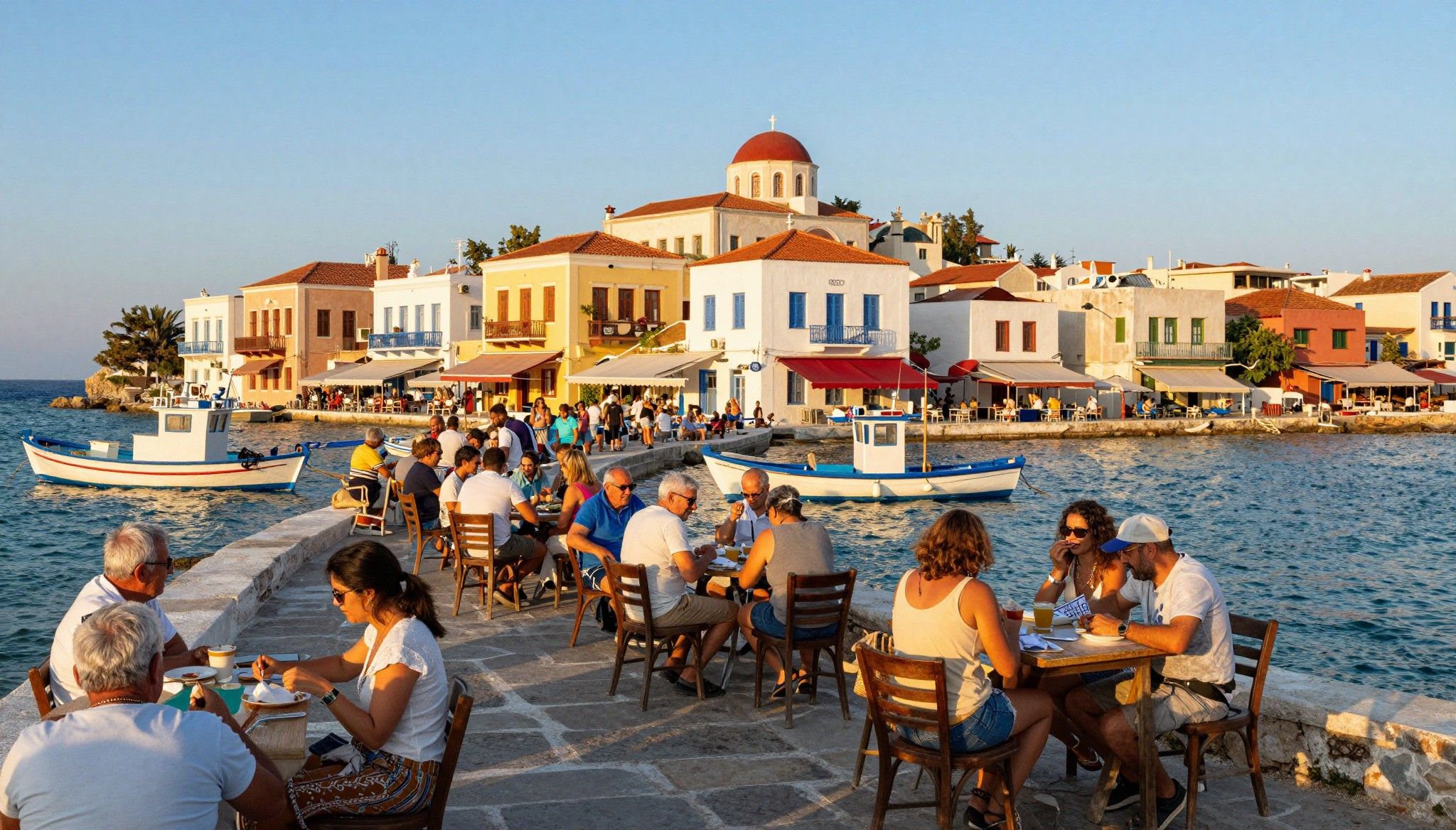
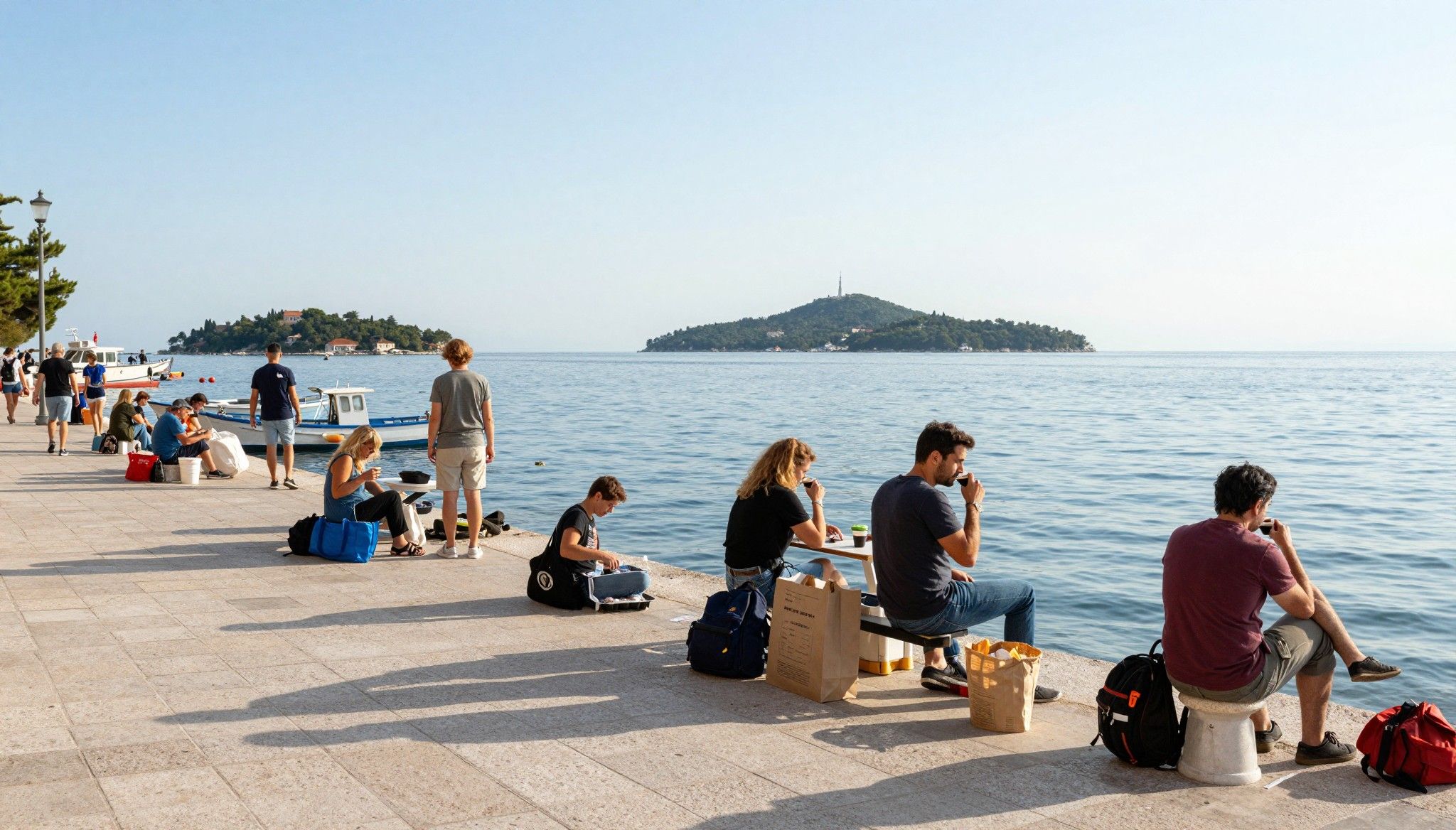
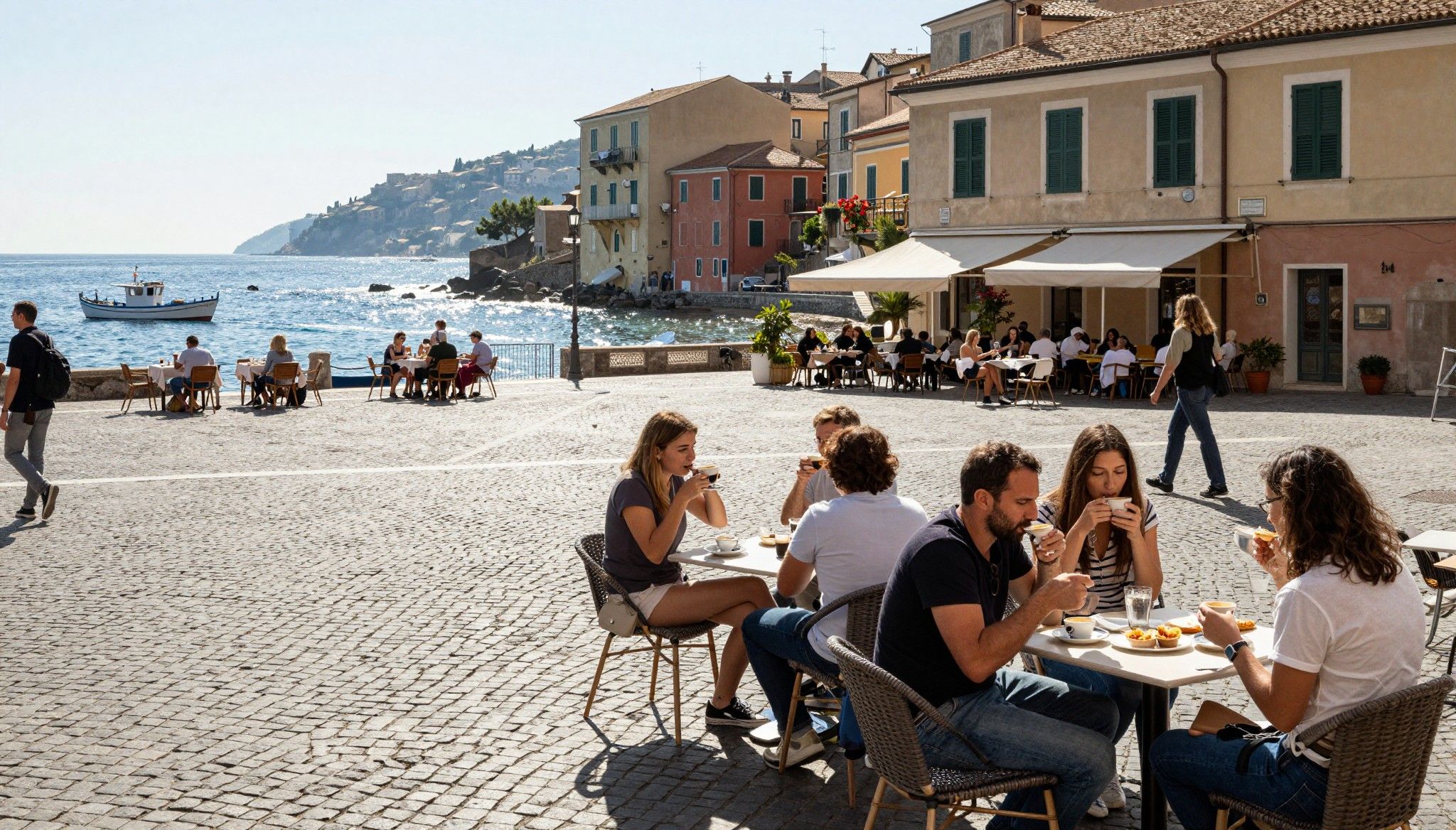
Cyprus moves at a confident, sunlit pace: morning cafés in old Nicosia, late-afternoon swims in Paphos, and long dinners that end when the olives are gone. Streets change mood by hour—Larnaka’s Finikoudes is lively at dawn with fishermen and joggers, while Lemesos (Limassol) shows its international face at cocktail hour around the marina. That combination of intimate village rituals and modern coastal scene is what draws many international buyers who want a life that feels both rooted and breezy.
Neighbourhood snapshots
Paphos keeps an old-town rhythm—narrow alleys, Byzantine ruins and cafés where neighbours gossip—yet it’s also the island’s strongest long-stay tourism magnet. Limassol mixes waterfront luxury with old souk streets; buy near Agiou Andreou for authentic weekday life or Trianon for seafront modernity. In Larnaka, the Salt Lake and Finikoudes promenade give a quieter coastal routine, attractive to remote workers seeking calm with cafés and fast connections.
Food, markets and weekend rhythms
Weekends in Cyprus are sensory: farmers’ markets full of halloumi and herbs, seaside fish tavernas where octopus is grilled over vine cuttings, and villages that host seasonal festivals. The island recorded strong tourist inflows in 2024—over four million arrivals—so many local food scenes now balance year-round neighbourhood life with a clear tourist seasonality that affects short-term rental demand and neighbourhood feel. That mix is central when sizing up new developments: are they built for residents or for the tourist calendar?
- Lifestyle highlights to scout
- Morning espresso on Agiou Andreou (Limassol) — streets that reveal where locals actually live
- Sunday market in Tala (Paphos) — great indicator of local supply chains and community rhythm
- Evening promenade at Finikoudes (Larnaka) — shows seasonal tourist intensity and dining options
When lifestyle meets the pipeline: practical realities
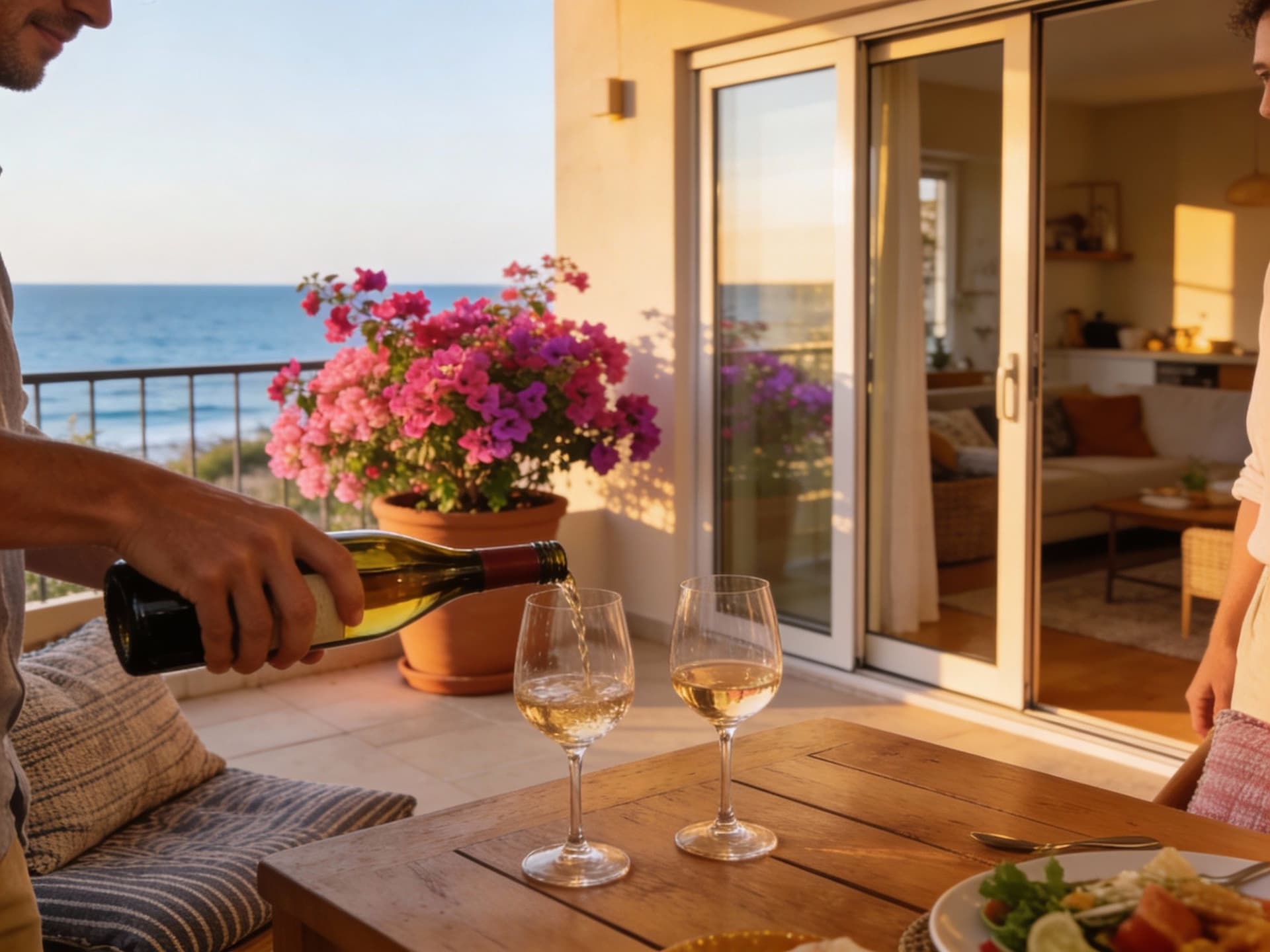
The island’s development pipeline is active—hotels converting to serviced apartments, coastal new builds, and inland villas aimed at lifestyle buyers. But new supply is not uniform: many schemes target summer demand or short-term rental returns which can make on-paper yields look attractive in high season and misleading for year-round owners. Understand the pipeline's buyer profile before you sign.
Property types and how you’ll live in them
Seafront apartments deliver the marina lifestyle—cafés and evening walks—but often come with management fees and seasonal service focus. Village houses in Troodos or Paphos offer year-round community life and lower running costs but may need insulation upgrades for winter. New build complexes often advertise pools and concierge; check whether those amenities are maintained off-season or funded by transient rental revenue.
Local experts who translate lifestyle into value
A local agent who knows the pipeline can tell you which projects are developer-led for tourists and which are resident-oriented. Lawyers familiar with Cyprus’ land registry and cross‑border purchases help avoid the north/south title pitfalls that still surface in cases about properties in the north of the island. Use advisors to match your lifestyle aim—full-time living, seasonal retreat, or rental income—to the right product.
- How to shortlist developments (step-by-step)
- Define when you’ll live there (months per year) and test the neighbourhood at that time; a summer visit alone is misleading.
- Ask developers for occupier mix and historical short-term rental occupancy for comparable projects.
- Request service-charge forecasts and contingency reserves for amenity upkeep—tourist-led projects often underbudget off-season maintenance.
- Review transport and utility resilience: water stress and desalination are active policy topics affecting coastal resorts and hotels.
Insider knowledge: what expats wish they’d known
Many expats arrive enchanted and then find seasonal peaks and legal nuance reshape reality. The north/south division of the island continues to produce legal complexity for properties advertised off-island—buyers should confirm title chains and avoid offers that seem too easy. Local expats often recommend living in an area for a month before committing: it quickly reveals whether the quieter winter months match your idea of everyday life.
Cultural rhythms that affect daily life
Cypriot social life is neighbourly and food-centred: invitations to village festivals or long lunch are common and important for community integration. English is widely spoken, easing the transition, but learning basic Greek opens doors at markets and with older residents. Public services can be slower than in big EU capitals, so factor that into expectations for property renovations and permits.
Long-term lifestyle and market outlook
Economic forecasts point to steady growth and resilient tourism, which supports long-term demand for housing near coastal hubs. But that strength also attracts speculative development targeted at short-season returns. For a sustainable lifestyle choice, favour projects with a clear resident mix, robust community amenities, and evidence of year-round occupancy rather than purely seasonal marketing.
- Red flags to watch in the pipeline
- High advertised yields based on summer months only
- Developer-funded amenities with unclear long-term funding
- Projects near disputed-title areas or marketed across the divide
- Water-resilience unanswered—ask about desalination or municipal supply plans
Picture the end state: coffees at dawn on a quiet street, neighbours you know by name, and year-round routines that match how you want to live. For many buyers that vision exists in Cyprus—if you choose supply aligned to that life rather than supply designed for July and August. The island’s record tourism years (4+ million visitors in 2024) are a strength, but they’re not a substitute for on-the-ground, off-season checks.
Quick checklist before you commit
- Visit the neighbourhood in a quiet month (November–March) and again in peak summer; compare noise, services and occupancy.
- Request historical occupancy or comparable sales for the development, not just projected figures.
- Confirm title history with a specialised lawyer—avoid cross‑border claims or properties with unclear registry records.
- Get a local construction/energy report: assess insulation, water supply plan and cooling/heating needs for year-round comfort.
If you want the lifestyle—and the data to back it—work with an agent who can show comparable off-season occupancy, introduce you to local neighbours, and coordinate legal checks. That blend of lifestyle scouting and pipeline diligence turns a holiday feeling into a sustainable home choice.
Conclusion: fall for Cyprus, but bring a checklist. The island’s light, food, and community rhythms are real and attractive. To make them last you must see beyond summer brochures: test neighbourhoods out of season, prioritise resident-oriented developments, and use local specialists to de-risk legal and utility questions. Do that, and the life you imagine—market mornings, long dinners, slow Saturdays—becomes the life you live.
Norwegian market analyst who relocated to Mallorca in 2020. Focuses on data-driven market insights and smooth relocation for international buyers.