Why Croatia’s New‑Build Boom Isn’t What You Think
New‑builds in Croatia are shifting from summer‑first resorts to year‑round communities; read the pipeline through tourism, tax and infrastructure signals.
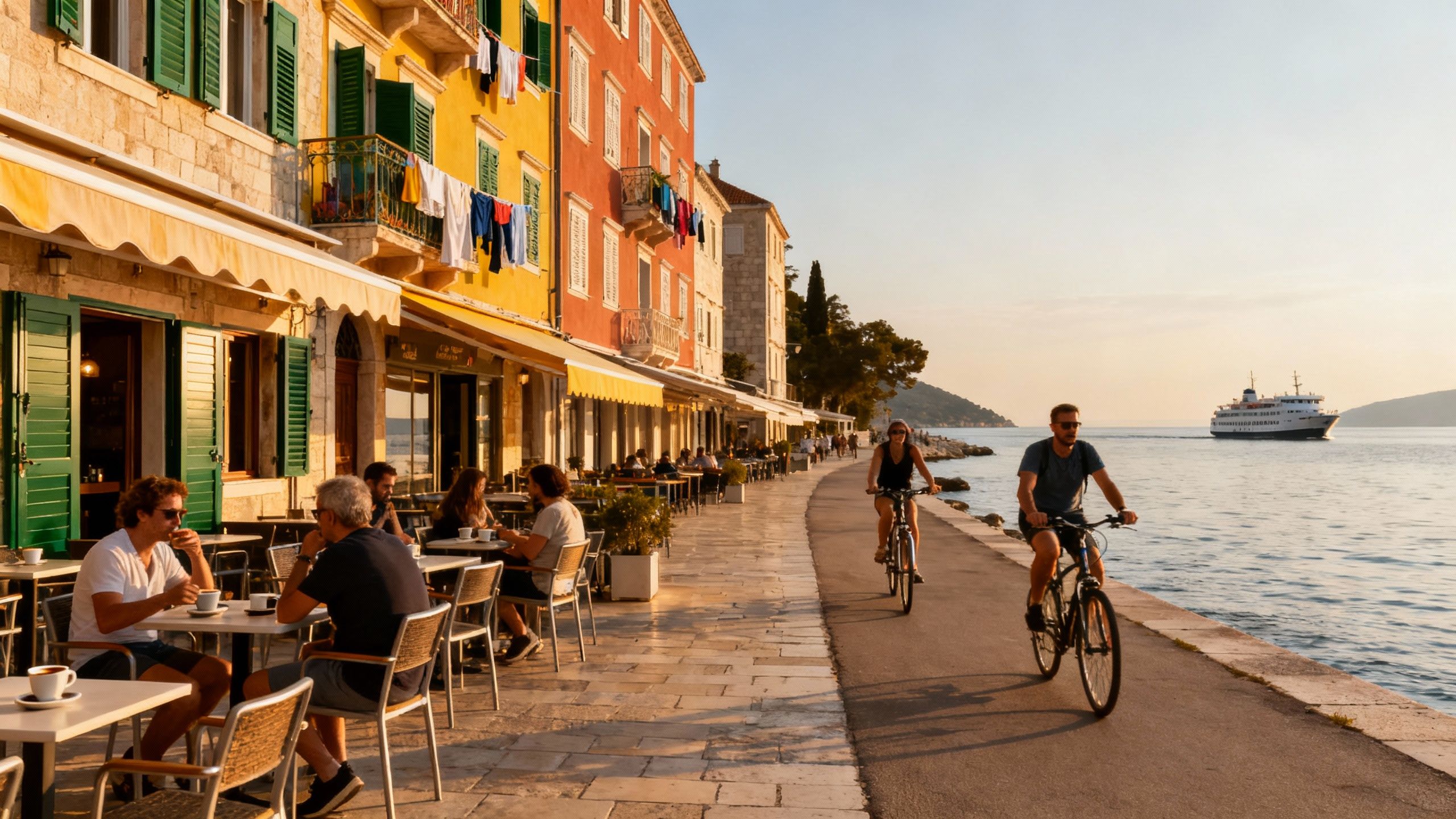
Imagine stepping out at 08:00 to the scent of fresh bread on Split’s Riva, then, two hours later, browsing a stone‑tiled market in Hvar for figs and mizzi cheese. That everyday Mediterranean rhythm — espresso and sea, late lunches and neighborhood aperitifs — is the emotional reason people buy here, but the practical story underneath is changing fast. New‑build projects along the Adriatic, shifting tourism seasonality and recent policy moves mean the pipeline you see today won't look the same in three years. Knowing which developments actually deliver the life you want — not just a sea view — is what separates a smart purchase from regret.
Living the Croatia lifestyle: why place matters
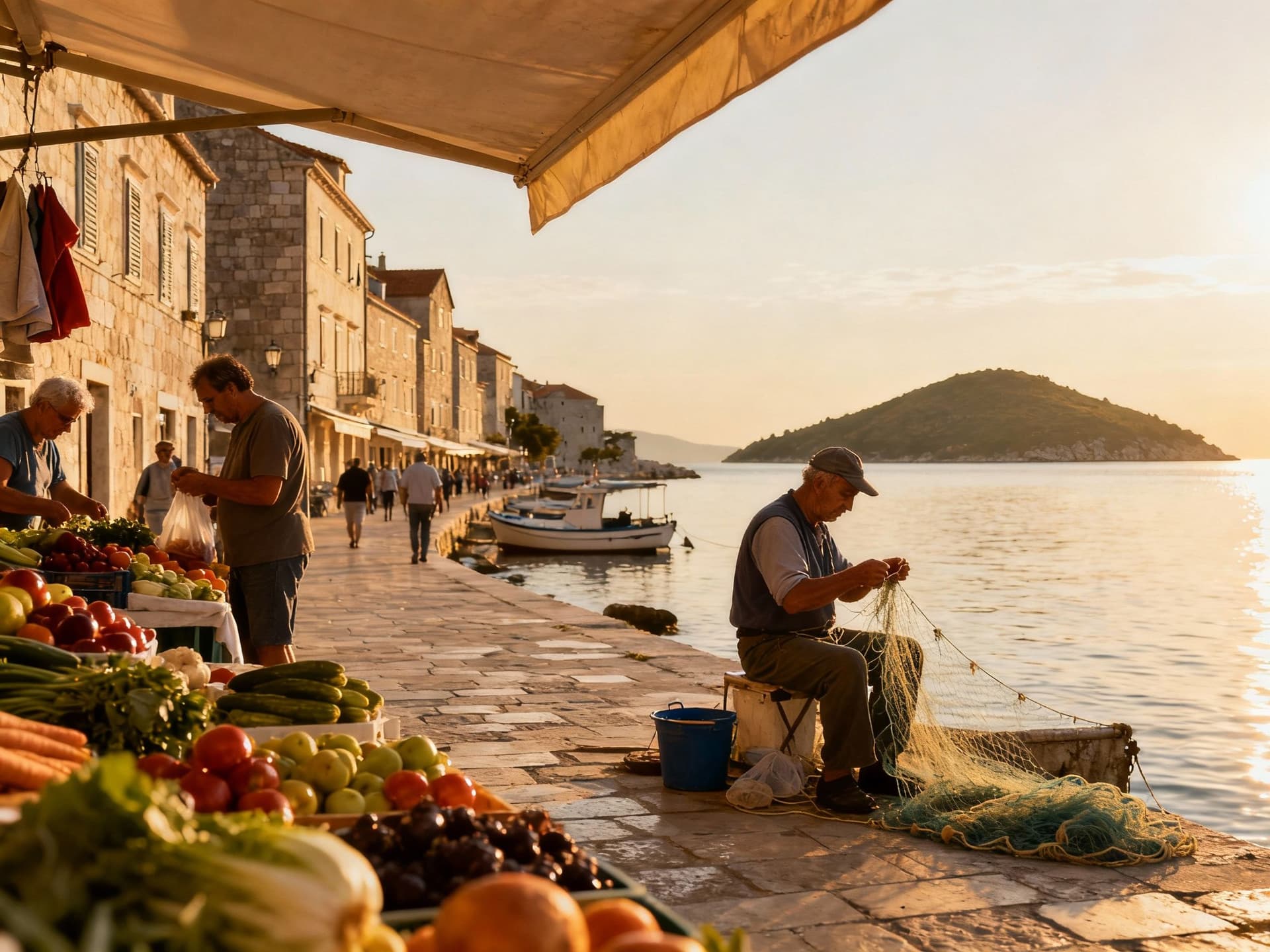
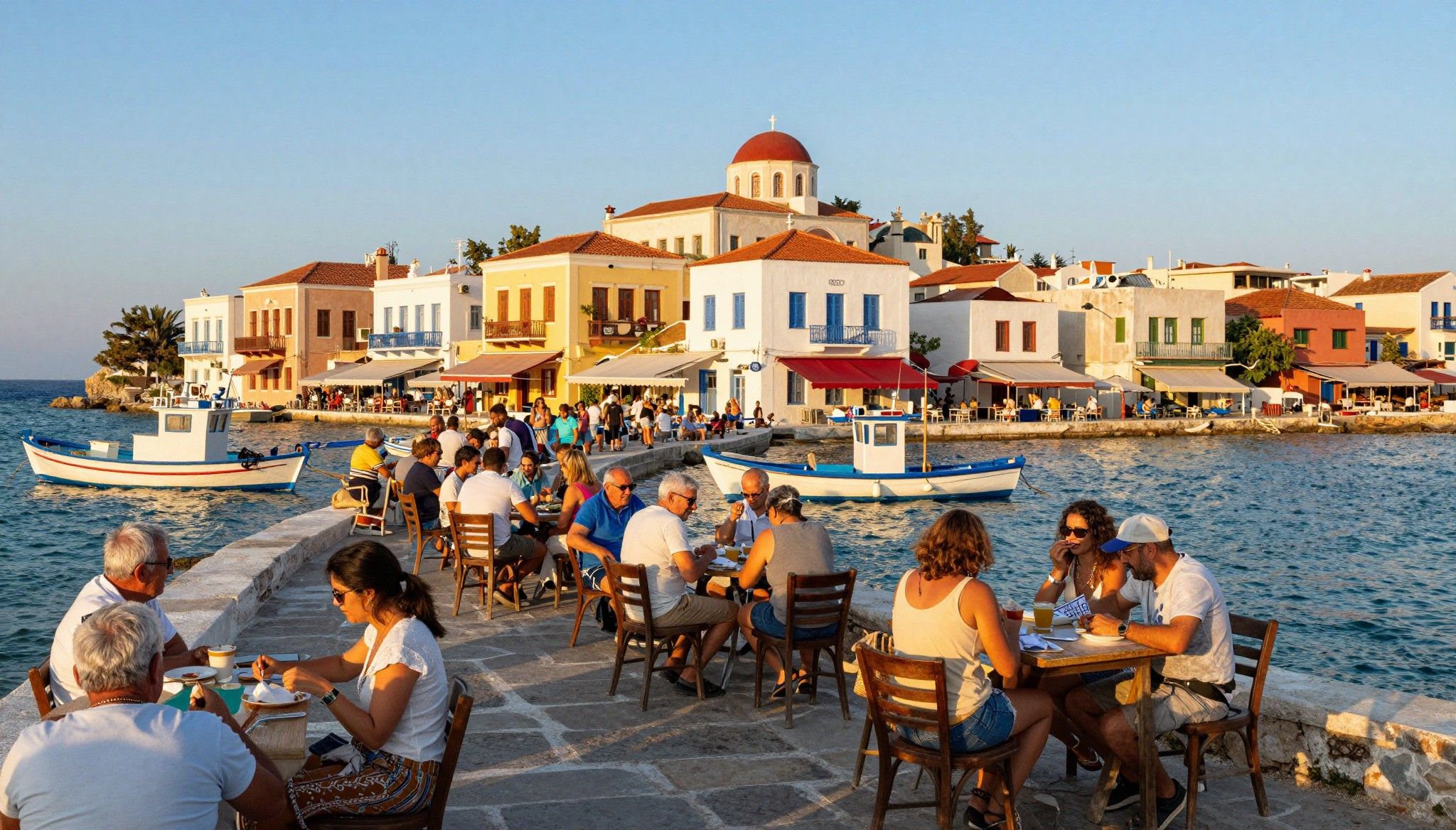
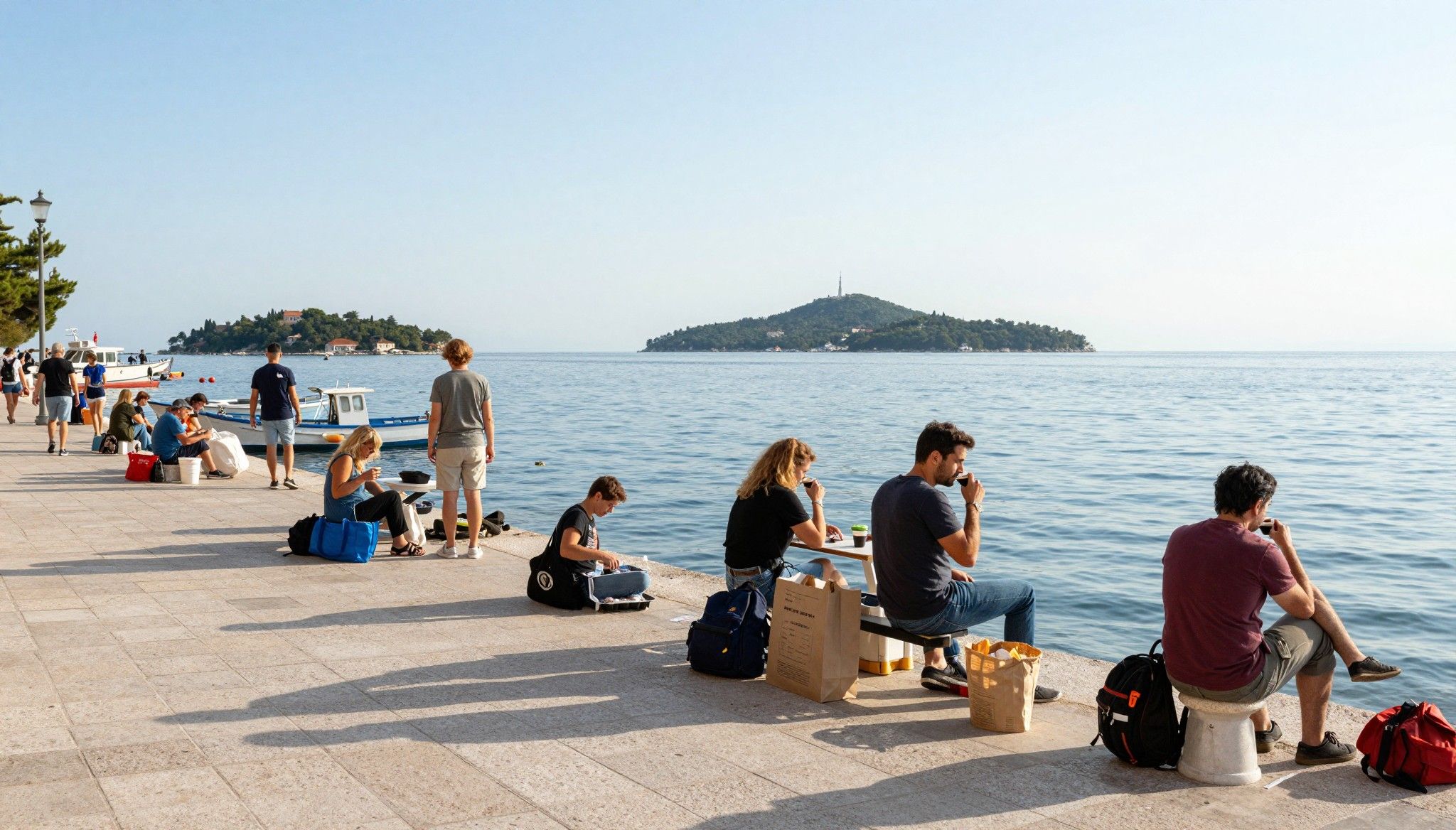
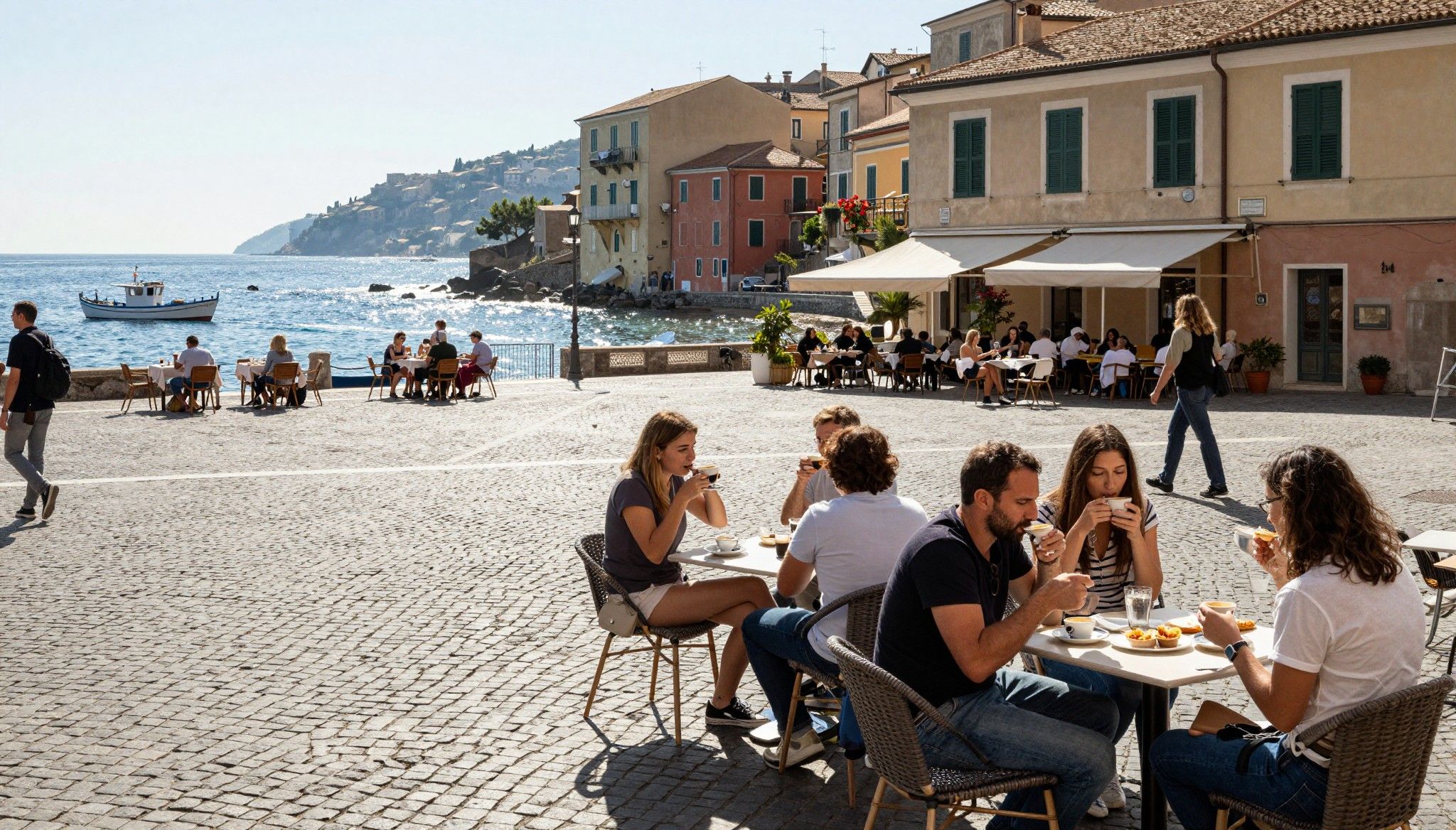
Life in Croatia translates as movement between coastal rhythms and small‑city comfort. Summers pulse with boating, outdoor cafés and festivals on islands like Brač and Hvar; autumn and spring soften the calendar, bringing farmers’ markets, truffle foraging in Istria and quieter harbors where locals rediscover their towns. Tourism is broadening into a year‑round economy — arrivals and nights rose in 2024 — which changes demand patterns for both short‑term rentals and homes that are truly lived in outside July and August. If you want an everyday life here, look beyond postcard panoramas to streets, markets and routines that sustain a community through all seasons.
Coastal towns vs. island life: neighborhood nuance
Split’s Veli Varoš still smells of wood smoke and salted fish, while Seget Donji (near Trogir) has become quiet family territory with newer villas and a slower pace. On islands, places like Stari Grad on Hvar keep medieval lanes and small cafés; nearby bays host contemporary developments aimed at buyers wanting access to marinas. These micro‑differences matter: winding streets mean limited parking and renovation premiums, while newer promenades offer easy parking, elevators, and predictable maintenance costs.
Food, markets and social life — how daily habits shape property choice
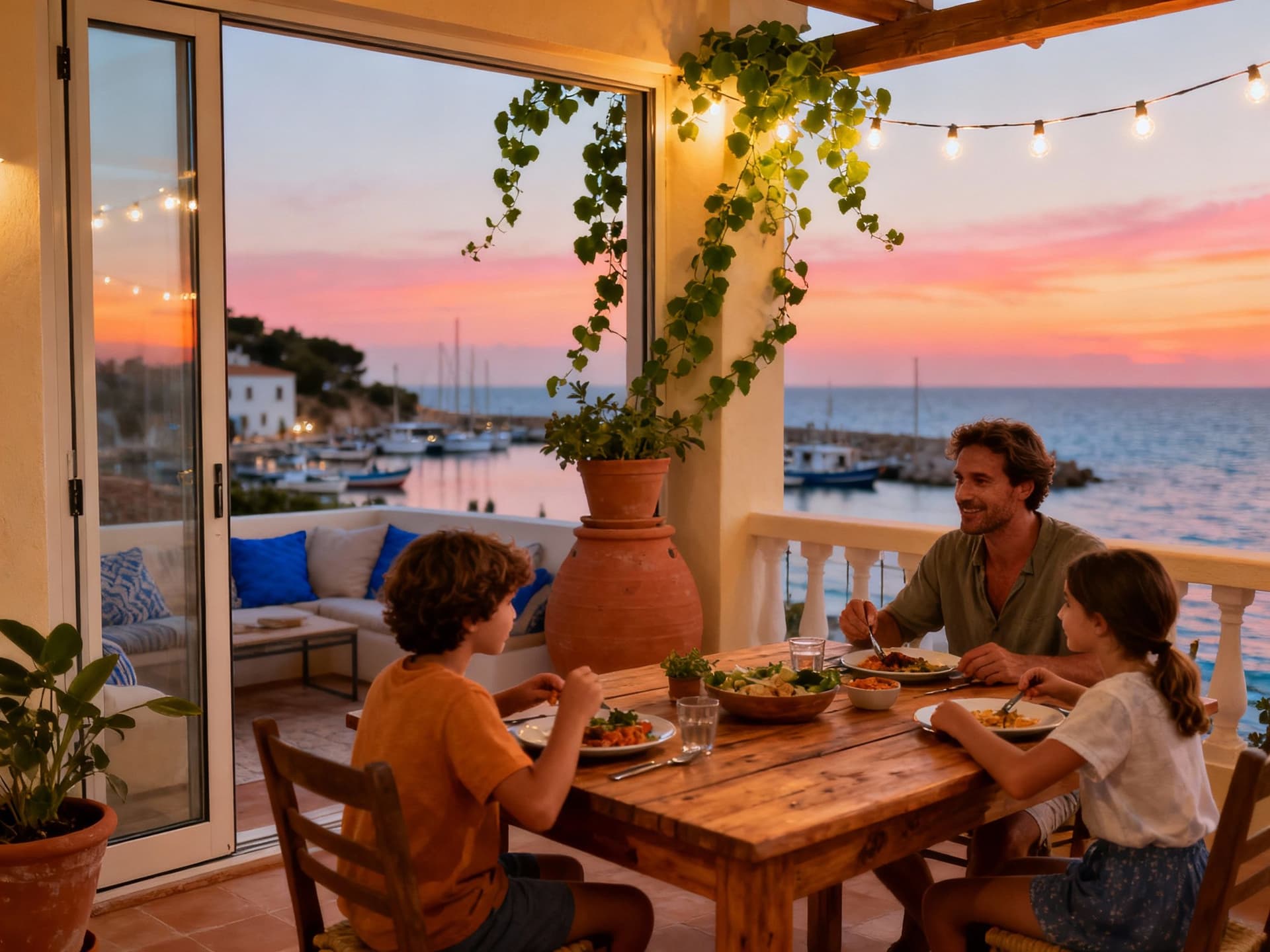
If your day starts at Dolac Market in Zagreb or at Split’s farmer stalls, an apartment with secure storage and a small kitchen garden matters more than a glass‑faced balcony. If you envision evenings on terraces near Konoba restaurants, seek homes with outdoor kitchens or terraces oriented to sunset. Practical features — store rooms, shaded pergolas, reliable hot water — are lifestyle multipliers, not afterthoughts.
Dolac Market (Zagreb) morning routine; Split’s Riva espresso bench; Hvar’s Stari Grad lane for evening strolls; Zlatni Rat (Brač) for weekend windsurfing; Istrian truffle markets (Buzet) in autumn; Trogir’s Friday fish market
Making the move: practical considerations in the new‑build pipeline
New developments in Croatia are not only architectural; they’re economic signals. The government’s recent proposals to shift tax burden toward property (announced in 2024) and stronger rules around short‑term lets change developer incentives and how new builds are marketed. That means the same shiny project may be designed for long‑stay residents one year and short‑term rental buyers the next, so you need to read the pipeline with policy context in mind. Look for developments with transparent covenants and clear HOA rules that align with your intended use.
Property styles & what they actually deliver
New coastal projects commonly offer apartment blocks with shared amenities — pools, lobbies, gated parking — while inland family homes lean toward modernized stone houses. A common mismatch is buyers who choose speculative ‘resort’ finishes expecting low maintenance, then find high communal fees and seasonal closure policies. Check build warranties, material specs and energy ratings; in Croatia, quality insulation and A/C planning matter because summers are hot and winters can be damp in older masonry buildings.
Working with local experts who understand real life, not just floorplans
1) Use an agency experienced in new developments and local planning rules; 2) Ask for completed‑unit photos and recent homeowner references; 3) Confirm utility capacity — water, waste and electricity — for peak season; 4) Get a clear HOA covenant in writing that specifies rental rules and maintenance lines; 5) Factor in seasonal operating costs (pool care, winter heating, pest control) before you sign
Insider knowledge: expat lessons and pipeline red flags
Many expats tell the same three things: (1) don’t buy the show apartment without checking a lived‑in unit; (2) streetscape matters more than panorama — a lively quay keeps you connected year round; and (3) regulations and community rules change the lived experience. Tourism data shows Croatia is moving toward stronger off‑season demand, which affects rental economics and the viability of developments marketed only on high‑season yields. Those shifts create opportunities in overlooked neighborhoods where everyday life is stable and year‑round.
Common red flags in project pipelines
No clear proof of permits or phased approvals; vague maintenance budgets; developer financing tied to pre‑sales without escrow; unrealistic rental yield projections tied only to July–August; lack of demonstrated utility infrastructure for peak season
How to read promoter promises like a local
Ask to see the final energy certificate, municipal building permits and a recent utility bill for the development. Speak with neighbours in completed phases and request the HOA minutes if available. If the developer cannot provide references from owners in the same micro‑location, treat marketing language about ‘vibrant marina living’ with caution — real vibrancy shows up in year‑round foot traffic, grocery options and a permanent community, not just a summer crowd.
1) Verify permits and certificates with local municipality; 2) Request recent delivered‑unit photos and owner references; 3) Check past sales performance of the developer in the same county; 4) Confirm utility capacity and peak‑season service notes; 5) Review HOA covenants and reserve fund policies
Longer view: where the Croatian pipeline points next
With tourism spreading into shoulder months and government signals prioritising long‑term housing over short lets, expect developers to reposition projects toward year‑round residents and mixed‑use finishes. That will favour quality construction, energy efficiency and communities with genuine services (schools, clinics, supermarkets) nearby rather than isolated resort enclaves. International buyers should watch for completed projects with certified energy performance and clear municipal connections — these will age better, both in lifestyle and resale.
Where to look now (contrarian ideas)
Smaller ports like Kaštel Lukšić for daily life rather than Dubrovnik’s tourist core; continental towns near Zagreb (Samobor, Varaždin) for year‑round community and value; Istrian hill towns (Motovun) for truffle season and artisanal food life; peripheral islands with growing year‑round populations (e.g., Vis) for a slower, sustainable pace
What expats wish they'd known five years earlier
Buyers often underestimate the social infrastructure needed to live well year‑round: a reliable GP, a grocery open in winter, community events and transport. Properties that looked like bargains when marketed to summer tourists later demanded extra spending on winterisation, insulation and alternate heating. Choosing a property is a lifestyle decision — make room in your budget for the cost of making it feel like home across all seasons.
Conclusion: fall for the life, not the listing. Croatia sells a daily rhythm — cafes, markets, sea, seasons — but the best new builds support that rhythm through solid construction, transparent governance and infrastructure for year‑round living. Start with neighbourhood reconnaissance, insist on hard documents (permits, energy certificates, HOA rules), and prioritise developers with proven delivery in the county you’re buying into. If you want help filtering the pipeline by lifestyle fit — whether island calm, coastal activity, or inland community — work with an agency that measures listings against the lived reality, not the brochure.
Swedish strategist who relocated to Marbella in 2018. Specializes in legal navigation and tax planning for Scandinavian buyers.