Why Autumn House‑Hunting Reveals Hidden Value in France
Autumn house‑hunting in France exposes seasonal price distortions—use quarterlies, local notaire data and a season trial to find value beyond summer hype.

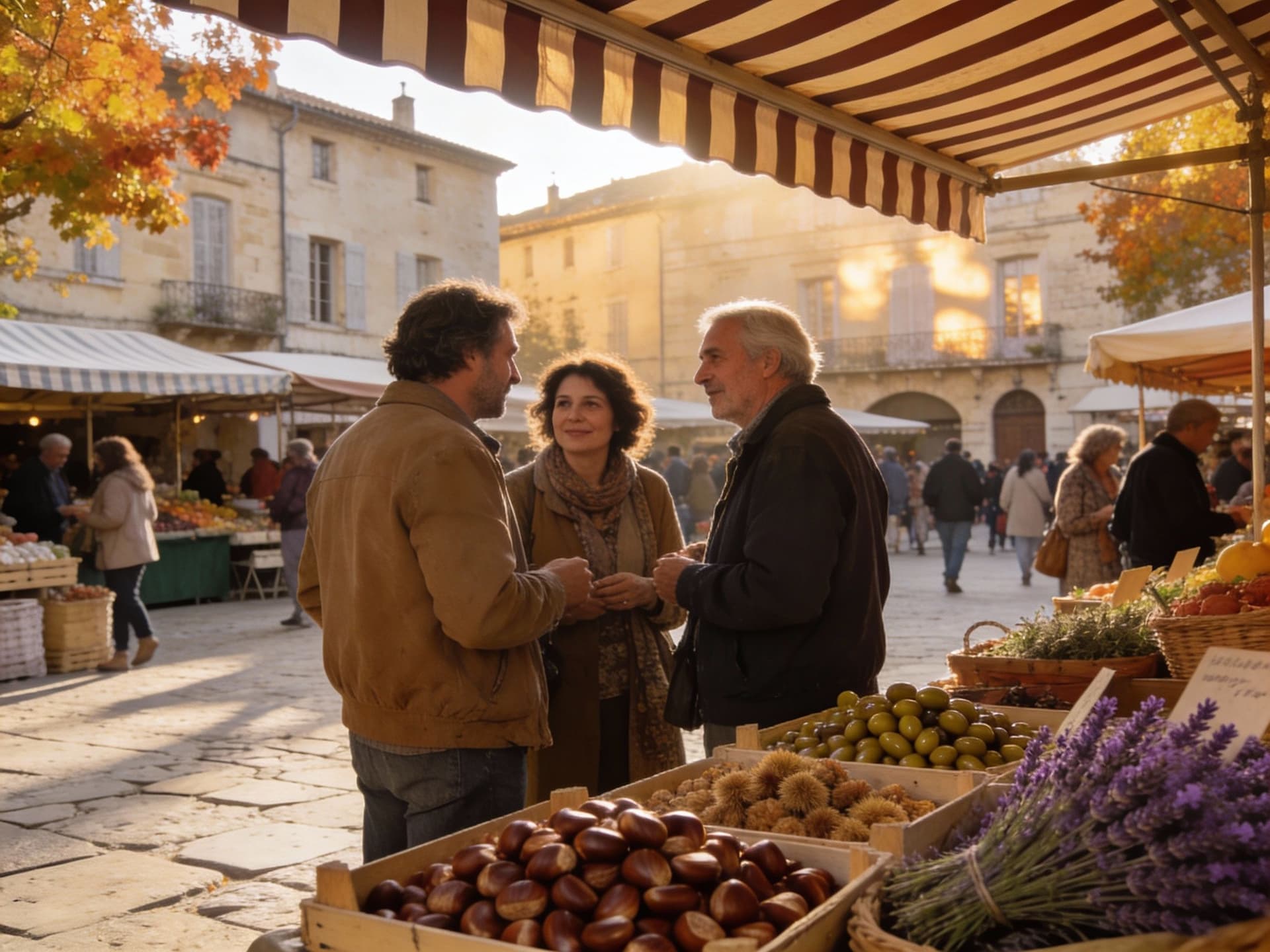
Imagine an October morning in Aix‑en‑Provence: market stalls spill chestnuts and saffron air, a boulanger hands you a warm croissant, and the rhythm of town life feels tangible. That same month, across Brittany, rugged coves are quiet and coastal homes show their true week‑to‑week demand—far from the summer postcard prices. Seasonal shifts like this reveal price signals national headlines miss, and smart international buyers read the seasons before they read the listings.
Living the France lifestyle — seasonally honest
France isn’t one market; it’s a thousand neighbourhood markets that breathe with festivals, harvests and school calendars. Summers swell demand on the Riviera and island destinations; autumn and winter quietly shift value toward market towns, renovated villages and commuter towns where locals live year‑round. For buyers wanting life as much as asset, autumn house‑hunting shows how properties perform off the postcard.
Provence & Aix: markets that slow into nuance
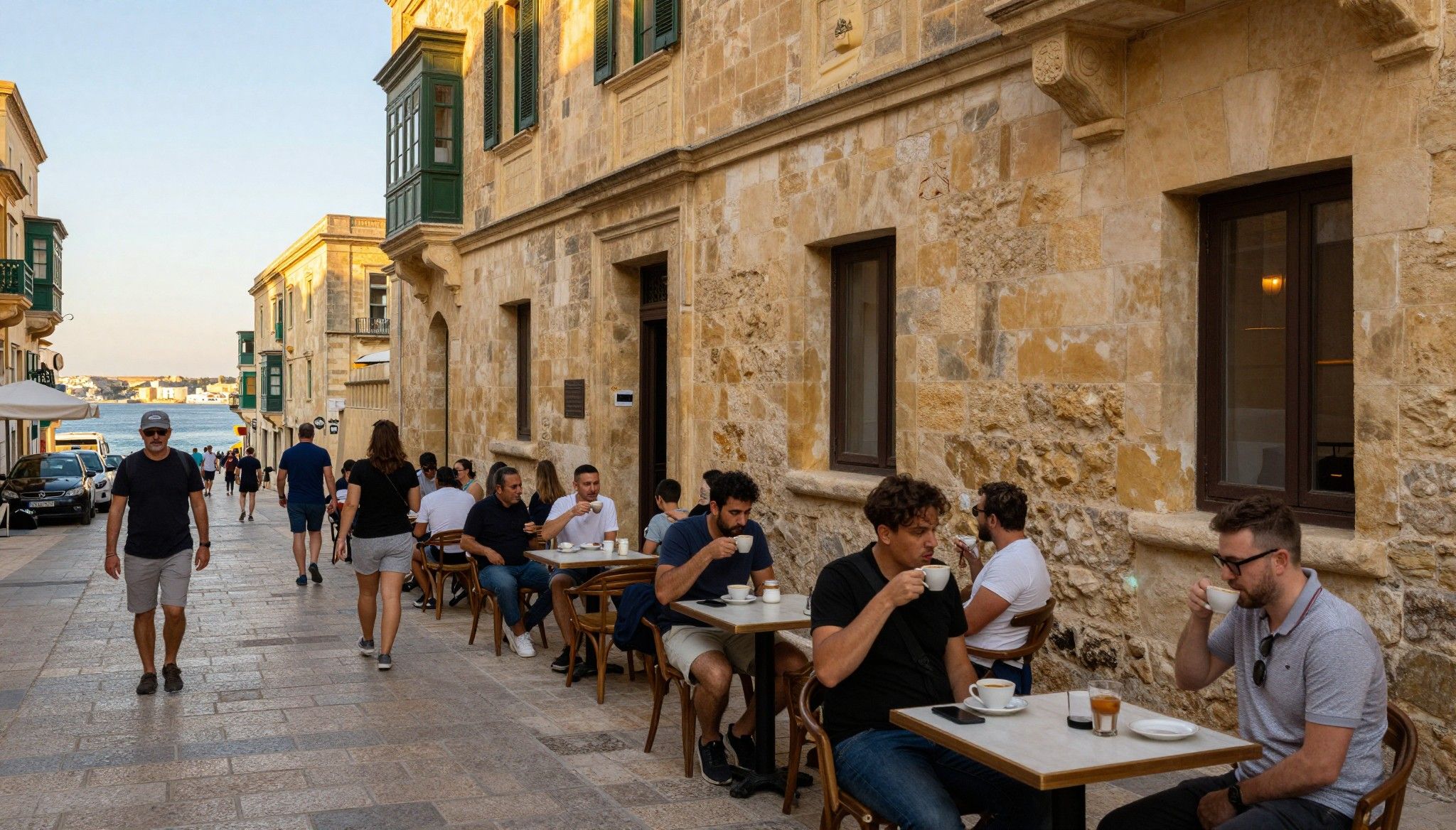
In Provence, the late‑season calms make negotiations candid. Cafés in Cours Mirabeau quiet to conversations about heating systems, not pool maintenance. Sellers who list outside peak tourist months typically price with realistic comparables rather than summer‑inflated expectations—an advantage for buyers who arrive after August.
Brittany & Normandy: coastlines that tell a different story
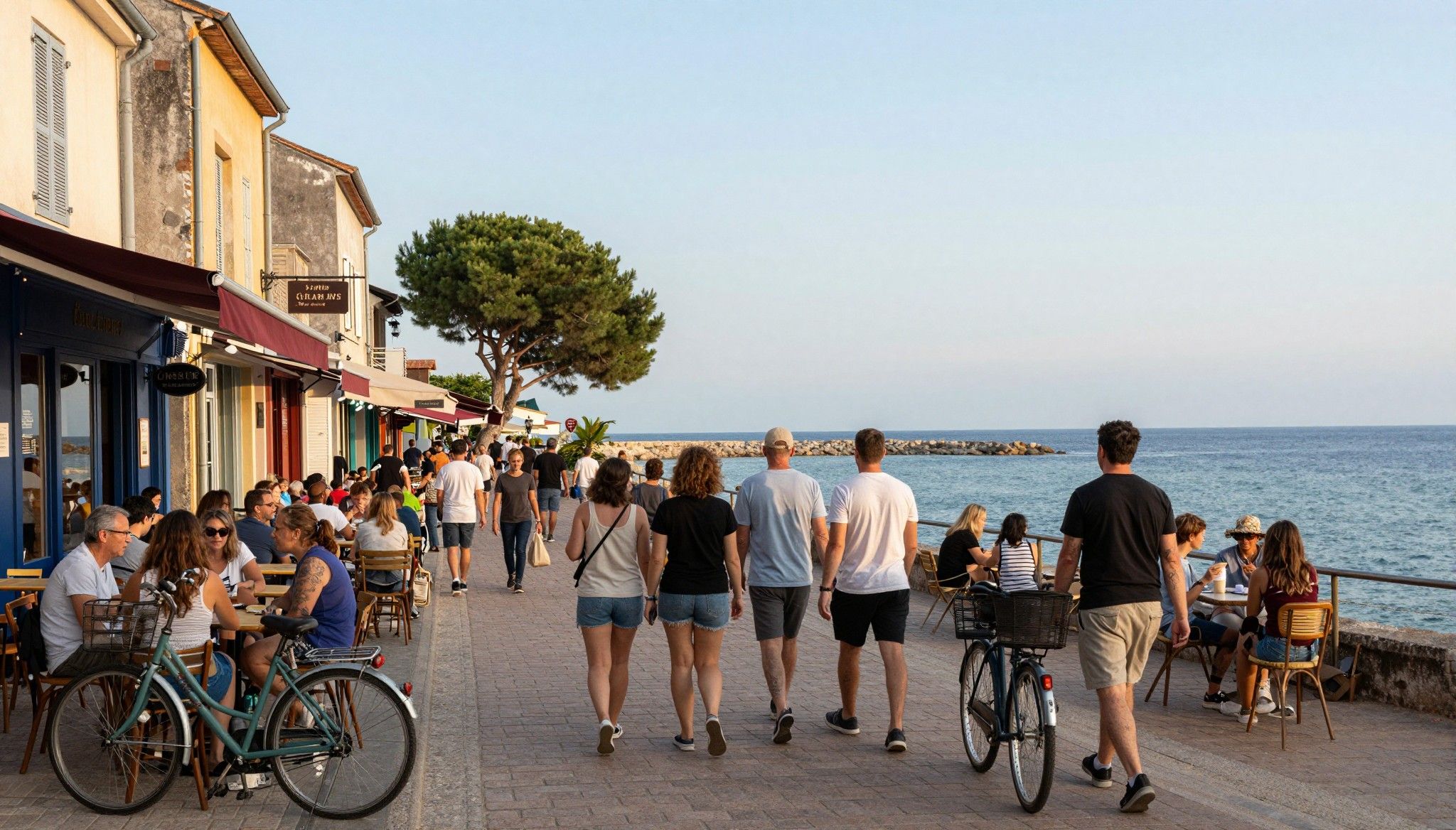
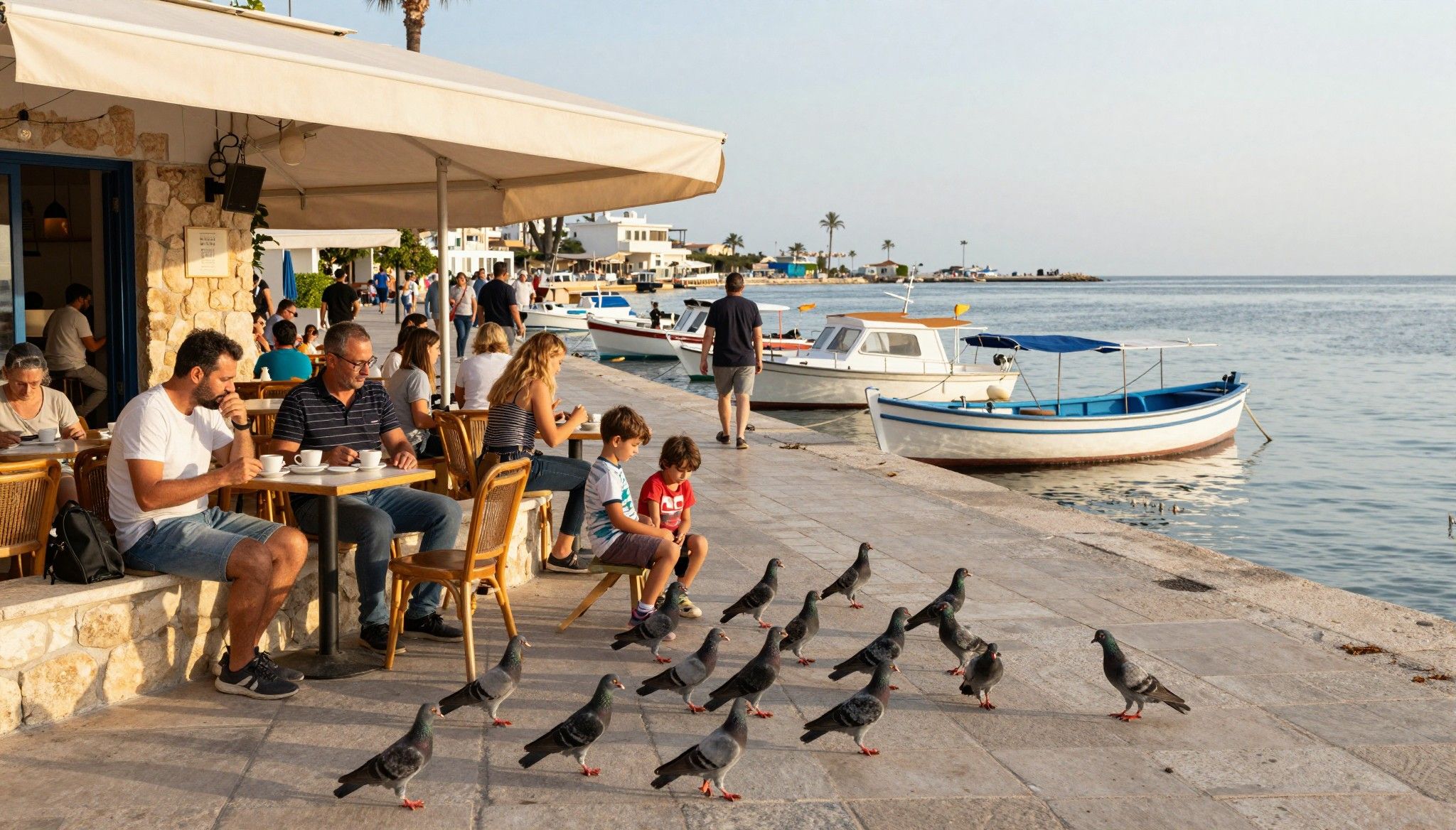
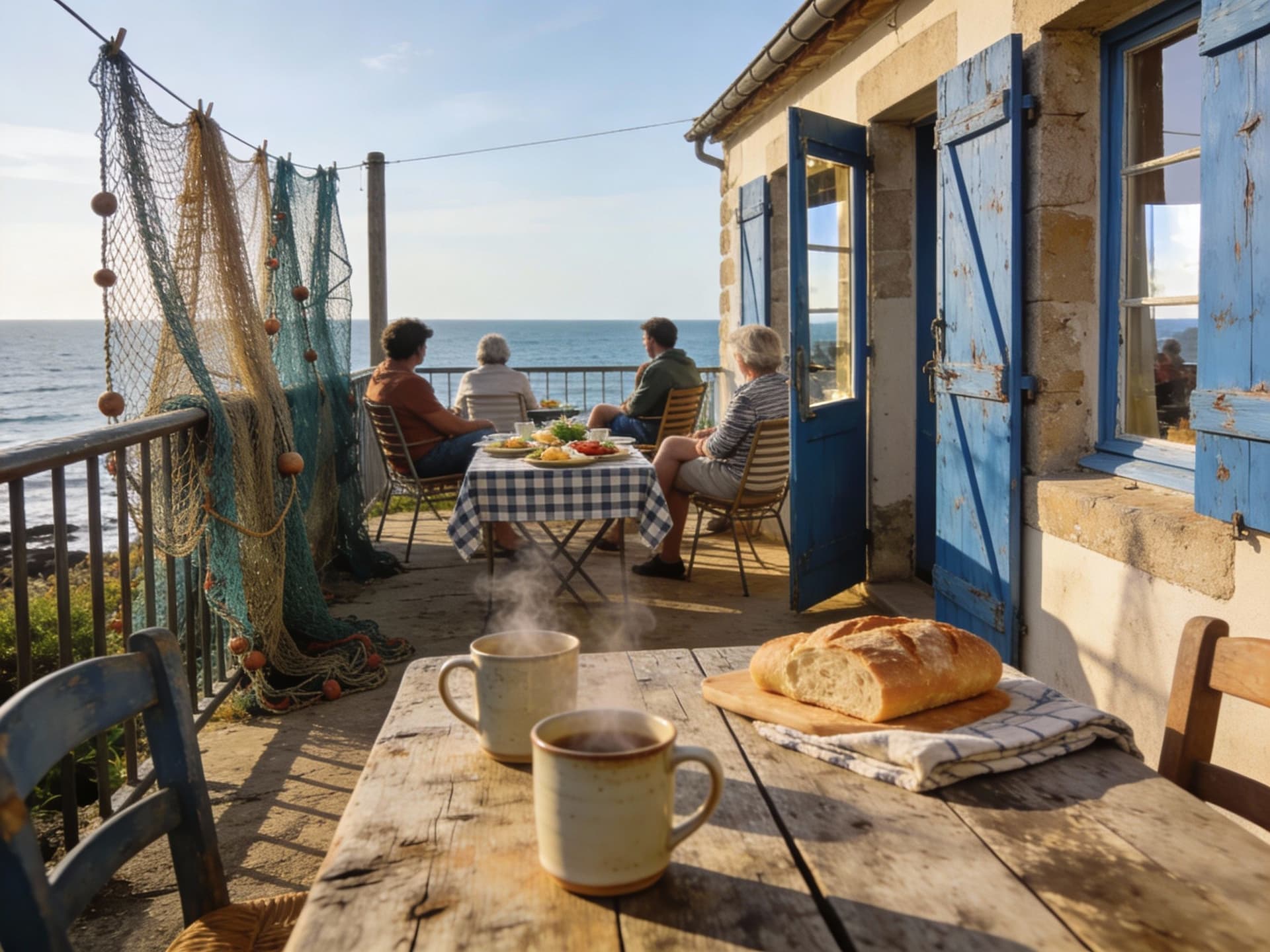
Northern coasts trade summer frenzy for winter resilience: local communities, fishing seasons and small‑town commerce keep prices steadier across the year. A seaside cottage listed in November often exposes maintenance issues and reliable running costs that vanish behind summer bookings and inflated yields.
Price signals: what the data shows when you look by season
Headline annual changes hide quarterly nuance. INSEE and the Notaires‑INSEE indices show that after several quarters of decline in 2023–24, price movements became quasi‑stable in late 2024—but regionally varied. That means national averages can mislead buyers about opportunity in specific departments and towns. Read seasonal indexes and quarterly changes, not just year‑on‑year figures, to spot where value is appearing off‑peak.
How to spot seasonal distortions in data
Look for (1) transaction volume by quarter, (2) price per square metre trends within the same town across seasons, and (3) listings duration. A town with stable prices but falling summer transactions and rising autumn supply signals sellers testing the market—an opening for buyers with patience.
- Practical indicators to check before you bid
- 1) Compare quarter‑on‑quarter transaction counts; 2) Check local notaires’ price tables for recent nearby sales; 3) Note average days on market by month; 4) Confirm seasonal rental occupancy if considering hybrid live/rent use; 5) Factor in festival or harvest weeks that spike short‑term demand.
Making the move: lifestyle‑driven, data‑backed steps
Treat buying in France like choosing a rhythm as much as an address. Start by living a month in your target season—October in Provence, March in Brittany—so you feel services, noise, and neighbourly patterns. Then layer data: recent comps, quarterlies from INSEE/Notaires and local agency feedback. That combination gives you both the lived picture and the negotiating edge.
Property types that reward seasonal buyers
Country houses with solid insulation and heating are easier to test in autumn; town apartments near weekly markets reveal community life off‑season; coastal villas with year‑round access show true maintenance costs when the tourist services close. Match the property type to the season you want to live in, not the season that sells best.
- Steps to combine lifestyle trials with market work
- 1) Spend two weeks in your chosen season; 2) Ask local agents for last‑season comparables; 3) Request technical reports (diagnostics) that reveal winter wear; 4) Make conditional offers tied to a short repair allowance; 5) Retain a local notaire and bilingual agent ahead of offer.
Insider knowledge: expat truths and neighbourhood realities
Expats often tell the same story: they fell for a summer postcard and later realised the town emptied for six months. The pleasant surprise for many is discovering towns where locals invest year‑round—places like Albi, Sète or Rochefort—where community life supports stable values and quieter winters that reveal true property condition and running costs.
Language, services and local rhythms
Master basic French phrases and local norms—greetings at the market open doors. Schools, medical services and municipal winter programmes determine whether a place feels full‑time livable. Ask whether the boulanger closes on Mondays in low season; those small facts affect daily life and long‑term resale.
- What expats often wish they'd known earlier
- • Peak tourist rents can mislead yields; • Winter utility costs matter more than summer terraces; • Local mayors and market days shape livability; • Off‑season photos hide damp, insulation and heating issues; • A local bilingual agent shortens inspection surprises.
High‑value Paris transactions occasionally skew national narratives—luxury purchases can make headlines while the rest of the market behaves differently. Read national press but weight local notaire tables and INSEE quarterlies when assessing a town’s real momentum.
Conclusion: autumn reveals what summer hides. If you love the life you taste in October, you’ll be less surprised by maintenance bills and neighbourly rhythm. Combine a season‑test with targeted data—quarterly transaction counts, recent notaire sales and days‑on‑market—to make offers that reflect reality, not postcard emotion. Work with a local bilingual agent and a notaire who understand seasonal patterns and will turn autumn insight into a confident purchase.
Dutch investment strategist with a Portugal-Spain portfolio. Expert in cross-border financing, rights, and streamlined due diligence for international buyers.