Croatia: Coast, City & Street-Level Price Truths
Croatia’s appeal is lifestyle-first but price trends vary: DZS data show strong but uneven growth; smart buyers pair neighbourhood choice with legal checks.
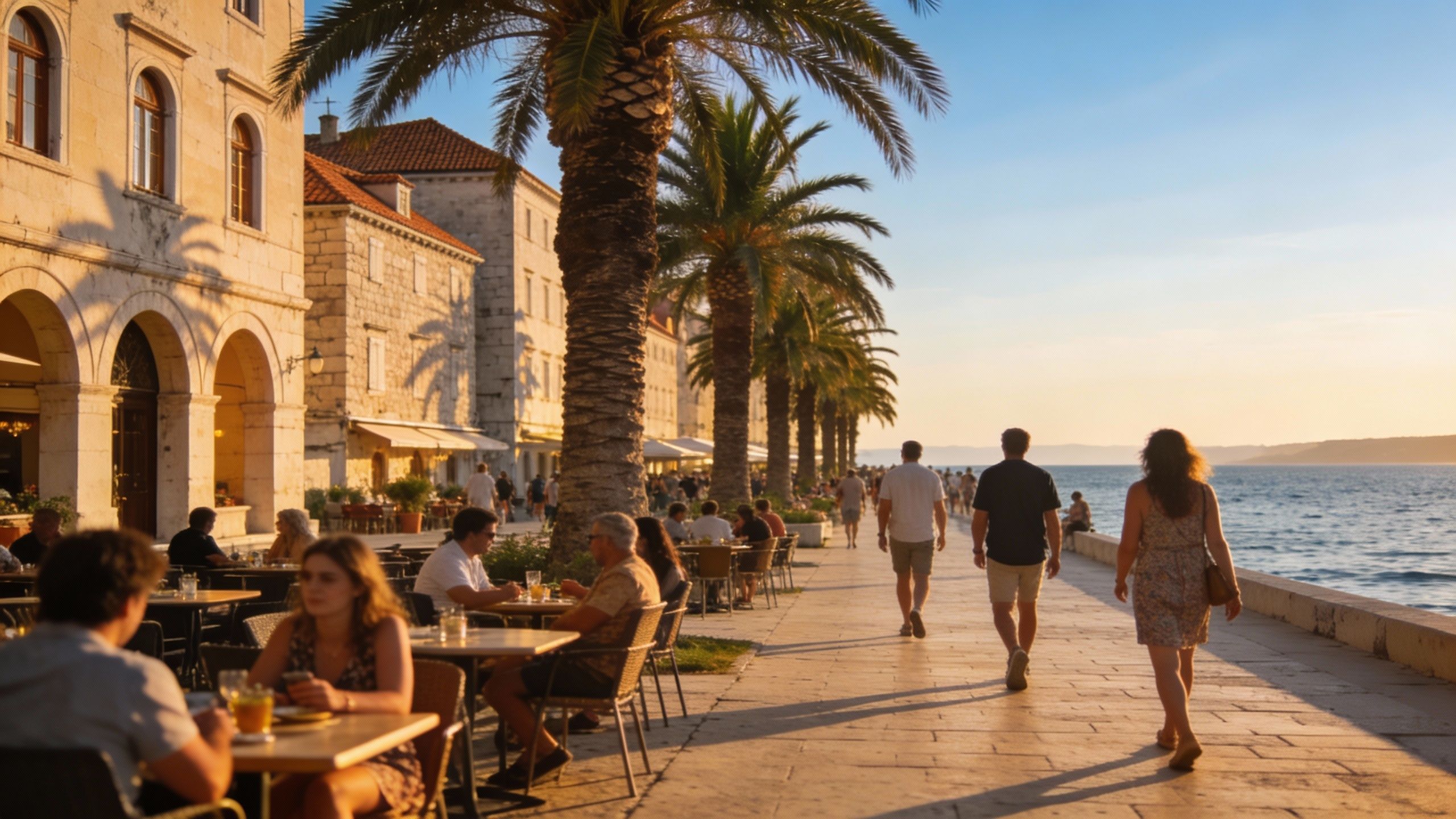
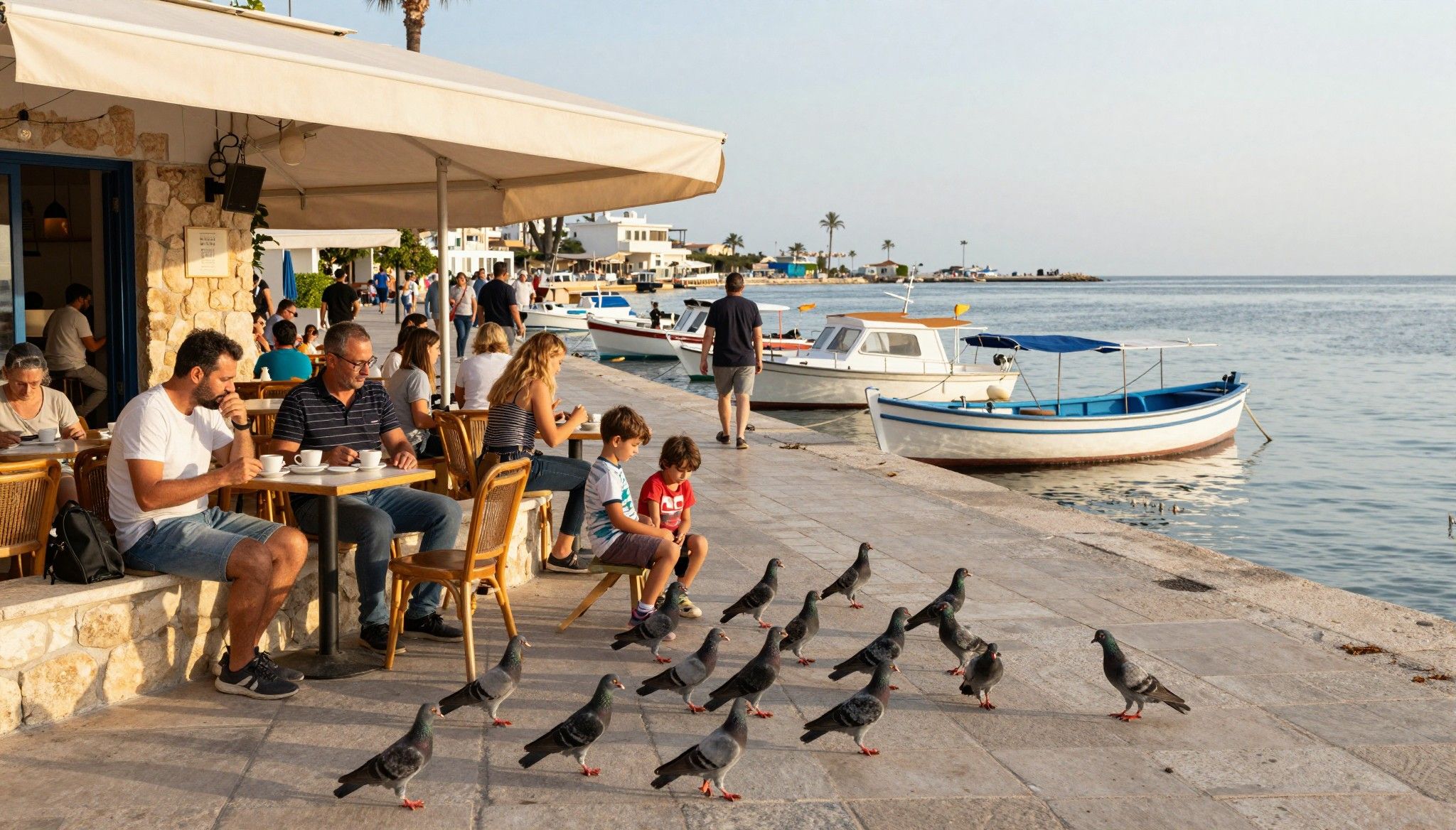
Imagine sipping an early-morning espresso on Split’s Riva, the sea air mixing with the smell of baked burek while fishermen drag in the day’s catch a few blocks away. That contrast — relaxed coastal life by day, efficient city rhythm by week — is Croatia’s everyday charm. But if you’re thinking the Adriatic is a single market where prices always skyrocket every summer, think again: recent national data show divergent price rhythms between Zagreb, the coast and inland regions, and policy changes are rewriting incentives for buyers and owners. This guide blends the lived-in, street-level Croatia with the hard numbers international buyers need to act confidently.
Living the Croatian lifestyle
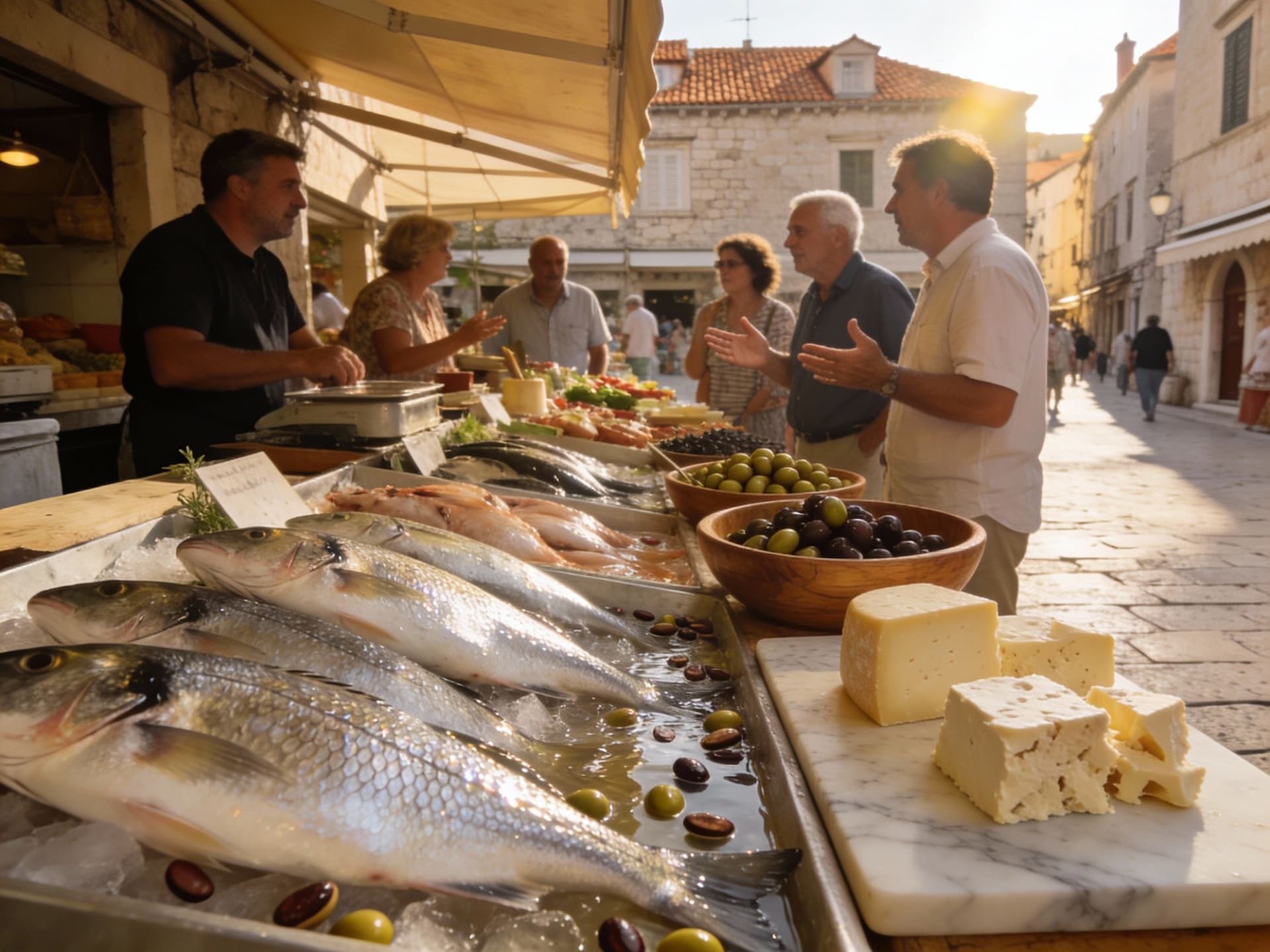
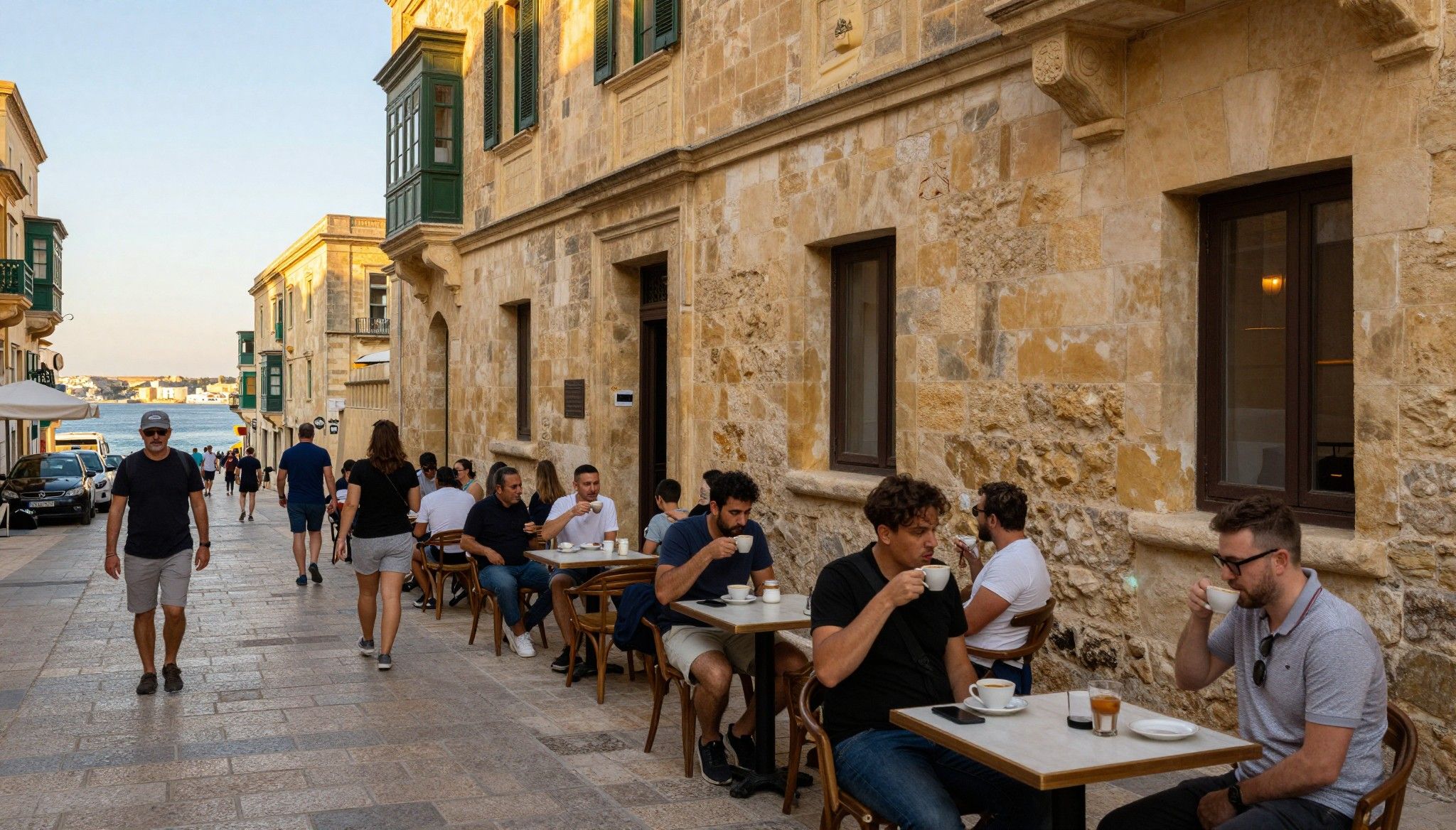
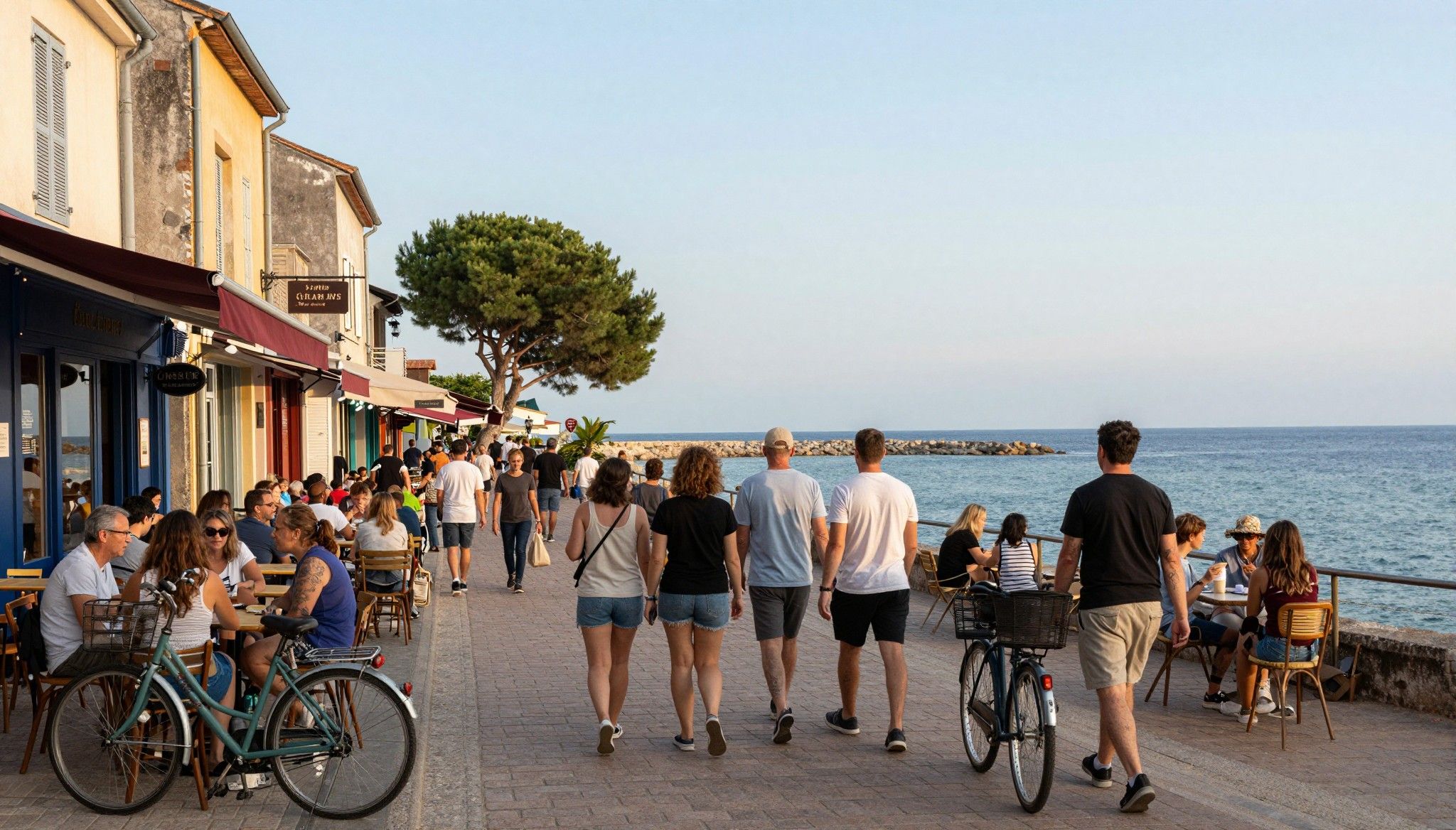
Croatia feels like a string of small towns stitched together by a long coastline and a handful of energetic cities. Mornings begin at neighbourhood bakeries, afternoons are for beaches or forest trails, and evenings gather around seafood and local wine. There’s a rhythm here: café culture in Zagreb’s Cvjetni square, the sea-salt hush of Hvar’s port at dawn, and late-night promenade life along Dubrovnik’s Stradun. For buyers, that means lifestyle choice matters more than headline average prices — the lifestyle you want determines the micro-market you should study.
Zagreb neighbourhoods and daily life
Zagreb blends Austro-Hungarian streets with a café-forward lifestyle; Upper Town (Gornji Grad) and Cvjetni are walkable, green and culturally dense. Weekends mean farmers’ markets like Dolac where you can buy fresh cheese and seasonal produce, and weekday co-working hubs around Savska offer reliable connectivity for remote workers. Property in central Zagreb tends to track steady demand from locals and domestic buyers, which cushions it against purely seasonal swings seen on the coast.
Coastal living: pockets, not a monolith
The Adriatic coast is many markets: UNESCO-protected Dubrovnik functions differently from family-friendly Opatija or the farming-vineyard rhythms of Istria. Coastal towns see sharp seasonal demand spikes that lift asking prices but also attract regulatory attention: recent national moves to curb short-term tourist rentals and a new property tax regime are reshaping the calculus for investor-buyers. That matters at street level — a seafront apartment in Rovinj commands different rental expectations and long-term yield potential than an inland stone house near Motovun.
Lifestyle highlights (real places and experiences)
Morning espresso at Cafe U Dvorištu, Zagreb; late-afternoon swims at Bačvice beach, Split; weekend markets at Dolac; truffle hunts and konobas in Istria; Hvar’s lavender-scented lanes and small family-run vineyards
Making the move: practical considerations that preserve lifestyle
The dream of seaside dinners must meet the market’s reality. Official statistics from the Croatian Bureau of Statistics show dwelling prices rose strongly in 2024–2025, but the increases are uneven: newly built properties grew faster than existing stock, and inland regions recorded sharper percentage growth than the coast in some quarters. That leads to two practical rules: match your lifestyle target to property type (new build versus historic apartment), and expect regulation — especially rules on tourist letting — to affect income assumptions.
Property styles and how they shape daily life
Stone houses with terraces and new-build apartments offer distinct experiences. A renovated Dalmatian stone home delivers indoor-outdoor living, manual upkeep and character; modern coastal developments provide amenities, warranties and easier leasing management. Recent market reporting shows asking prices for flats and houses have risen considerably, so budget for renovation and fit-out when choosing character properties, and for higher purchase prices when buying turnkey new-builds in prime coastal towns.
Working with local experts who know both life and law
Engage bilingual agents and a Croatian lawyer early; they translate lifestyle goals into zoning checks, permit status and tax implications. Agents with local listings help you compare on-street micro-prices rather than relying on county averages. A lawyer checks title and rental licence history, which is essential after recent tax reforms and short-term rental tightening. Finally, financial advisors clarify mortgage availability and cross-border tax planning.
Step-by-step purchase priorities blending lifestyle and process: 1) Define neighbourhood lifestyle (city vs island vs inland) and acceptable commute to services. 2) Compare new-build versus restored options with total cost of ownership (renovation + maintenance). 3) Verify rental licence and local regulations if you plan to rent short-term. 4) Secure a lawyer to review title, encumbrances and municipal permits before deposit. 5) Model net yields under likely regulatory scenarios (higher property taxes, limits on short lets).
Insider knowledge: what expats wish they’d known
Expat owners tell a common story: the life you want is often available at a different price if you shift the exact street or village. For example, beachfront proximity in Split adds a premium, but a ten-minute walk inland keeps the same city life with a 10–25% price saving. Recent market snapshots put average national prices around €2,800–€3,000/m² in popular areas, but prime pockets like Dubrovnik and certain Istrian towns sit higher. Understand that averages mask micro-premiums tied to access, views and tourist-season footfall.
Cultural integration and everyday norms
Croatians value community continuity: small talk in markets, loyalty to local konobas, and slow holiday rhythms in summer. Learning basic greetings and market etiquette improves negotiating power and builds goodwill with neighbours — crucial if you plan long-term residency. Expats who join local associations or volunteer at seasonal festivals often find faster social acceptance and better informal property tips than those relying solely on web listings.
Long-term lifestyle and the regulatory horizon
Policy moves to tax property and restrict short-term lets aim to rebalance local housing, which could shift returns for investor-owners and enhance liveability for residents. House price indices published through 2025 show continued growth, but reforms encourage longer-term rentals and owner-occupancy — this is good news if you plan to live in your purchase, and it calls for conservative yield projections if you expect to rely on holiday lets. Think of Croatia’s market as maturing: higher regulation reduces headline volatility while opening opportunities for community-oriented investments.
Red flags and quick checks (bullet list of practical warnings)
Missing rental licence history; unclear title or co-ownership claims; properties listed without energy performance certificates; unrealistic summer-only yield projections; municipal restrictions on short lets in historic centres (e.g., Dubrovnik Old Town).
Picture this: six months after a move you’re hosting friends on a shaded terrace above a Dalmatian cove, picking up fresh fish from the market and walking home through a lane lined with bougainvillea. That tangible day-to-day is what buyers pay for — and what local agents help you find without overpaying for mere proximity to summer crowds. If you pair clear lifestyle priorities with careful local advice and up-to-date market data, Croatia offers durable lifestyle gains and measured market opportunity.
Next steps: define the life you want, then map it to three micro-markets and their numbers. Ask agents for street-level comparables (not county averages), insist on legal checks for permits and rental history, and model returns using conservative occupancy and the new tax landscape. If you want help narrowing choices by lifestyle (city café life, island pace, or inland village living), an agent who understands neighbourhood character and regulatory nuance will save you months of searching and thousands in missteps.
Conclusion: Croatia’s appeal is lived: mornings at markets, afternoons on pebble coves and evenings at family-run konobas. The market’s data-driven story is not “coast always wins” — it’s nuanced: new-builds, inland pockets and regulated coastal towns each behave differently. Balance the romance with the statistics, and you’ll buy not just a property but a reliably enjoyable life.
Dutch investment strategist with a Portugal-Spain portfolio. Expert in cross-border financing, rights, and streamlined due diligence for international buyers.