Croatia: Where Lifestyle Drives Subtle Price Signals
Croatia’s price rise is real but nuanced: seasonal coastal demand meets inland growth. Buy with winter visits, street‑level data, and an agent who models new rental rules.
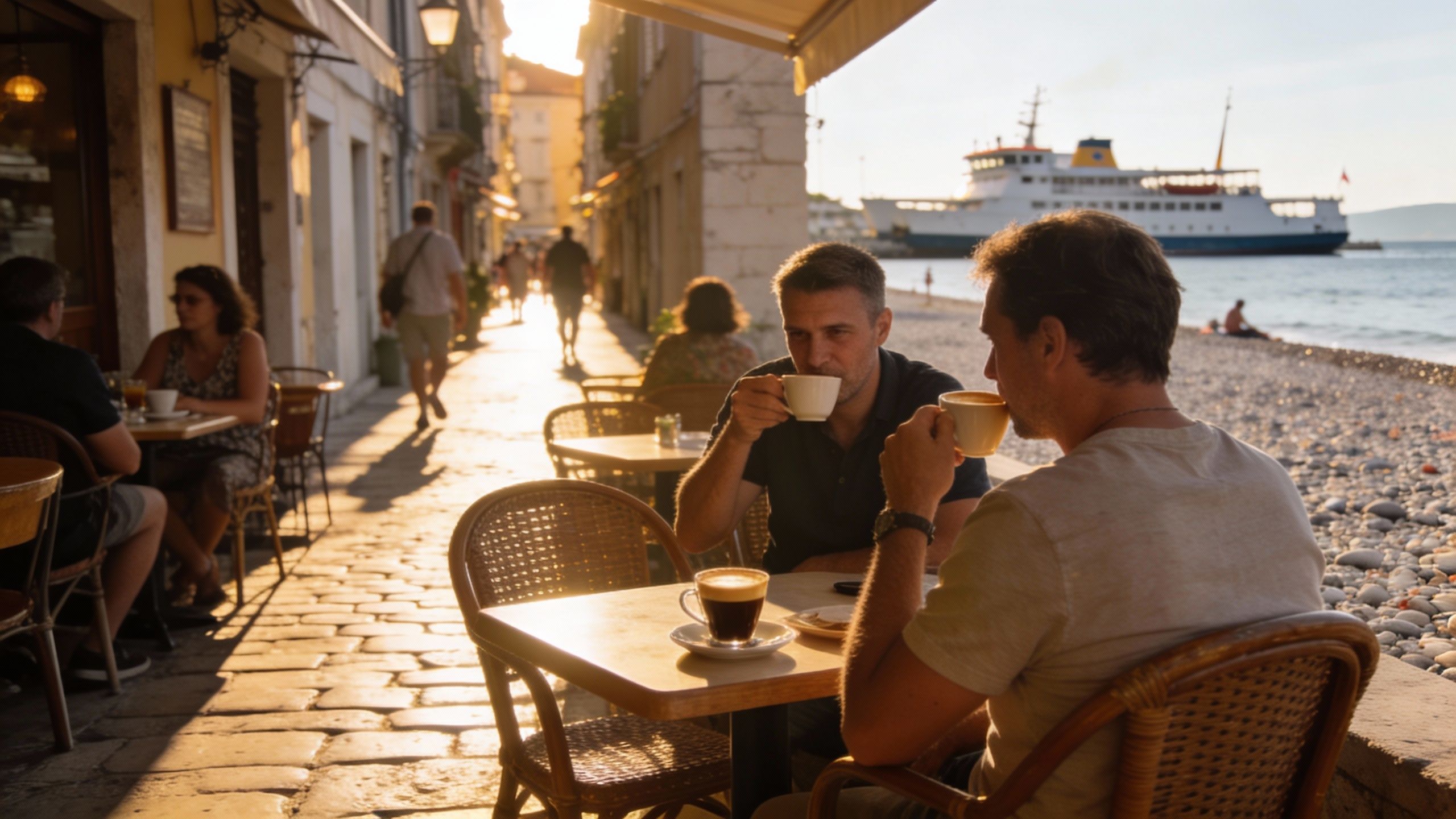
Imagine stepping out for espresso on Zagreb’s Ilica, then two weekends later taking a ferry to a pebble cove on the Dalmatian coast — Croatia blends compact city rhythms with island calm in a way few markets do. That mixture explains why buyers arrive for the lifestyle and stay for the price dynamics: coastal demand, constrained island supply and city-led construction combine to push prices in unexpected directions. For international buyers this means the headlines (“coast is expensive”) only tell part of the story. Read on for the lifestyle patterns that create value and the price signals that tell you when to act.
Living Croatia: a day, a season, a street
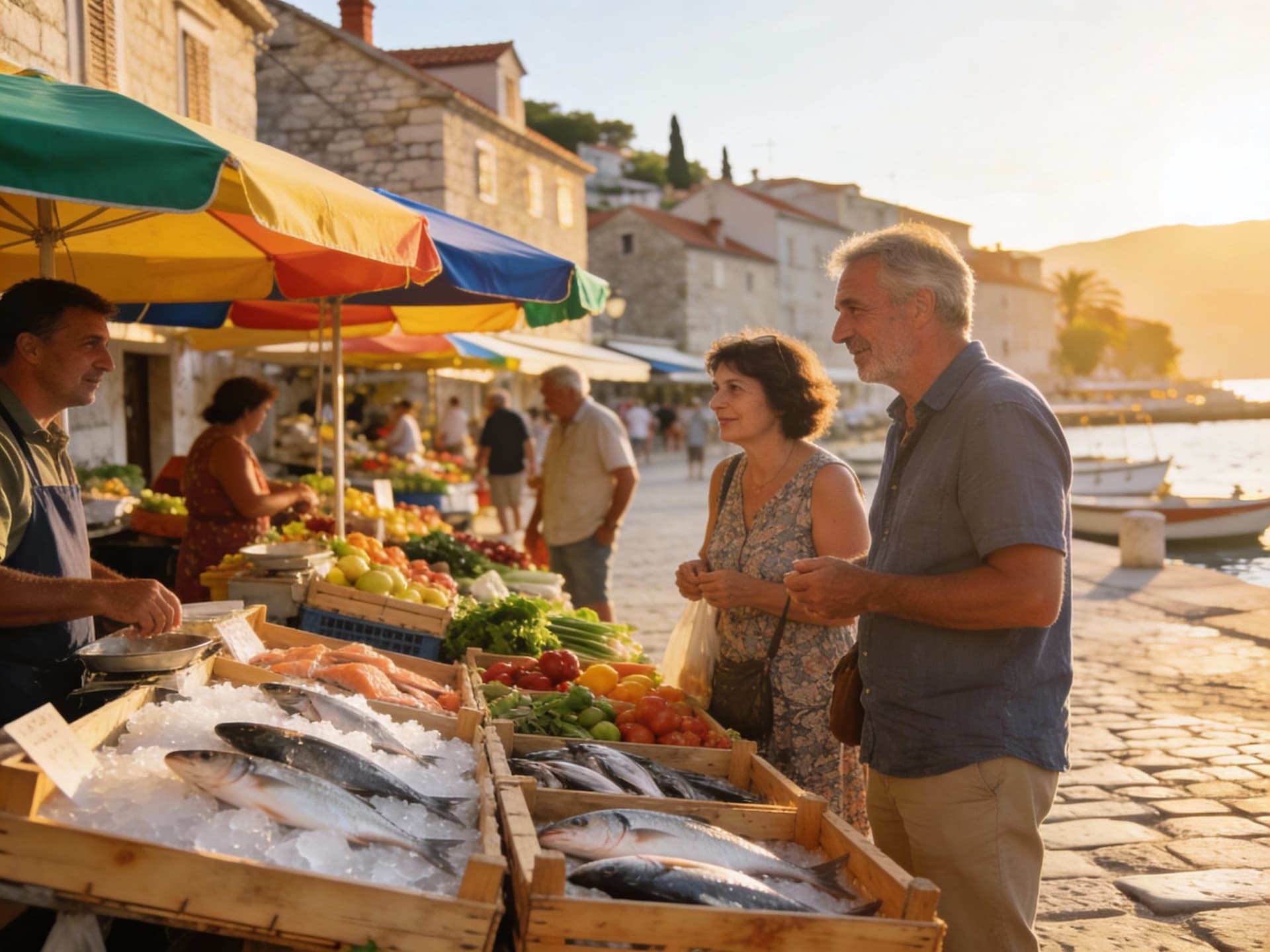
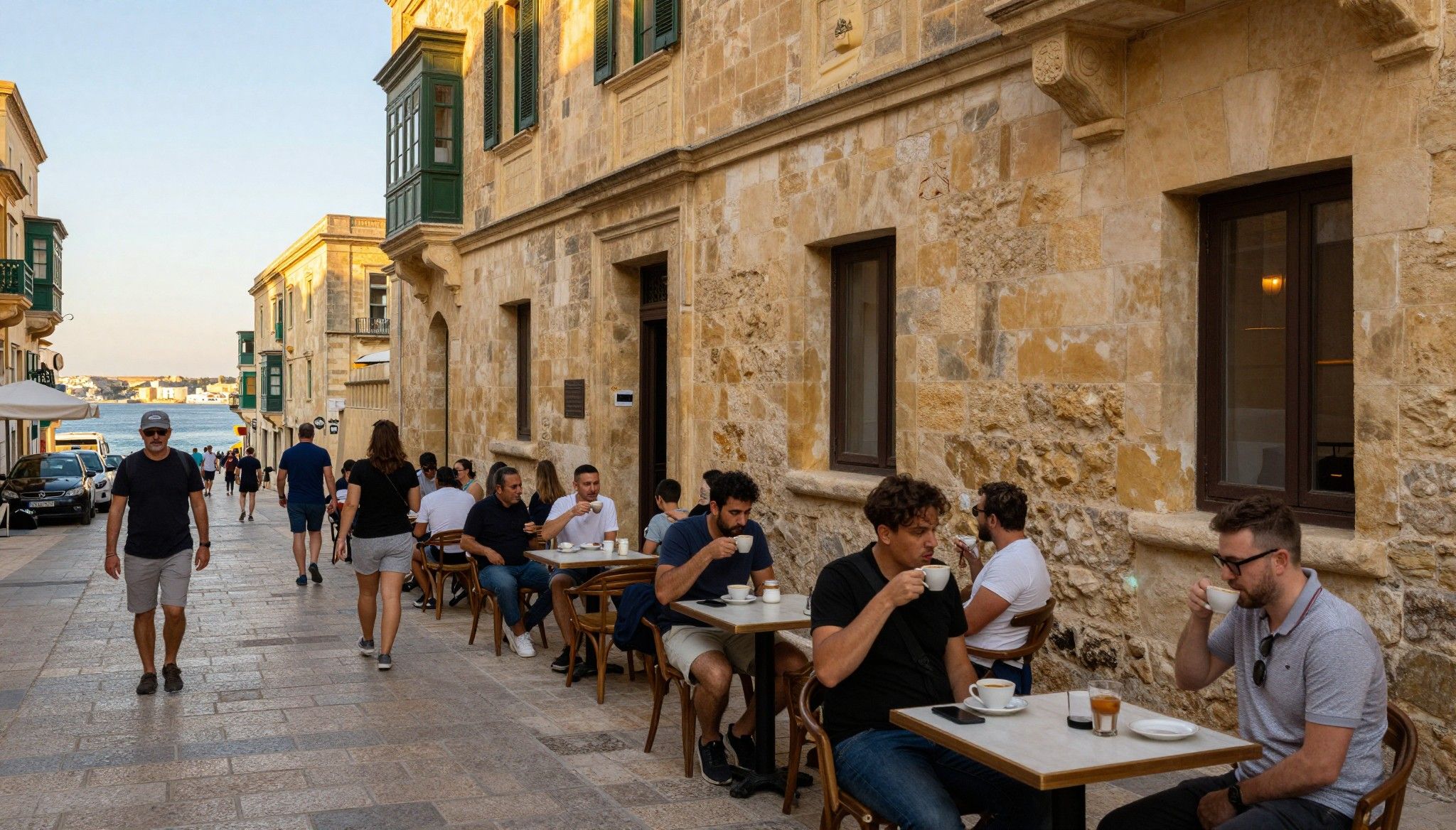
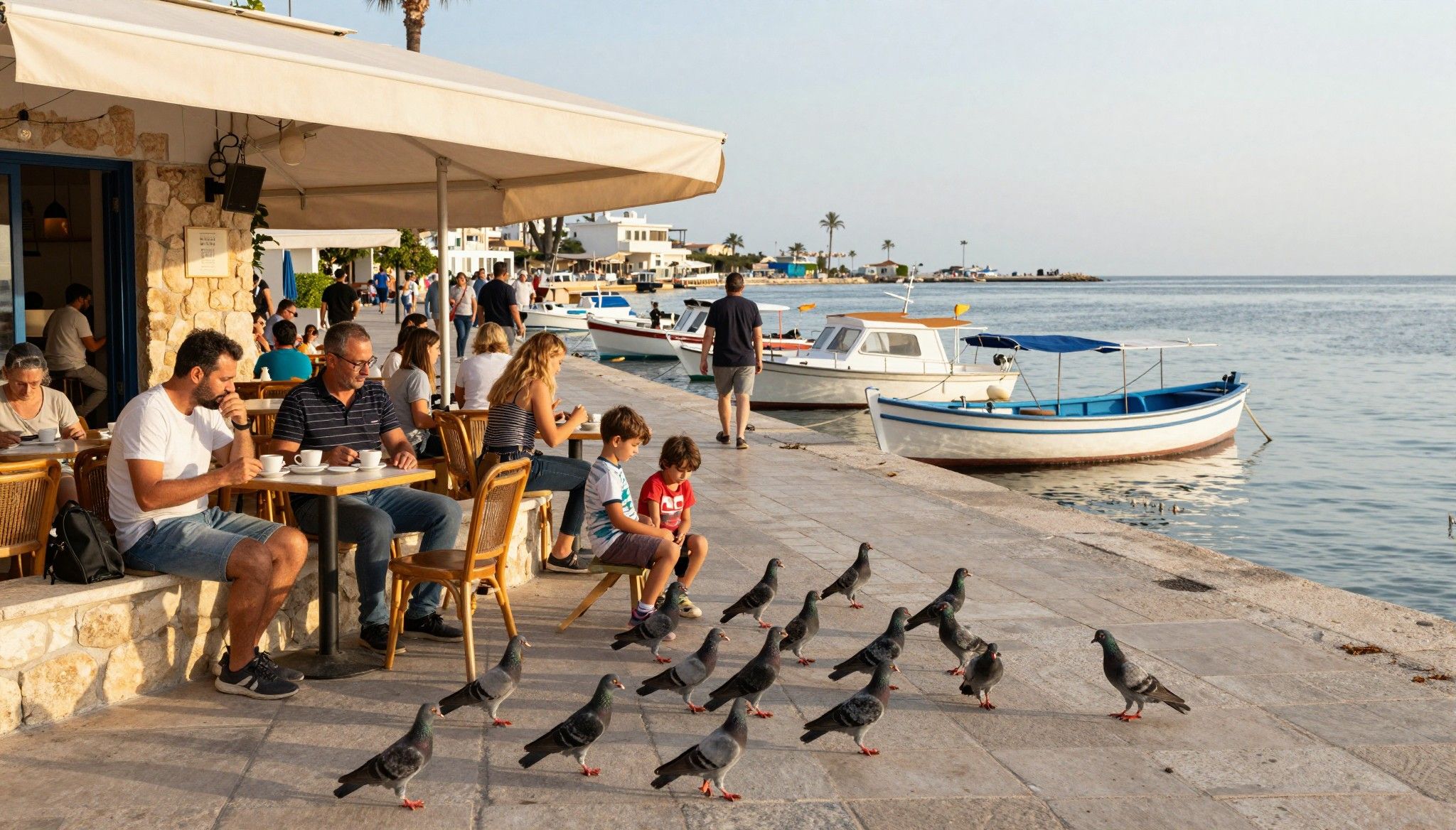
Mornings vary: in Split you’ll hear bakers and café conversations spill onto Marjan’s shady paths; in Dubrovnik tourists flock past the city walls while locals gather at quieter squares inland. Summers are loud and liquidity-rich — short-term rental demand pulses along the Adriatic — while winters reveal the true year-round communities: fishermen, olive harvests and neighbourhood cafés. These rhythms shape prices: where summer provides seasonal rents, off-season community cohesion supports stable long-term value. Official stats show dwelling prices rose notably in recent quarters, reflecting both coastal tourism pressure and urban demand.
Zagreb, Adriatic coast, and the 'Other' regions — how they feel
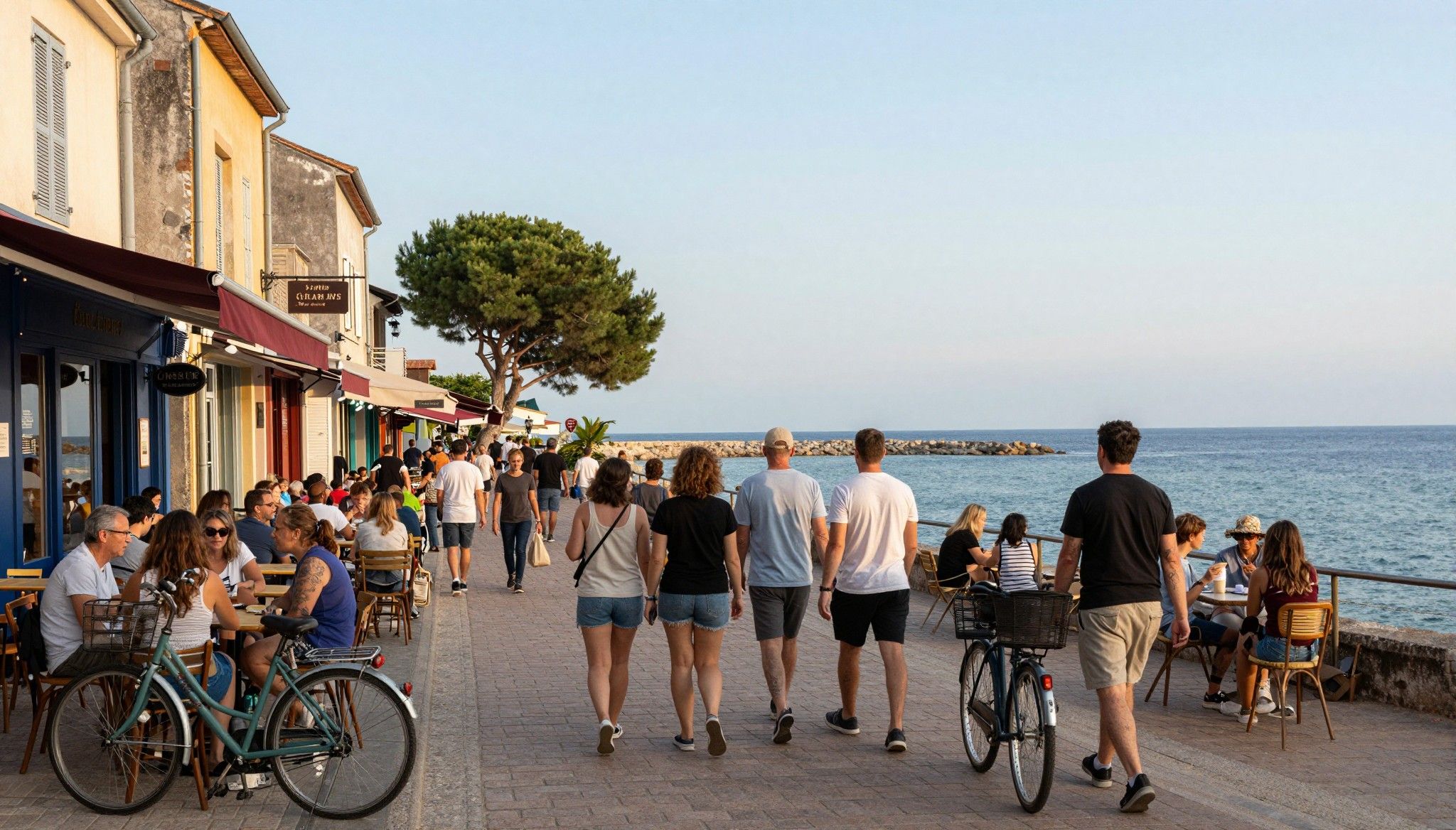
Zagreb hums with year-round renters, students and professionals; the Adriatic coast swells seasonally with tourists and second‑home buyers; 'Other' regions (inland towns and smaller cities) are quieter but showing fast relative growth. The DZS Q1 2025 release records double-digit annual rises in many regions — a reminder that inland opportunity can outperform headline coastal hotspots. For lifestyle‑minded buyers, that means weighing coastal glamour against the everyday conveniences of cities like Rijeka, Osijek or Varaždin. Each place offers a different daily soundtrack and a different price trajectory.
Food, markets and the small rituals that shape neighbourhood value
Saturday markets — Dolac in Zagreb, Pazar in Split — animate neighbourhoods and lift desirability in tangible ways. Cafés such as Cogito (Zagreb) or Kavana Arsenal (Split) are more than places for coffee; they are community anchors that signal a walkable, social neighbourhood. For buyers who want to belong, proximity to markets, bakeries and a reliable neighbourhood pharmacy matters as much as sea views when considering resale and rental demand. These everyday features often explain premium micro-prices on individual streets.
Making the move: what the price data really means
House price indices and new‑build price reports tell two overlapping stories: persistent demand and constrained supply. Internationally tracked indices show Croatia’s HPI rising through 2024 into 2025, with particularly strong increases outside the main cities — a signal that buyers are looking beyond obvious hotspots. For prospective buyers, this means prioritising micro-data (street-level pricing, developer pipelines, permit activity) over broad national headlines. Use official releases and sector reports to triangulate whether a neighbourhood is nascent growth or speculative heat.
Property types and the lifestyle they support
Stone houses on Istrian lanes offer authenticity and charming terraces, but they often need renovation and modern thermal upgrades. New-build apartments in Zagreb and Split provide insulation, warranties and easier management for remote owners, at higher per-metre prices. Seafront flats deliver seasonal rental upside, while inland townhouses give steadier long-term tenants and lower maintenance. Match the property type to how you’ll use it: weekend escape, rental-first investment, or full-time relocation.
How local experts turn lifestyle briefs into market moves
Good local agents do more than show homes: they read municipal permit calendars, explain how draft short‑term rental rules affect net yields, and point to streets where winter life remains vibrant. Recent policy debates around property tax and tourist‑rental restrictions have changed yield math for many coastal assets, making long‑let or owner-occupied models comparatively attractive. Your advisor should model net cash flows under both existing and proposed rules, and highlight locations where community life supports year‑round occupancy.
- Price + lifestyle checklist for viewers: research these before you bid
- Street‑level HPI movement over the last 12 months (not just city averages)
- Seasonal rental occupancy patterns and permitted months for short‑term lets
- Local services in winter (clinics, shops, transport) — the true test of year‑round life
Insider knowledge: mistakes expats make and where value hides
Expats often chase sea views in high season and miss quieter streets that outperform over five years. Developers push amenities and ‘tourist‑friendly’ marketing; local buyers often prize proximity to markets and schools instead. A frequent mistake is overpaying for surface-level charm without checking permit status or seasonal livability. Turning this around requires time-on-the-ground visits in winter, plus an agent who reads municipal agendas and recent DZS microdata.
Cultural integration, language and everyday life
Croatians value directness and community ties — learning a few phrases and attending local events goes a long way. Many services in urban centres work in English, but smaller towns reward curiosity and basic Croatian. Neighbourhood involvement — helping at a local festival or buying from the same market stall — accelerates inclusion and makes the place feel like home. For buyers, social capital translates into practical support: trusted builders, recommendations and local know-how that protect value.
Long-term habits that protect lifestyle value
Invest in energy upgrades, not just cosmetic finishes; better insulation and heat‑pump systems reduce running costs and broaden a home’s appeal across seasons. Prioritise properties with flexible layouts that suit both family life and rental demand. Build local relationships — gardeners, caretakers and neighbours — to keep a property well‑maintained when you’re away. These choices lower vacancy risk and preserve resale value over market cycles.
- A simple six‑step buying rhythm for lifestyle buyers
- 1. Spend two winters visiting target towns to test year‑round life.
- 2. Ask your agent for street‑level price comps and permit calendars.
- 3. Model net yields under both short‑term and long‑term rental rules.
- 4. Prioritise energy upgrades and adaptable layouts over superficial finishes.
- 5. Secure a local manager and cultivate neighbourhood relationships before signing.
- 6. Reassess after 12 months using DZS and HPI updates to check trajectory.
Data snapshots: what to watch next
Watch official DZS releases and HPI series for quarterly inflection points, and track local council decisions on rental permits — these are the two clearest early signals of changing yields. Policy shifts (property tax reform and short‑term rental regulation) will continue to reshape net returns along the coast; island locations are particularly sensitive. Use these sources to build scenario models: base case (steady demand), downside (tight rental rules) and upside (infrastructure or connectivity projects).
Conclusion: Croatia is a lifestyle market with measurable price logic. If you come for the sea, stay for the winter markets, village cafés and reliable local services. Translate that romance into a plan: test winters, confirm street‑level data, model yields under new rules, and work with an agent who reads both mood and metric. Do that and you’ll buy a home that feels like it belongs to the place — and to you.
Danish relocation specialist who has lived in Barcelona since 2016. Helps families move abroad with onboarding, schooling, and local services.