Croatia: How Neighbourhood Rhythm Explains Price Surges
Coastal lifestyles meet fast price gains: understand where Croatian neighbourhood rhythms drive value, how policy and tourism reshape demand, and which property types deliver the life you want.
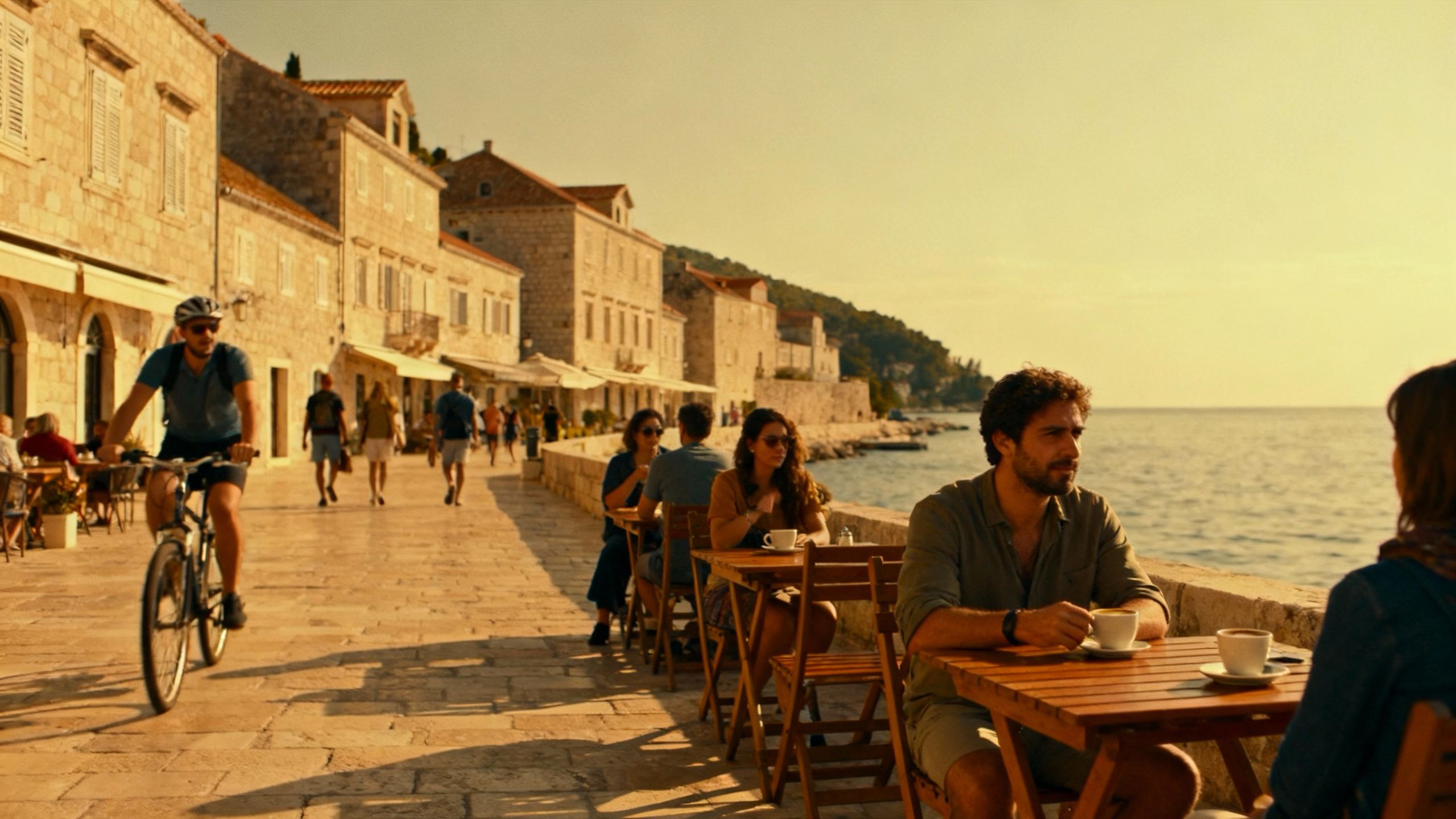
Imagine walking the riva in Split at 7 a.m., espresso in hand, fishermen casting nets and a market stall owner already arranging fresh sardines — then, by noon, a calm coastal neighbourhood where children cycle past stone houses. That contrast — lively tourism and quiet everyday life — is Croatia’s charm. But for buyers the romance meets a practical reality: fast-rising prices on the coast, policy shifts on short‑term lets, and regional divergence that changes what a euro will buy. Read on for the parts locals don’t always say out loud, and the data that tells the rest of the story.
Living Croatia: rhythm, seasons and neighbourhood character
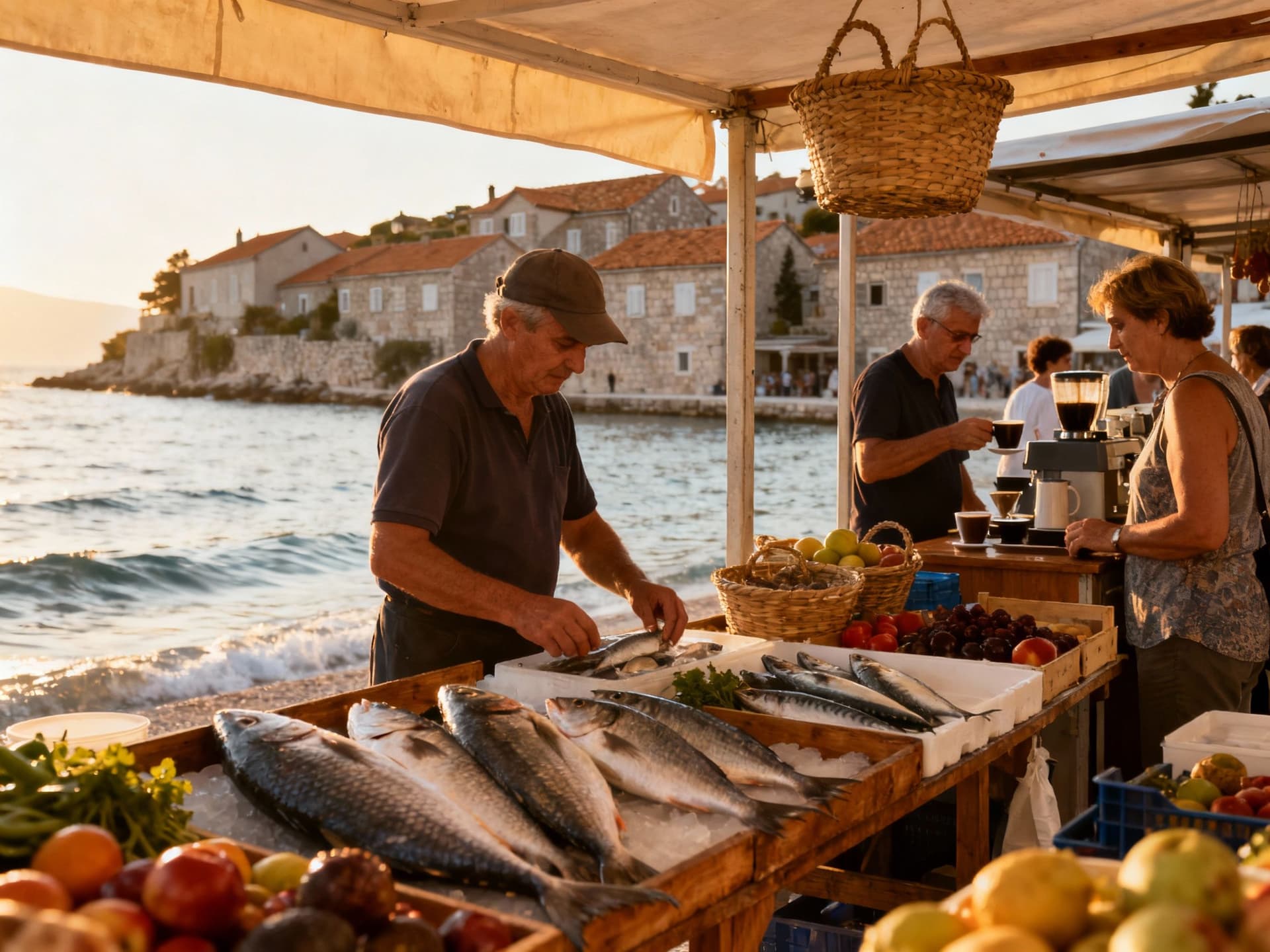
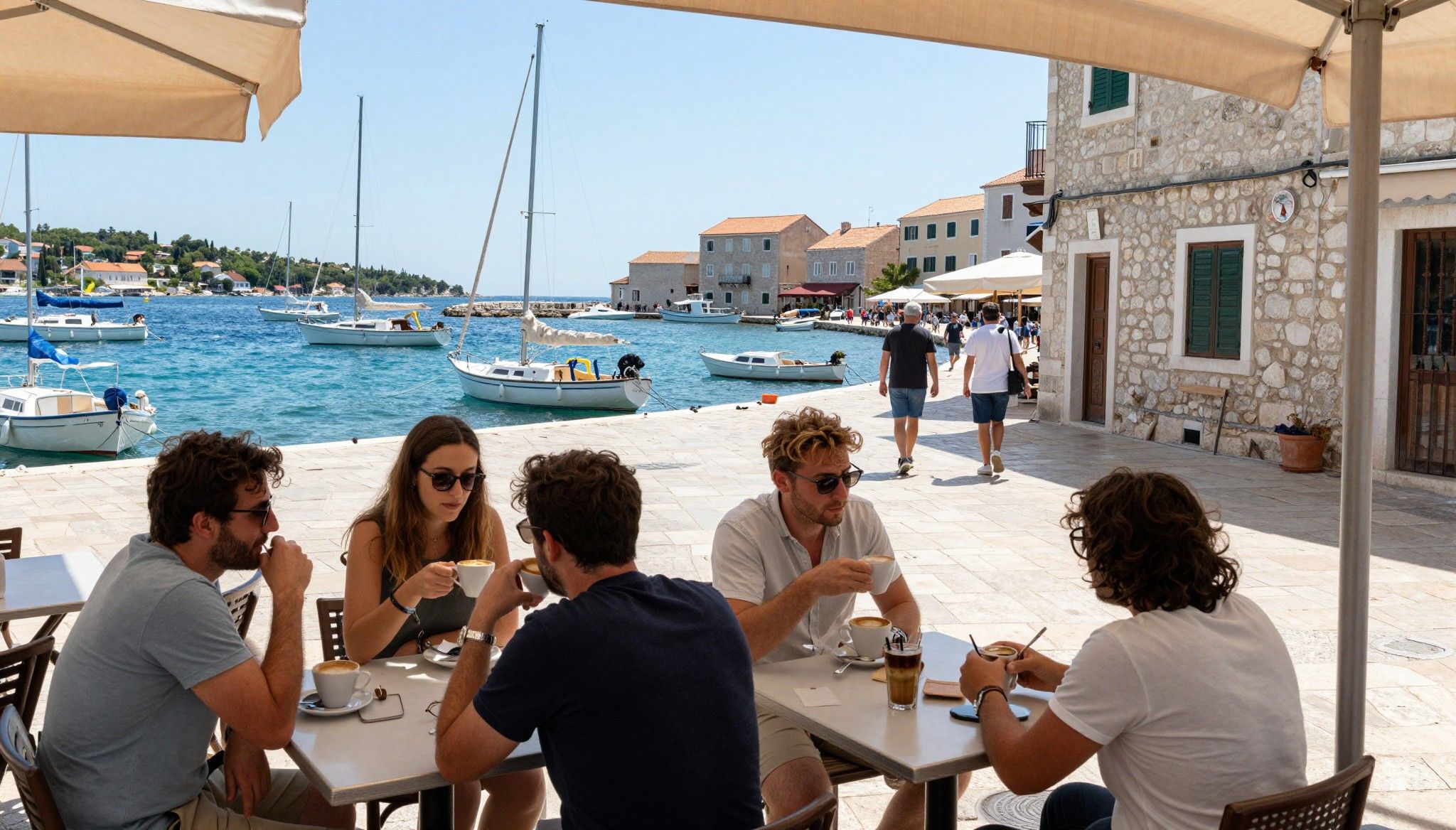
Croatia’s daily life moves with the sea, market hours and festivals. In Zagreb mornings smell of fresh baked burek and coffee; in Rovinj and Hvar terraces open for long lunches; in Dalmatian villages church bells still mark the hour. For property buyers this means locations are defined less by generic 'coast vs inland' labels and more by micro‑rhythms: whether the street hosts an early market, how weekend ferry timetables affect island life, or whether a promenade turns into a tourist artery each July.
Split & Marjan: urban coast where everyday life feels island‑close
On the slopes below Marjan park you can live a five‑minute walk from the sea and a ten‑minute walk from a working fish market. Neighbourhoods like Varoš or Meje blend stone houses with new apartments; cafes on Ulica Domaldova buzz all year. Buyers who want daily life with a coastal pulse look for compact terraces and older conversions — places prioritising walkability over large pools and private driveways.
Istria towns & island coves: food, vino and calmer seasons
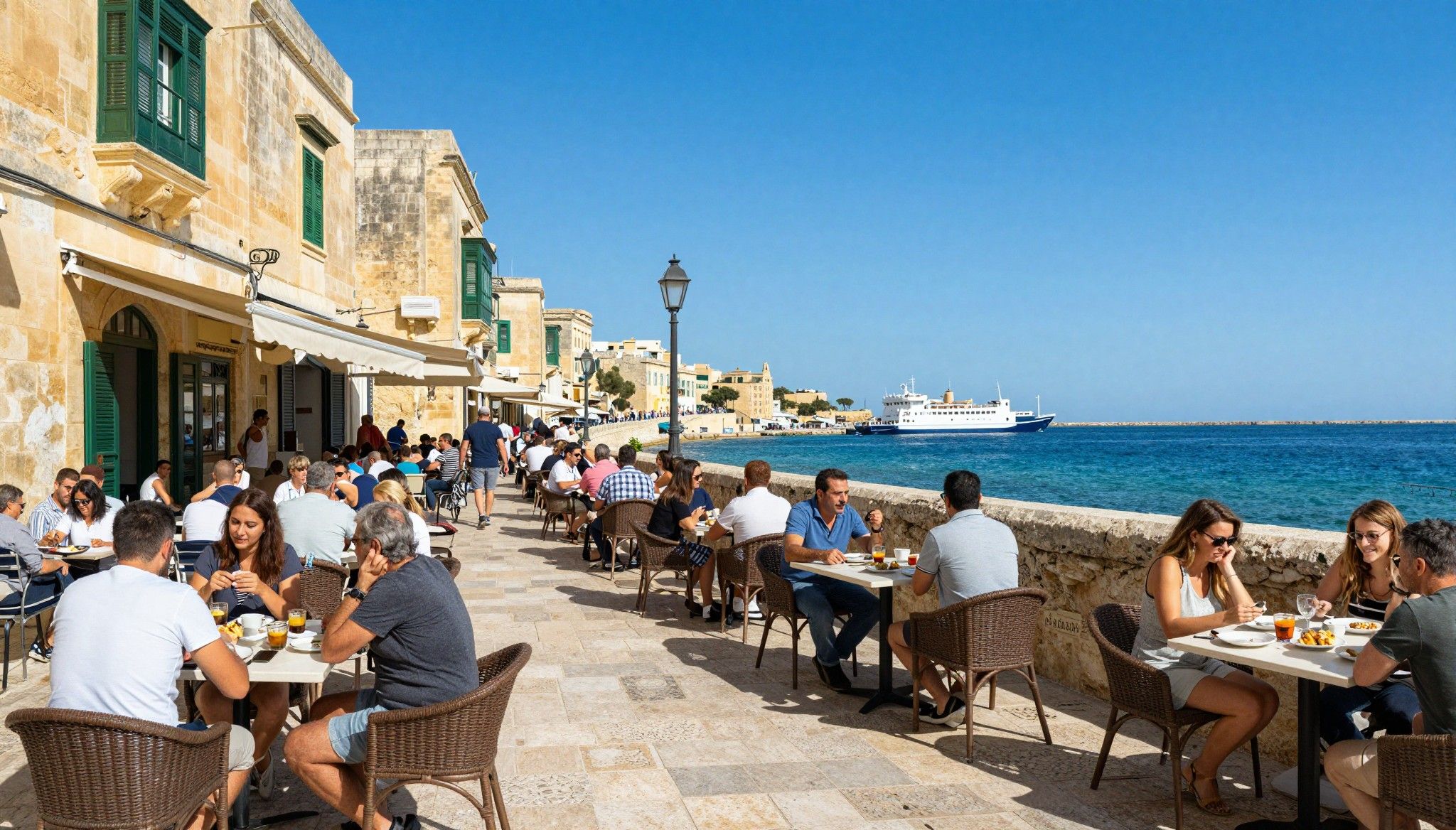
Rovinj’s cobbled streets, Motovun’s truffle restaurants and the quieter coves of the Kvarner islands show another rhythm: strong food culture, slower summers, and winter communities that stay. For lifestyle buyers who prioritise local markets, family‑run konobas and year‑round town life, Istria offers a balance between coastal access and inland tranquillity — and that mix now shows up in price premiums for renovated stone homes near town centres.
Making the move: how price trends change the dream
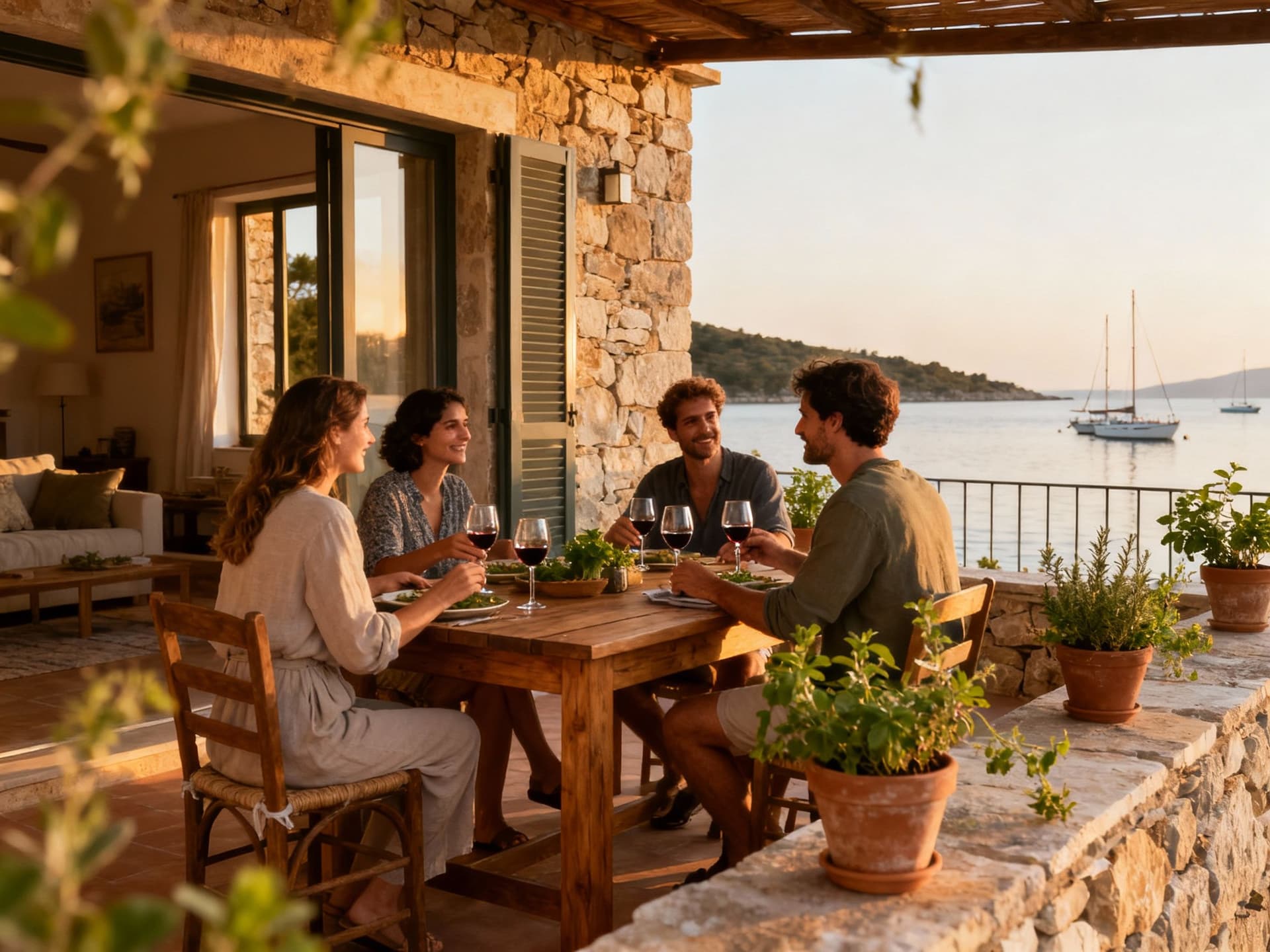
Behind the lifestyle is a clear data story: Croatia has seen strong residential price growth across recent years, with coastal counties often outpacing inland markets. That means the lifestyle you can afford changes fast — a renovated stone apartment in a small Dalmatian village may still be affordable, while a modest two‑bed by a popular promenade can command surprisingly high premiums. Several policy moves have also aimed at cooling short‑term rental supply, a factor that will reshape coastal pricing dynamics.
Property types that match a coastal life
If you want sea breezes without the tourist noise, look for restored stone houses with shaded courtyards, small modern apartments within walking distance of promenades, or newer developments set back a block with roof terraces. Data shows residential prices grew significantly year‑on‑year across 2024–2025, so prioritise usability (outdoor shade, cross‑ventilation, insulation) over cosmetic extras you’ll pay a premium for but rarely use outside high season.
How local experts turn lifestyle aims into realistic offers
Work with agents who show you lived‑in examples at similar budgets, explain seasonality and give clear comparables. The step‑by‑step below blends lifestyle decisions with transaction essentials so you see both worlds.
Assess local rhythm (market days, ferry schedules, high‑season months) and match it to the property type you want. Verify the supply picture: are units used for long‑term renting, short lets, or standing empty? Ask for three recent sales comps from that street, not the entire municipality. Factor in running-season utility and maintenance costs (air‑conditioning, sea‑air corrosion) when calculating total monthly ownership. Discuss likely fiscal changes with your advisor — recent proposals shift tax burdens toward property and affect short‑term rentals.
Insider knowledge: what expats wish they'd known earlier
Expats often underestimate how much tourism shapes neighbourhood life and pricing. Coastal towns can feel empty and peaceful in winter, then transform into busy hubs in summer; that swing affects landlords’ willingness to sell and seasonal rental yields. Recent tourism figures show Croatia attracting strong visitor numbers year‑round, which keeps coastal demand robust even as policy nudges owners toward long‑term rentals.
Language, community and the quiet rules of belonging
Learning basic Croatian opens doors: small repairs, garden help, and invitations to local feasts come easier. Community life is often organised around town associations, church calendars and market routines, so being present in the off‑season matters. For buyers that means choosing neighbourhoods where you can spend several weeks a year, not only the high month, if you want to feel rooted.
Conclusion — Croatia’s tradeoff: lifestyle intensity vs price acceleration. If the idea of slow mornings in coastal towns, market‑fresh food and island weekends appeals, accept that the coastal premium is real and changing fast. Use local agents to translate lifestyle priorities into durable property choices, check recent comps and policy shifts, and plan for seasonality in both living and costs. When you pair the right neighbourhood with data — not just a postcard — you find the life you pictured and a purchase that stands up to market change.
Danish relocation specialist who has lived in Barcelona since 2016. Helps families move abroad with onboarding, schooling, and local services.