Croatia: Where Lifestyle Shapes Price Trends
Coastal demand and new regulations are reshaping Croatia’s price map—choose locations by lifestyle rhythm, not headlines, and pair visits with local market data.
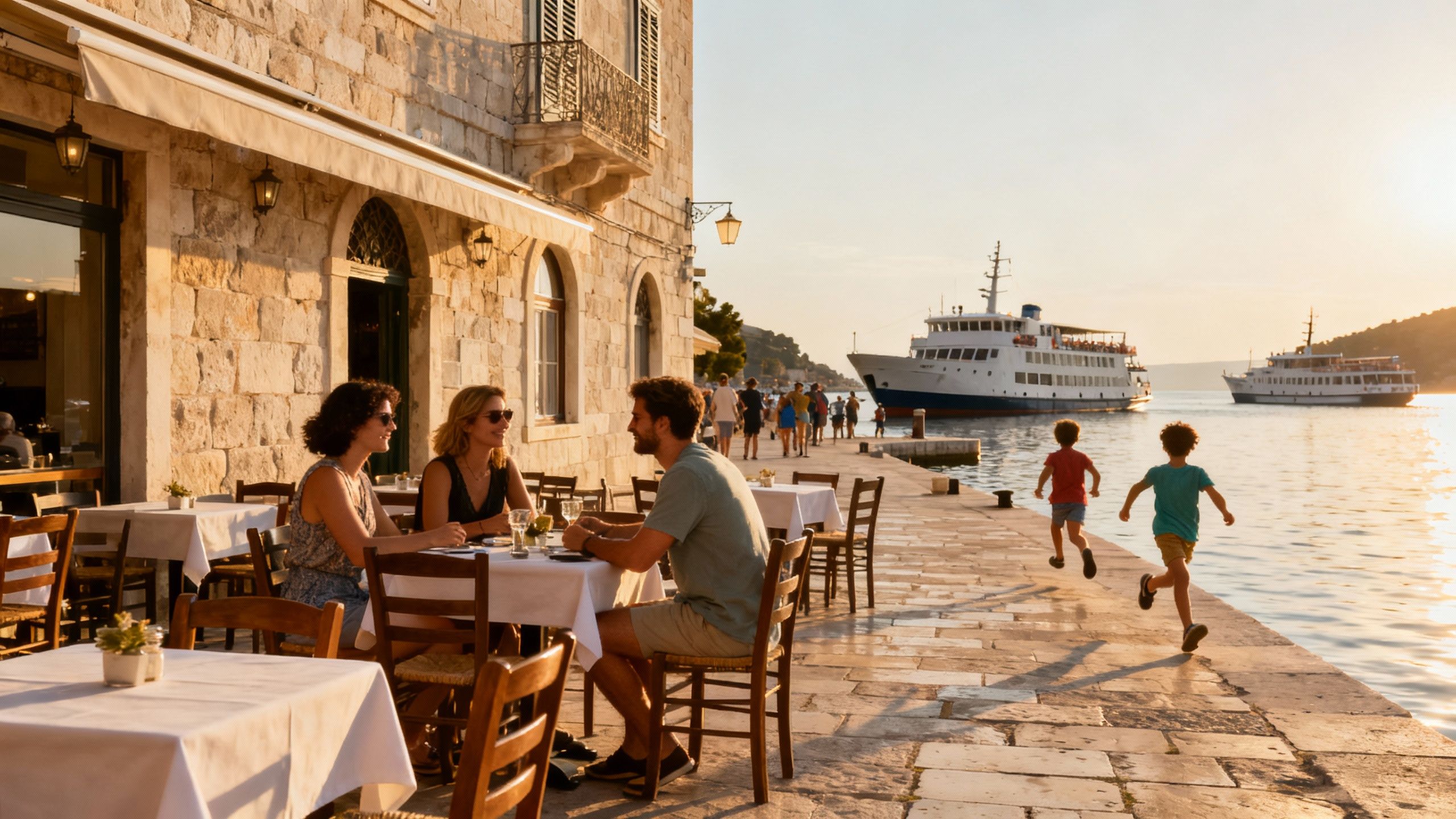
Imagine stepping out at dawn to buy fresh figs at Dolac Market in Zagreb, then catching a morning ferry from Split to a quiet island cove where children play barefoot on stone quays. Croatia moves at two speeds: deliberate weekday rhythms inland and a buoyant, tourism-shaped tempo along the Adriatic. That split explains the market more than headlines do — lifestyle demand (second homes and holiday rentals) has driven coastal asking prices, while inland towns follow gentler, steadier trends. Here I’ll mix the invitation — cafes, coves and weekend rituals — with the numbers and rules that should shape when and where you buy.
Living the Croatian life: more than a coast
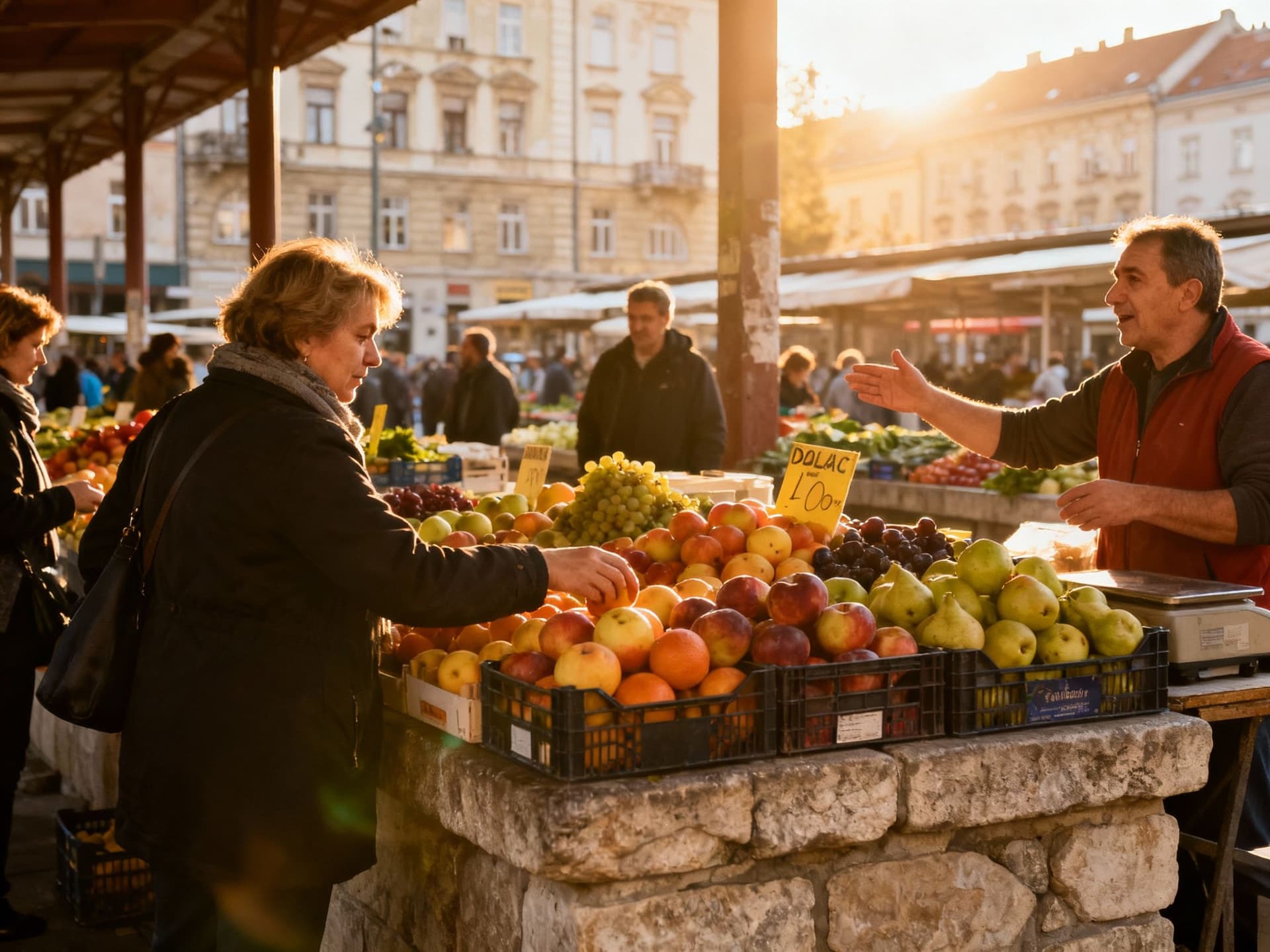
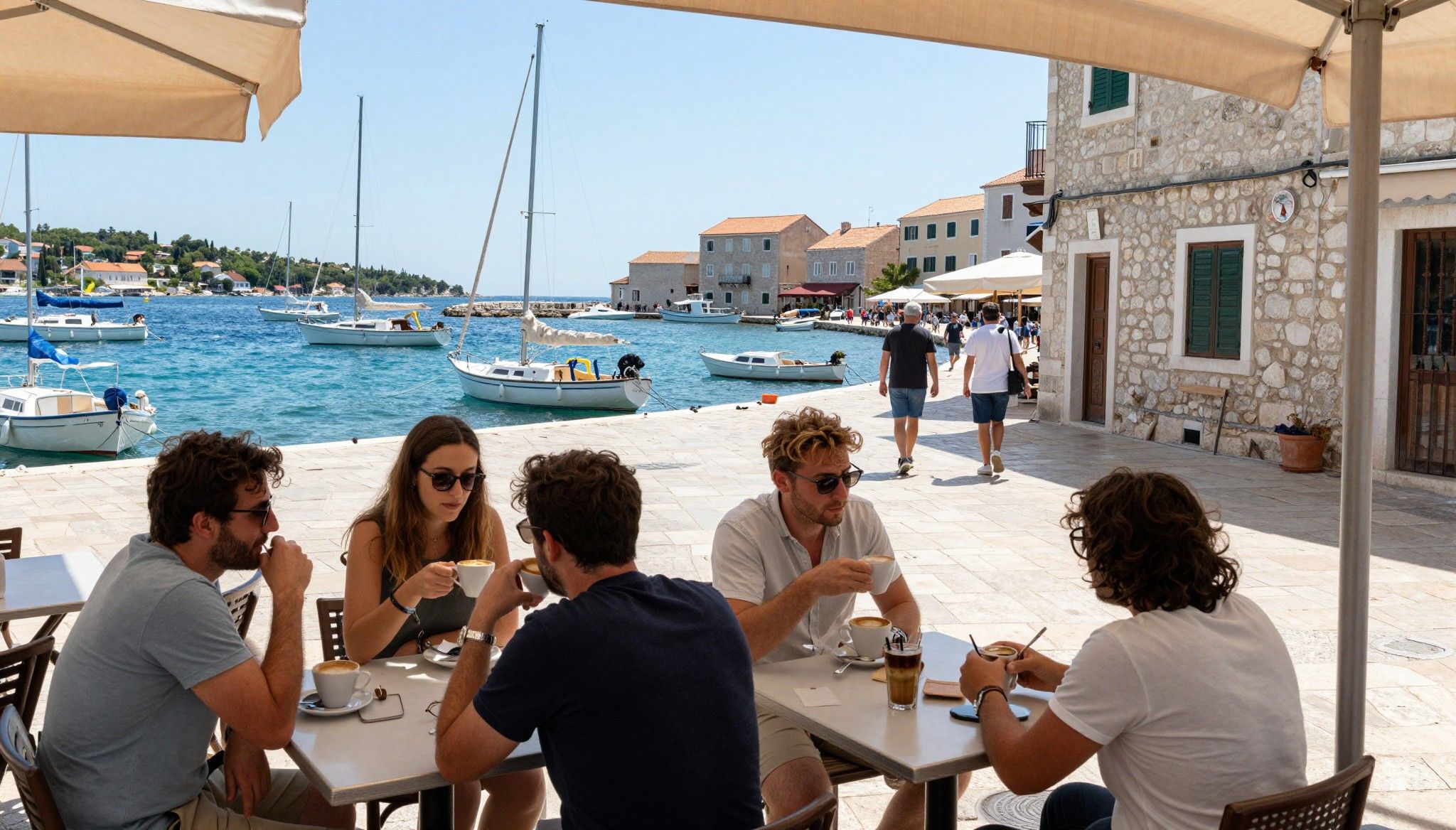
Croatia’s charm is tactile: limestone streets warmed by sun, coffee that arrives with a chat, and markets that double as social noticeboards. In coastal towns like Hvar, Rovinj and Trogir the day often pivots around sea and plates — fishermen’s stalls, late afternoon swims and aperitifs by the riva. Inland, cities such as Zagreb and Varaždin prize seasonality differently: winter markets, cultural festivals and a calendar of neighbourhood life you feel year-round. Knowing which rhythm you want—year-long community or seasonal vibrancy—matters because price trends and liquidity follow lifestyle, not only macroeconomics.
Coastlines and coves: where demand concentrates
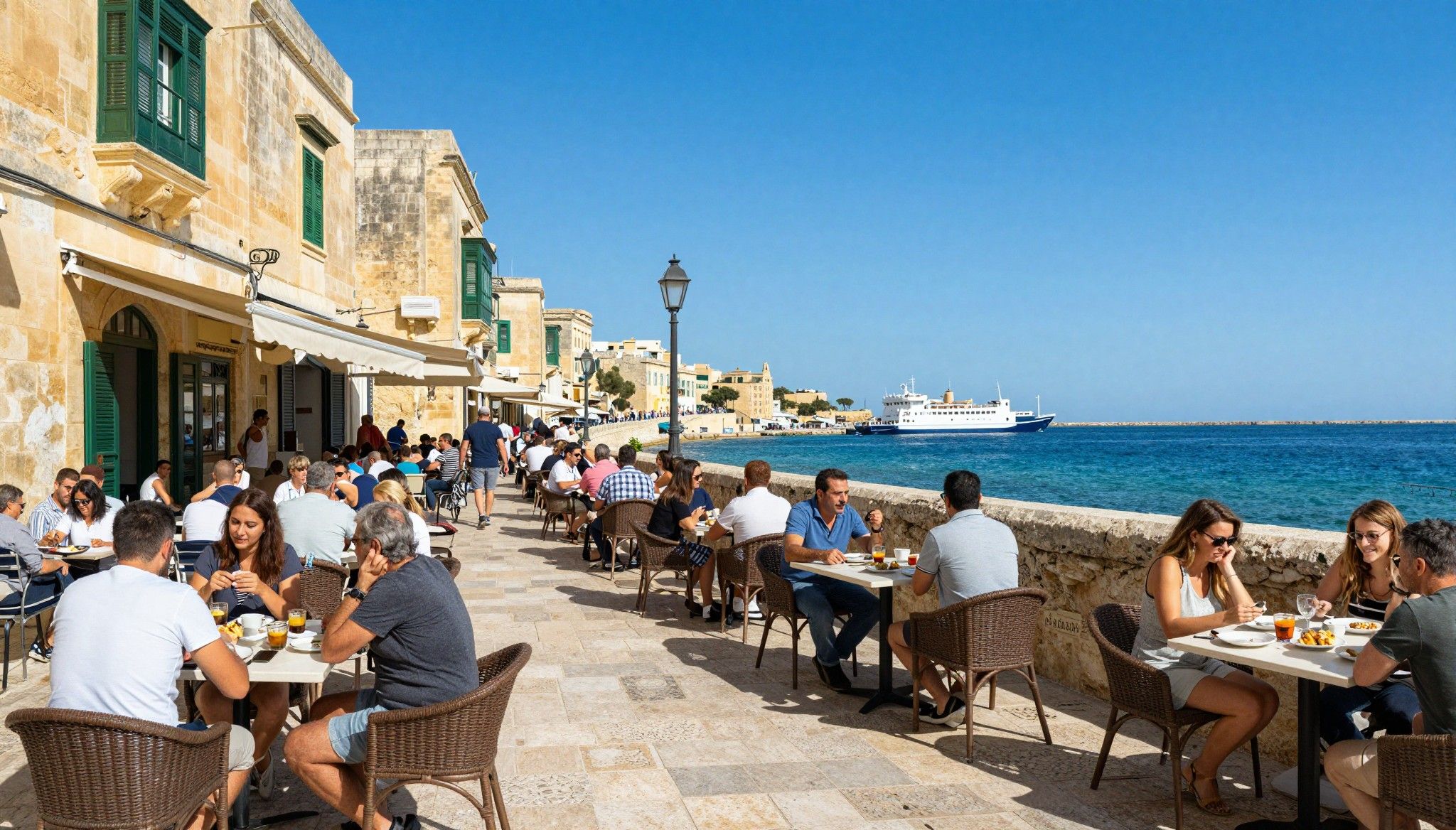
If you picture the Adriatic you’re thinking of Istria, Split‑Dalmatia and Dubrovnik‑Neretva — counties that show the highest asking prices per square metre. Local listings platforms and regional reports reveal coastal averages well above the national mean and sharp year‑on‑year jumps in popular towns. That concentration means strong resale liquidity in tourist hubs, but also sharper seasonality: prices and rental demand spike in summer and soften in winter. For buyers who want active rental income, this volatility is an opportunity; for those seeking quiet year‑round life, it’s a reason to look slightly inland from the shoreline.
City life: Zagreb and emerging regional centres
Zagreb functions like a mainland anchor: steady demand, clearer rental markets for long‑term lets, and a growing new‑build pipeline. Average prices in the capital now rival some coastal towns for quality new apartments, especially near Donji Grad and around the riverside developments. Regional centres such as Rijeka and Osijek are quieter markets with lower entry prices but improving infrastructure and increasing interest from domestic buyers. If you want culture, international schools and healthcare access year‑round, cities beat isolated island homes — and that preference shows in pricing dynamics.
- Dolac Market (Zagreb) mornings, promenade cafés in Rovinj, late‑season swims in Bol, Split’s Barvna neighbourhood galleries, ferry rides from Makarska to Brač, weekend truffle foraging in Istria
Making the move: practical considerations that preserve lifestyle
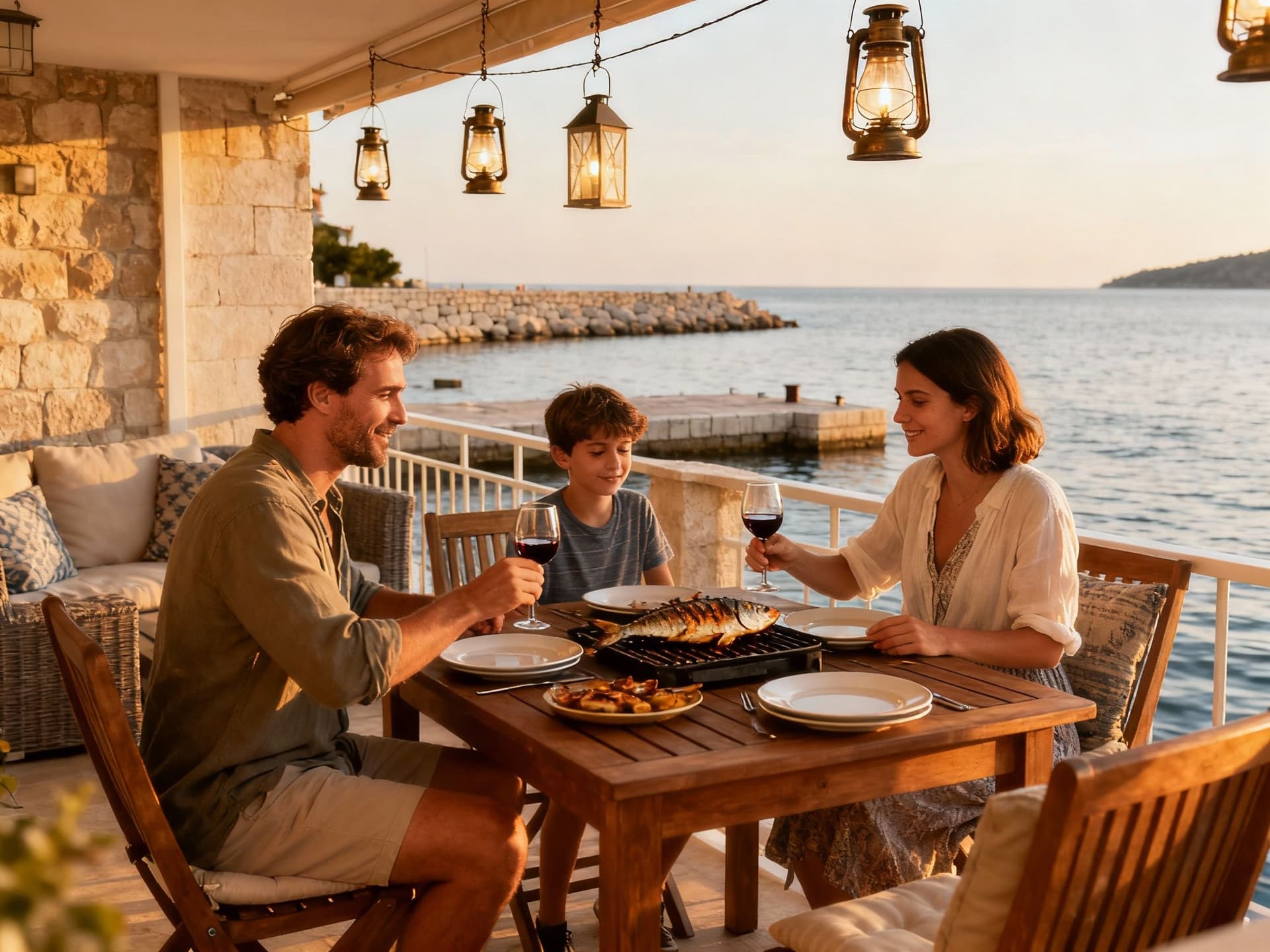
Dreams meet paperwork the moment you seriously look at listings. Recent policy moves by Croatia to curb short‑term tourist rentals and consider property taxation changes are intended to rebalance housing availability. Those shifts affect coastal yield expectations and can change which neighborhoods feel investable overnight. That’s why lifestyle-driven buyers should treat market intelligence and local agency advice as essential: the right neighbourhood will deliver the life you want and avoid being caught on the wrong side of regulatory change.
Property styles: stone houses, new builds and island villas
Croatia’s stock is diverse: restored stone houses in Istria, mid‑century flats in Zagreb, and sleek new apartments along Dalmatian promenades. Each type maps to a lifestyle: stone houses offer gardens and privacy but require maintenance; new builds give modern comforts and warranties but sit at a premium in sought‑after locations. National house price indices show steady gains over recent years, so factor resale potential and maintenance budgets into purchase calculations. In short: choose property style by how you want to live every day, not only by headline returns.
How local experts turn lifestyle into practical search criteria
A local agent who knows which street has a morning market and which stretch of coast floods in east winds saves you time and money. Good advisors translate lifestyle wishes—proximity to cafés, ferry times, school commutes—into measurable property filters like orientation, insulation, and access to municipal services. They also keep you ahead of regulation: for instance, tracking short‑term rental controls that affect gross yields. Treat agencies as translators of place into contract terms, not just sales channels.
- Decide lifestyle priorities; shortlist neighbourhoods; assess new‑build vs restoration costs; check rental regulation and tax changes; commission local surveys and title checks; negotiate based on comparable sales and seasonal demand
Insider knowledge: what expats wish they’d known
Expat stories cluster around a few recurring surprises: (1) the intensity of seasonality on coastal prices; (2) how quickly small towns can become 'discovered' and jump in value; and (3) the practicalities of island life — ferry timetables, delivery logistics and winter isolation. Data confirms it: asking prices in some counties rose sharply in recent years, while inland areas remain comparatively affordable. People who stay tend to have accepted a rhythm — a slower winter pace and a concentrated social life — rather than expecting constant summer energy.
Cultural integration, language and day‑to‑day community life
Croatians value neighbourliness and small gestures — a greeted hello, bread from the bistro, a shared table at a konoba. Learning a few phrases opens doors faster than formal introductions. Expat communities are active in Split and Dubrovnik but smaller in Istria’s hill towns; joining local events — festival parades, market mornings or volunteer beach cleanups — accelerates belonging and gives you local perspectives on property microtrends.
What long‑term lifestyle looks like — five years later
Five years after purchase many buyers report a shift: the initial honeymoon of seasonal life evolves into a year‑round routine — neighbours you know by name, routine repairs, and more selective travel. Property values historically have risen steadily at a national level, but local performance depends on accessibility and regulation. If community, local services and healthcare matter to you, prioritise towns with demonstrable year‑round populations rather than purely tourist centres.
- Watch for planned rental regulation changes; check ferry and road access for islands; budget 10–20% of purchase price over five years for maintenance on older homes; prioritise winter livability (insulation, heating) if you plan year‑round use; ask for comparables from off‑season months as well as peak season
If Croatia feels like a promise, buy it with both eyes open: love the morning markets and sea air, but anchor those feelings to verified data and a local advisor who understands seasonal realities. Start by visiting during a shoulder season, talk to neighbours at cafés, and request recent comparable transactions (not just summer listings). When you pair the lived experience with market intelligence and a practical checklist, you’re not just buying property — you’re buying a life that will fit the months ahead. If you’d like, I can pull county‑level price snapshots and a short shortlist of neighbourhoods that match the lifestyle you described.
Dutch investment strategist with a Portugal-Spain portfolio. Expert in cross-border financing, rights, and streamlined due diligence for international buyers.