Croatia Price Reality: Coast Premium, Inland Opportunity
Coastal Croatia commands premiums, but national indices show uneven growth—explore inland towns and off‑season visits for better value and year‑round life.
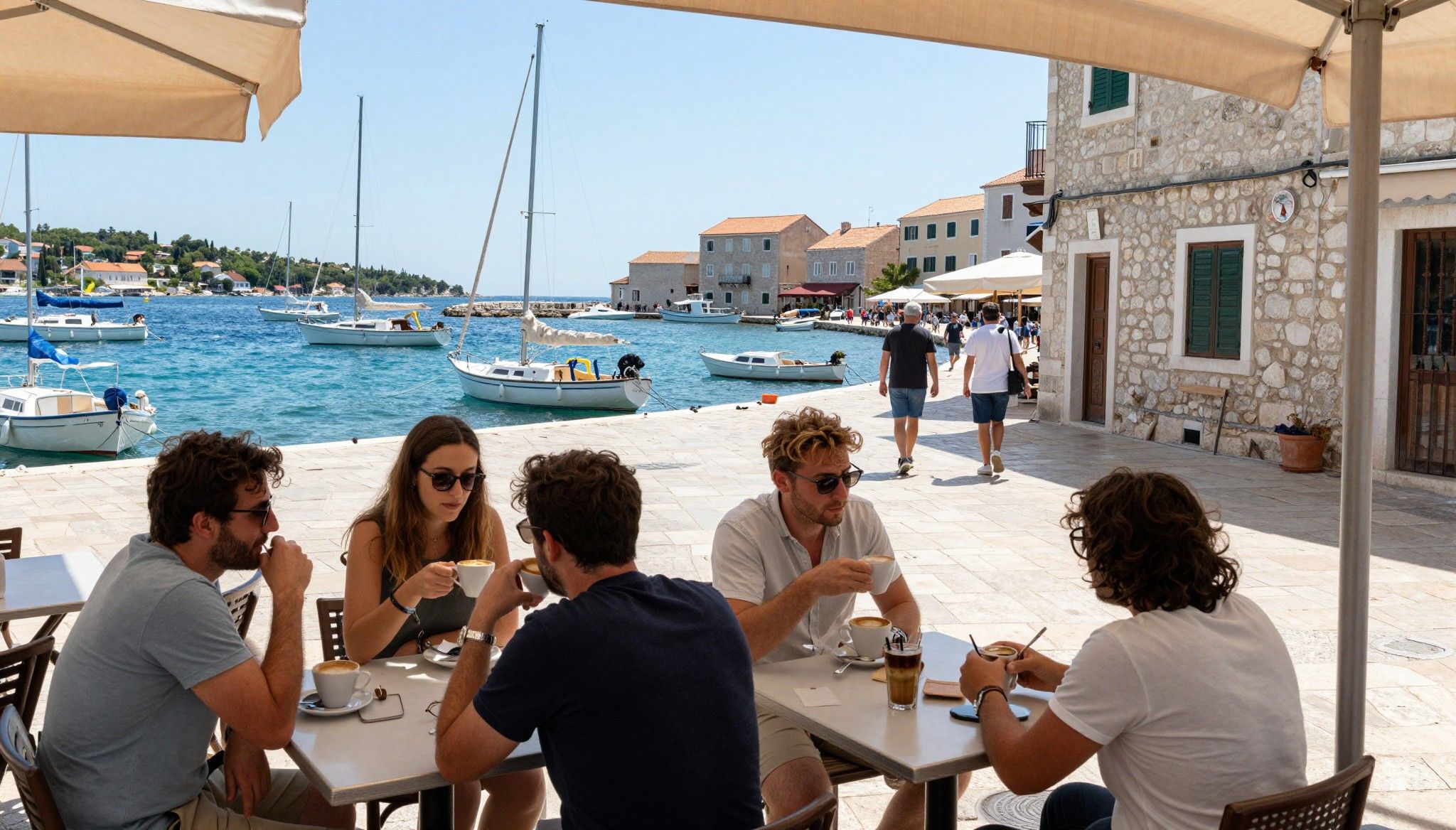
Imagine sipping an espresso on Split’s Riva at 9 a.m., then an hour later walking a quiet inland village street where the same view of tiled roofs costs a fraction. Croatia feels small and diverse: Adriatic glamour and pocketed, affordable hinterlands coexist. That contrast shapes price trends in ways headline numbers miss, and it matters whether you’re buying for life, income, or seasonal escape.
Living the Croatia lifestyle
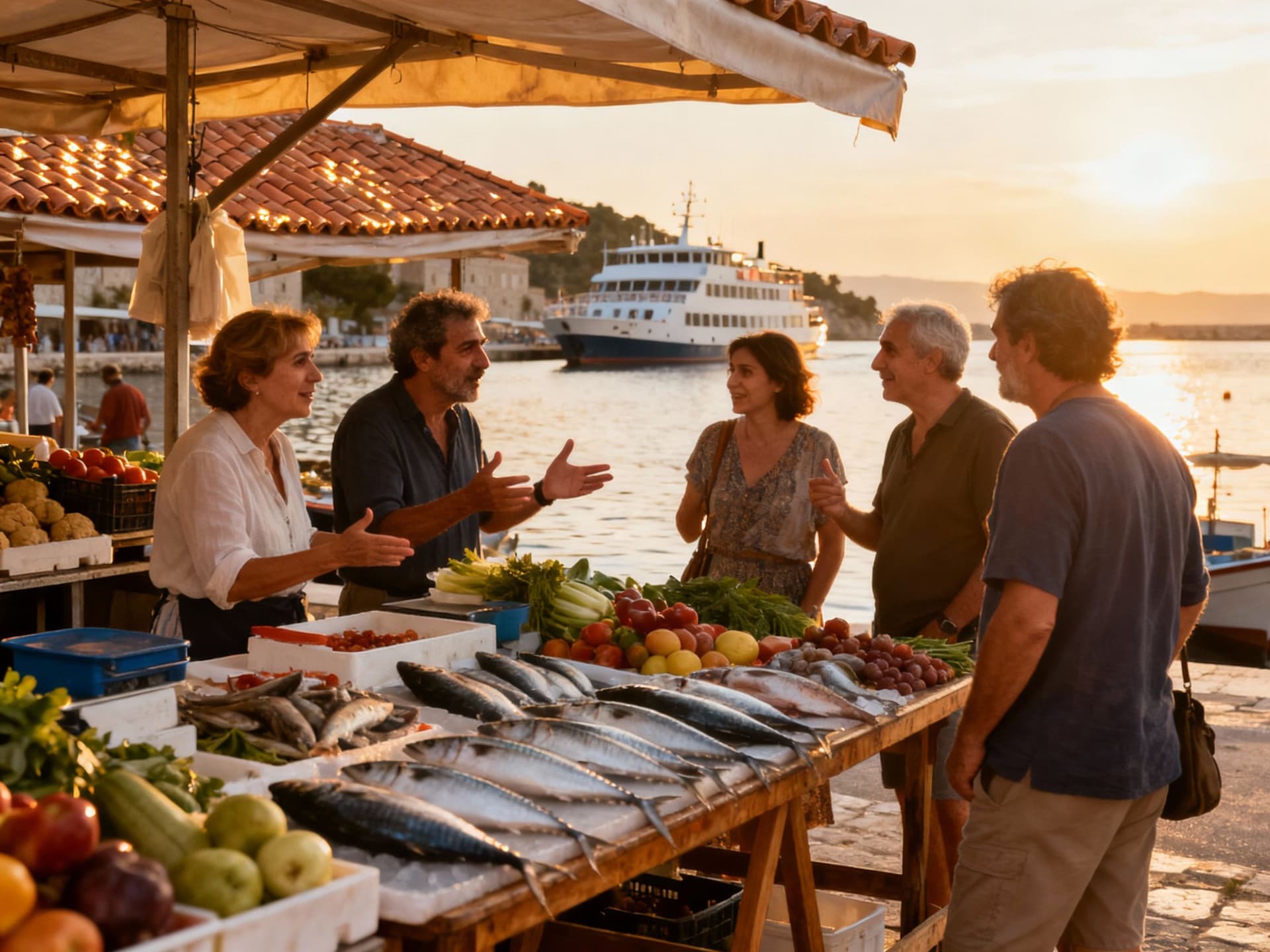
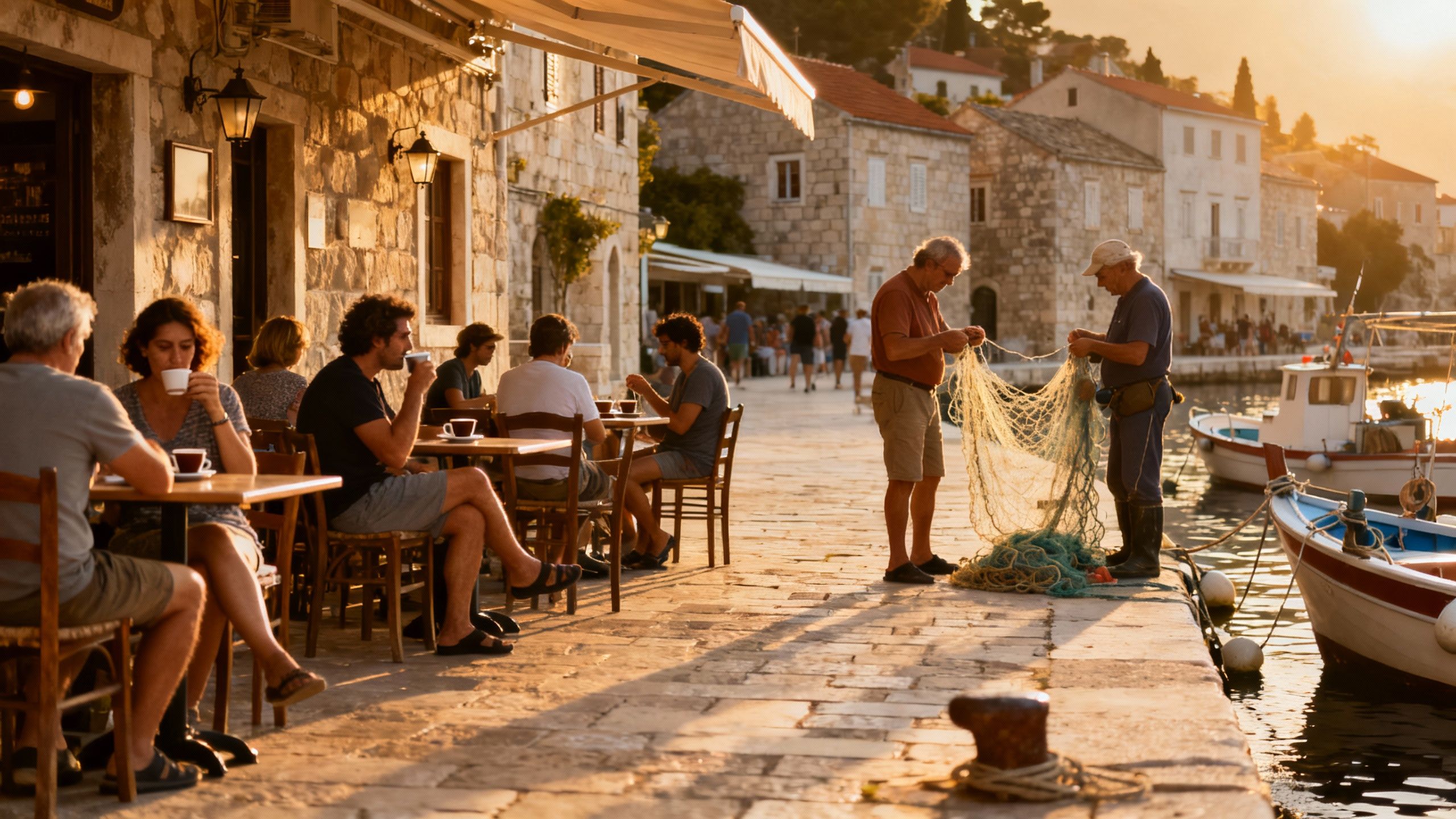
Daily life in Croatia is calibrated to daylight and water. Coastal mornings open with market stalls, fishermen’s nets, and bakeries emitting warm challah-like breads; afternoons drift into cafés and siesta-paced reading; evenings gather in konobas for grilled fish and poached octopus. Inland towns—Zagorje, Slavonia—offer robust markets, family-run taverns, and quieter rhythms that suit long-term living more than tourist-season intensity.
Coastlines and island pockets: where prices cluster
Istria, Dubrovnik, Hvar and parts of Dalmatia carry premium pricing—limited land, high tourism demand, and second‑home buyers push €/m² above national averages. Eurostat and national indices recorded double‑digit annual rises in recent quarters, concentrated on the coast, while inland counties lagged. That means lifestyle choices (island mornings, waterfront promenades) often come with a clear price premium.
Food, markets and the small‑town social fabric
Weekend rituals—farmer’s markets in Split’s Pazar, fish auctions in Zadar, truffle fairs in Istria—define where people actually want to live. These cultural nodes drive micro‑market desirability: a lane with a beloved bakery or a piazza with live music can uplift values more than municipal boundaries. When I walked Korčula’s old town, I noticed buyers paying premiums for walkability and proven year‑round life, not just summer atmosphere.
- Split’s Riva markets; Hvar town harbor cafés; Pazar market (Split); St. Donatus square (Zadar); Motovun truffle festival (Istria); Zagorje vineyard weekends
Making the move: practical considerations
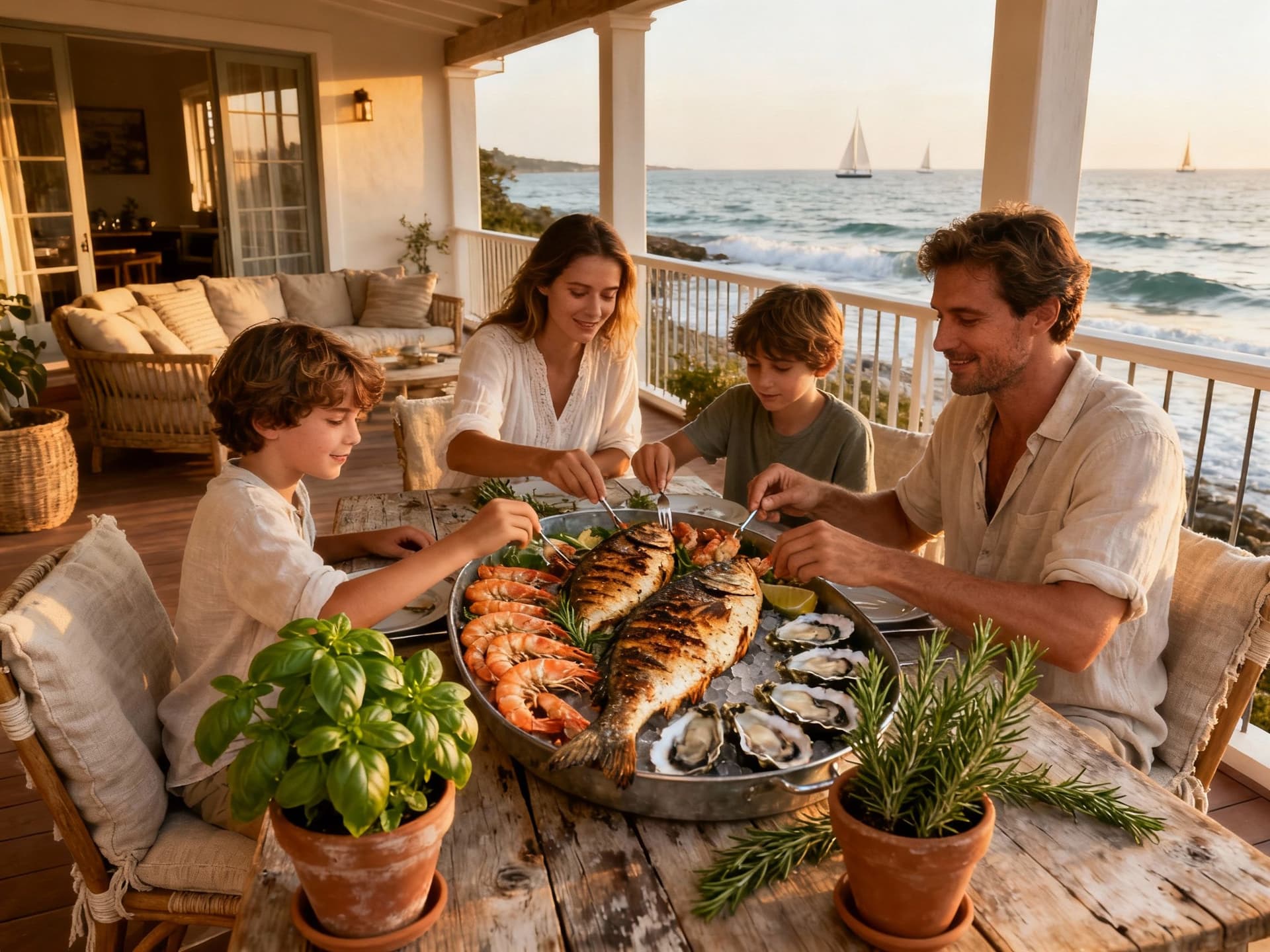
Dreams meet the ledger when you talk costs and timing. Official statistics show national house price growth of around 10% year‑on‑year in late 2024, with coastal and island municipalities outpacing inland areas. That growth is uneven: prices continue to rise overall, but transaction volumes and returns differ depending on seasonality, local supply and short‑let exposure. In short: know which type of Croatia you want to live in before you chase averages.
Property styles and how they shape daily life
Stone apartments in old towns offer compact, walkable life but bring renovation complexity: thick walls, limited parking, and heritage rules. New-build condominiums on the periphery provide parking, insulation and lower maintenance but often require a car to reach waterfront cafés. Villas and restored stone houses give scale and outdoor living—ideal for families—but carry higher upkeep and seasonal management needs.
Working with local experts who know the rhythm
A savvy local agent or lawyer doesn’t just list homes—they translate local rhythms into value. They’ll tell you which streets quiet in winter, which homeowner associations enforce short‑let rules, and how upcoming property tax reforms may affect holding costs. Recent policy moves aim to tax vacant and short‑term listed units differently, so agencies that monitor municipal enforcement are priceless when deciding between coast and hinterland.
- Decide your living horizon (seasonal escape vs permanent move); Match property type to maintenance appetite and mobility (old town vs new build); Check municipal short‑let rules and local tourist levies with your agent; Model total holding costs—including proposed property tax changes—and rental seasonality; Visit off‑season (late autumn/winter) to test year‑round life before committing
Insider knowledge: what expats wish they’d known
Here’s the real talk: coastal charm can mask seasonal vacancy and spikes in asking prices. Expats often underestimate ongoing running costs—utilities, winter heating for stone houses, and property management when they’re away. Conversely, inland or peripheral coastal towns can offer better value and community life year‑round, even if they lack the showpiece marina.
Cultural integration and daily practicalities
Croatian social life rewards effort: learn basic Croatian greetings, buy from a few local shops, and you’ll be invited to village barbecues and market tips. Language opens doors to better renovation contractors and kinder negotiation in smaller towns. Expect slower bureaucracy rhythms; patient planning and a local fixer will save time and money.
Long‑term outlook: what the data suggest
National indices show steady upward momentum through 2024 into 2025, with some cooling signs in transaction volumes. Expect continued coastal scarcity-driven premiums, while inland areas may see more modest, stable growth. Policy shifts—like targeted property taxation—could rebalance incentives toward longer‑term rental and owner‑occupation rather than short‑term holiday lets.
- Buy where the lifestyle matches your year‑round plan; check municipal occupancy rules; prefer proven agents who operate in your target neighborhood; view properties in low season; price in renovation and management costs
Croatia offers a rare combo: Mediterranean daily life plus pockets of genuinely affordable hinterland living. If you want seaside ritual and are ready to pay a premium, focus on proven coastal towns and accept higher holding costs. If you want community and value, explore inland counties and smaller coastal villages—your espresso ritual will still be waiting, sometimes for less.
Next steps: shortlist 2–3 neighbourhoods that match your daily rhythm, secure a local agent with on‑the‑ground market data, and plan at least one off‑season visit. That way you buy the life you want, not a postcard. An agent who understands both data and daily life is the bridge between dream and durable ownership.
Swedish strategist who relocated to Marbella in 2018. Specializes in legal navigation and tax planning for Scandinavian buyers.