The Croatian Coast Isn’t Just Expensive — What Buyers Miss
Croatia’s headline ‘expensive’ label hides micro‑markets and seasonal opportunities; scout neighbourhoods, verify occupancy data and buy based on lifestyle signals, not myths.
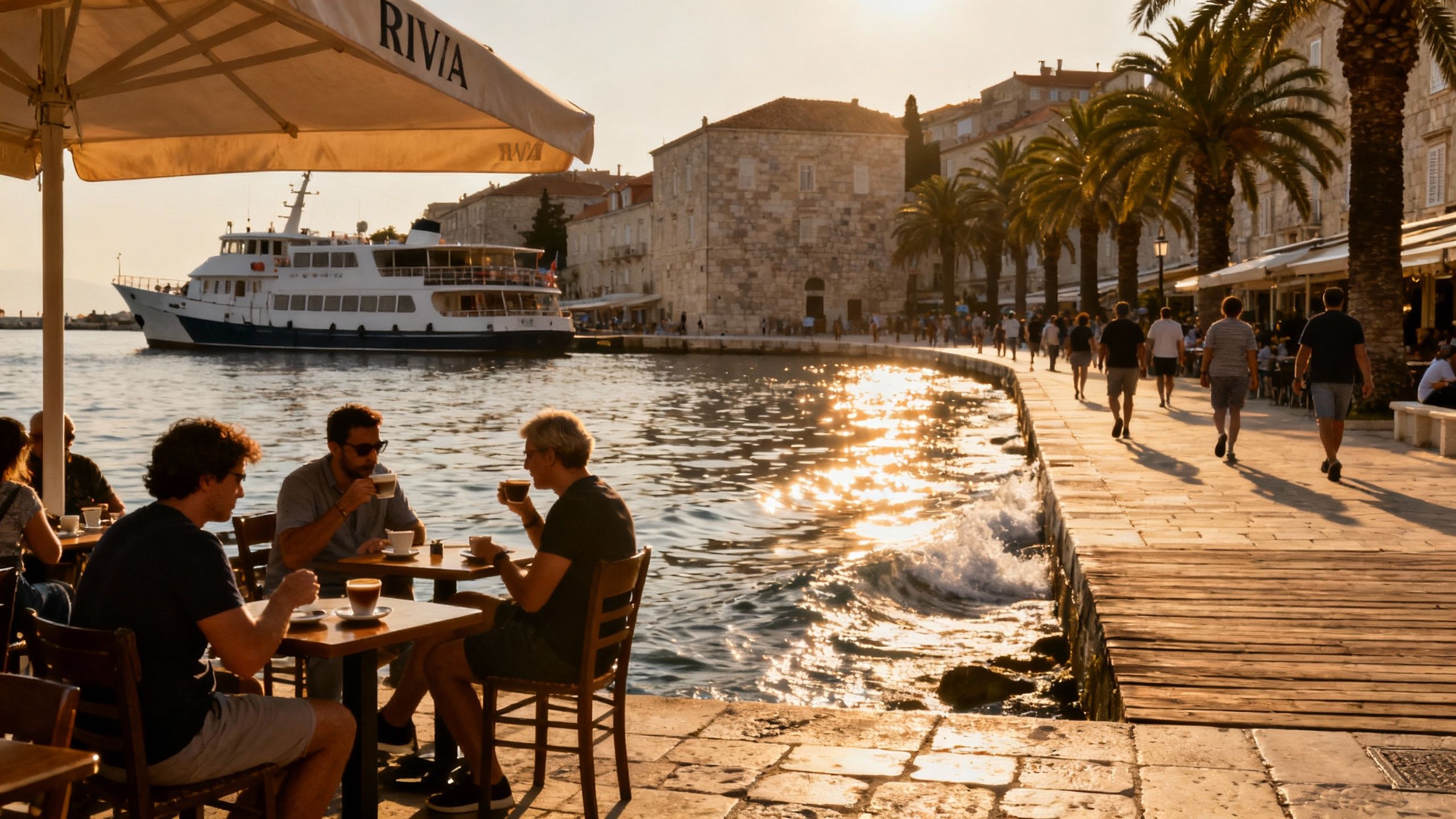
Imagine sitting at a small table outside Café Uliks on Split’s Riva, espresso steaming, ferries cutting silver across the harbour — and realising the coastal price tag you feared isn’t the whole story. Local demand, seasonality and micro‑markets mean that a headline ‘expensive Croatia’ often hides pockets of affordability, rental opportunity and lifestyle value that international buyers rarely see. This guide pairs those lived moments with data-driven price signals so you can fall for the place and still buy sensibly.
Living the Croatian life: more than a price per metre
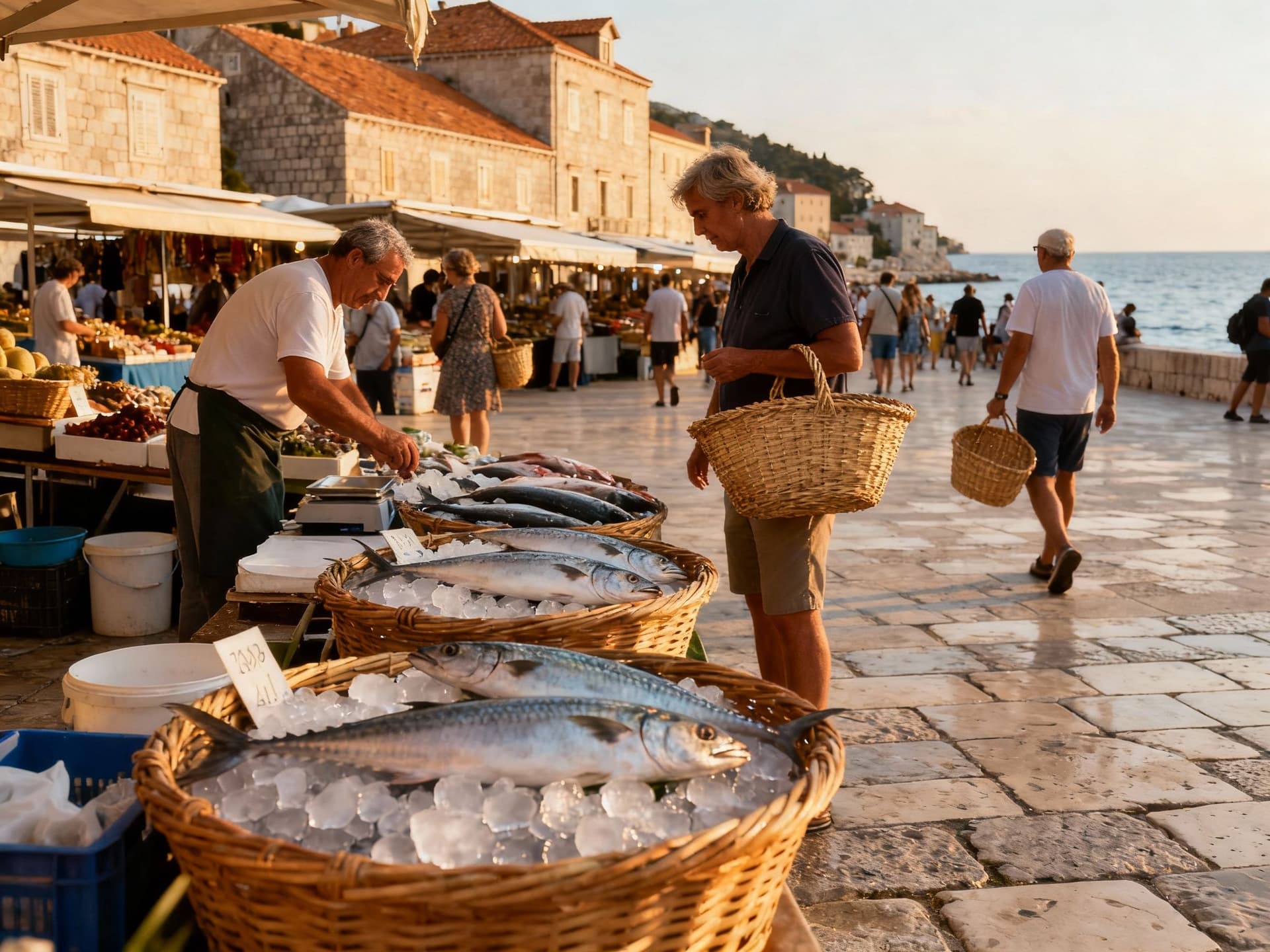
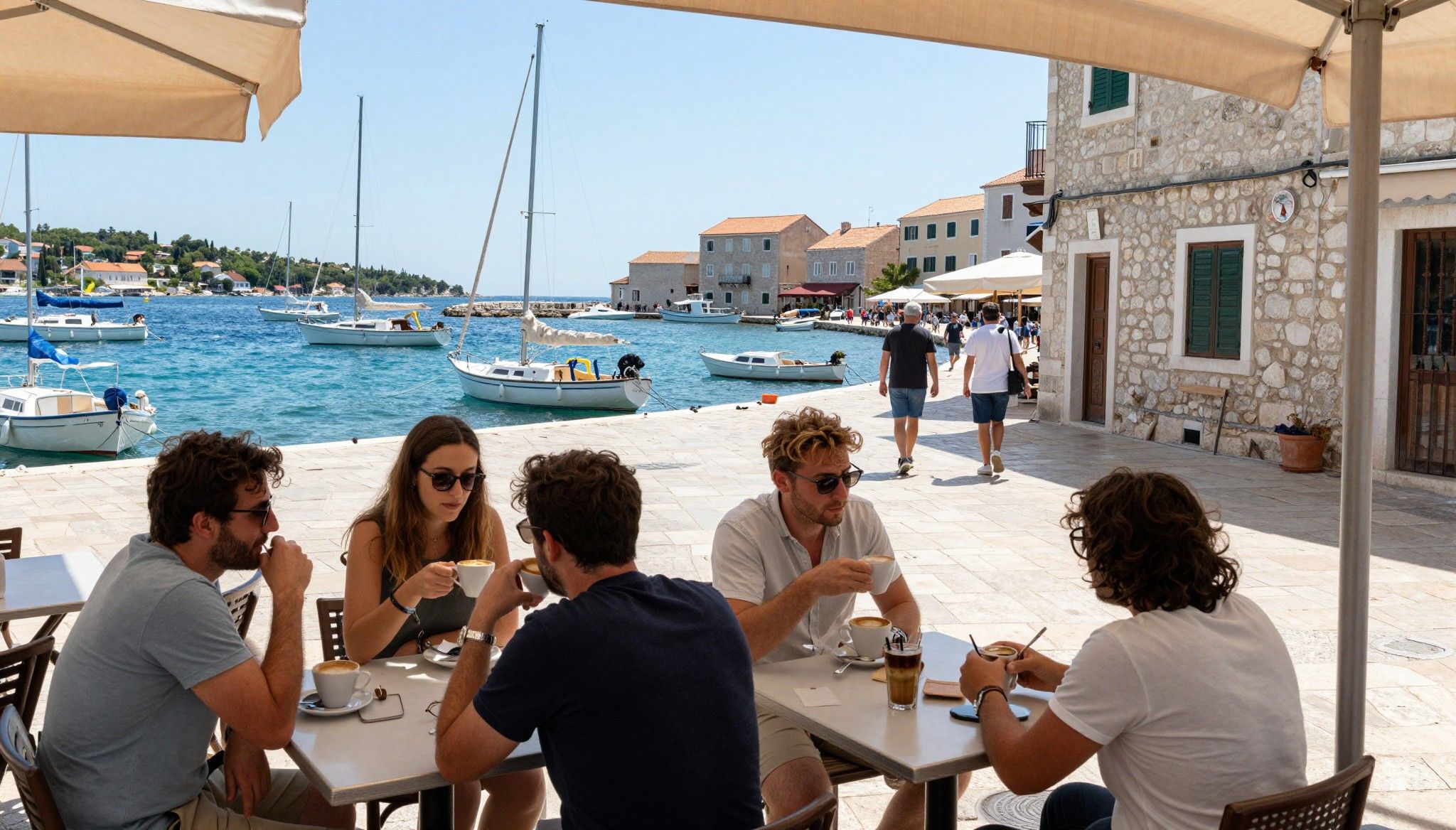
Croatia’s daily rhythm blends Adriatic calm with lively market mornings and late‑night konoba dinners. In towns like Rovinj and Hvar you’ll hear multiple languages on cobbled streets; in Zagreb you’ll find espresso culture and neighbourhood markets that make weekly life easy. The sensory reality — salt tang on the air, bakeries opening at 6:30, late afternoons on pebbled beaches — explains why buyers pay a premium in specific pockets, not across the country.
Coast vs inland: distinct atmospheres
Coastal towns (Dubrovnik, Split, Rovinj) centre around seafront life: small boats, seafood restaurants, and a clear tourist season. Inland Croatia — Slavonia, Baranja, the Zagorje hills — offers quiet village squares, lower property prices and a slower pace. Choosing where to live is as much about the daily soundtrack as it is about €/m².
Neighbourhoods that feel like home
Split’s Varoš and Bačvice balance local rhythms and beach access; Rovinj’s Old Town rewards walking life; Zagreb’s Maksimir offers parks and cafés suited to families. These micro‑neighbourhoods determine quality of life more than county averages do — and they explain price dispersion along the Adriatic.
- Lifestyle highlights to scout on your first visit:
- Morning: Dolac Market vendors in Zagreb for produce and community life
- Afternoon: a walk along Split’s Riva then a swim at Bačvice beach
- Evening: small konoba in Korčula or family-run fish restaurants in Zadar
Making the move: practical market signals that matter
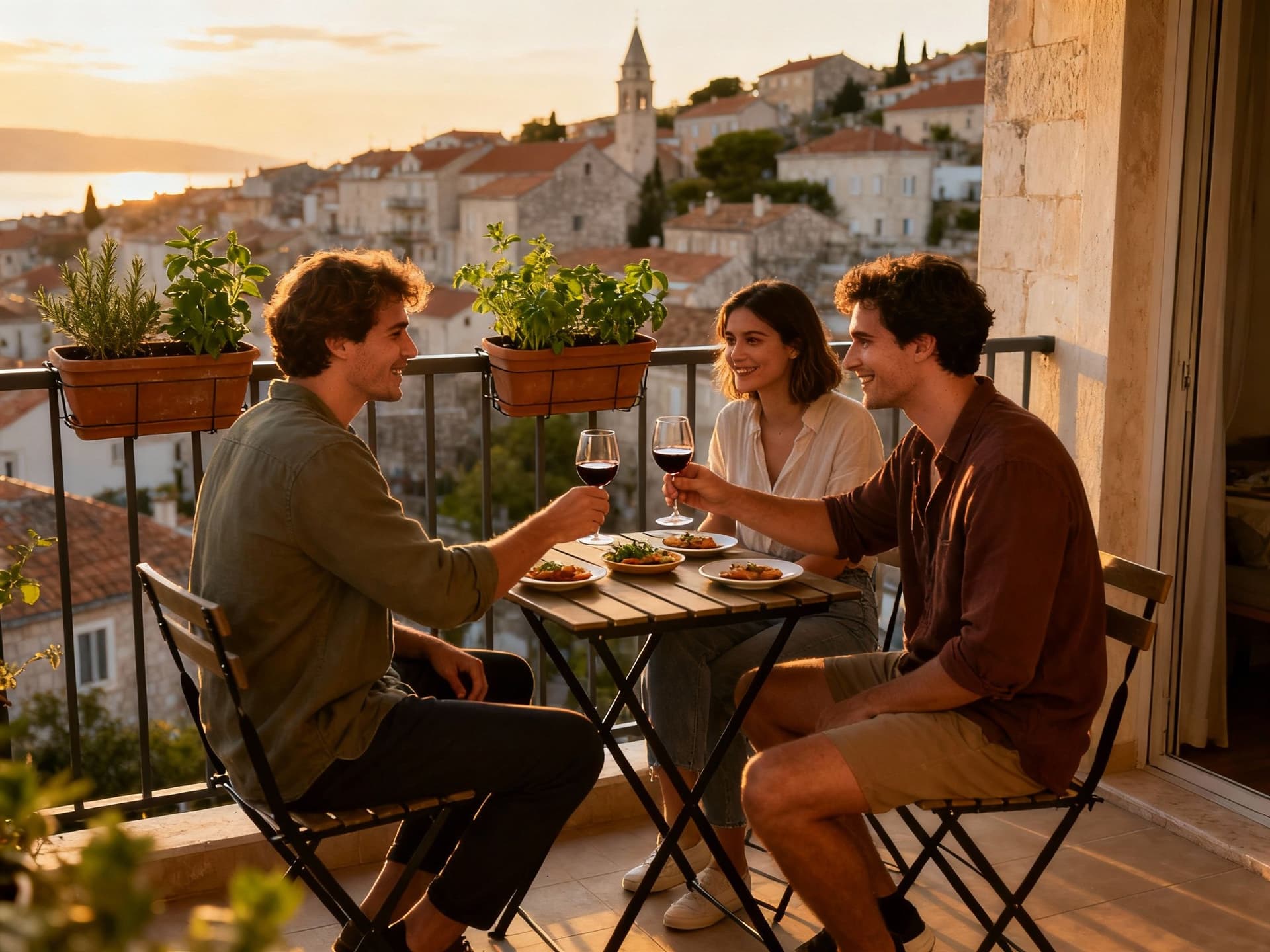
Behind the headlines, three measurable trends should shape your search: strong coastal demand tied to tourism and short‑term rental potential, fast price growth in 2022–24 in many counties, and widening spreads between prime tourist islands and inland towns. Tourism remained resilient — arrivals and spending rose in 2024 and into 2025 — which supports seasonal rental demand but also adds volatility for occupancy and pricing. Use these signals to define pockets of value rather than chasing broad labels like “cheap” or “expensive”.
Property types: how lifestyle shapes price
Apartments in historic coastal centres carry a premium for location and rentalability; new builds outside town centres often deliver better square‑metre value plus easier maintenance. On islands, small, well‑located apartments beat larger rural houses for rental yield. Matching property type to intended use (full‑time living, seasonal rental, long‑term let) is the fastest way to reconcile lifestyle wishlists with realistic budgets.
Working with local experts who know the seasons
A local agent who understands summer footfall, off‑season pricing and municipal permit timelines saves time and money. They’ll tell you where utilities are reliable, which town councils favour year‑round rentals over short lets, and which renovations will boost mid‑season bookings. Think of your agent as a lifestyle translator — they convert your ‘I want seafront aperitifs’ into a shortlist of viable neighbourhoods and budgets.
- Steps to align lifestyle with price (practical order):
- Decide your primary use (full-time, seasonal, rental) and acceptable commute to services
- Compare micro‑markets: same county, different prices — look at street-level listings and recent sales
- Check tourism seasonality and local occupancy rates before modelling rental income
- Engage a local attorney and agent to verify permits, utility access and local taxes that affect net yields
Insider knowledge: red flags, seasonal traps and contrarian buys
A common mistake: assuming that coastal equals homogeneous premium. Within Dubrovnik you’ll find ultra‑prime seafront units and nearby interior neighbourhoods with far more reasonable asking prices. Another trap is buying at the height of summer — open houses show a place at its best. Off‑season visits reveal noise, heating costs, and neighbourhood life that matter year‑round.
Three red flags to watch
- High advertised yields with no documented local occupancy history
- Properties marketed primarily to short‑stay tourists but with municipal restrictions on short lets
- Unclear property boundaries or missing utility connection documentation
A contrarian pick: inland towns with coastal access
Towns like Šibenik hinterlands, parts of Zadar county and northern Istria’s small villages offer lower entry prices while keeping you within a 45–75 minute drive of beaches and island ferries. As demand pushes prime coastal rates higher (noted sharply between 2022–24), these hybrid locations give a lifestyle compromise and often better renovation upside.
Cultural insight: Croatians prize long family lunches and small‑business hospitality. Learn a few phrases, frequent a local konoba, and neighbours will become key allies during renovation or bureaucracy. Language is useful, but practical goodwill and an understanding of municipal rhythms will get you further than perfect Croatian.
Longer term: expect the market to bifurcate. Prime coastal addresses will keep command prices thanks to tourism and limited stock; inland and peripheral coastal areas offer the most realistic upside for buyers who plan to renovate, rent off‑season or live year‑round.
Conclusion — fall in love, but buy with signals: visit in two seasons, shortlist micro‑neighbourhoods, and test rental assumptions against local occupancy data. Use agents and lawyers who can translate lifestyle preferences into property terms and local regulations. If you want life on a café terrace and a sea breeze, Croatia rewards patient, informed buyers — and the right pocket will surprise you.
Swedish strategist who relocated to Marbella in 2018. Specializes in legal navigation and tax planning for Scandinavian buyers.